520 Results for "

aqueous-bicarbonate buffer

" in MedChemExpress (MCE) Product Catalog:
Products (520)

520 Results for "aqueous-bicarbonate buffer" in MCE Product Catalog:
268
268 Publications Verification
Cat. No.: HY-K1001

MCE RIPA Lysis Buffer is one of the most reliable buffers used to lyse cells from both cultured cells and tissues.

loading...
    loading...
79
79 Cited Publications
Cat. No.: HY-K0501A

MCE SYBR Green qPCR Master Mix (Universal) is compatible with all qPCR instruments. 2× ready-to-use formulations which consist of antibody-mediated hot start polymerase, MgCl2, dNTPs and a proprietary reaction buffer, produce optimal results in qPCR experiments. The 100 rxns is defined as the base specification. All larger sizes correspond to incremental volumes of this base.
loading...
    loading...
64
64 Cited Publications
Cat. No.: HY-Y1269
CAS No.: 12125-02-9
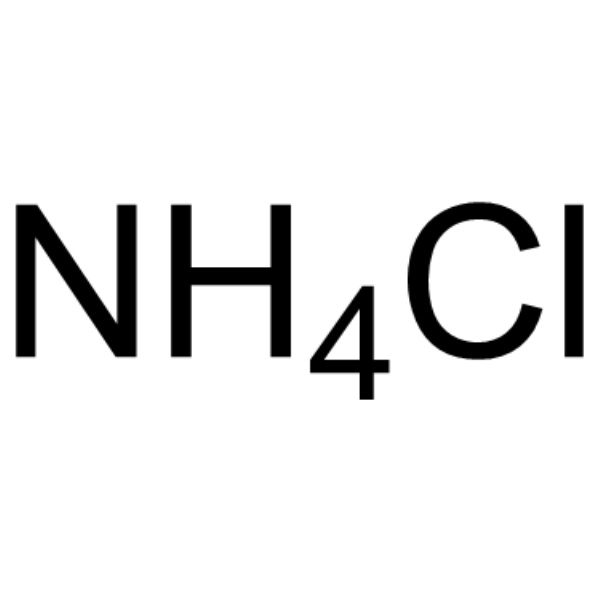
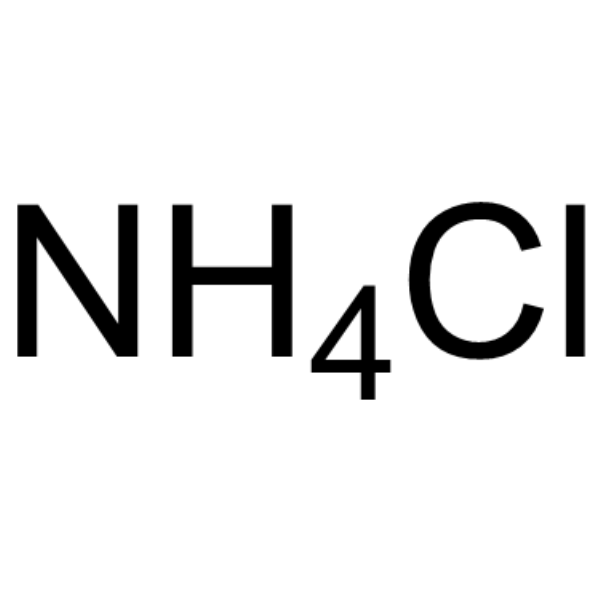
Ammonium chloride, as a heteropolar compound with pH value regulation, can cause intracellular alkalization and metabolic acidosis thus effecting enzymatic activity and influencing the process of biological system. Ammonium chloride is an autophagy inhibitor. Ammonium chloride is also a lysosome inhibitor .
loading...
    loading...
64
64 Cited Publications
Cat. No.: HY-Y1269C
CAS No.: 12125-02-9
Synonyms: Salmiac, for cell culture
Ammonium chloride, for cell culture (Salmiac, for cell culture) is a reagent that can be used in cell culture to provide a source of nitrogen. Ammonium chloride can be used as a heteropolar compound to regulate pH value, which can cause intracellular alkalination and metabolic acidosis, thus affecting the activity of enzymes and affecting the process of biological systems. Ammonium chloride acts as an autophagy inhibitor.Ammonium chloride is also a lysosome inhibitor.
loading...
    loading...
46
46 Cited Publications
Cat. No.: HY-N1428
CAS No.: 77-92-9
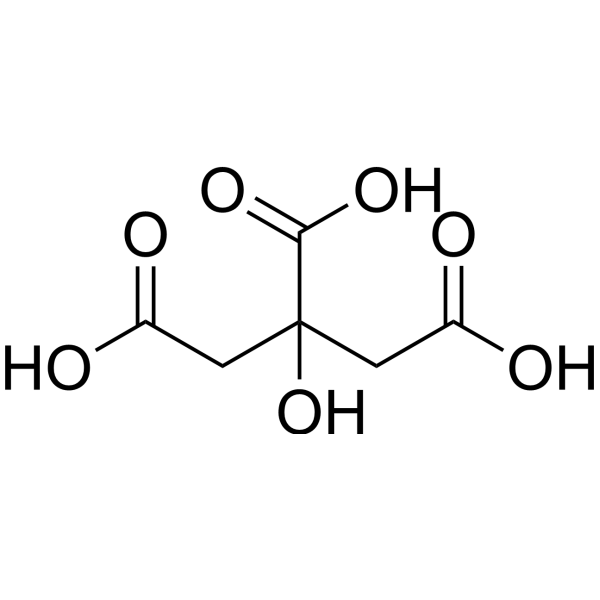
Citric acid is a natural preservative and food tartness enhancer. Citric acid induces apoptosis and cell cycle arrest at G2/M phase and S phase in HaCaT cells. Citric acid cause oxidative damage of the liver by means of the decrease of antioxidative enzyme activities. Citric acid is also an acidulant, emulsifier, sequestrant and buffering agent widely used across many industries .
loading...
    loading...
29
29 Cited Publications
Cat. No.: HY-K3005

Phosphate-Buffered Saline (PBS) is a balanced salt solution used for a variety of cell culture applications, such as washing cells, diluting cells and preparing reagents. The 500 mL is defined as the base specification. All larger sizes correspond to incremental volumes of this base.
loading...
    loading...
26
26 Cited Publications
Cat. No.: HY-Y0649
CAS No.: 7447-41-8
Synonyms: LiCl, Premium grade
Lithium chloride, 99% (LiCl, Premium grade) is a biochemical reagent that can be used as a biological material or organic compound for life science related research .
loading...
    loading...
19
19 Cited Publications
Cat. No.: HY-K1002

MCE NP-40 Lysis Buffer is a relatively mild reliable buffers used to lyse cells from animal, plant tissue and fungi, bacteria etc.

loading...
    loading...
15
15 Cited Publications
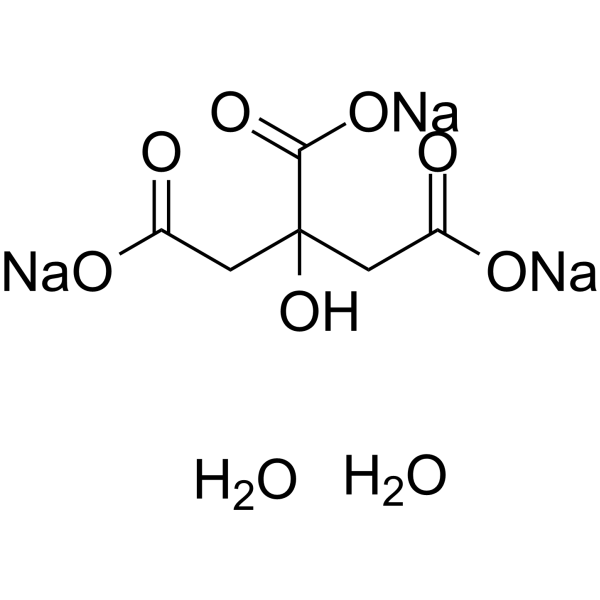
Cat. No.: HY-B1610
CAS No.: 6132-04-3
Synonyms: Trisodium citrate dihydrate; Citric acid trisodium salt dihydrate
Sodium citrate (Trisodium citrate) dihydrate is an orally active natural product that can be found in citrus fruits. Sodium citrate dihydrate can inhibit the proliferation of tumor cells and induce apoptosis. Sodium citrate dihydrate has antibacterial, anti-tumor and antioxidant activities. Sodium citrate dihydrate can be prepared as a cosolvent or buffer .
loading...
    loading...
14
14 Cited Publications
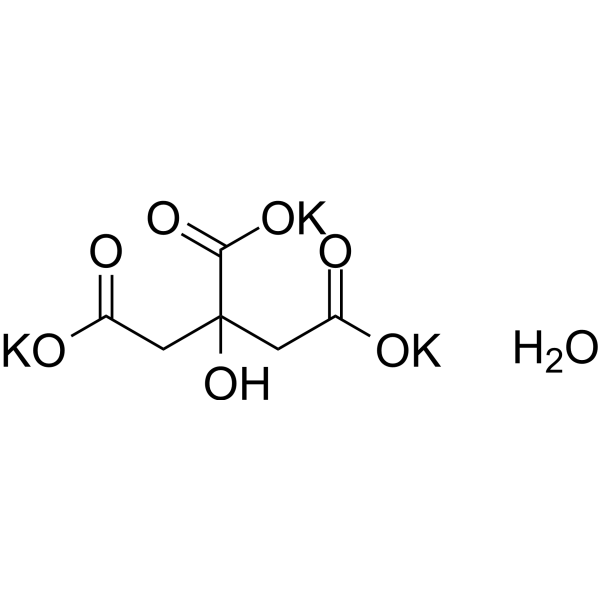
Cat. No.: HY-W009156
CAS No.: 6100-05-6
Synonyms: Potassium citrate monohydrate
Category:  

Ketones, Aldehydes, Acids Guttiferae Extract Metabolic Disease Plants 500 - Internal Server Error | MedChemExpress

Oops!

Sorry, Something went wrong on our server.
Our team has been notified and is working to fix the issue.