13 Results for "

attractive target

" in MedChemExpress (MCE) Product Catalog:
Products (13)

13 Results for "attractive target" in MCE Product Catalog:

4
4 Cited Publications
Cat. No.: HY-144776
CAS No.: 831243-31-3
Purity:  99.85%
Target:  

NAMPT

Research Areas:  

Cancer

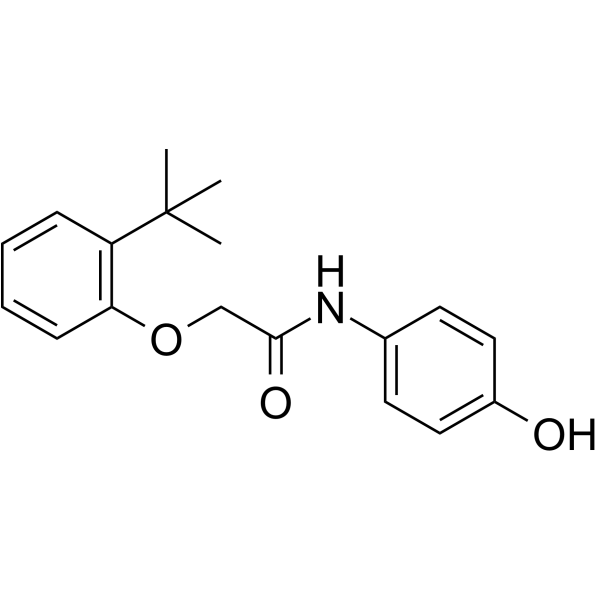
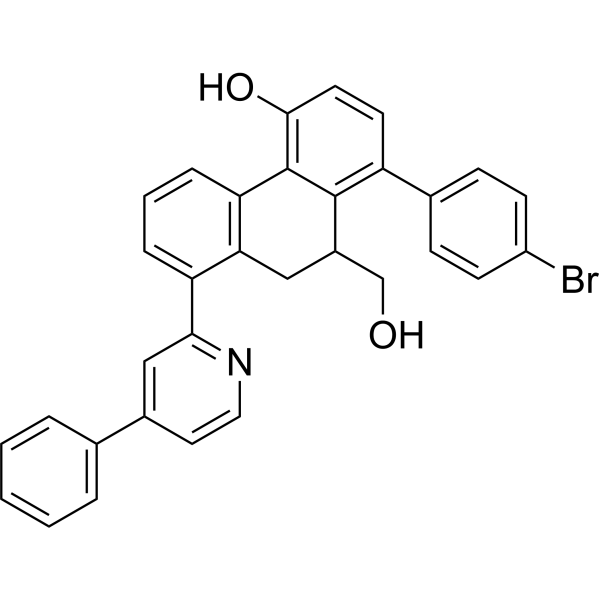
NAT is an initial hit of NAMPT activator with an EC50 of 5.7 μM and a KD of 379 nM. NAMPT is the rate-limiting enzyme in the NAD salvage pathway, which makes it an attractive target for the research of many diseases associated with NAD exhaustion such as neurodegenerative diseases .
loading...
    loading...
Cat. No.: HY-138084
CAS No.: 2410846-16-9
Purity:  99.83%
Target:  

Separase Mitosis

Research Areas:  

Cancer

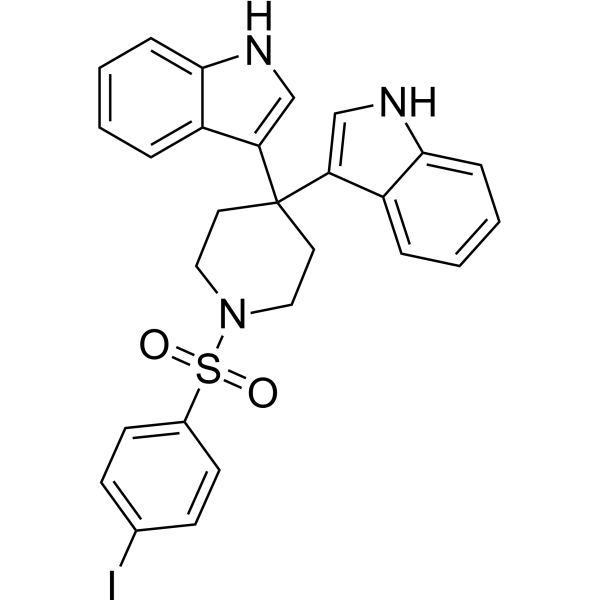
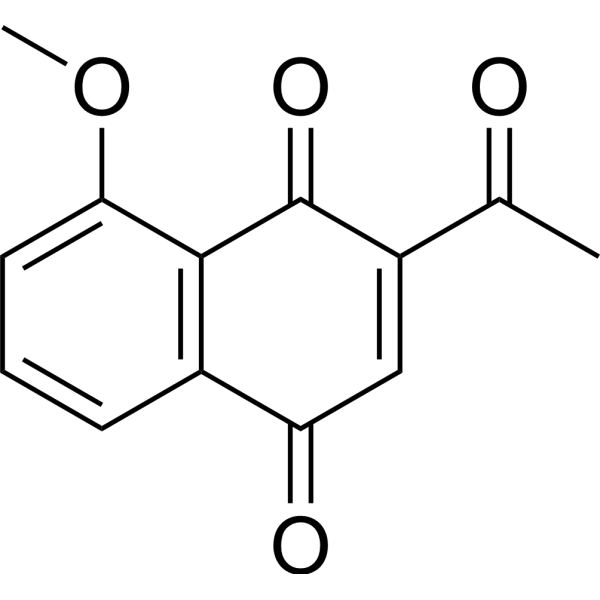
SIC5-6 is a potent Separase inhibitor. Separase, a large cysteine protease, involves in chromosome segregation during mitosis and meiosis, DNA damage repair, centrosome disengagement and duplication, spindle stabilization and elongation. Separase is highly overexpressed in many solid cancers, serves as an attractive chemotherapeutic target .
loading...
    loading...
Cat. No.: HY-111313
CAS No.: 844645-08-5
Research Areas:  

Metabolic Disease

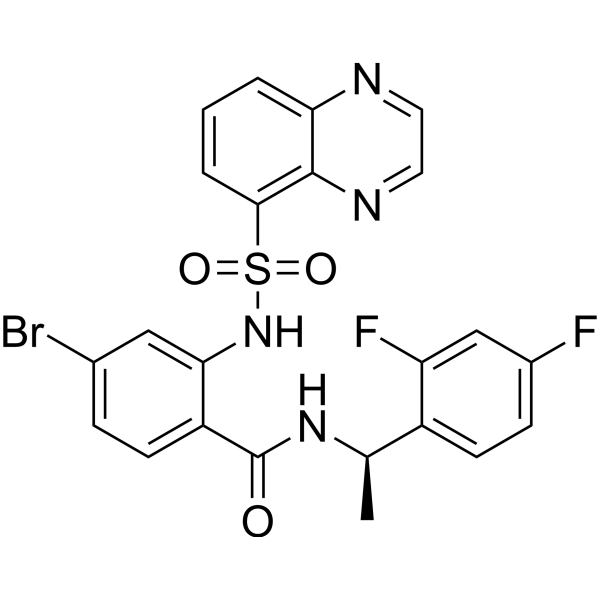
JNJ-26070109 is a high-affinity, competitive, orally bioactive, and selective cholecystokinin 2 (CCK2) receptor antagonist with good pharmacokinetic properties, with pKis of 8.49, 7.99, and 7.70 for human, rat, and dog CCK2 receptors, respectively. The dual function of CCK2 receptors in regulating gastric acid secretion and growth of the gastrointestinal mucosa make this an attractive and novel target for the research of gastroesophageal reflux disease .
loading...
    loading...
Cat. No.: HY-116497
CAS No.: 1627843-95-1
Target:  

FAK

Research Areas:  

Cancer

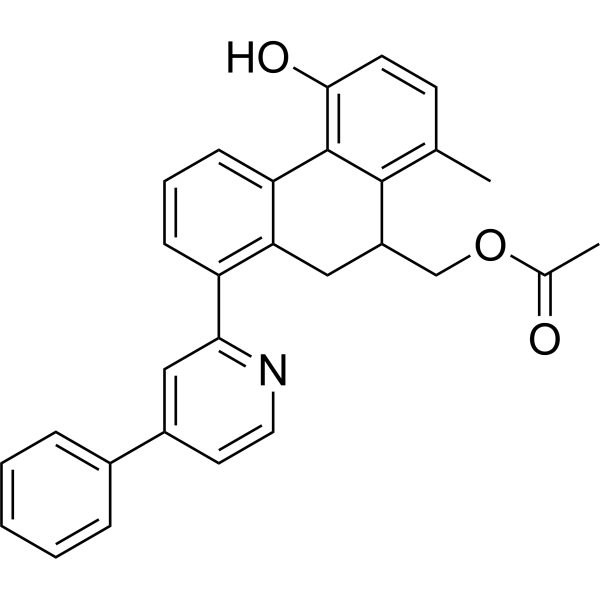
PH11 is a novel focal adhesion kinase (FAK) inhibitor that rapidly induces apoptosis in TRAIL-resistant PANC-1 cells when combined with TRAIL, but has no effect on normal human fibroblasts. The study found that PH11 downregulates c-FLIP through inhibition of FAK and phosphatidylinositol-3-kinase (PI3K)/AKT pathways, thereby restoring the TRAIL apoptotic pathway, suggesting that this combination therapy may provide an attractive therapeutic strategy for the safe and effective treatment of pancreatic cancer. PH11 selectively inhibits c-FLIP expression by modulating upstream signaling pathways and may represent an innovative therapeutic strategy. Although further work is needed to fully elucidate the mechanism of PH11-induced TRAIL sensitization, we believe that our results will provide a new approach to target c-FLIP without the risk of interfering with caspase-8 processing, which could potentially lead to TRAIL resistance. This study also suggests a role for the FAK/AKT signaling pathway in regulating c-FLIP expression in TRAIL-induced apoptosis, and this understanding will provide important clues to control the resistance mechanism to optimize the potential of TRAIL-based pancreatic cancer treatment.
loading...
    loading...
Cat. No.: HY-E70610
Target:  

Virus Protease SARS-CoV

Research Areas:  

Infection

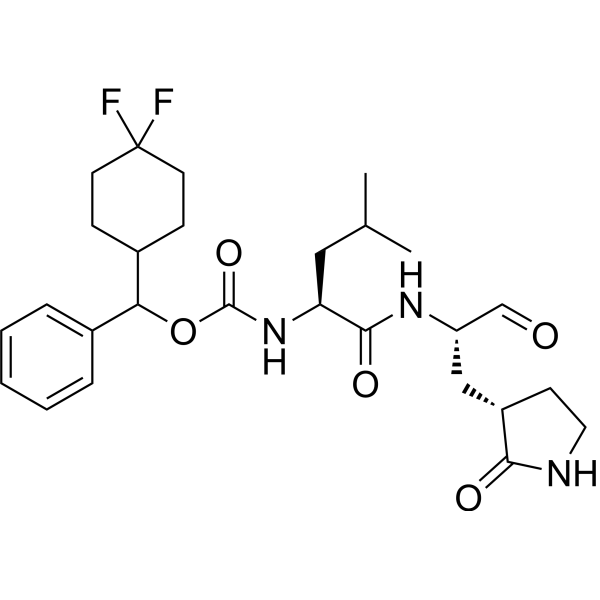
SARS-CoV-2 main protease is a main protease (Mpro) of SARS-CoV-2, which plays a central role in viral replication and transcription and represents an attractive drug target for fighting COVID-19 .
loading...
    loading...
Cat. No.: HY-144260
CAS No.: 2432956-06-2
Target:  

SARS-CoV

Research Areas:  

Infection

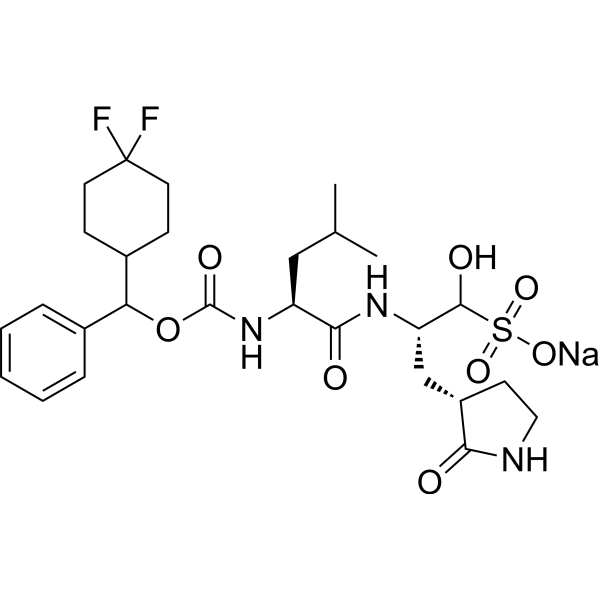
3CPLro-IN-1 (compound A17) is a potent and orally active inhibitor of SARS-CoV-2 3CLpro with an IC50 of 5.65 μM. 3-Chymotrypsin-like cysteine protease (3CLpro) is an indispensable protein in viral replication and represents an attractive agent target for fighting COVID-19 .
loading...
    loading...
Cat. No.: HY-144263
CAS No.: 2758278-51-0
Target:  

SARS-CoV

Research Areas:  

Infection

3CPLro-IN-2 (compound C1) is a potent and orally active inhibitor of SARS-CoV-2 3CLpro with an IC50 and Ki of 1.55 and 6.09 μM, respectively. 3-Chymotrypsin-like cysteine protease (3CLpro) is an indispensable protein in viral replication and represents an attractive agent target for fighting COVID-19 .
loading...
    loading...
Cat. No.: HY-N144101
CAS No.: 81418-42-0
SARS-CoV MPro-IN-2 (compound 15) is a potent inhibitor of SARS-CoV-2 M pro with an IC50 value of 72.07 nM. The main protease (M pro) of the virus as the major enzyme processing viral polyproteins contributes to the replication and transcription of SARS-CoV-2 in host cells, and has been characterized as an attractive target in agent discovery. SARS-CoV MPro-IN-2 has the potential for the research of COVID-19 .
loading...
    loading...
Cat. No.: HY-145276
CAS No.: 2722634-95-7
Target:  

SARS-CoV

Research Areas:  

Infection

SARS-CoV-2-IN-10 is a potent and nontoxic inhibitor of SARS-CoV-2 3CL protease (3CLpro) with an IC50 and EC50 of 0.13 and 1.03 nM, respectively. SARS-CoV-2 3C-like protease (3CLpro), an enzyme essential for viral replication, is an attractive target for intervention. SARS-CoV-2-IN-11 may lead to the emergence of effective SARS-CoV-2-specific antivirals .
loading...
    loading...
Cat. No.: HY-145277
CAS No.: 2722635-28-9
Target:  

SARS-CoV

Research Areas:  

Infection

SARS-CoV-2-IN-11 is a potent and nontoxic inhibitor of SARS-CoV-2 3CL protease (3CLpro) with an IC50 and EC50 of 0.17 and 1.45 nM, respectively. SARS-CoV-2 3C-like protease (3CLpro), an enzyme essential for viral replication, is an attractive target for intervention. SARS-CoV-2-IN-11 may lead to the emergence of effective SARS-CoV-2-specific antivirals .
loading...
    loading...
Cat. No.: HY-111313R
CAS No.: 844645-08-5
JNJ-26070109 (Standard) is the analytical standard of JNJ-26070109 (HY-111313). This product is intended for research and analytical applications. JNJ-26070109 is a high-affinity, competitive, orally bioactive, and selective cholecystoKinin 2 (CCK2) receptor antagonist with good pharmacoKinetic properties, with pKis of 8.49, 7.99, and 7.70 for human, rat, and dog CCK2 receptors, respectively. The dual function of CCK2 receptors in regulating gastric acid secretion and growth of the gastrointestinal mucosa make this an attractive and novel target for the research of gastroesophageal reflux disease .
loading...
    loading...
Cat. No.: HY-L006
3,545 compounds

GPCRs are a large family of cell surface receptors that respond to a variety of external signals. Binding of a signaling molecule to a GPCR results in G protein activation, which in turn triggers the production of any number of second messengers. GPCRs play an important role in the human body, and increased understanding of these receptors has greatly affected modern medicine. In fact, researchers estimate that between one-third to one-half of all approved drugs act by binding to GPCRs. GPCRs are a large group of drug targets in drug discovery.

MCE provides a unique collection of 3,545 small molecules targeting GPCRs that can be used in the screening for various GPCRs-related research and drug development projects.

Cat. No.: HY-P991744

Target:  

CXCR

Research Areas:  

Cancer

Anti-Mouse CXCR4 Antibody is a monoclonal antibody that specifically recognizes murine CXCR4 (C-X-C chemokine receptor 4), also known as fusin or CD184. CXCR4 is a seven-transmembrane G protein–coupled receptor whose principal endogenous ligand is CXCL12 (stromal cell–derived factor-1α, SDF-1α) and is widely expressed in hematopoietic cells, endothelial cells, neurons, as well as embryonic and adult stem cells. The CXCR4–CXCL12 signaling axis activates multiple downstream pathways, including ERK1/2, Ras, p38 MAPK, PLC/MAPK, and SAPK/JNK, thereby regulating cell survival, proliferation, migration, and stemness maintenance. Aberrant overexpression of CXCR4 is closely associated with poor prognosis and metastasis in various cancers, with CXCR4-positive tumor cells preferentially home to CXCL12-rich tissues such as the liver, bone marrow, lung, and lymph nodes. Accordingly, CXCR4 and its CXCL12-related antagonists emerge as attractive targets for experimental anticancer therapy. Anti-Mouse CXCR4 Antibody is generated using a cell-based immunization and screening strategy and exhibits high affinity for both endogenous and exogenous murine CXCR4. Anti-Mouse CXCR4 Antibody can be used for thestudy of chronic lymphocytic leukemia and multiple myeloma .
loading...
    loading...
  • 1

