

224 Results for "

axonal regions

" in MedChemExpress (MCE) Product Catalog:
Products (224)

224 Results for "axonal regions" in MCE Product Catalog:

27
27 Publications Verification
Cat. No.: HY-B0990
CAS No.: 1393-48-2
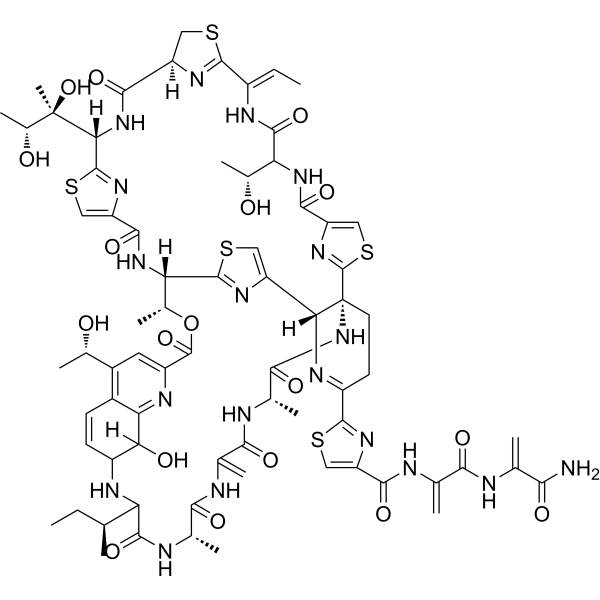
Thiostrepton is a thiazole antibiotic which selectively inhibits FOXM1. FOXM1 binds to YAP/TEAD complex. YAP/TEAD/FOXM1 complex binding at regulatory regions of genes governing cell cycle may impact cell proliferation .
loading...
    loading...
13
13 Cited Publications
Cat. No.: HY-D0986
CAS No.: 115534-33-3
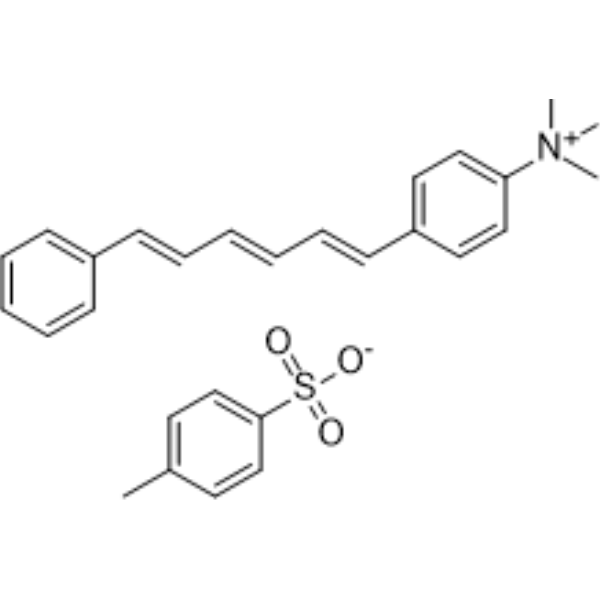
TMA-DPH is a hydrophobic fluorescent membrane probe (Ex=355 nm; Em=430 nm). TMA-DPH is able to anchor on the cell surface and localize to different regions of the phospholipid bilayer. By analyzing the fluorescence polarization values of TMA-DPH in the plasma membrane and membrane substructures, the fluidity of the cell membrane can be determined .
loading...
    loading...
8
8 Cited Publications
Cat. No.: HY-D1020
CAS No.: 7240-37-1
Synonyms: 7-AAD
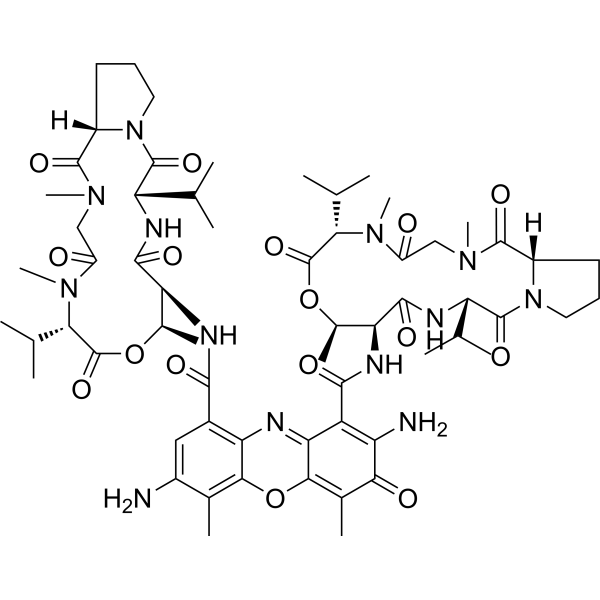
7-Aminoactinomycin D (7-AAD) a cell-impermeant fluorescent DNA stain, is a potent RNA polymerase inhibitor. 7-Aminoactinomycin D selectively binds to GC regions of the DNA. 7-Aminoactinomycin D also has antibacterial effects .
loading...
    loading...
8
8 Cited Publications
Cat. No.: HY-115364
CAS No.: 14255-87-9
Purity:  99.87%
Synonyms: SKF 29044
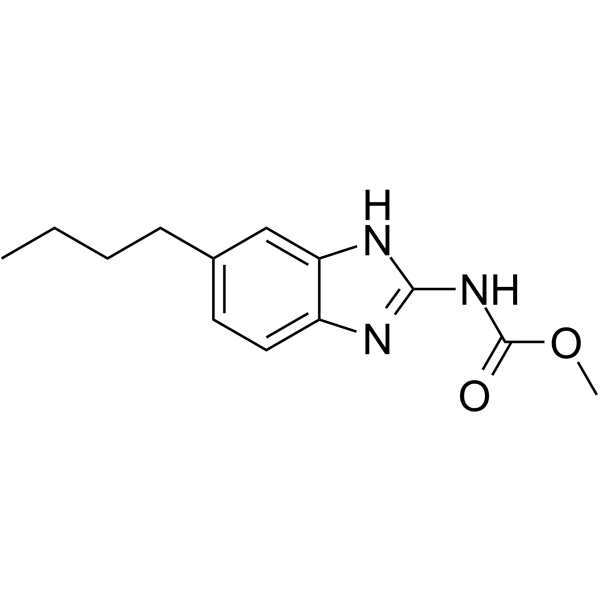
Parbendazole (SKF‑29044) is an orally active benzimidazole carbamate compound with multiple biological activities. Parbendazole binds to free tubulin and inhibits microtubule polymerization; it also activates the JNK/c‑Jun signaling axis and upregulates the expression of the downstream axonal repulsion factor Sema3A. Parbendazole upregulates KAL-1 mRNA expression, reduces nerve growth factor levels, and promotes the terminal differentiation of normal human epidermal keratinocytes. Parbendazole induces apoptosis in differentiated acute myeloid leukemia monocytes and exerts antileukemic activity in a mouse xenograft model of acute myeloid leukemia. Parbendazole exhibits broad-spectrum anthelmintic activity against various animal nematodes. Parbendazole is used in research related to acute myeloid leukemia and parasitic infections .
loading...
    loading...
5
5 Cited Publications
Cat. No.: HY-W115718
CAS No.: 370-81-0
Research Areas:  

Neurological Disease

Cuprizone is a copper chelating agent that forms a deep blue copper ketone complex with copper (II). The copper ketone reaction can be used in colorimetric tests for the presence of trace copper. Cuprizone can be used to induce some schizophrenia-like behavior in mice. Cuprizone acts on copper enzymes, including SOD1, cytochrome oxidase, and DβH, thereby causing oxidative stress and increasing DA levels in certain brain regions such as the medial prefrontal cortex (PFC) .
loading...
    loading...
3
3 Cited Publications
Cat. No.: HY-114712
CAS No.: 19970-45-7
Purity:  98.92%
Synonyms: SJ403
Target:  

CDK

Research Areas:  

Others

SJ572403 (SJ403) is a p27 Kip1 inhibitor. SJ572403 has high specificity for specific regions within the D2 subdomain of p27-KID with a Kd value of 2.2 mM. SJ572403 can be used for the research of diseases associated with intrinsically disordered proteins (IDPs) .
loading...
    loading...
3
3 Cited Publications
Cat. No.: HY-W012078
CAS No.: 838-07-3
Synonyms: 5-Methyldeoxycytidine
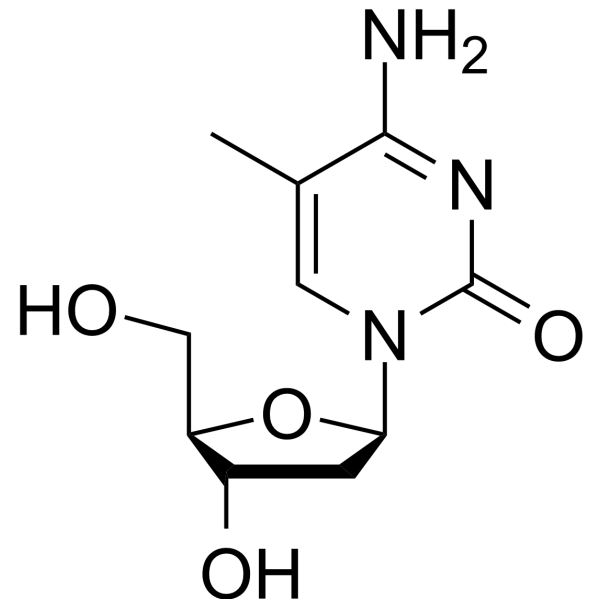
5-Methyl-2'-deoxycytidine (5mdC) is an endogenous substrate of DNA methyltransferases (such as mammalian 5-C-MTase) and binds to DNA dependent on the formation of DNA stem-loop structures. 5-Methyl-2'-deoxycytidine guides de novo DNA methylation by acting as a methylation mark and activates the methylation of adjacent CpG sites in single-stranded DNA through cis action. 5-Methyl-2'-deoxycytidine regulates DNA methylation patterns by recruiting methyltransferases to specific chromatin regions, affecting chromatin condensation and gene expression. Its distribution in plant cells is related to cell proliferation and differentiation stages. The methylation level of 5-Methyl-2'-deoxycytidine is low in proliferating cells and high in differentiated cells .
loading...
    loading...
2
2 Cited Publications
Cat. No.: HY-19740
CAS No.: 1233855-46-3
Target:  

FAAH Autophagy

Research Areas:  

Neurological Disease

BIA 10-2474 is an inhibitor of fatty acid amide hydrolase (FAAH) with IC50 values of 50 to 70mg/kg in various rat brain regions.
loading...
    loading...
2
2 Cited Publications
Cat. No.: HY-P99008
CAS No.: 2417175-94-9
Synonyms: IC14
Atibuclimab (IC14), is a chimeric monoclonal antibody directed against CD14 and is composed of murine variable and human IgG4 Fc regions. Atibuclimab attenuates Lipopolysaccharides (HY-D1056) (LPS)-induced symptoms and strongly inhibits LPS-induced proinflammatory cytokine release, while only delaying the release of the anti-inflammatory cytokines soluble TNF receptor type I and IL-1 receptor antagonist. Atibuclimab can be used for the research of amyotrophic lateral sclerosis, sepsis, community-acquired pneumonia, or acute lung injury .
loading...
    loading...
2
2 Cited Publications
Cat. No.: HY-W012078R
CAS No.: 838-07-3
Synonyms: 5-Methyldeoxycytidine (Standard)
5-Methyl-2'-deoxycytidine (5mdC) is an endogenous substrate of DNA methyltransferases (such as mammalian 5-C-MTase) and binds to DNA dependent on the formation of DNA stem-loop structures. 5-Methyl-2'-deoxycytidine guides de novo DNA methylation by acting as a methylation mark and activates the methylation of adjacent CpG sites in single-stranded DNA through cis action. 5-Methyl-2'-deoxycytidine regulates DNA methylation patterns by recruiting methyltransferases to specific chromatin regions, affecting chromatin condensation and gene expression. Its distribution in plant cells is related to cell proliferation and differentiation stages. The methylation level of 5-Methyl-2'-deoxycytidine is low in proliferating cells and high in differentiated cells .
loading...
    loading...
1
1 Cited Publications
Cat. No.: HY-P99293
CAS No.: 357613-77-5
Synonyms: IDEC 114; Anti-Human CD80 Recombinant Antibody
Target:  

CD28 Apoptosis

Research Areas:  

Cancer

Galiximab (IDEC-114) is a primatized monoclonal IgG1 antibody targeting CD80. Galiximab variable regions are primatized, and the constant regions are humanized. Galiximab induces antibody-dependent cellular cytotoxicity by blocking CD80-CD28 binding. Galiximab has antitumor activity and can induce apoptosis in tumor cells. Galiximab can be used in the research of relapsed Hodgkin lymphoma and solid tumors .
loading...
    loading...
1
1 Cited Publications
Cat. No.: HY-P5982
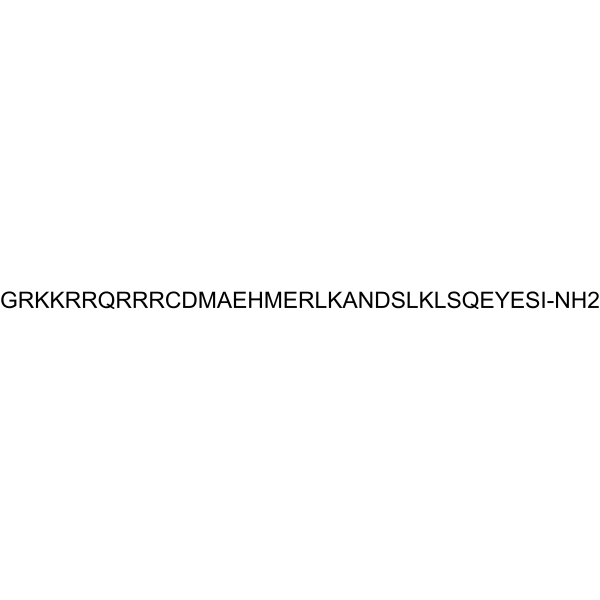
PTPσ Inhibitor, ISP is a PTPσ intracellular wedge domain mimetic peptide containing a TAT cell-penetrating domain, which acts as a PTPσ inhibitor. PTPσ Inhibitor, ISP binds to and inhibits PTPσ, thereby relieving CSPG-mediated axonal growth inhibition. PTPσ Inhibitor, ISP enhances CSPG degradation by promoting the secretion of Cathepsin B or MMP-2, and promotes DRG axonal growth, OPC migration and remyelination. PTPσ Inhibitor, ISP promotes nerve regeneration and improves sensory, motor and urinary functions in animal models of spinal cord injury, dorsal root injury and multiple sclerosis. PTPσ Inhibitor, ISP also increases the phosphorylation of ERK and AKT in colorectal cancer cells. PTPσ Inhibitor, ISP can be used in studies related to PTPσ/CSPG signaling, nerve regeneration, demyelinating diseases and RAS/ERK signaling .
loading...
    loading...
1
1 Cited Publications
Cat. No.: HY-P83146
Synonyms: GAP43; Neuromodulin; axonal membrane protein GAP-43; Growth-associated protein 43; Neural phosphoprotein B-50; pp46

Host:  

Rabbit

Application:  

WB, IHC-F, IHC-P, ICC/IF, IP

Reactivity:  

Human, Mouse, Rat

loading...
    loading...
1
1 Cited Publications
Cat. No.: HY-128700
CAS No.: 321-02-8
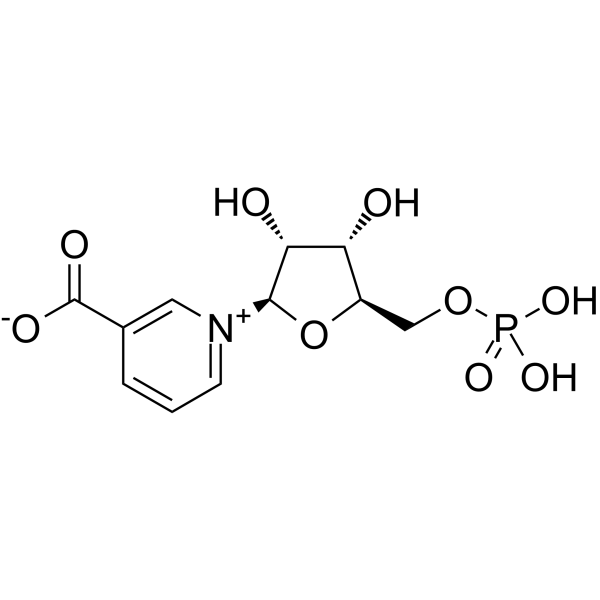
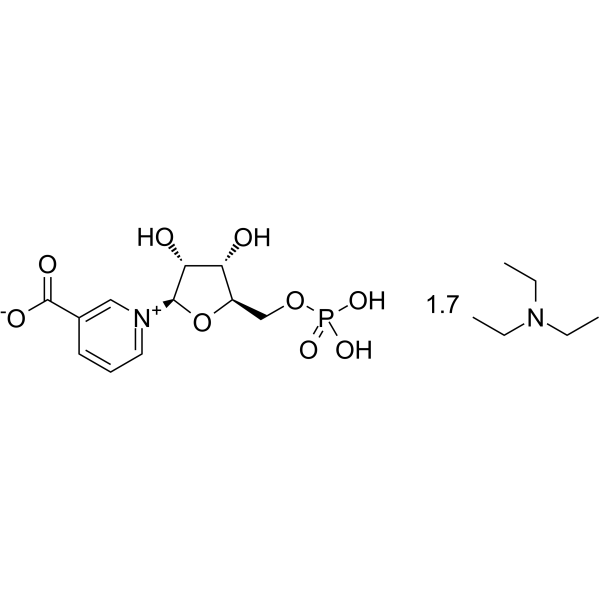
Nicotinic acid mononucleotide acts as a SARM1 inhibitor and a NAD + biosynthesis intermediate, with an IC50 value of 93.3 μM against SARM1. Nicotinic acid mononucleotide exerts axon-protective effects, delays axonal degeneration, elevates NAD + levels, enhances Sirt1 activity, improves myocardial capillary density and alleviates myocardial fibrosis. Nicotinic acid mononucleotide reverses diabetic cardiomyopathy in diabetic mice by increasing myocardial NAD + levels. Nicotinic acid mononucleotide is applicable to research related to cancer, multiple sclerosis, diabetic cardiomyopathy, neurodegenerative diseases and Huntington's disease .
loading...
    loading...
1
1 Cited Publications
Cat. No.: HY-B1864
CAS No.: 6980-18-3
Synonyms: Ksg
Target:  

Antibiotic Bacterial

Research Areas:  

Infection

Kasugamycin (Ksg) is an aminoglycoside antibiotic (antibiotic) that binds to the bacterial 30S ribosomal subunit and inhibits canonical translation initiation. Kasugamycin binds to the P-site and E-site codon regions in the mRNA channel and interferes with mRNA-tRNA codon-anticodon interactions, thereby destabilizing initiator tRNA binding. Kasugamycin possesses anti-infective activity. Kasugamycin is used in research on bacterial translation and Pseudomonas infection .
loading...
    loading...
1
1 Cited Publications
Cat. No.: HY-B1864A
CAS No.: 19408-46-9
Synonyms: Ksg hydrochloride
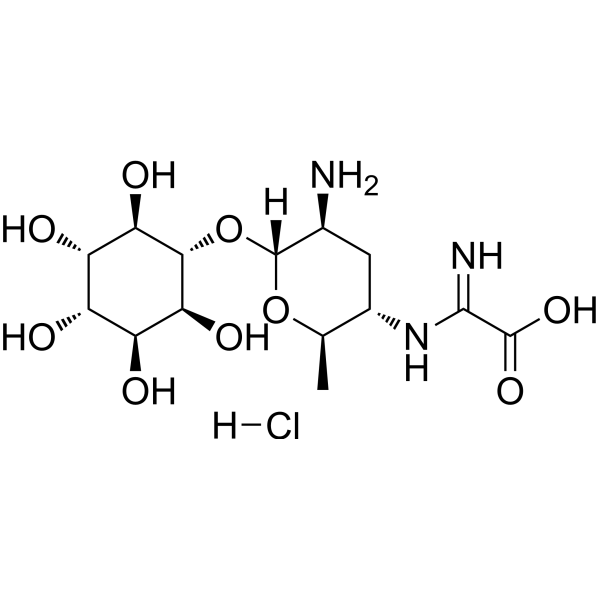
Kasugamycin (Ksg) hydrochloride is an aminoglycoside antibiotic (antibiotic) that binds to the bacterial 30S ribosomal subunit and inhibits canonical translation initiation. Kasugamycin hydrochloride binds to the P-site and E-site codon regions in the mRNA channel and interferes with mRNA-tRNA codon-anticodon interactions, thereby destabilizing initiator tRNA binding. Kasugamycin hydrochloride possesses anti-infective activity. Kasugamycin hydrochloride is used in research on bacterial translation and Pseudomonas infection .
loading...
    loading...
1
1 Cited Publications
Cat. No.: HY-B1864B
CAS No.: 200132-83-8
Synonyms: Ksg hydrochloride hydrate
Target:  

Antibiotic Bacterial

Research Areas:  

Infection

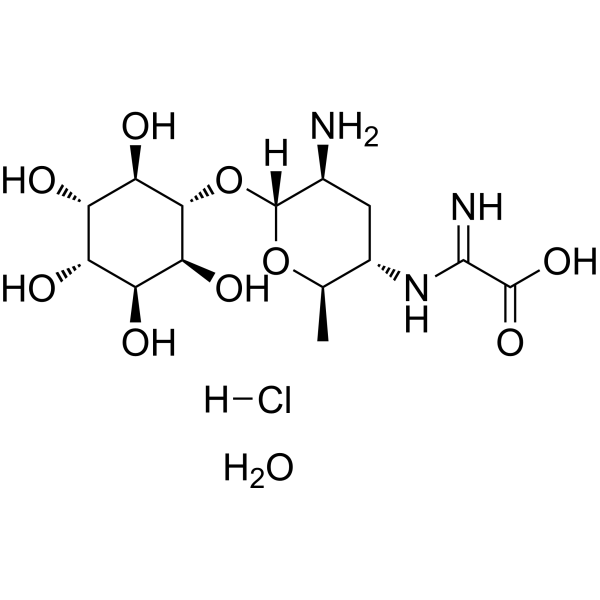
Kasugamycin (Ksg) hydrochloride hydrate is an aminoglycoside antibiotic (antibiotic) that binds to the bacterial 30S ribosomal subunit and inhibits canonical translation initiation. Kasugamycin hydrochloride hydrate binds to the P-site and E-site codon regions in the mRNA channel and interferes with mRNA-tRNA codon-anticodon interactions, thereby destabilizing initiator tRNA binding. Kasugamycin hydrochloride hydrate possesses anti-infective activity. Kasugamycin hydrochloride hydrate is used in research on bacterial translation and Pseudomonas infection .
loading...
    loading...
1
1 Cited Publications
Cat. No.: HY-128700A
Purity:  98.28%
Research Areas:  

Metabolic Disease

Nicotinic acid mononucleotide triethylamine acts as a SARM1 inhibitor and a NAD + biosynthesis intermediate, with an IC50 value of 93.3 μM against SARM1. Nicotinic acid mononucleotide triethylamine exerts axon-protective effects, delays axonal degeneration, elevates NAD + levels, enhances Sirt1 activity, improves myocardial capillary density and alleviates myocardial fibrosis. Nicotinic acid mononucleotide triethylamine reverses diabetic cardiomyopathy in diabetic mice by increasing myocardial NAD + levels. Nicotinic acid mononucleotide triethylamine is applicable to research related to cancer, multiple sclerosis, diabetic cardiomyopathy, neurodegenerative diseases and Huntington's disease .
loading...
    loading...
1
1 Cited Publications
Cat. No.: HY-15703
CAS No.: 1237744-13-6
Purity:  99.46%
Target:  

iGluR

Research Areas:  

Neurological Disease

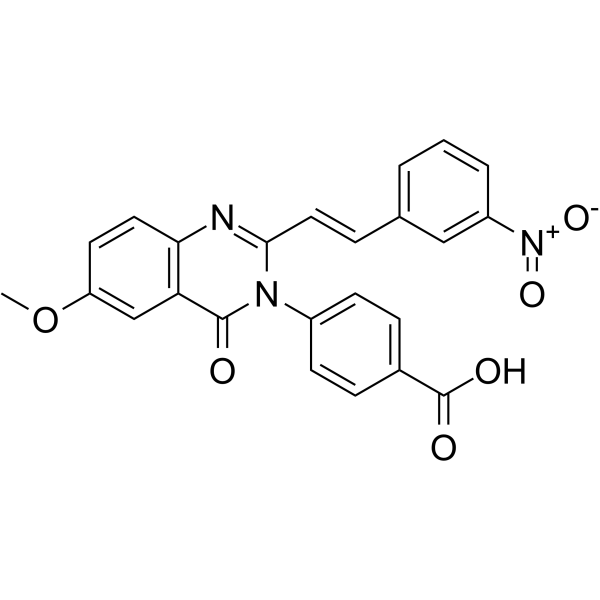
QNZ46 is a highly selective noncompetitive NMDA receptor antagonist targeting GluN2C/D (IC50=3.9 μM), GluN1/GluN2C (IC50=7.1 μM), and GluN1/GluN2D (IC50=182 μM) subunits. QNZ46 inhibits glutamate-mediated calcium influx, thereby blocking excitotoxicity. QNZ46 is membrane permeable and can cross the blood-brain barrier, where it inhibits myelin damage and axonal degeneration .
loading...
    loading...
1
1 Cited Publications
Cat. No.: HY-17539
CAS No.: 1421919-75-6
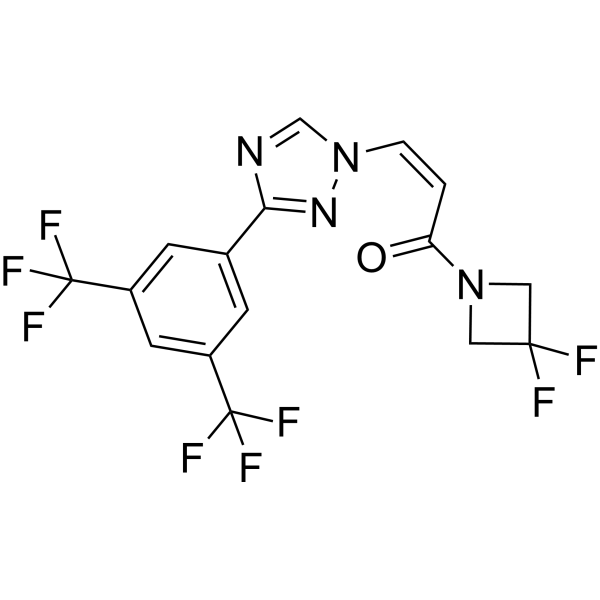
KPT-276 is an orally active and blood-brain barrier-penetrant selective XPO1/CRM1 inhibitor. KPT-276 blocks XPO1-mediated nuclear export function and promotes nuclear retention of various tumor suppressor proteins. KPT-276 induces apoptosis and G1 cell cycle arrest in tumor cells, and downregulates c-MYC, CDC25A, and BRD4. KPT-276 reduces immune cell proliferation through nuclear accumulation of cell cycle inhibitors, rescues TDP-43 cytoplasmic mislocalization, and restores axon growth and growth rate in mutant PFN1 motor neurons. KPT-276 maintains axonal cytoskeletal integrity and mitochondrial function, and inhibits tumor growth. KPT-276 can be used for research on glioblastoma, non-Hodgkin lymphoma, amyotrophic lateral sclerosis, multiple myeloma, and non-small cell lung cancer .
loading...
    loading...

