7 Results for "

bioaccumulation

" in MedChemExpress (MCE) Product Catalog:
Products (7)

7 Results for "bioaccumulation" in MCE Product Catalog:

Cat. No.: HY-21197
CAS No.: 375-85-9
Synonyms: Perfluoroheptanoic acid; Tridecafluoroheptanoic acid; PFHpA
Perfluoroenanthic acid (Perfluoroheptanoic acid) is a kind of perfluoroalkyl carboxylic acid organic pollutant. Perfluoroenanthic acid has environmental persistence and bioaccumulation, and exposure can occur via oral, dermal and other routes. Perfluoroenanthic acid exhibits reproductive toxicity, neurotoxicity, hepatotoxicity, immunotoxicity and endocrine-disrupting effects. Perfluoroenanthic acid exerts definite adverse effects on development, spermatogenesis, neuronal activity and liver tissue .
loading...
    loading...
Cat. No.: HY-D0082
CAS No.: 91-44-1
Research Areas:  

Others

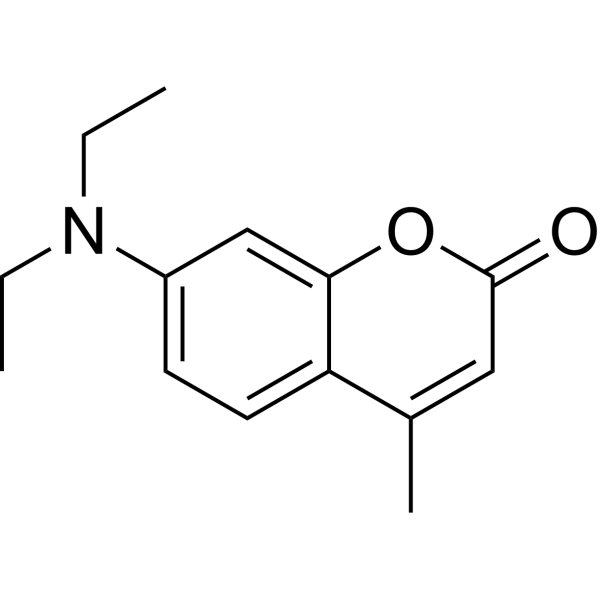
7-Diethylamino-4-methylcoumarin is a coumarin fluorescent dye, primarily used for the detection of antiandrogenic activity in environmental water samples and for bioaccumulation studies. The detection mechanism of 7-Diethylamino-4-methylcoumarin does not rely on enzymes or pH, but is based on its intrinsic fluorescence properties, producing changes in fluorescence signal upon binding to the androgen receptor or distributing in environments of different polarities (Ex/Em = 410/470 nm) .
loading...
    loading...
Cat. No.: HY-N11653
CAS No.: 155112-68-8
Synonyms: KM 01
Target:  

Others

Research Areas:  

Others

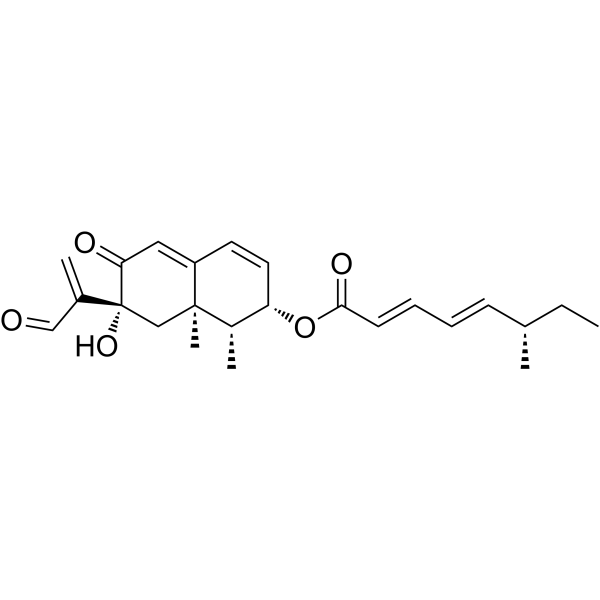
Bipolal (KM 01) is a natural product isolated from the culture fluid of bipolar algae (Bipolaris sp.). It has a bipolar structure and can form a surfactant between water and oil, so it has excellent Anti-pollution properties. Bipolal can effectively inhibit marine bioaccumulation and biocorrosion, and has broad application prospects .
loading...
    loading...
Cat. No.: HY-D0082R
CAS No.: 91-44-1
7-Diethylamino-4-methylcoumarin (Standard) is the analytical standard of 7-Diethylamino-4-methylcoumarin (HY-D0082). This product is intended for research and analytical applications. 7-Diethylamino-4-methylcoumarin is a coumarin fluorescent dye, primarily used for the detection of antiandrogenic activity in environmental water samples and for bioaccumulation studies. The detection mechanism of 7-Diethylamino-4-methylcoumarin does not rely on enzymes or pH, but is based on its intrinsic fluorescence properties, producing changes in fluorescence signal upon binding to the androgen receptor or distributing in environments of different polarities (Ex/Em = 410/470 nm) .
loading...
    loading...
Cat. No.: HY-W701713
CAS No.: 31972-43-7
Target:  

Drug Derivative

Research Areas:  

Others

Fenamiphos sulfoxide is the major oxidative metabolite of the organophosphate pesticide fenamiphos. Fenamiphos sulfoxide can be transformed by aquatic and terrestrial algae, and undergoes bioaccumulation in these organisms .
loading...
    loading...
Cat. No.: HY-21197S
CAS No.: 2328024-55-9
Synonyms: Perfluoroheptanoic acid-13C4; Tridecafluoroheptanoic acid-13C4; PFHpA-13C4
Perfluoroenanthic acid- 13C4 (Perfluoroheptanoic acid- 13C4) is the 13C-labeled Perfluoroenanthic acid (HY-21197). Perfluoroenanthic acid (Perfluoroheptanoic acid) is a kind of perfluoroalkyl carboxylic acid organic pollutant. Perfluoroenanthic acid has environmental persistence and bioaccumulation, and exposure can occur via oral, dermal and other routes. Perfluoroenanthic acid exhibits reproductive toxicity, neurotoxicity, hepatotoxicity, immunotoxicity and endocrine-disrupting effects. Perfluoroenanthic acid exerts definite adverse effects on development, spermatogenesis, neuronal activity and liver tissue .
loading...
    loading...
Cat. No.: HY-L247
294 compounds

Environmental pollution refers to the process where human activities release harmful chemicals or energy (such as industrial waste, pesticides, and plastic particles) into the natural environment at a rate that exceeds the ecosystem's capacity for self-purification, leading to deterioration in the composition or state of the atmosphere, water bodies, and soil. Environmental pollution is not only a direct threat to biodiversity but also ultimately impacts human health through the bioaccumulation effect of the food chain. Therefore, the accurate identification and dynamic monitoring of pollutants constitute the scientific cornerstone for formulating environmental policies, assessing ecological risks, and promoting green chemistry transformation.

MCE features a collection of 294 environmental pollutants, covering categories such as air pollutants, water pollutants, and pesticides, for research in the field of environmental chemistry.

