10838 Results for "

biogenesis gene ISCU

" in MedChemExpress (MCE) Product Catalog:
Products (10838)

10838 Results for "biogenesis gene ISCU" in MCE Product Catalog:

274
274 Publications Verification
Cat. No.: HY-19363
CAS No.: 6823-69-4
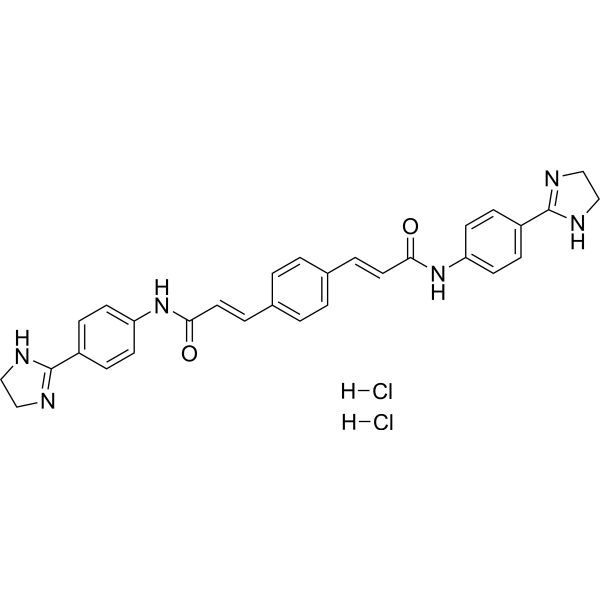
GW4869 is a noncompetitive neutral sphingomyelinase (N-SMase) inhibitor with an IC50 of 1 μM. GW4869 is an inhibitor of exosome biogenesis/release .
loading...
    loading...
202
202 Cited Publications
Cat. No.: HY-W008923
CAS No.: 17086-28-1
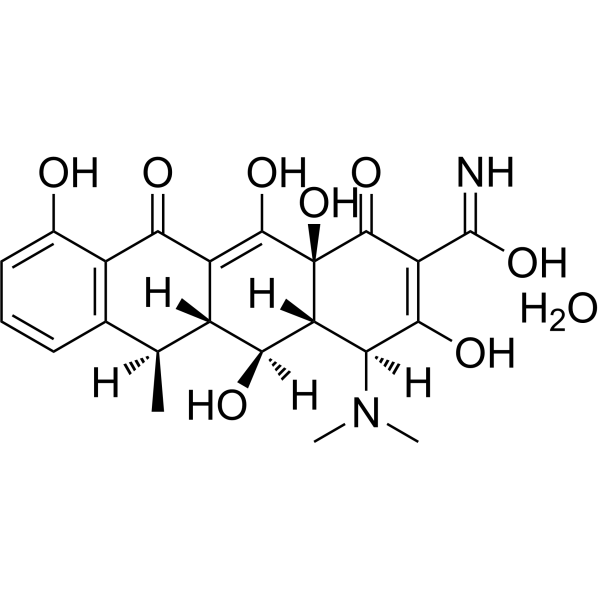
Doxycycline monohydrate is an orally active highly lipophilic, tissue-permeable MMP inhibitor with broad-spectrum antibacterial activity. Doxycycline monohydrate is also a semi-synthetic antibiotic with chelating properties, which blocks bacterial protein synthesis and inhibits extracellular matrix degradation through interactions with zinc and calcium atoms. Doxycycline monohydrate also inhibits mitochondrial biogenesis, translation, and the expression of respiratory chain proteins. Doxycycline monohydrate induces apoptosis, inhibits autophagy and EMT, downregulates stem cell markers, and activates the PI3K-AKT pathway, thereby effectively inhibiting the viability and proliferation of cancer cells such as breast cancer cells. Doxycycline monohydrate also promotes the survival and self-renewal of embryonic stem cells and neural stem cells, and reduces the frequency of medium changes in culture. Doxycycline monohydrate has been applied in studies related to breast cancer, prostate cancer, bladder cancer, and other cancers .
loading...
    loading...
172
172 Cited Publications
Cat. No.: HY-B2176I
CAS No.: 987-65-5
Synonyms: Adenosine 5'-triphosphate disodium salt, 100 mM Solution, PCR Grade
ATP (Adenosine 5'-triphosphate) disodium salt, 100 mM Solution, PCR Grade is a central component of energy storage and metabolism in vivo. ATP disodium salt, 100 mM Solution, PCR Grade provides the metabolic energy to drive metabolic pumps and serves as a coenzyme in cells. ATP disodium salt, 100 mM Solution, PCR Grade is an important endogenous signaling molecule in immunity and inflammation. ATP disodium salt, 100 mM Solution, PCR Grade can activate the NLRP3 inflammasome and induce IL-1β and chemokines secretion. ATP disodium salt, 100 mM Solution, PCR Grade has anti-bacterial infection effects and can protect mice against bacterial infection in mice .
loading...
    loading...
153
153 Cited Publications
Cat. No.: HY-12591
CAS No.: 103404-75-7
Purity:  99.92%
Synonyms: D-(-)-Luciferin sodium; Firefly luciferin sodium; Beetle Luciferin sodium
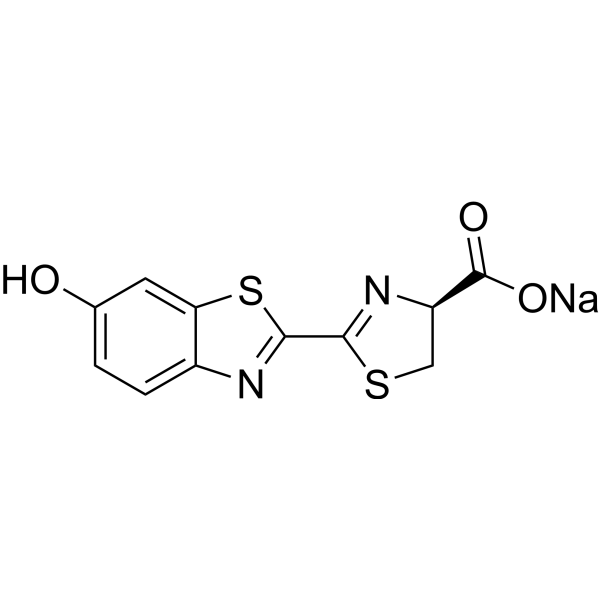
D-luciferin sodium is the natural substrate of the enzyme luciferase (Luc) that catalyzes the production of the typical yellowgreen light of fireflies. The 560 nm chemiluminescence from this reaction peaks within seconds, with light output that is proportional to luciferase concentration when the substrate luciferin is present in excess. The luciferase (luc) gene is a popular reporter gene for research and agent screening. Chemiluminescent techniques are virtually background-free, making the luc reporter gene ideal for detecting low-level gene expression. As little as 0.02 pg of luciferase can be reliably measured in a standard scintillation counter. In addition to its role as a reporter of gene expression, luciferase is commonly used in an extremely sensitive assay for ATP . We of er the firefly luciferase (HY-P1004A), luciferin free acid (HY-12591A), as well as its water-soluble sodium salts (HY-12591) and potassium salts (HY-12591B) .
loading...
    loading...
153
153 Cited Publications
Cat. No.: HY-12591A
CAS No.: 2591-17-5
Purity:  99.54%
Synonyms: D-(-)-Luciferin; Firefly luciferin; Beetle Luciferin
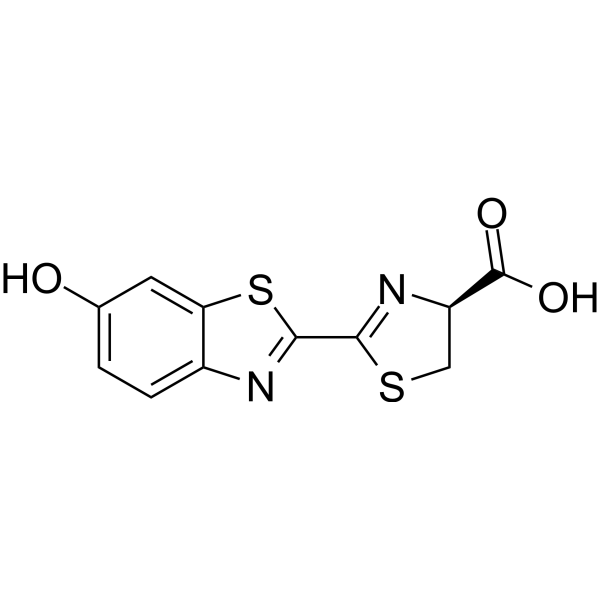
D-luciferin is the natural substrate of the enzyme luciferase (Luc) that catalyzes the production of the typical yellowgreen light of fireflies. The 560 nm chemiluminescence from this reaction peaks within seconds, with light output that is proportional to luciferase concentration when the substrate luciferin is present in excess. The luciferase (luc) gene is a popular reporter gene for research and agent screening. Chemiluminescent techniques are virtually background-free, making the luc reporter gene ideal for detecting low-level gene expression. As little as 0.02 pg of luciferase can be reliably measured in a standard scintillation counter. In addition to its role as a reporter of gene expression, luciferase is commonly used in an extremely sensitive assay for ATP . We of er the firefly luciferase (HY-P1004A), luciferin free acid (HY-12591A), as well as its water-soluble sodium salts (HY-12591) and potassium salts (HY-12591B) .
loading...
    loading...
153
153 Cited Publications
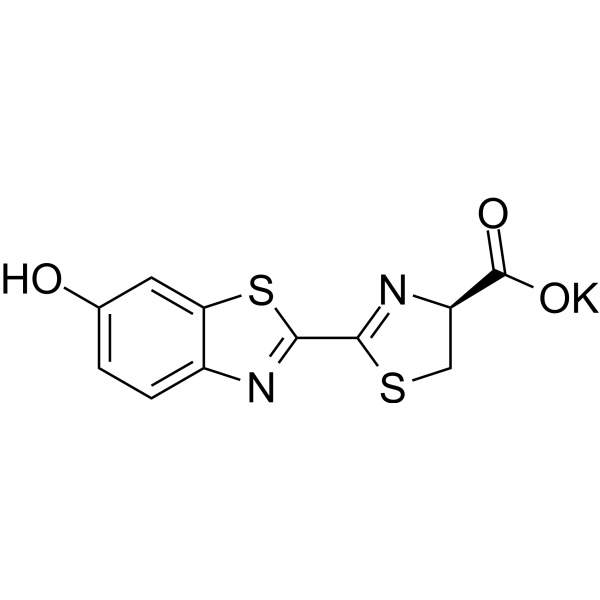
Cat. No.: HY-12591B
CAS No.: 115144-35-9
Purity:  99.97%
Synonyms: D-(-)-Luciferin potassium; Firefly luciferin potassium; Beetle Luciferin potassium
D-luciferin potassium is the natural substrate of the enzyme luciferase (Luc) that catalyzes the production of the typical yellowgreen light of fireflies. The 560 nm chemiluminescence from this reaction peaks within seconds, with light output that is proportional to luciferase concentration when the substrate luciferin is present in excess. The luciferase (luc) gene is a popular reporter gene for research and agent screening. Chemiluminescent techniques are virtually background-free, making the luc reporter gene ideal for detecting low-level gene expression. As little as 0.02 pg of luciferase can be reliably measured in a standard scintillation counter. In addition to its role as a reporter of gene expression, luciferase is commonly used in an extremely sensitive assay for ATP . We offer the firefly luciferase (HY-P1004A), luciferin free acid (HY-12591A), as well as its water-soluble sodium salts (HY-12591) and potassium salts (HY-12591B) .
loading...
    loading...
122
122 Cited Publications
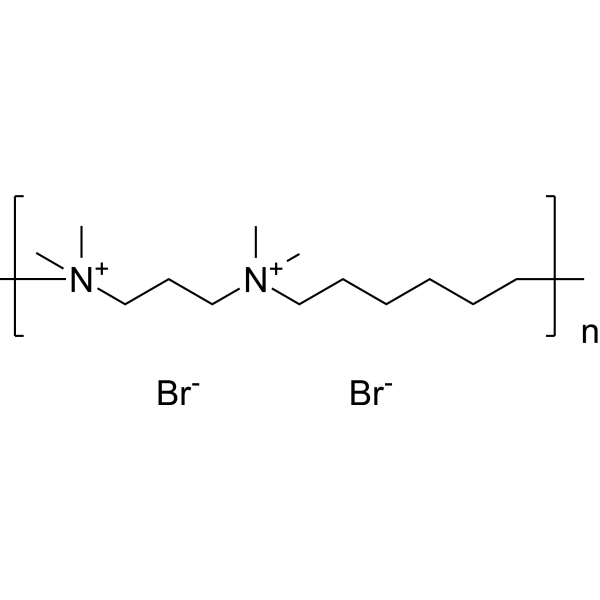
Cat. No.: HY-112735
CAS No.: 28728-55-4
Purity:  99.69%
Synonyms: Polybrene; 1,5-Dimethyl-1,5-diazaundecamethylene polymethobromide
Hexadimethrine bromide (Polybrene) is a cationic polymer used routinely to enhance the efficiency of retrovirus vector-mediated gene transfer .
loading...
    loading...
95
95 Cited Publications
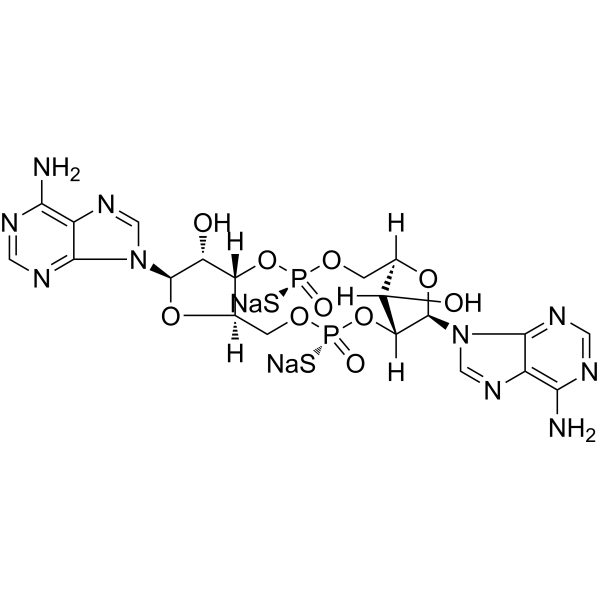
Cat. No.: HY-12885A
CAS No.: 1638750-95-4
Purity:  99.43%
Synonyms: ADU-S100 disodium salt; MIW815 disodium salt; ML RR-S2 CDA disodium salt
Target:  

STING

Research Areas:  

Inflammation/Immunology Cancer

2’3’-c-di-AM(PS)2 (Rp,Rp) disodium salt (ADU-S100 disodium salt) is an activator of stimulator of interferon genes (STING).
loading...
    loading...
68
68 Cited Publications
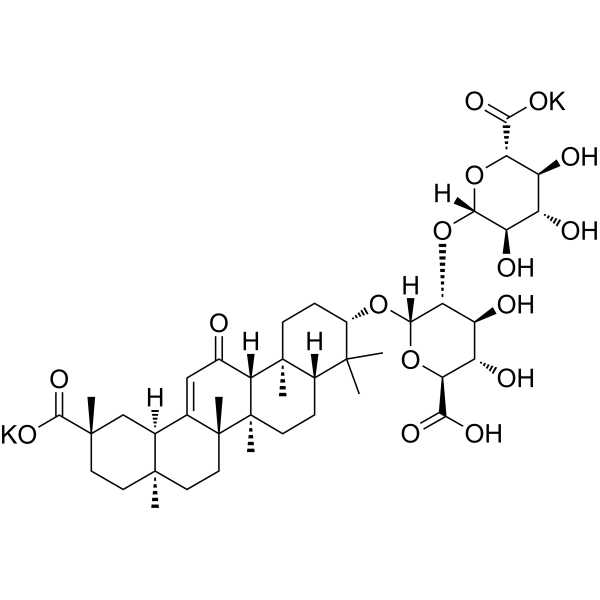
Cat. No.: HY-N0184A
CAS No.: 68797-35-3
Synonyms: Glycyrrhizic acid dipotassium; Dipotassium glycyrrhizate
Dipotassium glycyrrhizinate is a HMGB1 inhibitor, inhibits atopic dermatitis-related gene expression with anti-anti-inflammatory activity .
loading...
    loading...
63
63 Cited Publications
Cat. No.: HY-12702
CAS No.: 403811-55-2
Purity:  99.49%
Target:  

c-Myc Autophagy

Research Areas:  

Cancer

10058-F4 is a c-Myc inhibitor that prevents c-Myc-Max dimerization and transactivation of c-Myc target gene expression.
loading...
    loading...
54
54 Cited Publications
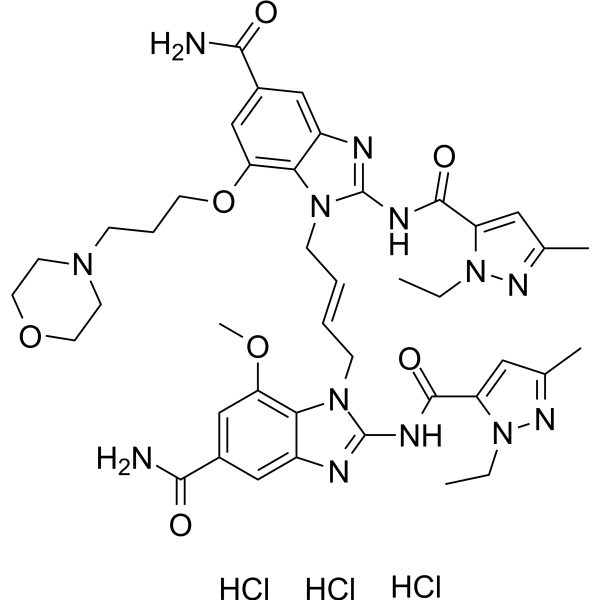
Cat. No.: HY-112921B
CAS No.: 2138299-34-8
Purity:  99.84%
Target:  

STING

Research Areas:  

Inflammation/Immunology Cancer

diABZI STING agonist-1 trihydrochloride is a selective stimulator of interferon genes (STING) receptor agonist.
loading...
    loading...
45
45 Cited Publications
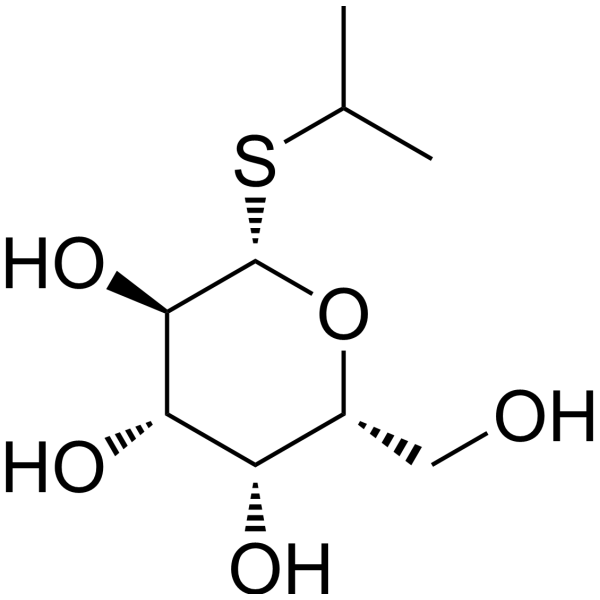
Cat. No.: HY-15921
CAS No.: 367-93-1
Synonyms: Isopropyl β-D-thiogalactoside
IPTG is a molecular mimic of allolactose, a lactose metabolite that triggers transcription of the lac operon, and it is therefore used to induce protein expression where the gene is under the control of the lac operator.
loading...
    loading...
19
19 Cited Publications
Cat. No.: HY-100506
CAS No.: 1320346-97-1
Purity:  99.43%
Target:  

Integrin

Research Areas:  

Cancer

GLPG0187 is a broad spectrum integrin receptor antagonist with antitumor activity; inhibits αvβ1-integrin with an IC50 of 1.3 nM . GLPG0187 inhibits migrasome biogenesis without cytotoxicity .
loading...
    loading...
12
12 Cited Publications
Cat. No.: HY-D0857
CAS No.: 7365-45-9
Research Areas:  

Others

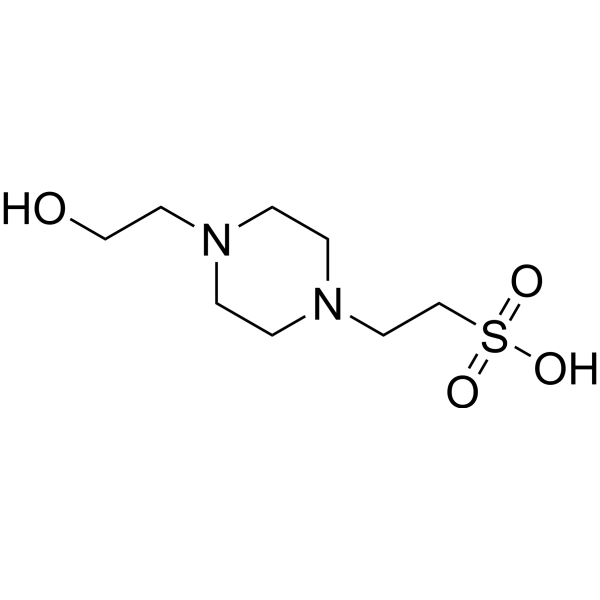
HEPES, a nonvolatile zwitterionic chemical buffering agent, is broadly applied in cell culture. HEPES is effective at pH 6.8 to 8.2. HEPES is also a potent inducer of lysosome biogenesis .
loading...
    loading...
12
12 Cited Publications
Cat. No.: HY-108535
CAS No.: 75277-39-3
Purity:  99.88%
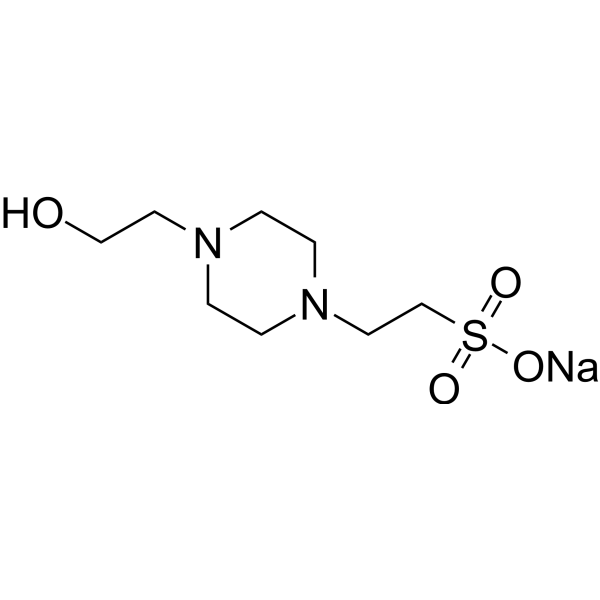
HEPES sodium, a nonvolatile zwitterionic chemical buffering agent, is broadly applied in cell culture. HEPES sodium is effective at pH 6.8 to 8.2. HEPES sodium is also a potent inducer of lysosome biogenesis .
loading...
    loading...
12
12 Cited Publications
Cat. No.: HY-112163
CAS No.: 2098191-53-6
Purity:  99.69%
Synonyms: eFT226
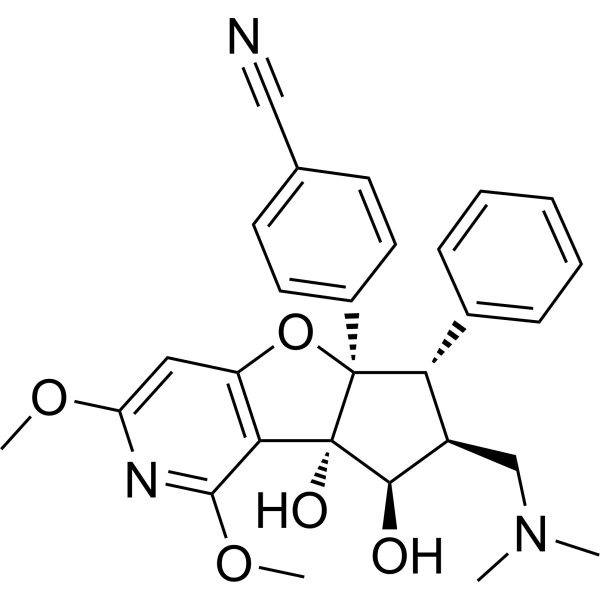
Zotatifin (eFT226) is a potent, selective, and well-tolerated eIF4A inhibitor. Zotatifin promotes eIF4A binding to specific mRNA sequences with recognition motifs in the 5’-UTRs (IC50=2 nM) and interferes with the assembly of the eIF4F initiation complex . Zotatifin shows robust antiviral effects, it effectively reduces viral infectivity by inhibiting SARS-CoV-2 NP protein biogenesis (IC90=37 nM) . Zotatifin induces cell apoptosis .
loading...
    loading...
11
11 Cited Publications
Cat. No.: HY-W010737
CAS No.: 56001-37-7
Synonyms: GTP disodium
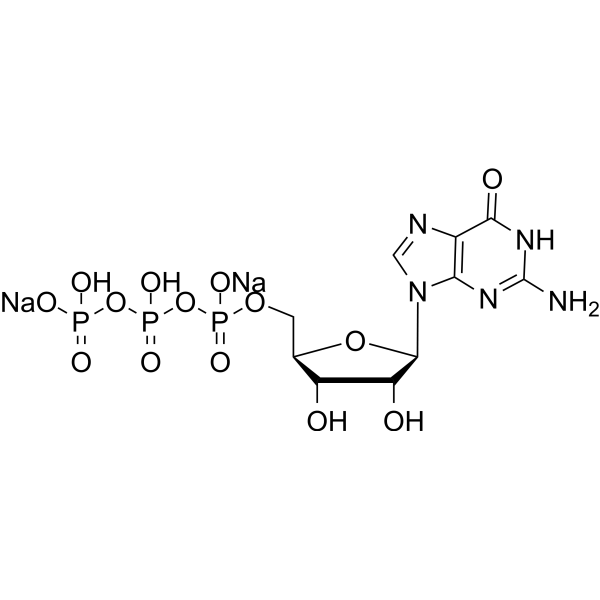
Guanosine triphosphate (GTP) disodium is a critical nucleotide and regulator of cellular metabolism. Guanosine triphosphate disodium promotes ribosomal DNA localization, pre-rRNA transcription and ribosome biogenesis by binding to RNA polymerase I and GPN proteins (GPN1/3). Guanosine triphosphate disodium links MYC-dependent ribosome biogenesis to nucleotide sufficiency, acts as a metabolic gatekeeper supporting protein synthesis, DNA/RNA synthesis and cellular signal transduction, while also participating in the physiological activities of pancreatic β-cells and serving as an oxidative substrate for reactive oxygen species. In small cell lung cancer with high MYC expression, Guanosine triphosphate disodium accumulates through the IMPDH-driven synthetic pathway, thereby affecting apoptosis and mitotic processes. Guanosine triphosphate disodium is used in the research of small cell lung cancer, hepatoblastoma and cellular metabolism .
loading...
    loading...
11
11 Cited Publications
Cat. No.: HY-12695B
CAS No.: 207300-85-4
Purity:  ≥95.0%
Synonyms: GTP trisodium salt hydrate
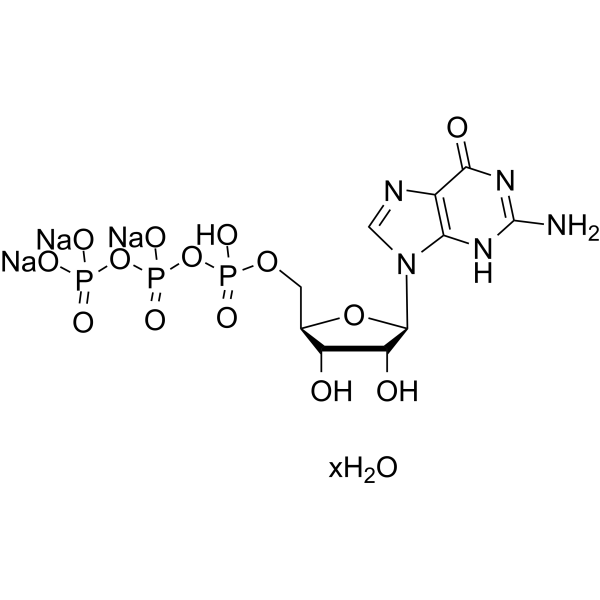
Guanosine triphosphate (GTP) trisodium salt hydrate is a critical nucleotide and regulator of cellular metabolism. Guanosine triphosphate trisodium salt hydrate promotes ribosomal DNA localization, pre-rRNA transcription and ribosome biogenesis by binding to RNA polymerase I and GPN proteins (GPN1/3). Guanosine triphosphate trisodium salt hydrate links MYC-dependent ribosome biogenesis to nucleotide sufficiency, acts as a metabolic gatekeeper supporting protein synthesis, DNA/RNA synthesis and cellular signal transduction, while also participating in the physiological activities of pancreatic β-cells and serving as an oxidative substrate for reactive oxygen species. In small cell lung cancer with high MYC expression, Guanosine triphosphate trisodium salt hydrate accumulates through the IMPDH-driven synthetic pathway, thereby affecting apoptosis and mitotic processes. Guanosine triphosphate trisodium salt hydrate is used in the research of small cell lung cancer, hepatoblastoma and cellular metabolism .
loading...
    loading...
10
10 Cited Publications
Cat. No.: HY-B1142
CAS No.: 940-69-2
Synonyms: (±)-α-Lipoamide; DL-Lipoamide; DL-6,8-Thioctamide
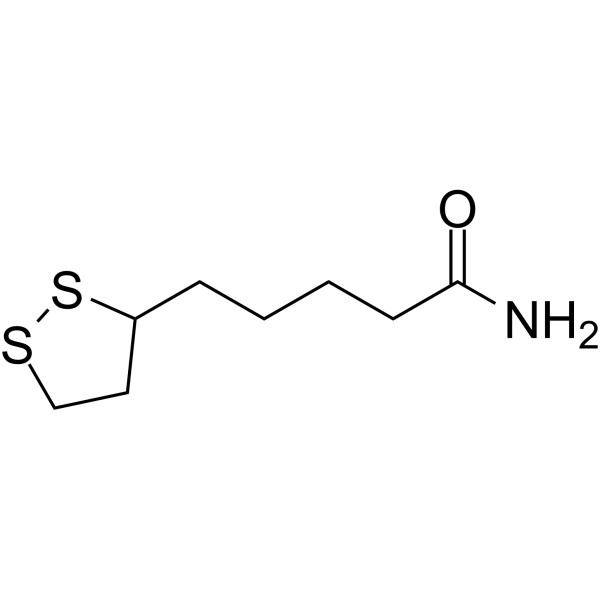
Lipoamide ((±)-α-Lipoamide) is a monocarboxylic acid derivative of a neutral amide, formed by the condensation of the carboxyl group of lipoic acid and ammonia. Lipoamide protects against oxidative stress-mediated neuronal cell damage and also acts as a coenzyme to transfer acetyl groups and hydrogen during pyruvate deacylation. Lipoamide also stimulates mitochondrial biogenesis in adipocytes through the endothelial NO synthase-cGMP-protein kinase G signaling pathway .
loading...
    loading...
10
10 Cited Publications
Cat. No.: HY-P80670
Synonyms: FTH; FTHL6; OK/SW-cl.84; PIG15; FTH1; Ferritin heavy chain; Ferritin H subunit; Cell proliferation-inducing gene 15 protein

Host:  

Rabbit

Application:  

WB, ICC/IF

Reactivity:  

Human, Mouse, Rat, Hamster

loading...
    loading...

