35 Results for "

biological environments

" in MedChemExpress (MCE) Product Catalog:
Products (35)

35 Results for "biological environments" in MCE Product Catalog:

3
3 Cited Publications
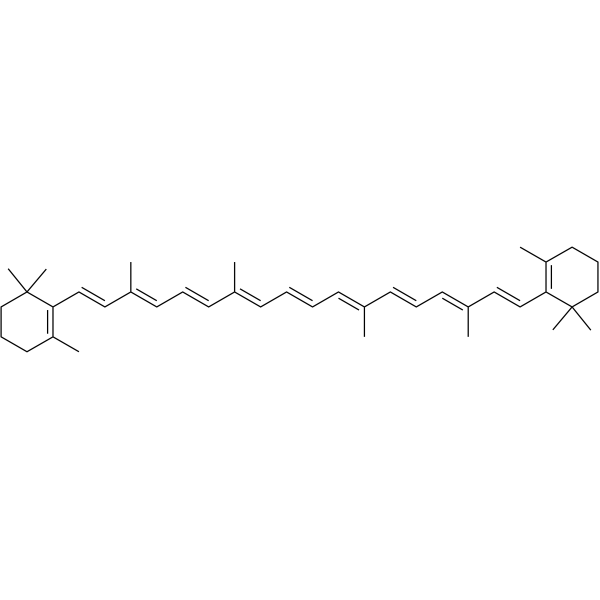
Cat. No.: HY-N0411
CAS No.: 7235-40-7
Synonyms: Provitamin A; beta-Carotene
β-Carotene (Provitamin A), a carotenoid compound, is a naturally-occurring vitamin A precursor. β-Carotene is a modulator of reactive oxygen species (ROS), with antioxidant and antiinflammatory activities. β-Carotene may serve as an antioxidant or as a prooxidant, depending on its intrinsic properties as well as on the redox potential of the biological environment in which it acts. β-Carotene induces breast cancer cells apoptosis, with anticancer activities .
loading...
    loading...
2
2 Cited Publications
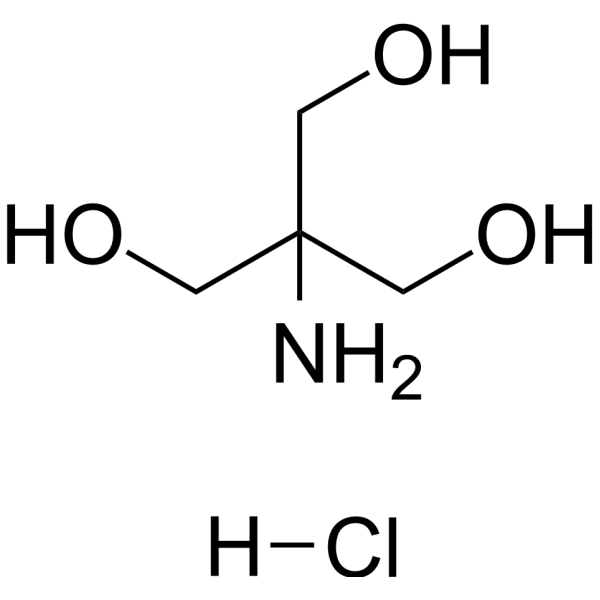
Cat. No.: HY-D0227F
CAS No.: 1185-53-1
Synonyms: Tris HCl (≥99%, reagent grade); Tris hydrochloride (≥99%, reagent grade)
THAM hydrochloride (≥99%, reagent grade), also known as Tris-HCl, is a buffer commonly used in various biochemical and molecular biology applications to maintain a stable pH environment. Tris-HCl has unique chemical properties that allow it to resist changes in pH when acidic or basic substances are added, which makes it useful for stabilizing biological samples or reagents. It is commonly used in electrophoresis and protein purification procedures.
loading...
    loading...
2
2 Cited Publications
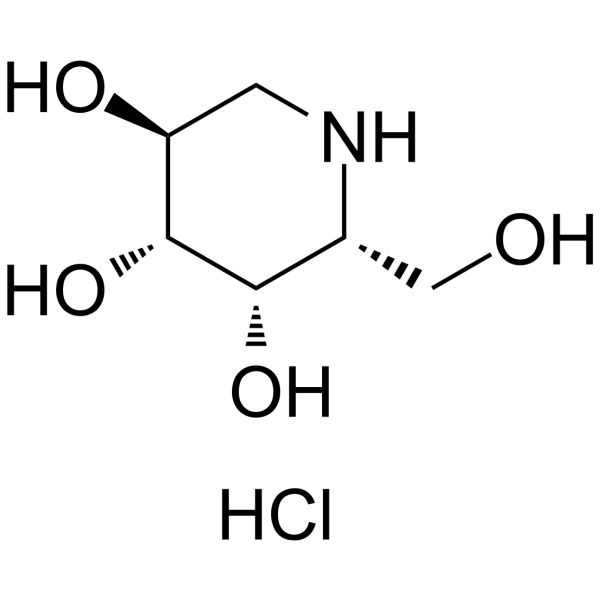
Cat. No.: HY-14929A
CAS No.: 75172-81-5
Purity:  99.70%
Synonyms: GR181413A
Target:  

Glycosidase

Research Areas:  

Others

Migalastat (GR181413A free base) hydrochloride is an orally active α-galactosidase A molecular chaperone, with an IC50 value of 0.04 μM for human α-Gal A. Migalastat binds to the active site of certain unstable mutant forms of α-galactosidase A, facilitating their transport to the lysosome. After dissociation in the acidic environment, Migalastat enables the mutant α-galactosidase A to exhibit biological activity .
loading...
    loading...
1
1 Cited Publications
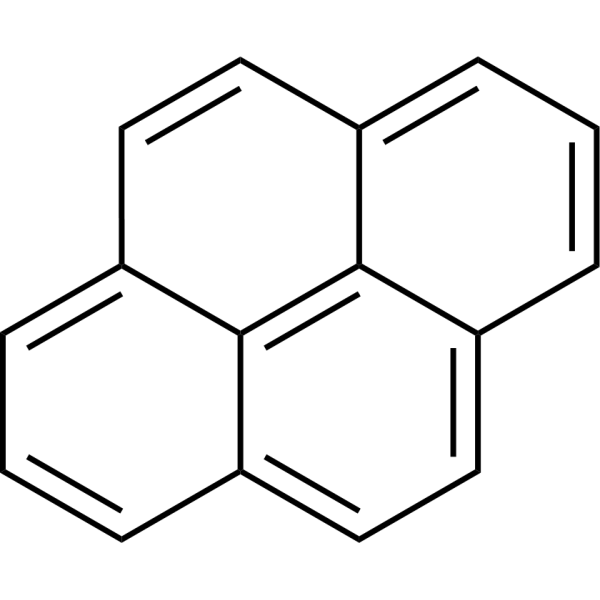
Cat. No.: HY-103609
CAS No.: 129-00-0
Purity:  99.72%
Synonyms: Benzo[def]phenanthrene
Pyrene is a polycyclic aromatic hydrocarbon (PAH) composed of four fused benzene rings. It has a distinct aromatic odor, produced by incomplete combustion of organic matter. Pyrene exhibits strong fluorescence, emitting in the blue region of the spectrum, making it useful as a probe for studying molecular interactions in solution and on surfaces. Pyrene is also used as a model compound for the study of PAHs in various environments and biological systems because of its ubiquity in these environments. However, long-term exposure to pyrene has been associated with potential health risks, including carcinogenicity and mutagenicity.
loading...
    loading...
1
1 Cited Publications
Cat. No.: HY-D2775
CAS No.: 3047612-66-5
Cobalt(II) ions probe 1 (Compound L) is a fluorescent sensor for Co 2+ detecting in biological environments. Cobalt(II) ions probe 1 can selectively bind with Co 2+ in the presence of other metal ions (Ex: 380 nm) .
loading...
    loading...
Cat. No.: HY-N0411R
CAS No.: 7235-40-7
Synonyms: Provitamin A (Standard); beta-Carotene (Standard)
β-Carotene (Standard) is the analytical standard of β-Carotene. This product is intended for research and analytical applications. β-Carotene (Provitamin A), a carotenoid compound, is a naturally-occurring vitamin A precursor. β-Carotene is a modulator of reactive oxygen species (ROS), with antioxidant and antiinflammatory activities. β-Carotene may serve as an antioxidant or as a prooxidant, depending on its intrinsic properties as well as on the redox potential of the biological environment in which it acts. β-Carotene induces breast cancer cells apoptosis, with anticancer activities .
loading...
    loading...
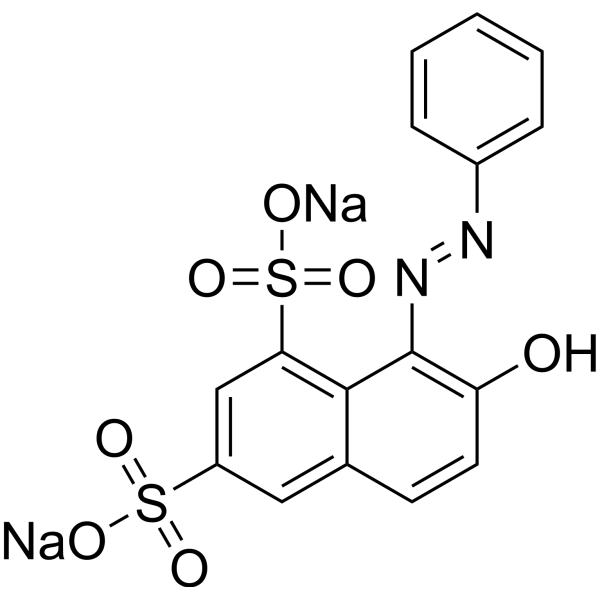
Cat. No.: HY-135712
CAS No.: 1936-15-8
Synonyms: Acid Orange GG
Orange G is an azo dye commonly found in textile wastewater and is mainly used for textile dyeing. Orange G has a coloring function and can give textiles a specific color. The stability and potential hazards of Orange G in the environment are often used to study the removal effects of various wastewater treatment technologies on difficult-to-degrade organic pollutants, especially the degradation of azo dyes. Related research focuses on how to destroy the azo bond of Orange G through chemical, physical or biological methods to achieve harmless treatment to solve the problem of textile wastewater pollution .
loading...
    loading...
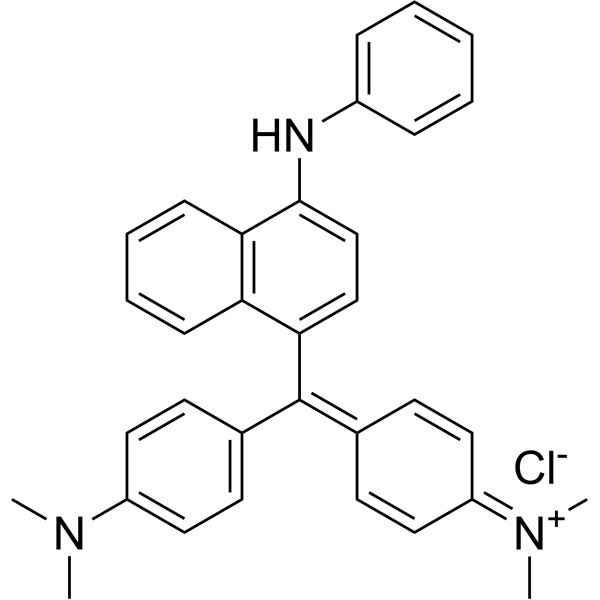
Cat. No.: HY-W250147
CAS No.: 2580-56-5
Synonyms: Victoria blue B
Basic blue 26 (Victoria blue B) is a synthetic cationic dye belonging to the class of triarylmethane dyes. It has a bright blue color and is commonly used as a colorant for a variety of applications, including textiles, paper and leather. Basic Blue 26 is also used as a biological stain for DNA and protein detection in laboratories. Due to its ability to bind negatively charged materials, it can be used as an indicator of the presence of specific molecules in biological samples. However, Basic blue 26 has been reported to have potentially harmful effects on human health and the environment and its use is regulated in some countries. Proper handling and disposal procedures are necessary to minimize its impact on the environment.
loading...
    loading...
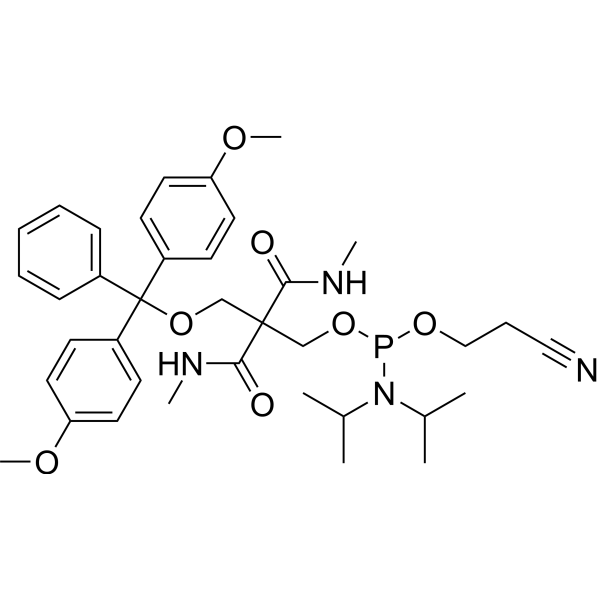
Cat. No.: HY-151747
CAS No.: 202284-84-2
Target:  

ADC Linkers

Research Areas:  

Others

Chemical phosphorylation amidite is a click chemical class ADC linker. Click chemistry has good biological orthogonality characteristics: biocompatible, fast and highly specific in the biological environment, and has great application potential in the binding between nucleic acids, lipids, proteins and other molecules .
loading...
    loading...
Cat. No.: HY-179669A
1M Tris-HCl Buffer, pH 7.0 is a buffer solution commonly used in various biochemical and molecular biological applications to maintain a stable pH environment. The pH value of Tris-HCl changes with temperature; generally, the pH decreases by 0.03 units for every degree Celsius increase in temperature. The pH values indicated on the product are the pH values of the Tris-HCl buffer solution at 25°C.
loading...
    loading...
Cat. No.: HY-179669E
Research Areas:  

Others

1M Tris-HCl Buffer, pH 8.0 is a buffer solution commonly used in various biochemical and molecular biological applications to maintain a stable pH environment. The pH value of Tris-HCl changes with temperature; generally, the pH decreases by 0.03 units for every degree Celsius increase in temperature. The pH values indicated on the product are the pH values of the Tris-HCl buffer solution at 25°C.
loading...
    loading...
Cat. No.: HY-N0411S4
CAS No.: 301150-50-5
Synonyms: Provitamin A-13C10; beta-Carotene-13C10
β-Carotene- 13C10 (Provitamin A- 13C10) is the 13C-labeled β-Carotene (HY-N0411). β-Carotene (Provitamin A), a carotenoid compound, is a naturally-occurring vitamin A precursor. β-Carotene is a modulator of reactive oxygen species (ROS), with antioxidant and antiinflammatory activities. β-Carotene may serve as an antioxidant or as a prooxidant, depending on its intrinsic properties as well as on the redox potential of the biological environment in which it acts. β-Carotene induces breast cancer cells apoptosis, with anticancer activities .
loading...
    loading...
Cat. No.: HY-179669J
1M Tris-HCl Buffer, pH 6.8 is a buffer solution commonly used in various biochemical and molecular biological applications to maintain a stable pH environment. The pH value of Tris-HCl changes with temperature; generally, the pH decreases by 0.03 units for every degree Celsius increase in temperature. The pH values ??indicated on the product are the pH values ??of the Tris-HCl buffer solution at 25°C.
loading...
    loading...
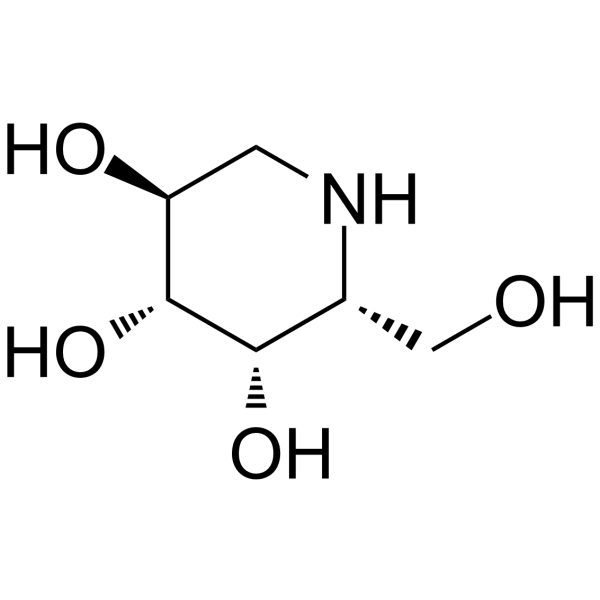
Cat. No.: HY-14929
CAS No.: 108147-54-2
Synonyms: GR181413A free base; 1-Deoxygalactonojirimycin
Target:  

Glycosidase

Research Areas:  

Others

Migalastat (GR181413A free base) is an orally active α-galactosidase A molecular chaperone, with an IC50 value of 0.04 μM for human α-Gal A. Migalastat binds to the active site of certain unstable mutant forms of α-galactosidase A, facilitating their transport to the lysosome. After dissociation in the acidic environment, Migalastat enables the mutant α-galactosidase A to exhibit biological activity .
loading...
    loading...
Cat. No.: HY-179669H
Research Areas:  

Others

1M Tris-HCl Buffer, pH 8.8 is a buffer solution commonly used in various biochemical and molecular biological applications to maintain a stable pH environment. The pH value of Tris-HCl changes with temperature; generally, the pH decreases by 0.03 units for every degree Celsius increase in temperature. The pH values indicated on the product are the pH values of the Tris-HCl buffer solution at 25°C .
loading...
    loading...
Cat. No.: HY-151745
CAS No.: 1993176-74-1
Target:  

ADC Linkers

Research Areas:  

Others

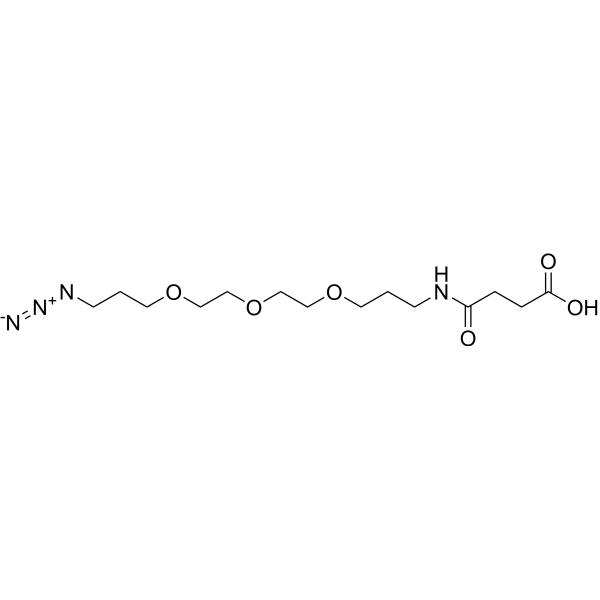
N3-TOTA-Suc is a click chemistry reagent containing an azide group. Click chemistry is a powerful chemical reaction with excellent bioorthogonality features: biocompatible, rapid and highly specific in biological environments . N3-TOTA-Suc is a click chemistry reagent, it contains an Azide group and can undergo copper-catalyzed azide-alkyne cycloaddition reaction (CuAAc) with molecules containing Alkyne groups. It can also undergo strain-promoted alkyne-azide cycloaddition (SPAAC) reactions with molecules containing DBCO or BCN groups.
loading...
    loading...
Cat. No.: HY-151749
CAS No.: 1994300-35-4
Target:  

ADC Linkers

Research Areas:  

Others

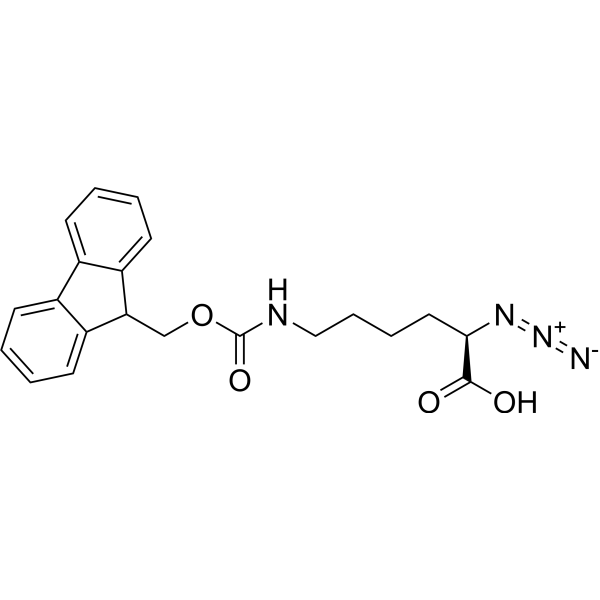
N3-D-Lys(Fmoc)-OH is a click chemistry reagent containing an azide group. Click chemistry is a powerful chemical reaction with excellent bioorthogonality features: biocompatible, rapid and highly specific in biological environments . N3-D-Lys(Fmoc)-OH is a click chemistry reagent, it contains an Azide group and can undergo copper-catalyzed azide-alkyne cycloaddition reaction (CuAAc) with molecules containing Alkyne groups. It can also undergo strain-promoted alkyne-azide cycloaddition (SPAAC) reactions with molecules containing DBCO or BCN groups.
loading...
    loading...
Cat. No.: HY-151739
CAS No.: 1956294-75-9
Target:  

ADC Linkers

Research Areas:  

Others

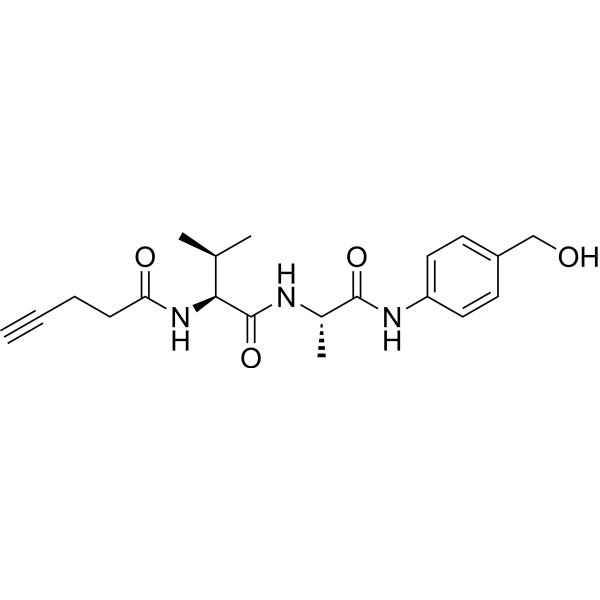
4-Pentynoyl-Val-Ala-PAB is a click chemical class ADC linker. Click chemistry has good biological orthogonality characteristics: biocompatible, fast and highly specific in the biological environment, and has great application potential in the binding between nucleic acids, lipids, proteins and other molecules .
loading...
    loading...
Cat. No.: HY-W016414R
CAS No.: 78-40-0
Research Areas:  

Others

Triethyl phosphate is a chemical compound with biological activity and uses as a solvent. Triethyl phosphate is widely used in chemical synthesis as a reaction medium to improve reaction efficiency. Triethyl phosphate is also commonly used as a plasticizer to improve the flexibility and durability of materials. The presence of triethyl phosphate can also be used as a biomarker to help detect and monitor the effects of certain pollutants in the environment .
loading...
    loading...
Cat. No.: HY-103609R
CAS No.: 129-00-0
Synonyms: Benzo[def]phenanthrene (Standard)
Pyrene (Standard) is the analytical standard of Pyrene. This product is intended for research and analytical applications. Pyrene is a polycyclic aromatic hydrocarbon (PAH) composed of four fused benzene rings. It has a distinct aromatic odor, produced by incomplete combustion of organic matter. Pyrene exhibits strong fluorescence, emitting in the blue region of the spectrum, making it useful as a probe for studying molecular interactions in solution and on surfaces. Pyrene is also used as a model compound for the study of PAHs in various environments and biological systems because of its ubiquity in these environments. However, long-term exposure to pyrene has been associated with potential health risks, including carcinogenicity and mutagenicity.
loading...
    loading...

