24 Results for "

biosafety

" in MedChemExpress (MCE) Product Catalog:
Products (24)

24 Results for "biosafety" in MCE Product Catalog:
5
5 Cited Publications
Cat. No.: HY-101519
CAS No.: 2093388-62-4
Purity:  99.59%
Synonyms: ZBC 260
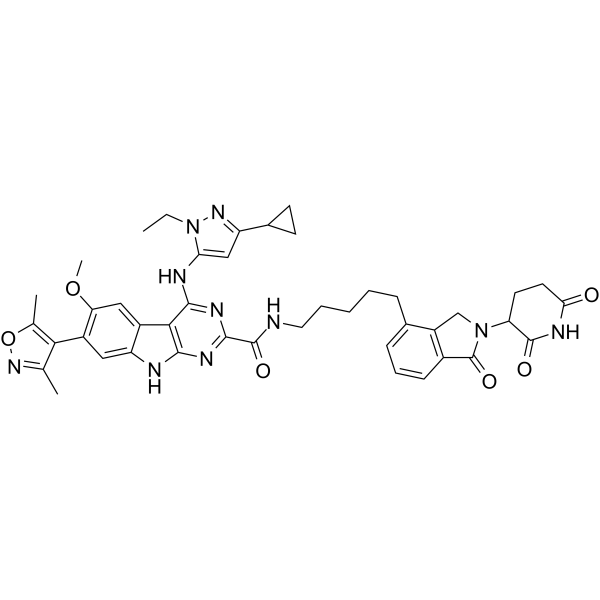
BETd-260 (ZBC 260) is a BET PROTAC degrader. BETd-260 recruits BRD2, BRD3, and BRD4 to the CUL4-RBX1-DDB1-CRBN E3 ubiquitin ligase complex, driving cereblon-, proteasome-, and NEDD8-activating enzyme-dependent ubiquitination and degradation, with a DC50 of approximately 30-100 pM in RS4;11 cells. BETd-260 induces cancer cell apoptosis via endogenous signaling pathways, regulates the expression of the Bcl-2 family, inhibits the oncogene c-Myc, and reduces cell viability. BETd-260 suppresses tumor growth in mouse xenograft models with good biosafety. BETd-260 can be used in research related to acute leukemia, hepatocellular carcinoma, osteosarcoma, and triple-negative breast cancer .
loading...
    loading...
1
1 Cited Publications
Cat. No.: HY-158231
Synonyms: F127DA
Polyether F127 Diacrylate (F127DA) is an acrylated polyethylene glycol-polypropylene glycol-polyethylene glycol triblock copolymer. Polyether F127 Diacrylate rapidly crosslinks and cures into a gel under ultraviolet or visible light with the action of a photoinitiator. Polyether F127 Diacrylate exhibits excellent thermogelation properties and favorable biosafety. Polyether F127 Diacrylate can upregulate the Integrin-FAK pathway, enhance collagen production, increase the protein and gene expression levels of COL-1/SCX, and promote fibroblastic differentiation of periodontal ligament stem cells. Polyether F127 Diacrylate promotes periodontal ligament regeneration and reduces abnormal healing in a rat model of delayed replanted teeth . Polyether F127 Diacrylate promotes functional osteochondral regeneration in a rat model of osteoarthritis. Polyether F127 Diacrylate supports adipose tissue survival, rendering it suitable for breast reconstruction applications. Polyether F127 Diacrylate can be used in studies related to periodontal ligament injury, breast defect and osteoarthritis .
loading...
    loading...
1
1 Cited Publications
Cat. No.: HY-124843
CAS No.: 63972-38-3
Purity:  97.20%
Synonyms: CLT-005
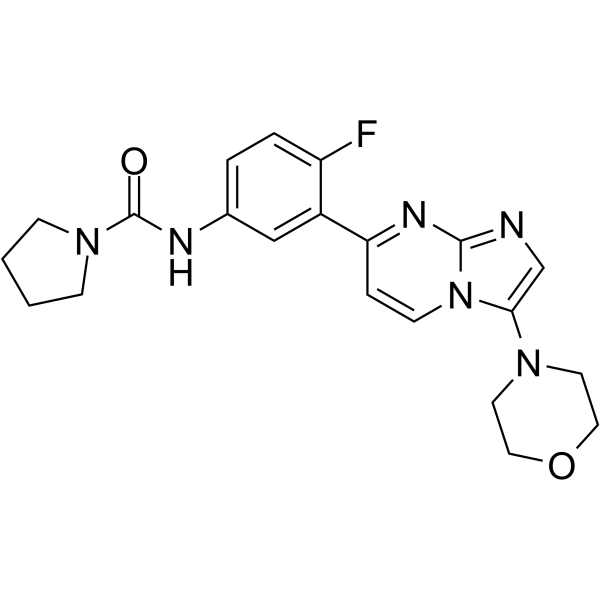
LLL3 (CLT-005) is an orally effective STAT3 inhibitor. LLL3 blocks STAT3 dimerization, nuclear translocation, and transcription by binding to the SH2 domain. LLL3 induces apoptosis and PARP/caspase-3 cleavage, thereby inhibiting the proliferation and invasion of cancer cells. LLL3 reduces retinal vascular permeability, pro-angiogenic and pro-inflammatory factor levels, ameliorates diabetes-related vision loss and cataracts, and exhibits good biosafety. LLL3 inhibits tumor growth in vivo. LLL3 can be used in research related to glioblastoma, breast cancer, chronic myeloid leukemia, and diabetic retinopathy .
loading...
    loading...
Cat. No.: HY-P991271
Synonyms: NNC-114-0005; NN9828; NNC01140006
NN-8828 (NNC-114-0005; NN9828; NNC01140006) is a human IgG1 monoclonal antibody inhibitor targeting IL-21 that binds and neutralizes soluble IL-21 with a Kd of 0.19 pM. NN-8828 restores the balance between effector T cells and regulatory T cells, inhibits pathological antibody production, and alleviates IL-21-mediated inflammatory responses without inducing antibody-dependent cellular cytotoxicity. NN-8828 exhibits favorable biosafety. NN-8828 can be used in research related to rheumatoid arthritis, type 1 diabetes, and systemic lupus erythematosus .
loading...
    loading...
Cat. No.: HY-178040
Insecticidal agent 26 (Compound A11), a spiro insecticidal agent, is a dual-functional inhibitor of pest Acetyl-CoA carboxylase (ACC) and Pyruvate carboxylase (PC). Insecticidal agent 26 has potent insecticidal activity against Sogatella furcifera with a LC50 of 11.0  μg/mL, with significant biosafety to bees. Insecticidal agent 26 can be used for management of white-backed planthoppers (WBPs) .
loading...
    loading...
Cat. No.: HY-127102
CAS No.: 2080410-41-7
Purity:  98.56%
Synonyms: DDD01305143​
Target:  

Parasite Proteasome

Research Areas:  

Infection

GSK3494245 (DDD01305143) is a potent, orally active, and selective inhibitor of the chymotrypsin-like activity of the parasite proteasome binding in a site sandwiched between the β4 and β5 subunits (IC50=0.16 μM for WT L. donovani proteasomes). GSK3494245 moderately inhibits chymotrypsin-like activity of human proteasome (IC50: purified 26S=13 µM; enriched THP-1 extracts IC50=40µM). GSK3494245 exhibits attractive biological and biosafety properties .
loading...
    loading...
Cat. No.: HY-105249
CAS No.: 878670-61-2
Research Areas:  

Infection

RDEA 806 is an orally effective non-nucleoside reverse transcriptase (NNRT) inhibitor that exhibits potent in vitro inhibitory activity against wild-type HIV-1 (EC50 = 1.7 ng/mL) and NNRTI-resistant HIV-1. RDEA 806 rapidly reduces HIV-1 RNA viral load in vivo. RDEA 806 has a favorable biosafety profile. RDEA 806 can be used for research related to HIV-1 infection .
loading...
    loading...
Cat. No.: HY-163984
CAS No.: 2899202-97-0
Target:  

Bacterial

Research Areas:  

Infection

Antibacterial agent 240 (compound 62-7c) is an antibacterial agent that can target multidrug-resistant (MDR) MRSA strains. Antibacterial agent 240 showed high biosafety and potent anti-infection activity in mouse pneumonia and mouse wound models of MRSA infection .
loading...
    loading...
Cat. No.: HY-162584
CAS No.: 3047956-65-7
Target:  

TRP Channel

Research Areas:  

Others

TRPC5-IN-6 (Compound 12) is an orally effective transient receptor potential (TRPC5) inhibitor with a IC50 value of 81 nM. TRPC5-IN-6 has good biosafety and low liver and kidney toxicity, and is expected to play an important role in the treatment of chronic kidney disease (CKD) .
loading...
    loading...
Cat. No.: HY-149838
CAS No.: 3033815-24-3
Target:  

NF-κB

Research Areas:  

Cancer

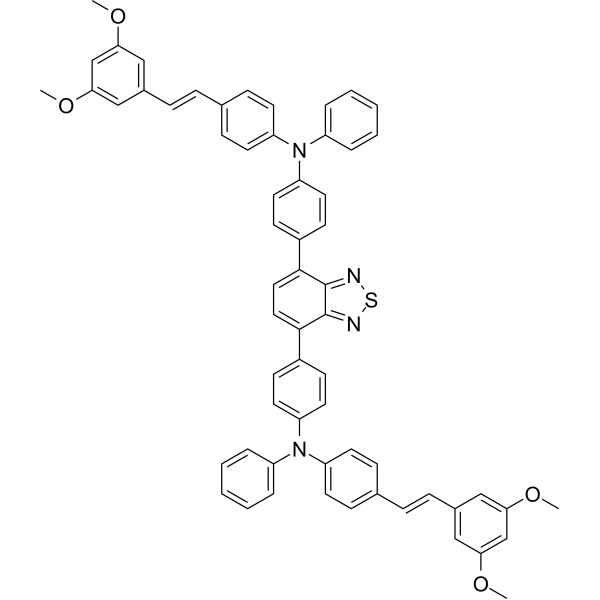
NF-κB-IN-9 is a nuclear factor kappa B (NF-κB) targeting sonosensitizer (λex/λem=489/628 nm). NF-κB-IN-9 exhibits strong inhibition on NF-κB signaling due to its two resveratrol units in one molecule. NF-κB-IN-9 has anti-tumor activity and shows remarkable sonocytotoxicity against cancer cells. NF-κB-IN-9 has biosafety in eenograft mice model.
loading...
    loading...
Cat. No.: HY-169367
Research Areas:  

Cancer

ERD-1233 is an orally active ERα PROTAC degrader with a DC50 of 0.9 nM. ERD-1233 exhibits plasma stability and microsomal stability across multiple species, and shows no significant inhibitory effect on major cytochrome P450 subtypes and hERG channels. ERD-1233 inhibits tumor growth and degrades ERα protein levels in xenograft tumor models, with favorable biosafety. ERD-1233 can be used in breast cancer-related research .
loading...
    loading...
Cat. No.: HY-161823
Target:  

Bacterial

Research Areas:  

Infection

Anti-MRSA agent 13 (Compound 9b) is an agent against methicillin-resistant Staphylococcus aureus (MRSA), exhibiting a minimum inhibitory concentration (MIC) of 0.5–2 μg/mL against clinically isolated MRSA strains. Anti-MRSA agent 13 possesses favorable biosafety, plasma tolerance stability, and a low tendency to develop resistance. Anti-MRSA agent 13 disrupts cell walls and membranes, reduces metabolic activity, causes oxidative damage, affects DNA function, and ultimately leads to MRSA death through multi-target synergies .
loading...
    loading...
Cat. No.: HY-P991261

Target:  

Interleukin Related

Research Areas:  

Inflammation/Immunology

CJM112 is a fully human IgG1/κ monoclonal antibody inhibitor targeting IL-17A, which binds to IL-17A and the IL-17AF heterodimer with high affinity, with KD values of 5.7 pM and <11 pM, respectively. CJM-112 exerts anti-inflammatory effects by neutralizing IL-17A, and reduces the Psoriasis Area and Severity Index in a time- and dose-dependent manner. CJM-112 also exhibits anti-inflammatory activity and improves disease severity in studies of hidradenitis suppurativa. CJM-112 shows favorable biosafety and tolerability. CJM-112 can be used in studies related to psoriasis and hidradenitis suppurativa .
loading...
    loading...
Cat. No.: HY-152506
Target:  

Amyloid-β

Research Areas:  

Neurological Disease

Antioxidant agent-8 is an orally active inhibitor of Aβ1-42 deposition. Antioxidant agent-8 inhibits fibril aggregation (IC50=11.15 µM) and promotes fibril disaggregation (IC50=6.87 µM). Antioxidant agent-8 also inhibits Cu 2+-induced Aβ1-42 fibril aggregation (IC50=3.69 µM) and promotes Cu 2+-induced Aβ1-42 fibril disaggregation (IC50=3.35 µM). Antioxidant agent-8 has antioxidant activity, anti-inflammatory activity, biosafety, blood-brain barrier permeability and neuroprotective effect .
loading...
    loading...
Cat. No.: HY-187615
CAS No.: 160825-48-9
Target:  

Cathepsin

Research Areas:  

Infection Metabolic Disease

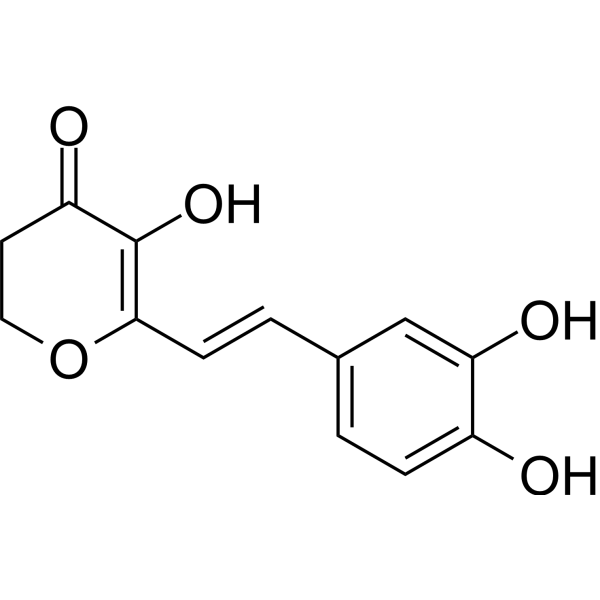
AM4299 A is a thiol protease inhibitor with IC50 values of 73, 390 and 88 nM against Cathepsin B, Cathepsin L and Papain, respectively. AM4299 A shows low toxicity and favorable biosafety in mice. AM4299 A can be used in studies related to osteoporosis and parasitic diseases .
loading...
    loading...
Cat. No.: HY-N17637
CAS No.: 511-81-9
Category:  

500 - Internal Server Error | MedChemExpress

Oops!

Sorry, Something went wrong on our server.
Our team has been notified and is working to fix the issue.