
151 Results for "

brain penetration

" in MedChemExpress (MCE) Product Catalog:
Products (151)

151 Results for "brain penetration" in MCE Product Catalog:

78
78 Publications Verification
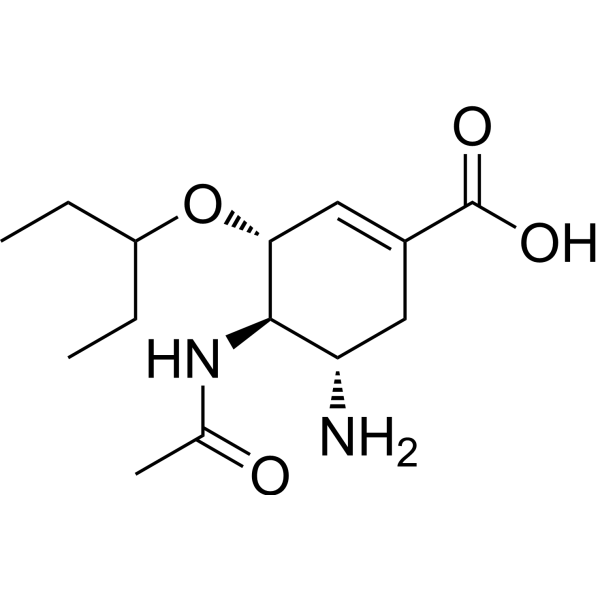
Cat. No.: HY-13318
CAS No.: 187227-45-8
Purity:  99.50%
Synonyms: GS 4071; Ro 64-0802; Oseltamivir carboxylate
Oseltamivir acid (GS 4071), the active metabolite of Oseltamivir phosphate, is an orally bioavailable, potent and selective inhibitor of influenza virus neuraminidase (IC50=2 nM) with activity against both influenza A and B viruses. Oseltamivir acid has an extremely weak ability to penetrate the BBB under normal physiological conditions, but its blood-brain barrier penetration is significantly enhanced under inflammatory conditions .
loading...
    loading...
16
16 Cited Publications
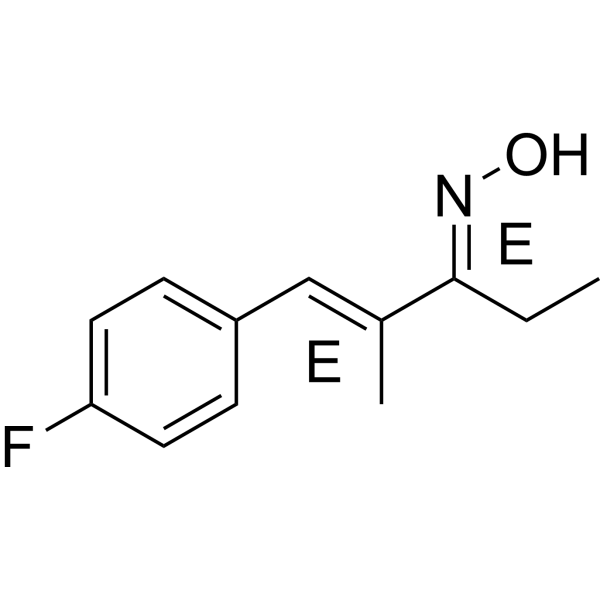
Cat. No.: HY-108463
CAS No.: 1170613-55-4
Purity:  99.30%
Target:  

TRP Channel

A-967079 is a selective TRPA1 receptor antagonist with IC50s of 67 nM and 289 nM at human and rat TRPA1 receptors, respectively, and has good penetration into the blood-brain barrier .
loading...
    loading...
7
7 Cited Publications
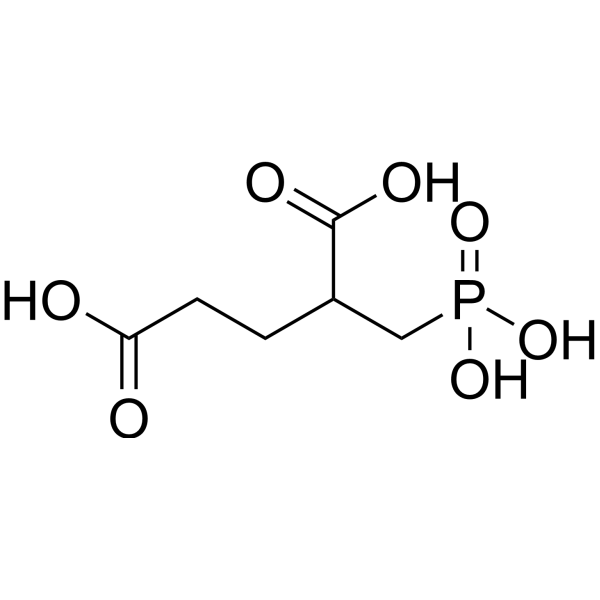
Cat. No.: HY-100788
CAS No.: 173039-10-6
Purity:  ≥98.0%
Synonyms: 2-(Phosphonomethyl)pentanedioic acid
Target:  

Carboxypeptidase

Research Areas:  

Neurological Disease

2-PMPA (2-(Phosphonomethyl)pentanedioic acid) is a glutamate carboxypeptidase II (GCPII) inhibitor with an IC50 of 0.0003 μM. 2-PMPA shows low blood-brain barrier penetration. 2-PMPA sodium blocks the hydrolysis of NAAG, regulates glutamate levels in the brain and neurovascular coupling. 2-PMPA is applicable to the research of neurological diseases .
loading...
    loading...
7
7 Cited Publications
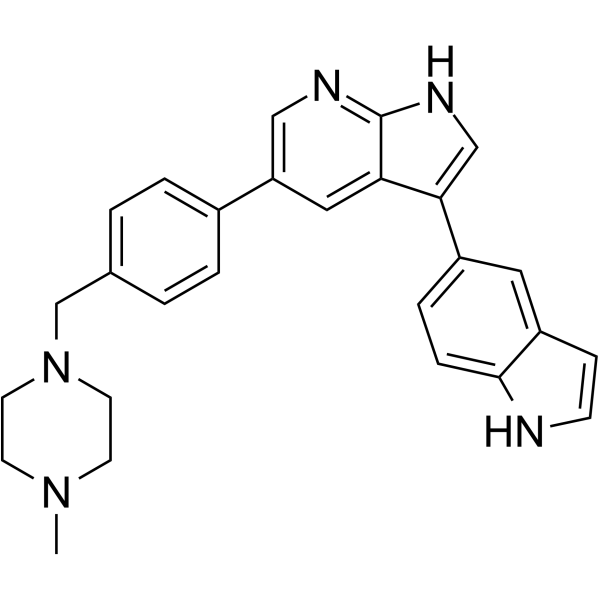
Cat. No.: HY-12599
CAS No.: 1229582-33-5
Purity:  99.34%
Research Areas:  

Neurological Disease Cancer

URMC-099 is an orally bioavailable and potent mixed lineage kinase type 3 (MLK3) (IC50=14 nM) inhibitor with with excellent blood-brain barrier penetration properties.
loading...
    loading...
7
7 Cited Publications
Cat. No.: HY-100788C
CAS No.: 373645-42-2
Synonyms: 2-(Phosphonomethyl)pentanedioic acid sodium
Target:  

Carboxypeptidase

Research Areas:  

Neurological Disease

2-PMPA (2-(Phosphonomethyl)pentanedioic acid) sodium is a glutamate carboxypeptidase II (GCPII) inhibitor with an IC50 of 0.0003 μM. 2-PMPA sodium shows low blood-brain barrier penetration. 2-PMPA sodium blocks the hydrolysis of NAAG, regulates glutamate levels in the brain and neurovascular coupling. 2-PMPA sodium is applicable to the research of neurological diseases .
loading...
    loading...
5
5 Cited Publications
Cat. No.: HY-115340
CAS No.: 1002-62-6
Purity:  99.92%
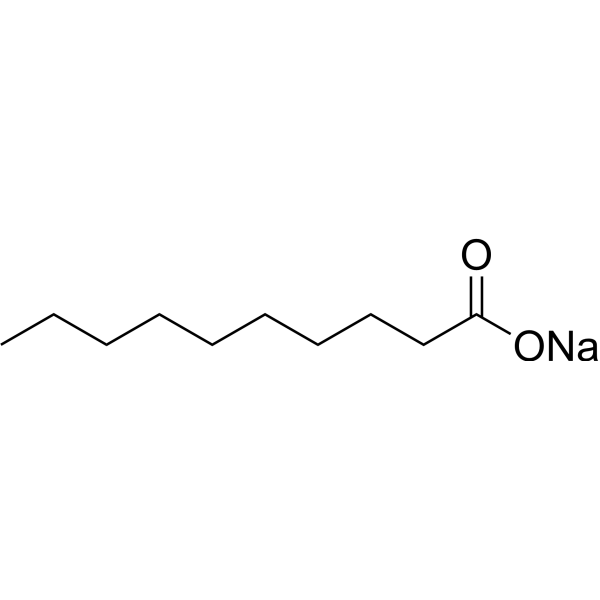
Synonyms: Sodium decanoate; Sodium caprate
Decanoic acid sodium, also known as Decanoic acid sodium, is a salt of the fatty acid capric acid. It is easily soluble in water and has a slightly soapy smell. Decanoic acid sodium acts as a penetration enhancer, which means it increases the absorption and bioavailability of drugs across biological membranes, including the intestinal epithelium and the blood-brain barrier. This property makes it useful in pharmaceutical formulations to improve drug delivery and effectiveness. Furthermore, Decanoic acid sodium has potential applications in food preservatives and cosmetics due to its antibacterial properties.
loading...
    loading...
5
5 Cited Publications
Cat. No.: HY-17037
CAS No.: 29868-97-1
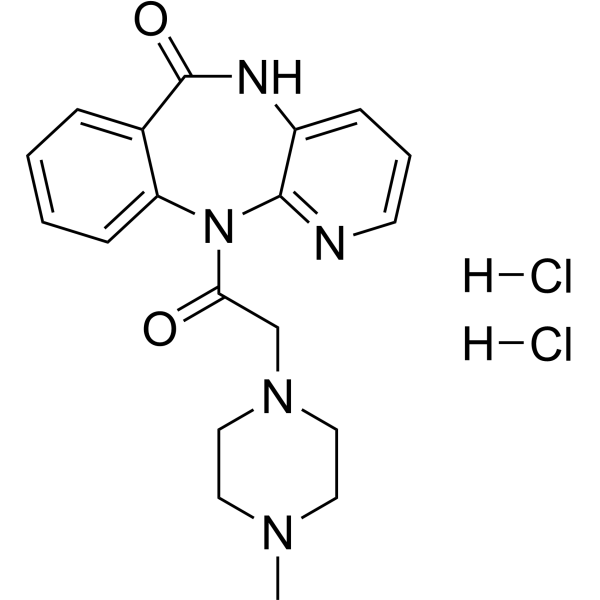
Synonyms: LS 519; Pirenzepin dihydrochloride; Gastrozepin dihydrochloride
Target:  

mAChR

Research Areas:  

Metabolic Disease Cancer

Pirenzepine (LS 519) dihydrochloride is a selective M1 mAChR (muscarinic acetylcholine receptor) antagonist, with poor penetration of the blood-brain barrier. Pirenzepine dihydrochloride reduces gastric acid secretion and reduces muscle spasm, can be used in peptic ulcers research. Pirenzepine dihydrochloride shows anti-proliferative activity to cancer cells .
loading...
    loading...
5
5 Cited Publications
Cat. No.: HY-17037A
CAS No.: 28797-61-7
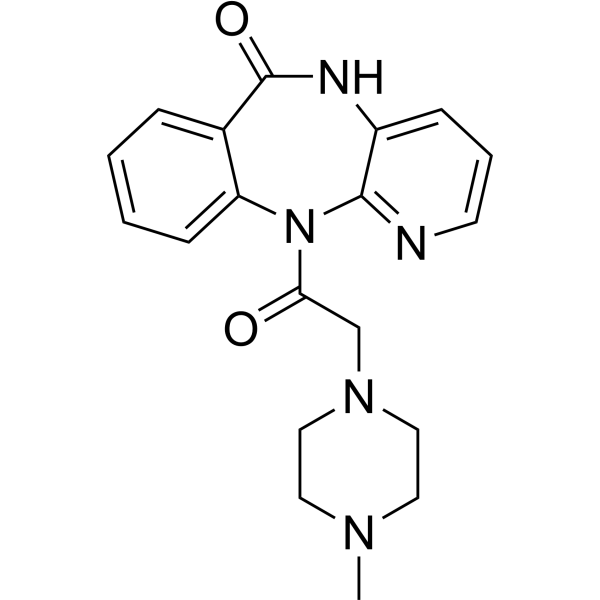
Synonyms: LS 519 free base; Pirenzepin; Gastrozepin
Target:  

mAChR

Research Areas:  

Metabolic Disease Cancer

Pirenzepine (LS 519 free base) is a selective M1 mAChR (muscarinic acetylcholine receptor) antagonist, with poor penetration of the blood-brain barrier. Pirenzepine reduces gastric acid secretion and reduces muscle spasm, can be used in peptic ulcers research. Pirenzepine shows anti-proliferative activity to cancer cells .
loading...
    loading...
3
3 Cited Publications
Cat. No.: HY-116578
CAS No.: 14008-44-7
Purity:  98.03%
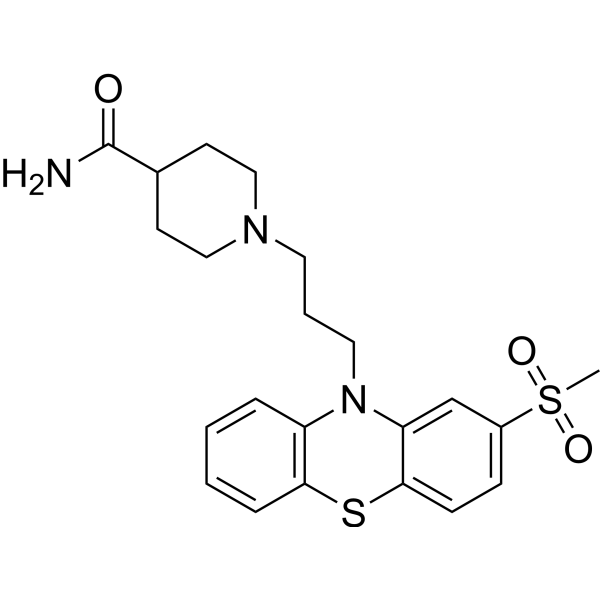
Synonyms: EXP999; RP9965
Target:  

Dopamine Receptor

Research Areas:  

Neurological Disease

Metopimazine (EXP999; RP9965) is a phenothiazine, orally available, selective dopamine D2 receptor antagonist that does not penetrate the blood-brain barrier. Metopimazine blocks dopamine D2 receptors in the chemoreceptor trigger zone and the periphery, thereby inhibiting nausea and vomiting. Metopimazine is indicated for chemotherapy-induced nausea and vomiting, and has low central side effects due to its poor brain penetration. The use of metopimazine in acute gastroenteritis may have potential risks .
loading...
    loading...
2
2 Cited Publications
Cat. No.: HY-16712
CAS No.: 1627503-67-6
Target:  

TGF-β Receptor

Research Areas:  

Cancer

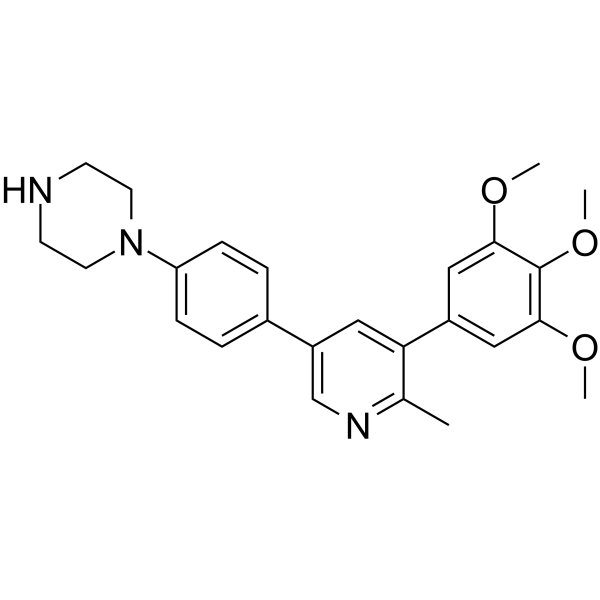
LDN-214117 is an orally active ALK2 inhibitor with well-tolerated and good brain penetration. LDN-214117 has a high selectivity and low cytotoxicity for ALK2 with an IC50 value of 24 nM. LDN-214117 also is a specific bone morphogenetic proteins (BMPs) signaling inhibitor and has relatively selective inhibition for BMP6 with an IC50 value of 100 nM. LDN-214117 can be used for the research of fibrodysplasia ossificans progressiva (FOP), diffuse intrinsic pontine glioma (DIPG) .
loading...
    loading...
2
2 Cited Publications
Cat. No.: HY-N0113
CAS No.: 539-15-1
Synonyms: Ordenina; Peyocactine
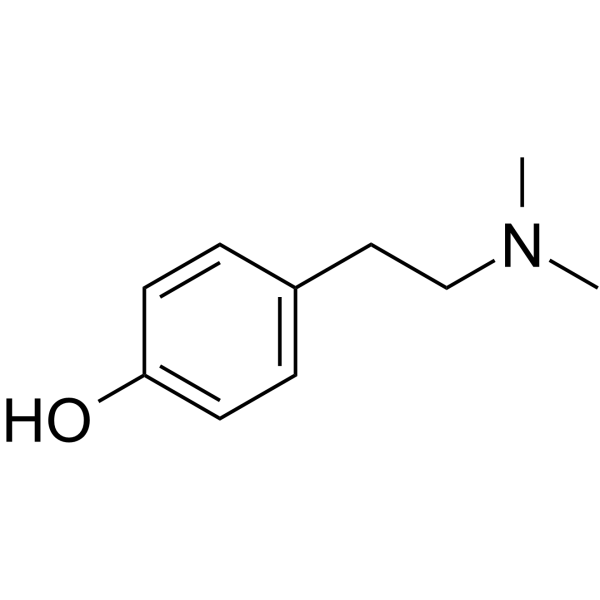
Hordenine (Ordenina; Peyocactine) is a multifunctional alkaloid with oral activity and blood-brain barrier penetration. Hordenine inhibits LPS-induced phosphorylation of p38, JNK, ERK1/2, p65, IκB, and AKT, prevents p65 nuclear translocation, and suppresses inflammatory cytokines and mediators. Hordenine promotes M2 macrophage polarization, restores blood-milk barrier integrity, alleviates oxidative stress by reducing ROS and MDA, and attenuates LPS-induced lung injury and pulmonary edema. Hordenine inhibits cAMP production, CREB phosphorylation, and MITF expression, thereby suppressing melanin synthesis in melanocytes and reconstructed epidermis. Hordenine activates the Wnt/β-catenin signaling pathway, promotes dermal papilla cell proliferation and hair shaft elongation, and accelerates hair regeneration. Hordenine activates DRD2, acts as a D3R partial agonist, α2A-AR full agonist, and 5-HT2A-R antagonist, and inhibits SERT and DAT. Hordenine inhibits α-synuclein accumulation and ameliorates motor deficits in Parkinson's disease models. Hordenine limits alcohol intake, reduces relapse drinking behavior, and modulates alcohol-induced conditioned place preference. Hordenine can be used for research on mastitis, skin pigmentation, acute lung injury, foodborne diseases, hair loss, Parkinson's disease, bacterial infections, and alcohol use disorder .
loading...
    loading...
2
2 Cited Publications
Cat. No.: HY-N0113B
CAS No.: 6027-23-2
Synonyms: Ordenina hydrochloride; Peyocactine hydrochloride
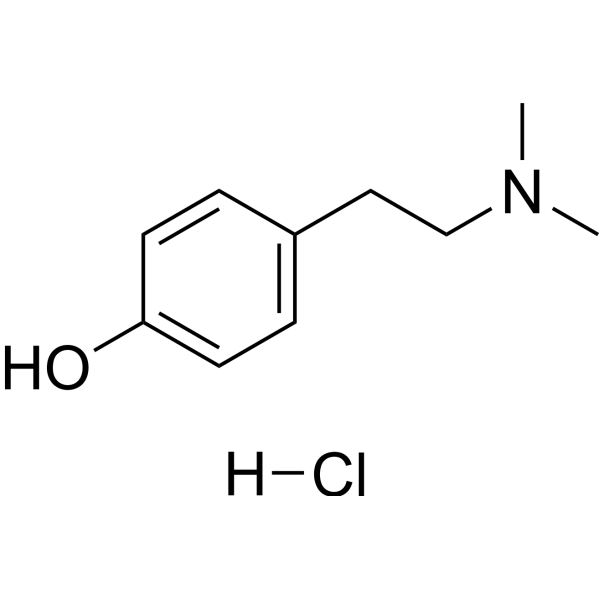
Hordenine hydrochloride (Ordenina hydrochloride; Peyocactine hydrochloride) is a multifunctional alkaloid with oral activity and blood-brain barrier penetration. Hordenine hydrochloride inhibits LPS-induced phosphorylation of p38, JNK, ERK1/2, p65, IκB, and AKT, prevents p65 nuclear translocation, and suppresses inflammatory cytokines and mediators. Hordenine hydrochloride promotes M2 macrophage polarization, restores blood-milk barrier integrity, alleviates oxidative stress by reducing ROS and MDA, and attenuates LPS-induced lung injury and pulmonary edema. Hordenine hydrochloride inhibits cAMP production, CREB phosphorylation, and MITF expression, thereby suppressing melanin synthesis in melanocytes and reconstructed epidermis. Hordenine hydrochloride activates the Wnt/β-catenin signaling pathway, promotes dermal papilla cell proliferation and hair shaft elongation, and accelerates hair regeneration. Hordenine hydrochloride activates DRD2, acts as a D3R partial agonist, α2A-AR full agonist, and 5-HT2A-R antagonist, and inhibits SERT and DAT. Hordenine hydrochloride inhibits α-synuclein accumulation and ameliorates motor deficits in Parkinson's disease models. Hordenine hydrochloride limits alcohol intake, reduces relapse drinking behavior, and modulates alcohol-induced conditioned place preference. Hordenine hydrochloride can be used for research on mastitis, skin pigmentation, acute lung injury, foodborne diseases, hair loss, Parkinson's disease, bacterial infections, and alcohol use disorder .
loading...
    loading...
1
1 Cited Publications
Cat. No.: HY-108625
CAS No.: 847553-89-3
Purity:  99.84%
Research Areas:  

Neurological Disease

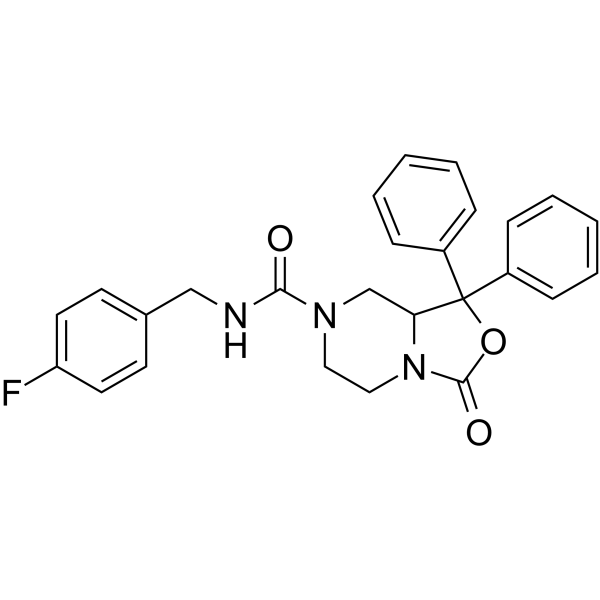
SHA 68 is a potent and selective non-peptide neuropeptide S receptor (NPSR) antagonist with IC50s of 22.0 and 23.8 nM for NPSR Asn 107 and NPSR Ile 107, respectively. SHA 68 has limited the blood-brain barrier (BBB) penetration and the activity in neuralgia .
loading...
    loading...
1
1 Cited Publications
Cat. No.: HY-120619
CAS No.: 186185-03-5
Purity:  99.08%
BMS-193885 is a selective neuropeptide Y1 receptor antagonist (Ki=3.3 nM) that competitively blocks the receptor to inhibit NPY-mediated appetite regulation signaling pathways, reduce food intake and inhibit weight gain. BMS-193885 has good blood-brain barrier penetration and is mainly used in the study of obesity and related metabolic diseases .
loading...
    loading...
1
1 Cited Publications
Cat. No.: HY-127106
CAS No.: 2126040-21-7
Purity:  99.33%
Target:  

Potassium Channel

Research Areas:  

Neurological Disease

VU0810464 is a potent and selective non-ureaG protein-gated inwardly-rectifying potassium channels (GIRK, Kir3) activator. VU0810464 displays nanomolar potency for neuronal (EC50=165 nM) and GIRK1/4 (EC50=720 nM) channels with improved brain penetration .
loading...
    loading...
1
1 Cited Publications
Cat. No.: HY-108340
CAS No.: 1859081-58-5
Target:  

mAChR

Research Areas:  

Neurological Disease

PF-06767832 is a potent muscarinic M1 selective positive allosteric modulator (PAM), with the EC50 of 60 nM. PF-06767832 has good brain penetration .
loading...
    loading...
1
1 Cited Publications
Cat. No.: HY-N2345
CAS No.: 23567-23-9
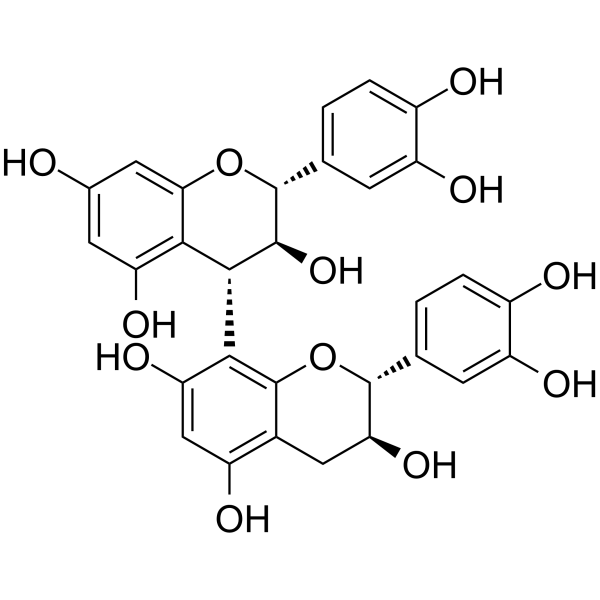
Procyanidin B3 is a natural product with antioxidant activity and oral bioavailability, possessing good blood-brain barrier penetration. Procyanidin B3 is a selective inhibitor of histone acetyltransferase (HAT). By inhibiting p300 HAT-mediated acetylation of the androgen receptor (androgen receptor). Procyanidin B3 alleviates intervertebral disc degeneration (IVDD) by inhibiting the formation of the TLR4/MD-2 complex. Procyanidin B3 can be used in research on prostate cancer and arthritis .
loading...
    loading...
1
1 Cited Publications
Cat. No.: HY-103504
CAS No.: 157604-55-2
Purity:  98.16%
Target:  

GABA Receptor

Research Areas:  

Neurological Disease

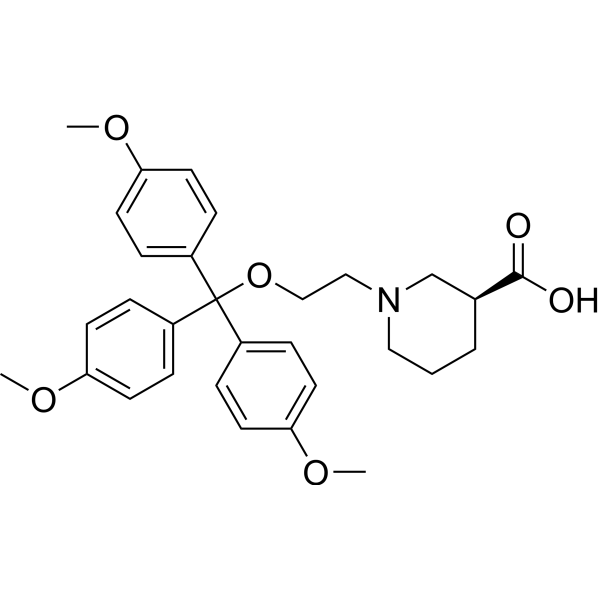
(S)-SNAP5114 is a non-covalent murine GABA transporter inhibitor with blood-brain barrier penetration ability, which exhibits significant subtype-selective inhibitory activity against mGAT4 (pIC50=5.71, pKi=4.56), much higher than its effects on mGAT1, mGAT2 and mGAT3. (S)-SNAP5114 elevates extracellular GABA concentrations by blocking the GABA reuptake mechanism, thereby enhancing thalamus-specific GABAergic signaling and exerting potential neuromodulatory effects. (S)-SNAP5114 is widely used in studies related to epilepsy, neuropathic pain, anxiety and depression, and various neurodegenerative diseases .
loading...
    loading...
Cat. No.: HY-101855
CAS No.: 882697-00-9
Purity:  99.93%
Synonyms: Anle138b
Target:  

Amyloid-β

Research Areas:  

Neurological Disease

Emrusolmin (Anle138b), an oligomeric aggregation inhibitor, blocks the formation of pathological aggregates of prion protein (PrPSc) and of α-synuclein (α-syn). Emrusolmin strongly inhibits oligomer accumulation, neuronal degeneration, and disease progression in vivo. Emrusolmin has low toxicity and an excellent oral bioavailability and blood-brain-barrier penetration. Emrusolmin blocks Aβ channels and rescues disease phenotypes in a mouse model for amyloid pathology .
loading...
    loading...
Cat. No.: HY-P9967
CAS No.: 1384260-65-4
Synonyms: BIIB037

Target:  

Amyloid-β

Research Areas:  

Neurological Disease

Aducanumab (BIIB037) is a human monoclonal antibody that selectively targets aggregated amyloid-beta (Aβ). Aducanumab shows blood-brain-barrier penetration, and can be used for Alzheimer's disease (AD) research .
loading...
    loading...

