5627 Results for "

brain water diffusivity

" in MedChemExpress (MCE) Product Catalog:
Products (5627)

5627 Results for "brain water diffusivity" in MCE Product Catalog:

1510
1510 Publications Verification
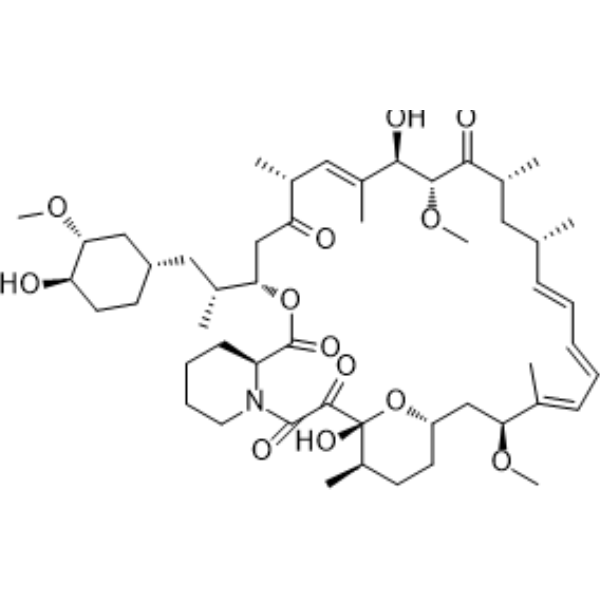
Cat. No.: HY-10219
CAS No.: 53123-88-9
Purity:  99.94%
Synonyms: Sirolimus; AY-22989; NSC 226080
Rapamycin (Sirolimus; AY 22989) is a potent and specific blood-brain barrier-transmissible mTOR inhibitor with an IC50 of 0.1 nM in HEK293 cells. Rapamycin is a molecular glue that binds FKBP12 and mTOR proteins together, thereby inhibiting mTOR kinase activity. Rapamycin binds to FKBP12 and specifically acts as an allosteric inhibitor of mTORC1. Rapamycin is an autophagy activator, an immunosuppressant .
loading...
    loading...
784
784 Cited Publications
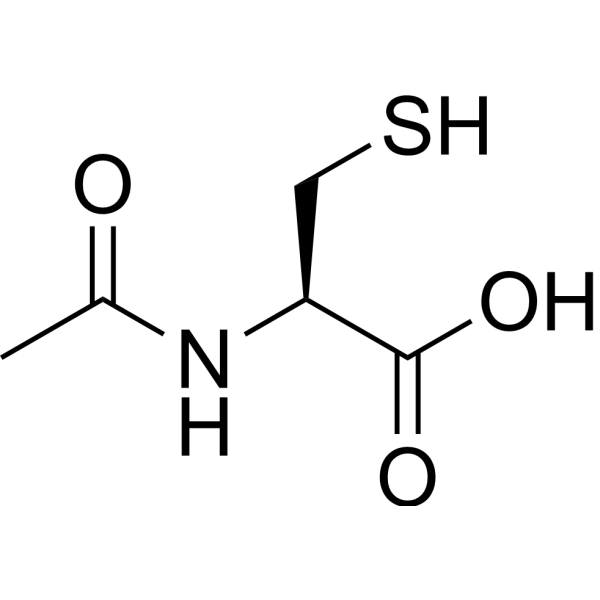
Cat. No.: HY-B0215
CAS No.: 616-91-1
Synonyms: N-Acetylcysteine; N-Acetyl-L-cysteine; NAC
Acetylcysteine (N-Acetylcysteine) is a mucolytic agent that can cross the blood-brain barrier, which reduces the thickness of the mucus. Acetylcysteine is a ROS inhibitor. Acetylcysteine is a cysteine precursor, prevents hemin-induced ferroptosis by neutralizing toxic lipids generated by arachidonate-dependent activity of 5-lipoxygenases. Acetylcysteine induces cell apoptosis. Acetylcysteine also has anti-influenza virus activities. In addition, Acetylcysteine ​​is the most stable form of cysteine ​​during drug delivery and can be used in disulfidptosis studies .
loading...
    loading...
595
595 Cited Publications
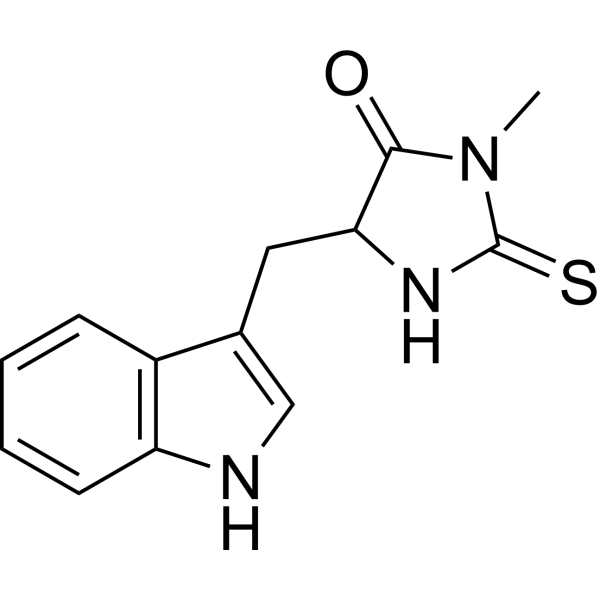
Cat. No.: HY-15760
CAS No.: 4311-88-0
Purity:  99.89%
Synonyms: Nec-1
Necrostatin-1 (Nec-1) is a potent and cross the blood-brain barrier necroptosis inhibitor with an EC50 of 490 nM in Jurkat cells. Necrostatin-1 inhibits RIP1 kinase (EC50=182 nM). Necrostatin-1 is also an IDO inhibitor .
loading...
    loading...
415
415 Cited Publications
Cat. No.: HY-14648C
CAS No.: 50-02-2
Purity:  ≥98.0%
Synonyms: Dexamethasone cyclodextrin complex
Dexamethasone (Hexadecadrol) Water Soluble is a water-soluble form of Dexamethasone (HY-14648). Dexamethasone is a glucocorticoid receptor agonist, apoptosis inducer, and a common disease inducer in experimental animals. It can be used to construct models of muscle atrophy, hypertension, and depression. Dexamethasone can inhibit the production of inflammatory miRNA-155 exosomes in macrophages and significantly reduce the expression of inflammatory factors in neutrophils and monocytes. Dexamethasone also has the potential to be used in COVID-19 research .(Sale size is the weight of dexamethasone)
loading...
    loading...
399
399 Cited Publications
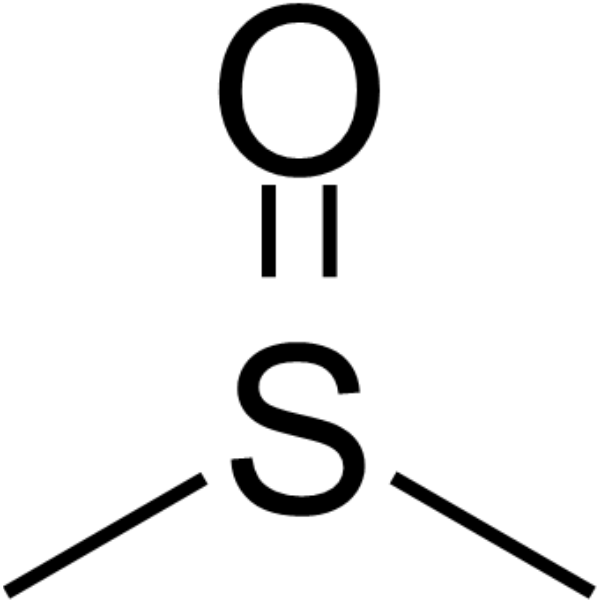
Cat. No.: HY-Y0320
CAS No.: 67-68-5
Synonyms: DMSO, meets analytical specification of Ch.P.
Dimethyl sulfoxide (DMSO), meets analytical specification of Ch.P. is an aprotic solvent that dissolves polar and non-polar compounds, including water-insoluble therapeutic and toxic agents. Dimethyl sulfoxide (DMSO) has a strong affinity for water and can rapidly penetrate or enhance the penetration of other substances into biological membranes. Dimethyl sulfoxide also has potential free radical scavenging and anticholinesterase effects and may affect coagulation activity. Dimethyl sulfoxide also induces histamine release from mast cells but is thought to have low systemic toxicity. Dimethyl sulfoxide also exhibits antifreeze and antibacterial properties .
MCE provides Dimethyl sulfoxide that complies with the inspection standards (Ch.P) of Part 4 of the Chinese Pharmacopoeia (2020 Edition). Amicrobic, low endotoxin, can be used in various biochemical experiments such as drug dissolution.
loading...
    loading...
396
396 Cited Publications
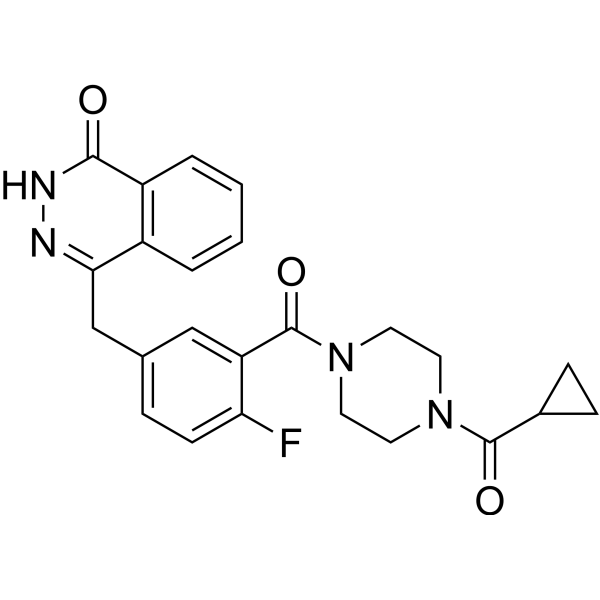
Cat. No.: HY-10162
CAS No.: 763113-22-0
Purity:  99.98%
Synonyms: AZD2281; KU0059436; MK-7339
Olaparib (AZD2281; KU0059436) is a potent and orally active PARP inhibitor with IC50s of 5 and 1 nM for PARP1 and PARP2, respectively. Olaparib is an autophagy and mitophagy activator. Olaparib cannot cross the intact blood-brain barrier (BBB) .
loading...
    loading...
318
318 Cited Publications
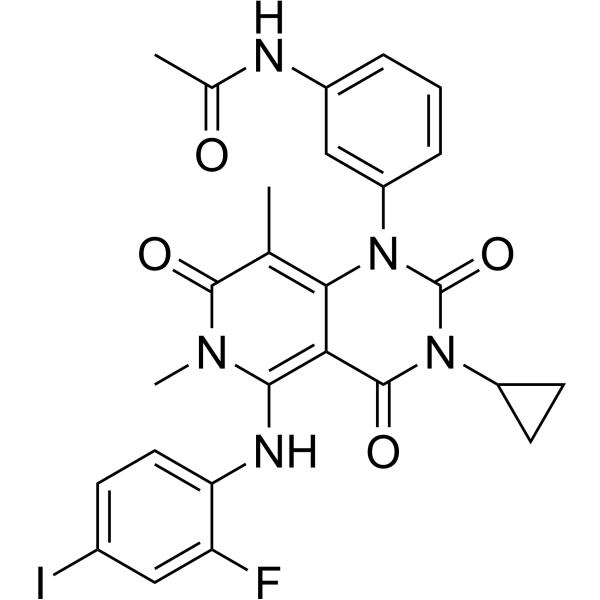
Cat. No.: HY-10999
CAS No.: 871700-17-3
Purity:  99.93%
Synonyms: GSK1120212; JTP-74057
Trametinib (GSK1120212; JTP-74057) is an orally active MEK inhibitor that inhibits MEK1 and MEK2 with IC50s of about 2 nM. Trametinib activates autophagy and induces apoptosis, cross the blood-brain barrier (BBB), used in research related to subarachnoid hemorrhage (SAH) .
loading...
    loading...
306
306 Cited Publications
Cat. No.: HY-K0501

MCE qPCR Master Mix is provided as a simple-to-use, stabilized 2× formulation that includes all components for qPCR except sample DNA, primers and water. The 100 rxns is defined as the base specification. All larger sizes correspond to incremental volumes of this base.

loading...
    loading...
234
234 Cited Publications
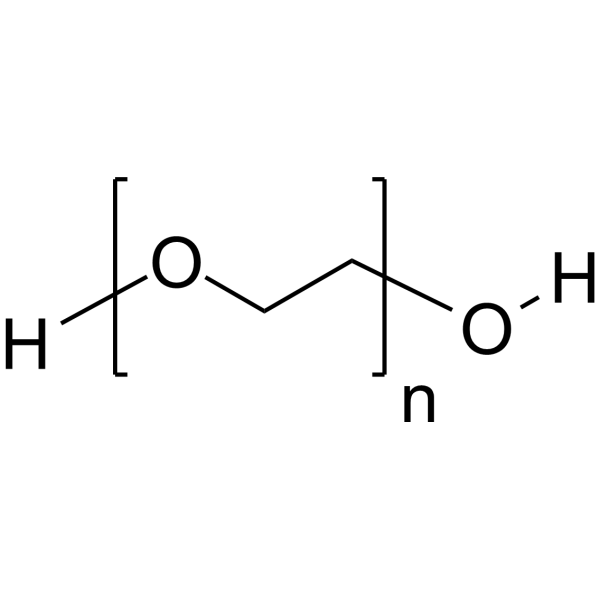
Cat. No.: HY-Y0873
CAS No.: 25322-68-3
Synonyms: Polyethylene glycol 300
PEG300 (Polyethylene glycol 300), a neutral polymer of molecular weight 300, is a water-soluble, low immunogenic and biocompatible polymer formed by repeating units of ethylene glycol .
loading...
    loading...
213
213 Cited Publications
Cat. No.: HY-17364
CAS No.: 85622-93-1
Synonyms: NSC 362856; CCRG 81045; TMZ
Research Areas:  

Cancer

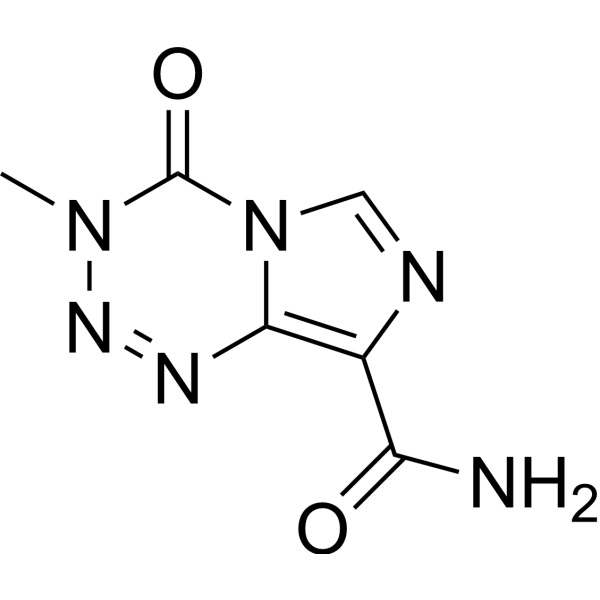
Temozolomide (NSC 362856) is an oral active DNA alkylating agent that crosses the blood-brain barrier. Temozolomide is also a proautophagic and proapoptotic agent. Temozolomide is effective against tumor cells that are characterized by low levels of O6-alkylguanine DNA alkyltransferase (OGAT) and a functional mismatch repair system. Temozolomide has antitumor and antiangiogenic effects .
loading...
    loading...
202
202 Cited Publications
Cat. No.: HY-17386
CAS No.: 122320-73-4
Synonyms: BRL 49653
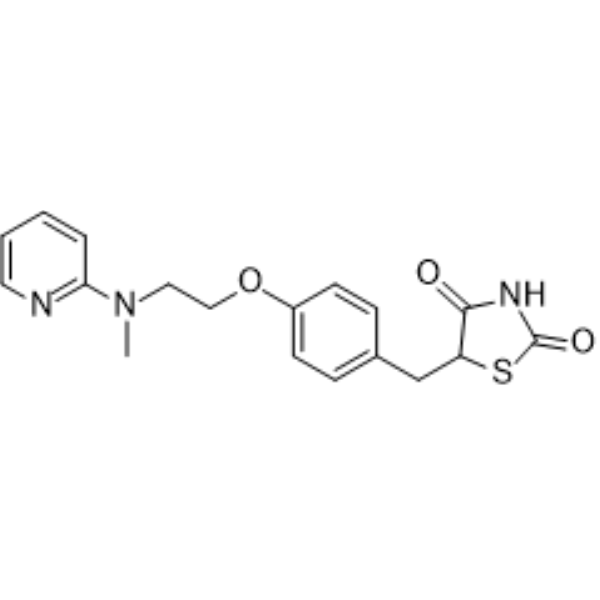
Rosiglitazone (BRL 49653) is an orally active selective PPARγ agonist (EC50: 60 nM, Kd: 40 nM), with blood-brain barrier permeability. Rosiglitazone is an TRPC5 activator (EC50: 30 μM) and TRPM3 inhibitor. Rosiglitazone can be used in the research of obesity and diabetes, senescence, ovarian cancer .
loading...
    loading...
187
187 Cited Publications
Cat. No.: HY-10181
CAS No.: 302962-49-8
Purity:  99.83%
Synonyms: BMS-354825
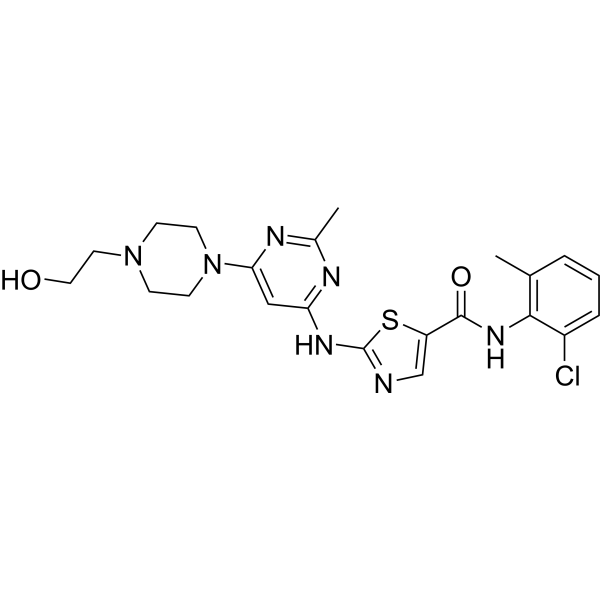
Dasatinib (BMS-354825) is a highly potent, ATP competitive, orally active dual Src/Bcr-Abl inhibitor with potent antitumor activity. The Kis are 16 pM and 30 pM for Src and Bcr-Abl, respectively. Dasatinib inhibits Bcr-Abl and Src with IC50s of <1.0 nM and 0.5 nM, respectively. Dasatinib also induces apoptosis and autophagy, and can cross the blood-brain barrier .
loading...
    loading...
181
181 Cited Publications
Cat. No.: HY-16749
CAS No.: 1029044-16-3
Synonyms: PLX-3397
Target:  

c-Fms c-Kit Apoptosis

Research Areas:  

Cancer

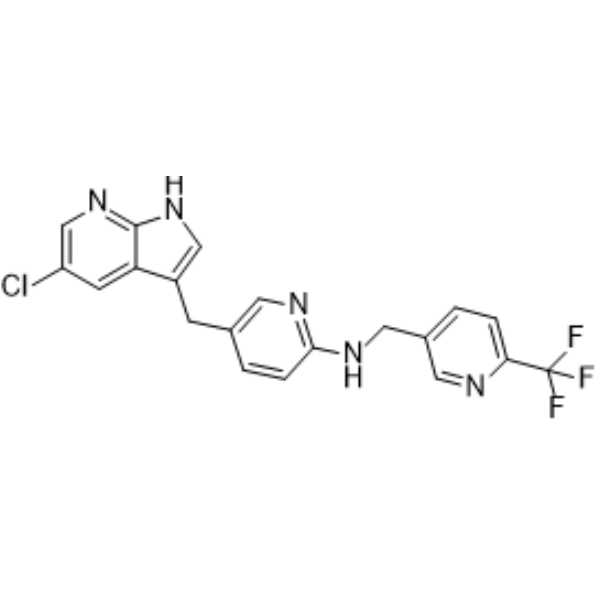
Pexidartinib (PLX-3397) is a potent, orally active, selective, and ATP-competitive colony stimulating factor 1 receptor (CSF1R or M-CSFR) and c-Kit inhibitor, with IC50s of 20 and 10 nM, respectively. Pexidartinib (PLX-3397) exhibits 10- to 100-fold selectivity for c-Kit and CSF1R over other related kinases. Pexidartinib (PLX-3397) induces cell apoptosis and has anti-tumor activity. Pexidartinib has limited permeability to the blood-brain barrier, primarily through ABCB1 .
loading...
    loading...
179
179 Cited Publications
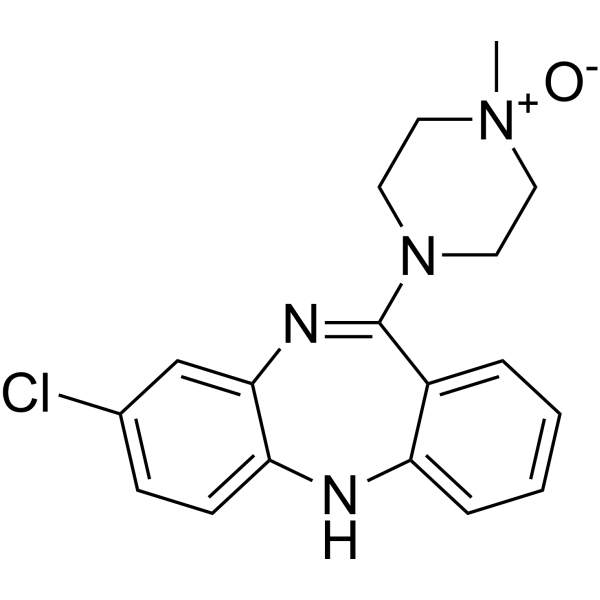
Cat. No.: HY-17366
CAS No.: 34233-69-7
Clozapine N-oxide is a major metabolite of Clozapine and a human muscarinic designer receptors (DREADDs) agonist. Clozapine N-oxide activates the DREADD receptor hM3Dq and hM4Di. Clozapine N-oxide can't cross the blood-brain barrier . Clozapine is a potent dopamine antagonist and also a potent and selective muscarinic M4 receptor (EC50=11 nM) agonist .
loading...
    loading...
179
179 Cited Publications
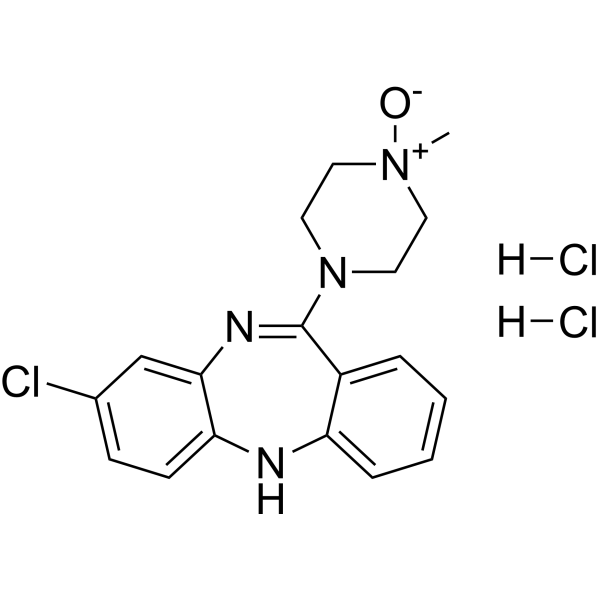
Cat. No.: HY-17366A
CAS No.: 2250025-93-3
Clozapine N-oxide dihydrochloride is a major metabolite of Clozapine and a human muscarinic designer receptors (DREADDs) agonist. Clozapine N-oxide dihydrochloride activates the DREADD receptor hM3Dq and hM4Di. Clozapine N-oxide dihydrochloride cannot cross the blood-brain barrier . Clozapine is a potent dopamine antagonist and also a potent and selective muscarinic M4 receptor (EC50=11 nM) agonist .
loading...
    loading...
161
161 Cited Publications
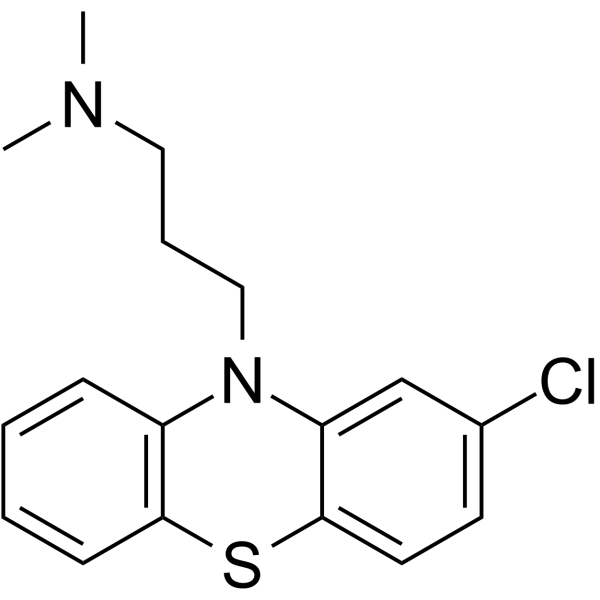
Cat. No.: HY-12708
CAS No.: 50-53-3
Purity:  99.75%
Chlorpromazine is an orally active, blood-brain barrier-transparent antipsychotic agent that effectively antagonises D2 dopamine receptors and 5-HT2A, which is widely used in schizophrenia and other psychiatric disorders. Chlorpromazine exerts anti-cancer activity through a variety of pathways, including anti-proliferation, induction of autophagy and cycle arrest (G2-M phase), inhibition of cytochrome c oxidase (CcO), inhibition of tumour growth and metastasis, and inhibition of tumour immune escape. Chlorpromazine also blocks hNav1.7 channels (IC50=25.9 μM; concentration-dependent) and HERG potassium channels (IC50=21.6 μM), which has potential for analgesic and cardiac arrhythmic studies. Chlorpromazine also can inhibit clathrin-mediated endocytosis .
loading...
    loading...
161
161 Cited Publications
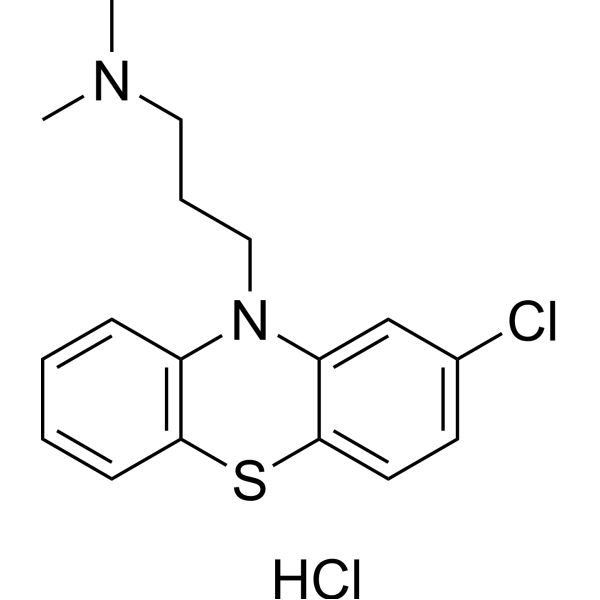
Cat. No.: HY-B0407A
CAS No.: 69-09-0
Chlorpromazine hydrochloride is an orally active, blood-brain barrier-transparent antipsychotic agent that effectively antagonises D2 dopamine receptors and 5-HT2A, which is widely used in schizophrenia and other psychiatric disorders. Chlorpromazine hydrochloride exerts anti-cancer activity through a variety of pathways, including anti-proliferation, induction of autophagy and cycle arrest (G2-M phase), inhibition of cytochrome c oxidase (CcO), inhibition of tumour growth and metastasis, and inhibition of tumour immune escape. Chlorpromazine hydrochloride also blocks hNav1.7 channels (IC50=25.9 μM; concentration-dependent) and HERG potassium channels (IC50=21.6 μM), which has potential for analgesic and cardiac arrhythmic studies. Chlorpromazine hydrochloride also can inhibit clathrin-mediated endocytosis .
loading...
    loading...
160
160 Cited Publications
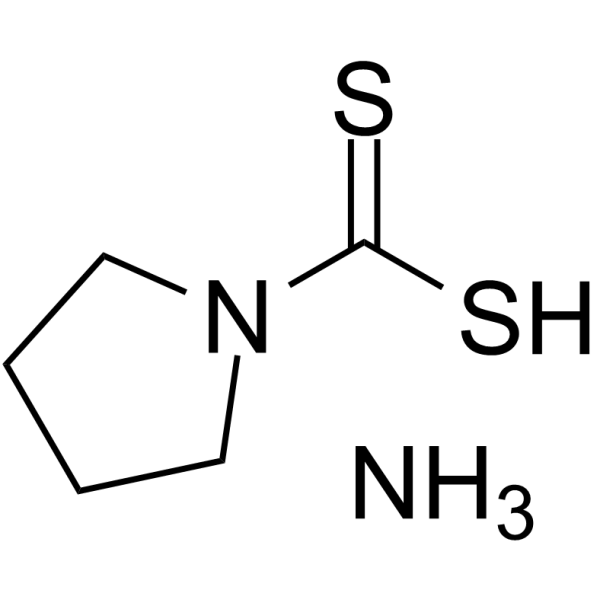
Cat. No.: HY-18738
CAS No.: 5108-96-3
Synonyms: Ammonium pyrrolidinedithiocarbamate; PDTC ammonium; APDC
Target:  

NF-κB

Research Areas:  

Inflammation/Immunology Cancer

Pyrrolidinedithiocarbamate ammonium (Ammonium pyrrolidinedithiocarbamate) is a selective and blood-brain barrier (BBB) permeable NF-κB inhibitor.
loading...
    loading...
153
153 Cited Publications
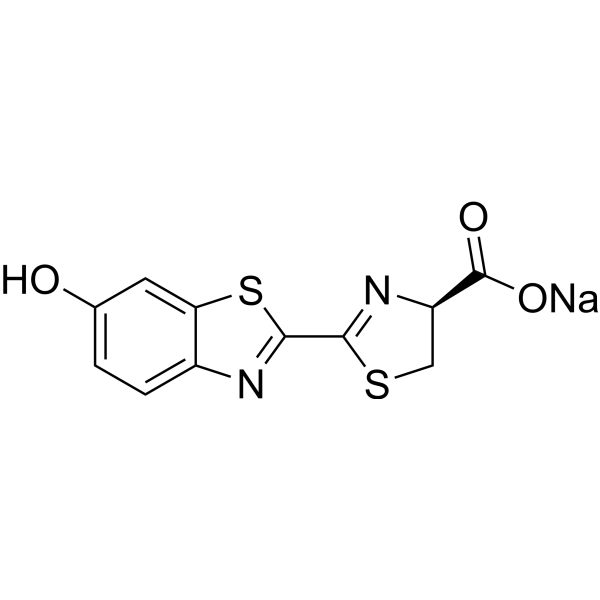
Cat. No.: HY-12591
CAS No.: 103404-75-7
Purity:  99.92%
Synonyms: D-(-)-Luciferin sodium; Firefly luciferin sodium; Beetle Luciferin sodium
D-luciferin sodium is the natural substrate of the enzyme luciferase (Luc) that catalyzes the production of the typical yellowgreen light of fireflies. The 560 nm chemiluminescence from this reaction peaks within seconds, with light output that is proportional to luciferase concentration when the substrate luciferin is present in excess. The luciferase (luc) gene is a popular reporter gene for research and agent screening. Chemiluminescent techniques are virtually background-free, making the luc reporter gene ideal for detecting low-level gene expression. As little as 0.02 pg of luciferase can be reliably measured in a standard scintillation counter. In addition to its role as a reporter of gene expression, luciferase is commonly used in an extremely sensitive assay for ATP . We of er the firefly luciferase (HY-P1004A), luciferin free acid (HY-12591A), as well as its water-soluble sodium salts (HY-12591) and potassium salts (HY-12591B) .
loading...
    loading...
153
153 Cited Publications
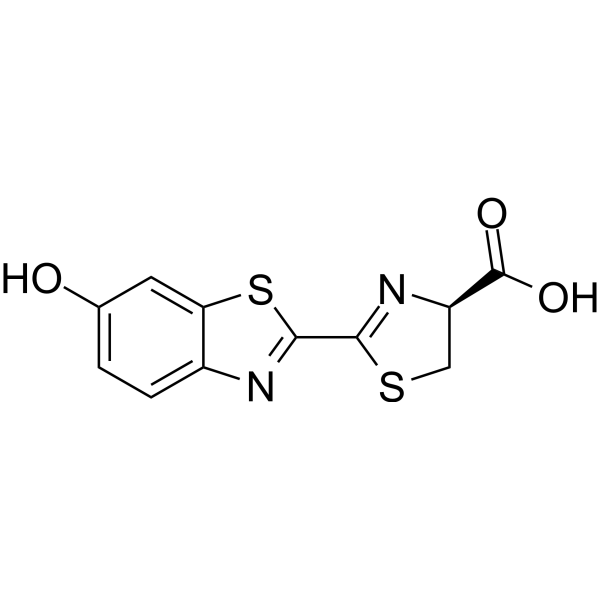
Cat. No.: HY-12591A
CAS No.: 2591-17-5
Purity:  99.54%
Synonyms: D-(-)-Luciferin; Firefly luciferin; Beetle Luciferin
D-luciferin is the natural substrate of the enzyme luciferase (Luc) that catalyzes the production of the typical yellowgreen light of fireflies. The 560 nm chemiluminescence from this reaction peaks within seconds, with light output that is proportional to luciferase concentration when the substrate luciferin is present in excess. The luciferase (luc) gene is a popular reporter gene for research and agent screening. Chemiluminescent techniques are virtually background-free, making the luc reporter gene ideal for detecting low-level gene expression. As little as 0.02 pg of luciferase can be reliably measured in a standard scintillation counter. In addition to its role as a reporter of gene expression, luciferase is commonly used in an extremely sensitive assay for ATP . We of er the firefly luciferase (HY-P1004A), luciferin free acid (HY-12591A), as well as its water-soluble sodium salts (HY-12591) and potassium salts (HY-12591B) .
loading...
    loading...

