18 Results for "

bronchitis asthma

" in MedChemExpress (MCE) Product Catalog:
Products (18)

18 Results for "bronchitis asthma" in MCE Product Catalog:

5
5 Cited Publications
Cat. No.: HY-A0062
CAS No.: 191114-48-4
Synonyms: HMR3647; RU66647
Target:  

Bacterial Antibiotic

Research Areas:  

Infection Inflammation/Immunology

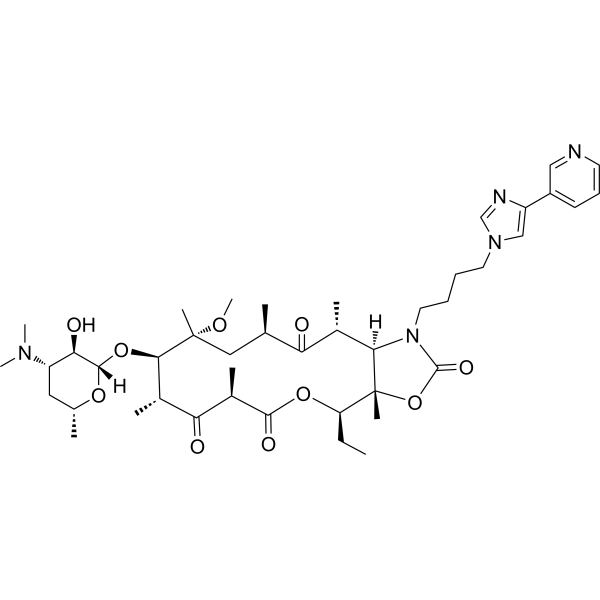
Telithromycin (HMR3647) is a novel ketolide antibiotic that structurally resembles macrolides. Telithromycin belongs to the ketolide family that is characterized by a keto group at position 3 of the macrolide ring and is active against bacteria causing community-acquired pneumonia, acute exacerbation of chronic bronchitis, and acute sinusitis. Telithromycin also has similar immunomodulatory effects as macrolides. Telithromycin can be used for the research of respiratory infections including bronchial asthma .
loading...
    loading...
2
2 Cited Publications
Cat. No.: HY-107051
CAS No.: 408303-43-5
Purity:  98.77%
Synonyms: GW 994
Target:  

CCR

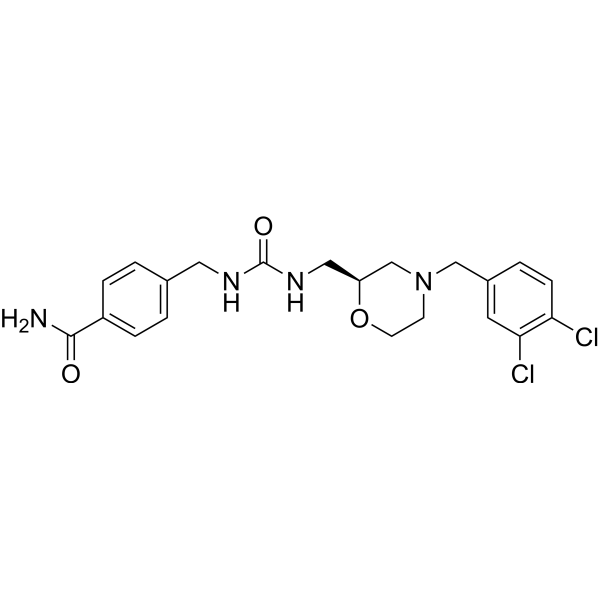
GW 766994 (GW 994) is an orally active and specific chemokine receptor-3 (CCR3) antagonist. GW 766994 has the potential for asthma and eosinophilic bronchitis research .
loading...
    loading...
Cat. No.: HY-B0976
CAS No.: 13392-18-2
Synonyms: Th-1165; Phenoterol
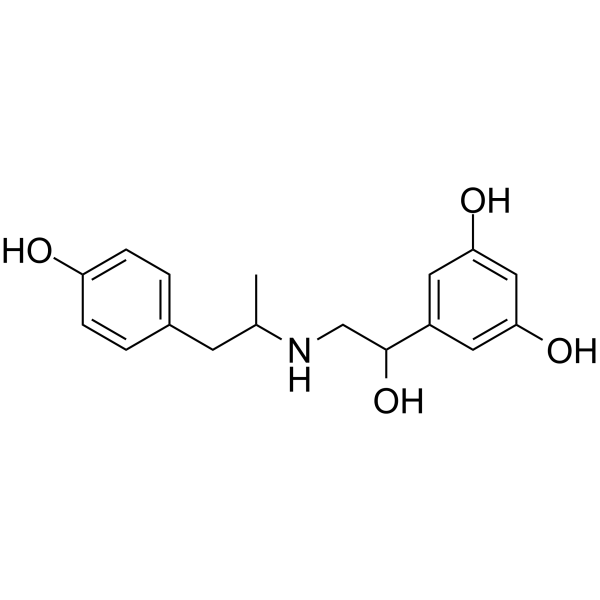
Fenoterol (Th-1165), a sympathomimetic agent, is a selective and orally active β2-adrenoceptor agonist. Fenoterol is an effective bronchodilator and can be used for bronchospasm associated with asthma, bronchitis and other obstructive airway diseases research .
loading...
    loading...
Cat. No.: HY-B0976A
CAS No.: 1944-12-3
Synonyms: Th-1165a; Phenoterol hydrobromide
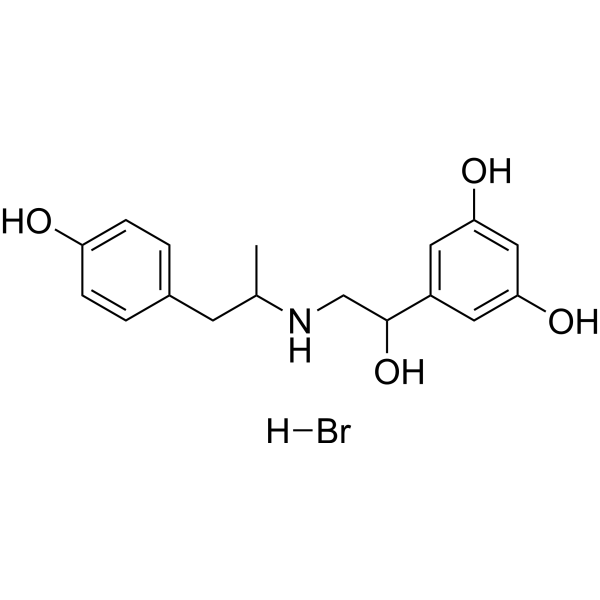
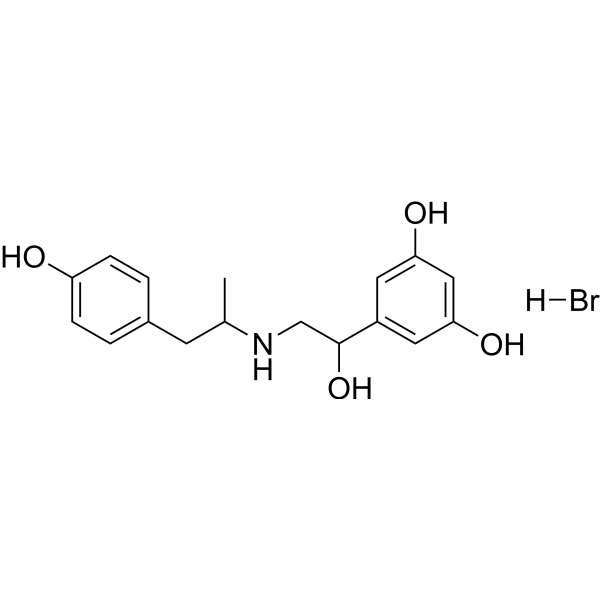
Fenoterol hydrobromide (Th-1165a), a sympathomimetic agent, is a selective and orally active β2-adrenoceptor agonist. Fenoterol hydrobromide is an effective bronchodilator and can be used for bronchospasm associated with asthma, bronchitis and other obstructive airway diseases research .
loading...
    loading...
Cat. No.: HY-108662
CAS No.: 56583-49-4
Purity:  98.57%
Synonyms: 2,2'-Pyridylisatogen tosylate
Target:  

P2Y Receptor

Research Areas:  

Inflammation/Immunology Cancer

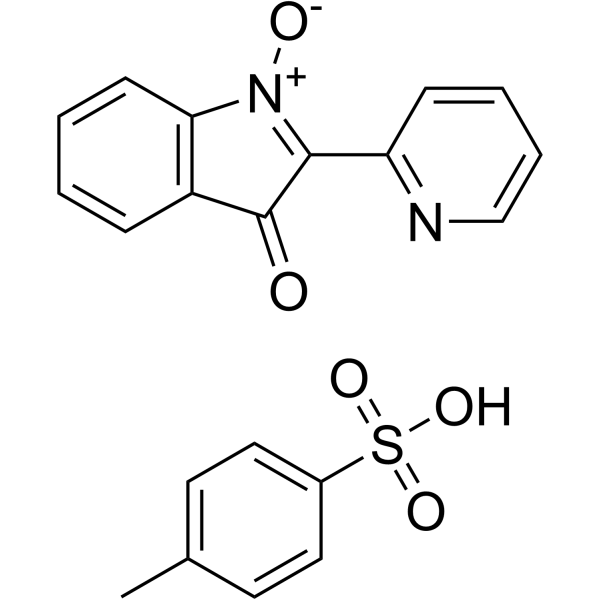
PIT (2,2'-Pyridylisatogen tosylate) is a selective and non-competitive antagonist of P2Y1 receptor with an IC50 value of 0.14 μM for human P2Y1 receptor. PIT antagonizes P2Y1 receptor signaling without affecting nucleotide binding. PIT is an irreversible antagonist of responses to ATP at metabotropic purinoceptors (of the P2Y family) in some smooth muscles. PIT can be used for the research of chronic bronchitis and asthma .
loading...
    loading...
Cat. No.: HY-121185
CAS No.: 3215-70-1
Purity:  ≥96.0%
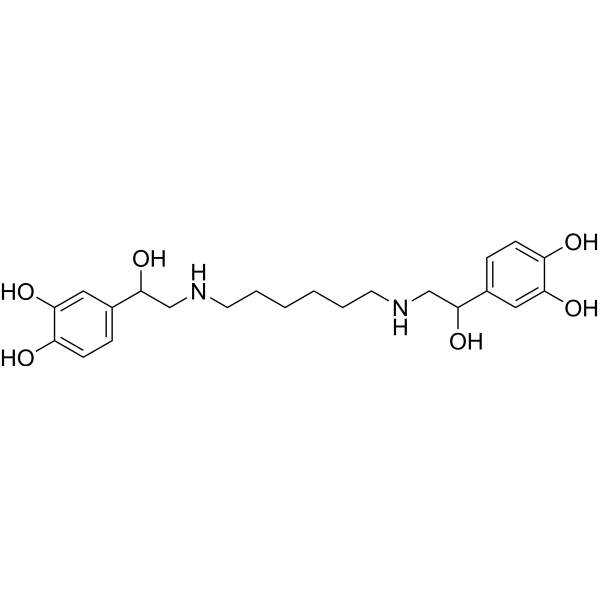
Hexoprenaline is an orally active and selective β-adrenergic receptor agonist. Hexoprenaline can dilate the bronchi. Hexoprenaline can activate adenylate cyclase and increases 14C-Aminopyrine uptake. Hexoprenaline exhibits anti-infection and anti-inflammmation effect. Hexoprenaline can increase placental weight and blood flow. Hexoprenaline can be used for the researches of inflammation, immunology, infection, endocrinology and neurological disease, such as asthma, chronic bronchitis, sepsis and intoxication of organophosphorus compounds .
loading...
    loading...
Cat. No.: HY-B0976AR
CAS No.: 1944-12-3
Synonyms: Th-1165a (Standard); Phenoterol hydrobromide (Standard)
Fenoterol (hydrobromide) (Standard) is the analytical standard of Fenoterol (hydrobromide). This product is intended for research and analytical applications. Fenoterol hydrobromide (Th-1165a), a sympathomimetic agent, is a selective and orally active β2-adrenoceptor agonist. Fenoterol hydrobromide is an effective bronchodilator and can be used for bronchospasm associated with asthma, bronchitis and other obstructive airway diseases research .
loading...
    loading...
Cat. No.: HY-100250
CAS No.: 98204-48-9
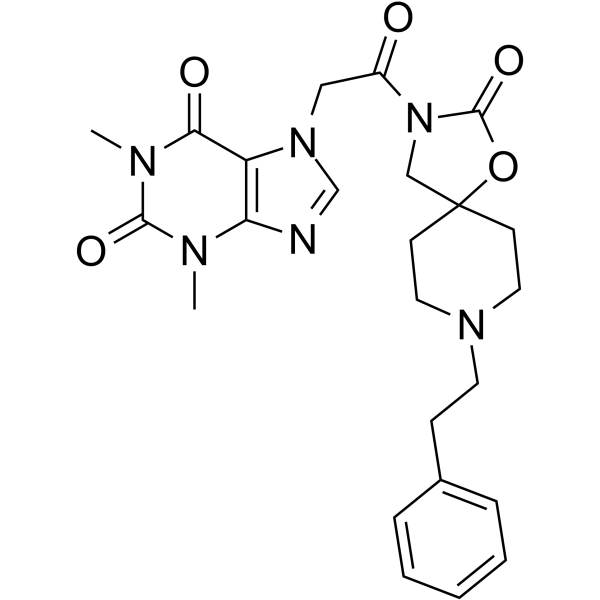
Spirofylline is a bronchodilator that has the potential for asthma and bronchitis and emphysema treatment.
loading...
    loading...
Cat. No.: HY-N10368
CAS No.: 103630-27-9
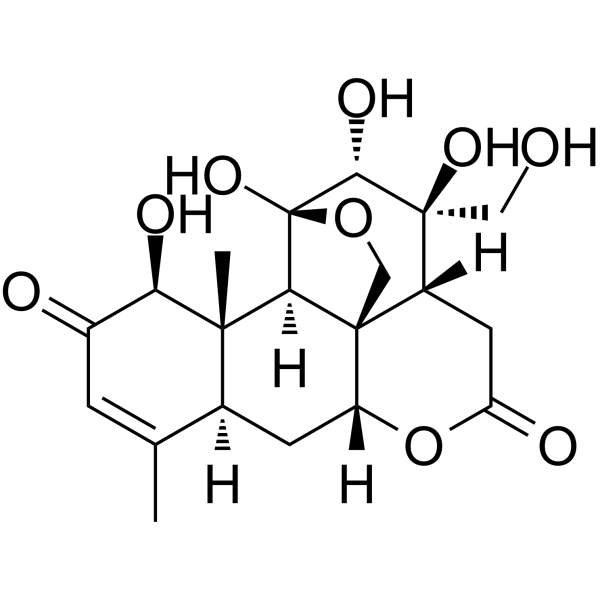
Shinjulactone M is a quassinoid isolated from various parts of Ailanthus species. Ailanthus, an important genus of the Simaroubaceae family, can be used as an febrifuge (antimalarial) and anthelmintic, and is given for the research of chronic bronchitis, epilepsy and asthma .
loading...
    loading...
Cat. No.: HY-163994
CAS No.: 57576-17-7
Synonyms: KWD 2058 hydrochloride
Target:  

Adrenergic Receptor

Research Areas:  

Others

Ibuterol (KWD 2058) hydrochloride, a diester of Terbutaline (HY-B0802A), is an orally active, selective and effective β-stimulating agent with lipophilic activities. Ibuterol hydrochloride is also an orally active ocular hypotensive agent. Ibuterol hydrochloride relieves bronchial obstruction in asthma without causing circulatory effects. Ibuterol hydrochloride is proming for rasearch of intraocular hypertension, asthma and bronchitis .
loading...
    loading...
Cat. No.: HY-B0976AS
CAS No.: 1286129-04-1
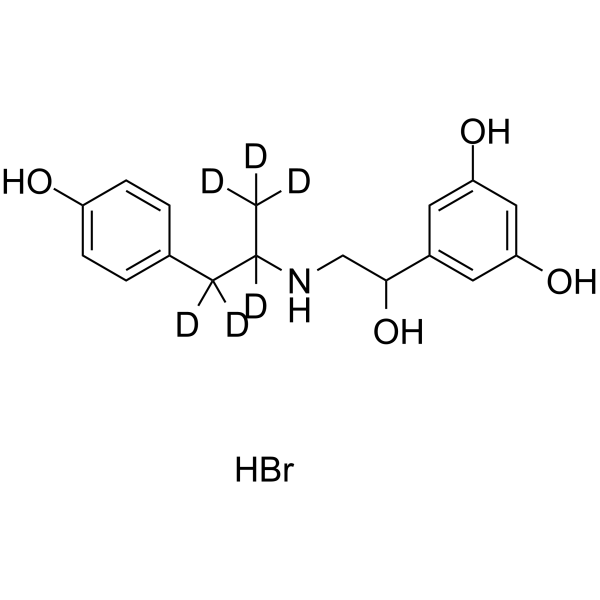
Fenoterol-d6 (hydrobromide) (Th-1165a-d6) is the deuterium labeled Fenoterol hydrobromide. Fenoterol hydrobromide (Th-1165a), a sympathomimetic agent, is a selective and orally active β2-adrenoceptor agonist. Fenoterol hydrobromide is an effective bronchodilator and can be used for bronchospasm associated with asthma, bronchitis and other obstructive airway diseases research .
loading...
    loading...
Cat. No.: HY-A0062R
CAS No.: 191114-48-4
Synonyms: HMR3647 (Standard); RU66647 (Standard)
Telithromycin (Standard) is the analytical standard of Telithromycin. This product is intended for research and analytical applications. Telithromycin (HMR3647) is a novel ketolide antibiotic that structurally resembles macrolides. Telithromycin belongs to the ketolide family that is characterized by a keto group at position 3 of the macrolide ring and is active against bacteria causing community-acquired pneumonia, acute exacerbation of chronic bronchitis, and acute sinusitis. Telithromycin also has similar immunomodulatory effects as macrolides. Telithromycin can be used for the research of respiratory infections including bronchial asthma .
loading...
    loading...
Cat. No.: HY-121185A
CAS No.: 32266-10-7
Hexoprenaline sulfate is an orally active and selective β-adrenergic receptor agonist. Hexoprenaline sulfate can dilate the bronchi. Hexoprenaline sulfate can activate adenylate cyclase and increases 14C-Aminopyrine uptake. Hexoprenaline sulfate exhibits anti-infection and anti-inflammmation effect. Hexoprenaline sulfate can increase placental weight and blood flow. Hexoprenaline sulfate can be used for the researches of inflammation, immunology, infection, endocrinology and neurological disease, such as asthma, chronic bronchitis, sepsis and intoxication of organophosphorus compounds .
loading...
    loading...
Cat. No.: HY-N19051
Category:  

Extract

Target:  

Others

Adhatoda vasica extract, derived from the flower Justicia adhatoda (also known as Vasaka or Adulsa), is known for its bronchodilatory and anti-inflammatory effects and can be used in research on respiratory diseases such as asthma, bronchitis, and cough.
loading...
    loading...
Cat. No.: HY-107051R
CAS No.: 408303-43-5
Synonyms: GW 994 (Standard)
GW 766994 (Standard) (GW 994 (Standard)) is the analytical standard of GW 766994 (HY-107051). This product is intended for research and analytical applications. GW 766994 (GW 994) is an orally active and specific chemoKine receptor-3 (CCR3) antagonist. GW 766994 has the potential for asthma and eosinophilic bronchitis research .
loading...
    loading...
Cat. No.: HY-B0976R
CAS No.: 13392-18-2
Synonyms: Th-1165 (Standard); Phenoterol (Standard)
Fenoterol (Standard) is the analytical standard of Fenoterol. This product is intended for research and analytical applications. Fenoterol (Th-1165), a sympathomimetic agent, is a selective and orally active β2-adrenoceptor agonist. Fenoterol is an effective bronchodilator and can be used for bronchospasm associated with asthma, bronchitis and other obstructive airway diseases research .
loading...
    loading...
Cat. No.: HY-L223
863 compounds

Antitussive and antiasthmatic method is a type of treatment strategy in traditional Chinese medicine, mainly used to alleviate symptoms such as coughing and asthma. These symptoms may be caused by various factors, such as: Bronchial asthma, chronic obstructive pulmonary disease, asthmatic bronchitis, cough-induced asthma, and others. Based on existing research in traditional Chinese medicine, many types of Chinese medicinal herbs showed antitussive and antiasthmatic effects. For example: Ardisiae Japonicae Herba, Ginkgo Semen, Amygdalus Communis Vas, Farfarae Flos, Viticis Cannabifoliae Fructus, Eriobotryae Folium etc. Therefore, the active ingredients derived from these traditional Chinese medicine have high medicinal value and have the potential to be developed into drugs for related diseases.

MCE can provide 863 active ingredients that can be obtained from traditional Chinese medicine with antitussive and antiasthmatic functions, which can be applied to drug development and research on disease mechanisms.

Cat. No.: HY-108662R
CAS No.: 56583-49-4
Synonyms: 2,2'-Pyridylisatogen tosylate (Standard)
PIT (Standard) is the analytical standard of PIT (HY-108662). This product is intended for research and analytical applications. PIT (2,2'-Pyridylisatogen tosylate) is a selective and non-competitive antagonist of P2Y1 receptor with an IC50 value of 0.14 μM for human P2Y1 receptor. PIT antagonizes P2Y1 receptor signaling without affecting nucleotide binding. PIT is an irreversible antagonist of responses to ATP at metabotropic purinoceptors (of the P2Y family) in some smooth muscles. PIT can be used for the research of chronic bronchitis and asthma .
loading...
    loading...
  • 1

