188 Results for "

calcium release

" in MedChemExpress (MCE) Product Catalog:
Products (188)

188 Results for "calcium release" in MCE Product Catalog:

30
30 Publications Verification
Cat. No.: HY-100403
CAS No.: 298690-60-5
Purity:  99.67%
Target:  

mGluR

Research Areas:  

Cancer

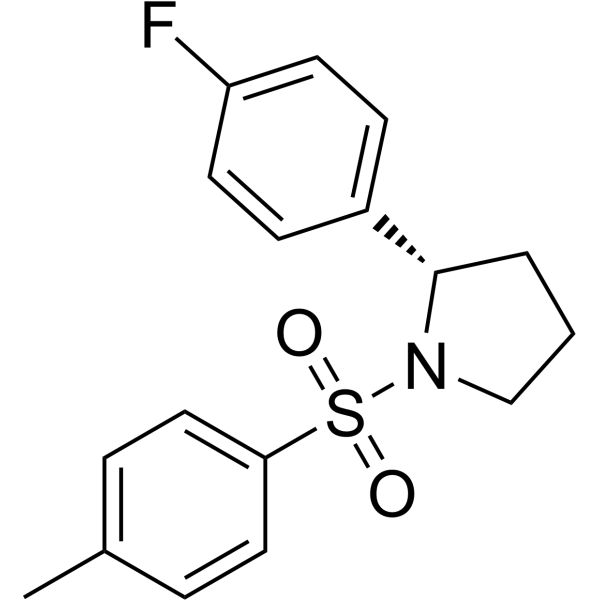
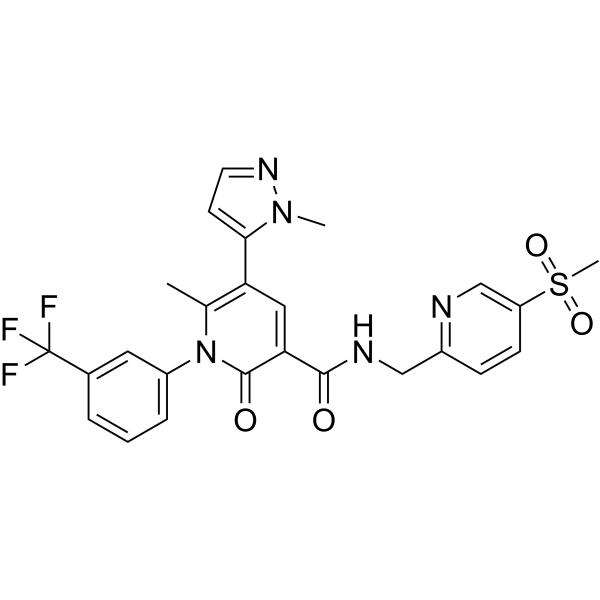
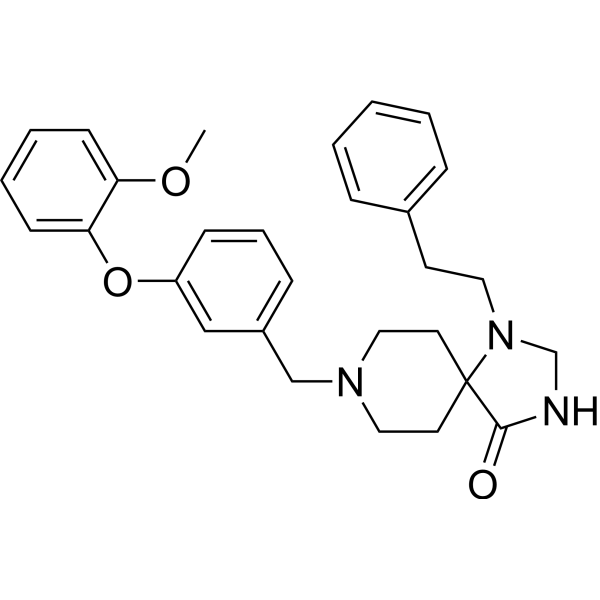
Ro 67-7476 is a potent positive allosteric modulator of mGluR1 and potentiates glutamate-induced calcium release in HEK293 cells expressing rat mGluR1a with an EC50 of 60.1 nM . Ro 67-7476 is a potent P-ERK1/2 agonist and activates ERK1/2 phosphorylation in the absence of exogenously added glutamate (EC50=163.3 nM) .
loading...
    loading...
21
21 Cited Publications
Cat. No.: HY-15277
CAS No.: 1228690-19-4
Purity:  99.86%
Target:  

LPL Receptor

Research Areas:  

Inflammation/Immunology

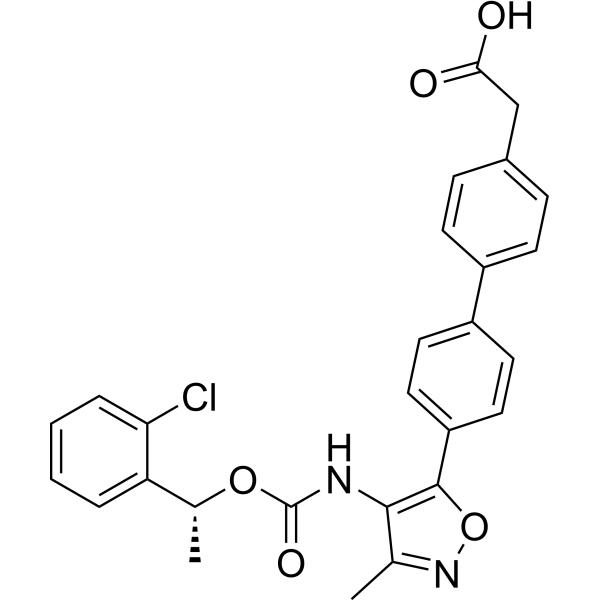
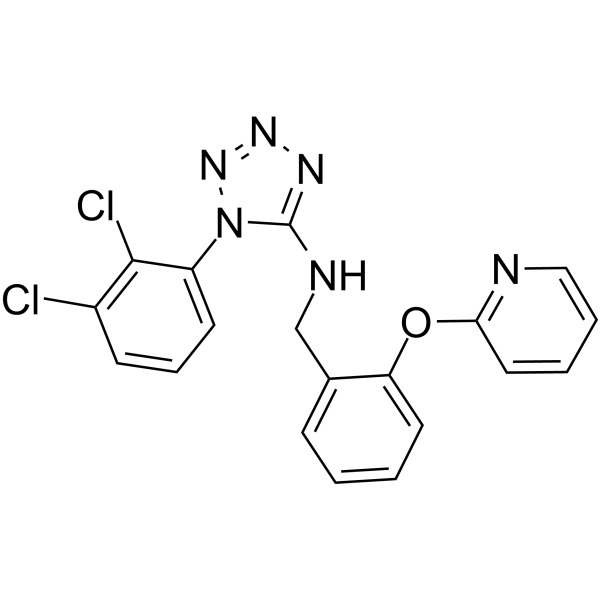
AM966 is a high affinity, selective, oral LPA1-antagonist, inhibits LPA-stimulated intracellular calcium release (IC50=17 nM).
loading...
    loading...
19
19 Cited Publications
Cat. No.: HY-12542
CAS No.: 7261-97-4
Purity:  ≥98.0%
Synonyms: F 368
Dantrolene is an orally active, non-competitive glutathione reductase inhibitor with a Ki of 111.6 μM and an IC50 of 52.3 μM. Dantrolene is also a calcium channel protein inhibitor. Dantrolene inhibits the release of Ca 2+ from RyR1 and RyR3, which can be beneficial in a variety of pathologies caused by disruptions in calcium homeostasis (e.g., stroke, ischemia/reperfusion injury, and neurodegenerative diseases). Dantrolene offers relief of muscle spasms, malignant hyperthermia, and antitoxic, antipyretic, and anti-inflammatory properties .
loading...
    loading...
19
19 Cited Publications
Cat. No.: HY-14657
CAS No.: 14663-23-1
Purity:  99.79%
Synonyms: F 440
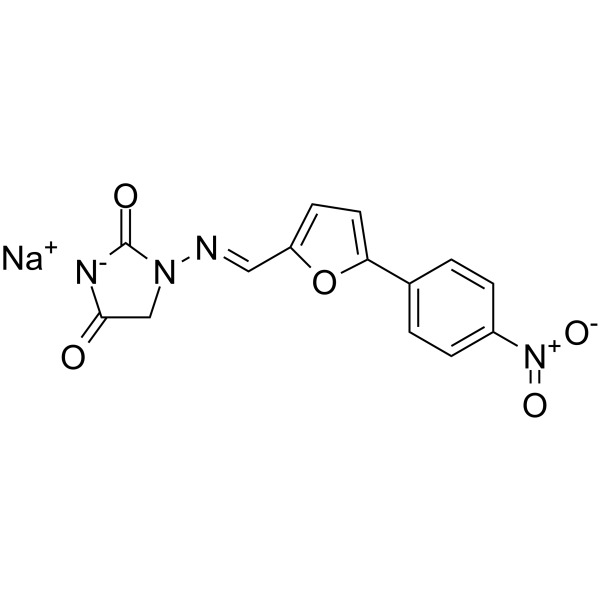
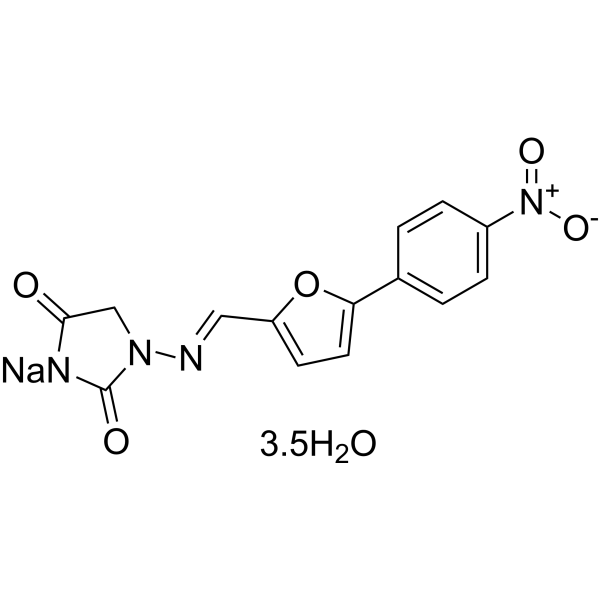
Dantrolene sodium is an orally active, non-competitive glutathione reductase inhibitor with a Ki of 111.6 μM and an IC50 of 52.3 μM. Dantrolene sodium is also a calcium channel protein inhibitor. Dantrolene sodium inhibits the release of Ca 2+ from RyR1 and RyR3, which can be beneficial in a variety of pathologies caused by disruptions in calcium homeostasis (e.g., stroke, ischemia/reperfusion injury, and neurodegenerative diseases). Dantrolene sodium offers relief of muscle spasms, malignant hyperthermia, and antitoxic, antipyretic, and anti-inflammatory properties .
loading...
    loading...
19
19 Cited Publications
Cat. No.: HY-12542A
CAS No.: 24868-20-0
Purity:  99.79%
Synonyms: Dantrolene sodium hydrate
Dantrolene sodium hemiheptahydrate is an orally active, non-competitive glutathione reductase inhibitor with a Ki of 111.6 μM and an IC50 of 52.3 μM. Dantrolene sodium hemiheptahydrate is also a calcium channel protein inhibitor. Dantrolene sodium hemiheptahydrate inhibits the release of Ca 2+ from RyR1 and RyR3, which can be beneficial in a variety of pathologies caused by disruptions in calcium homeostasis (e.g., stroke, ischemia/reperfusion injury, and neurodegenerative diseases). Dantrolene sodium hemiheptahydrate offers relief of muscle spasms, malignant hyperthermia, and antitoxic, antipyretic, and anti-inflammatory properties .
loading...
    loading...
18
18 Cited Publications
Cat. No.: HY-101942
CAS No.: 1713240-67-5
Purity:  99.96%
Synonyms: CM-4620
Target:  

CRAC Channel

Research Areas:  

Neurological Disease

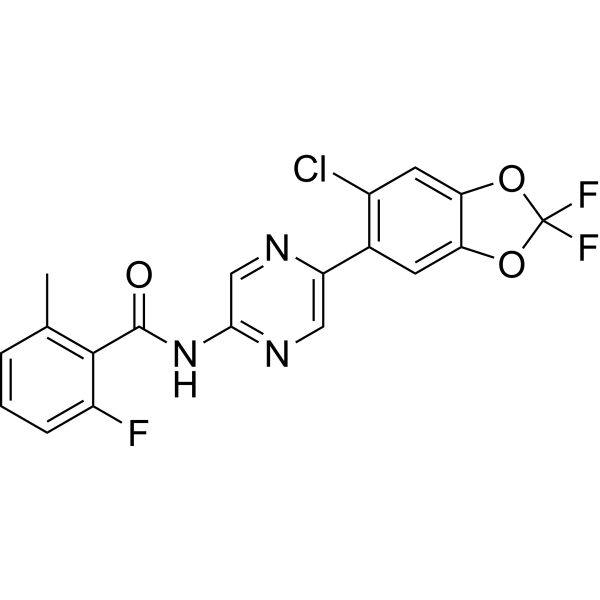
Zegocractin (CM-4620) is a calcium-release activated calcium-channel (CRAC channel) inhibitor, with IC50s of 119 nM and 895 nM for Orai1/STIM1 and Orai2/STIM1 channels, respectively .
loading...
    loading...
13
13 Cited Publications
Cat. No.: HY-109804
CAS No.: 1001015-18-4
Purity:  98.27%
Research Areas:  

Inflammation/Immunology

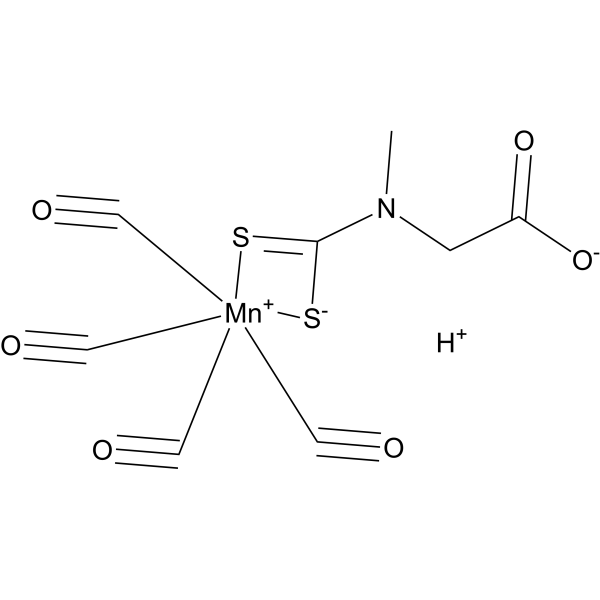
CORM-401 is an oxidant-sensitive CO-releasing molecule. CORM-401 induces NO increase in the regulation of endothelial calcium signalling. CORM-401 reduces TNF-α/CHX and H2O2-induced ROS production. CORM-401 uncouples mitochondrial respiration and inhibits glycolysis .
loading...
    loading...
13
13 Cited Publications
Cat. No.: HY-15651
CAS No.: 848141-11-7
Purity:  99.87%
Synonyms: AZD9668
Alvelestat (AZD9668) is an orally active, selective inhibitor of neutrophil elastase. Alvelestat reduces elastase activity, myeloperoxidase release, neutrophil recruitment and activation, and calcium phosphate precipitation; promotes smooth muscle cell colonization and collagen deposition; and inhibits the formation of neutrophil extracellular traps (NETs) as well as NET-derived neutrophil elastase activity. Alvelestat restores endothelial dysfunction, regulates antioxidant factors, improves the expression of endothelial tight junctions, reduces vascular leakage, and accelerates wound healing. Alvelestat prevents pulmonary hemorrhage, matrix protein degradation, airspace enlargement, and small airway wall remodeling; and alleviates cigarette-induced inflammatory responses. Alvelestat inhibits the growth of abdominal aortic aneurysms exacerbated by Porphyromonas gingivalis. Alvelestat can be used in research related to chronic obstructive pulmonary disease, abdominal aortic aneurysm, radiation-induced skin injury, and bronchiectasis .
loading...
    loading...
5
5 Cited Publications
Cat. No.: HY-111200
CAS No.: 887258-94-8
Purity:  99.47%
Synonyms: SCA-136
Target:  

5-HT Receptor

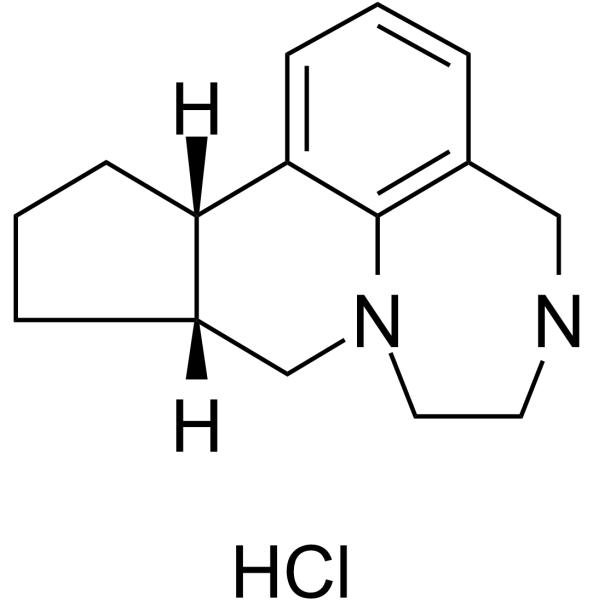
Vabicaserin hydrochloride (SCA-136) is a brain-penetrant, orally active, and selective 5-HT2C receptor agonist (Ki = 3 nM; EC50 = 8 nM). Vabicaserin hydrochloride specifically activates Gq-coupled 5-HT2C receptors to promote calcium mobilization, thereby selectively reducing dopamine release in the mesolimbic system without affecting the nigrostriatal pathway . Vabicaserin hydrochloride is an antagonist of 5-HT2A/5-HT2B receptors. Vabicaserin hydrochloride can be used for research on schizophrenia, obesity, chronic pain, and neurodegenerative diseases (such as Machado-Joseph disease) .
loading...
    loading...
3
3 Cited Publications
Cat. No.: HY-W010950
CAS No.: 54143-55-4
Research Areas:  

Cardiovascular Disease

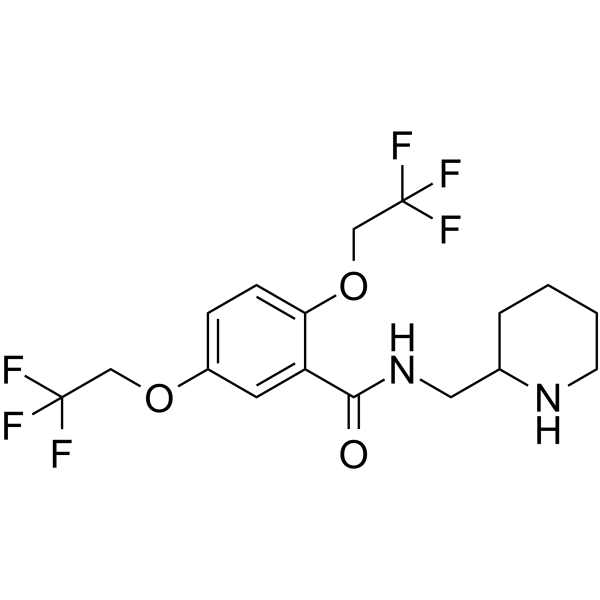
Flecainide is an orally active antiarrhythmic agent. Flecainide can block sodium channels and inhibit calcium ion release mediated by the cardiac ryanodine receptor (RyR2). Flecainide can be used in the research of diseases such as catecholaminergic polymorphic ventricular tachycardia (CPVT) .
loading...
    loading...
3
3 Cited Publications
Cat. No.: HY-113920A
CAS No.: 64748-79-4
Purity:  99.11%
Synonyms: EU4093 free base
Target:  

Calcium Channel

Research Areas:  

Metabolic Disease

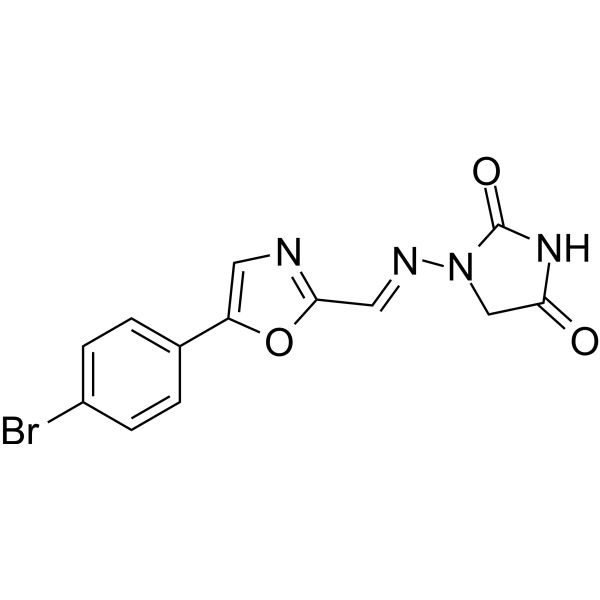
Azumolene (EU4093 free base), a Dantrolene analog, is a muscle relaxant. Azumolene is a ryanodine receptor (RyR) modulator and inhibits the calcium-release through ryanodine receptor. Azumolene can be used for malignant hyperthermia research .
loading...
    loading...
3
3 Cited Publications
Cat. No.: HY-W010950A
CAS No.: 57415-44-8
Research Areas:  

Cardiovascular Disease

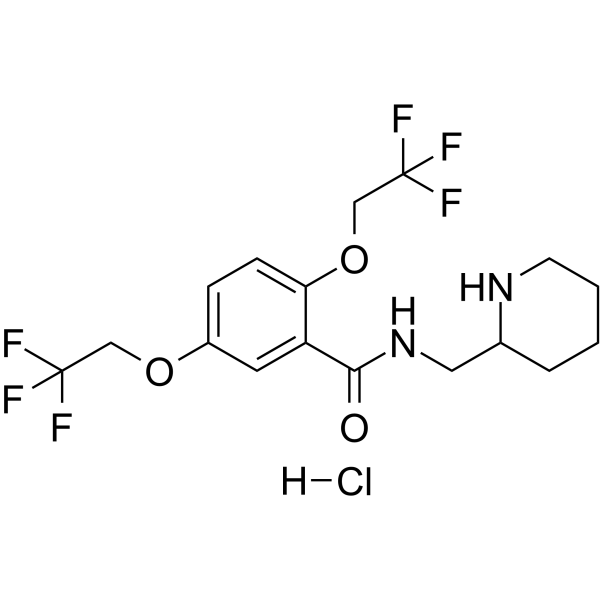
Flecainide hydrochloride is an orally active antiarrhythmic agent. Flecainide hydrochloride can block sodium channels and inhibit calcium ion release mediated by the cardiac ryanodine receptor (RyR2). Flecainide hydrochloride can be used in the research of diseases such as catecholaminergic polymorphic ventricular tachycardia (CPVT) .
loading...
    loading...
3
3 Cited Publications
Cat. No.: HY-B1178
CAS No.: 486-56-6
Synonyms: (-)-Cotinine; (S)-Cotinine; NIH-10498
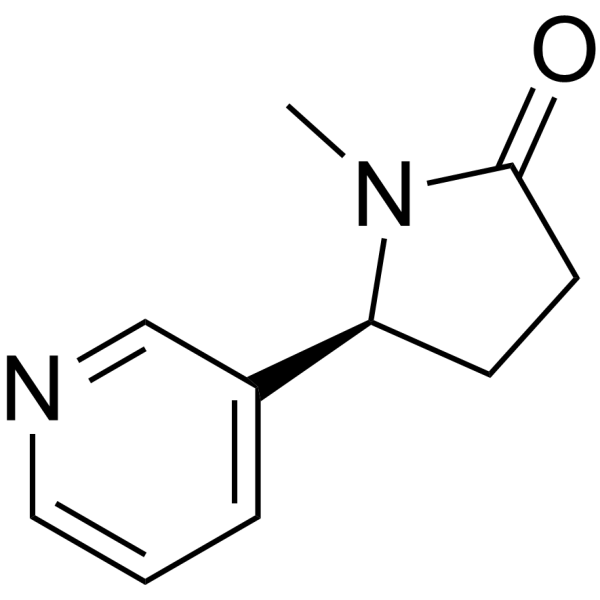
Cotinine ((-)-Cotinine) is an orally active alkaloid found in tobacco and is the primary metabolite of nicotine. Cotinine is metabolized by CYP2A13 into trans-3'-hydroxycotinine. Cotinine is used as a biomarker to measure exposure to tobacco smoke components. Cotinine has vasodepressor activity. The mixture of cotinine and nicotine (Nicotine) has antiproliferative activity against pterygium. (S)-(-)-Cotinine activates nicotinic acetylcholine receptors (nAChR) in a calcium-dependent manner, leading to the release of dopamine (Dopamine, HY-B0451). Cotinine ((-)-Cotinine) is used in research related to cardiovascular and inflammatory diseases .
loading...
    loading...
2
2 Cited Publications
Cat. No.: HY-N7395
CAS No.: 119340-53-3
Synonyms: cADPR
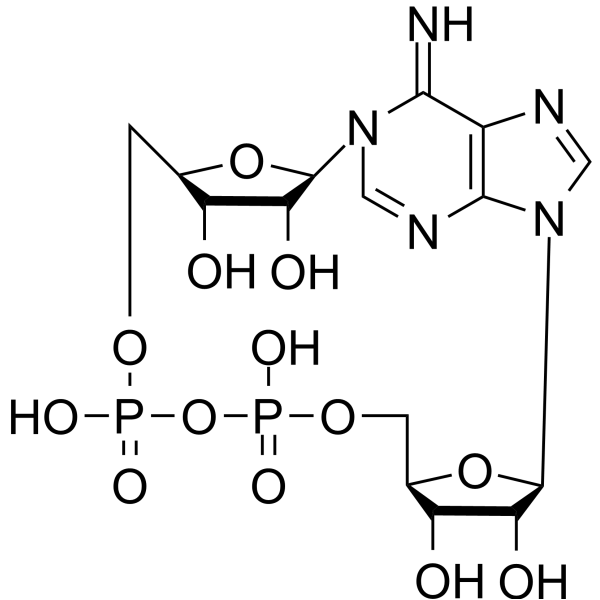
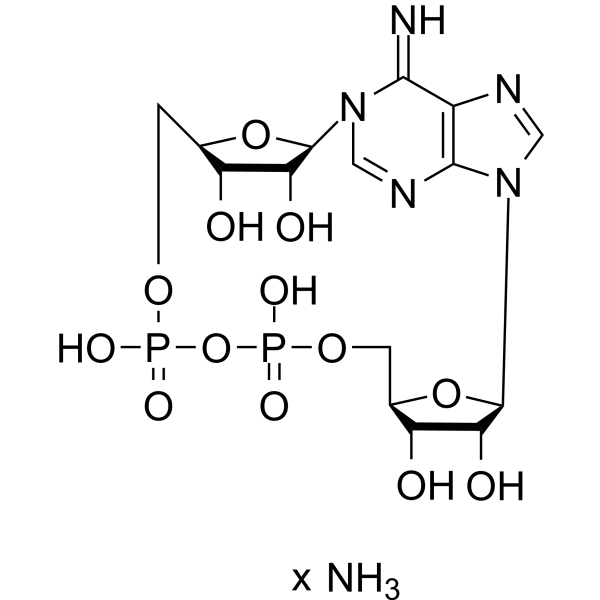
Cyclic ADP-ribose (cADPR) is a potent second messenger for calcium mobilization that is synthesized from NAD + by an ADP-ribosyl cyclase. Cyclic ADP-ribose increases cytosolic calcium mainly by Ryanodine receptor-mediated release from endoplasmic reticulum and also by extracellular influx through the opening of TRPM2 channels .
loading...
    loading...
2
2 Cited Publications
Cat. No.: HY-121885
CAS No.: 950195-51-4
Purity:  99.35%
Target:  

CCR

Research Areas:  

Metabolic Disease Endocrinology

LMD-009 is a selective CCR8 nonpeptide agonist. LMD-009 mediates chemotaxis, inositol phosphate accumulation, and calcium release in high potencies with EC50s from 11 to 87 nM .
loading...
    loading...
2
2 Cited Publications
Cat. No.: HY-13954
CAS No.: 870061-27-1
Purity:  98.08%
A 839977 is a P2X7 selective antagonist; it blocks BzATP-evoked calcium influx at recombinant human, rat and mouse P2X7 receptors (IC50 values are 20 nM, 42 nM and 150 nM respectively) and reduces inflammatory and neuropathic pain in animal models; the antihyperalgesic effects of P2X7 receptor blockade are mediated by blocking the release of IL-1beta .
loading...
    loading...
2
2 Cited Publications
Cat. No.: HY-B0265A
CAS No.: 77940-92-2
Synonyms: (R)-BAY-e 9736
(R)-Nimodipine ((R)-BAY-e 9736) is an orally active, blood-brain barrier-permeable L-type calcium channel blocker with an IC50 of 5 nM. (R)-Nimodipine inhibits corticosterone release by blocking calcium channels on the hypothalamic-pituitary-adrenal axis, thereby reversing immobilization stress-induced memory impairment and behavioral abnormalities. (R)-Nimodipine is widely used in studies related to aneurysmal subarachnoid hemorrhage, cerebral ischemia, epilepsy, age-related degenerative neurological diseases, and alcohol intoxication .
loading...
    loading...
2
2 Cited Publications
Cat. No.: HY-N7395A
Synonyms: cADPR ammonium
Cyclic ADP-ribose ammonium (cADPR ammonium) is a potent second messenger for calcium mobilization that is synthesized from NAD + by an ADP-ribosyl cyclase. Cyclic ADP-ribose ammonium increases cytosolic calcium mainly by Ryanodine receptor-mediated release from endoplasmic reticulum and also by extracellular influx through the opening of TRPM2 channels .
loading...
    loading...
2
2 Cited Publications
Cat. No.: HY-N2374
CAS No.: 855-96-9
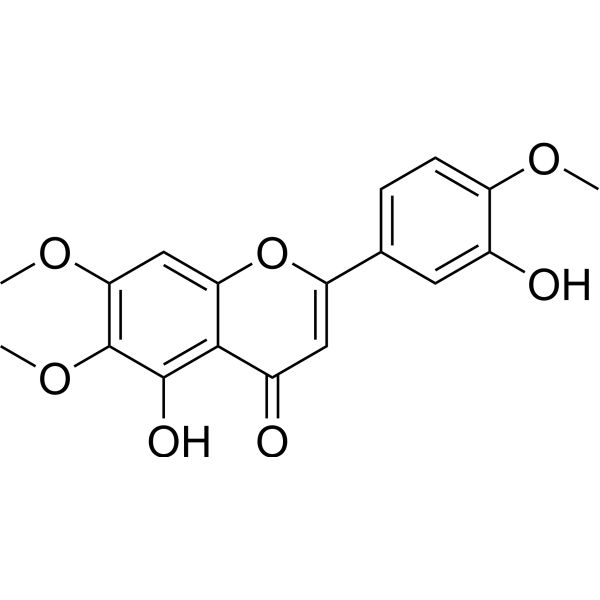
Eupatorin is an orally active flavonoid with antiproliferative and vasodilatory properties. Eupatorin downregulates the expression levels of NF-κB, MMP9, IL-1β and TNF-α. Eupatorin induces apoptosis, G2/M phase cell cycle arrest, and reactive oxygen species (ROS) production. Eupatorin modulates the activities of muscarinic receptors and β-adrenergic receptors; inhibits sarcoplasmic reticulum calcium release and calcium channels; and activates the NO/sGC/cGMP pathway, indomethacin-sensitive pathway, and potassium channel pathway. Eupatorin exerts cytotoxic effects on cancer cell lines, and is metabolized by CYP1A1 and CYP1 family enzymes to form metabolites with antiproliferative activity. Eupatorin can be used in research related to breast cancer, hypertension, and leukemia .
loading...
    loading...
2
2 Cited Publications
Cat. No.: HY-N5063
CAS No.: 147331-98-4
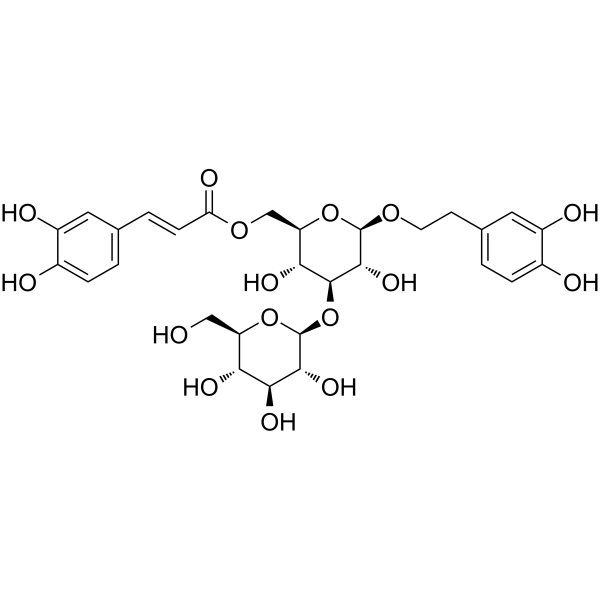
Plantainoside D, a phenylethanoid glycosides, is a IKK-β inhibitor with diverse biological activities. Plantainoside D shows inhibitory activity of angiotensin-converting enzyme (ACE) with an IC50 of 2.17 mM. Plantainoside D significantly reduces the release of glutamate from nerve terminals in the cerebral cortex of rats by inhibiting the voltage-dependent calcium channel (VDCCs) and protein kinase C (PKC) signaling cascade. Plantainoside D significantly alleviates cell apoptosis by inhibiting the generation of ROS and the activation of NF-κB. Plantainoside D significantly improves acute lung injury (ALI) induced by sepsis by regulating the Sirt3/NLRP3 signaling pathway. Plantainoside D can be used for the study of neuroprotection, antioxidant, anti-inflammation, antihypertension .
loading...
    loading...

