
963 Results for "

cell differentiation

" in MedChemExpress (MCE) Product Catalog:
Products (963)

963 Results for "cell differentiation" in MCE Product Catalog:

888
888 Publications Verification
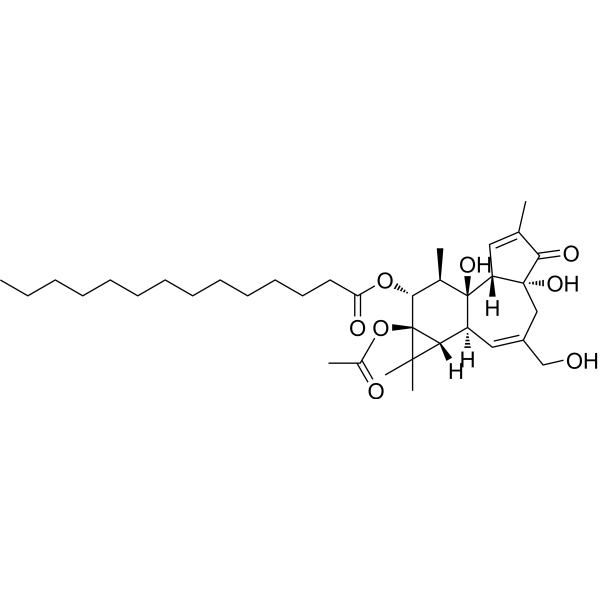
Cat. No.: HY-18739
CAS No.: 16561-29-8
Synonyms: PMA; TPA; Phorbol myristate acetate
Phorbol 12-myristate 13-acetate (PMA; TPA; Phorbol myristate acetate), a phorbol ester, is a dual SphK and protein kinase C (PKC) activator . Phorbol 12-myristate 13-acetate is a NF-κB activator. Phorbol 12-myristate 13-acetate induces differentiation in THP-1 cells (Validated by MedChemExpress) .
loading...
    loading...
242
242 Cited Publications
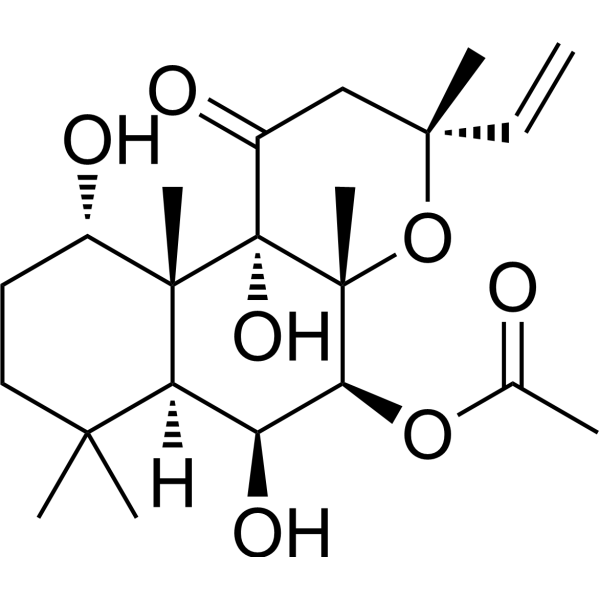
Cat. No.: HY-15371
CAS No.: 66575-29-9
Purity:  98.95%
Synonyms: Coleonol; Colforsin; HL 362
Forskolin (Coleonol) is a potent adenylate cyclase activator with an IC50 of 41 nM and an EC50 of 0.5 μM for type I adenylyl cyclase . Forskolin is also an inducer of intracellular cAMP formation . Forskolin induces differentiation of various cell types and activates pregnane X receptor (PXR) and FXR . Forskolin exerts a inotropic effect on the heart, and has platelet antiaggregatory and antihypertensive actions. Forskolin also induces autophagy .
loading...
    loading...
180
180 Cited Publications
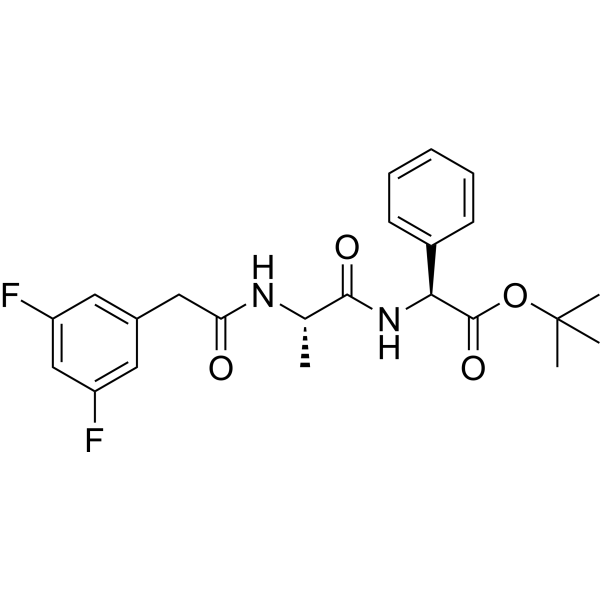
Cat. No.: HY-13027
CAS No.: 208255-80-5
Purity:  99.97%
Synonyms: GSI-IX
DAPT (GSI-IX) is a potent and orally active γ-secretase inhibitor with IC50s of 115 nM and 200 nM for total amyloid-β (Aβ) and Aβ42, respectively. DAPT inhibits the activation of Notch 1 signaling and induces cell differentiation. DAPT also induces autophagy and apoptosis. DAPT has neuroprotection activity and has the potential for autoimmune and lymphoproliferative diseases, degenerative disease and cancers treatment .
loading...
    loading...
156
156 Cited Publications
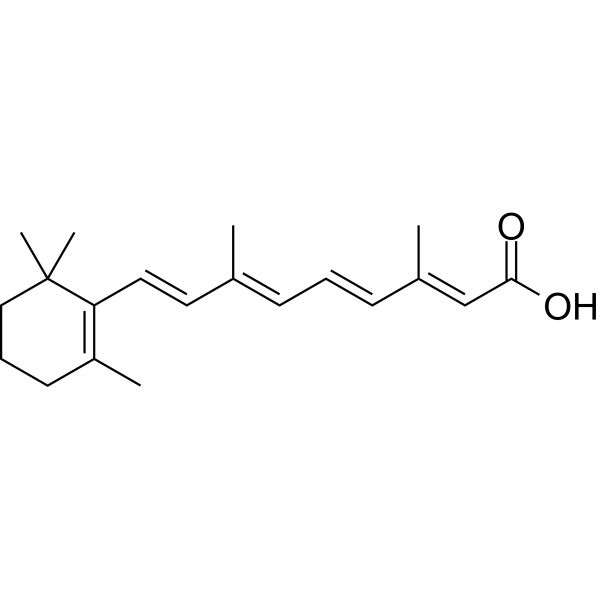
Cat. No.: HY-14649
CAS No.: 302-79-4
Purity:  99.81%
Synonyms: Vitamin A acid; all-trans-Retinoic acid; ATRA
Retinoic acid is a metabolite of vitamin A that plays important roles in cell growth, differentiation, and organogenesis. Retinoic acid is a natural agonist of RAR nuclear receptors, with IC50s of 14 nM for RARα/β/γ. Retinoic acid bind to PPARβ/δ with Kd of 17 nM. Retinoic acid acts as an inhibitor of transcription factor Nrf2 through activation of retinoic acid receptor alpha.
loading...
    loading...
148
148 Cited Publications
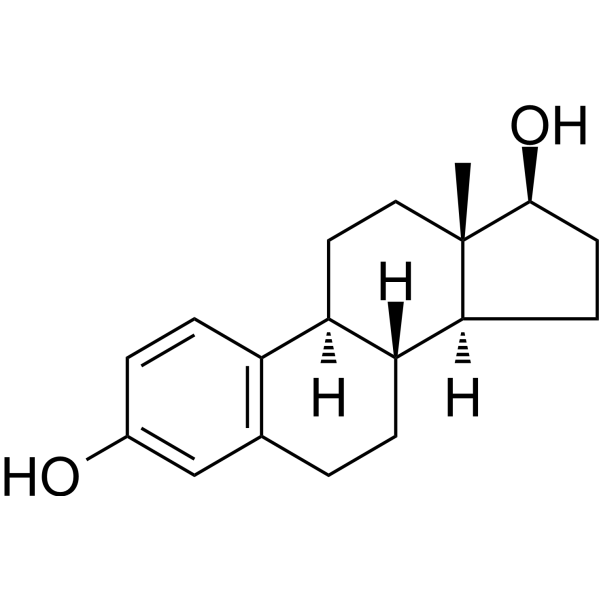
Cat. No.: HY-B0141
CAS No.: 50-28-2
Synonyms: β-Estradiol; E2; 17β-Estradiol; 17β-Oestradiol
Estradiol (β-Estradiol) is a steroid hormone and the major female sex hormone. Estradiol can up-regulate the expression of neural markers of human endometrial stem cells (hEnSCs) and promote their neural differentiation. Estradiol can be used for the research of cancers, neurodegenerative diseases and neural tissue engineering .
loading...
    loading...
148
148 Cited Publications
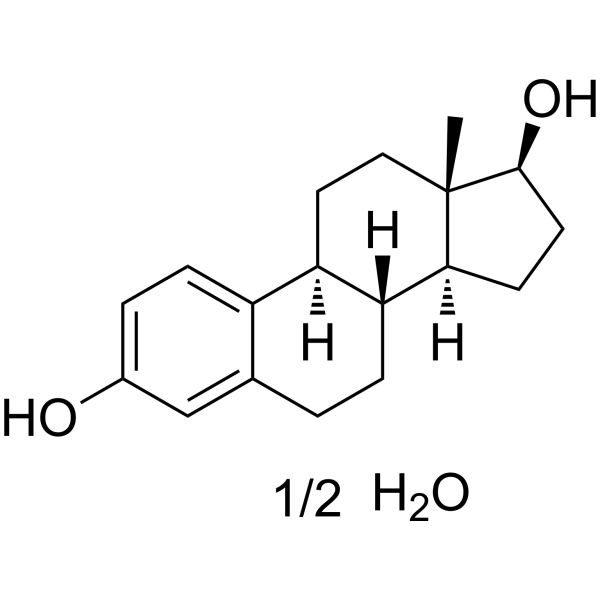
Cat. No.: HY-B0141C
CAS No.: 35380-71-3
Synonyms: β-Estradiol hemihydrate; 17β-Estradiol hemihydrate; 17β-Oestradiol hemihydrate
Estradiol (β-Estradiol) hemihydrate is a steroid hormone and the major female sex hormone. Estradiol (β-Estradiol) hemihydrate can up-regulate the expression of neural markers of human endometrial stem cells (hEnSCs) and promote their neural differentiation. Estradiol (β-Estradiol) hemihydrate can be used for the research of cancers, neurodegenerative diseases and neural tissue engineering .
loading...
    loading...
105
105 Cited Publications
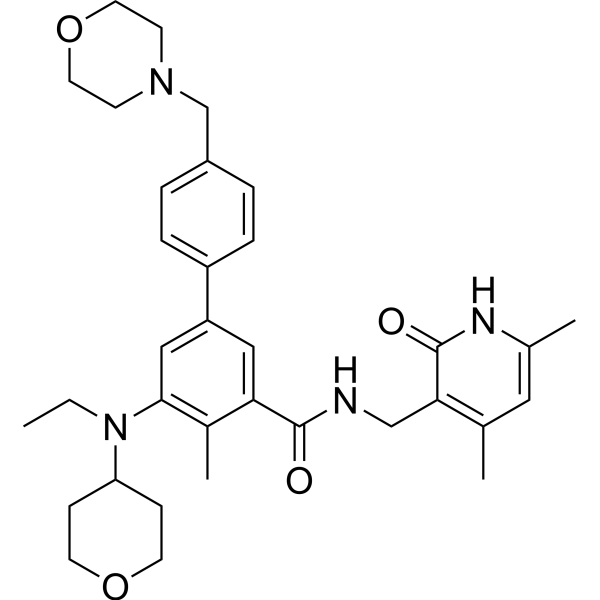
Cat. No.: HY-13803
CAS No.: 1403254-99-8
Purity:  99.93%
Synonyms: EPZ-6438; E-7438
Tazemetostat (EPZ-6438) is a potent, selective and orally available EZH2 inhibitor. Tazemetostat inhibits the activity of human polycomb repressive complex 2 (PRC2)-containing wild-type EZH2 with a Ki value of 2.5 nM. Tazemetostat inhibits EZH2 with IC50s of 11 and 16 nM in peptide assay and nucleosome assay, respectively. Tazemetostat inhibits rat EZH2 with an IC50 of 4 nM. Tazemetostat also inhibits EZH1 with an IC50 of 392 nM. Tazemetostat induces apoptosis and differentiation specifically in SMARCB1-deleted MRT cells .
loading...
    loading...
63
63 Cited Publications
Cat. No.: HY-P7044
Purity:  ≥ 95%, as determined by reducing SDS-PAGE.
Synonyms: IL6; Hybridoma Growth Factor; Prev. IFNB2; IFN-Beta-2; IL-6; BSF-2; Interleukin-6; CDF; BSF2; Interleukin 6 (Interferon, Beta 2); HGF; B-cell differentiation Factor; HSF; Truncated Interleukin 6; B-cell Stimulatory Factor 2; Interferon, Beta 2; CTL Differ
Species:  
Human
Source:  
E. coli
loading...
    loading...
35
35 Cited Publications
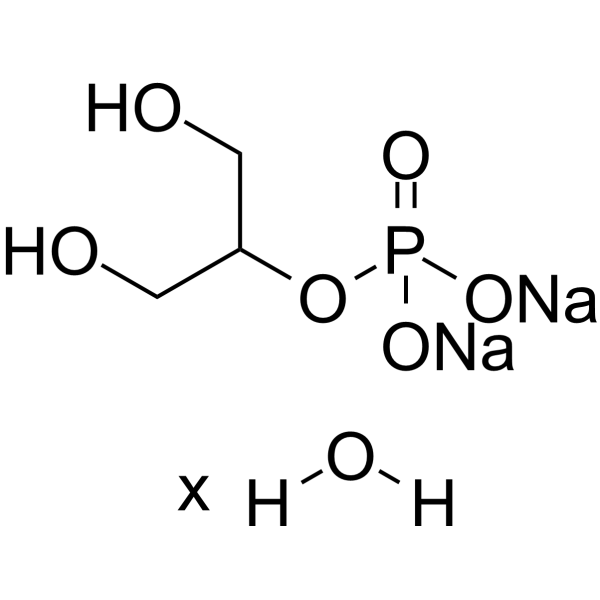
Cat. No.: HY-126304
CAS No.: 154804-51-0
Purity:  ≥98.0%
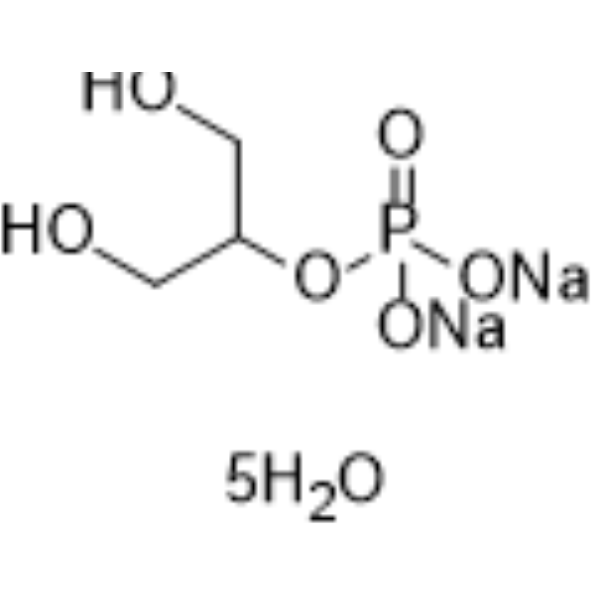
β-Glycerophosphate disodium salt pentahydrate is a bioactive endogenous metabolite and a phosphatase inhibitor. β-Glycerophosphate disodium salt pentahydrate plays an important role in inducing and maintaining osteoblast differentiation, mineral metabolism and signal transduction, and can be used as a drug carrier to form heat-sensitive hydrogels. β-Glycerophosphate disodium salt hydrate accelerates the calcification of vascular smooth muscle cells .
loading...
    loading...
35
35 Cited Publications
Cat. No.: HY-D0886
CAS No.: 13408-09-8
β-Glycerophosphate disodium salt pentahydrate is a bioactive endogenous metabolite and a phosphatase inhibitor. β-Glycerophosphate disodium salt pentahydrate plays an important role in inducing and maintaining osteoblast differentiation, mineral metabolism and signal transduction, and can be used as a drug carrier to form heat-sensitive hydrogels. β-Glycerophosphate disodium salt hydrate accelerates the calcification of vascular smooth muscle cells .
loading...
    loading...
34
34 Cited Publications
Cat. No.: HY-P7063
Purity:  ≥ 95%, as determined by reducing SDS-PAGE.
Synonyms: IL6; Hybridoma Growth Factor; Prev. IFNB2; IFN-Beta-2; IL-6; BSF-2; Interleukin-6; CDF; BSF2; Interleukin 6 (Interferon, Beta 2); HGF; B-cell differentiation Factor; HSF; Truncated Interleukin 6; B-cell Stimulatory Factor 2; Interferon, Beta 2; CTL differentiation Factor; Interleukin BSF-2; Interleukin 6; Interferon Beta-2
Species:  
Mouse
Source:  
E. coli
loading...
    loading...
29
29 Cited Publications
Cat. No.: HY-15398
CAS No.: 67-97-0
Purity:  99.94%
Synonyms: Cholecalciferol; Colecalciferol
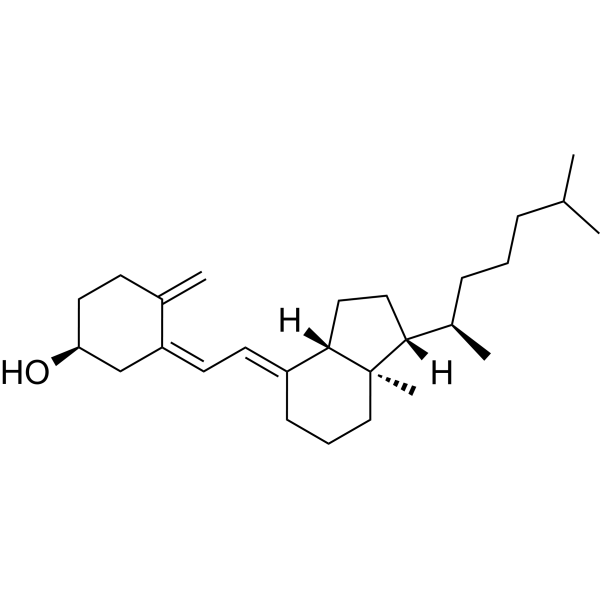
Vitamin D3 (Cholecalciferol; Colecalciferol) is a naturally occuring form of vitamin D. Vitamin D3 induces cell differentiation and prevents proliferation of cancer cells.
loading...
    loading...
27
27 Cited Publications
Cat. No.: HY-18569
CAS No.: 87-51-4
Synonyms: Indole-3-acetic acid; 3-IAA
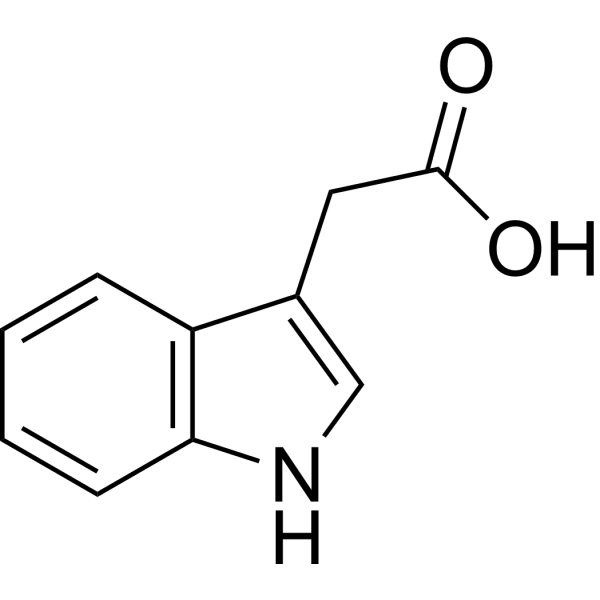
3-Indoleacetic acid is is an IAA hormone and growth regulator that can promote plant nutritional growth through processes such as cell expansion, differentiation, morphogenesis, and organogenesis .
loading...
    loading...
27
27 Cited Publications
Cat. No.: HY-18569A
CAS No.: 6505-45-9
Synonyms: Indole-3-acetic acid sodium; 3-IAA sodium
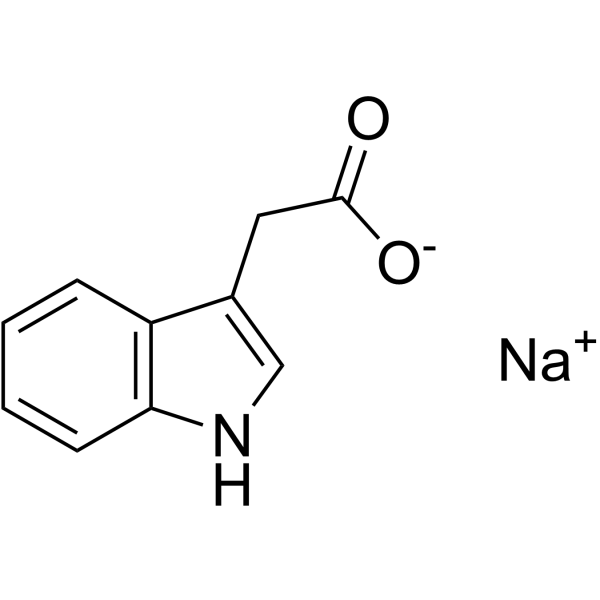
3-Indoleacetic acid sodium is is an IAA hormone and growth regulator that can promote plant nutritional growth through processes such as cell expansion, differentiation, morphogenesis, and organogenesis .
loading...
    loading...
27
27 Cited Publications
Cat. No.: HY-129047
CAS No.: 9002-07-7
Purity:  91.00%
Trypsin is a serine protease enzyme, and hydrolyzes proteins at the carboxyl side of the Lysine or Arginine. Trypsin activates PAR2 and PAR4. Trypsin induces cell-to-cell membrane fusion in PDCoV infection by the interaction of S glycoprotein of PDCoV and pAPN. Trypsin also promotes cell proliferation and differentiation. Trypsin can be used in the research of wound healing and neurogenic inflammation .
loading...
    loading...
25
25 Cited Publications
Cat. No.: HY-14909
CAS No.: 218600-44-3
Purity:  99.50%
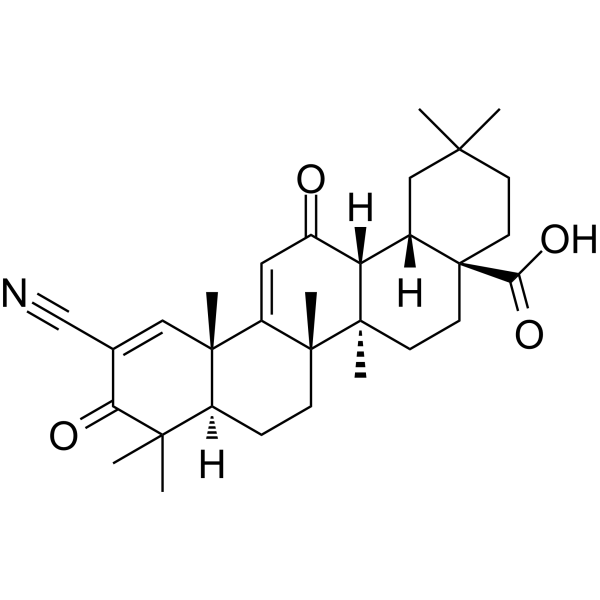
Synonyms: CDDO; RTA 401
Bardoxolone (CDDO; RTA 401) is a Nrf2 activator. Bardoxolone shows anti-SARS-CoV-2 3CLpro with IC50 of 27.99 μM. Bardoxolone activates the Nrf2 pathway and inhibits the NF-κB pathway. Bardoxolone can induce cells differentiation, apoptosis and shows antiproliferative activity against cancer cells. Bardoxolone can increase ROS and decrease intracellular GSH levels. Bardoxolone inhibits Z-VAD-FMK (HY-16658B)-induced necroptosis. Bardoxolone can be used for the research of cancer, inflammation and infection, such as SARS-CoV infection and glioblastoma .
loading...
    loading...
20
20 Cited Publications
Cat. No.: HY-16900
CAS No.: 61413-54-5
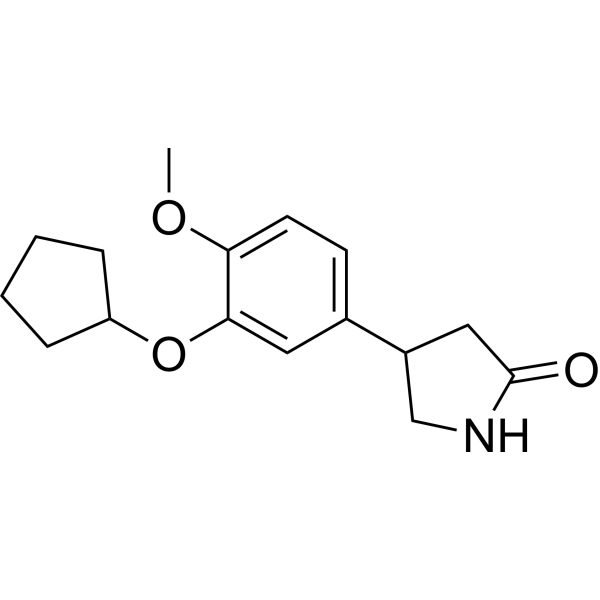
Synonyms: (R,S)-Rolipram; (±)-Rolipram; ZK 62711
Rolipram is a PDE4 inhibitor, with blood-brain barrier permeability, that reverses β-amyloid-induced learning and memory impairment in rats. Rolipram elevates intracellular cAMP and clevels and regulates the cAMP/CREB signaling pathway, thereby alleviating neuroinflammation and apoptotic responses. Rolipram promotes neuronal differentiation of human bone marrow mesenchymal stem cells and inhibits Methamphetamine- and morphine-induced hyperlocomotion in mice. Rolipram also reduces the viability of glioblastoma stem-like cells and enhances Bevacizumab (HY-P9906)-induced cell death. Rolipram inhibits the expression of proinflammatory cytokines and enhances central noradrenergic transmission. Rolipram is mainly used in studies related to various central nervous system diseases including Alzheimer's disease, major depressive disorder, glioblastoma multiforme, and multiple sclerosis .
loading...
    loading...
17
17 Cited Publications
Cat. No.: HY-12273
CAS No.: 1206711-16-1
Purity:  99.93%
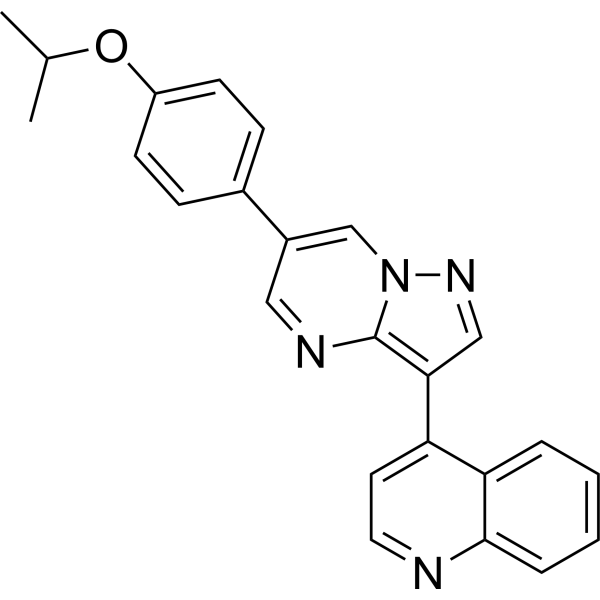
DMH-1 is a selective BMP inhibitor. DMH-1 upregulates the expression of SOX1. DMH-1 increases cardiomyocyte progenitor cells and promotes the differentiation of mouse embryonic stem cells into cardiomyocytes. DMH-1 induces the differentiation of hiPSC-derived neural progenitor cells into β3-tubulin-positive neurons .
loading...
    loading...
14
14 Cited Publications
Cat. No.: HY-Y0337
CAS No.: 52-90-4
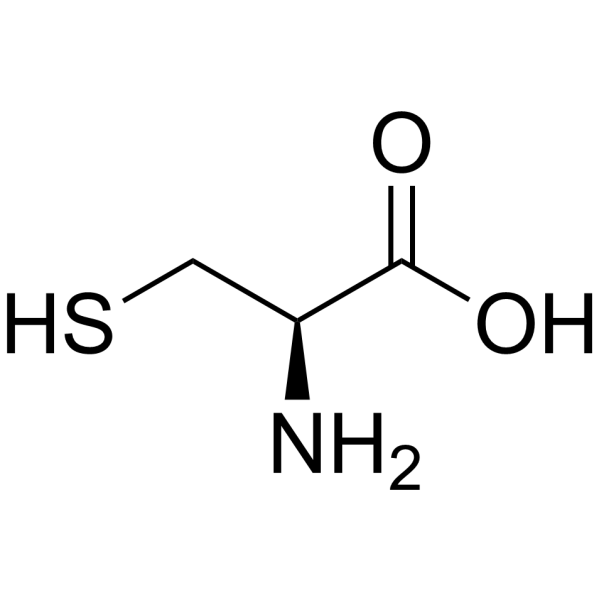
Synonyms: Cysteine
L-Cysteine (Cysteine) is an orally active conditionally essential amino acid with hypoglycemic effects, which acts as a precursor for biologically active molecules such as hydrogen sulphide (H2S), glutathione and taurine. L-Cysteine promotes the proliferation and differentiation of neural stem cells via the CBS/H2S pathway. L-Cysteine suppresses ghrelin and reduces appetite in rodents and humans. L-Cysteine can be used as an anorectic agent .
loading...
    loading...
13
13 Cited Publications
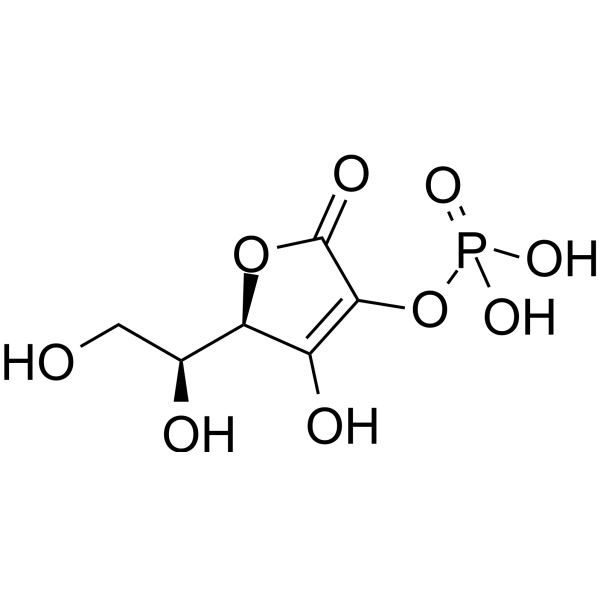
Cat. No.: HY-103701
CAS No.: 23313-12-4
Purity:  36.8%
Synonyms: 2-Phospho-L-ascorbic acid; LAA2P
L-ascorbic acid 2-phosphate (2-Phospho-L-ascorbic acid) is a long-acting vitamin C derivative that can stimulate collagen formation and expression . L-ascorbic acid 2-phosphate (2-Phospho-L-ascorbic acid) can be used as a culture medium supplement for the osteogenic differentiation of human adipose stem cells (hASCs). L-ascorbic acid 2-phosphate increases alkaline phosphatase (ALP) activity and expression of runx2A in hASCs during the osteogenic differentiation .
loading...
    loading...

