31 Results for "

cell monolayers

" in MedChemExpress (MCE) Product Catalog:
Products (31)

31 Results for "cell monolayers" in MCE Product Catalog:

2
2 Cited Publications
Cat. No.: HY-B0881
CAS No.: 968-81-0
Target:  

Potassium Channel

Research Areas:  

Metabolic Disease Cancer

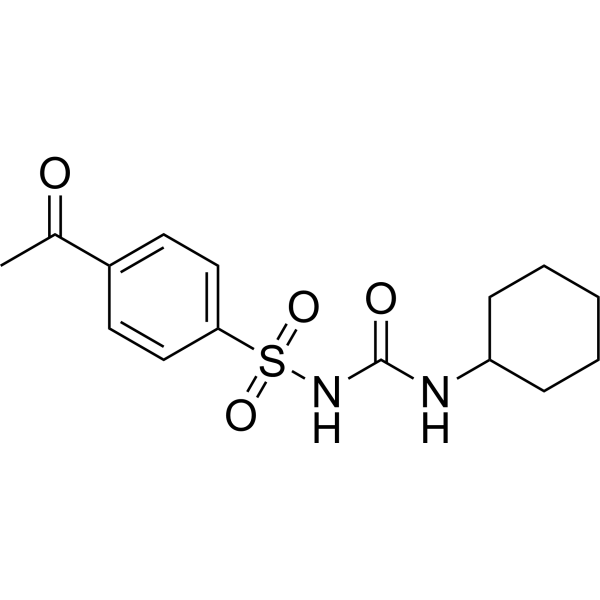
Acetohexamide is an orally active first-generation sulfonylurea agent used in research related to type 2 diabetes and cancer. Acetohexamide exerts reductase activity in human erythrocytes. Acetohexamide stimulates the pancreas to secrete insulin. Acetohexamide inhibits ATP-sensitive potassium channels in the β cells of the pancreas. Acetohexamide can inhibit the formation of circular chemorepellent induced defects (CCIDs) in lymphendothelial cell (LEC) monolayers. Acetohexamide inhibits markers of epithelial-to-mesenchymal-transition and migration. Acetohexamide suppresses the synthesis of 12(S)-HETE. Acetohexamide can potentiate hypoglycaemic action .
loading...
    loading...
Cat. No.: HY-124404A
CAS No.: 54397-83-0
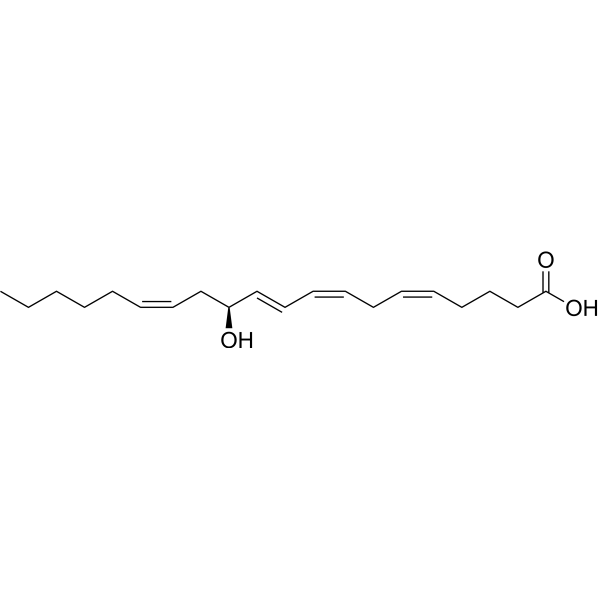
12(S)-HETE is a metabolite of Arachidonic acid, AA (HY-109590). 12(S)-HETE promotes ERK and P38 MAPK phosphorylation, stimulates DNA synthesis and cell proliferation in cancer cells. 12(S)-HETE facilitates wound healing of injured murine-lung-derived microvascular endothelial cell monolayers. 12(S)-HETE can be used for the research of pancreatic cancer .
loading...
    loading...
Cat. No.: HY-W040203
CAS No.: 82494-09-5
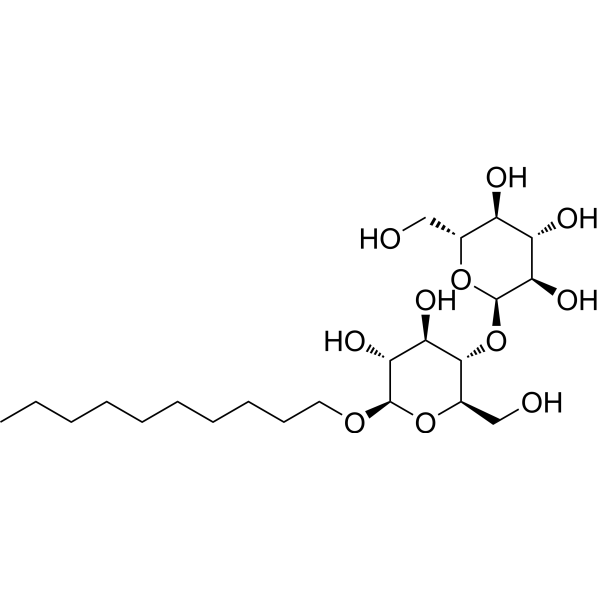
Decyl β-D-maltopyranoside is an epithelial permeability enhancer. Decyl β-D-maltopyranoside regulates the paracellular transport pathway and increases the permeability of molecules and proteins transported via the paracellular route. Decyl β-D-maltopyranoside enhances the transepithelial paracellular permeability of EPO across cell monolayers .
loading...
    loading...
Cat. No.: HY-121447
CAS No.: 2363-71-5
Purity:  ≥98.0%
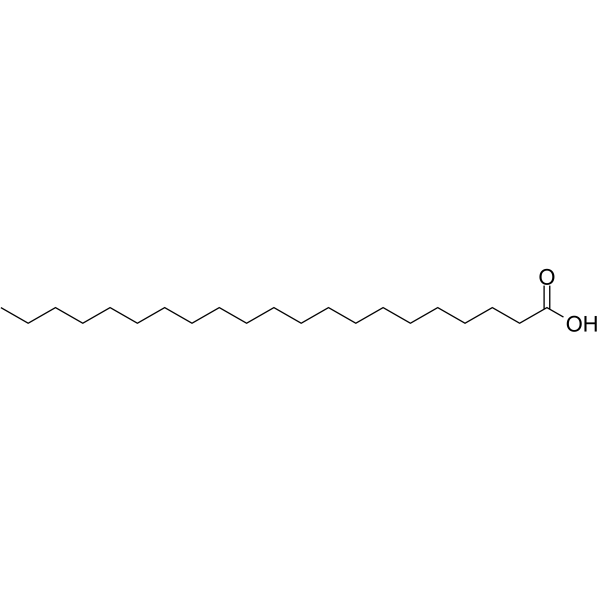
Heneicosanoic acid is an odd-chain saturated fatty acid widely present in human milk, fish, seeds, and cerebrosides in the cell membranes of the nervous system. Heneicosanoic acid can form Langmuir monolayers and is often used as a model to study lipid self-assembly and disassembly processes in biological membranes and drug delivery systems. In the low-temperature L'2 and CS crystalline phases, Heneicosanoic acid undergoes local oscillations, which in turn drive the spontaneous formation and expulsion of micelles and vesicles .
loading...
    loading...
Cat. No.: HY-P991400
GSK1995057 is a human monoclonal antibody (mAb) targeting TNFRSF1A. GSK1995057 selectively binds to TNFR1, blocks the binding of TNF-α and LT-α, and does not interfere with TNFR2 signaling. GSK1995057 inhibits the activation of NF-κB, JNK and MAPK pathways, alleviates apoptosis (apoptosis) and inflammatory responses (inhibiting IL-1β, IL-6, IL-10, TNF-α), and prevents viability loss of human nucleus pulposus cells. GSK1995057 inhibits the expression of cytokines and neutrophil adhesion molecules in human pulmonary microvascular endothelial cell monolayers, and reduces inflammatory responses and lung injury symptoms in non-human primates. GSK1995057 forms complexes with HAVH autoantibodies, thereby activating TNFR1 and triggering the release of cytokines and IL-8 in human cells. GSK1995057 can be used in research related to intervertebral disc degeneration and acute lung injury .
loading...
    loading...
Cat. No.: HY-169396
CAS No.: 2769753-10-6
Synonyms: TL13-87
TAE648 is a target protein ligand of PROTAC SK-3-91 (HY-137341) (Ligand for Target Protein for PROTAC). TAE648 can be used for synthesis PROTAC . TAE648 decreases monolayer-cultured SKOV3ip1 cell viability .
loading...
    loading...
Cat. No.: HY-148447
CAS No.: 1402931-85-4
Purity:  99.92%
Research Areas:  

Cancer

eIF4A-IN-3, Silvestrol (HY-13251) analogue, is an eIF4A inhibitor. eIF4A-IN-3 blocks protein translation initiation by interfering with eIF4F complex assembly, preferentially inhibiting translation of mRNAs with long, highly structured 5'-untranslated regions. eIF4A-IN-3 inhibits proliferation of human breast cancer cells. eIF4A-IN-3 has moderate apical to basolateral permeability in intestinal cell monolayers and a low efflux ratio .
loading...
    loading...
Cat. No.: HY-142989
CAS No.: 99296-81-8
Purity:  97.3%
Target:  

Liposome HIV HCV HBV

Research Areas:  

Infection Cancer

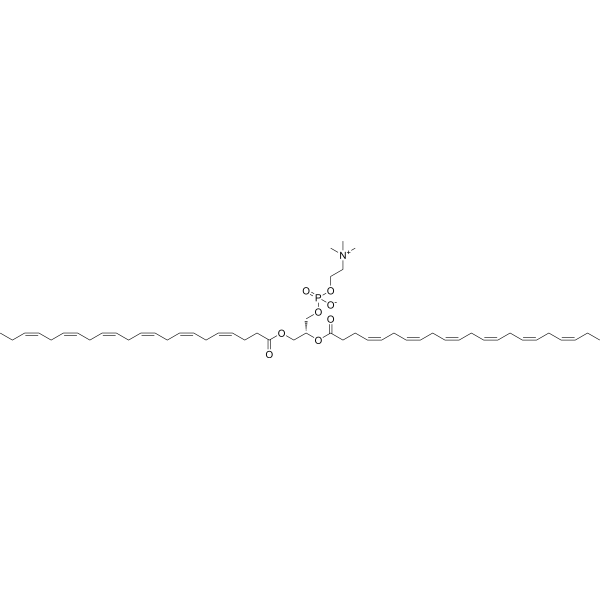
1,2-Didocosahexaenoyl-sn-glycero-3-phosphocholine is a polyunsaturated phospholipid that serves as a component of lipid monolayers and small unilamellar vesicles. 1,2-Didocosahexaenoyl-sn-glycero-3-phosphocholine can be used to prepare endoplasmic reticulum-targeted liposomes (PERLs), which are composed of 1,2-didocosahexaenoyl-sn-glycero-3-phosphoethanolamine, l-α-phosphatidylinositol and l-α-phosphatidylserine at a molar ratio of 1.5:1.5:1:1. PERLs reduce cholesterol levels in human peripheral blood mononuclear cells (PBMCs) and decrease HIV-1 particle secretion from HIV-1-infected PBMCs. Liposomes formed from 1,2-Didocosahexaenoyl-sn-glycero-3-phosphocholine exhibit cytotoxicity against leukemia cells. 1,2-Didocosahexaenoyl-sn-glycero-3-phosphocholine is applicable to studies related to hepatitis C virus infection, HIV infection, hepatitis B virus infection and leukemia .
loading...
    loading...
Cat. No.: HY-P5189A
Research Areas:  

Others

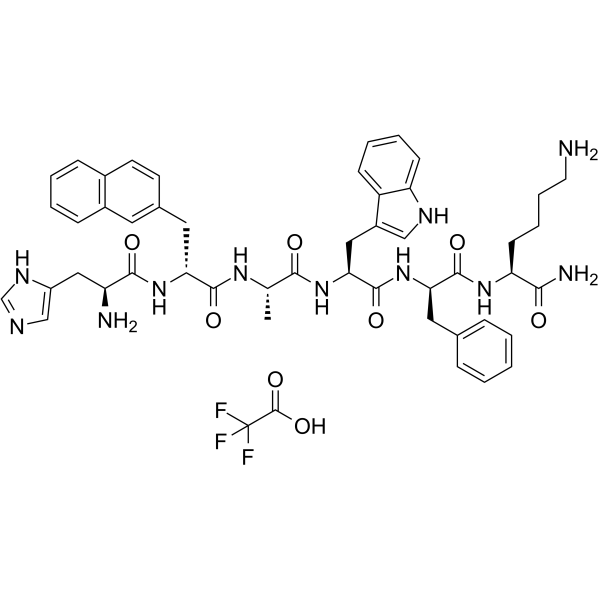
His-D-beta-Nal-Ala-Trp-D-Phe-Lys-NH2 TFA, is a growth hormone releasing peptide, as well as a metabolite of GHRP-1. GHRP-1, or Ala-His-D-beta Nal-Ala-Trp-D-Phe-Lys-NH2, has the effect of promoting the release of growth hormone (GH). GHRP-1 increases GH release and increases [Ca2+]i levels in static monolayer cells of rat pituitary gland, but does not affect cAMP levels .
loading...
    loading...
Cat. No.: HY-P1784A
Target:  

Secretin Receptor

Research Areas:  

Endocrinology

ecretin, canine TFA is an endocrine hormone that stimulates the secretion of bicarbonate-rich pancreatic fluids. Secretin, canine TFA can regulates gastric chief cell function and paracellular permeability in canine gastric monolayers by a Src kinase-dependent pathway .
loading...
    loading...
Cat. No.: HY-N14107
CAS No.: 146-90-7
Cinnabarin is a natural phenoxazinone red pigment derived from Pycnoporus sanguineus. Cinnabarin reduces rabies virus infection levels in neuroblastoma cells and causes cytopathic effects on neuroblastoma cell monolayers at high concentrations. Cinnabarin exhibits antibacterial activity against bacteria, with a preference for Gram-positive bacteria and human isolates. Cinnabarin can be used in studies related to rabies and drug-resistant Gram-positive bacteria .
loading...
    loading...
Cat. No.: HY-W1113135
CAS No.: 2828447-14-7
Research Areas:  

Others

Carboxymethyl-β-cyclodextrin sodium salt is a negatively charged β-cyclodextrin derivative, as well as a metal ion chelator and solubilizing reagent. Carboxymethyl-β-cyclodextrin sodium salt forms stable aqueous complexes with Ba 2+, Ca 2+, Cd 2+, Ni 2+, Pb 2+, Sr 2+, and Zn 2+ ions. Carboxymethyl-β-cyclodextrin sodium salt derived hydrogel carriers support oral insulin delivery via paracellular permeation across Caco-2 monolayers and produce sustained hypoglycemic effects in diabetic mice. Carboxymethyl-β-cyclodextrin sodium salt can be conjugated onto folate-modified BSA nanoparticles to boost folate receptor-mediated endocytosis, elevate intracellular anticancer drug uptake and trigger cell apoptosis. Carboxymethyl-β-cyclodextrin sodium salt can be utilized for chiral separation in capillary electrophoresis, development of nanoscale drug carriers and nucleic acid transfection research .
loading...
    loading...
Cat. No.: HY-N4236
CAS No.: 19625-17-3
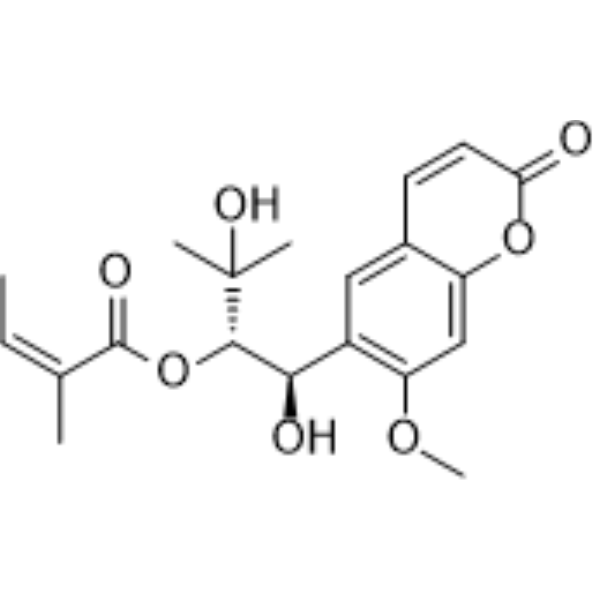
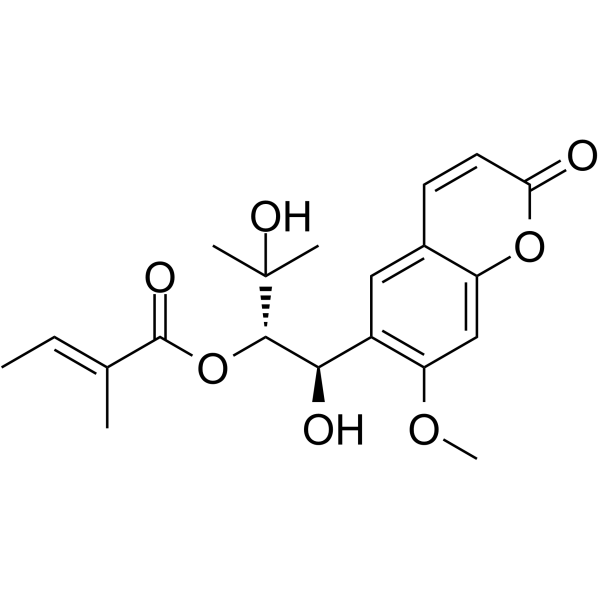
Angelol A is a coumarin isolated from the roots of Angelica pubescens f. biserrata, which is passive diffusion as the dominating process in Caco-2 cell monolayer model .
loading...
    loading...
Cat. No.: HY-N4235
CAS No.: 83156-04-1
Angelol B is a coumarin isolated from the roots of Angelica pubescens f. biserrata, which is passive diffusion as the dominating process in Caco-2 cell monolayer model .
loading...
    loading...
Cat. No.: HY-119113
CAS No.: 6237-31-6
Target:  

Drug Derivative

Research Areas:  

Cancer

C 175 is a nitroacridine derivative with antitumor activity. C 175 inhibits the growth of HeLa cells monolayer (ED50=0.49 μM) .
loading...
    loading...
Cat. No.: HY-121931
CAS No.: 80809-95-6
Target:  

Lipoxygenase

Research Areas:  

Cancer

AA863 is a 5-lipoxygenase inhibitor with activity in inhibiting the proliferation of human glioma cells. AA863 exhibits significant and dose-dependent inhibitory effects in monolayer cultured glioma cells with an IC50 of 9.0 micromolar .
loading...
    loading...
Cat. No.: HY-169194
Target:  

Parasite

Research Areas:  

Infection

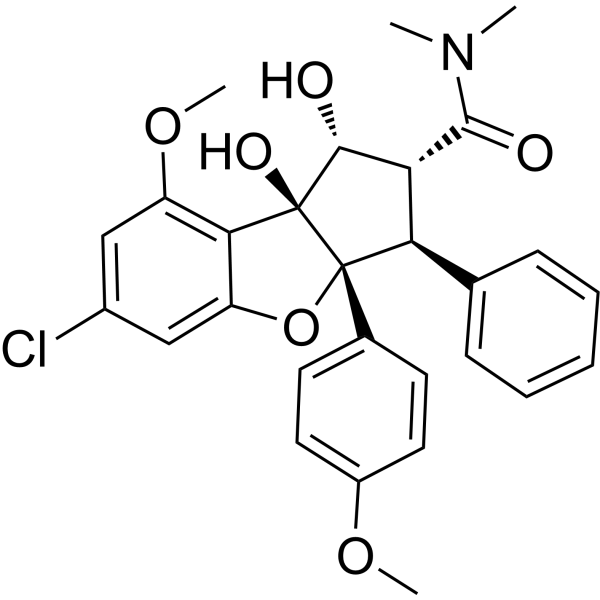
Antimalarial agent 44 (Compound 3) is an antimalarial agent against parasite. Antimalarial agent 44 has a good permeability across MDCK-MDR1 cell monolayers and a high clearance by mouse liver microsomes .
loading...
    loading...
Cat. No.: HY-P1784
CAS No.: 110786-77-1
Target:  

Secretin Receptor

Research Areas:  

Endocrinology

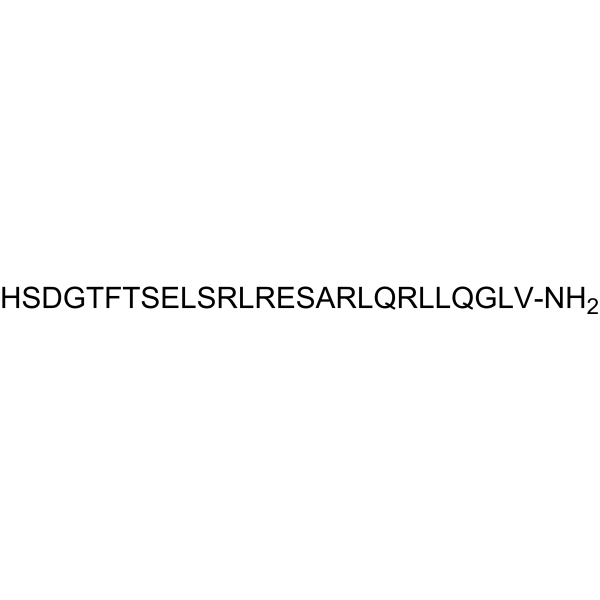
Secretin, canine is an endocrine hormone that stimulates the secretion of bicarbonate-rich pancreatic fluids. Secretin, canine can regulates gastric chief cell function and paracellular permeability in canine gastric monolayers by a Src kinase-dependent pathway .
loading...
    loading...
Cat. No.: HY-13646B
CAS No.: 849675-88-3
Synonyms: HM30181 hydrochloride; HM30181A hydrochloride
Target:  

P-glycoprotein

Research Areas:  

Others

Encequidar hydrochloride (HM30181 hydrochloride) is an oral P-glycoprotein (P-gp) inhibitor with the activity of enhancing the oral bioavailability of P-gp substrate drugs. Encequidar shows the highest potency among various MDR1 inhibitors, with IC50=0.63nM. Encequidar effectively blocks the transepithelial transport of paclitaxel in MDCK monolayer cells, with IC50=35.4nM .
loading...
    loading...
Cat. No.: HY-169022
CAS No.: 2089636-93-9
Target:  

Autophagy mTOR

Research Areas:  

Neurological Disease

4-FPBUA is a semisynthetic analog of usnic acid (HY-W015883) that can enhance cellular blood-brain barrier (BBB) function and increase the transport of Amyloid β (Aβ) across monolayer cells. 4-FPBUA is also an inhibitor of mTOR, capable of enhancing cellular Autophagy, thereby reversing BBB disruption in vivo and being utilized in research for Alzheimer's disease .
loading...
    loading...

