61 Results for "

cell transformation

" in MedChemExpress (MCE) Product Catalog:
Products (61)

61 Results for "cell transformation" in MCE Product Catalog:

641
641 Publications Verification
Cat. No.: HY-12041
CAS No.: 129-56-6
Purity:  99.73%
Research Areas:  

Cancer

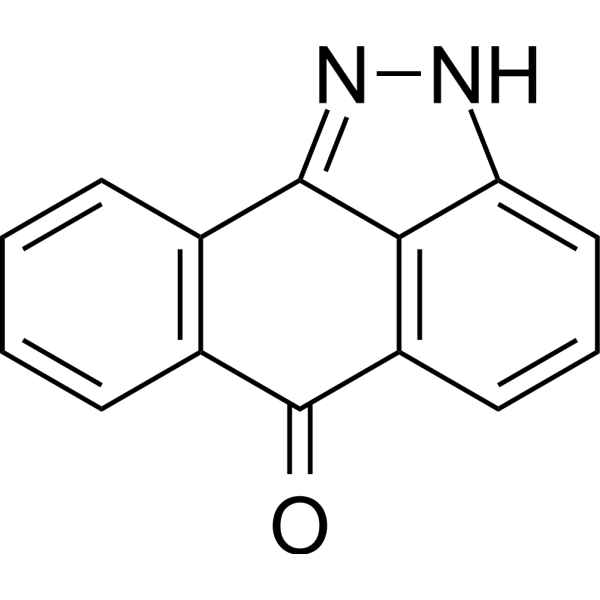
SP600125 is an orally active, reversible, and ATP-competitive JNK inhibitor with IC50s of 40, 40 and 90 nM for JNK1, JNK2 and JNK3, respectively. SP600125 is a potent ferroptosis inhibitor. SP600125 induces the transformation of bladder cancer cells from autophagy to apoptosis .
loading...
    loading...
28
28 Cited Publications
Cat. No.: HY-135146
CAS No.: 2170136-65-7
Purity:  99.95%
Synonyms: (R)-GSK3482364
Research Areas:  

Cancer

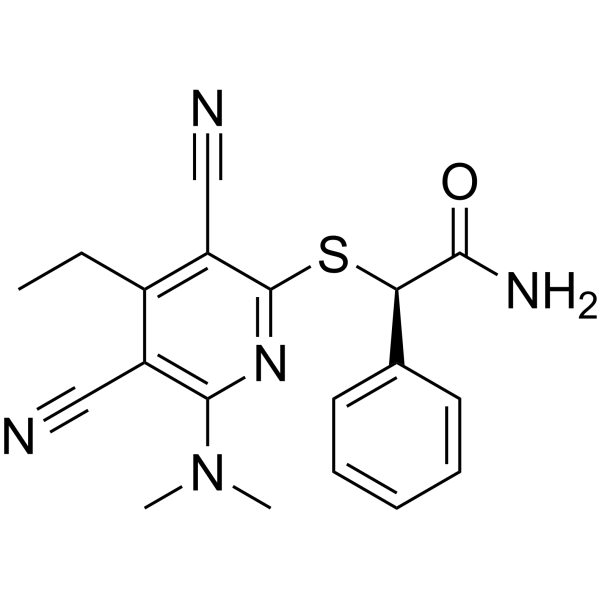
GSK-3484862 is a highly potent non-covalent inhibitor and demethylating agent of DNMT1. GSK-3484862 induces genome-wide DNA demethylation, including the regulatory elements of DNMT3B and the promoter region of TERT, and significantly inhibits cell viability, growth, proliferation and self-renewal. GSK-3484862 blocks the transformation of young AT2 cells, induces apoptosis, and generates transcriptomic features similar to those of senescent cells. GSK-3484862 is widely used in studies related to lung cancer, oral squamous cell carcinoma and lung adenocarcinoma .
loading...
    loading...
16
16 Cited Publications
Cat. No.: HY-N2329
CAS No.: 20069-09-4
Synonyms: Piplartine
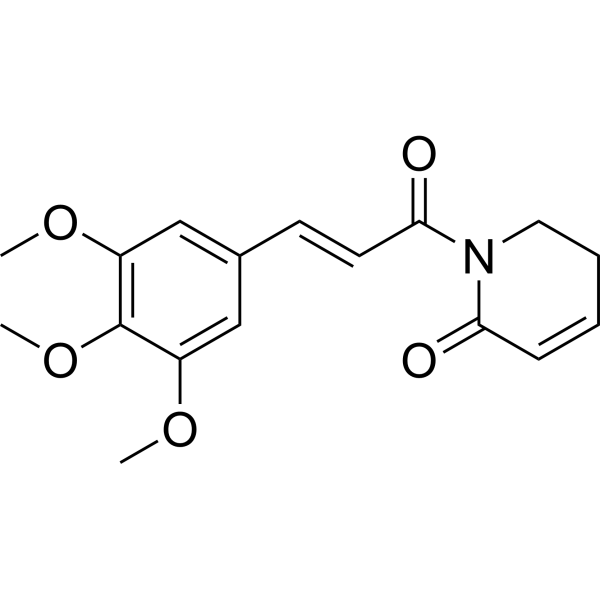
Piperlongumine is a alkaloid , possesses ant-inflammatory, antibacterial, antiangiogenic, antioxidant, antitumor, and antidiabetic activities . Piperlongumine induces ROS, and induces apoptosis in cancer cell lines . Piperlongumine shows anti-cardiac fibrosis activity, suppresses myofibroblast transformation via suppression of the ERK1/2 signaling pathway. Piperlongumin could be used in the study of migrasome .
loading...
    loading...
9
9 Cited Publications
Cat. No.: HY-10966
CAS No.: 405554-55-4
Purity:  99.77%
Target:  

Raf Apoptosis

Research Areas:  

Neurological Disease Cancer

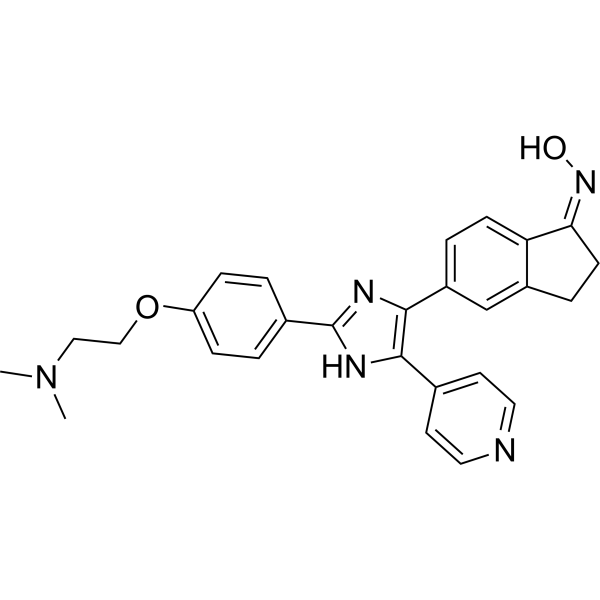
SB-590885 is a BRAF/c-Raf kinase inhibitor that selectively targets B-Raf, and it amplifies the ERK/MAPK signaling pathway in RAS-activated cells. SB-590885 effectively inhibits the malignant proliferation, transformation and tumorigenicity of oncogenic B-Raf cells; it also induces the proliferation of erythroid progenitor cells, delays their differentiation and promotes hemoglobin synthesis, thereby improving ineffective erythropoiesis and reducing apoptosis. SB-590885 exerts a synergistic effect with TGF-β inhibitors and glucocorticoids, significantly promoting the formation of erythroid colonies in cells from patients with Diamond-Blackfan anemia (DBA). SB-590885 is mainly used in relevant studies on DBA, cisplatin-induced myelosuppression-related anemia, and pan-cancers such as melanoma and colorectal cancer .
loading...
    loading...
3
3 Cited Publications
Cat. No.: HY-126490
CAS No.: 11006-33-0
Purity:  ≥95.0%
Phleomycin is a copper-dependent DNA damaging agent and antibiotic with antitumor activity. Phleomycin binds to DNA and produces ROS in the presence of reducing agents (such as dithiothreitol and glutathione), inducing single-strand and double-strand breaks in DNA. Phleomycin can induce cell apoptosis or mutation and is widely used in cancer inhibition, microbial genetic transformation (as a screening marker to improve fungal transformation efficiency) and DNA repair mechanism research .
loading...
    loading...
3
3 Cited Publications
Cat. No.: HY-B1336
CAS No.: 67-45-8
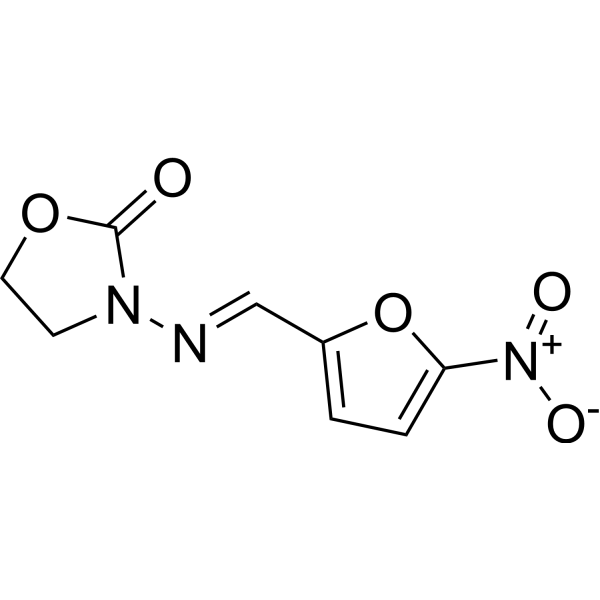
Furazolidone is a monoamine oxidase (MAO) inhibitor with antiproliferative, apoptosis-inducing and differentiation-promoting activities. Furazolidone may inhibit leukemia fusion protein-mediated bone marrow transformation by upregulating the stability of the tumor suppressor protein p53. Furazolidone exhibits anti-leukemic activity in acute myeloid leukemia (AML) cell lines and can be used for anti-AML research [2].
loading...
    loading...
2
2 Cited Publications
Cat. No.: HY-W009884
CAS No.: 2478-38-8
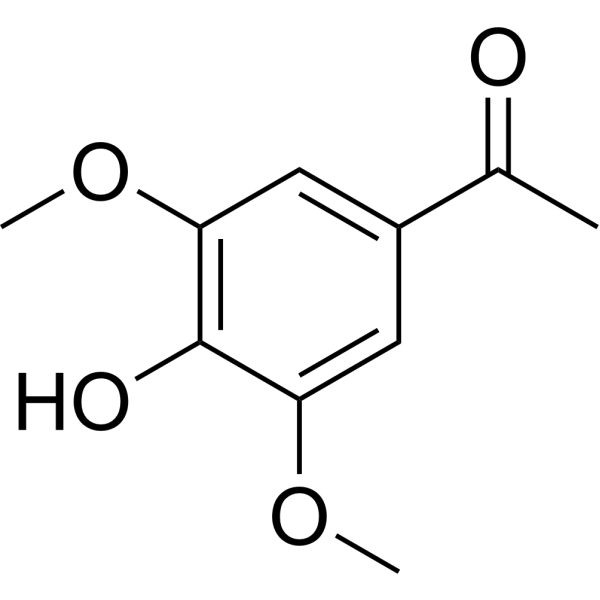
Acetosyringone is a phenolic compound from wounded plant cells, enables virA gene which encodes a membrane-bound kinase to phosphorylate itself and activate the virG gene product, which stimulates the transcription of other vir genes and itself . Acetosyringone enhances efficient Dunaliella transformation of Agrobacterium strains .
loading...
    loading...
1
1 Cited Publications
Cat. No.: HY-W286743
CAS No.: 5746-04-3
Synonyms: CML; N6-(Carboxymethyl)-L-lysine; Nε-(1-Carboxymethyl)-L-lysine
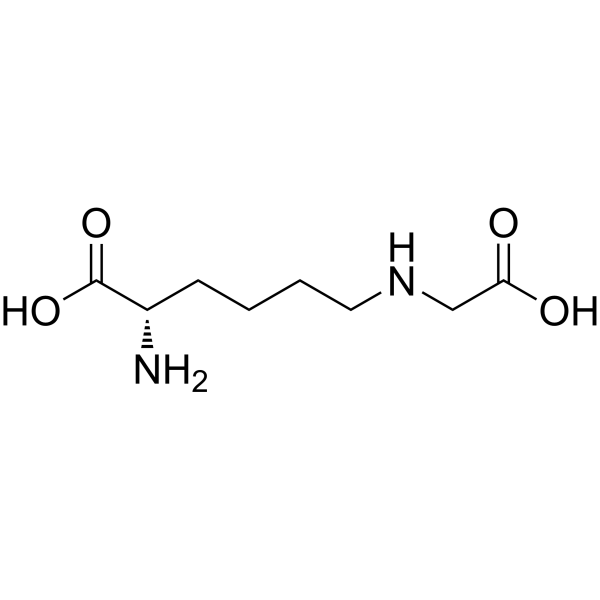
Nε-(Carboxymethyl)-L-lysine (CML) is an orally active advanced glycation end product. Nε-(Carboxymethyl)-L-lysine upregulates the expression of PLK1 and CEP20, and induces the activation of RAGE and ERK/NFκB. Nε-(Carboxymethyl)-L-lysine drives centrosome amplification. Nε-(Carboxymethyl)-L-lysine induces malignant transformation of hepatocytes and promotes the development of hepatocellular carcinoma. Nε-(Carboxymethyl)-L-lysine induces epithelial-mesenchymal transition in osteosarcoma cells and enhances their migration and invasion properties .
loading...
    loading...
1
1 Cited Publications
Cat. No.: HY-121497
CAS No.: 5813-86-5
Purity:  99.40%
Synonyms: 3-MBA
Target:  

PARP Bacterial

Research Areas:  

Cancer

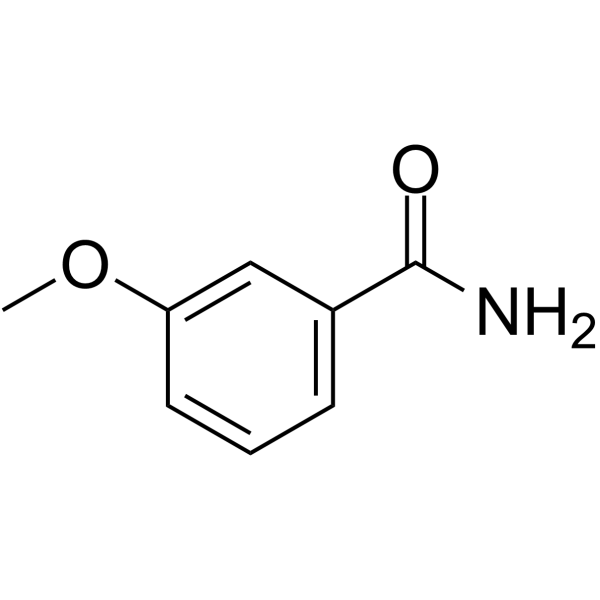
3-Methoxybenzamide (3-MBA), an inhibitor of ADP-ribosyltransferase (ADPRTs) and PARP, inhibits cell division in Bacillus subtilis, leading to filamentation and eventually lysis of cells . 3-Methoxybenzamide (3-MBA) enhances in vitro plant growth, microtuberization, and transformation efficiency of blue potato (Solanum tuberosum L. subsp. andigenum) .
loading...
    loading...
Cat. No.: HY-P991226

Target:  

Inhibitory Antibodies

Research Areas:  

Cancer

RG7287 is an activating antibody inhibitor targeting human CDCP1. RG7287 prevents the loss of contact inhibition caused by the co-transformation of NIH3T3 cells with CDCP1 and Src in focus formation assays. RG7287 inhibits tumor cell proliferation and leads to a significant reduction in CDCP1 levels .
loading...
    loading...
Cat. No.: HY-138822
CAS No.: 102783-53-9
Purity:  ≥95.0%
Synonyms: 2,3-DPG pentasodium salt
Target:  

Endogenous Metabolite

Research Areas:  

Cardiovascular Disease

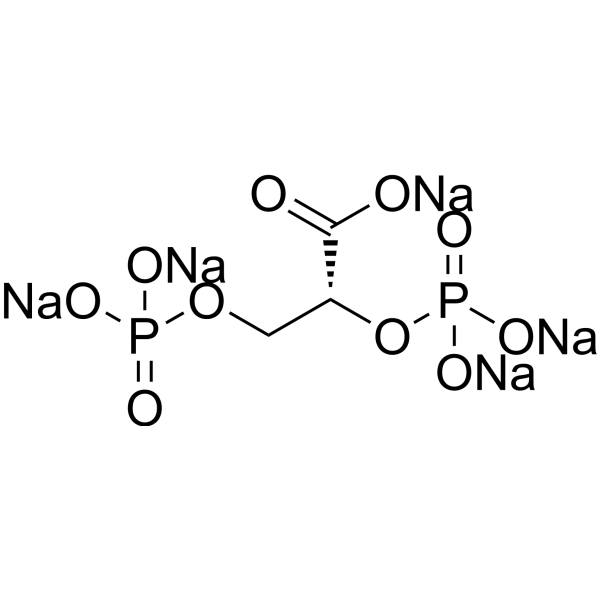
2,3-Diphospho-D-glyceric acid (2,3-DPG) pentasodium salt is a hemoglobin binder and vascular calcification inhibitor that reduces the oxygen affinity of hemoglobin. 2,3-Diphospho-D-glyceric acid pentasodium salt also specifically delays the transformation of colloidal calciprotein particles into crystalline forms, thereby effectively inhibiting vascular smooth muscle cell calcification without affecting the normal formation of osteoid nodules in osteoblast-like cells. 2,3-Diphospho-D-glyceric acid pentasodium salt shows no cytotoxicity to tested cell lines and only weakly interferes with β-hematin formation mediated by glyceryl monopalmitate. 2,3-Diphospho-D-glyceric acid pentasodium salt can be used to study the pathological mechanisms of vascular calcification and malaria-related conditions .
loading...
    loading...
Cat. No.: HY-126979
CAS No.: 314049-21-3
Purity:  99.81%
Target:  

c-Myc

Research Areas:  

Cancer

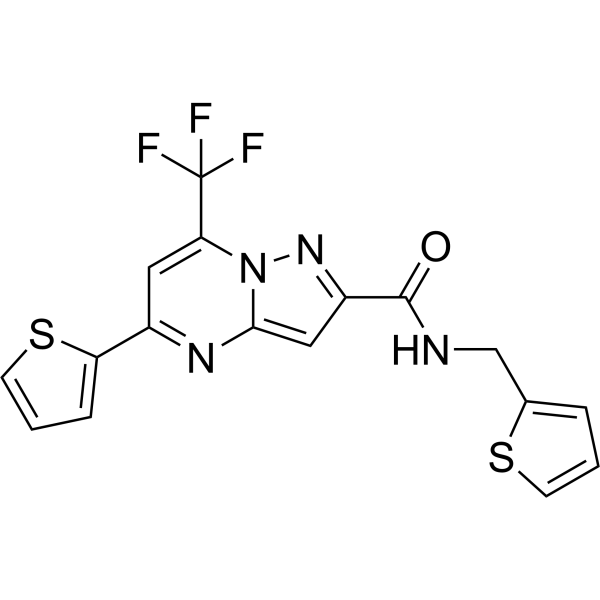
Mycro2 is an inhibitor of c-Myc/Max dimer and DNA binding, with an IC50 value of 23 μM for the inhibition of Myc/Max DNA binding activity. Mycro2 can inhibit c-myc-dependent cell proliferation, gene transcription and oncogenic transformation .
loading...
    loading...
Cat. No.: HY-113326
CAS No.: 540-04-5
Synonyms: trans-Phytoene
Phytoene (trans-Phytoene) is a carotene pigment. Phytoene is the precursor of all carotenoids. Phytoene is the predominant PT isomer in most carotenogenic organisms. Phytoene can delay the skin tumors appearance and reduce their number in mice that are induced the tumors with UV-B light. Phytoene leads to protection against oxidative stress and malignant transformation. Phytoene inhibits the proliferation of breast cancer cells .
loading...
    loading...
Cat. No.: HY-N15194A
Target:  

Bacterial Apoptosis

Research Areas:  

Infection Cancer

Inostamycin A sodium is an inhibitor of cytidine-5'-diphosphate-1,2-diacyl-sn-glycerol (CDP-DG):inositol transferase. Inostamycin A sodium reduces phosphatidylinositol turnover, and inhibits cell proliferation and transformation. Inostamycin A sodium inhibits cancer cell proliferation, induces apoptosis, and prevents tumor recurrence. Inostamycin A sodium exhibits antibacterial activity. Inostamycin A sodium is applicable to research related to infection and cancer .
loading...
    loading...
Cat. No.: HY-N7372
CAS No.: 66067-26-3
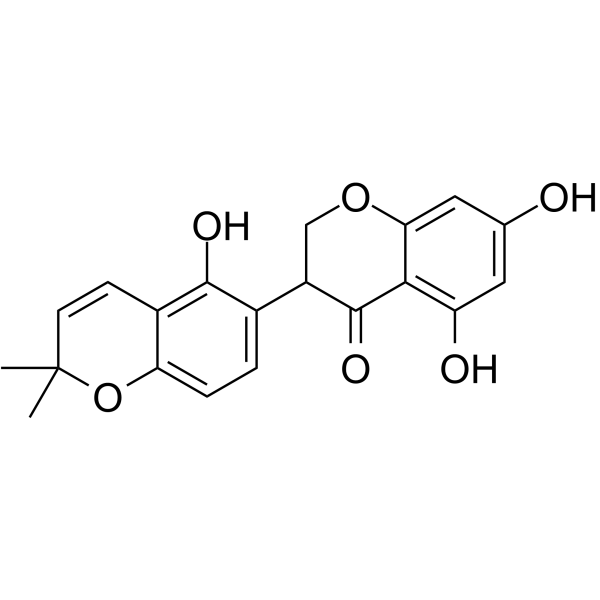
Licoisoflavanone is an orally active isoflavane-based immunomodulator with multiple activities including antiviral, anti-inflammatory, cytoprotective and cancer cell apoptosis-inducing effects. Licoisoflavanone can be isolated from the roots and rhizomes of Glycyrrhiza uralensis Fisch. Licoisoflavanone not only enhances the body's immunity, but also effectively prevents acute respiratory distress syndrome and multiple organ damage by alleviating cytokine storm, thereby reducing the degree of inflammation. In rats, Licoisoflavanone undergoes multiple metabolic transformation processes such as glucuronidation, hydroxylation, sulfation, methylation and dehydrogenation. Licoisoflavanone has become an important candidate molecule for research on COVID-19 and related inflammatory diseases .
loading...
    loading...
Cat. No.: HY-P10851
Target:  

Apoptosis

Research Areas:  

Inflammation/Immunology Cancer

HVEM(14-39) is a B- and T-lymphocyte attenuator (BTLA) peptide inhibitor. HVEM (14-39) can be combined with BTLA with a KD of 0.102 μM. HVEM(14-39) enhances the activation and proliferation of T cells by regulating the expression of BTLA and HVEM in T cells, and promotes the transformation of cells into effector memory T cells. HVEM(14-39) inhibits tumor cell proliferation and promotes late apoptosis. HVEM(14-39) has immunomodulatory effects and can be used in the study of cancer .
loading...
    loading...
Cat. No.: HY-178227
CAS No.: 2319609-67-9
KY19334 is a CXXC5-DVL inhibitor. KY19334 can activate the Wnt/β-catenin pathway by inhibiting CXXC5-Dvl interaction. KY19334 can inhibit cancer cells proliferation, migration, invasion and transformation by inhibiting CDK1. KY19334 can accelerate wound healing and exert regenerative effects. KY19334 can be used for the researches of cancer, inflammation, metabolic and neurological disease, such as cutaneous squamous cell carcinoma and diabetes .
loading...
    loading...
Cat. No.: HY-120137
CAS No.: 880813-42-3
Purity:  99.02%
Research Areas:  

Cancer

CMP-5 is a potent, specific, and selective PRMT5 inhibitor, while displays no activity against PRMT1, PRMT4, and PRMT7 enzymes. CMP-5 selectively blocks S2Me-H4R3 by inhibiting PRMT5 methyltransferase activity on histone preparations. CMP-5 prevents Epstein-Barr virus (EBV)-driven B-lymphocyte transformation but leaving normal B cells unaffected .
loading...
    loading...
Cat. No.: HY-125636
CAS No.: 313987-85-8
Target:  

c-Myc

Research Areas:  

Cancer

Mycro1 is an inhibitor of c-Myc/Max dimer and DNA binding, with an IC50 value of 30 μM for the inhibition of Myc/Max DNA binding activity. Mycro1 can inhibit c-myc-dependent cell proliferation, gene transcription and oncogenic transformation .
loading...
    loading...
Cat. No.: HY-E70678
Target:  

CDK

Research Areas:  

Cancer

CDK3 is a major player driving retinoblastoma (Rb) phosphorylation during the G0/G1 transition and in the early G1 phase of the cell cycle. CDK3 interacts with various transcription factors involved in cell proliferation, differentiation, and transformation driven by the EGFR/Ras signaling pathway. CDK3/CycE1 Recombinant Human Active Protein Kinase is an ortholog of CDK3 .
loading...
    loading...

