

1039 Results for "

cell-surface interface

" in MedChemExpress (MCE) Product Catalog:
Products (1039)

1039 Results for "cell-surface interface" in MCE Product Catalog:

56
56 Publications Verification
Cat. No.: HY-111772
CAS No.: 2216712-66-0
Purity:  99.74%
Synonyms: VX-445
Target:  

CFTR Autophagy

Research Areas:  

Inflammation/Immunology

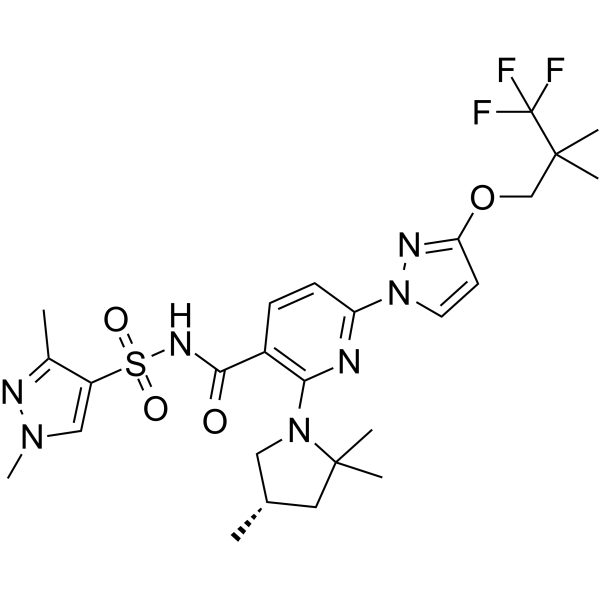
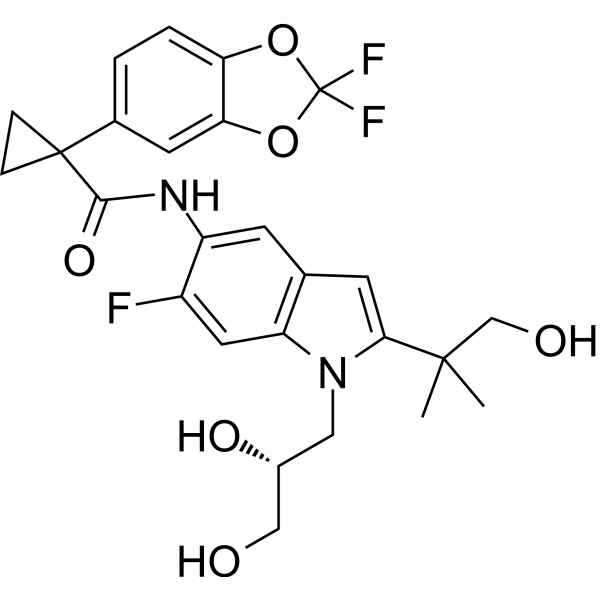
Elexacaftor (VX-445, Compound 1) is a modulator of cystic fibrosis transmembrane conductance regulator (CFTR). Elexacaftor (VX-445, Compound 1) facilitates the processing and trafficking of CFTR to increase the amount of CFTR at the cell surface .
loading...
    loading...
55
55 Cited Publications
Cat. No.: HY-119738
CAS No.: 1681056-61-0
Purity:  99.90%
Target:  

OGT Acyltransferase

Research Areas:  

Metabolic Disease

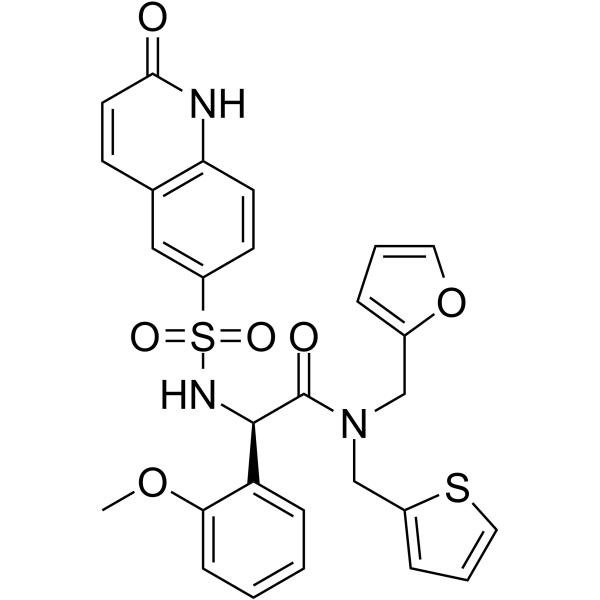
OSMI-1 is a cell-permeable O-GlcNAc transferase (OGT) inhibitor with an IC50 value of 2.7 μM. OSMI-1 inhibits protein O-linked N-acetylglucosamine (O-GlcNAcylation) in several mammalian cell lines without qualitatively altering cell surface N- or O-linked glycans .
loading...
    loading...
35
35 Cited Publications
Cat. No.: HY-P0023
CAS No.: 161552-03-0
Target:  

Integrin

Research Areas:  

Cancer

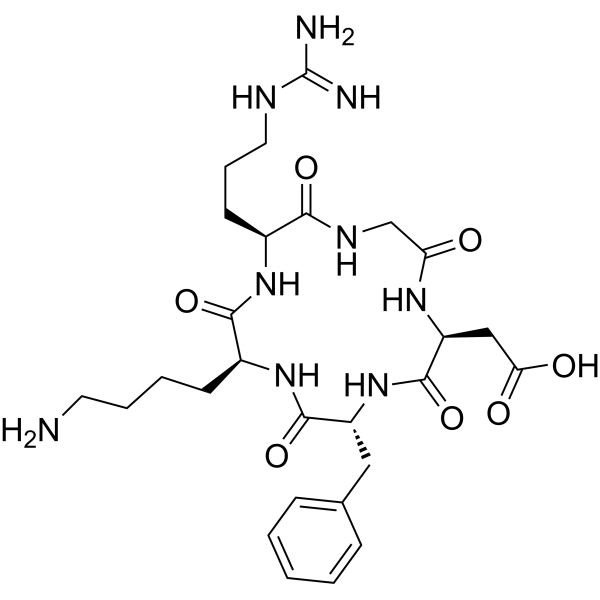
Cyclo(-RGDfK) is a potent and selective inhibitor of the αvβ3 integrin, with an IC50 of 0.94 nM. Cyclo(-RGDfK) potently targets tumor microvasculature and cancer cells through the specific binding to the αvβ3 integrin on the cell surface .
loading...
    loading...
35
35 Cited Publications
Cat. No.: HY-P0023A
CAS No.: 500577-51-5
Target:  

Integrin

Research Areas:  

Cancer

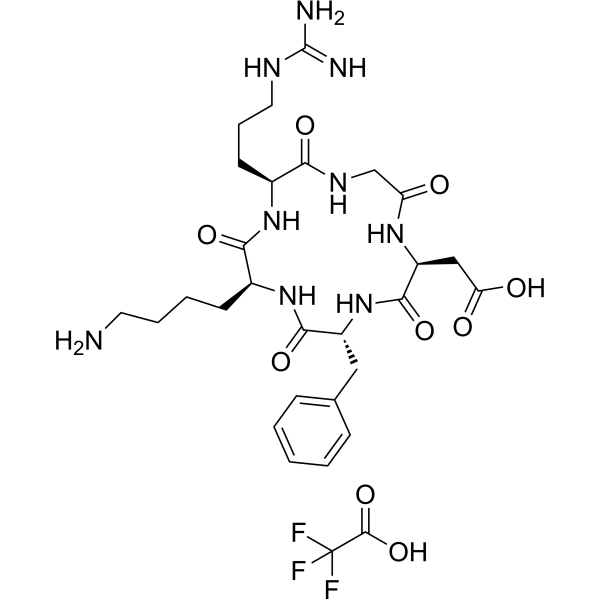
Cyclo(-RGDfK) TFA is a potent and selective inhibitor of the αvβ3 integrin, with an IC50 of 0.94 nM . Cyclo(-RGDfK) TFA potently targets tumor microvasculature and cancer cells through the specific binding to the αvβ3 integrin on the cell surface .
loading...
    loading...
31
31 Cited Publications
Cat. No.: HY-15448
CAS No.: 1152311-62-0
Purity:  99.85%
Synonyms: VX-661
Target:  

CFTR

Research Areas:  

Cancer

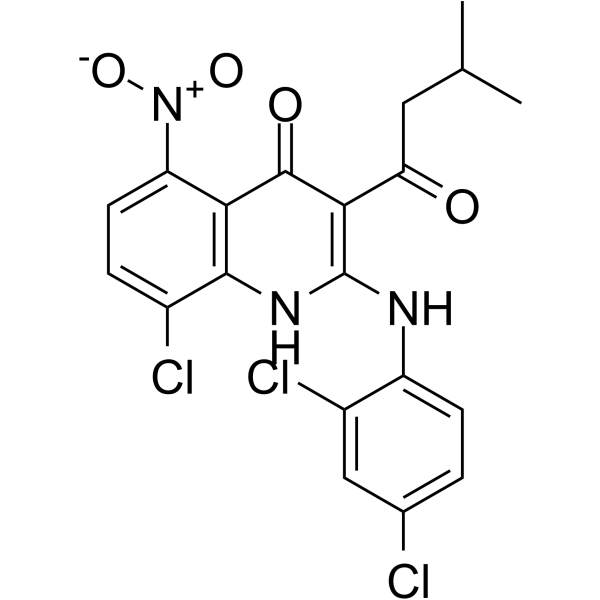
Tezacaftor (VX-661) is a F508del CFTR corrector. It helps CFTR protein reach the cell surface. However, Ivacaftor (VX-770, HY-13017), a CFTR potentiator, helps to prolong the opening time of cell surface CFTR protein channels. Tezacaftor combining with Ivacaftor, shows potent efficacy against cystic fibrosis and diseases with homozygous for the CFTR Phe508del mutation. Moreover, Elexacaftor (VX-445, HY-111772) is also a CFTR corrector. Elexacaftor-Tezacaftor-Ivacaftor aims at with cystic fibrosis (CF) with at least one Phe508del mutation, often avoids the indication for lung transplantation .
loading...
    loading...
24
24 Cited Publications
Cat. No.: HY-101916
CAS No.: 9050-30-0
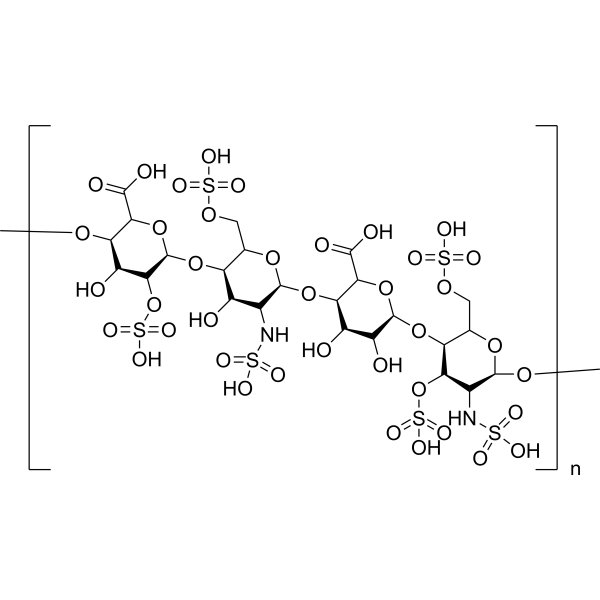
Heparan sulfate, a complex and linear polysaccharide, exists as part of glycoproteins named heparan sulfate proteoglycans, which are expressed abundantly on the cell surface and in the extracellular matrix.
loading...
    loading...
22
22 Cited Publications
Cat. No.: HY-B0633
CAS No.: 9067-32-7
Synonyms: Sodium hyaluronate
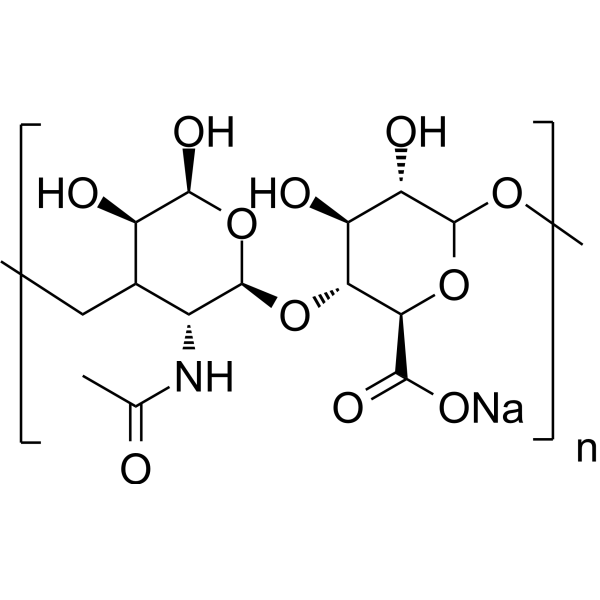
Hyaluronic acid sodium (Sodium hyaluronate) is a biopolymer composed of repeating units of disaccharides with various applications. Hyaluronic acid sodium is a major component of the extracellular matrix (ECM). Hyaluronic acid sodium is synthesized at the plasma membrane. Increased hyaluronic acid sodium levels are associated with tumor cell growth, adhesion, migration, invasion and angiogenesis in digestive cancers. Hyaluronic acid sodium participates in tissue remodeling and rapid cell proliferation in some physiological processes including embryonic morphogenesis and wound-healing. Hyaluronic acid sodium activates the PI3K-Akt signaling. Hyaluronic acid sodium acts as a regulator of cancer-associated lymphangiogenesis. Hyaluronic acid sodium also enhances cell invasion and angiogenesis by promoting proteolytic MMP-9 binding to cell surface or stimulating MMP-9 binding to cell surface. Hyaluronic acid sodium can be used as drug delivery for sodium butyrate to improve the anti-proliferative activity on breast cancer cell line. Hyaluronic acid sodium can be studied in joint diseases, wound healing and cancer .
loading...
    loading...
22
22 Cited Publications
Cat. No.: HY-B0633A
CAS No.: 9004-61-9
Synonyms: Hyaluronan; Hyaluronate
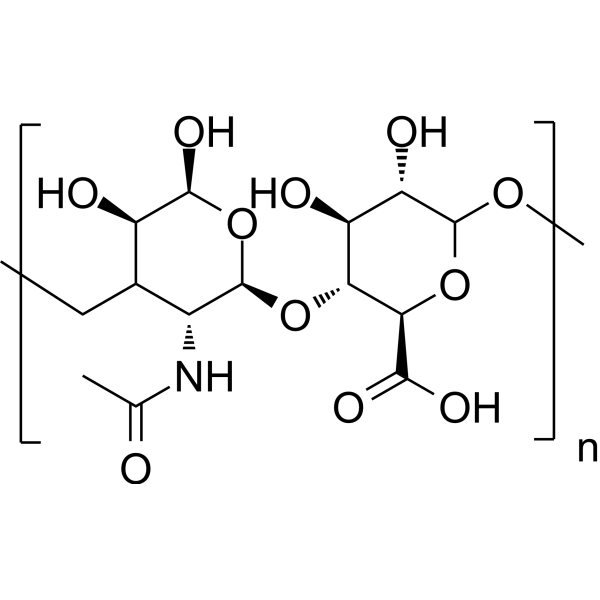
Hyaluronic acid is a biopolymer composed of repeating units of disaccharides with various applications. Hyaluronic acid is a major component of the extracellular matrix (ECM). Hyaluronic acid is synthesized at the plasma membrane. Increased hyaluronic acid levels are associated with tumor cell growth, adhesion, migration, invasion and angiogenesis in digestive cancers. Hyaluronic acid participates in tissue remodeling and rapid cell proliferation in some physiological processes including embryonic morphogenesis and wound-healing. Hyaluronic acid activates the PI3K-Akt signaling. Hyaluronic acid acts as a regulator of cancer-associated lymphangiogenesis. Hyaluronic acid also enhances cell invasion and angiogenesis by promoting proteolytic MMP-9 binding to cell surface or stimulating MMP-9 binding to cell surface. Hyaluronic acid can be used as drug delivery for sodium butyrate to improve the anti-proliferative activity on breast cancer cell line. Hyaluronic acid can be studied in joint diseases, wound healing and cancer .
loading...
    loading...
22
22 Cited Publications
Cat. No.: HY-111964
CAS No.: 2189684-44-2
Purity:  98.44%
Synonyms: GS-6207
Target:  

HIV

Research Areas:  

Infection

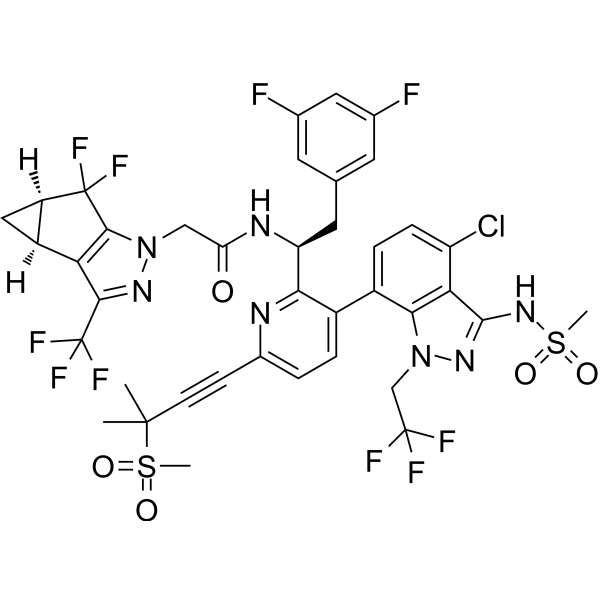
Lenacapavir (GS-6207) is an HIV-1 capsid inhibitor. Lenacapavir binds to the interface between capsid hexamers and CA monomers, disrupts capsid assembly and viral maturation, inhibits nuclear translocation of HIV-1 DNA, interferes with CA-mediated protein-protein interactions, reduces the formation of 2-LTR circles and pre-integration proviruses, induces aberrant capsids, and decreases the production of mature HIV-1. Lenacapavir exhibits activity against a variety of HIV-1 subtypes and clinical isolates. Lenacapavir is applicable to research related to human immunodeficiency virus type 1 (HIV-1) infection .
loading...
    loading...
22
22 Cited Publications
Cat. No.: HY-111964A
CAS No.: 2283356-12-5
Synonyms: GS-6207 sodium
Target:  

HIV

Research Areas:  

Infection

Lenacapavir (GS-6207) sodium is an HIV-1 capsid inhibitor. Lenacapavir sodium binds to the interface between capsid hexamers and CA monomers, disrupts capsid assembly and viral maturation, inhibits nuclear translocation of HIV-1 DNA, interferes with CA-mediated protein-protein interactions, reduces the formation of 2-LTR circles and pre-integration proviruses, induces aberrant capsids, and decreases the production of mature HIV-1. Lenacapavir sodium exhibits activity against a variety of HIV-1 subtypes and clinical isolates. Lenacapavir sodium is applicable to research related to human immunodeficiency virus type 1 (HIV-1) infection .
loading...
    loading...
16
16 Cited Publications
Cat. No.: HY-108847
CAS No.: 185243-69-0
Purity:  99.20%

Target:  

TNF Receptor Bacterial

Research Areas:  

Inflammation/Immunology Cancer

Etanercept, a dimeric fusion protein that binds TNF, acts as a TNF inhibitor. Etanercept competitively inhibits the binding of both TNF-α and TNF-β to cell surface TNF receptors, rendering TNF biologically inactive. Etanercept shows efficacy against rheumatoid arthritis, juvenile idiopathic arthritis, and plaque psoriasis .
loading...
    loading...
13
13 Cited Publications
Cat. No.: HY-D0986
CAS No.: 115534-33-3
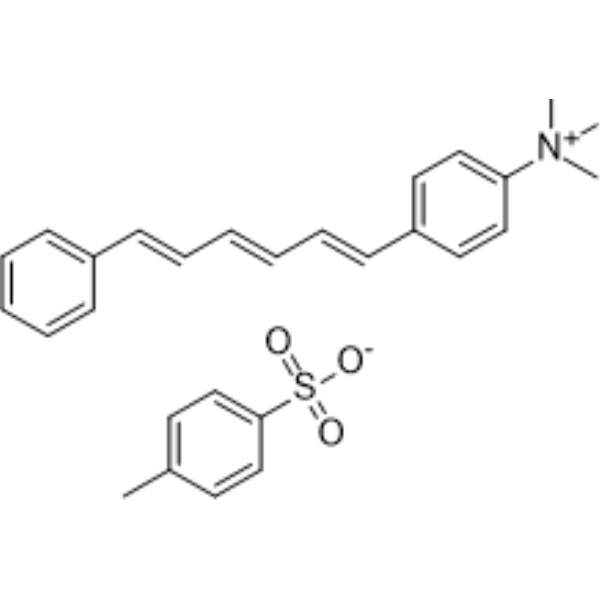
TMA-DPH is a hydrophobic fluorescent membrane probe (Ex=355 nm; Em=430 nm). TMA-DPH is able to anchor on the cell surface and localize to different regions of the phospholipid bilayer. By analyzing the fluorescence polarization values of TMA-DPH in the plasma membrane and membrane substructures, the fluidity of the cell membrane can be determined .
loading...
    loading...
10
10 Cited Publications
Cat. No.: HY-15615A
CAS No.: 1616632-77-9
Purity:  99.89%
Synonyms: TIC10; ONC-201
Target:  

TNF Receptor Apoptosis

Research Areas:  

Cancer

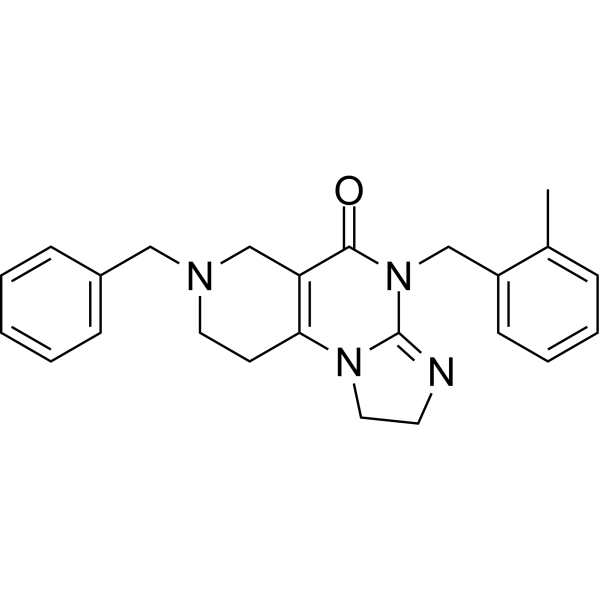
Dordaviprone (TIC10) is a potent, orally active, and stable tumor necrosis factor-related apoptosis-inducing ligand (TRAIL) inducer which acts by inhibiting Akt and ERK, consequently activating Foxo3a and significantly inducing cell surface TRAIL. Dordaviprone can cross the blood-brain barrier .
loading...
    loading...
10
10 Cited Publications
Cat. No.: HY-15317
CAS No.: 415713-60-9
Purity:  99.83%
Target:  

RAD51

Research Areas:  

Cancer

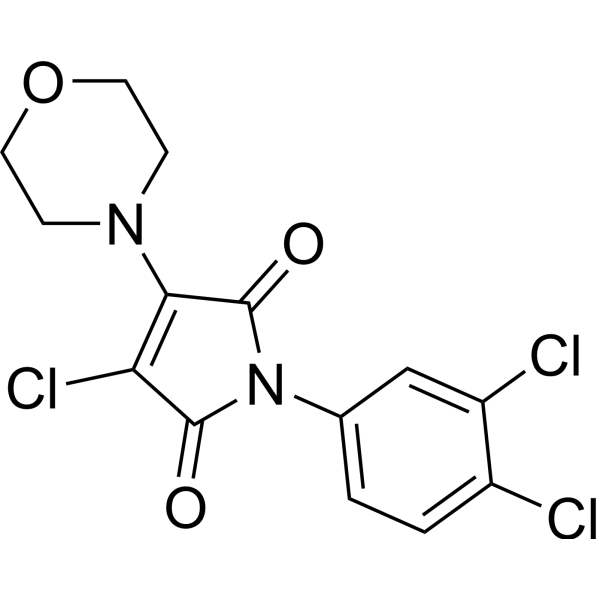
RI-1 is a RAD51 inhibitor, with IC50s ranging from 5 to 30 μM. RI-1 binds covalently to the surface of RAD51 protein at cysteine 319. RI-1 inactivates RAD51 by directly binding to a protein surface that serves as an interface between protein subunits in RAD51 filaments. RI-1 can disrupt homologous recombination in human cells .
loading...
    loading...
10
10 Cited Publications
Cat. No.: HY-P99045
CAS No.: 1796566-95-4
Synonyms: HRS7; hRS7
Target:  

ADC Antibodies TROP2

Research Areas:  

Cancer

Sacituzumab is a humanized IgG1 monoclonal antibody targeting Trophoblast cell surface antigen 2 (TROP2). Sacituzumab demonstrates a lack of antitumor effects alone and does not inhibit the function of TROP-2 during tumor metastasis, binding to the linear epitopes of TROP-2 protein. Sacituzumab can be used for the synthesis of antibody-drug conjugates (ADC) drug Sacituzumab govitecan (HY-132254). Sacituzumab govitecan can be used in the field of triple-negative breast cancer .
loading...
    loading...
9
9 Cited Publications
Cat. No.: HY-111496
CAS No.: 325143-98-4
Purity:  ≥97.0%
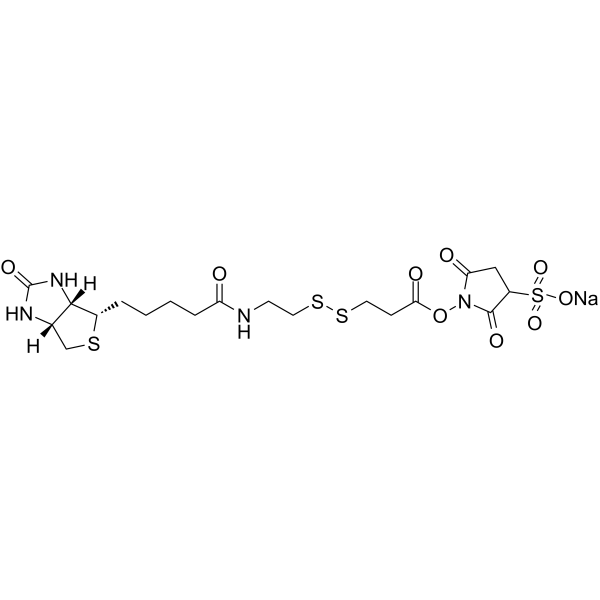
Sulfo-NHS-SS-biotin sodium is a long-chain cleavable and cell-impermeant amine-reactive biotinylation reagent. Sulfo-NHS-SS-biotin sodium can be used for the labeling and purifying of cell-surface protein .
loading...
    loading...
8
8 Cited Publications
Cat. No.: HY-126214
CAS No.: 1361227-90-8
Purity:  99.87%
Target:  

DNA/RNA Synthesis

Research Areas:  

Cancer

JH-RE-06, a potent REV1-REV7 interface inhibitor (IC50=0.78 μM; Kd=0.42 μM), targets REV1 that interacts with the REV7 subunit of POLζ. JH-RE-06 disrupts mutagenic translesion synthesis (TLS) by preventing recruitment of mutagenic POLζ. JH-RE-06 improves chemotherapy .
loading...
    loading...
7
7 Cited Publications
Cat. No.: HY-P1411
CAS No.: 880107-52-8
Synonyms: PcTx1; Psalmopoeus cambridgei toxin-1
Research Areas:  

Neurological Disease Cancer

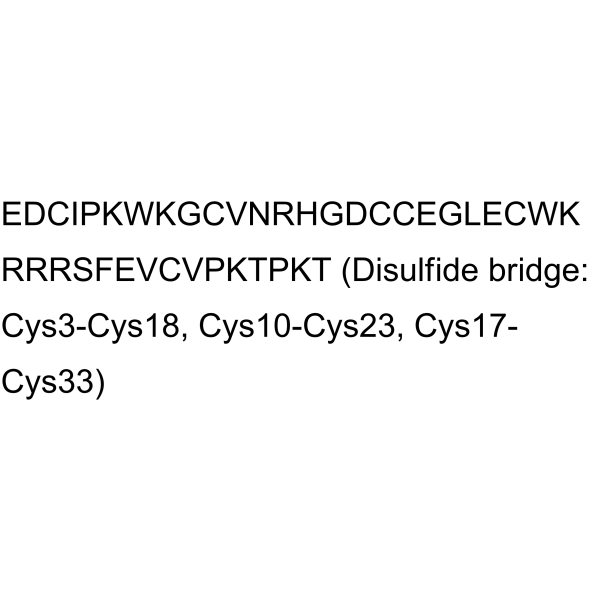
Psalmotoxin 1 (PcTx1) is a protein toxin that can bind at subunit-subunit interfaces of acid-sensing ion channel 1a (ASIC1a). Psalmotoxin 1 is a potent and slective ASIC1a inhibitor (IC50: 0.9 nM) by increasing the apparent affinity for H + of ASIC1a. Psalmotoxin 1 can induce cell apoptosis, also inhibits cell migration, proferliration and invasion of cancer cells. Psalmotoxin 1 can be used in the research of cancers, or neurological disease .
loading...
    loading...
7
7 Cited Publications
Cat. No.: HY-P1411A
Synonyms: PcTx1 TFA; Psalmopoeus cambridgei toxin-1 TFA
Research Areas:  

Neurological Disease Cancer

Psalmotoxin 1 (PcTx1) TFA is a protein toxin that can bind at subunit-subunit interfaces of acid-sensing ion channel 1a (ASIC1a). Psalmotoxin 1 TFA is a potent and slective ASIC1a inhibitor (IC50: 0.9 nM) by increasing the apparent affinity for H + of ASIC1a. Psalmotoxin 1 TFA can induce cell apoptosis, also inhibits cell migration, proferliration and invasion of cancer cells. Psalmotoxin 1 TFA can be used in the research of cancers, or neurological disease .
loading...
    loading...
5
5 Cited Publications
Cat. No.: HY-113016
CAS No.: 112-79-8
Purity:  99.49%
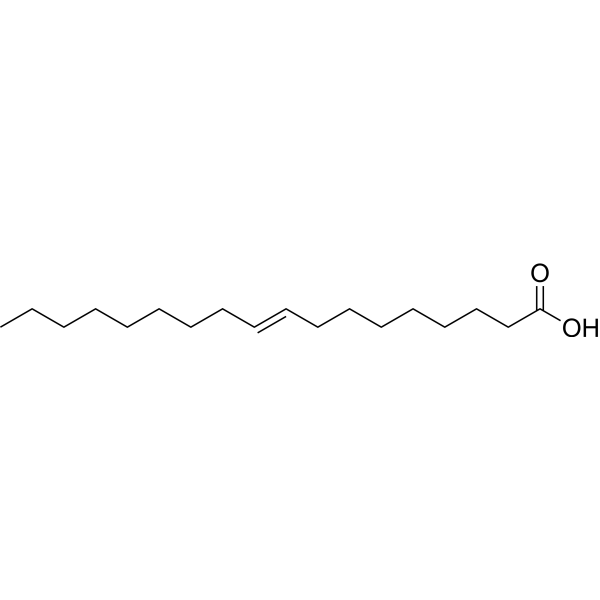
Elaidic acid is an orally active trans fatty acid. Elaidic acid enhances the stemness of colorectal cancer cells by activating the Wnt/ERK1/2 pathway, thereby promoting cell proliferation, invasion and metastasis, and inhibiting apoptosis. Elaidic acid also inhibits the growth of Lactobacillus and alters the cell surface hydrophobicity of Lactobacillus. Elaidic acid reduces basal 2-deoxyglucose uptake in muscle cells and adipocytes. Elaidic acid can be used in research on colorectal cancer, insulin and other related areas .
loading...
    loading...

