106 Results for "

cell-surface labeling

" in MedChemExpress (MCE) Product Catalog:
Products (106)

106 Results for "cell-surface labeling" in MCE Product Catalog:

9
9 Publications Verification
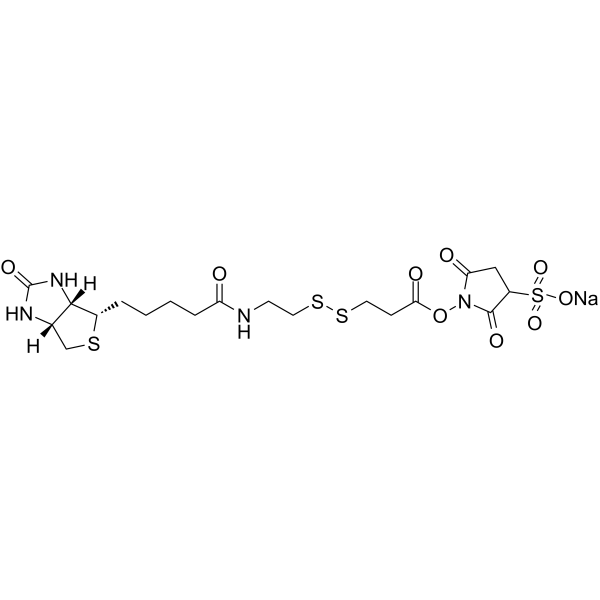
Cat. No.: HY-111496
CAS No.: 325143-98-4
Purity:  ≥97.0%
Sulfo-NHS-SS-biotin sodium is a long-chain cleavable and cell-impermeant amine-reactive biotinylation reagent. Sulfo-NHS-SS-biotin sodium can be used for the labeling and purifying of cell-surface protein .
loading...
    loading...
2
2 Cited Publications
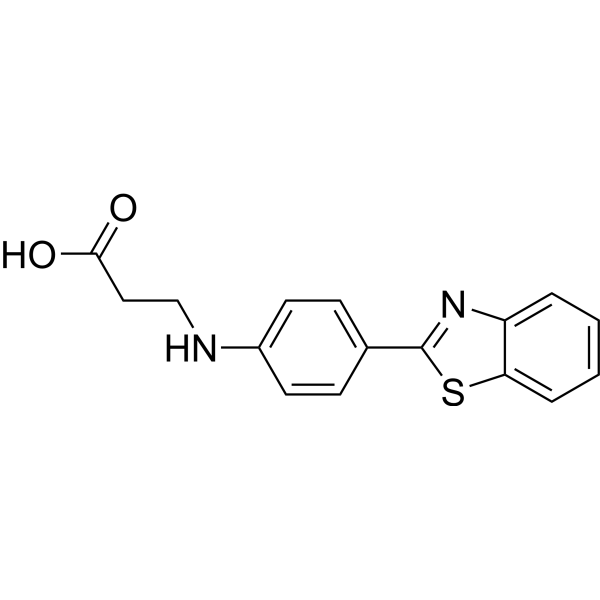
Cat. No.: HY-156404
CAS No.: 1449483-78-6
Purity:  99.04%
PM-1, a derivative of Thioflavin-T (ThT; HY-D0218), is a small but highly specific plasma membrane (PM) fluorescent dye for specific and long-time membrane imaging of living and fixed cells. PM-1 is embedded directly into the cell membrane and exhibits a very long retention time on the plasma membrane with a half-life of approximately 15 h. PM-1 can be used in combination with protein labeling probes to study ectodomain shedding and endocytosis processes of cell surface proteins .
loading...
    loading...
1
1 Cited Publications
Cat. No.: HY-P3443
Synonyms: PNA
Peanut agglutinin (PNA) is a carbohydrate-recognition protein that binds competitively and irreversibly to cell-surface β-D-Gal (1-3)-GalNAc, and this binding can be inhibited by D-galactose and asialofetuin. Peanut agglutinin recognizes exposed glycoepitopes and reflects the glycosylation status of cells. Peanut agglutinin can label glycoconjugates at neuromuscular junctions to safely visualize synaptic structures. Peanut agglutinin can be used to synthesize dyes to distinguish between normal and tumor tissues. Peanut agglutinin provides support for research on leukemia, Burkitt's tumors, and cutaneous squamous lesions .
loading...
    loading...
1
1 Cited Publications
Cat. No.: HY-112944A
Synonyms: CMP-NeuNAz sodium; CMP-Neu5Az sodium
Target:  

Sialyltransferase

Research Areas:  

Infection

CMP-SiaNAz (CMP-NeuNAz) sodium is a sialic acid nucleotide sugar derivative. CMP-SiaNAz sodium is integrated into the glycosidic chain through the action of STs in the Golgi apparatus, forming SiaNAz substances. CMP-SiaNAz sodium can serve as a substrate for bacterial-derived sialic acid transferases and is used for chemical enzymatic labeling and imaging of cell surface glycosides .
loading...
    loading...
1
1 Cited Publications
Cat. No.: HY-NP163A
Synonyms: WGA-AF488
Wheat germ agglutinin-AF488 (WGA-AF488) is a cell membrane-specific staining agent prepared by conjugating wheat germ agglutinin with the Alexa Fluor 488 (HY-D1304) fluorescent dye, and it binds to cell surface glycoproteins with high affinity. Wheat germ agglutinin-AF488 is applied in fluorescence microscopy and confocal imaging techniques, and it can clearly label the membrane structures of various cells including breast cancer cells, enabling high-resolution visual observation. Wheat germ agglutinin-AF488 is used in studies of breast cancer and triple-negative breast cancer to observe cell morphology and membrane dynamic changes .
loading...
    loading...
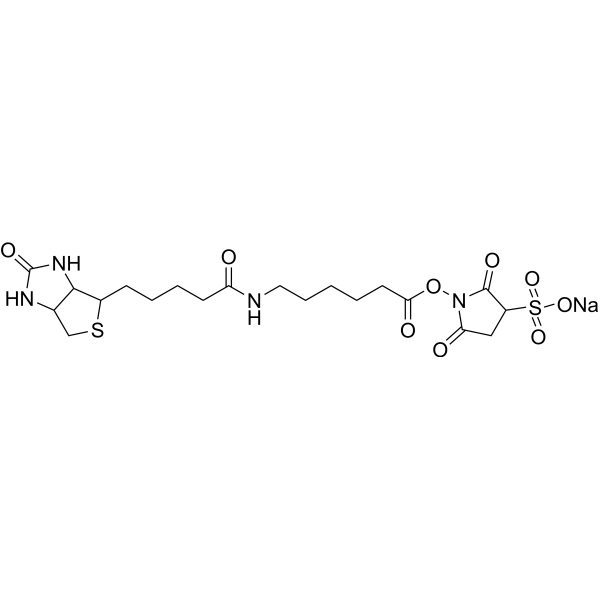
Cat. No.: HY-W332335
CAS No.: 127062-22-0
Research Areas:  

Others

Sulfosuccinimidyl-6-(biotinamido)hexanoate sodium is a protein crosslinker, and is a biotinylation reagentcan for labeling cell surface proteins .
loading...
    loading...
Cat. No.: HY-D2355
CAS No.: 1070867-85-4
Tris-NTA Biotin is a biotin-labeled version of tris-NTA. Tris-NTA Biotin, as a bridge connecting His-tagged proteins with streptavidin, can reversibly label proteins and cell surfaces. Tris-NTA Biotin can be used in experiments such as protein immobilization, kinetic determination, live cell labeling, and Western blot detection .
loading...
    loading...
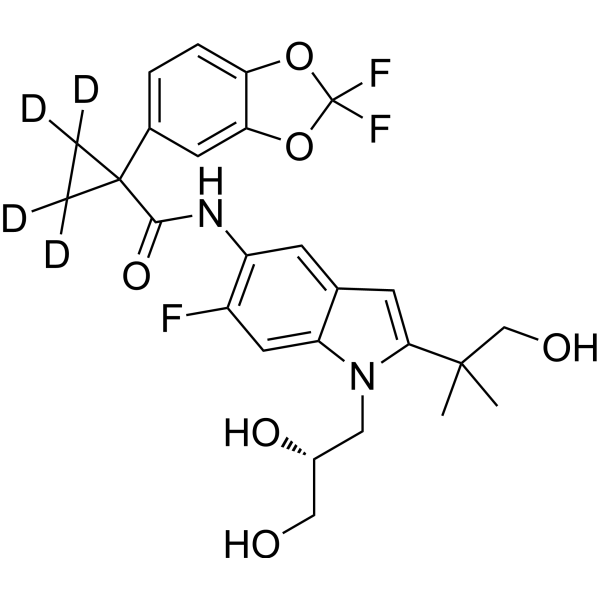
Cat. No.: HY-15448S
CAS No.: 1961280-24-9
Purity:  ≥97.0%
Synonyms: VX-661-d4
Tezacaftor-d4 (VX-661-d4) is the deuterium-labeled Tezacaftor (HY-15448), a F508del CFTR corrector. Tezacaftor helps CFTR protein reach the cell surface .
loading...
    loading...
Cat. No.: HY-D0967
CAS No.: 146368-15-2
Cy5-bifunctional dye is a bifunctional dye used for covalent labeling of primary amines on proteins or oligonucleotides (Ex/Em = 649 nm/670 nm). Cy5-bifunctional dye can label recombinant annexin-V to assess phosphatidylserine exposure on the cell surface via flow cytometry. Cy5-bifunctional dye can label anti-human IgG (H + L) secondary antibodies. Cy5-bifunctional dye is applicable to studies of glanders and melioidosis .
loading...
    loading...
Cat. No.: HY-113016S
CAS No.: 1809227-37-9
Elaidic acid-d9 is deuterium labeled Elaidic acid (HY-113016). Elaidic acid is an orally active trans fatty acid. Elaidic acid enhances the stemness of colorectal cancer cells by activating the Wnt/ERK1/2 pathway, thereby promoting cell proliferation, invasion and metastasis, and inhibiting apoptosis. Elaidic acid also inhibits the growth of Lactobacillus and alters the cell surface hydrophobicity of Lactobacillus. Elaidic acid reduces basal 2-deoxyglucose uptake in muscle cells and adipocytes. Elaidic acid can be used in research on colorectal cancer, insulin and other related areas .
loading...
    loading...
Cat. No.: HY-D2170
AF488 streptavidin is a fluorescently labeled streptavidin. AF488 streptavidin is a streptavidin conjugated to Alexa Fluor 488, with 4 fluorophores per protein molecule, enabling stoichiometric fluorescent labeling of cell surface targets. AF488 streptavidin can form a complex with biotinylated E07 aptamer to stain cells expressing EGFR, and the staining is reversible after treatment with mA9 detoxifying oligonucleotides (Ex/Em = 470/520 nm) .
loading...
    loading...
Cat. No.: HY-P5351A
Hyaluronan-binding peptide, biotin labeled TFA is a biological active peptide. (This peptide is a hyaluronan-binding peptide biotinylated through a C-terminal GGGSK linker. Hyaluronan (HA) is a nonsulfated glycosaminoglycan expressed in the extracellular matrix and on cell surfaces. HA plays a role in fertilization, embryonic development, wound healing, angiogenesis, leukocyte trafficking to inflamed tissues, and cancer metastasis. This peptide has been shown to block HA binding to CD44 receptors and inhibit T cell proliferation.) .
loading...
    loading...
Cat. No.: HY-145383
CAS No.: 2599839-59-3
Purity:  ≥95.0%
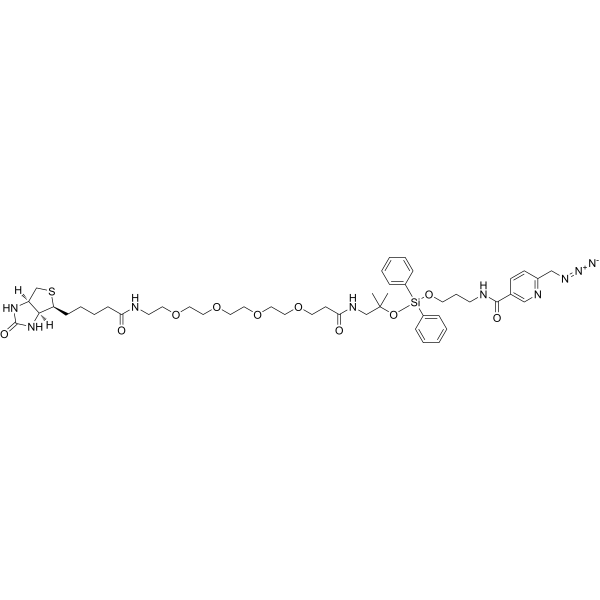
Biotin-PEG4-dialkoxydiphenylsilane-picolyl azide is a clickable, acid-cleavable biotin-picolyl azide. Biotin-PEG4-dialkoxydiphenylsilane-picolyl azide is an enrichment handle of cell surface glycoproteins for protein labeling . It contains an azide group and can undergo copper-catalyzed azide-alkyne cycloaddition (CuAAc) with molecules containing alkyne groups. It can also undergo ring strain-promoted alkyne-azide cycloaddition (SPAAC) with molecules containing DBCO or BCN groups.
loading...
    loading...
Cat. No.: HY-NP0158
Synonyms: UEA I (Rhodamine)
Ulex Europaeus Agglutinin I Rhodamine (UEA I Rhodamine) is a fluorescently labeled lectin. Ulex Europaeus Agglutinin I Rhodamine exhibits specificity for cell surface glycoconjugates containing α-L-fucosyl groups. Ulex Europaeus Agglutinin I Rhodamine can be used in combination with other lectins for double staining .
loading...
    loading...
Cat. No.: HY-NP0138
Synonyms: PNA (Fluorescein)
Research Areas:  

Infection Inflammation/Immunology

Peanut Agglutinin (PNA) Fluorescein is a fluorescently labeled lectin that specifically binds to glycosylated cells and Haemonchus contortus. Peanut Agglutinin Fluorescein specifically recognizes and binds to the D-Gal-β(1→3)-D-GalNAc disaccharide sequence and terminal D-galactosyl residues on the cell surface; its binding can be inhibited by D-galactose but is not affected by glucose. Peanut Agglutinin Fluorescein specifically labels cone photoreceptor segments and can also be used to distinguish immature thymocytes from lymphocyte subsets, serving as an effective tool for studying cellular glycosylation status and isolating specific cell populations .
loading...
    loading...
Cat. No.: HY-W415798
CAS No.: 1810852-60-8
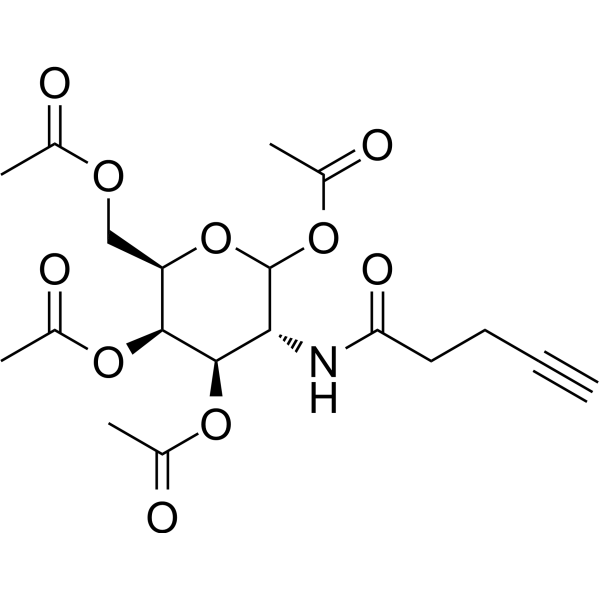
Ac4GalNAlk is a weakly alkyne-labeled reagent for metabolic oligosaccharide engineering (MOE) that can be used to detect protein glycosylation. MOE reagents can be activated by cellular biosynthetic machinery into nucleotide sugars, which can be further traced through the introduction of glycoproteins in bioorthogonal chemistry. Ac4GalNAlk promotes nucleotide-sugar biosynthesis and increases bioorthogonal cell surface markers .
loading...
    loading...
Cat. No.: HY-144013A
CAS No.: 474922-77-5
Synonyms: DSPE-mPEG350 ammonium; 1,2-Distearoyl-sn-glycero-3-phosphoethanolamine-N-[methoxy(polyethylene glycol)-350] ammonium
Target:  

Liposome

Research Areas:  

Others

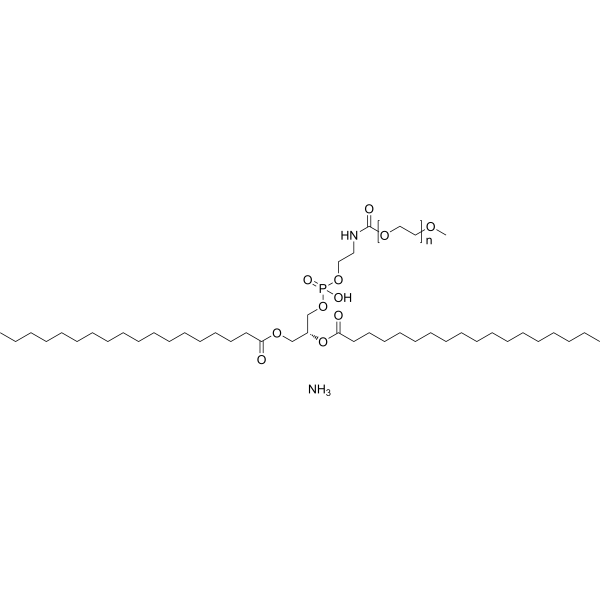
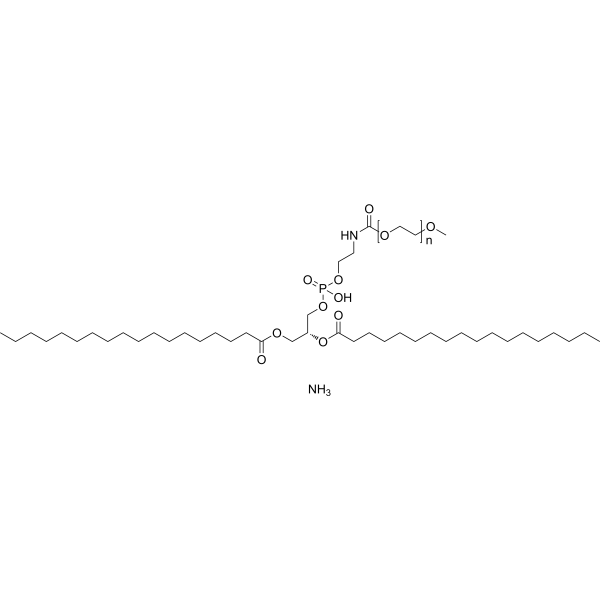
18:0 mPEG350 PE (ammonium) is a PEG lipid functional end group used in the synthesis of liposomes (LPs) for the design of conjugated polymer nanoparticles. Through biotin modification and carboxyl terminus, lipid nanoparticles (LNPs) further coupling with other biomolecules can be achieved. Functionalized nanoparticles can be used for targeted labeling of specific cellular proteins. With streptavidin as a linker, biotinylated PEG lipid-conjugated polymer nanoparticles are able to bind to biotinylated antibodies on cell surface receptors, yielding the utility of fluorescence-based imaging and sensing.
loading...
    loading...
Cat. No.: HY-144013B
CAS No.: 474922-77-5
Synonyms: DSPE-mPEG550 ammonium; 1,2-Distearoyl-sn-glycero-3-phosphoethanolamine-N-[methoxy(polyethylene glycol)-550] ammonium
Target:  

Liposome

Research Areas:  

Others

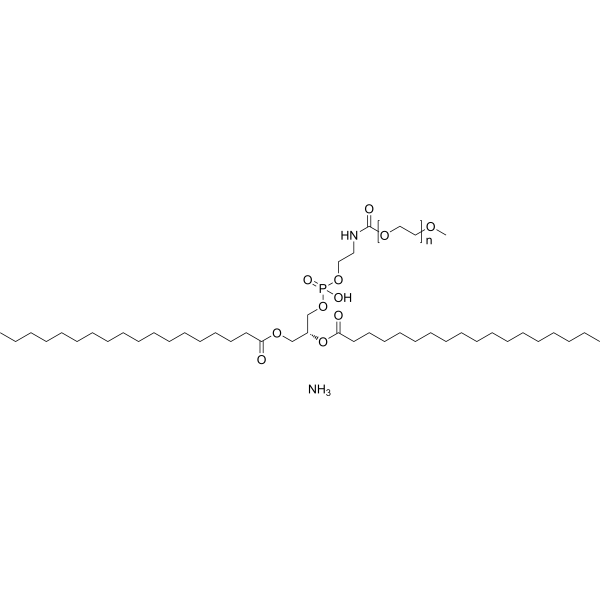
18:0 mPEG550 PE (ammonium) is a PEG lipid functional end group used in the synthesis of liposomes (LPs) for the design of conjugated polymeric nanoparticles. Through biotin modification and carboxyl terminus, lipid nanoparticles (LNPs) further coupling with other biomolecules can be achieved. Functionalized nanoparticles can be used for targeted labeling of specific cellular proteins. With streptavidin as a linker, biotinylated PEG lipid-conjugated polymer nanoparticles are able to bind to biotinylated antibodies on cell surface receptors, yielding the utility of fluorescence-based imaging and sensing.
loading...
    loading...
Cat. No.: HY-144013C
CAS No.: 474922-77-5
Synonyms: DSPE-mPEG750 ammonium; 1,2-Distearoyl-sn-glycero-3-phosphoethanolamine-N-[methoxy(polyethylene glycol)-750] ammonium
Target:  

Liposome

Research Areas:  

Others

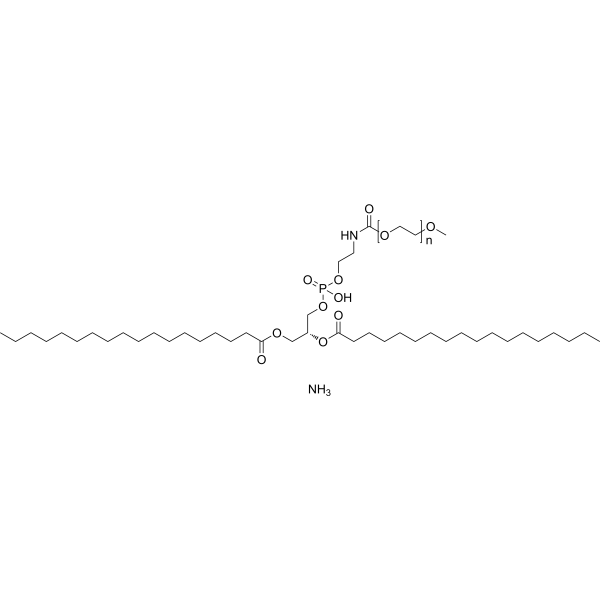
18:0 mPEG750 PE (ammonium) is a PEG lipid functional end group used in the synthesis of liposomes (LPs) for the design of conjugated polymeric nanoparticles. Through biotin modification and carboxyl terminus, lipid nanoparticles (LNPs) further coupling with other biomolecules can be achieved. Functionalized nanoparticles can be used for targeted labeling of specific cellular proteins. With streptavidin as a linker, biotinylated PEG lipid-conjugated polymer nanoparticles are able to bind to biotinylated antibodies on cell surface receptors, yielding the utility of fluorescence-based imaging and sensing.
loading...
    loading...
Cat. No.: HY-144013D
CAS No.: 474922-77-5
Synonyms: DSPE-mPEG1000 ammonium; 1,2-Distearoyl-sn-glycero-3-phosphoethanolamine-N-[methoxy(polyethylene glycol)-1000] ammonium
Target:  

Liposome

Research Areas:  

Others

18:0 mPEG1000 PE (ammonium) is a PEG lipid functional end group used in the synthesis of liposomes (LPs) for the design of conjugated polymeric nanoparticles. Through biotin modification and carboxyl terminus, lipid nanoparticles (LNPs) further coupling with other biomolecules can be achieved. Functionalized nanoparticles can be used for targeted labeling of specific cellular proteins. With streptavidin as a linker, biotinylated PEG lipid-conjugated polymer nanoparticles are able to bind to biotinylated antibodies on cell surface receptors, yielding the utility of fluorescence-based imaging and sensing.
loading...
    loading...

