15 Results for "

ceramide accumulation

" in MedChemExpress (MCE) Product Catalog:
Products (15)

15 Results for "ceramide accumulation" in MCE Product Catalog:

8
8 Publications Verification
Cat. No.: HY-13822
CAS No.: 312636-16-1
Purity:  99.25%
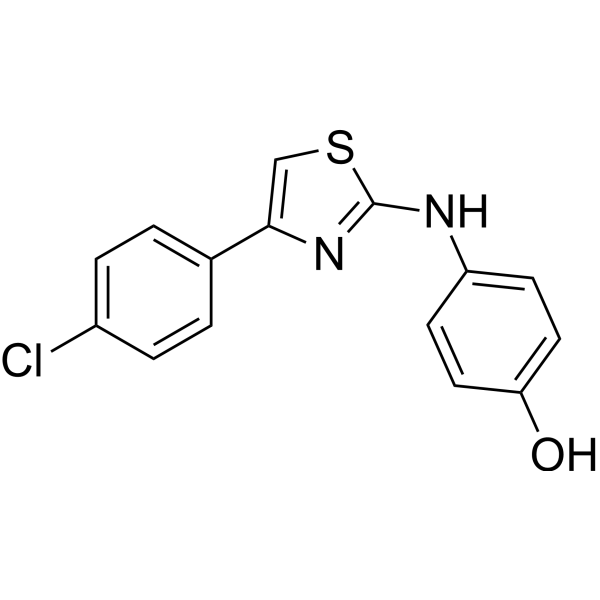
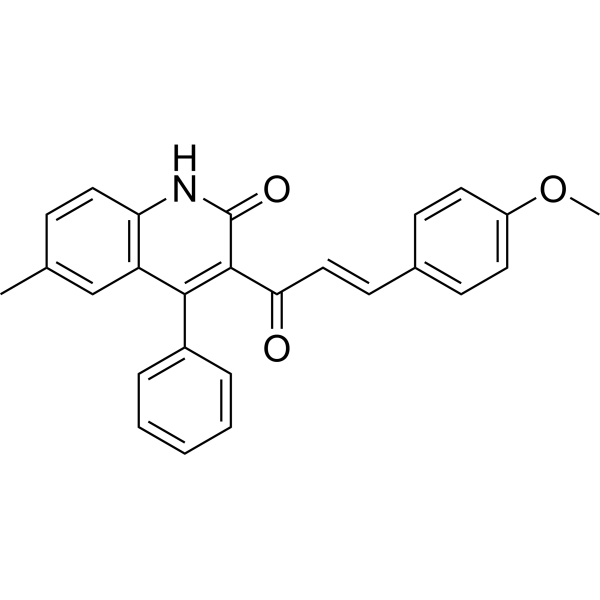
SKI-II is an orally active dual-target inhibitor of SphK1/2 and DES1, with Ki values of 16 µM and 0.3 µM against SphK1 and DES1, respectively. SKI-II activates the PERK-Nrf2 antioxidant pathway by stabilizing Nrf2, and synergizes with Temozolomide (HY-17364) to induce oxidative/endoplasmic reticulum stress and cancer cell death under hypoxic conditions. In vivo, SKI-II inhibits SphK activity, promotes ceramide accumulation and apoptosis, and synergizes with Cisplatin (HY-17394) to reverse drug resistance via the ras/MAPK pathway. SKI-II reduces measles virus replication by inhibiting mTORC1 activity. SKI-II binds to VCP to induce M1 polarization, enhances host tolerance to Staphylococcus aureus infection, and exerts radioprotective effects through Nrf2 activation and accelerated DNA repair. SKI-II can be used in research related to glioblastoma, acute myeloid leukemia, gastric cancer, measles virus infection, Staphylococcus aureus infection, and acute radiation syndrome .
loading...
    loading...
6
6 Cited Publications
Cat. No.: HY-N9933
CAS No.: 25696-60-0
Synonyms: TβMCA
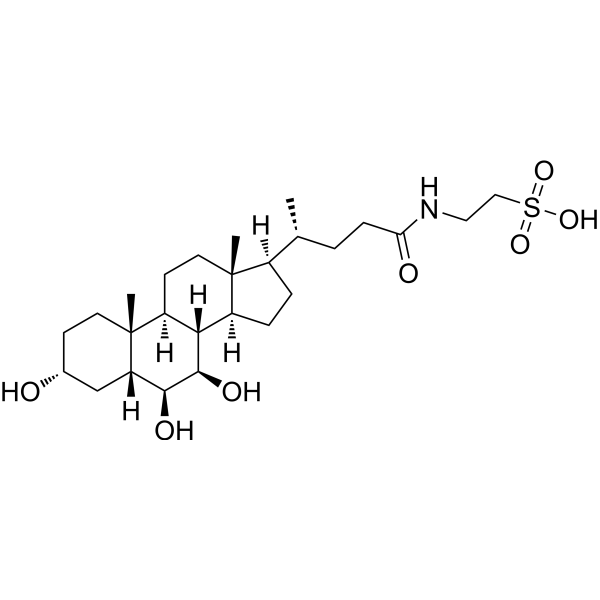
Tauro-β-muricholic acid (TβMCA) is an orally active trihydroxylated bile acid and a competitive, reversible FXR antagonist (IC50=40 μM). Tauro-β-muricholic acid inhibits bile acid-induced hepatocyte apoptosis by maintaining mitochondrial membrane potential, while simultaneously inhibiting intestinal FXR signaling, affecting bile acid synthesis, hepatic lipid metabolism, and insulin sensitivity. Accumulation of tauro-β-muricholic acid disrupts metabolic homeostasis, promoting cancer stem cell proliferation and tumor progression. The mechanisms of tauro-β-muricholic acid involve two aspects: first, inhibiting the translocation of the pro-apoptotic protein Bax to mitochondria and maintaining mitochondrial membrane potential (MMP); and second, blocking the FXR signaling pathway to regulate bile acid metabolism, reduce serum ceramide production, and downregulate the hepatic SREBP1C/CIDEA pathway. Tauro-β-muricholic acid possesses anti-hepatocyte apoptosis, bile acid homeostasis regulation, and liver fat accumulation reduction properties, and also functions as a biomarker, making it useful in the study of diseases such as bile acid metabolism disorders, non-alcoholic fatty liver disease, colorectal cancer, and liver fibrosis .
loading...
    loading...
1
1 Cited Publications
Cat. No.: HY-116147
CAS No.: 1402830-75-4
Purity:  99.25%
Target:  

LPL Receptor Apoptosis

Research Areas:  

Cancer

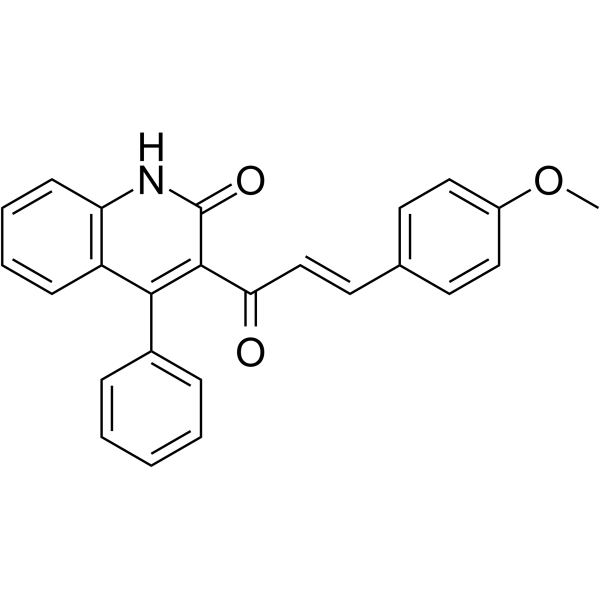
Ceranib-2 is a potent and nonlipid ceramidase inhibitor that inhibits cellular ceramidase activity with an IC50 of 28 μM in SKOV3 cells. Ceranib-2 induces the accumulation of multiple ceramide species, decreases levels of sphingosine and sphingosine-1-phosphate (S1P), and induces cell apoptosis. Anticancer activity .
loading...
    loading...
1
1 Cited Publications
Cat. No.: HY-132182
CAS No.: 383418-30-2
Purity:  99.4%
Research Areas:  

Neurological Disease Cancer

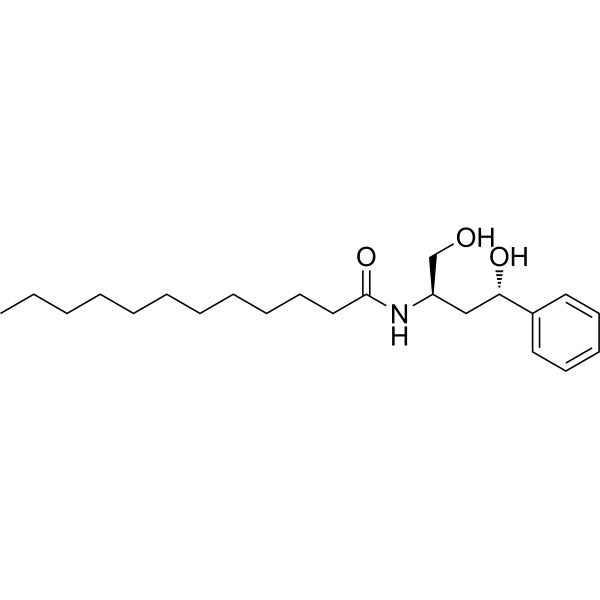
HPA-12 is a blood-brain barrier-permeable small-molecule inhibitor of ceramide transfer protein (CERT) with four stereoisomers (the (1R,3R)-stereoisomer exhibits the highest activity). HPA-12 blocks the transport of ceramide from the endoplasmic reticulum to the Golgi apparatus by binding to the START domain of CERT, leading to intracellular ceramide accumulation and inhibition of sphingomyelin (SM) synthesis. HPA-12 induces endoplasmic reticulum stress via the GRP78/ATF6/CHOP axis and activates mitochondrial autophagy, thereby inhibiting cell growth and inducing apoptosis. In in vivo experiments, HPA-12 significantly reduces the leukemia burden and splenomegaly in mouse models of acute myeloid leukemia (AML) and prolongs survival. HPA-12 is applicable for the research of lipid metabolism in acute myeloid leukemia and Alzheimer's disease .
loading...
    loading...
Cat. No.: HY-N6723
CAS No.: 116355-84-1
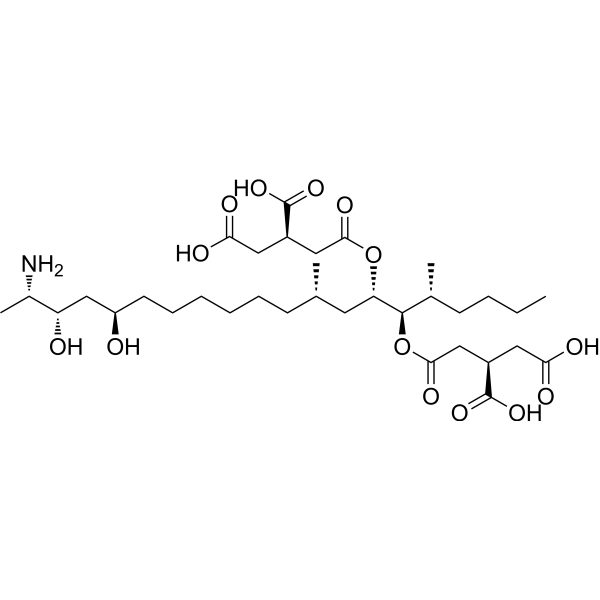
Fumonisin B2 is a selective ceramide synthase inhibitor and carcinogenic mycotoxin with toxicity comparable to that of Fumonisin B1 (HY-N6719). Fumonisin B2 inhibits de novo sphingolipid biosynthesis by blocking the amide bond formation between fatty acids and dihydrosphingosine, which leads to a massive intracellular accumulation of free dihydrosphingosine, altered sphingosine levels, subsequent inhibition of cell proliferation, and induction of cell death. Fumonisin B2 is used to investigate the pathogenesis of diseases associated with Fusarium verticillioides contamination, including equine leukoencephalomalacia, porcine pulmonary edema syndrome, human esophageal cancer, and rat hepatocellular carcinoma .
loading...
    loading...
Cat. No.: HY-103359
CAS No.: 328076-61-5
Purity:  99.38%
Target:  

Ceramidase

Research Areas:  

Cancer

Ceranib1 is a ceramidase inhibitor. Ceranib1 inhibits ceramidase activity toward an exogenous ceramide analog, induces the accumulation of multiple ceramide species, decreases levels of sphingosine and S1P. Ceranib1 inhibits the proliferation of ovarian cancer cells .
loading...
    loading...
Cat. No.: HY-13626
CAS No.: 196497-48-0
Purity:  ≥99.0%
Synonyms: ES-285
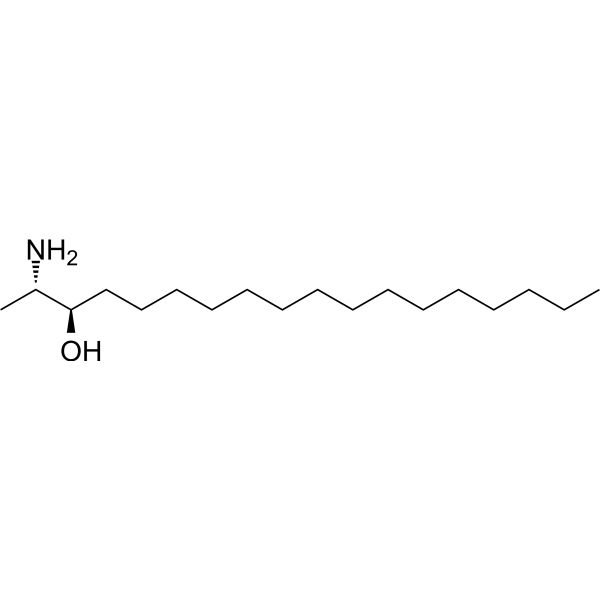
Spisulosine (ES-285) is an antiproliferative (antitumoral) compound of marine origin. Spisulosine inhibits the growth of the prostate PC-3 and LNCaP cells through intracellular ceramide accumulation and PKCζ activation. Spisulosine induces apoptosis in PC-3 and LNCaP cells .
loading...
    loading...
Cat. No.: HY-W012846
CAS No.: 2418-52-2
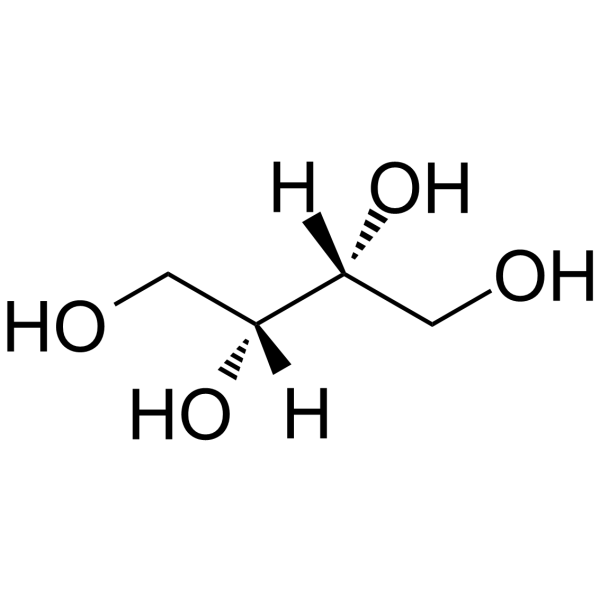
D-Threitol is a naturally occurring four-carbon sugar alcohol and an α-glucosidase (α‑glucosidase) inhibitor with an IC50 of 49 mM against yeast α-glucosidase, and it is orally active. D-Threitol modulates gut microbiota composition, increases microbial diversity, enriches beneficial bacterial genera, and restores fecal short-chain fatty acid levels. D-Threitol reduces body weight gain and fat accumulation, improves glucose tolerance and insulin sensitivity, and alleviates liver, kidney, and pancreatic tissue damage. D-Threitol inhibits hepatic accumulation of ceramides and diacylglycerols. D-Threitol preserves glomerular morphology and islet structure in diabetes models. D-Threitol is also a low-calorie sweetener. D-Threitol serves as a cryoprotective polyol that stabilizes protein structure at low temperatures. D-Threitol is used in research on type 2 diabetes and as an antifreeze agent for the Alaskan beetle .
loading...
    loading...
Cat. No.: HY-48917
CAS No.: 15049-93-1
Synonyms: C10 Bisphosphonate
ARC39 (C10 Bisphosphonate) is a selective acid sphingomyelinase (acid sphingomyelinase, ASM) inhibitor (IC50 = 20 nM) that binds the catalytic zinc center and blocks sphingomyelin hydrolysis. ARC39 shows higher selectivity for acid sphingomyelinase than for neutral sphingomyelinase and Ser/Thr protein phosphatases, while not affecting acid ceramidase, neutral ceramidase, sphingosine kinase 1, and sphingosine kinase 2. ARC39 reduces pulmonary edema, platelet- and ASM-promoted melanoma adhesion, and necroptosis-associated ceramide accumulation, and restores necroptotic viability. ARC39 can be used in research on platelet-activating factor (PAF)-induced pulmonary edema, melanoma, major depressive disorder, and colorectal cancer .
loading...
    loading...
Cat. No.: HY-176568
LCL768 is a ceramide analog. LCL768 attenuates PARKIN succination to promote PARKIN activation and mitophagy. LCL768 induces CerS1-mediated endogenous C18-ceramide accumulation in mitochondria to mediate mitophagy, which is dependent on DRP1 activation via nitrosylation at C644. LCL768 alters mitochondrial metabolism, resulting in fumarate depletion and leading to tumor suppression. LCL768 improves sensorimotor defects in neurodegenerative diseases like ALS .
loading...
    loading...
Cat. No.: HY-124273
CAS No.: 143615-69-4
Synonyms: L-threo Cer(d18:1/2:0); L-threo ceramide (d18:1/2:0); N-acetyl-L-threo-Sphingosine
Target:  

Endogenous Metabolite

Research Areas:  

Cardiovascular Disease

C2 L-threo Ceramide (d18:1/2:0) (L-threo Cer(d18:1/2:0); L-threo Ceramide (d18:1/2:0)) is a bioactive sphingolipid and cell-permeable analog of naturally occurring ceramides. It stimulates cholesterol efflux in CHO cells expressing the human ABCA1 receptor when used at a concentration of 10 μM, however, this efflux is 50% less than that stimulated by C2 ceramide. C2 L-threo Ceramide inhibits IL-4 production by 17% in EL4 T cells stimulated with phorbol 12-myristate 13-acetate when used at a concentration of 10 μM. It also induces cell cycle arrest in the G0/G1 phase and a 7-fold increase in sphingosine accumulation as well as inhibits growth of HL-60 leukemia cells.
loading...
    loading...
Cat. No.: HY-124134
CAS No.: 366487-89-0
Synonyms: LCL102
Target:  

Ceramidase Caspase PARP

Research Areas:  

Cancer

AD-2646 (LCL102), a ceramide analog, can kill leukemic T cells (EC50: 40 μM). AD-2646 triggers the cleavage of caspase-8, -9 and -3, as well as the caspase substrate PARP. AD-2646 is a ceramidase inhibitor. AD-2646 induces an accumulation of endogenous ceramide owing to perturbed ceramide metabolism .
loading...
    loading...
Cat. No.: HY-13626S
CAS No.: 1246298-31-6
Purity:  ≥99.0%
Synonyms: ES-285-d3
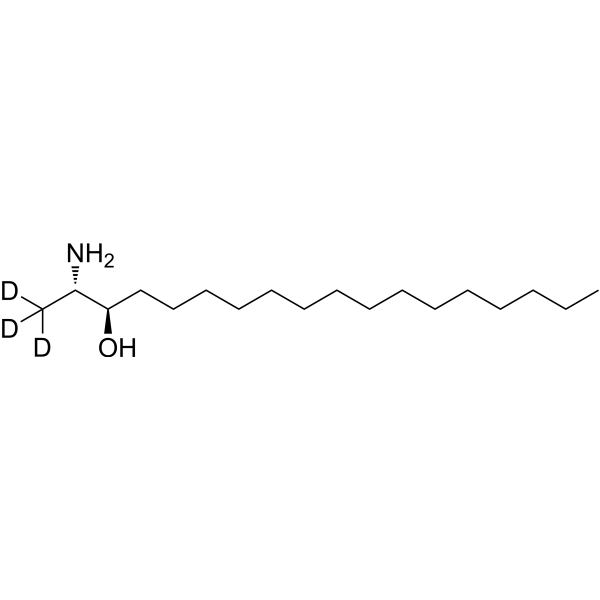
Spisulosine-d3 (ES-285-d3) is deuterium labeled Spisulosine (HY-13626). Spisulosine is an antiproliferative (antitumoral) compound of marine origin. Spisulosine inhibits the growth of the prostate PC-3 and LNCaP cells through intracellular ceramide accumulation and PKCζ activation. Spisulosine induces apoptosis in PC-3 and LNCaP cells .
loading...
    loading...
Cat. No.: HY-W012846R
CAS No.: 2418-52-2
D-Threitol (Standard) is the analytical standard of D-Threitol (HY-W012846). This product is intended for research and analytical applications. D-Threitol is a naturally occurring four-carbon sugar alcohol and an α-glucosidase (α‑glucosidase) inhibitor with an IC50 of 49 mM against yeast α-glucosidase, and it is orally active. D-Threitol modulates gut microbiota composition, increases microbial diversity, enriches beneficial bacterial genera, and restores fecal short-chain fatty acid levels. D-Threitol reduces body weight gain and fat accumulation, improves glucose tolerance and insulin sensitivity, and alleviates liver, kidney, and pancreatic tissue damage. D-Threitol inhibits hepatic accumulation of ceramides and diacylglycerols. D-Threitol preserves glomerular morphology and islet structure in diabetes models. D-Threitol is also a low-calorie sweetener. D-Threitol serves as a cryoprotective polyol that stabilizes protein structure at low temperatures. D-Threitol is used in research on type 2 diabetes and as an antifreeze agent for the Alaskan beetle .
loading...
    loading...
Cat. No.: HY-112364
CAS No.: 1177741-83-1
SKI-II hydrochloride is an orally active dual-target inhibitor of SphK1/2 and DES1, with Ki values of 16 µM and 0.3 µM against SphK1 and DES1, respectively. SKI-II hydrochloride activates the PERK-Nrf2 antioxidant pathway by stabilizing Nrf2, and synergizes with Temozolomide (HY-17364) to induce oxidative/endoplasmic reticulum stress and cancer cell death under hypoxic conditions. SKI-II hydrochloride inhibits SphK activity, promotes ceramide accumulation and apoptosis, and synergizes with Cisplatin (HY-17394) to reverse drug resistance via the ras/MAPK pathway in vivo. SKI-II hydrochloride reduces measles virus replication by inhibiting mTORC1 activity. SKI-II hydrochloride binds to VCP to induce M1 polarization, enhances host tolerance to Staphylococcus aureus infection, and exerts radioprotective effects through Nrf2 activation and accelerated DNA repair. SKI-II hydrochloride can be used in research related to glioblastoma, acute myeloid leukemia, gastric cancer, measles virus infection, Staphylococcus aureus infection, and acute radiation syndrome .
loading...
    loading...
  • 1

