
128 Results for "

cleaved caspases

" in MedChemExpress (MCE) Product Catalog:
Products (128)

128 Results for "cleaved caspases" in MCE Product Catalog:

9
9 Publications Verification
Cat. No.: HY-132591
CAS No.: 1639324-58-5
Purity:  99.80%
Synonyms: ALN-PCSsc
Inclisiran is a double-stranded small interfering RNA (siRNA) molecule. Inclisiran inhibits the transcription of PCSK9. Inclisiran inhibits Pyroptosis, activates PPARγ, and reduces NLRP3, cleaved caspase-1, IL-1β, and IL-18. Inclisiran has anti-inflammatory, lipid-regulating and anti-atherosclerotic activities. Inclisiran can be used in researches of hyperlipidemia and cardiovascular disease (CVD) .
loading...
    loading...
9
9 Publications Verification
Cat. No.: HY-132591A
Purity:  98.10%
Synonyms: ALN-PCSsc sodium
Inclisiran sodium is a double-stranded small interfering RNA (siRNA) molecule. Inclisiran sodium inhibits the transcription of PCSK9. Inclisiran sodium inhibits Pyroptosis, activates PPARγ, and reduces NLRP3, cleaved caspase-1, IL-1β, and IL-18. Inclisiran sodium has anti-inflammatory, lipid-regulating and anti-atherosclerotic activities. Inclisiran sodium can be used in researches of hyperlipidemia and cardiovascular disease (CVD) .
loading...
    loading...
6
6 Cited Publications
Cat. No.: HY-Y1325H
CAS No.: 6131-90-4
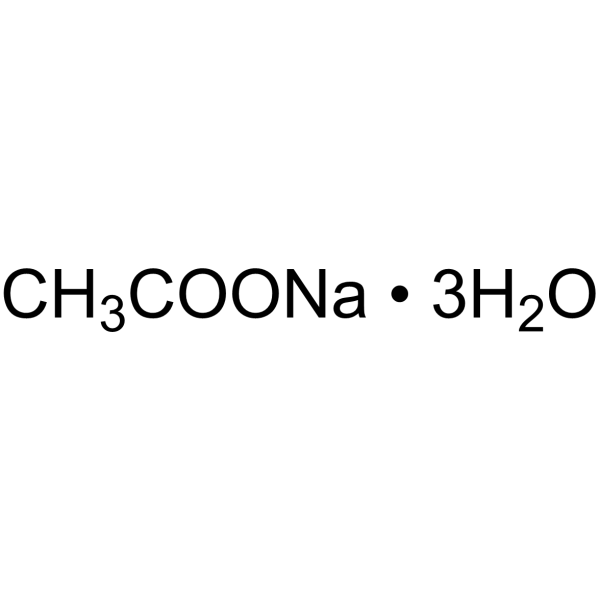
Sodium acetate trihydrate, meets analytical specification of Ph. Eur. BP USP FCC E262, ≤0.00002% Al is a carboxylic acid and short-chain fatty acid (SCFAs). Sodium acetate trihydrate activates AMPK, increases ROS, cleaved caspase 9, PPARα, downregulates SREBP-1c, ChREBP expression. Sodium acetate trihydrate exhibits antifungal activity against Saccharomyces cerevisiae W303-1A. Sodium acetate trihydrate regulates energy metabolism. Sodium acetate trihydrate has anticancer activity against gastric cancer. Sodium acetate trihydrate induces writhing reaction and ulcerative colitis. Sodium acetate trihydrate can be used in the researches for gastric cancer, ulcerative colitis, hepatic steatosis, and pain .
loading...
    loading...
6
6 Cited Publications
Cat. No.: HY-B0366A
CAS No.: 969-33-5
Synonyms: Cyproheptadine HCl
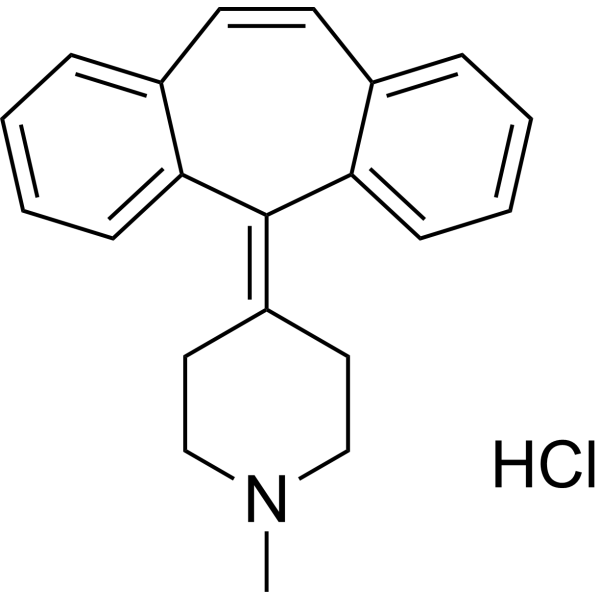
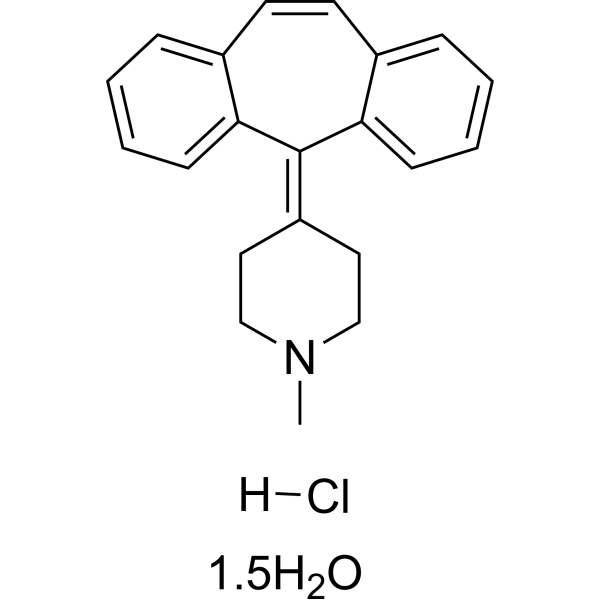
Cyproheptadine hydrochloride (Cyproheptadine HCl) acts as a p38 MAP kinase activator, CHK2 activator, histamine H1 receptor inhibitor and serotonin receptor inhibitor. Cyproheptadine hydrochloride mediates cell cycle arrest via G1 phase arrest, G1/S transition arrest, G0/G1 phase arrest, reduced expression of cyclins D1/D2/D3, upregulated expression of HBP1, p16, p21, p27, and decreased phosphorylation of retinoblastoma protein. Cyproheptadine hydrochloride induces Apoptosis by increasing PARP and cleaved PARP, as well as activating the mitochondrial caspase pathway. Cyproheptadine hydrochloride inhibits tumor growth with extremely low toxicity to normal cells. Cyproheptadine hydrochloride can be used in research related to hepatocellular carcinoma, multiple myeloma and acute myeloid leukemia .
loading...
    loading...
6
6 Cited Publications
Cat. No.: HY-B1622
CAS No.: 129-03-3
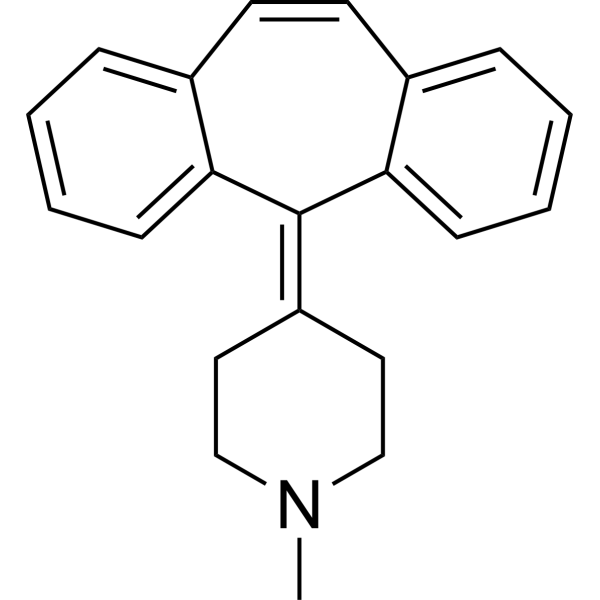
Cyproheptadine acts as a p38 MAP kinase activator, CHK2 activator, histamine H1 receptor inhibitor and serotonin receptor inhibitor. Cyproheptadine mediates cell cycle arrest via G1 phase arrest, G1/S transition arrest, G0/G1 phase arrest, reduced expression of cyclins D1/D2/D3, upregulated expression of HBP1, p16, p21, p27, and decreased phosphorylation of retinoblastoma protein. Cyproheptadine induces Apoptosis by increasing PARP and cleaved PARP, as well as activating the mitochondrial caspase pathway. Cyproheptadine inhibits tumor growth with extremely low toxicity to normal cells. Cyproheptadine can be used in research related to hepatocellular carcinoma, multiple myeloma and acute myeloid leukemia .
loading...
    loading...
6
6 Cited Publications
Cat. No.: HY-B1165
CAS No.: 41354-29-4
Cyproheptadine hydrochloride sesquihydrate acts as a p38 MAP kinase activator, CHK2 activator, histamine H1 receptor inhibitor and serotonin receptor inhibitor. Cyproheptadine hydrochloride sesquihydrate mediates cell cycle arrest via G1 phase arrest, G1/S transition arrest, G0/G1 phase arrest, reduced expression of cyclins D1/D2/D3, upregulated expression of HBP1, p16, p21, p27, and decreased phosphorylation of retinoblastoma protein. Cyproheptadine hydrochloride sesquihydrate induces Apoptosis by increasing PARP and cleaved PARP, as well as activating the mitochondrial caspase pathway. Cyproheptadine hydrochloride sesquihydrate inhibits tumor growth with extremely low toxicity to normal cells. Cyproheptadine hydrochloride sesquihydrate can be used in research related to hepatocellular carcinoma, multiple myeloma and acute myeloid leukemia .
loading...
    loading...
4
4 Cited Publications
Cat. No.: HY-P2377
CAS No.: 219137-85-6
Target:  

Caspase

Research Areas:  

Inflammation/Immunology

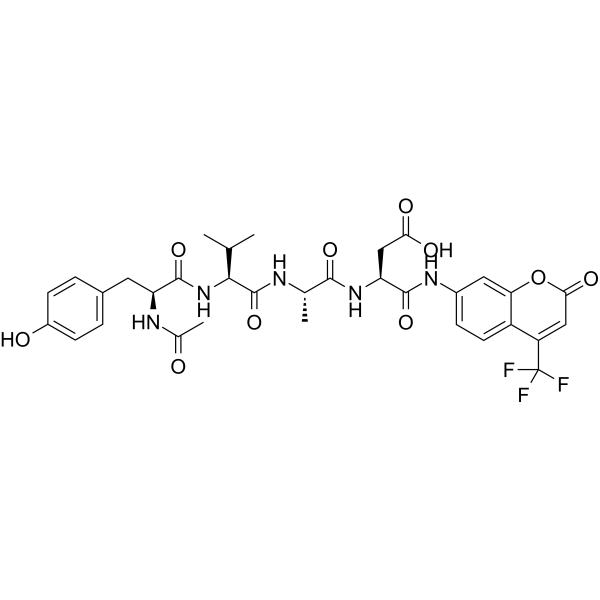
Ac-YVAD-AFC is a specifically designed fluorescent Caspase-1 substrate. Ac-YVAD-AFC can be specifically cleaved by activated Caspase-1, thereby releasing free AFC fluorophore for detection. Ac-YVAD-AFC is a powerful tool for quantitative analysis of enzyme activity, for example, playing a key role in studying TNF-α-induced Caspase-1 activation in adipocyte lysates. Ac-YVAD-AFC is widely used in mechanistic studies of inflammasome signaling pathways and related diseases such as sepsis .
loading...
    loading...
3
3 Cited Publications
Cat. No.: HY-13721
CAS No.: 81267-65-4
Purity:  99.89%
Synonyms: Idronoxil; Dehydroequol; Haginin E
Research Areas:  

Cancer

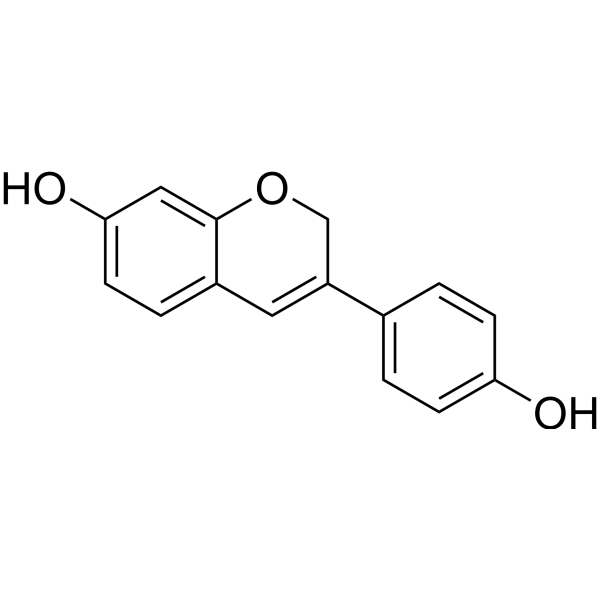
Phenoxodiol (Idronoxil), a synthetic analog of Genestein, activates the mitochondrial caspase system, inhibits XIAP (an apoptosis inhibitor), and sensitizes the cancer cells to Fas-mediated apoptosis. Phenoxodiol also inhibits DNA topoisomerase II by stabilizing the cleavable complex. Phenoxodiol induces cell cycle arrest in the G1/S phase of the cell cycle and upregulates p21 WAF1 via a p53 independent manner .
loading...
    loading...
3
3 Cited Publications
Cat. No.: HY-156413
CAS No.: 2454019-69-1
Purity:  99.47%
Research Areas:  

Inflammation/Immunology

NLRP3 agonist 1 (Compound 23) is an orally active NLRP3 agonist. NLRP3 agonist 1 can activate the enzyme Caspase-1 to cleave pro-IL-1β and pro-IL-18 proinflammatory cytokines into their mature forms .
loading...
    loading...
2
2 Cited Publications
Cat. No.: HY-D0848
CAS No.: 110-26-9
Synonyms: Bisacrylamide; MBA; Methylenebisacrylamide; N,N-Methylenebisacrylamide
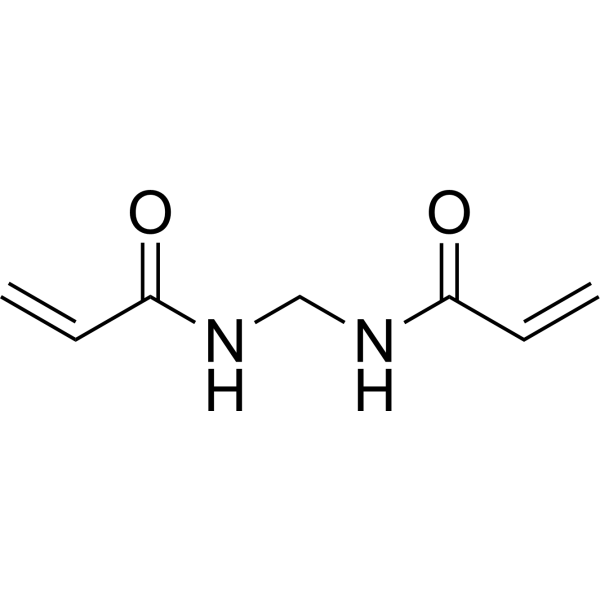
N,N'-Methylenebisacrylamide (Bisacrylamide) is an orally active acrylamide dimer and crosslinker. N,N'-Methylenebisacrylamide increases CYP2E1, P53, cleaved caspase-3. N,N'-Methylenebisacrylamide promotes hepatic cancer. N,N'-Methylenebisacrylamide changes sperm abnormality rate and sperm count. N,N'-Methylenebisacrylamide decreases the number of various cells in the blood as well as induces liver and testicular damage. N,N'-Methylenebisacrylamide is used to prepare polyacrylamide gel .
loading...
    loading...
2
2 Cited Publications
Cat. No.: HY-N1970
CAS No.: 31721-94-5
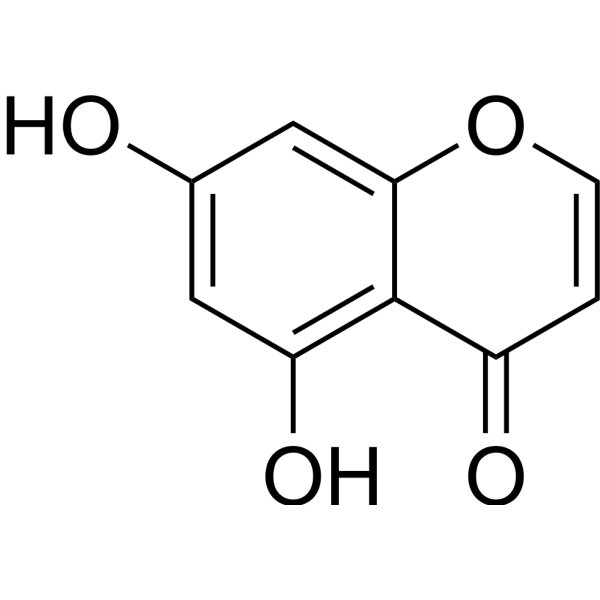
5,7-Dihydroxychromone is a flavonoid compound with antioxidant properties. 5,7-Dihydroxychromone induces Nrf2 nuclear translocation, increases Nrf2/ARE binding activity, and up-regulates Nrf2-dependent antioxidant genes HO-1, NQO1, GCLc. 5,7-Dihydroxychromone attenuates excessive ROS generation, inhibits activated caspase-3, caspase-9, cleaved PARP expression, and prevents neuronal apoptosis and cell death. 5,7-Dihydroxychromone increases LXRα and PPARγ mRNA expression, induces preadipocyte differentiation, and regulates blood glucose levels. 5,7-Dihydroxychromone inhibits radial growth of soil pathogenic fungi, radicle elongation of select seedlings, and transiently inhibits Bradyrhizobium sp. growth in high mannitol medium. 5,7-Dihydroxychromone can be used for the research of Parkinson’s disease, type 2 diabetes mellitus and pathogenic fungal infection .
loading...
    loading...
1
1 Cited Publications
Cat. No.: HY-122611A
CAS No.: 1353749-74-2
Purity:  99.97%
Research Areas:  

Cancer

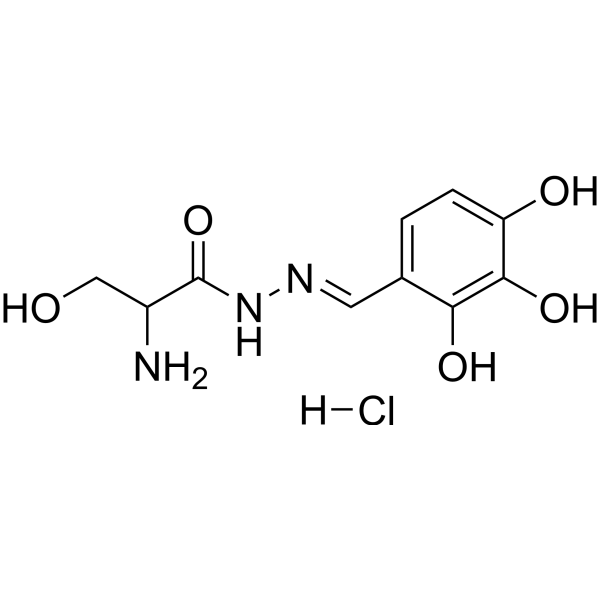
CSRM617 hydrochloride is a selective small-molecule inhibitor of the transcription factor ONECUT2 (OC2, a master regulator of androgen receptor) with a Kd of 7.43 uM in SPR assays, binding to OC2-HOX domain directly. CSRM617 hydrochloride induces apoptosis by appearance of cleaved Caspase-3 and PARP. CSRM617 hydrochloride is well tolerated in the prostate cancer mouse model
loading...
    loading...
1
1 Cited Publications
Cat. No.: HY-N6082
CAS No.: 34298-86-7
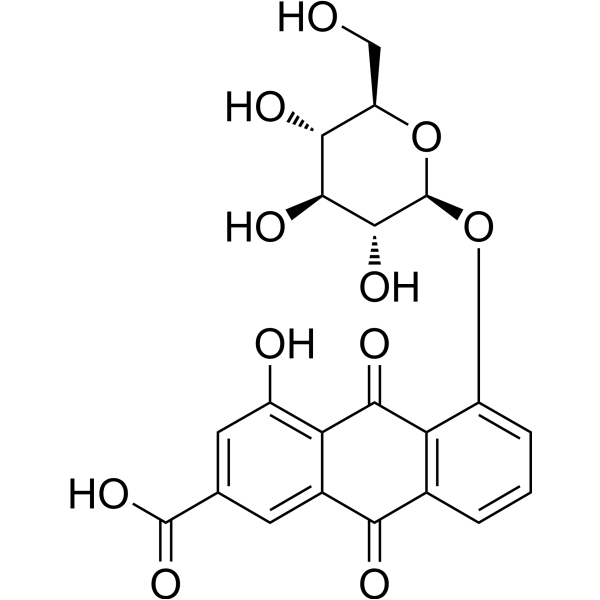
Rhein 8-O-β-D-Glucopyranoside is an orally active glycoside found in Rhubarb. Rhein 8-O-β-D-Glucopyranoside attenuates high glucose-induced apoptosis, recovers altered lincRNA ANRIL and let-7a expression, reverses high glucose-altered Bcl-2 and cleaved caspase-3 protein expression, and inhibits TGF-β1/Smad signaling. Rhein 8-O-β-D-Glucopyranoside accelerates Sennoside A (HY-N0365) metabolism, stimulates sennoside A purgative activity. Rhein 8-O-β-D-Glucopyranoside inhibits bacterial biofilm formation, suppresses its virulence gene expression, and exerts antibacterial activity. Rhein 8-O-β-D-Glucopyranoside can be used for the research of diabetic nephropathy, constipation, and infection .
loading...
    loading...
1
1 Cited Publications
Cat. No.: HY-172158
CAS No.: 140481-05-6
Research Areas:  

Cancer

ALKBH5-IN-5 is a highly selective ALKBH5 (IC50 = 0.62 μM, Kd = 804 nM). ALKBH5-IN-5 disrupts ALKBH5 binding to m 6A-RNA and 6mA-DNA substrates. ALKBH5-IN-5 promotes differentiation, induces apoptosis, cause G2-M phase arrest and exerts strong antiproliferative effects in cancer cells. ALKBH5-IN-5 reduces TACC3 and MYC protein levels and increases cleaved caspase-3 levels. ALKBH5-IN-5 exerts antitumor activity in tumor xenograft mice models. ALKBH5-IN-5 can be used for the research of acute myeloid leukemia .
loading...
    loading...
1
1 Cited Publications
Cat. No.: HY-N8481
CAS No.: 108238-41-1
Synonyms: 3,6-DHF
Target:  

Apoptosis

Research Areas:  

Cancer

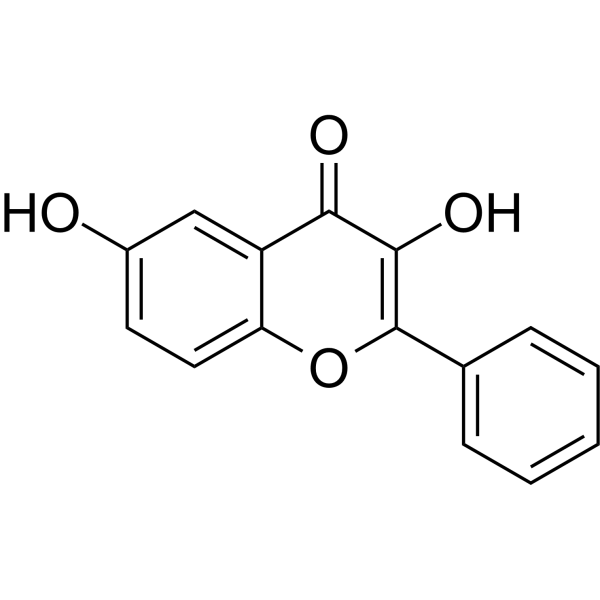
3,6-Dihydroxyflavone is an anti-cancer agent. 3,6-Dihydroxyflavone dose- and time-dependently decreases cell viability and induces apoptosis by activating caspase cascade, cleaving poly (ADP-ribose) polymerase (PARP). 3,6-Dihydroxyflavone increases intracellular oxidative stress and lipid peroxidation .
loading...
    loading...
1
1 Cited Publications
Cat. No.: HY-N0320
CAS No.: 142998-47-8
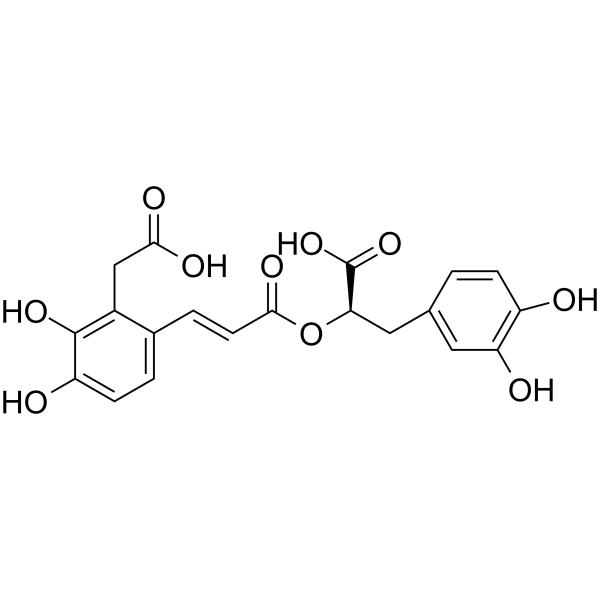
Salvianolic acid D is a depside. Salvianolic acid D can be isolated from Salvia miltiorrhiza (Danshen). Salvianolic acid D promotes the expression of Bcl-2, and inhibits the expressions of Bax, Cleaved caspase-3 and -9. Salvianolic acid D reduces the expression levels of TLR4, MyD88 and TRAF6 proteins both in vitro and in vivo, and significantly inhibits the nuclear translocation of NF-κB. Salvianolic acid D inhibits the cytoplasmic translocation of HMGB1. Salvianolic acid D suppresses inflammatory responses and alleviates cerebral ischemia-reperfusion injury. Salvianolic acid D serves as a potential antiplatelet active component .
loading...
    loading...
Cat. No.: HY-Y1325I
CAS No.: 6131-90-4
Sodium acetate trihydrate, 99.5% is a carboxylic acid and short-chain fatty acid (SCFAs). Sodium acetate trihydrate activates AMPK, increases ROS, cleaved caspase 9, PPARα, downregulates SREBP-1c, ChREBP expression. Sodium acetate trihydrate exhibits antifungal activity against Saccharomyces cerevisiae W303-1A. Sodium acetate trihydrate regulates energy metabolism. Sodium acetate trihydrate has anticancer activity against gastric cancer. Sodium acetate trihydrate induces writhing reaction and ulcerative colitis. Sodium acetate trihydrate can be used in the researches for gastric cancer, ulcerative colitis, hepatic steatosis, and pain .
loading...
    loading...
Cat. No.: HY-N6017
CAS No.: 19906-72-0
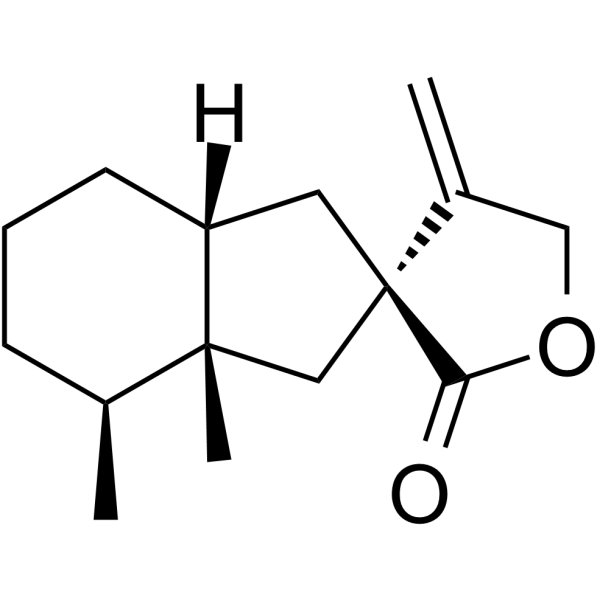
Bakkenolide A is an anticancer agent. Bakkenolide A reduces the viability of leukemia cells, inhibits cell colony formation and invasion, and downregulates the expression of HDAC3 in cells. Bakkenolide A downregulates the expression of pro-inflammatory cytokines including TNF-α, interleukins such as IL-1β, TGF-β1 and IFN-γ, as well as the expression of PI3K, PDK and PKC in leukemia cells. Bakkenolide A downregulates activated Akt, GSK and Bad, while upregulates Cyto-c, cleaved Caspase3 and cleaved Caspase7, induces apoptosis (apoptosis) in leukemia cells and thereby inhibits inflammatory responses in leukemia cells. Bakkenolide A significantly slows the growth of subcutaneous leukemia tumors in nude mice. Bakkenolide A is applicable to leukemia-related research .
loading...
    loading...
Cat. No.: HY-143221
Purity:  95.13%
Target:  

Drug Intermediate

Research Areas:  

Cardiovascular Disease

AS-Inclisiran sodium is the antisense of Inclisiran (HY-132591). Inclisiran is a double-stranded small interfering RNA (siRNA) molecule. Inclisiran inhibits the transcription of PCSK9. Inclisiran inhibits Pyroptosis, activates PPARγ, and reduces NLRP3, cleaved caspase-1, IL-1β, and IL-18. Inclisiran has anti-inflammatory, lipid-regulating and anti-atherosclerotic activities. Inclisiran can be used in researches of hyperlipidemia and cardiovascular disease (CVD) .
loading...
    loading...
Cat. No.: HY-179078
CAS No.: 1996636-69-1
Target:  

OLIG2 Apoptosis Caspase PARP

Research Areas:  

Neurological Disease Cancer

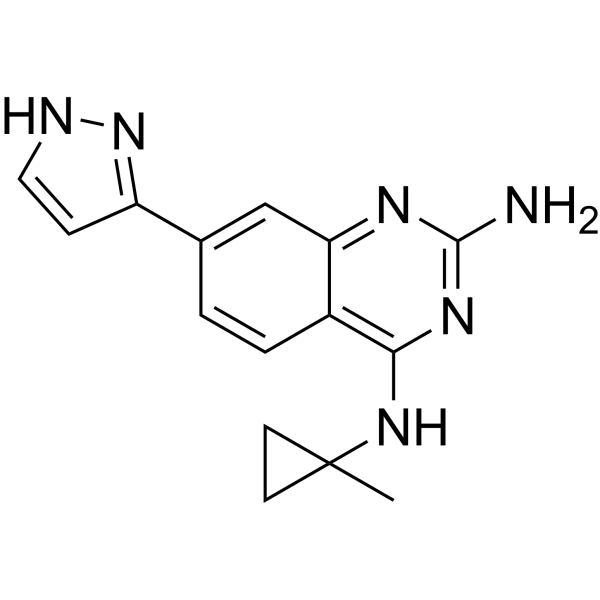
CT-179 is a brain-penetrant and orally active OLIG2 inhibitor with a human IC50 of 1250 nM. CT-179 disrupts OLIG2 dimerization, phosphorylation, and DNA binding, blocking OLIG2-driven transcription. CT-179 induces G2/M phase arrest and increases G0 population. CT-179 induces apoptosis by reducing anti-apoptotic proteins and increasing cleaved caspase-3 and cleaved PARP. CT-179 can be used for the research of subgroup medulloblastoma .
loading...
    loading...

