
12 Results for "

coliforms

" in MedChemExpress (MCE) Product Catalog:
Products (12)

12 Results for "coliforms" in MCE Product Catalog:

1
1 Cited Publications
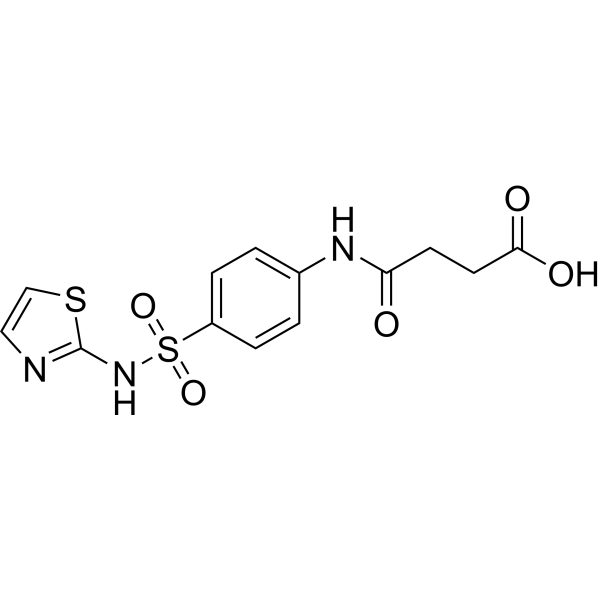
Cat. No.: HY-B0921
CAS No.: 116-43-8
Synonyms: Succinylsulphathiazole
Succinylsulfathiazole (Succinylsulphathiazole) is a long-acting sulfonamide antibiotic with localized gut-specific antibacterial activity and is orally active. Succinylsulfathiazole inhibits bacterial folate synthesis, reduces coliform counts, suppresses intestinal bacterial growth and vitamin biosynthesis, and depletes gut folate-producing bacteria. Succinylsulfathiazole modulates hepatic mTOR signaling, diminishes cecal fermentation, decreases hepatic folate levels and total folate excretion, elevates nitrogen excretion and reduces the fermentability of certain dietary fibers. Succinylsulfathiazole induces folate deficiency and triggers biotin- and folate-related nutritional deficiency symptoms in rats and C57BL/6 mice .
loading...
    loading...
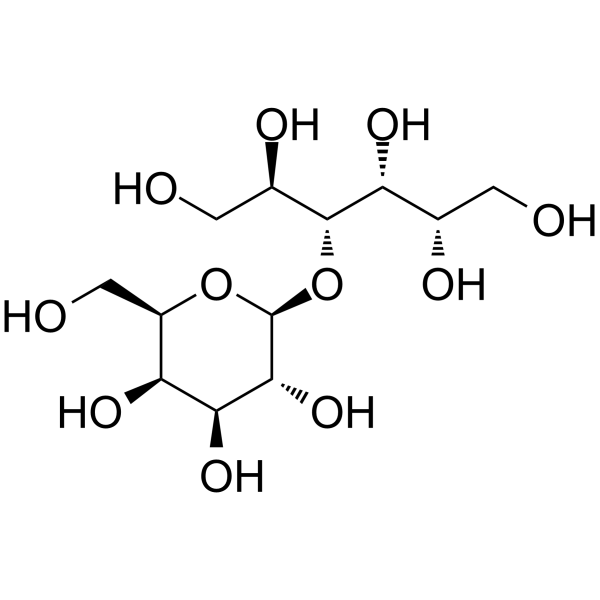
Cat. No.: HY-N7104
CAS No.: 585-86-4
Synonyms: D-Lactitol
Target:  

Bacterial

Lactitol (D-Lactitol) is a non-absorbable disaccharide and Bacterial regulator. Lactitol reduces the populations of Bacteroides, Clostridium, coliforms and Eubacterium, while increasing the populations of Lactobacillus and Streptococcus. Lactitol can be used in the research of portosystemic encephalopathy and chronic constipation .
loading...
    loading...
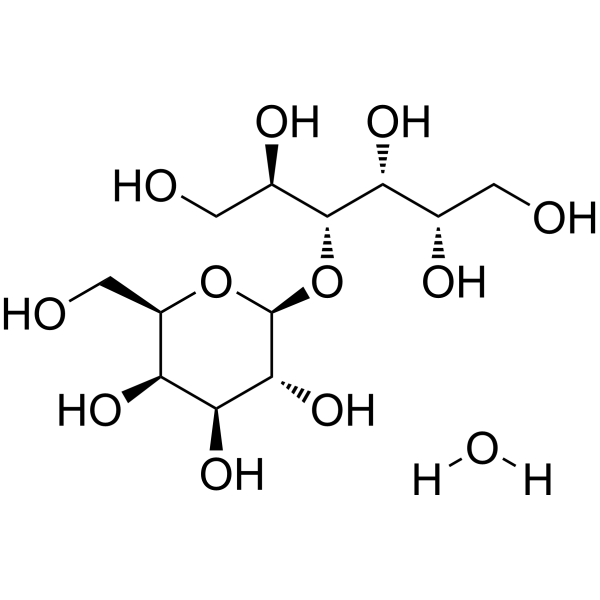
Cat. No.: HY-B1389
CAS No.: 81025-04-9
Synonyms: D-Lactitol monohydrate
Target:  

Bacterial

Lactitol monohydrate (D-Lactitol monohydrate) is a non-absorbable disaccharide and Bacterial regulator. Lactitol monohydrate reduces the populations of Bacteroides, Clostridium, coliforms and Eubacterium, while increasing the populations of Lactobacillus and Streptococcus. Lactitol monohydrate can be used in the research of portosystemic encephalopathy and chronic constipation .
loading...
    loading...
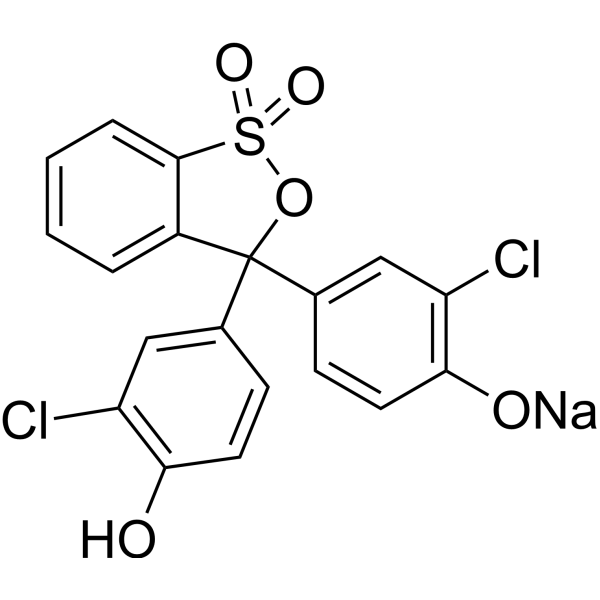
Cat. No.: HY-W331502
CAS No.: 123333-64-2
Synonyms: 3,3''-Dichlorophenolsulfonphthalein sodium
Research Areas:  

Others

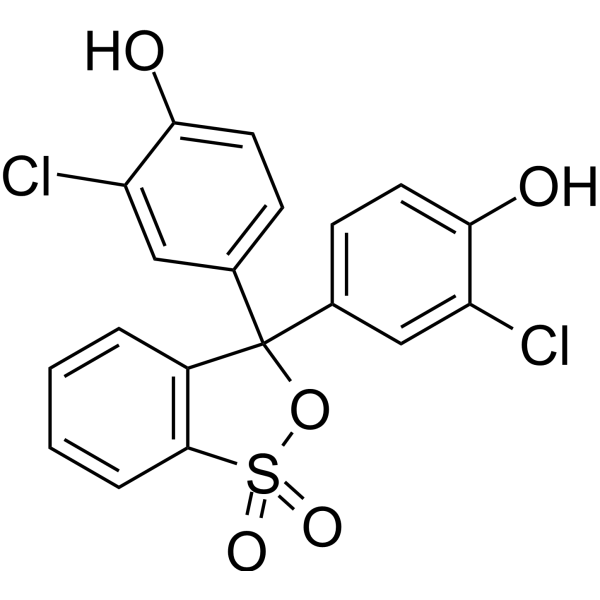
Chlorophenol Red sodium is a sulfonephthalein pH indicator dye and chromogenic beta-galactosidase substrate. Chlorophenol Red sodium enables the detection of coliform bacteria through β-galactosidase activity. Chlorophenol Red sodium can be used in research on drinking water quality monitoring .
loading...
    loading...
Cat. No.: HY-157349
Synonyms: BGLB
Brilliant Green Lactose Bile Broth can be used for confirmatory testing of coliform bacteria. The ingredients of Blood Enrichment Medium include tryptone, lactose, ox bile powder, and brilliant green .
loading...
    loading...
Cat. No.: HY-D0013
CAS No.: 4430-20-0
Synonyms: 3,3''-Dichlorophenolsulfonphthalein
Research Areas:  

Others

Chlorophenol Red is a sulfonephthalein pH indicator dye and chromogenic beta-galactosidase substrate. Chlorophenol Red enables the detection of coliform bacteria through β-galactosidase activity. Chlorophenol Red can be used in research on drinking water quality monitoring .
loading...
    loading...
Cat. No.: HY-157350
Synonyms: VRBA
Violet Red Bile Agar can be used for solid plate detection of coliforms (GB, SN standards). Violet Red Bile Agar ingredients include peptone, yeast powder, sodium chloride, lactose, bile salts, crystal violet, neutral red, agar .
loading...
    loading...
Cat. No.: HY-B1389R
CAS No.: 81025-04-9
Synonyms: D-Lactitol monohydrate (Standard)
Lactitol (monohydrate) (Standard) is the analytical standard of Lactitol monohydrate (HY-B1389). This product is intended for research and analytical applications. Lactitol monohydrate (D-Lactitol monohydrate) is a non-absorbable disaccharide and Bacterial regulator. Lactitol monohydrate reduces the populations of Bacteroides, Clostridium, coliforms and Eubacterium, while increasing the populations of Lactobacillus and Streptococcus. Lactitol monohydrate can be used in the research of portosystemic encephalopathy and chronic constipation .
loading...
    loading...
Cat. No.: HY-N7104R
CAS No.: 585-86-4
Synonyms: D-Lactitol (Standard)
Lactitol (Standard) is the analytical standard of Lactitol (HY-N7104). This product is intended for research and analytical applications. Lactitol (D-Lactitol) is a non-absorbable disaccharide and Bacterial regulator. Lactitol reduces the populations of Bacteroides, Clostridium, coliforms and Eubacterium, while increasing the populations of Lactobacillus and Streptococcus. Lactitol can be used in the research of portosystemic encephalopathy and chronic constipation .
loading...
    loading...
Cat. No.: HY-B0921R
CAS No.: 116-43-8
Synonyms: Succinylsulphathiazole (Standard)
Succinylsulfathiazole (Standard) (Succinylsulphathiazole) is the analytical standard of Succinylsulfathiazole (HY-B0921). This product is intended for research and analytical applications. Succinylsulfathiazole is a long-acting sulfonamide antibiotic with localized gut-specific antibacterial activity and is orally active. Succinylsulfathiazole inhibits bacterial folate synthesis, reduces coliform counts, suppresses intestinal bacterial growth and vitamin biosynthesis, and depletes gut folate-producing bacteria. Succinylsulfathiazole modulates hepatic mTOR signaling, diminishes cecal fermentation, decreases hepatic folate levels and total folate excretion, elevates nitrogen excretion and reduces the fermentability of certain dietary fibers. Succinylsulfathiazole induces folate deficiency and triggers biotin- and folate-related nutritional deficiency symptoms in rats and C57BL/6 mice .
loading...
    loading...
Cat. No.: HY-179190
MacConkey Broth is used for the detection of coliform bacteria in milk and water .
loading...
    loading...
Cat. No.: HY-W750220
Target:  

β-glucuronidase

Research Areas:  

Metabolic Disease

4-Methylumbelliferyl β-D-glucuronide dihydrate is a fluorescent substrate and fluorescent probe used to detect the activity of β-D-glucuronidase. 4-Methylumbelliferyl β-D-glucuronide dihydrate also serves as a surrogate for assessing fecal coliform contamination in aquatic environments. 4-Methylumbelliferyl β-D-glucuronide dihydrate releases 4-methylumbelliferone via enzyme-mediated cleavage of the β-glycosidic bond; the latter emits fluorescence under alkaline conditions, with an excitation wavelength of 365-366 nm and an emission wavelength of 444 nm .
loading...
    loading...
  • 1

