28 Results for "
colon tissues
" in MedChemExpress (MCE) Product Catalog:
Products (28)
28 Results for "colon tissues" in MCE Product Catalog:
3
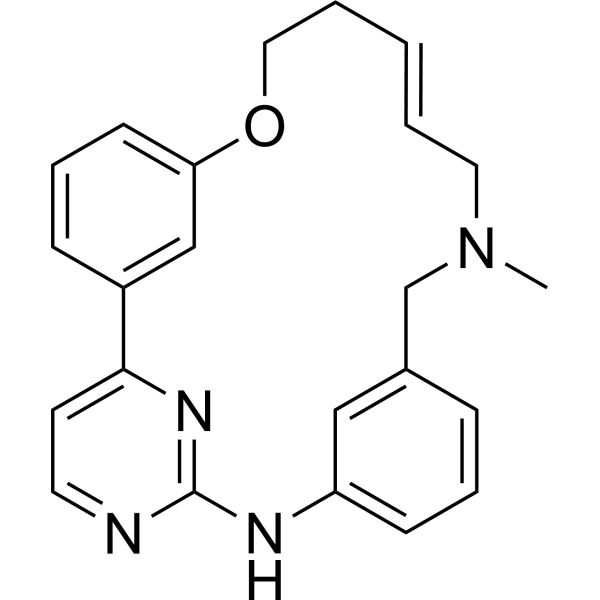
Zotiraciclib (TG02; SB1317) is an orally active JAK2/FLT3/CDK2 inhibitor with IC50 values of 13 nM, 73 nM and 56 nM , respectively. Zotiraciclib inhibits cancer cell proliferation, tumor growth and the activity of CYP2D6. Zotiraciclib exhibits high plasma protein binding rate, Caco-2 permeability and tissue distribution capacity, as well as metabolic stability in human and canine liver microsomes. Zotiraciclib achieves tumor growth inhibition in nude mouse models of colon cancer and lymphoma xenografts. Zotiraciclib can be used for research related to colon cancer, B-cell lymphoma, advanced leukemia, acute leukemia and multiple myeloma .
1
1 Cited Publications
Research Areas:
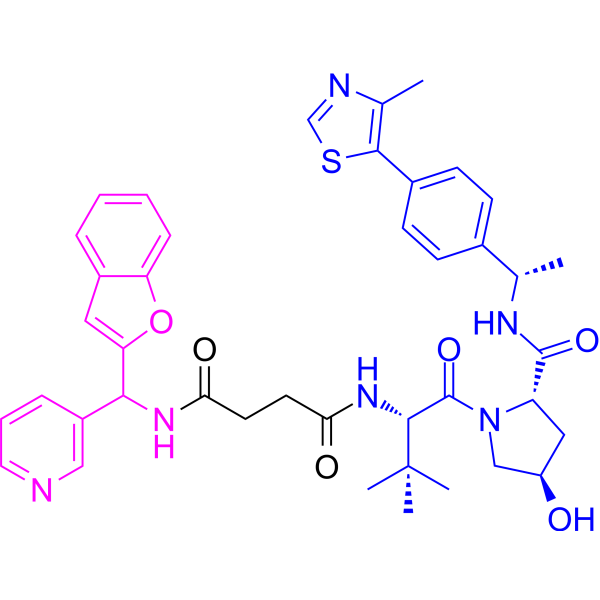
(S,R,S)-AHPC-C2-amide-benzofuranylmethyl-pyridine is a dual-targeting PROTAC molecule. (S,R,S)-AHPC-C2-amide-benzofuranylmethyl-pyridine not only targets the ubiquitination and degradation of Smad3, but also elevates the protein level of HIF-α, thereby exerting multi-pathway anti-fibrotic and renoprotective effects. (S,R,S)-AHPC-C2-amide-benzofuranylmethyl-pyridine can be used in a wide range of tumor studies including cancers with KRAS inhibitor resistance, covering pancreatic ductal adenocarcinoma, acute myeloid leukemia, and various soft tissue sarcomas (such as fibrosarcoma, liposarcoma, chondrosarcoma, etc.). (S,R,S)-AHPC-C2-amide-benzofuranylmethyl-pyridine can also be applied to research related to various solid tumors and hematological malignancies, involving multiple cancer types such as colon cancer, breast cancer, ovarian cancer, non-small cell lung cancer, glioblastoma, and melanoma .
Target:
Research Areas:
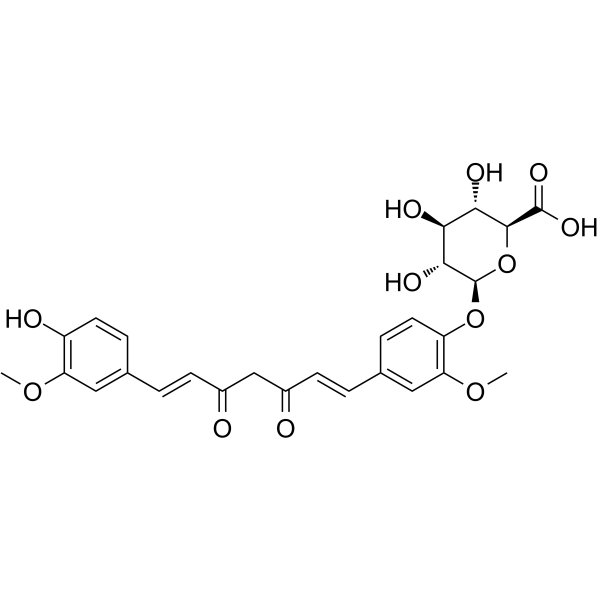
Curcumin-β-D-glucuronide is a major metabolite after oral intake of Curcumin in hepatic tissue and portal blood. Curcumin-β-D-glucuronide can be used for the research of colon cancer .
Cat. No.: HY-W324435
CAS No.: 885-62-1
Synonyms: Sodium 2,4-dinitrobenzenesulfonate; DNBS sodium salt; DNBSO sodium salt
Research Areas:
2,4-Dinitrobenzenesulfonic acid (DNBS; DNBSO) sodium salt (Sodium 2,4-dinitrobenzenesulfonate) is a classic colitis inducer that relies on activation of the NF-κB p65/COX-2/p38 pathway. As a hapten, 2,4-Dinitrobenzenesulfonic acid sodium salt stimulates the production of immune responses in colonic tissues, triggers oxidative stress and inflammatory reactions, and thereby leads to colonic injury. 2,4-Dinitrobenzenesulfonic acid sodium salt successfully induces models of colitis and ulcerative colitis in rats, causing pathological changes such as ulcers, edema, stenosis, shortening and organ adhesion in the distal colon, along with significant increases in the levels of inflammatory indicators and endoplasmic reticulum stress marker proteins. 2,4-Dinitrobenzenesulfonic acid sodium salt is widely used in studies on the mechanisms related to colitis and ulcerative colitis .