
10194 Results for "

computationally designed peptides

" in MedChemExpress (MCE) Product Catalog:
Products (10194)

10194 Results for "computationally designed peptides" in MCE Product Catalog:

266
266 Publications Verification
Cat. No.: HY-13948
CAS No.: 4474-91-3
Purity:  99.98%
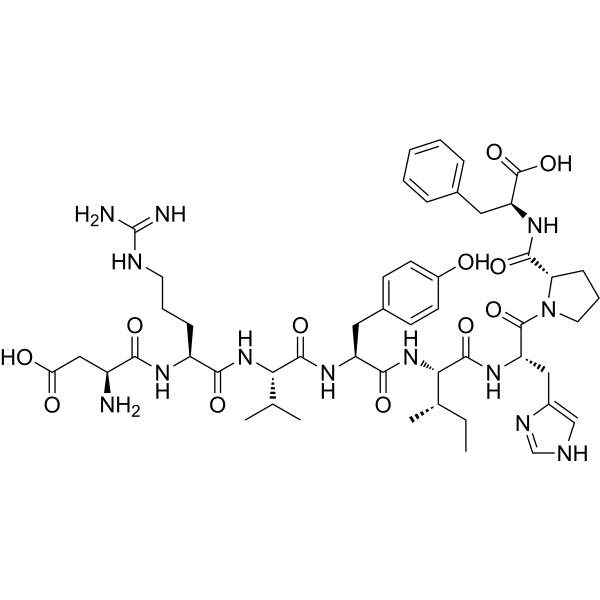
Synonyms: Angiotensin II; Ang II; DRVYIHPF
Angiotensin II (Angiotensin II) is a vasoconstrictor and a major bioactive peptide of the renin/angiotensin system. Angiotensin II human plays a central role in regulating human blood pressure, which is mainly mediated by interactions between Angiotensin II and the G-protein-coupled receptors (GPCRs) Angiotensin II type 1 receptor (AT1R) and Angiotensin II type 2 receptor (AT2R). Angiotensin II human stimulates sympathetic nervous stimulation, increases aldosterone biosynthesis and renal actions. Angiotensin II human induces growth of vascular smooth muscle cells, increases collagen type I and III synthesis in fibroblasts, leading to thickening of the vascular wall and myocardium, and fibrosis. Angiotensin II human also induces apoptosis. Angiotensin II induces capillary formation from endothelial cells via the LOX-1 dependent redox-sensitive pathway .
loading...
    loading...
139
139 Cited Publications
Cat. No.: HY-P1410
CAS No.: 1209500-46-8
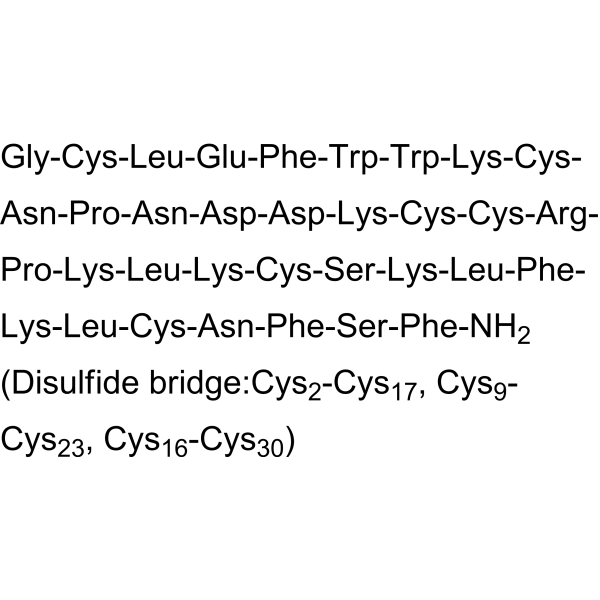
GsMTx4 is a spider venom peptide that selectively inhibits cationic-permeable mechanosensitive channels (MSCs) belonging to the Piezo and TRP channel families. GsMTx4 also blocks cation-selective stretch-activated channels (SACs) , attenuates lysophosphatidylcholine (LPC)-induced astrocyte toxicity and microglial reactivity. GsMTx4 is an important pharmacological tool for identifying the role of these excitatory MSCs in normal physiology and pathology .
loading...
    loading...
139
139 Cited Publications
Cat. No.: HY-P1410A
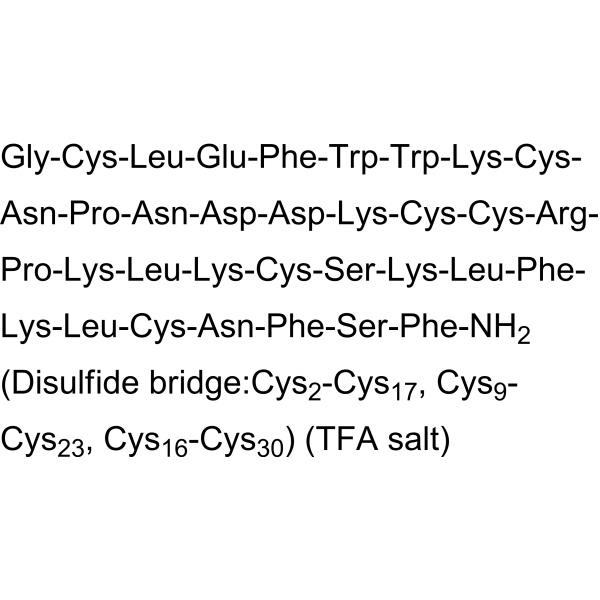
GsMTx4 TFA is a spider venom peptide that selectively inhibits cationic-permeable mechanosensitive channels (MSCs) belonging to the Piezo and TRP channel families. GsMTx4 TFA also blocks cation-selective stretch-activated channels (SACs) , attenuates lysophosphatidylcholine (LPC)-induced astrocyte toxicity and microglial reactivity. GsMTx4 TFA is an important pharmacological tool for identifying the role of these excitatory MSCs in normal physiology and pathology .
loading...
    loading...
83
83 Cited Publications
Cat. No.: HY-K1057

Puromycin is an aminonucleoside antibiotic produced by Streptomyces alboniger. It inhibits protein synthesis by disrupting peptide transfer on ribosomes, causing premature chain termination during translation. It can kill most gram-positive bacteria and various animal or insect cells.

loading...
    loading...
72
72 Cited Publications
Cat. No.: HY-13443
CAS No.: 141758-74-9
Purity:  99.95%
Synonyms: Exenatide
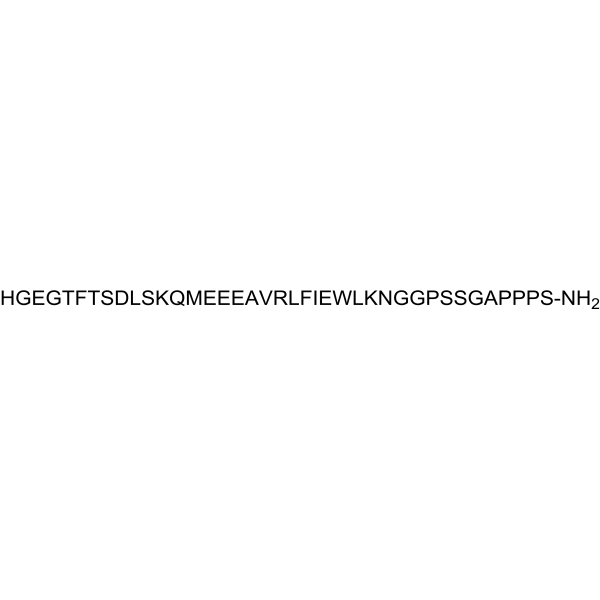
Exendin‑4 (Exenatide) is an orally active, blood-brain barrier-permeable glucagon-like peptide-1 receptor (GLP‑1 receptor) agonist that resists degradation mediated by dipeptidyl peptidase IV. Exendin‑4 mediates multiple glucose-regulating effects, including stimulation of glucose-dependent insulin secretion, inhibition of glucagon production, increase in β-cell mass, delay of gastric emptying, reduction of food intake, improvement of peripheral insulin sensitivity, and restoration of normal islet structure. Exendin‑4 inhibits oxidative stress, alleviates inflammatory responses, and reduces neuronal apoptosis. Exendin‑4 reduces the aggregation level of mutant huntingtin, improves motor function, prolongs survival time, and regulates the expression levels of leptin and ghrelin. Exendin‑4 can be used in research related to type 2 diabetes, acute ischemic stroke, and Huntington's disease .
loading...
    loading...
71
71 Cited Publications
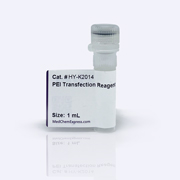
Cat. No.: HY-K2014

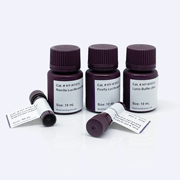
MCE PEI Transfection Reagent is designed based on 25 kDa PEI. It has high-efficiency, low-toxicity, strong-stability, and is suitable for many cell types, such as HEK-293、HEK-293T、CHO-K1、COS-1、COS-7、NIH/3T3、Sf9、HepG2 and HeLa et, even some hard-to-transfect cells. It can also be applied to large-scale recombinant protein expression and virus production. The 1 mL is defined as the base specification. All larger sizes correspond to incremental volumes of this base.

loading...
    loading...
51
51 Cited Publications
Cat. No.: HY-P0128
CAS No.: 131602-53-4
Synonyms: Amyloid beta-peptide (25-35); Aβ25-35; β-Amyloid peptide (25-35)
Target:  

Amyloid-β

Research Areas:  

Neurological Disease

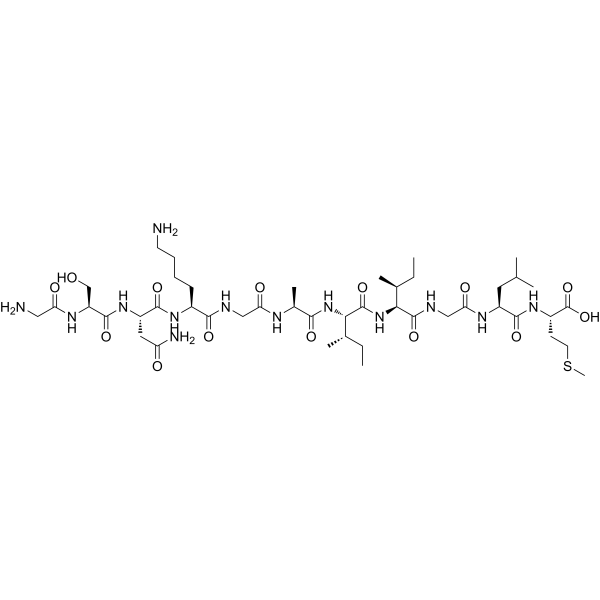
β-Amyloid (25-35) (Amyloid beta-peptide (25-35)) is the fragment Aβ(25-35) of the Alzheimer's amyloid β-peptide, has shown neurotoxic activities in cultured cells .
loading...
    loading...
51
51 Cited Publications
Cat. No.: HY-P0128A
CAS No.: 131602-53-4
Synonyms: Amyloid beta-peptide (25-35), HFIP-treated; Aβ25-35, HFIP-treated; β-Amyloid peptide (25-35), HFIP-treated
Target:  

Amyloid-β

Research Areas:  

Neurological Disease

β-Amyloid (25-35) (Amyloid beta-peptide (25-35)), HFIP-treated is a β-Amyloid (25-35) (HY-P0128) treated with HFIP. β-Amyloid (25-35) (Amyloid beta-peptide (25-35)) is the fragment Aβ(25-35) of the Alzheimer's amyloid β-peptide, has shown neurotoxic activities in cultured cells .
loading...
    loading...
46
46 Cited Publications
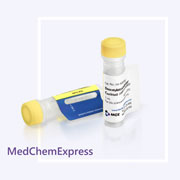
Cat. No.: HY-K0030

MCE Deacetylase Inhibitor Cocktail is a synergistic combination of chemicals designed to preserve the acetylation state of proteins.The 1 mL volume is defined as the base specification. All larger sizes correspond to incremental volumes of this base.

loading...
    loading...
43
43 Cited Publications
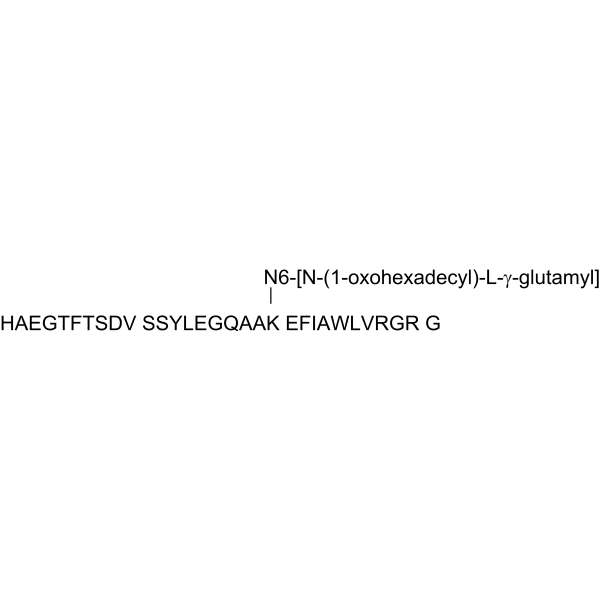
Cat. No.: HY-P0014
CAS No.: 204656-20-2
Liraglutide is a glucagon-like peptide-1 (GLP-1) receptor agonist used clinically to treat type 2 diabetes mellitus.
loading...
    loading...
43
43 Cited Publications
Cat. No.: HY-P0014B
Target:  

GLP Receptor

Research Areas:  

Metabolic Disease

Liraglutide (TFA) is an agonist of glucagon-like peptide 1 receptor (GLP-1). Liraglutide (TFA) can activate GLP-1, leading to the release of insulin in the presence of increased glucose concentration. Liraglutide (TFA) also reduces glucagon secretion in a glucose-dependent manner. Liraglutide (TFA) can be studied in research on type 2 diabetes .
loading...
    loading...
42
42 Cited Publications
Cat. No.: HY-K1013

MCE Renilla-Firefly Luciferase Dual Assay Kit is designed to be used for high-throughput, rapid quantitation of both Firefly and Renilla luciferases from a single sample in mammalian cell culture.

loading...
    loading...
36
36 Cited Publications
Cat. No.: HY-P0319
CAS No.: 402750-12-3
Research Areas:  

Others

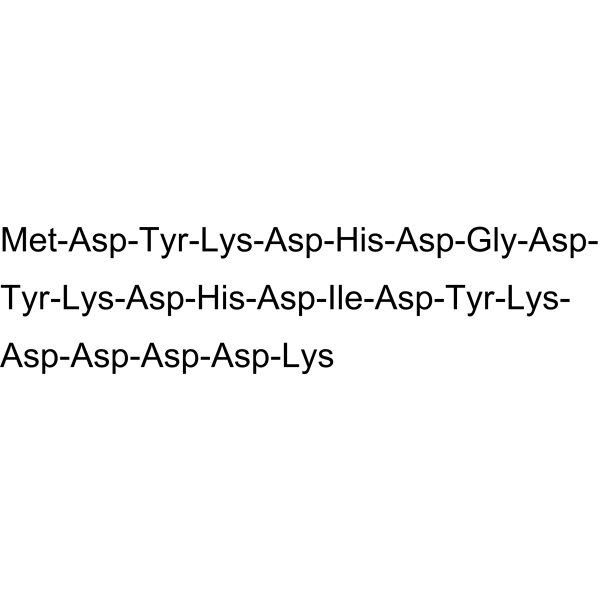
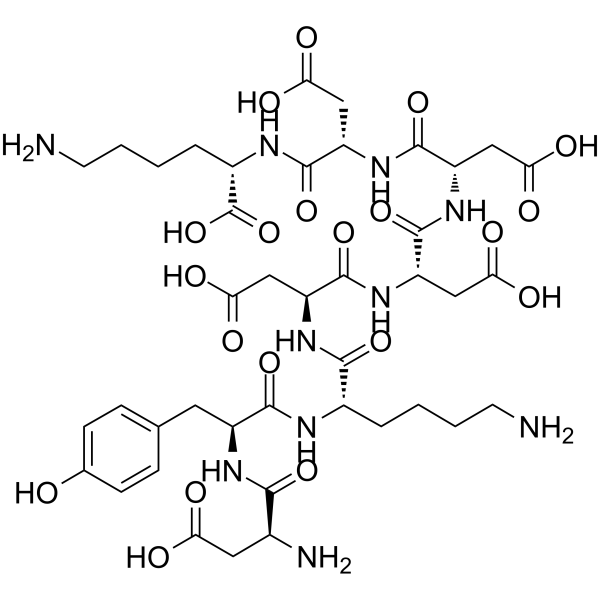
3X FLAG peptides are FLAG-tagged peptides containing three repeats of the Asp-Tyr-Lys-Xaa-Xaa-Asp motif. 3X FLAG peptide can be used for protein separation and purification, and competitive elution with target proteins.
loading...
    loading...
36
36 Cited Publications
Cat. No.: HY-P0319A
Target:  

Inhibitory Antibodies

Research Areas:  

Others

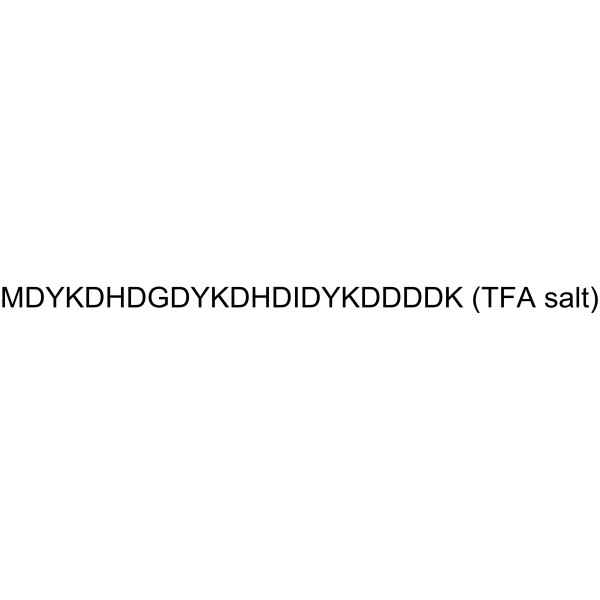
3X FLAG peptide TFA is a FLAG-tagged peptide containing three repeats of the Asp-Tyr-Lys-Xaa-Xaa-Asp motif. 3X FLAG peptide TFA can be used for protein separation and purification, and competitive elution with target proteins.
loading...
    loading...
31
31 Cited Publications
Cat. No.: HY-17571
CAS No.: 50-56-6
Synonyms: α-Hypophamine; Oxytocic hormone
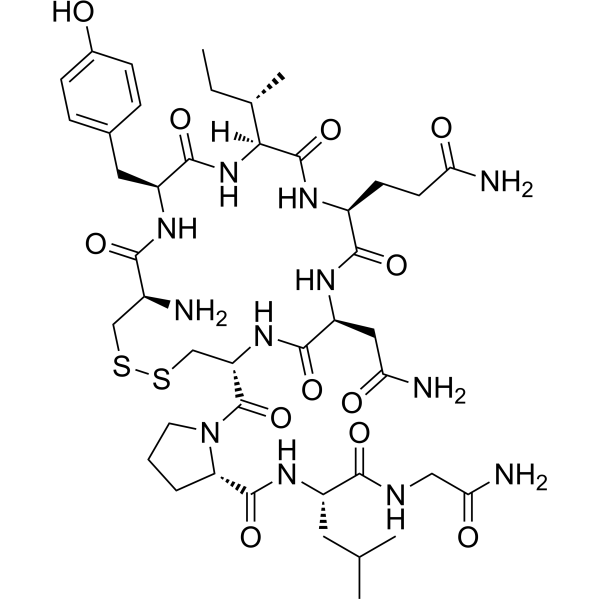
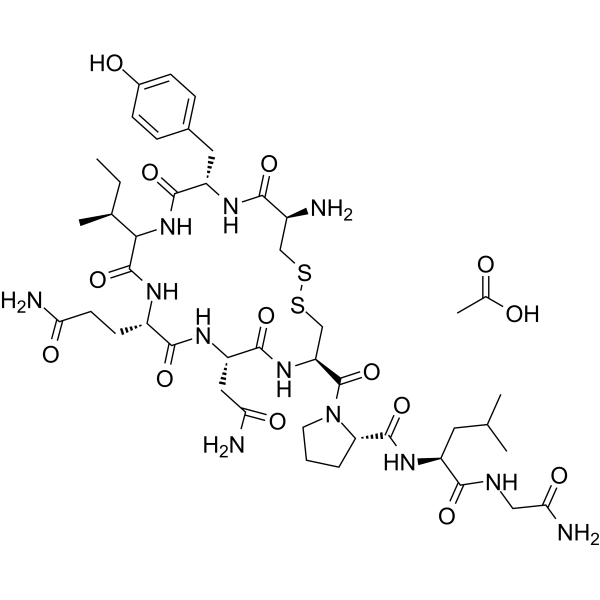
Oxytocin (α-Hypophamine; Oxytocic hormone) is a pleiotropic, hypothalamic peptide known for facilitating parturition, lactation, and prosocial behaviors. Oxytocin can function as a stress-coping molecule with anti-inflammatory, antioxidant, and protective effects especially in the face of adversity or trauma .
loading...
    loading...
31
31 Cited Publications
Cat. No.: HY-17571A
CAS No.: 6233-83-6
Synonyms: α-Hypophamine acetate; Oxytocic hormone acetate
Oxytocin (α-Hypophamine) acetate is a pleiotropic, hypothalamic peptide known for facilitating parturition, lactation, and prosocial behaviors. Oxytocin acetate can function as a stress-coping molecule with anti-inflammatory, antioxidant, and protective effects especially in the face of adversity or trauma .
loading...
    loading...
30
30 Cited Publications
Cat. No.: HY-P1363
Synonyms: Amyloid β-peptide (1-42) (human) TFA
Target:  

Amyloid-β

Research Areas:  

Neurological Disease

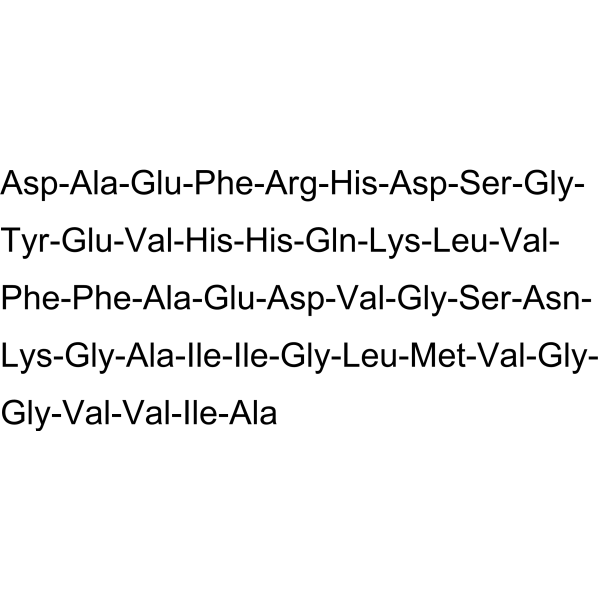
β-Amyloid (1-42) (Amyloid β-peptide (1-42), human TFA, a 42-amino acid peptide that has not been treated with HFIP, is a brain-penetrant amyloid protein fragment, which can be used in research on Alzheimer's disease and Down’s syndrome. β-Amyloid (1-42), human TFA remaining as a monomer exhibits antioxidant and neuroprotective effects. β-Amyloid (1-42), human TFA, after being monomericized by HFIP and dissolved in DMSO to form the stock solution, on the one hand, can form soluble oligomers (AβOs) when incubated at 4 °C, which have synaptic toxicity and neurotoxicity; on the other hand, it can be incubated at 37 °C to form insoluble fibrils, with lower neurotoxicity, and participating in the oxidative damage process. Aβ42 oligomers bind to various neuronal surface receptors (such as PrPc, mGluR5, NMDA receptors, etc.), triggering oxidative stress, calcium homeostasis imbalance, and synaptic toxicity via activating downstream signaling pathways, leading to neuronal dysfunction and death .
loading...
    loading...
27
27 Cited Publications
Cat. No.: HY-P0223
CAS No.: 98849-88-8
Research Areas:  

Inflammation/Immunology

FLAG peptide is a multifunctional fusion tag for the purification of recombinant proteins. FLAG peptide maintances the natural folding of its fusing proteins. FLAG peptide can be removed by enterokinase, and eluted under non-denaturing conditions .
loading...
    loading...
27
27 Cited Publications
Cat. No.: HY-P1489
CAS No.: 138831-86-4
Target:  

MHC

Research Areas:  

Inflammation/Immunology

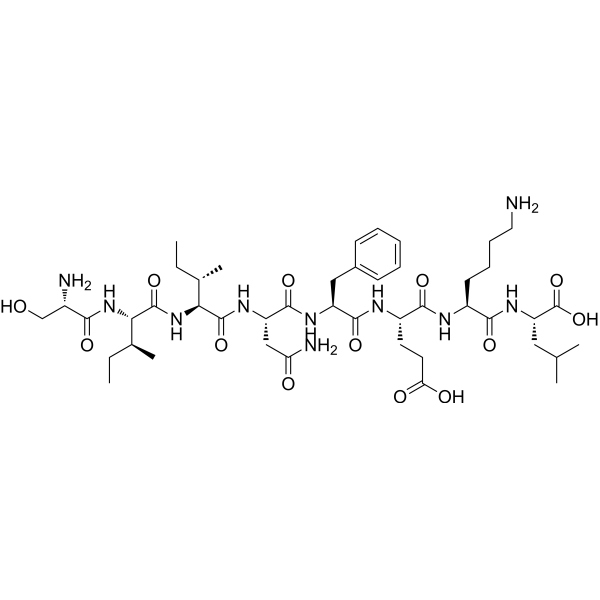
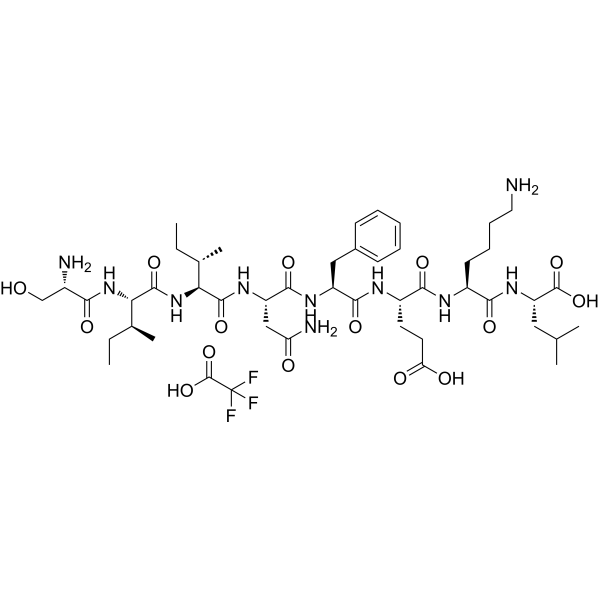
OVA Peptide(257-264) is a class I (Kb)-restricted peptide epitope of OVA, an octameric peptide can be from ovalbumin presented by the class I MHC molecule, H-2Kb.
loading...
    loading...
27
27 Cited Publications
Cat. No.: HY-P1489A
CAS No.: 1262751-08-5
Target:  

MHC

Research Areas:  

Inflammation/Immunology

OVA Peptide(257-264) TFA is a class I (Kb)-restricted peptide epitope of OVA, an octameric peptide can be from ovalbumin presented by the class I MHC molecule, H-2Kb.
loading...
    loading...

