63 Results for "

concomitant polymorphs

" in MedChemExpress (MCE) Product Catalog:
Products (63)

63 Results for "concomitant polymorphs" in MCE Product Catalog:

881
881 Publications Verification
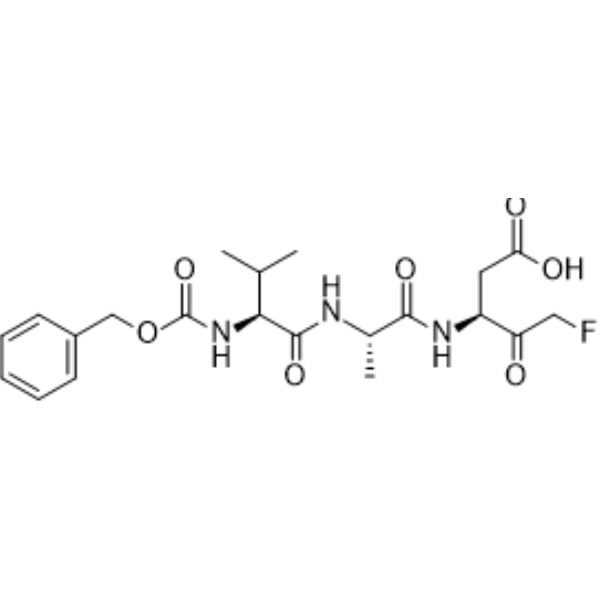
Cat. No.: HY-16658B
CAS No.: 161401-82-7
Synonyms: Z-VAD(OH)-FMK
Z-VAD-FMK is a pan-caspase inhibitor and also an ICE-like protease inhibitor, which inhibits apoptosis by preventing the processing of CPP32 to its active form. Z-VAD-FMK sensitivity varies primarily due to differential expression of receptor-interacting protein 1 (RIP1). Z-VAD-FMK limits the cryopreservation-induced apoptosis by reducing caspase-3 activity of in vitro produced bovine embryos. Z-VAD-FMK is immunosuppressive in vitro and inhibits T cell proliferation without blocking the processing of caspase-8 and caspase-3. Z-VAD-FMK leads to a decrease in intracellular glutathione (GSH) with a concomitant increase in reactive oxygen species (ROS) levels in activated T cells. Z-VAD-FMK is due to oxidative stress via the depletion of GSH. Z-VAD-FMK can be used for the study of acute pancreatitis .
loading...
    loading...
8
8 Cited Publications
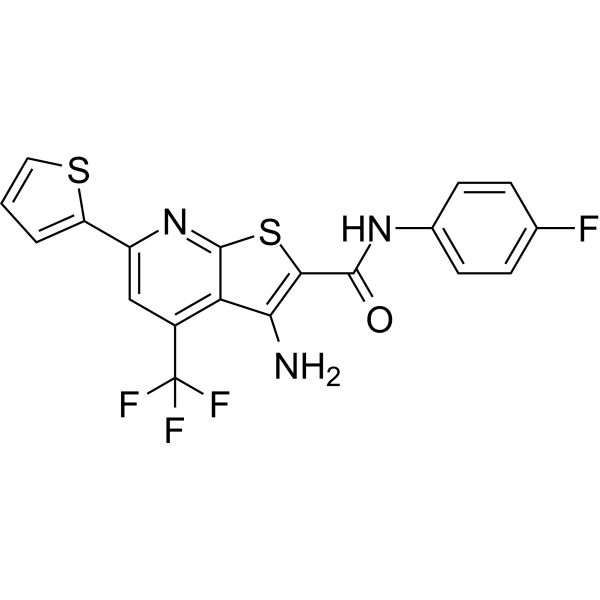
Cat. No.: HY-112721
CAS No.: 313380-27-7
Purity:  99.65%
Target:  

FOXM1 DNA/RNA Synthesis

Research Areas:  

Cancer

FDI-6 is an inhibitor of FOXM1. FDI-6 binds directly to FOXM1 protein, to displace FOXM1 from genomic targets in MCF-7 breast cancer cells, and induce concomitant transcriptional down-regulation.
loading...
    loading...
7
7 Cited Publications
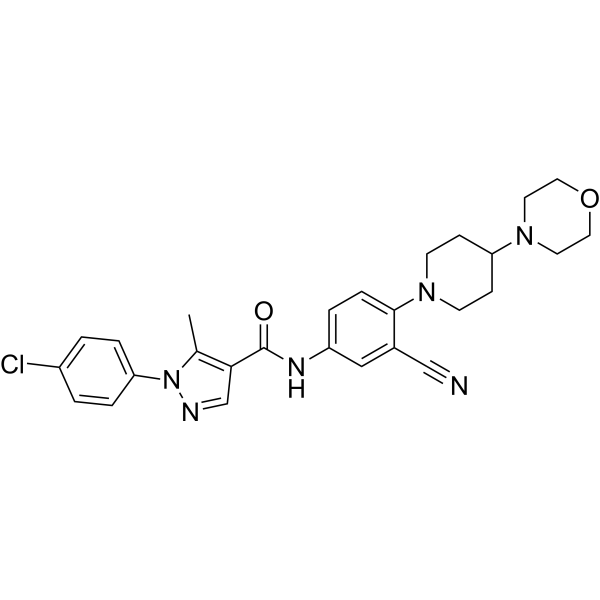
Cat. No.: HY-15898
CAS No.: 288250-47-5
Purity:  99.03%
Y-320 is a potent, orally active phenylpyrazoleanilide immunomodulator. Y-320 inhibits IL-17 production by CD4 T cells stimulated with IL-15 with IC50 values of 20 to 60 nM. Y-320 enhances TP53, DMD, and COL17A1 PTC readthrough by G418 and increases cellular protein levels and protein synthesis. Y-320 concomitants use of with a low dose of Paclitaxel (HY-B0015) significantly sensitized multidrug resistance (MDR) tumors by inducing G2/M phase arrest and apoptosis. Y-320 can be used for research of rheumatoid arthritis (RA) and cancer .
loading...
    loading...
6
6 Cited Publications
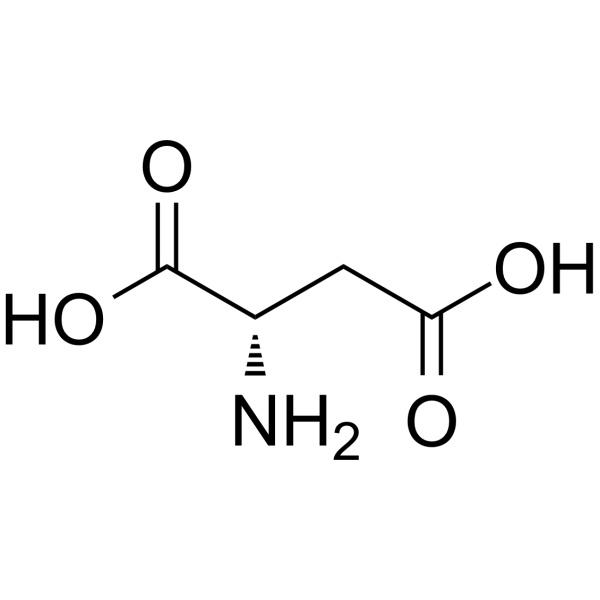
Cat. No.: HY-N0666
CAS No.: 56-84-8
L-Aspartic acid is a NMDA receptor agonist and acidic amino acid. L-Aspartic acid has no independent analgesic activity. L-Aspartic acid can antagonize the analgesic effects of D-Aspartic acid and Morphine. L-Aspartic acid regulates polymorph transformation, crystal growth/aggregation and nucleation processes of calcium carbonate, and can serve as a biomineralization template. L-Aspartic acid promotes burst firing of central neurons. L-Aspartic acid can be used in studies related to cerebral ischemia and epilepsy .
loading...
    loading...
6
6 Cited Publications
Cat. No.: HY-N0666A
CAS No.: 1115-63-5
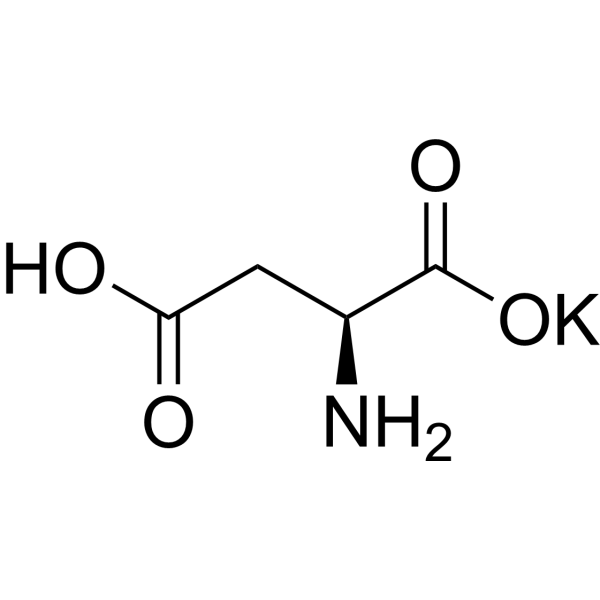
L-Aspartic acid potassium (potassium L-aspartate) is a NMDA receptor agonist and acidic amino acid. L-Aspartic acid potassium has no independent analgesic activity. L-Aspartic acid potassium can antagonize the analgesic effects of D-Aspartic acid and Morphine. L-Aspartic acid potassium regulates polymorph transformation, crystal growth/aggregation and nucleation processes of calcium carbonate, and can serve as a biomineralization template. L-Aspartic acid potassium promotes burst firing of central neurons. L-Aspartic acid potassium can be used in studies related to cerebral ischemia and epilepsy .
loading...
    loading...
6
6 Cited Publications
Cat. No.: HY-N0666B
CAS No.: 10389-09-0
Synonyms: Calcium L-aspartate
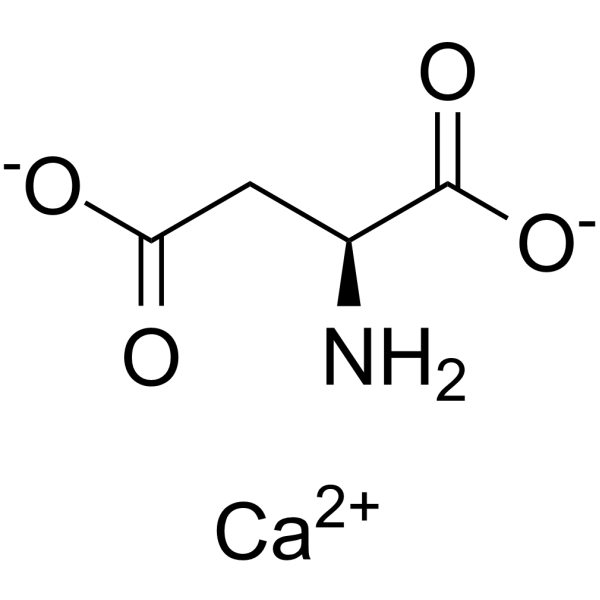
Aspartic acid calcium (calcium L-aspartate) is a NMDA receptor agonist and acidic amino acid. Aspartic acid calcium has no independent analgesic activity. Aspartic acid calcium can antagonize the analgesic effects of D-Aspartic acid and Morphine. Aspartic acid calcium regulates polymorph transformation, crystal growth/aggregation and nucleation processes of calcium carbonate, and can serve as a biomineralization template. Aspartic acid calcium promotes burst firing of central neurons. Aspartic acid calcium can be used in studies related to cerebral ischemia and epilepsy .
loading...
    loading...
6
6 Cited Publications
Cat. No.: HY-N0666C
CAS No.: 3792-50-5
Synonyms: Sodium L-aspartate
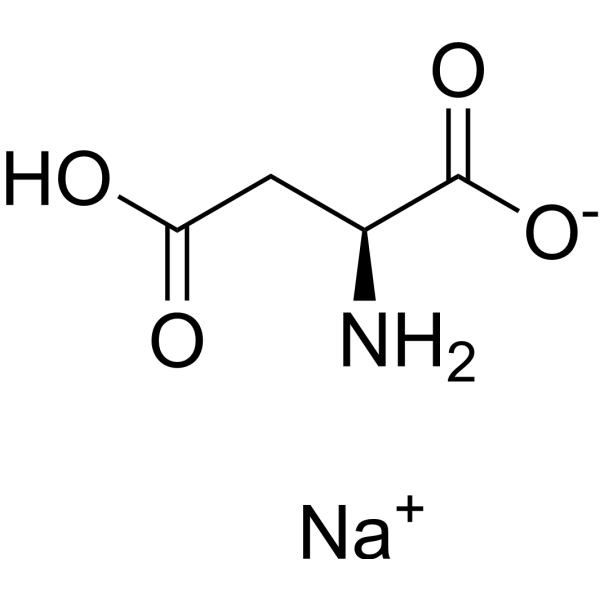
L-Aspartic acid sodium (Sodium L-aspartate) is a NMDA receptor agonist and acidic amino acid. L-Aspartic acid sodium has no independent analgesic activity. L-Aspartic acid sodium can antagonize the analgesic effects of D-Aspartic acid and Morphine. L-Aspartic acid sodium regulates polymorph transformation, crystal growth/aggregation and nucleation processes of calcium carbonate, and can serve as a biomineralization template. L-Aspartic acid sodium promotes burst firing of central neurons. L-Aspartic acid sodium can be used in studies related to cerebral ischemia and epilepsy .
loading...
    loading...
5
5 Cited Publications
Cat. No.: HY-N0666D
CAS No.: 5598-53-8
Synonyms: Disodium L-aspartate
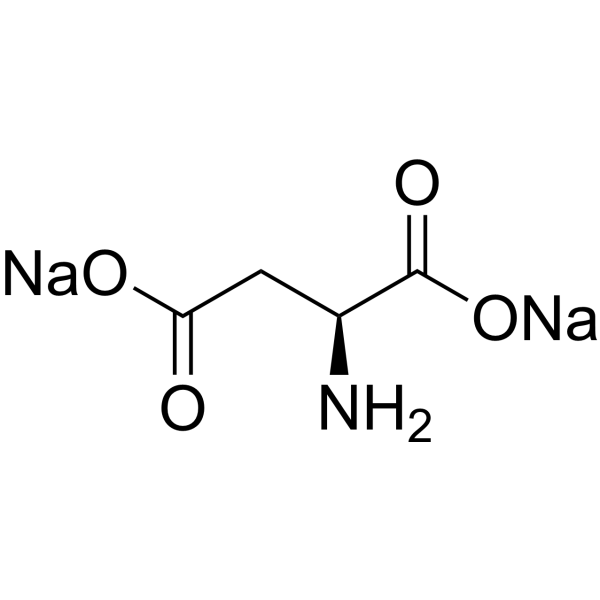
L-Aspartic acid disodium (disodium L-aspartate) is a NMDA receptor agonist and acidic amino acid. L-Aspartic acid disodium has no independent analgesic activity. L-Aspartic acid disodium can antagonize the analgesic effects of D-Aspartic acid and Morphine. L-Aspartic acid disodium regulates polymorph transformation, crystal growth/aggregation and nucleation processes of calcium carbonate, and can serve as a biomineralization template. L-Aspartic acid disodium promotes burst firing of central neurons. L-Aspartic acid disodium can be used in studies related to cerebral ischemia and epilepsy .
loading...
    loading...
4
4 Cited Publications
Cat. No.: HY-19759
CAS No.: 1001908-89-9
Target:  

Sirtuin Apoptosis

Research Areas:  

Cancer

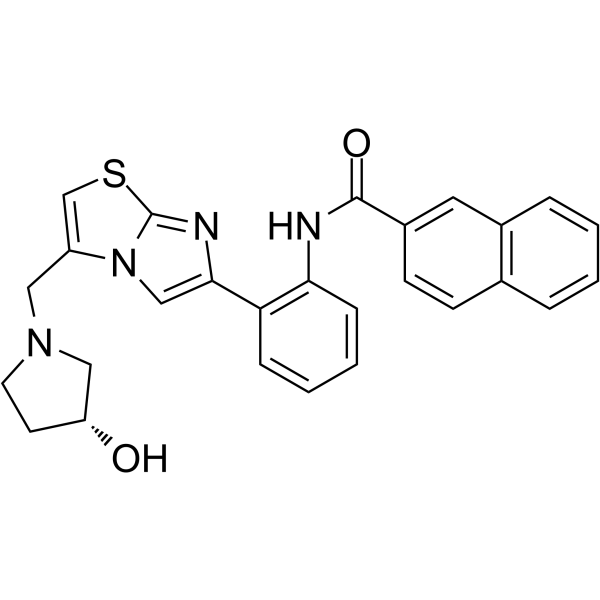
SRT 2183 is a selective Sirtuin-1 (SIRT1) activator with an EC1.5 value of 0.36 μM . SRT 2183 induces growth arrest and apoptosis, concomitant with deacetylation of STAT3 and NF-κB, and reduction of c-Myc protein levels .
loading...
    loading...
2
2 Cited Publications
Cat. No.: HY-N2132
CAS No.: 1775-97-9
Synonyms: Flavokavain B
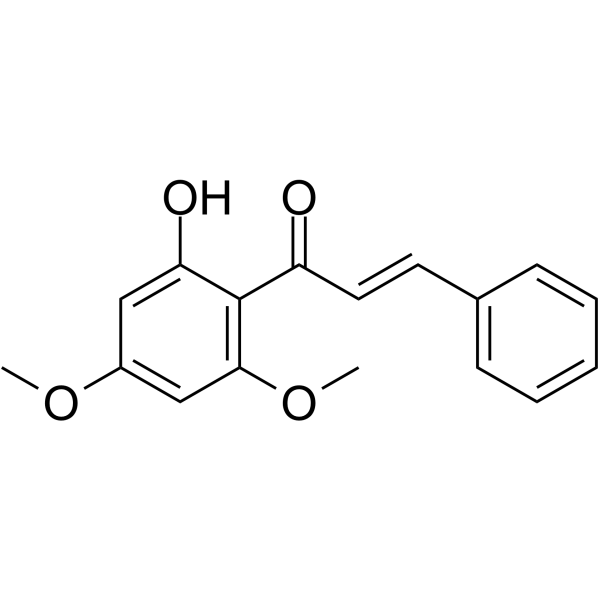
Flavokawain B (Flavokavain B) is an orally active chalcone. Flavokawain B results in activation of caspase-9, -3 and -8, cleavage of PARP. Flavokawain B down-regulates Bcl-2 with concomitant increase in Bax level. Flavokawain B inhibits NF-κB, PI3K/Akt and MAPK signaling pathway. Flavokawain B exhibits Apoptotic effects. Flavokawain B inhibits MMP-9 and promotes ROS generation. Flavokawain B inhibits multiple tumors and inflammation .
loading...
    loading...
1
1 Cited Publications
Cat. No.: HY-N0666S4
CAS No.: 55443-54-4
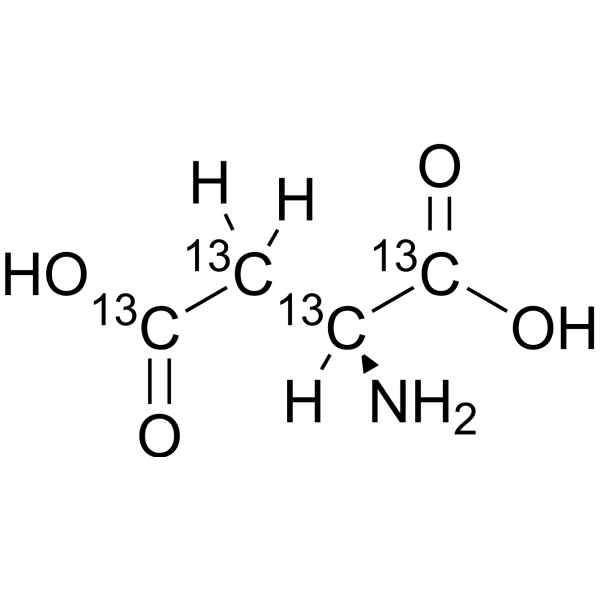
L-Aspartic acid- 13C4 is the 13C-labeled L-Aspartic acid (HY-N0666). L-Aspartic acid is a NMDA receptor agonist and acidic amino acid. L-Aspartic acid has no independent analgesic activity. L-Aspartic acid can antagonize the analgesic effects of D-Aspartic acid and Morphine. L-Aspartic acid regulates polymorph transformation, crystal growth/aggregation and nucleation processes of calcium carbonate, and can serve as a biomineralization template. L-Aspartic acid promotes burst firing of central neurons. L-Aspartic acid can be used in studies related to cerebral ischemia and epilepsy .
loading...
    loading...
1
1 Cited Publications
Cat. No.: HY-N0666R
CAS No.: 56-84-8
L-Aspartic acid (Standard) is the analytical standard of L-Aspartic acid (HY-N0666). This product is intended for research and analytical applications. L-Aspartic acid is a NMDA receptor agonist and acidic amino acid. L-Aspartic acid has no independent analgesic activity. L-Aspartic acid can antagonize the analgesic effects of D-Aspartic acid and Morphine. L-Aspartic acid regulates polymorph transformation, crystal growth/aggregation and nucleation processes of calcium carbonate, and can serve as a biomineralization template. L-Aspartic acid promotes burst firing of central neurons. L-Aspartic acid can be used in studies related to cerebral ischemia and epilepsy .
loading...
    loading...
Cat. No.: HY-P991155
CAS No.: 2988886-91-3
Synonyms: JNJ-79635322; JNJ-5322

Target:  

CD3 TNF Receptor

Research Areas:  

Cancer

Ramantamig (JNJ-79635322) is a humanized monoclonal antibody targeting human CD3ε, GPRC5D, and TNFRSF17 (BCMA). Ramantamig binds to BCMA and GPRC5D on multiple myeloma cells, binds to CD3ε on T cells, forms immunological synapses, and enables T-cell-mediated cytotoxicity. Ramantamig activates T cells concomitantly with inducing myeloma cell cytotoxicity, with no nonspecific T-cell activation in the absence of target myeloma cells. Ramantamig carries mutations to reduce interaction with Fc receptors and disrupt protein A binding of monomeric and homodimerized chains. Ramantamig can be used for the research of multiple myeloma .
loading...
    loading...
Cat. No.: HY-P2947
CAS No.: 9028-88-0
Synonyms: Aldehyde dehydrogenase (NAD(P))
Research Areas:  

Others Cancer

ALDH (Aldehyde dehydrogenase (NAD(P))) catalyzes the oxidation of aldehydes into their corresponding carboxylic acids with the concomitant reduction of the cofactor NAD(P) into NAD(P)H, is often used in biochemical studies. The ALDHs are one of many enzyme systems the body utilizes to alleviate aldehyde stress .
loading...
    loading...
Cat. No.: HY-120789
CAS No.: 1587727-31-8
Purity:  98.05%
Target:  

γ-secretase

Research Areas:  

Neurological Disease

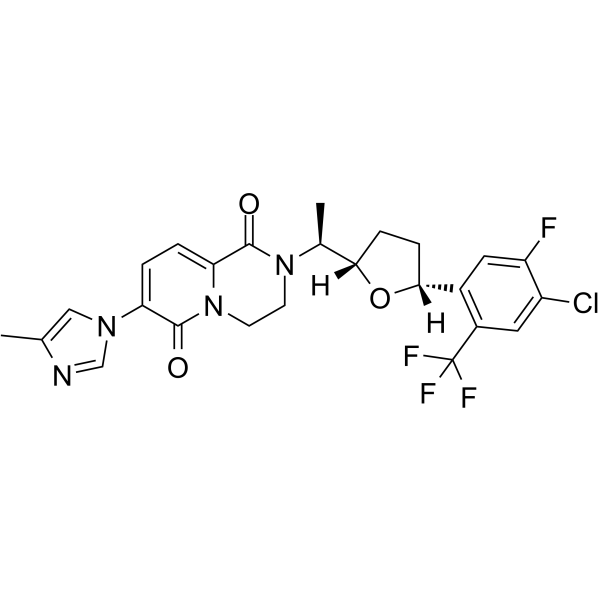
PF-06648671 is a novel, brain-penetrable, and orally active γ-secretase modulator (GSM). PF-06648671 reduces Aβ42 and Aβ40, with concomitant increases in Aβ37 and Aβ38 in vitro. PF-06648671 is used for the study of Alzheimer’s disease .
loading...
    loading...
Cat. No.: HY-N0666S8
CAS No.: 3842-25-9
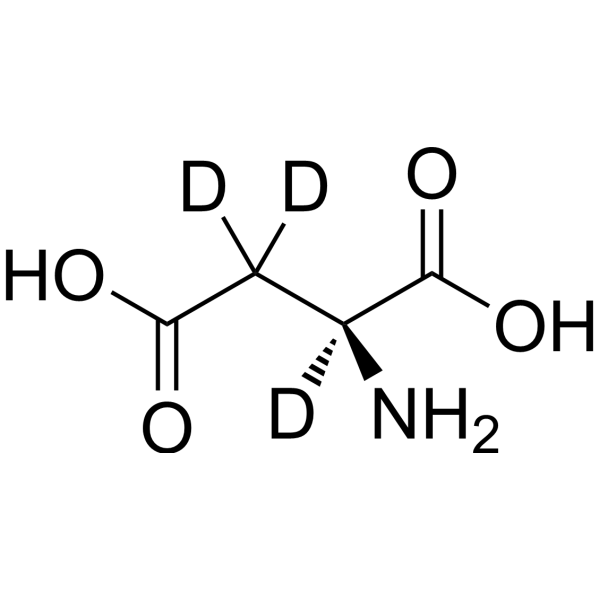
L-Aspartic acid-d3 is the d3-labeled L-Aspartic acid (HY-N0666). L-Aspartic acid is a NMDA receptor agonist and acidic amino acid. L-Aspartic acid has no independent analgesic activity. L-Aspartic acid can antagonize the analgesic effects of D-Aspartic acid and Morphine. L-Aspartic acid regulates polymorph transformation, crystal growth/aggregation and nucleation processes of calcium carbonate, and can serve as a biomineralization template. L-Aspartic acid promotes burst firing of central neurons. L-Aspartic acid can be used in studies related to cerebral ischemia and epilepsy .
loading...
    loading...
Cat. No.: HY-118052
CAS No.: 1201673-28-0
Purity:  99.60%
Target:  

PKD HDAC

Research Areas:  

Cardiovascular Disease

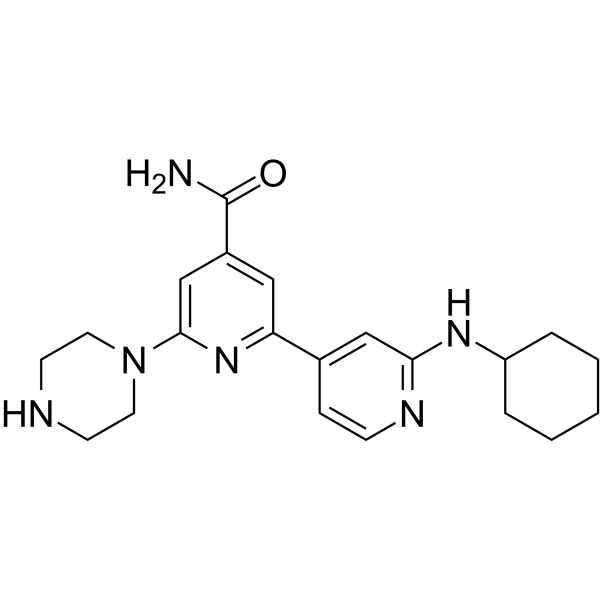
BPKDi is an inhibitor of PKD. BPKDi inhibits three members of the PKD family, PKD1, PKD2, and PKD3, with IC50 values of 1 nM, 9 nM, and 1 nM, respectively. BPKDi blocks signal-dependent phosphorylation and nuclear export of class IIa HDACs in cardiomyocytes and concomitantly suppresses hypertrophy of these cells .
loading...
    loading...
Cat. No.: HY-B1197
CAS No.: 51022-69-6
Synonyms: CL-34699
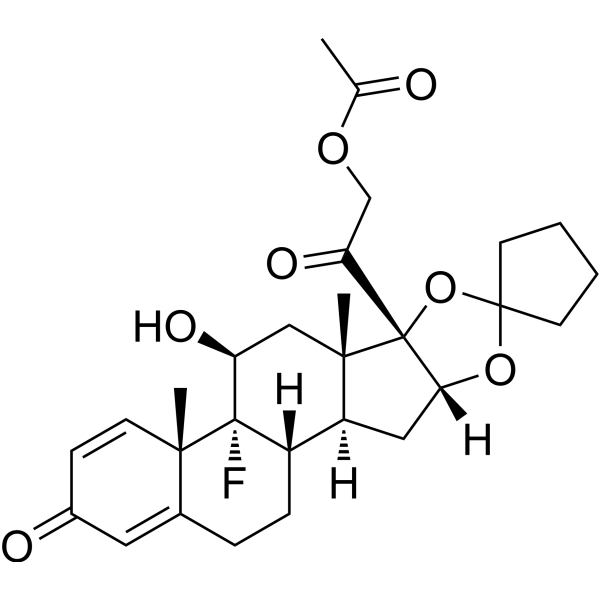
Amcinonide is an inhibitor of NO release (IC50 = 3.38 nM). Amcinonide inhibits NNC-induced expression of the proinflammatory genes iNOS, TNF-α, and IL-1β in glial cells. Amcinonide reduces the numbers of T6+/Ia+ cells with a concomitant increase in T6+/Ia- cells. Amcinonide induces a selective reduction in expression of Ia antigens. Amcinonide can also be studied in research for eczematous dermatitis .
loading...
    loading...
Cat. No.: HY-171036
CAS No.: 252212-58-1
Research Areas:  

Metabolic Disease

GAPDH-IN-1 (Compound F8) is a GAPDH inhibitor (IC50 of 39.31 μM for GAPDH enzymatic activity). GAPDH-IN-1 forms a covalent adduct with an aspartic acid in the active site to displace NAD +, a cofactor of the enzyme, with concomitant enhancement of the cysteine-reactive probe reaction with the catalytic cysteine .
loading...
    loading...
Cat. No.: HY-N0666S
CAS No.: 81201-97-0
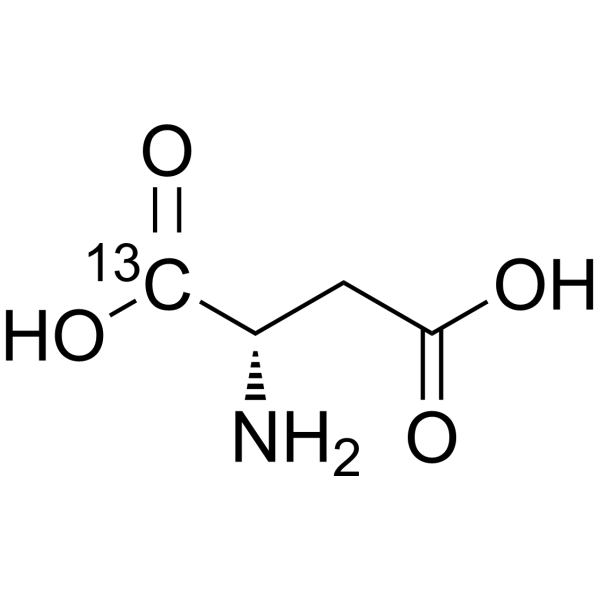
L-Aspartic acid- 13C is the 13C-labeled L-Aspartic acid (HY-N0666). L-Aspartic acid is a NMDA receptor agonist and acidic amino acid. L-Aspartic acid has no independent analgesic activity. L-Aspartic acid can antagonize the analgesic effects of D-Aspartic acid and Morphine. L-Aspartic acid regulates polymorph transformation, crystal growth/aggregation and nucleation processes of calcium carbonate, and can serve as a biomineralization template. L-Aspartic acid promotes burst firing of central neurons. L-Aspartic acid can be used in studies related to cerebral ischemia and epilepsy .
loading...
    loading...

