156 Results for "

conditioned

" in MedChemExpress (MCE) Product Catalog:
Products (156)

156 Results for "conditioned" in MCE Product Catalog:

8
8 Publications Verification
Cat. No.: HY-19870
CAS No.: 920014-72-8
Synonyms: RM-493; BIM-22493; IRC-022493
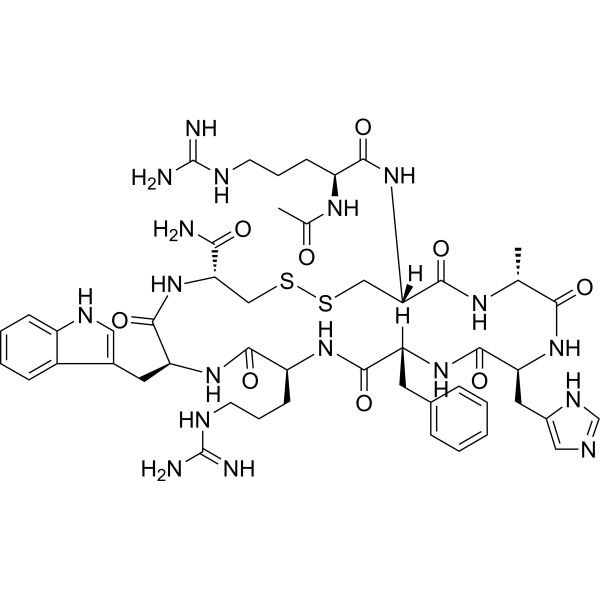
Setmelanotide (RM-493) is a blood-brain barrier-permeable, selective MC4R agonist with a Ki value of 2.1 nM for hMC4R. Setmelanotide activates the CaMKK2/AMPK signaling pathway. Setmelanotide mediates body weight homeostasis, feeding regulation and energy expenditure modulation; it reduces food intake, induces weight loss, decreases obesity severity, increases daytime activity and energy expenditure, lowers levels of leptin, triglycerides, fasting insulin and diastolic blood pressure, improves insulin sensitivity, glucose tolerance and fatty liver condition, and reverses respiratory depression. Setmelanotide is applicable to research related to obesity, hyperinsulinemia, fatty liver and respiratory depression .
loading...
    loading...
8
8 Publications Verification
Cat. No.: HY-19870C
CAS No.: 2759937-80-7
Synonyms: RM-493 monoacetate; BIM-22493 monoacetate; IRC-022493 monoacetate
Setmelanotide monoacetate (RM-493 monoacetate) is a blood-brain barrier-permeable, selective MC4R agonist with a Ki value of 2.1 nM for hMC4R. Setmelanotide monoacetate activates the CaMKK2/AMPK signaling pathway. Setmelanotide monoacetate mediates body weight homeostasis, feeding regulation and energy expenditure modulation; it reduces food intake, induces weight loss, decreases obesity severity, increases daytime activity and energy expenditure, lowers levels of leptin, triglycerides, fasting insulin and diastolic blood pressure, improves insulin sensitivity, glucose tolerance and fatty liver condition, and reverses respiratory depression. Setmelanotide monoacetate is applicable to research related to obesity, hyperinsulinemia, fatty liver and respiratory depression .
loading...
    loading...
5
5 Cited Publications
Cat. No.: HY-N4072
CAS No.: 134859-96-4
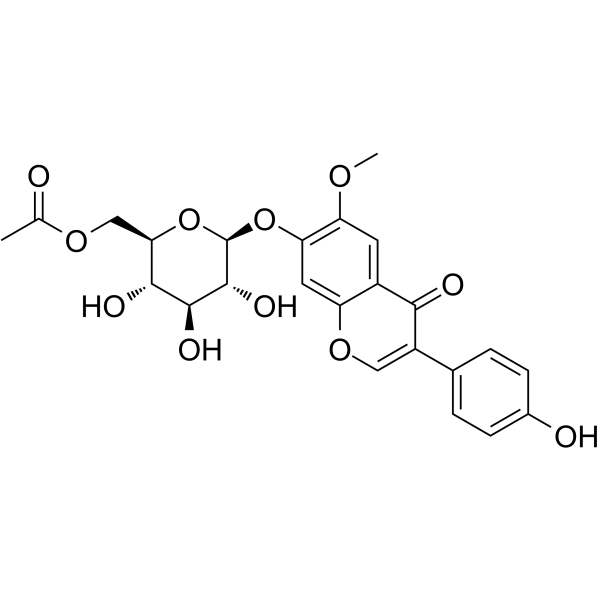
6''-O-Acetylglycitin, a acetyl glucoside, is one of the isoflavone isomer in soybeans, shows various extents of content reduction dependent on storage temperature, packaging condition, and its isoflavone isomer kind .
loading...
    loading...
5
5 Cited Publications
Cat. No.: HY-P1107
CAS No.: 220673-95-0
Synonyms: aSvg-30
Target:  

CRFR

Research Areas:  

Neurological Disease

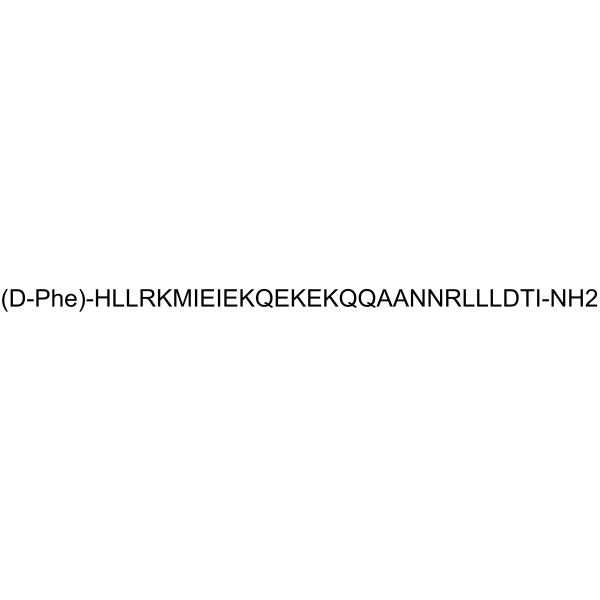
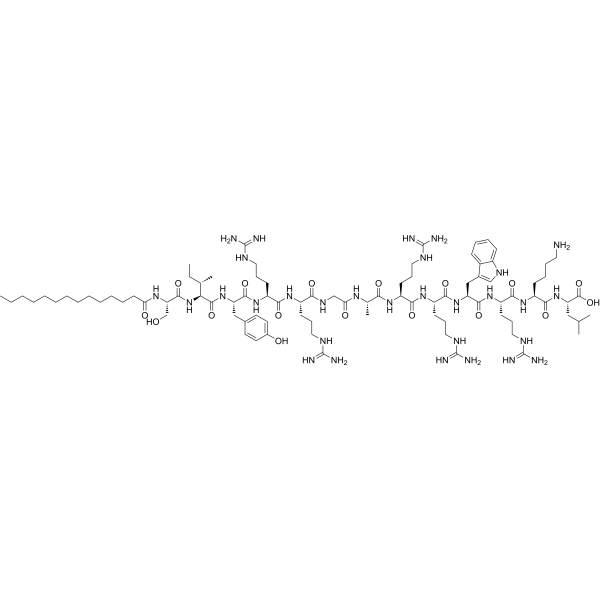
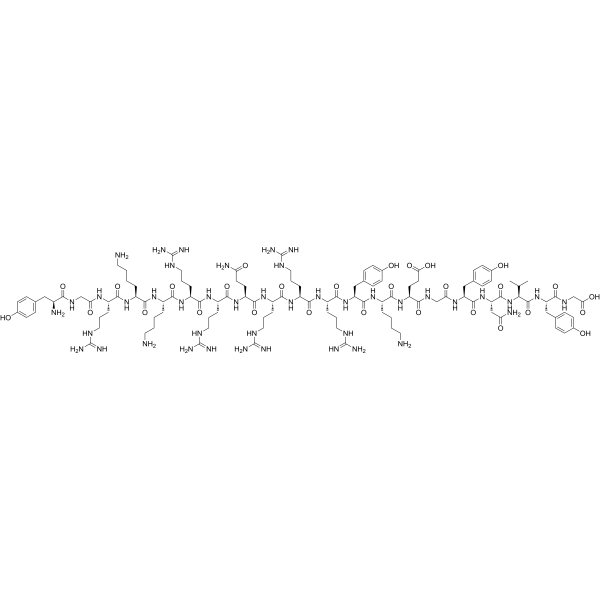
Antisauvagine-30 (aSvg-30) is a selective peptide antagonist of the CRF2 receptor, with an IC50 of 1.1 nM for mouse CRF2. Antisauvagine-30 modulates cAMP signaling, gastric emptying, food intake, fear conditioning, anxiety-like behavior, stress responses, corticosterone levels, c-Fos expression, and CRF expression. Antisauvagine-30 is used in studies of anxiety-related disorders .
loading...
    loading...
5
5 Cited Publications
Cat. No.: HY-P1107A
Synonyms: aSvg-30 TFA
Target:  

CRFR

Research Areas:  

Neurological Disease

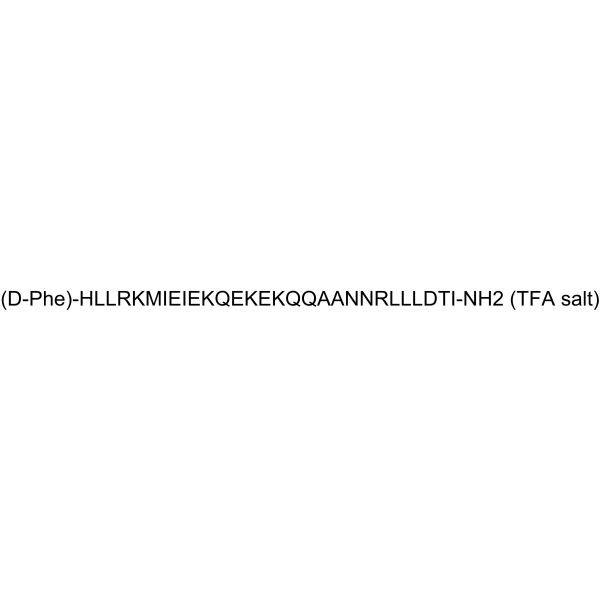
Antisauvagine-30 TFA (aSvg-30 TFA) is a selective peptide antagonist of the CRF2 receptor, with an IC50 of 1.1 nM for mouse CRF2. Antisauvagine-30 TFA modulates cAMP signaling, gastric emptying, food intake, fear conditioning, anxiety-like behavior, stress responses, corticosterone levels, c-Fos expression, and CRF expression. Antisauvagine-30 TFA is used in studies of anxiety-related disorders .
loading...
    loading...
3
3 Cited Publications
Cat. No.: HY-110279
CAS No.: 1309198-71-7
Purity:  99.58%
Target:  

GPR68

Research Areas:  

Neurological Disease

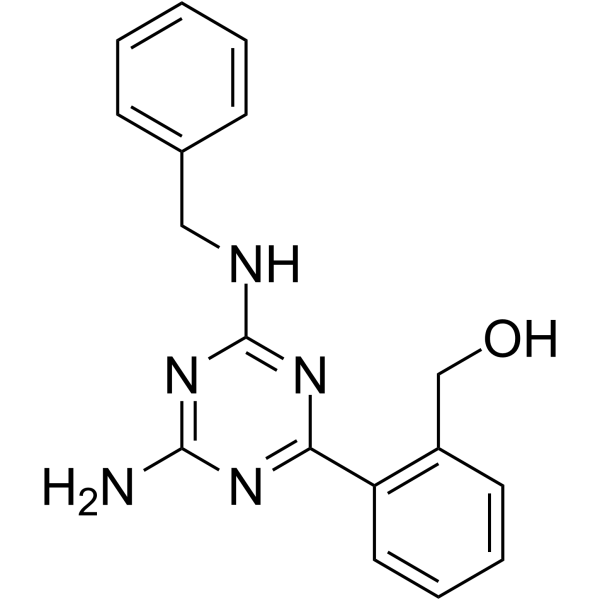
Ogerin, a chemical probe, is a selective GPR68 positive aliasing modulator (PAM) (pEC50=6.83) with a moderate antagonistic effect on A2A (Ki=220 nM). Ogerin inhibits the fear conditioning reflex in mice and also inhibits TGF-β-induced myofibroblast differentiation of fibroblasts from multiple organ systems. Ogerin can be used in the studies of fibrotic diseases and neurological disorders .
loading...
    loading...
3
3 Cited Publications
Cat. No.: HY-108628
CAS No.: 251356-45-3
Purity:  99.36
Target:  

PDGFR

Research Areas:  

Cancer

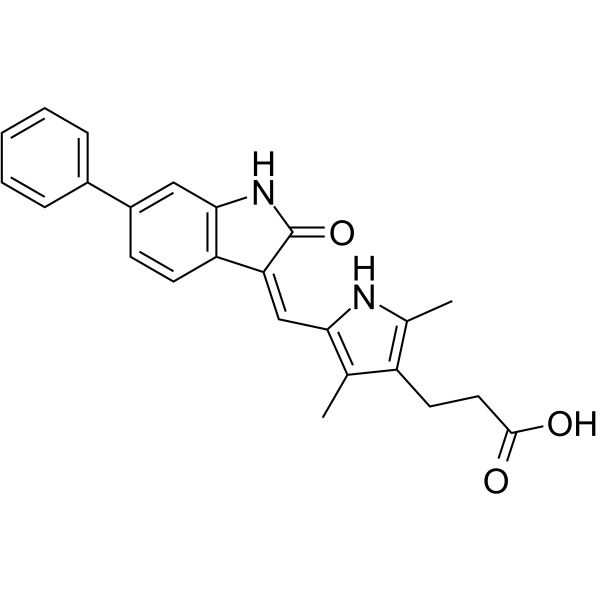
SU16f is a potent and selective PDGFRβ inhibitor with IC50s of 10 nM, 140 nM, 2.29 μM for PDGFRβ, VEGF-R2, FGF-R1, respectively . Neutralization of PDGFRβ receptor by SU16f blocks the promoting role of GC-MSCs (gastric cancer-derived mesenchymal stem cells) conditioned medium in gastric cancer cell proliferation and migration .
loading...
    loading...
2
2 Cited Publications
Cat. No.: HY-41324
CAS No.: 911-40-0
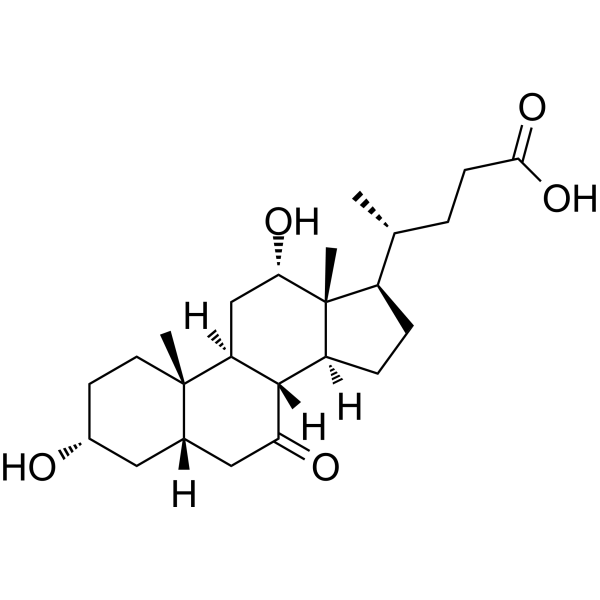
7-keto-Deoxycholic acid is a metabolite of bile acids in Clostridium absonum. 7-keto-Deoxycholic acid is also converted from Lactobacillus and Bifidobacterium with specific condition .
loading...
    loading...
2
2 Cited Publications
Cat. No.: HY-N0543
CAS No.: 97-59-6
Synonyms: 5-Ureidohydantoin
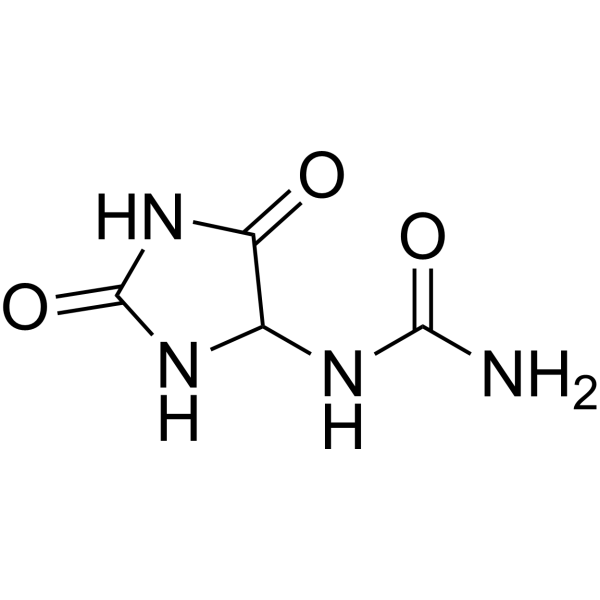
Allantoin is a skin conditioning agent that promotes healthy skin, stimulates new and healthy tissue growth.
loading...
    loading...
2
2 Cited Publications
Cat. No.: HY-B1024
CAS No.: 16485-10-2
Synonyms: DL-Pantothenol; DL-Pantothenyl alcohol
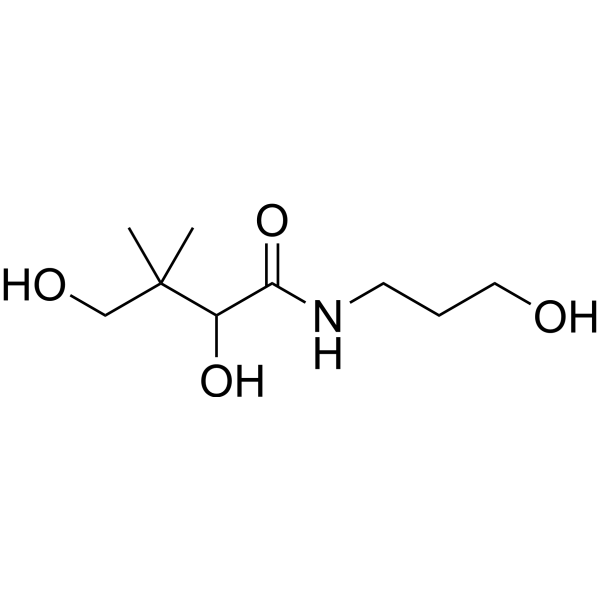
DL-Panthenol (DL-Pantothenol) is a precursor of pantothenic acid. DL-Panthenol easily penetrates the skin and has effects of deep moisturizing, promoting wound healing and anti-inflammation. DL-Panthenol can also be used as a hair conditioner in cosmetics. DL-Panthenol has low acute toxicity, non-sensitizing property, and no significant genotoxicity or reproductive and developmental toxicity. DL-Panthenol can be applied to the research of cosmetics .
loading...
    loading...
2
2 Cited Publications
Cat. No.: HY-P1284
CAS No.: 863987-12-6
Target:  

PKC

Research Areas:  

Neurological Disease Cancer

ZIP is a selective peptide inhibitor of PKMζ. ZIP injections can block the impairment in morphine conditioned place preference induced .
loading...
    loading...
2
2 Cited Publications
Cat. No.: HY-101180
CAS No.: 3102-57-6
Purity:  99.85%
Synonyms: Ceramide 2
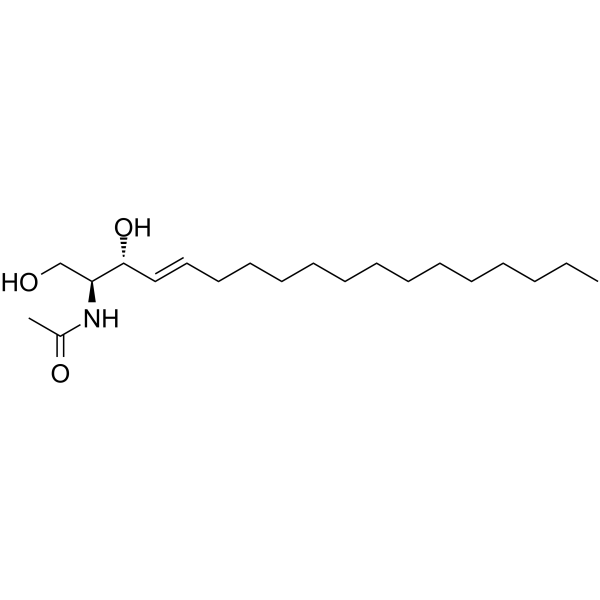
C2 Ceramide (Ceramide 2) is the main lipid of the stratum corneum and a protein phosphatase 1 (PP1) activator. C2 Ceramide activates PP2A and ceramide-activated protein phosphatase (CAPP). C2 Ceramide induces cells differentiation, autophagy and apoptosis, inhibits mitochondrial respiratory chain complex III. C2 Ceramide is also a skin conditioning agent that protects the epidermal barrier from water loss .
loading...
    loading...
2
2 Cited Publications
Cat. No.: HY-15543A
CAS No.: 1215721-40-6
Purity:  99.37%
Target:  

5-HT Receptor

Research Areas:  

Neurological Disease

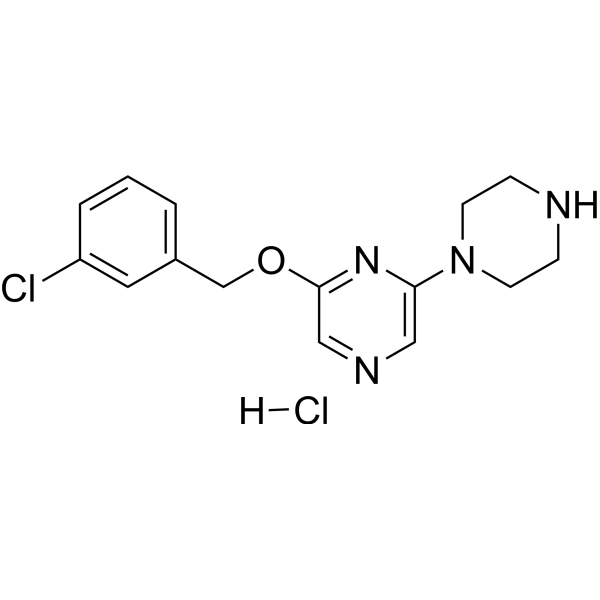
CP-809101 hydrochloride is a potent and highly selective 5-HT2C receptor agonist, with pEC50s of 9.96, 7.19 and 6.81 M for human 5HT2C, 5HT2B and 5HT2A receptor. CP-809101 hydrochloride inhibits conditioned avoidance responding in rats and antagonizes both PCP (phencyclidine hydrochloride)- and d-amphetamine-induced hyperactivity. CP-809101 hydrochloride also reduces food and nicotine dependence in rats, can be used in studies of antipsychotic and nicotine dependence .
loading...
    loading...
2
2 Cited Publications
Cat. No.: HY-P2259
CAS No.: 1404188-93-7
TAT-GluA2 3Y is a blood-brain barrier-permeable AMPA receptor inhibitory peptide that crosses cell membranes via the HIV-1 TAT protein domain. TAT-GluA2 3Y blocks the endocytosis of AMPA receptors, including the internalization of GluA1/GluA2 subunits, by disrupting interactions with the AP2, Brag2 and Syt3-GluA2 complexes, while also inhibiting long-term depression. TAT-GluA2 3Y blocks hypoxia-mediated AMPAR internalization, alleviates A1R-induced persistent synaptic inhibition, and reduces cerebral ischemic volume, neurological deficits and spatial memory deficits. TAT-GluA2 3Y blocks the effect of NLRP3 deficiency on fear generalization, inhibits amphetamine-induced behavioral/neurochemical sensitization, weakens the unconditioned stimulus-conditioned stimulus association of morphine, and promotes the extinction of morphine CPP. TAT-GluA2 3Y can be used in studies related to fear generalization, ischemic stroke, hypoxia, drug addiction and opioid addiction .
loading...
    loading...
2
2 Cited Publications
Cat. No.: HY-N0113
CAS No.: 539-15-1
Synonyms: Ordenina; Peyocactine
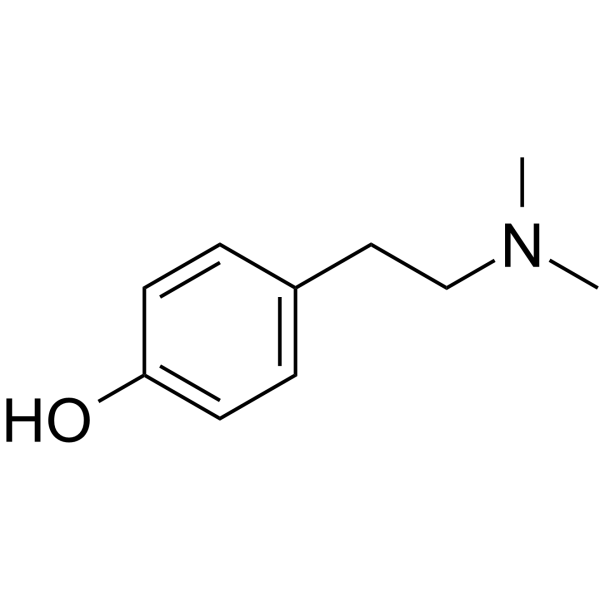
Hordenine (Ordenina; Peyocactine) is a multifunctional alkaloid with oral activity and blood-brain barrier penetration. Hordenine inhibits LPS-induced phosphorylation of p38, JNK, ERK1/2, p65, IκB, and AKT, prevents p65 nuclear translocation, and suppresses inflammatory cytokines and mediators. Hordenine promotes M2 macrophage polarization, restores blood-milk barrier integrity, alleviates oxidative stress by reducing ROS and MDA, and attenuates LPS-induced lung injury and pulmonary edema. Hordenine inhibits cAMP production, CREB phosphorylation, and MITF expression, thereby suppressing melanin synthesis in melanocytes and reconstructed epidermis. Hordenine activates the Wnt/β-catenin signaling pathway, promotes dermal papilla cell proliferation and hair shaft elongation, and accelerates hair regeneration. Hordenine activates DRD2, acts as a D3R partial agonist, α2A-AR full agonist, and 5-HT2A-R antagonist, and inhibits SERT and DAT. Hordenine inhibits α-synuclein accumulation and ameliorates motor deficits in Parkinson's disease models. Hordenine limits alcohol intake, reduces relapse drinking behavior, and modulates alcohol-induced conditioned place preference. Hordenine can be used for research on mastitis, skin pigmentation, acute lung injury, foodborne diseases, hair loss, Parkinson's disease, bacterial infections, and alcohol use disorder .
loading...
    loading...
2
2 Cited Publications
Cat. No.: HY-N0113B
CAS No.: 6027-23-2
Synonyms: Ordenina hydrochloride; Peyocactine hydrochloride
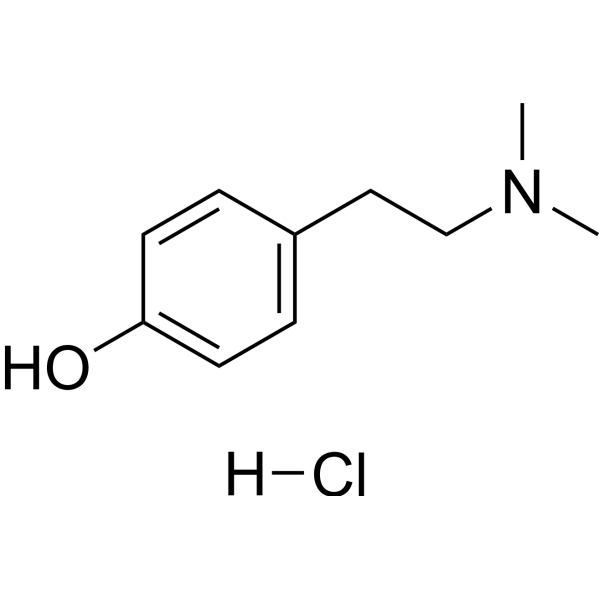
Hordenine hydrochloride (Ordenina hydrochloride; Peyocactine hydrochloride) is a multifunctional alkaloid with oral activity and blood-brain barrier penetration. Hordenine hydrochloride inhibits LPS-induced phosphorylation of p38, JNK, ERK1/2, p65, IκB, and AKT, prevents p65 nuclear translocation, and suppresses inflammatory cytokines and mediators. Hordenine hydrochloride promotes M2 macrophage polarization, restores blood-milk barrier integrity, alleviates oxidative stress by reducing ROS and MDA, and attenuates LPS-induced lung injury and pulmonary edema. Hordenine hydrochloride inhibits cAMP production, CREB phosphorylation, and MITF expression, thereby suppressing melanin synthesis in melanocytes and reconstructed epidermis. Hordenine hydrochloride activates the Wnt/β-catenin signaling pathway, promotes dermal papilla cell proliferation and hair shaft elongation, and accelerates hair regeneration. Hordenine hydrochloride activates DRD2, acts as a D3R partial agonist, α2A-AR full agonist, and 5-HT2A-R antagonist, and inhibits SERT and DAT. Hordenine hydrochloride inhibits α-synuclein accumulation and ameliorates motor deficits in Parkinson's disease models. Hordenine hydrochloride limits alcohol intake, reduces relapse drinking behavior, and modulates alcohol-induced conditioned place preference. Hordenine hydrochloride can be used for research on mastitis, skin pigmentation, acute lung injury, foodborne diseases, hair loss, Parkinson's disease, bacterial infections, and alcohol use disorder .
loading...
    loading...
1
1 Cited Publications
Cat. No.: HY-N3025
CAS No.: 7446-20-0
Zinc sulfate heptahydrate is a hydrate that is the heptahydrate form of zinc sulfate. Zinc sulfate heptahydrate is a dietary supplement used for zinc deficiency and to prevent the condition in those at high risk .
loading...
    loading...
1
1 Cited Publications
Cat. No.: HY-A0298
CAS No.: 2238821-31-1
Research Areas:  

Cancer

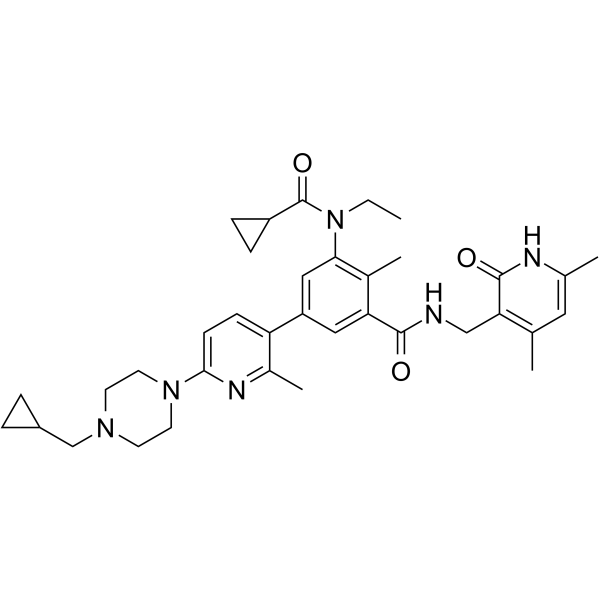
EZH2-IN-2 (Example 69) is a EZH2 inhibitor with an IC50 and a TR-FRET IC50 of 64 nM and 20 nM. EZH2-IN-2 can be used for the research of cancer or precancerous condition related to EZH2 activity .
loading...
    loading...
1
1 Cited Publications
Cat. No.: HY-151835
CAS No.: 2765066-38-2
Purity:  95.25%
Target:  

ADC Linkers

Research Areas:  

Others

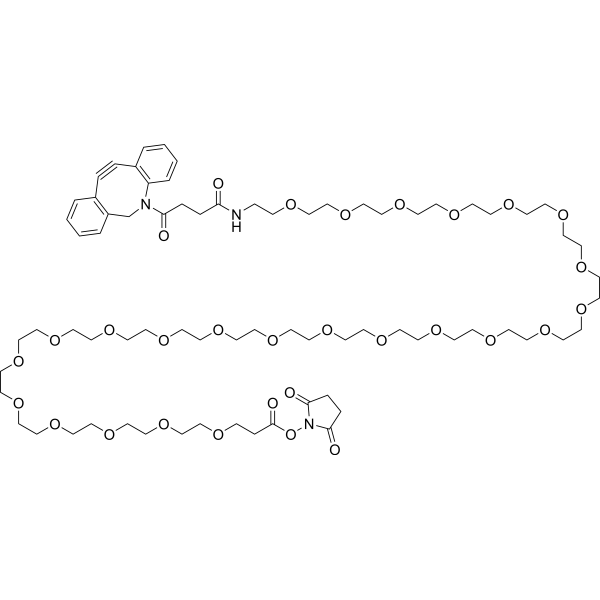
DBCO-PEG24-NHS ester is a click chemistry reagent. DBCO-PEG24-NHS ester is a click chemistry PEG reagent containing NHS ester that is able to react specifically and efficiently with primary amines (e.g. the side chain of lysine residues or aminosilane-coated surfaces) at neutral or slightly basic condition to form a covalent bond. The hydrophilic PEG spacer arm improves water solubility and provides a long and flexible connection that minimizes steric hindrance involved with ligation. DBCO is commonly used for copper-free Click Chemistry reactions. Reagent grade, for research use only .
loading...
    loading...
1
1 Cited Publications
Cat. No.: HY-151827
CAS No.: 2585653-12-7
Purity:  ≥98.0%
Target:  

ADC Linkers

Research Areas:  

Others

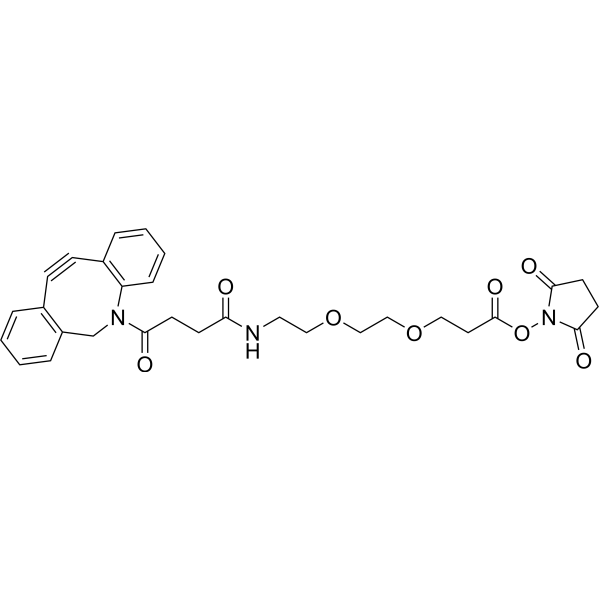
DBCO-PEG2-NHS ester is a click chemistry reagent containing an azide group. DBCO-PEG2-NHS ester is a click chemistry PEG reagent containing NHS ester that is able to react specifically and efficiently with primary amines (e.g. the side chain of lysine residues or aminosilane-coated surfaces) at neutral or slightly basic condition to form a covalent bond. The hydrophilic PEG spacer arm improves water solubility and provides a long and flexible connection that minimizes steric hindrance involved with ligation. DBCO is commonly used for copper-free Click Chemistry reactions. Reagent grade, for research use only .
loading...
    loading...

