597 Results for "

cosmetic matrices

" in MedChemExpress (MCE) Product Catalog:
Products (597)

597 Results for "cosmetic matrices" in MCE Product Catalog:

62
62 Publications Verification
Cat. No.: HY-D0187
CAS No.: 70-18-8
Synonyms: GSH; γ-L-Glutamyl-L-cysteinyl-glycine
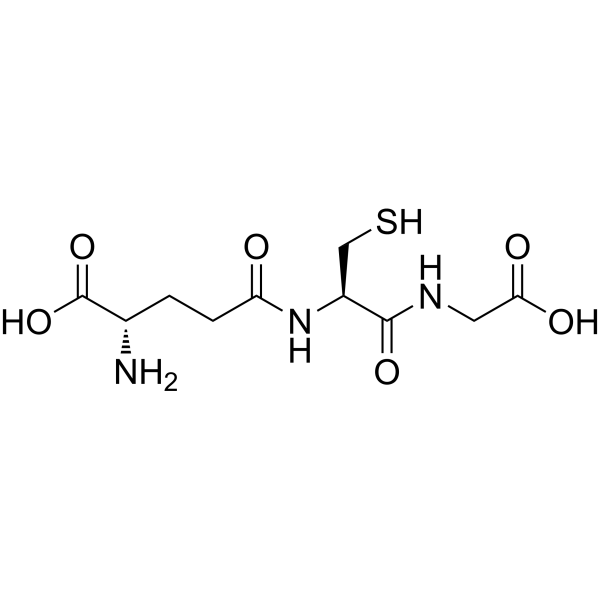
L-Glutathione reduced (GSH; γ-L-Glutamyl-L-cysteinyl-glycine) is an endogenous antioxidant and is capable of scavenging oxygen-derived free radicals.
loading...
    loading...
15
15 Cited Publications
Cat. No.: HY-125861
CAS No.: 9004-67-5
Synonyms: MC(Viscosity:100000mPa.s)
Methyl cellulose (MC) (Viscosity:100000mPa.s) is a non-ionic cellulose ether with surface activity and thermogelation properties. Methyl cellulose (Viscosity:100000mPa.s) is widely used as drug delivery agents, thickeners, stabilizers, emulsifiers, etc., in industries such as pharmaceuticals, food, cosmetics, and construction .
loading...
    loading...
15
15 Cited Publications
Cat. No.: HY-125861E
CAS No.: 9004-67-5
Synonyms: MC(Viscosity:4000mPa.s)
Methyl cellulose (MC) (Viscosity:4000mPa.s) is a non-ionic cellulose ether with surface activity and thermogelation properties. Methyl cellulose (Viscosity:4000mPa.s) is widely used as drug delivery agents, thickeners, stabilizers, emulsifiers, etc., in industries such as pharmaceuticals, food, cosmetics, and construction .
loading...
    loading...
11
11 Cited Publications
Cat. No.: HY-P1740
CAS No.: 114681-65-1
Target:  

Integrin Apoptosis Caspase

Research Areas:  

Inflammation/Immunology

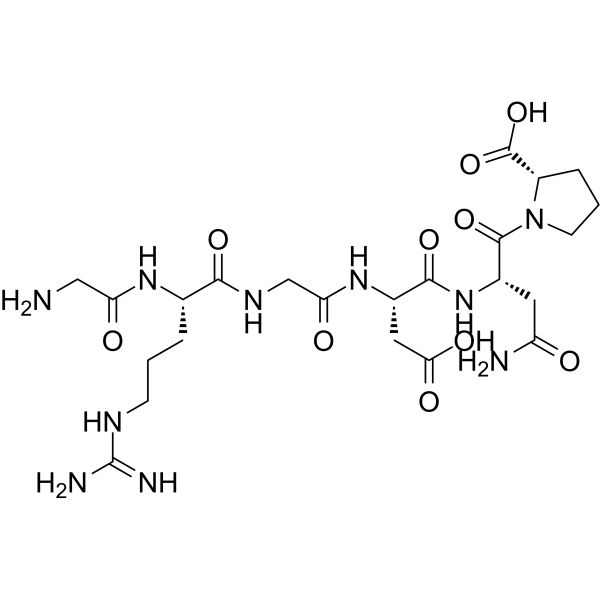
RGD peptide (GRGDNP) is an inhibitor of integrin-ligand interactions. RGD peptide (GRGDNP) competitively inhibits α5β1 binding with extracellular matrice (ECM). RGD peptide (GRGDNP) promotes apoptosis through activation of conformation changes that enhance pro-caspase-3 activation and autoprocessing. RGD peptide (GRGDNP) plays an important role in cell adhesion, migration, growth, and differentiation .
loading...
    loading...
11
11 Cited Publications
Cat. No.: HY-P1740A
Target:  

Integrin Apoptosis

Research Areas:  

Inflammation/Immunology Cancer

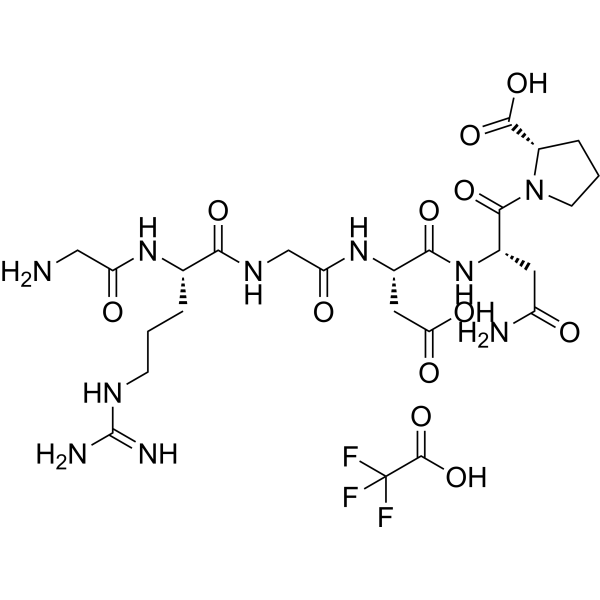
RGD peptide (GRGDNP) TFA is an inhibitor of integrin-ligand interactions. RGD peptide (GRGDNP) TFA competitively inhibits α5β1 binding with extracellular matrice (ECM). RGD peptide (GRGDNP) TFA promotes apoptosis through activation of conformation changes that enhance pro-caspase-3 activation and autoprocessing. RGD peptide (GRGDNP) TFA plays an important role in cell adhesion, migration, growth, and differentiation .
loading...
    loading...
11
11 Cited Publications
Cat. No.: HY-N0711
CAS No.: 499-75-2
Synonyms: Cymophenol
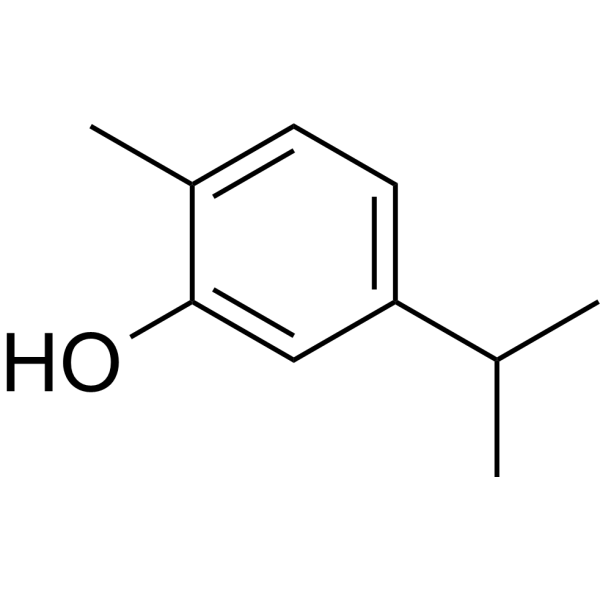
Carvacrol is an orally active and blood-brain barrier-permeable monoterpenic phenol that can be extract from an abundant number of aromatic plants, including thyme and oregano, possessing antioxidant, antibacterial, antifungal, anticancer, anti-inflammatory, hepatoprotective, spasmolytic, and vasorelaxant properties. Carvacrol also causes cell cycle arrest in G0/G1, downregulates Notch-1, and Jagged-1, and induces apoptosis. Carvacrol is used in low concentrations as a food flavoring ingredient and preservative, as well as a fragrance ingredient in cosmetic formulations .
loading...
    loading...
7
7 Cited Publications
Cat. No.: HY-W099601
CAS No.: 629-25-4
Synonyms: Lauric acid sodium salt, 99-100%
Sodium LaurateIt is an organic compound belonging to fatty acids. It is the sodium salt of lauric acid, a medium-chain saturated fatty acid found in various animal and vegetable fats. Sodium LaurateCommonly used as surfactants, emulsifiers and cleaning agents in various industries such as cosmetics, personal care and detergent industries. It's found in a variety of products, including soaps, shampoos, toothpaste, and laundry detergent. Furthermore, it also has applications in the food industry where it is used as a food additive to improve texture and stability.
loading...
    loading...
5
5 Cited Publications
Cat. No.: HY-115340
CAS No.: 1002-62-6
Purity:  99.92%
Synonyms: Sodium decanoate; Sodium caprate
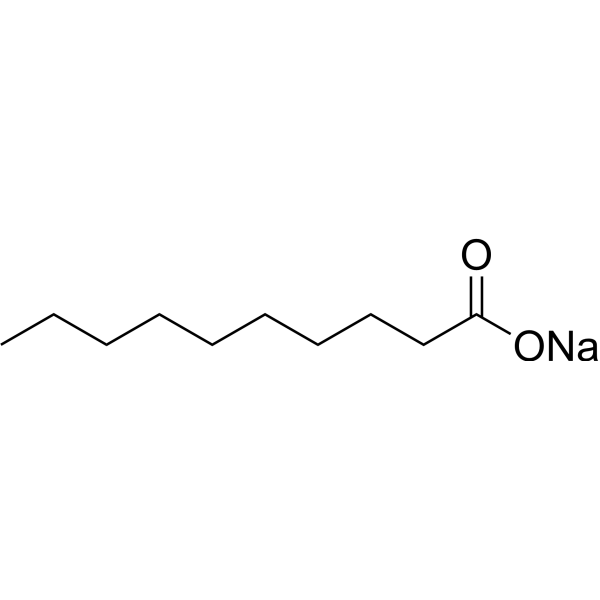
Decanoic acid sodium, also known as Decanoic acid sodium, is a salt of the fatty acid capric acid. It is easily soluble in water and has a slightly soapy smell. Decanoic acid sodium acts as a penetration enhancer, which means it increases the absorption and bioavailability of drugs across biological membranes, including the intestinal epithelium and the blood-brain barrier. This property makes it useful in pharmaceutical formulations to improve drug delivery and effectiveness. Furthermore, Decanoic acid sodium has potential applications in food preservatives and cosmetics due to its antibacterial properties.
loading...
    loading...
4
4 Cited Publications
Cat. No.: HY-A0104
CAS No.: 9004-65-3
Synonyms: Hypromellose (Viscosity:11250-21000mPa.s); (Hydroxypropyl)methyl cellulose (Viscosity:11250-21000mPa.s); Celacol HPM 5000 (Viscosity:11250-21000mPa.s)
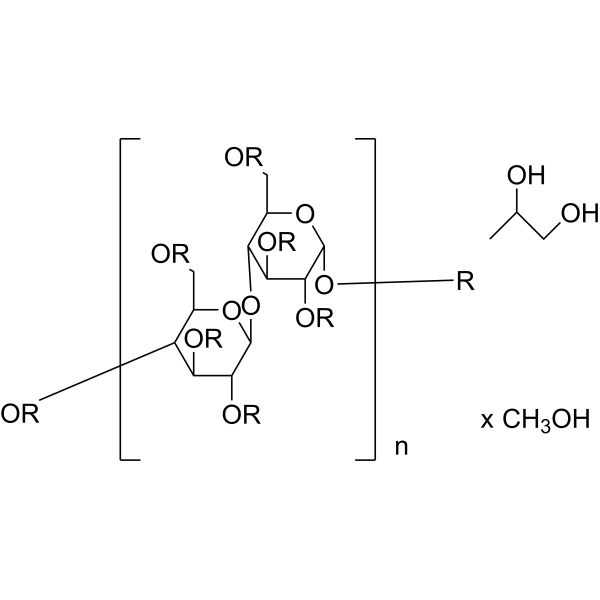
HPMC (Viscosity:11250-21000mPa.s) is a hydrophilic, non-ionic cellulose ether used to form swellable-soluble matrices.
loading...
    loading...
4
4 Cited Publications
Cat. No.: HY-N2278
CAS No.: 99217-63-7
Synonyms: Leachianone E
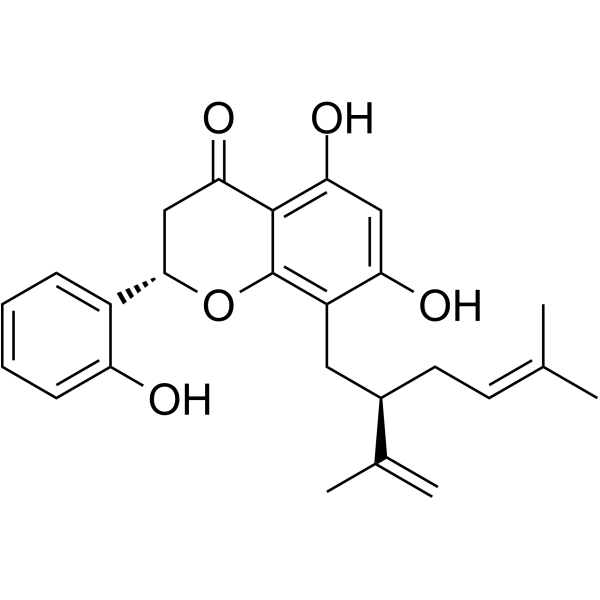
Kushenol A (Leachianone E) is isolated from the root of Sophora flavescent. Kushenol A is a non-competitive tyrosinase inhibitor to block the conversion of L-tyrosine to L-DOPA, shows IC50 and Kivalues of 1.1 μM and 0.4 μM, respectively . Kushenol A is a flavonoid antioxidant, has inhibitory effects on alpha-glucosidase (IC50: 45 μM; Ki: 6.8 μM) and β-amylase . Kushenol A is confirmed as potential inhibitors of enzymes targeted by cosmetics for skin whitening and aging .
loading...
    loading...
4
4 Cited Publications
Cat. No.: HY-W013494
CAS No.: 305-84-0
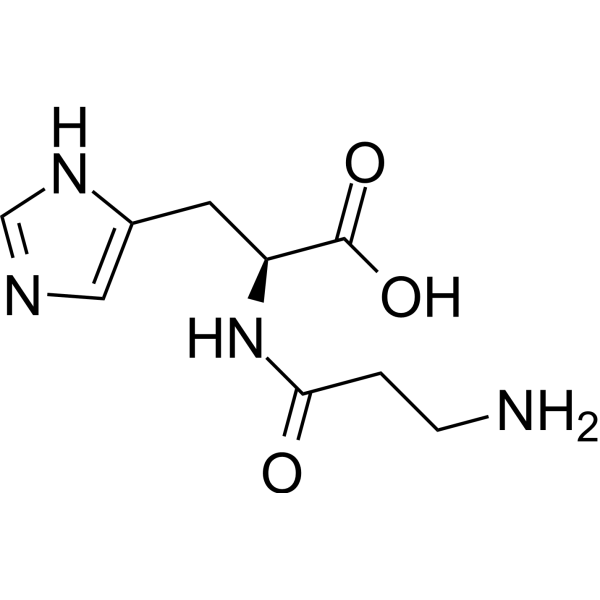
L-Carnosine is a dipeptide composed of beta-alanine and histidine. L-Carnosine is an endogenous metabolite found in human brain, muscle and gastrointestinal tissues and is present in all vertebrates. L-Carnosine is a non-enzymatic free radical scavenger and natural antioxidant with anti-inflammatory and neuroprotective properties that can inhibit biochemical changes associated with aging .
loading...
    loading...
3
3 Cited Publications
Cat. No.: HY-N0216A
CAS No.: 553-54-8
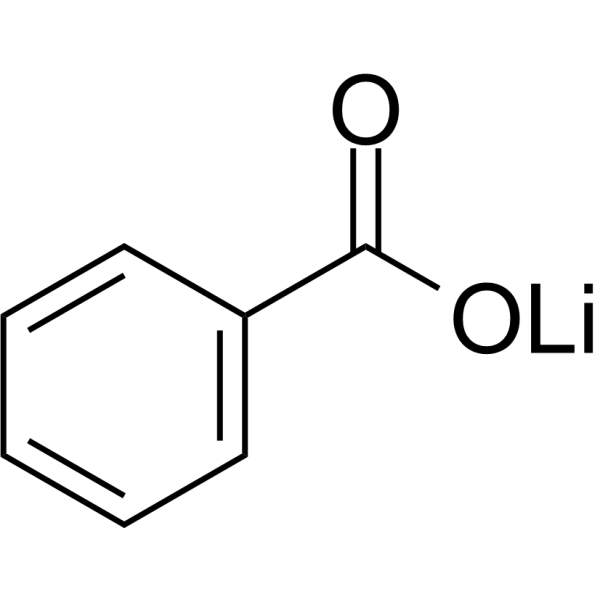
Benzoic acid lithium is an aromatic alcohol found in many plants and is a common additive in food, beverages, cosmetics and other products. Benzoic acid lithium inhibits bacteria and fungi and acts as a preservative .
loading...
    loading...
3
3 Cited Publications
Cat. No.: HY-N0216
CAS No.: 65-85-0
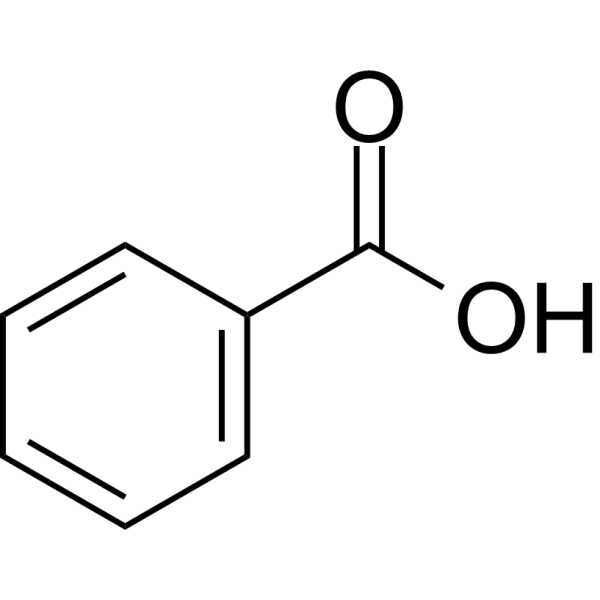
Benzoic acid is an aromatic alcohol existing naturally in many plants and is a common additive to food, drinks, cosmetics and other products. It acts as preservatives through inhibiting both bacteria and fungi .
loading...
    loading...
3
3 Cited Publications
Cat. No.: HY-N1394
CAS No.: 100-09-4
Synonyms: 4-Methoxybenzoic acid; Draconic acid
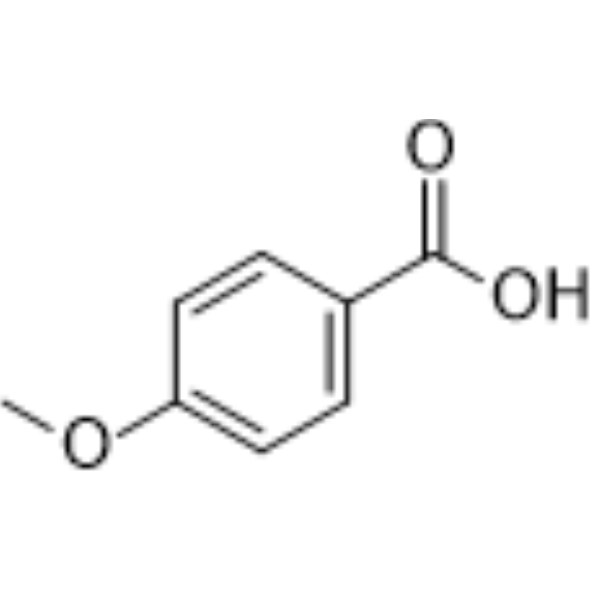
p-Anisic acid (4-Methoxybenzoic acid) is an orally available tyrosinase inhibitor that has antioxidant, anti-anxiety, anti-inflammatory, anti-tumor, anti-diabetic, and preservative properties. p-Anisic acid can be used as a preservative in the cosmetics field .
loading...
    loading...
3
3 Cited Publications
Cat. No.: HY-Y0850H
CAS No.: 9002-89-5
Synonyms: PVA (Mw 89000-98000, 99+% hydrolyzed); Poly(Ethenol) (Mw 89000-98000, 99+% hydrolyzed)
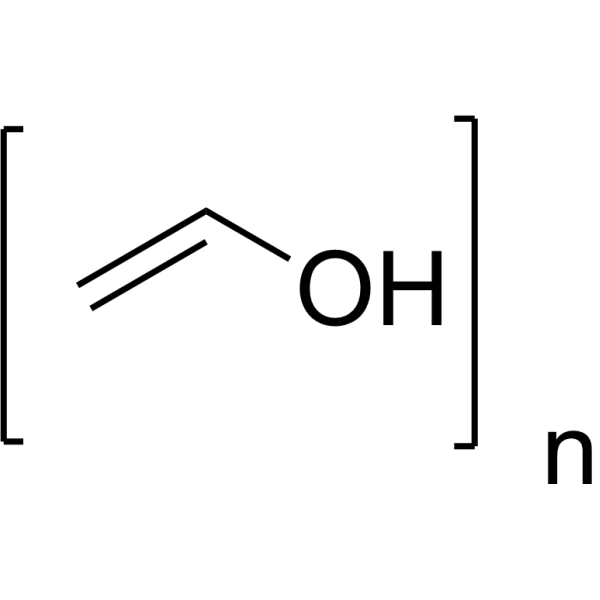
Polyvinyl alcohol (Mw 89000-98000, 99+% hydrolyzed) also known as PVA, is a vinyl water-soluble polymer that can be used as a non-ionic surfactant. It can also be used as a biodegradable polymer and can be used in adhesives, coatings, textiles, ceramics and cosmetics .
loading...
    loading...
3
3 Cited Publications
Cat. No.: HY-Y0850N
CAS No.: 9002-89-5
Synonyms: PVA (Mw 13000-23000, 98% hydrolyzed); Poly(Ethenol) (Mw 13000-23000, 98% hydrolyzed)
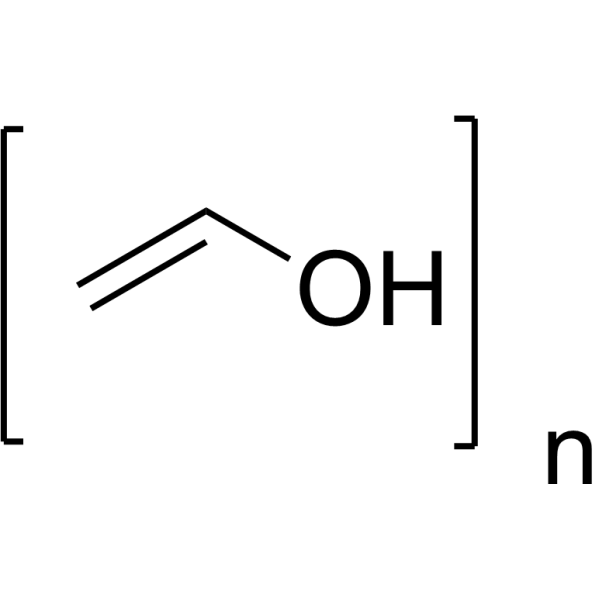
Polyvinyl alcohol (PVA; Poly(Ethenol)) (Mw 13000-23000, 98% hydrolyzed) , also known as PVA, is a vinyl water-soluble polymer that can be used as a non-ionic surfactant. Polyvinyl alcohol (Mw 13000-23000, 98% hydrolyzed) can also be used as a biodegradable polymer and can be used in adhesives, coatings, textiles, ceramics and cosmetics. Polyvinyl alcohol (Mw 13,000–23,000, 98% hydrolyzed) can be used in studies involving breast cancer as well as cisplatin (HY-17394)-induced sensorineural hearing loss .
loading...
    loading...
3
3 Cited Publications
Cat. No.: HY-Y0850K
CAS No.: 9002-89-5
Synonyms: PVA (Mw 31000-50000, 98-99% hydrolyzed); Poly(Ethenol) (Mw 31000-50000, 98-99% hydrolyzed)
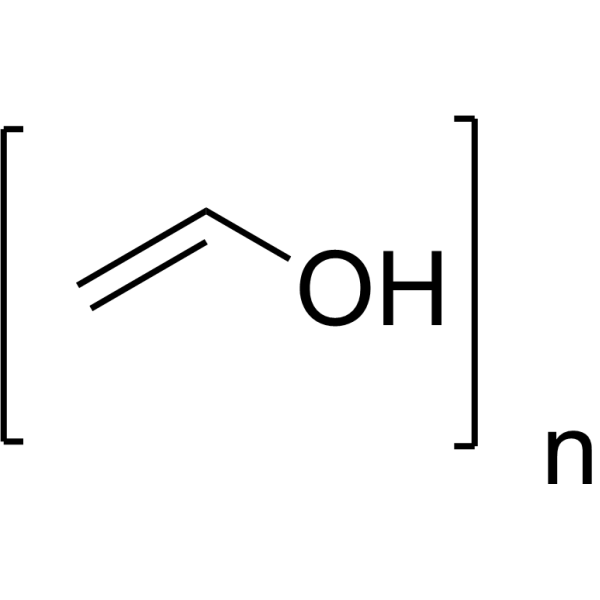
Polyvinyl alcohol (Mw 31000-50000, 98-99% hydrolyzed), also known as PVA, is a vinyl water-soluble polymer that can be used as a non-ionic surfactant. It can also be used as a biodegradable polymer and can be used in adhesives, coatings, textiles, ceramics and cosmetics. Polyvinyl alcohol can be used in tissue engineering by electrospinning. Polyvinyl alcohol can achieve high cellular density, infiltration, and uniform distribution, facilitating functional connections between cells. Polyvinyl alcohol can improve cell vitality through in vitro cultivation. Polyvinyl alcohol demonstrates promising inhibition of ostersarcoma cancer cells with Doxorubicin (HY-15142A) .
loading...
    loading...
3
3 Cited Publications
Cat. No.: HY-Y0850I
CAS No.: 9002-89-5
Synonyms: PVA (Mw 9000-10000, 80% hydrolyzed); Poly(Ethenol) (Mw 9000-10000, 80% hydrolyzed)
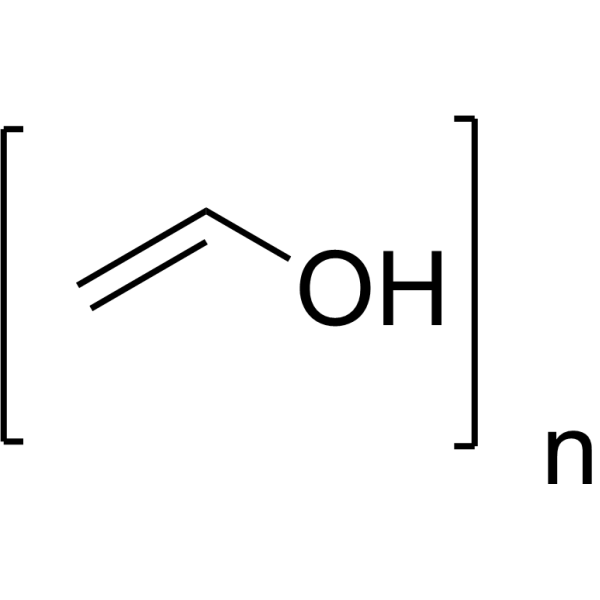
Polyvinyl alcohol (Mw 9000-10000, 80% hydrolyzed) also known as PVA, is a vinyl water-soluble polymer that can be used as a non-ionic surfactant. Polyvinyl alcohol (Mw 9000-10000, 80% hydrolyzed) can be used as a biodegradable polymer and can be used in adhesives, coatings, textiles, ceramics, and cosmetics. Polyvinyl alcohol can be used in tissue engineering by electrospinning. Polyvinyl alcohol can achieve high cellular density, infiltration, and uniform distribution, facilitating functional connections between cells. Polyvinyl alcohol can improve cell vitality through in vitro cultivation. Polyvinyl alcohol demonstrates promising inhibition of ostersarcoma cancer cells with Doxorubicin (HY-15142A) .
loading...
    loading...
3
3 Cited Publications
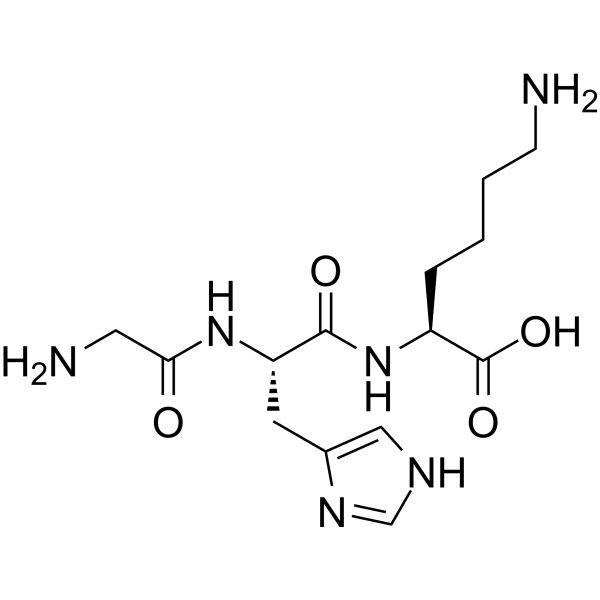
Cat. No.: HY-P0046
CAS No.: 49557-75-7
Synonyms: GHK; Tripeptide-1
Glycyl-L-histidyl-L-lysine is a tripeptide consisting of glycine, L-histidine and L-lysine residues joined in sequence. Glycyl-L-histidyl-L-lysine is a hepatotropic immunosuppressor and shows anxiolytic effect. Glycyl-L-histidyl-L-lysine and its copper complexes show good skin tolerance .
loading...
    loading...
2
2 Cited Publications
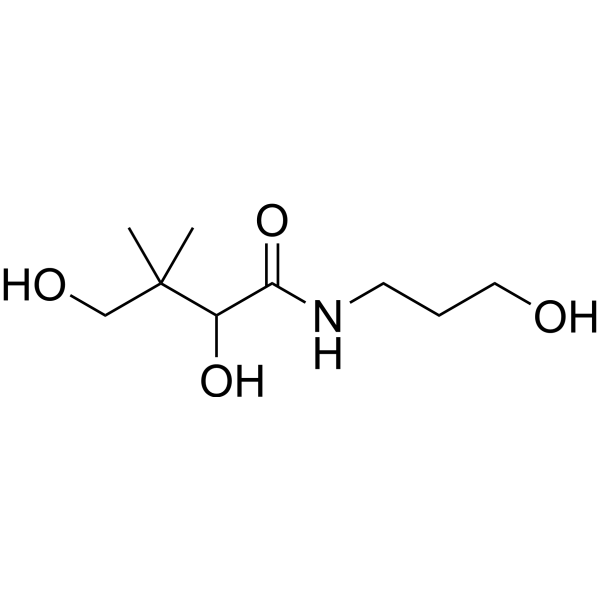
Cat. No.: HY-B1024
CAS No.: 16485-10-2
Synonyms: DL-Pantothenol; DL-Pantothenyl alcohol
DL-Panthenol (DL-Pantothenol) is a precursor of pantothenic acid. DL-Panthenol easily penetrates the skin and has effects of deep moisturizing, promoting wound healing and anti-inflammation. DL-Panthenol can also be used as a hair conditioner in cosmetics. DL-Panthenol has low acute toxicity, non-sensitizing property, and no significant genotoxicity or reproductive and developmental toxicity. DL-Panthenol can be applied to the research of cosmetics .
loading...
    loading...

