

78 Results for "

dendritic cell activation

" in MedChemExpress (MCE) Product Catalog:
Products (78)

78 Results for "dendritic cell activation" in MCE Product Catalog:

29
29 Publications Verification
Cat. No.: HY-15689
CAS No.: 1204669-58-8
Purity:  98.47%
Synonyms: INCB 024360
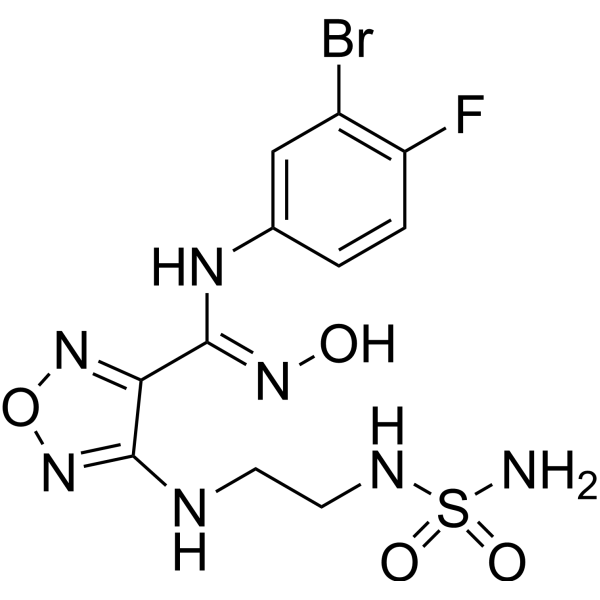
Epacadostat (INCB 024360) is a potent and selective indoleamine 2,3-dioxigenase 1 (IDO1) inhibitor with an IC50 of 71.8 nM . Epacadostat can effectively reduce Trp metabolism, entailing increased activation and maturation of dendritic cells, and enhanced proliferation of effector T cells and natural killer cells (NKs), as well as attenuated Tregs expansion.
loading...
    loading...
7
7 Cited Publications
Cat. No.: HY-113962
CAS No.: 64907-22-8
Purity:  99.88%
Synonyms: 7α,25-OHC
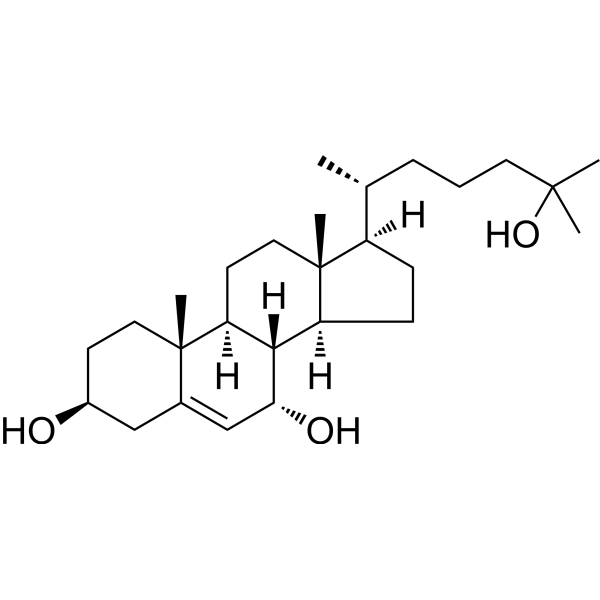
7α, 25-dihydroxycholesterol (7α,25-OHC) is a potent and selective agonist and endogenous ligand of the orphan GPCR receptor EBI2 (GPR183). 7α, 25-dihydroxycholesterol is highly potent at activating EBI2 (EC50=140 pM; Kd=450 pM). 7α, 25-dihydroxycholesterol can serve as a chemokine directing migration of B cells, T cells and dendritic cells .
loading...
    loading...
4
4 Cited Publications
Cat. No.: HY-N0699
CAS No.: 2034-69-7
Synonyms: Dephnoretin; Thymelol
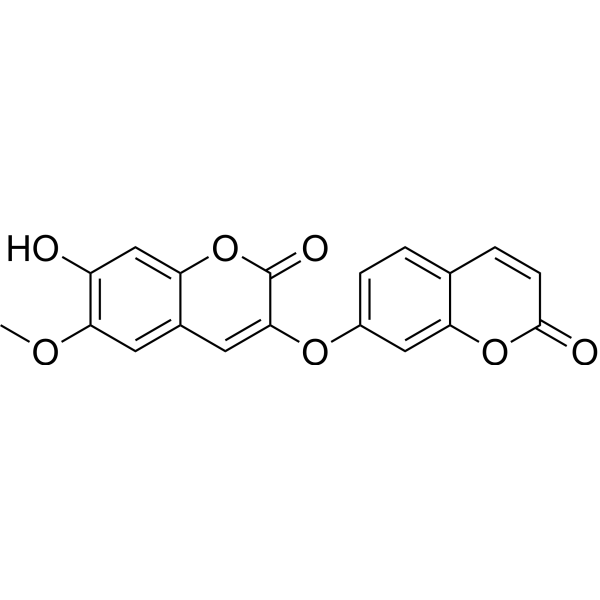
Daphnoretin (Dephnoretin; Thymelol) is a protein kinase C (PKC) activator that inhibits the expression of hepatitis B virus (HBV) surface antigen (HBsAg) and exhibits antiviral activity. Daphnoretin exerts its antitumor effects by inhibiting the activation of the PI3K/AKT signaling pathway and triggers the mitochondrial apoptosis pathway. Daphnoretin alleviates chondrocyte apoptosis and inflammatory responses by inhibiting endoplasmic reticulum stress and activation of the NLRP3 inflammasome. Daphnoretin regulates the differentiation and maturation of dendritic cells, inhibits their immunostimulatory function by downregulating the phosphorylation level of JNK, and thus exerts a protective effect in skin graft rejection .
loading...
    loading...
3
3 Cited Publications
Cat. No.: HY-150217
CAS No.: 1234402-77-7
Synonyms: ODN 10101
CpG ODN 10101 (ODN 10101; CPG 10101) is a selective agonist targeting TLR9, a synthetic oligodeoxynucleotide modified with phosphate thioester. CpG ODN 10101 activates B cells and plasmacytoid dendritic cells (pDCs), inducing the production of cytokines and chemokines such as interferon-IFN-α, interferon-inducible protein IP-10, and 2'5'-oligoadenylate synthase (2'5'-OAS), regulating innate immunity and promoting Th1 adaptive immune responses. CpG ODN 10101 also possesses antiviral properties and enhances vaccine immunogenicity, making it suitable as an immunomodulator and vaccine adjuvant for vaccine development in chronic hepatitis C and infectious diseases such as melioidosis, pertussis, and respiratory syncytial virus (RSV) .
loading...
    loading...
1
1 Cited Publications
Cat. No.: HY-139567
CAS No.: 2171019-55-7
Purity:  99.37%
Synonyms: BMS-986256
Afimetoran (BMS-986256) is an orally active, selective, and highly bioavailable TLR7/8 antagonist. Afimetoran (BMS-986256) can inhibit TLR7/8 activation of the NF-κB pathway and reverse TLR7 mediated resistance to steroid induced apoptosis in plasma cell like dendritic cells (pDCs). Afimetoran (BMS-986256) can be used for research on inflammation and autoimmune diseases (systemic lupus erythematosus) .
loading...
    loading...
1
1 Cited Publications
Cat. No.: HY-P99742
CAS No.: 2055640-86-1
Synonyms: ADC-1013; JNJ-64457107; Vanalimab

Target:  

TNF Receptor

Research Areas:  

Cancer

Mitazalimab (ADC-1013; JNJ-64457107) is FcγR-dependent CD40 agonist with tumor-directed activity. Mitazalimab activates antigen-presenting cells, e.g. dendritic cells (DC), to initiate tumor-reactive T cells. Therefore, Mitazalimab induces tumor-specific T cells to infiltrate and kill tumors. Mitazalimab remodels the tumor-infiltrating myeloid microenvironment .
loading...
    loading...
1
1 Cited Publications
Cat. No.: HY-P99300
CAS No.: 1322627-61-1
Synonyms: QGE 031; Anti-IGHE Recombinant Antibody

Target:  

Fc Receptor (FcR)

Research Areas:  

Inflammation/Immunology

Ligelizumab (QGE 031) is a humanized high-affinity anti-immunoglobulin IgE monoclonal antibody. Ligelizumab selectively inhibits the binding of IgE to the high-affinity receptor FcεRI, while the inhibitory effect on the low-affinity receptor CD23 is weak. Ligelizumab can inhibit the activation of effector cells such as mast cells and Basophil, while reducing the production of IgE by B cells, and restoring the IFN-α production and regulatory T cell (Treg) induction function of plasmacytoid dendritic cells (pDC). Ligelizumab can be used in the study of allergic diseases (such as chronic spontaneous urticaria, allergic asthma) .
loading...
    loading...
1
1 Cited Publications
Cat. No.: HY-P990680
Anti-Mouse CD40 Antibody (FGK4.5/FGK45) is an agonistic rat-derived IgG2a monoclonal antibody targeting mouse CD40. Anti-Mouse CD40 Antibody (FGK4.5/FGK45) enhances T cells responses, dendritic cells maturation and NK cells activation. Anti-Mouse CD40 Antibody (FGK4.5/FGK45) can be used for the researches of cancer, infection, inflammation and immunology, such as CT26 tumor, vesicular stomatitis virus (VSV) infection and transplantation .
loading...
    loading...
1
1 Cited Publications
Cat. No.: HY-P991257

Research Areas:  

Cancer

MK-1966 is an anti-IL-10 antibody. MK-1966 inhibits secretion of cytokines from activated macrophages, production of CC and CXC chemokines, and a TH1 response, down-regulates MHC and costimulatory molecules on dendritic cells (DCs), and induces regulatory T cells. MK-1966 can be used for the research of cancer , such as gastric cancer .
loading...
    loading...
1
1 Cited Publications
Cat. No.: HY-164426
CAS No.: 2377167-56-9
HEI3090 is a P2X7R activator. HEI3090 stimulates dendritic cells expressing P2X7R to produce IL-18, which subsequently promotes Natural Killer cells and CD4 T cells within tumors to produce IFN-γ, leading to a sustained antitumor response. HEI3090 can be used to enhance the efficacy of αPD-1 therapy in non-small cell lung cancer (NSCLC) .
loading...
    loading...
1
1 Cited Publications
Cat. No.: HY-P10869
dCNP binds to NPR-B/C receptor, activates cGMP signaling pathway, and regulates vascular function. dCNP exhibits anti-hypoxia property through downregulation of hypoxia-related genes expressions like HIF1α and HIF2α. dCNP inhibits the induction of tumor stroma and exhibits anti-fibrosis activity. dCNP upregulates CTLs, NK cells, and conventional type 1 dendritic cells in tumors, and activates immune responses .
loading...
    loading...
Cat. No.: HY-165613
CAS No.: 656831-18-4
Synonyms: Dipalmitoyl-S-glyceryl-cysteine; S-[2,3-Bis(palmitoyloxy)propyl]cysteine
Pam2Cys (Dipalmitoyl-S-glyceryl-cysteine; S-[2,3-Bis(palmitoyloxy)propyl]cysteine) is a TLR2 agonist and immunostimulant. Pam2Cys binds to TLR2 to activate dendritic cells and trigger the TLR2-dependent NF-κB signaling pathway. Pam2Cys also induces dendritic cell maturation by upregulating the expression of cell surface MHC II molecules. Pam2Cys activates innate immune signaling pathways, drives pro-inflammatory and antimicrobial responses, enhances the expression of macrophage activation markers, increases phagocytic activity, induces the release of IL-12 and pro-inflammatory cytokines, and polarizes macrophages into a pro-inflammatory, antimicrobial phenotype without interfering with IL-10-induced macrophage polarization. Pam2Cys also serves as the lipid moiety in synthetic lipopeptide vaccines and possesses self-adjuvant properties. Pam2Cys enhances the immunogenicity of conjugated peptide segments and induces cellular and humoral immune responses. However, it does not activate CD4 T cells in mouse splenocyte cultures when used alone. Pam2Cys activates pulmonary TLR2 signaling pathways, triggers innate immune responses, recruits neutrophils and macrophages, induces the secretion of various cytokines, alleviates symptoms and damages associated with influenza A virus infection in mice without impairing adaptive immunity. Pam2Cys can be used in studies related to tuberculosis and influenza A virus infection .
loading...
    loading...
Cat. No.: HY-P990273

Target:  

CD38 ERK CD1 Apoptosis

Research Areas:  

Cancer

Anti-Mouse CD38 Antibody (NIMR5) is an anti-mouse CD38 IgG2a monoclonal antibody. Anti-Mouse CD38 Antibody (NIMR5) can activate the ERK signaling pathway and promote cell apoptosis. Anti-Mouse CD38 Antibody (NIMR5) can restore T cell function. Anti-Mouse CD38 Antibody (NIMR5) upregulates the expression of CD1d protein and enhances spleen cell proliferation, dendritic cell (DC) and natural killer T cell (NKT) expansion. Anti-Mouse CD38 Antibody (NIMR5) can be used for researches on cancer and immunology such as melanoma and colon cancer .
loading...
    loading...
Cat. No.: HY-N15135
CAS No.: 9040-27-1
Arabinoxylan Medium viscosity is an orally active Dectin-1 splice variant modulator, glucose absorption inhibitor, and chyme viscosity enhancer. Arabinoxylan Medium viscosity inhibits particulate β-glucan-induced Dectin-1A activation and mildly suppresses Dectin-1B activation. In human dendritic cells stimulated with particulate β-glucan, Arabinoxylan Medium viscosity reduces the production of IL-10 and TNF-α, and increases the production of IL-4 and IL-23. Arabinoxylan Medium viscosity also supports antifungal immune responses without activating TLR2, TLR4 or TLR5, and does not induce cytokine production when used to stimulate human dendritic cells alone. Arabinoxylan Medium viscosity increases small intestinal chyme viscosity, gets degraded in the large intestine to produce short-chain fatty acids, reduces glucose absorption and insulin response, and improves glucose homeostasis. Arabinoxylan Medium viscosity supports microbial fermentation and the growth of beneficial microbiota in the gastrointestinal tract, prevents bile acid reabsorption, and delays starch digestion. Arabinoxylan Medium viscosity can be used in research related to type 2 diabetes, impaired glucose tolerance, and metabolic syndrome .
loading...
    loading...
Cat. No.: HY-108391
CAS No.: 74713-59-0
Purity:  ≥98.0%
Synonyms: N-Octanoyl-D-erythro-sphingosine
Target:  

Apoptosis PKC Autophagy

Research Areas:  

Inflammation/Immunology Cancer

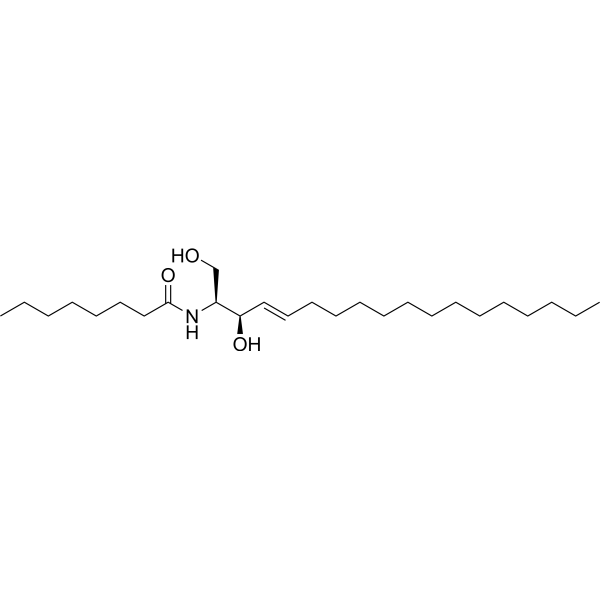
C8-Ceramide (N-Octanoyl-D-erythro-sphingosine) is a cell-permeable analog of naturally occurring ceramides. C8-Ceramide has anti-proliferation properties and acts as a potent chemotherapeutic agent. C8-Ceramide stimulates dendritic cells to promote T cell responses upon virus infections. C8-Ceramide induces slight activation of protein kinase (PKC) in vitro .
loading...
    loading...
Cat. No.: HY-147218
CAS No.: 2412356-57-9
Purity:  97.13%
Synonyms: ARRY-067
Target:  

TAM Receptor

Research Areas:  

Cancer

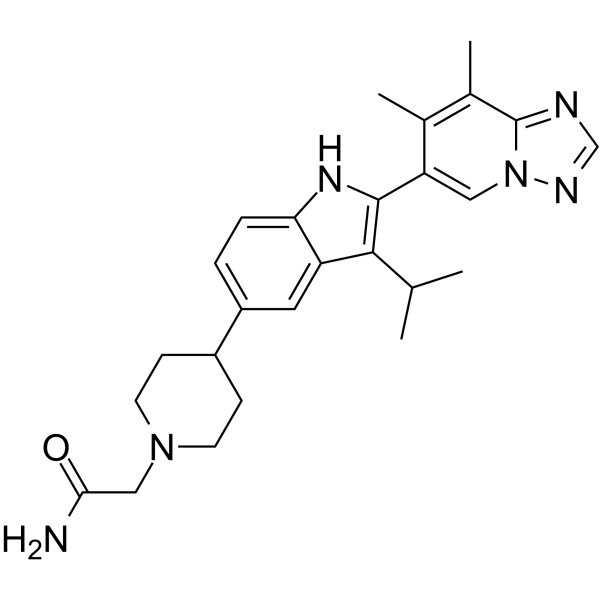
PF-07265807 (ARRY-067) is a kinase inhibitor with primary targets AXL, MERTK, and TYRO3. PF-07265807 acts as an immunomodulator that cross-activates CD8 + T cells by enhancing dendritic cell function. PF-07265807 blocks downstream signal transduction of AXL and MERTK, and inhibits the proliferation and migration of tumor cells with high expression of these two kinases. PF-07265807 is applicable to research related to advanced or metastatic solid tumors, such as colorectal cancer .
loading...
    loading...
Cat. No.: HY-162734
Target:  

GPR65

Research Areas:  

Inflammation/Immunology

BRD5075 is a selective GPR65 activator. BRD5075 enhances GPR65 activity under acidic conditions, promotes Gαs-dependent signaling pathways, including cAMP production and G protein recruitment. BRD5075 regulates the cytokine and chemokine expression network in dendritic cells, and inhibits the expression of pro-inflammatory cytokines and chemokines in a GPR65-dependent manner. BRD5075 is applicable to research related to inflammatory bowel disease .
loading...
    loading...
Cat. No.: HY-160696
CAS No.: 2641306-62-7
Target:  

CD73

Research Areas:  

Cancer

ORIC-533 is an orally active, highly selective, AMP-competitive CD73 inhibitor that potently blocks adenosine production with sub-nanomolar affinity (Ka=0.03 nM). In multiple myeloma, ORIC-533 restores and enhances the cytotoxicity of the immune system against tumor cells through multiple immunological mechanisms, including reversing the immunosuppressive microenvironment, inducing immunogenic cell death, and activating dendritic cells, T cells and NK cells, with no direct toxicity to normal cells. The combination of ORIC-533 with Daratumumab (HY-P9915) synergistically enhances anti-tumor efficacy, significantly increases intratumoral CD8 + T cell infiltration and inhibits tumor growth in vivo .
loading...
    loading...
Cat. No.: HY-N15936
CAS No.: 2936622-21-6
a15:0-i15:0 PE is an atypical TLR2 agonist, and its immune signaling strictly depends on the TLR2-TLR1 heterodimer. a15:0-i15:0 PE induces dendritic cells to produce TNFα and IL-6, but does not induce the production of IL-10 or IL-12p70. At low doses, a15:0-i15:0 PE resets the activation threshold of immune cells to suppress or regulate immune responses against specific agonists .
loading...
    loading...
Cat. No.: HY-W040255
CAS No.: 89947-79-5
Synonyms: PGPC
1-Palmitoyl-2-glutaryl-sn-glycero-3-phosphocholine is an oxidized phospholipid. 1-Palmitoyl-2-glutaryl-sn-glycero-3-phosphocholine reduces the viability of HUVECs, increases the levels of ferrous ions and lipid peroxidation, promotes the production of superoxide anions, and decreases the levels of glutathione and GPX4 in cells. 1-Palmitoyl-2-glutaryl-sn-glycero-3-phosphocholine upregulates the mRNA and protein levels of FABP3 in HUVECs, impairs mitochondrial membrane potential, and induces ferroptosis-related changes as well as mitochondrial dysfunction and damage. 1-Palmitoyl-2-glutaryl-sn-glycero-3-phosphocholine activates caspase-11 and promotes the continuous release of IL-1β from macrophages and dendritic cells. 1-Palmitoyl-2-glutaryl-sn-glycero-3-phosphocholine inhibits the proliferation of aortic smooth muscle cells and induces apoptosis in these cells. 1-Palmitoyl-2-glutaryl-sn-glycero-3-phosphocholine is applicable to relevant research on atherosclerosis .
loading...
    loading...

