

66 Results for "

difficile

" in MedChemExpress (MCE) Product Catalog:
Products (66)

66 Results for "difficile" in MCE Product Catalog:

7
7 Publications Verification
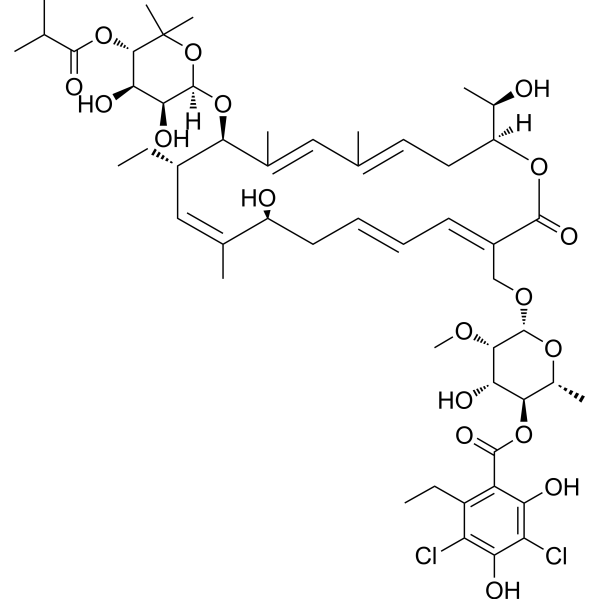
Cat. No.: HY-17580
CAS No.: 873857-62-6
Synonyms: OPT-80; PAR-101
Fidaxomicin (OPT-80), a macrocyclic antibiotic, is an orally active and potent RNA polymerase inhibitor. Fidaxomicin has a narrow spectrum of antibacterial activity and a good anti-Clostridium difficile activity (MIC90=0.12 μg/mL). Fidaxomicin can be used for Clostridium difficile infection (CDI) research .
loading...
    loading...
4
4 Cited Publications
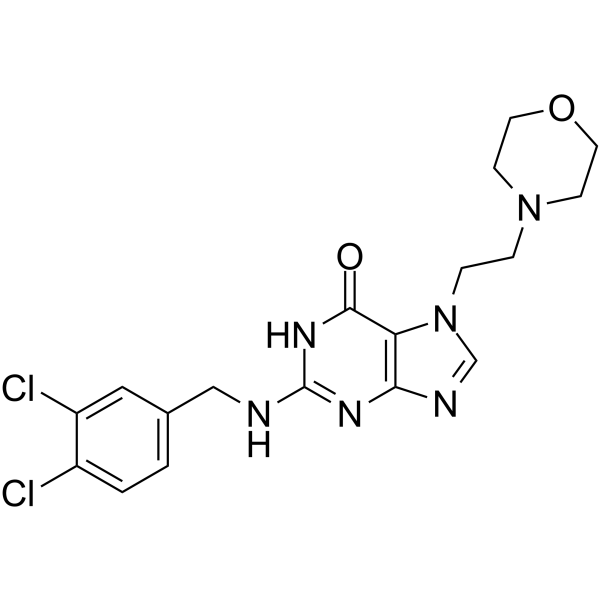
Cat. No.: HY-128357
CAS No.: 1275582-97-2
Purity:  ≥98.0%
Synonyms: ACX-362E; GLS-362E
Research Areas:  

Infection

Ibezapolstat (ACX-362E) is a first-in-class, orally active DNA polymerase IIIC (pol IIIC) inhibitor, with a Ki of 0.325 μM for the DNA pol IIIC from C. difficile. Ibezapolstat is developed for the research of C. difficile infection(CDI) .
loading...
    loading...
2
2 Cited Publications
Cat. No.: HY-P79219
Purity:  ≥ 95%, as determined by reducing SDS-PAGE.
Synonyms: Toxin B; EC:3.4.22.-; Glucosyltransferase TcdB; EC:2.4.1.-; tcdB; toxB
Species:  
Others
Source:  
E. coli
loading...
    loading...
1
1 Cited Publications
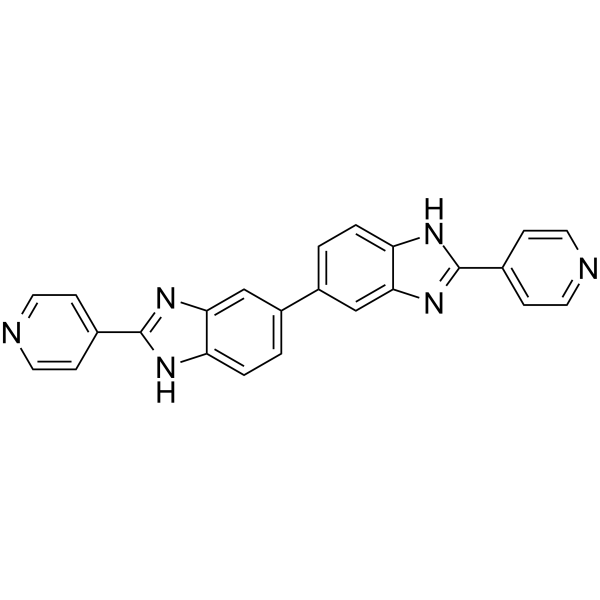
Cat. No.: HY-16753
CAS No.: 308362-25-6
Synonyms: SMT19969
Target:  

Bacterial

Research Areas:  

Infection

Ridinilazole is a novel antibacterial with MICs range of 0.06-0.25 µg/mL (MIC90=8 µg/mL) against C. difficile.
loading...
    loading...
1
1 Cited Publications
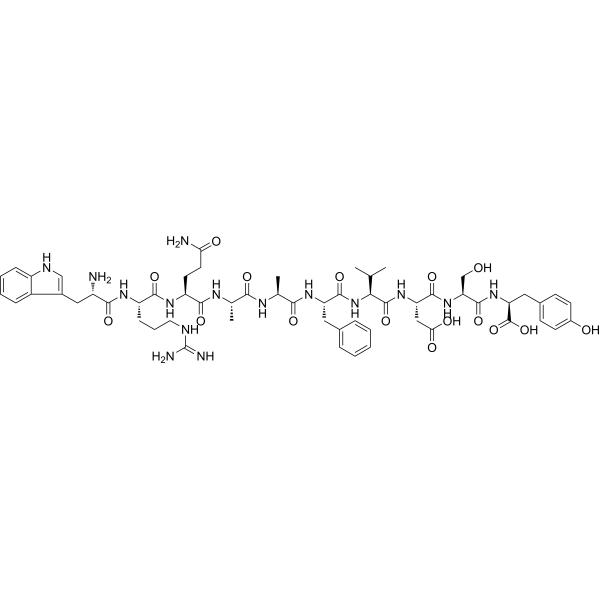
Cat. No.: HY-P1137
CAS No.: 955091-53-9
Target:  

Gap Junction Protein

Research Areas:  

Others

10Panx is a competitive inhibitor of selective Pannexin 1 (PANX1) channels. 10Panx blocks the opening of PANX1 channels, inhibits ATP release and downstream P2X7 receptor-mediated signaling pathways, thereby reducing cell death and inflammatory responses. 10Panx can be used in the study of diseases such as neuropathic pain, inflammatory bowel disease, and Clostridioides difficile infection. 10Panx can effectively reduce mechanical hyperalgesia and enhanced C-reflexes, and inhibit the expression of pro-inflammatory factors such as IL-6[1][2][3].
loading...
    loading...
1
1 Cited Publications
Cat. No.: HY-P9929
CAS No.: 1246264-45-8
Synonyms: BLA761046; MBL-CDB1; MDX-1388

Target:  

Bacterial

Research Areas:  

Infection

Bezlotoxumab (BLA761046; MBL-CDB1; MDX-1388) is a fully humanized IgG1/kappa monoclonal antibody directed against Clostridium difficile toxin B. Bezlotoxumab mediates the early reconstitution of gut microbiota to reduce the risk of recurrent Clostridium difficile infection (CDI). Bezlotoxumab can be used for the study of recurrent Clostridium difficile infection prevention .
loading...
    loading...
1
1 Cited Publications
Cat. No.: HY-P1108
CAS No.: 681260-70-8
Target:  

CRFR

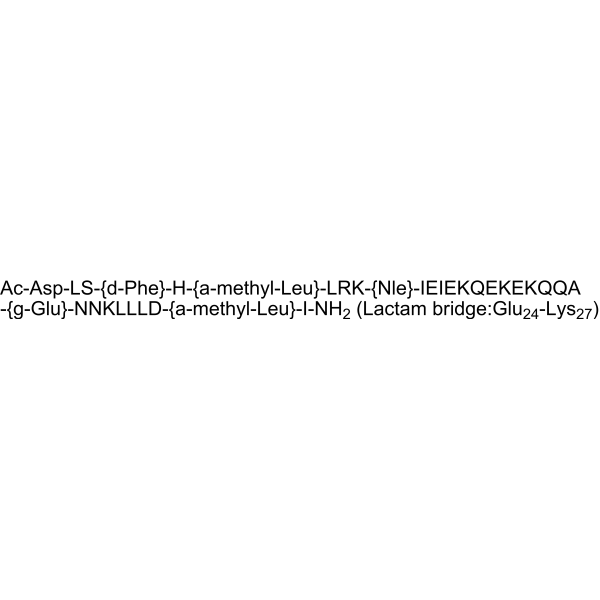
Astressin 2B is a blood-brain barrier-impermeable, highly selective CRFR2 antagonist (rCRFR2, IC50=0.57 nM). Astressin 2B blocks the protective effects mediated by CRFR2, thereby exacerbating indomethacin (HY-14397)-induced hemorrhagic intestinal injury in rats. Astressin 2B reverses the protective effects of Urocortin 1 against intestinal hypermotility, bacterial invasion and upregulation of inflammatory mediators. Astressin 2B also blocks the anxiogenic effect of Urocortin 2 and attenuates stress-induced anxiety-related behaviors. In the Clostridioides difficile toxin A (C. difficile toxin A)-mediated enteritis model, Astressin 2B mimics the phenotype of CRFR2-deficient mice, significantly exacerbating intestinal epithelial damage, edema, neutrophil migration and the expression of multiple proinflammatory cytokines. Astressin 2B is an important tool molecule for investigating the intestinal protective mechanisms of CRFR2 .
loading...
    loading...
1
1 Cited Publications
Cat. No.: HY-P1108A
Target:  

CRFR

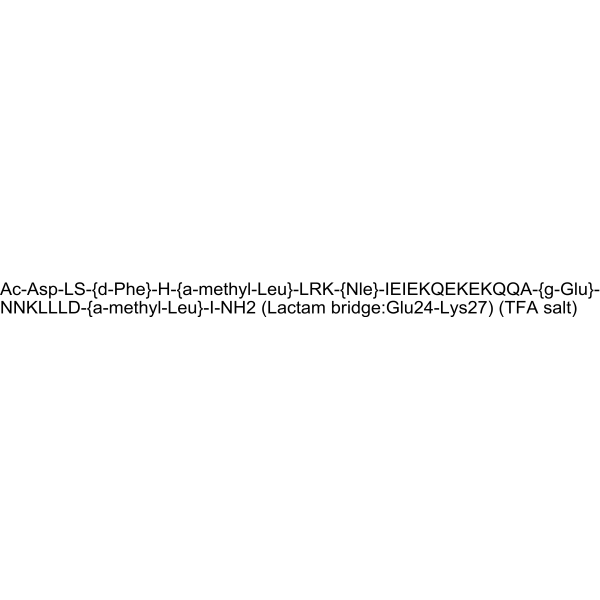
Astressin 2B TFA is a blood-brain barrier-impermeable, highly selective CRFR2 antagonist (rCRFR2, IC50=0.57 nM). Astressin 2B TFA blocks the protective effects mediated by CRFR2, thereby exacerbating indomethacin (HY-14397)-induced hemorrhagic intestinal injury in rats. Astressin 2B TFA reverses the protective effects of Urocortin 1 against intestinal hypermotility, bacterial invasion and upregulation of inflammatory mediators. Astressin 2B TFA also blocks the anxiogenic effect of Urocortin 2 and attenuates stress-induced anxiety-related behaviors. In the Clostridioides difficile toxin A (C. difficile toxin A)-mediated enteritis model, Astressin 2B TFA mimics the phenotype of CRFR2-deficient mice, significantly exacerbating intestinal epithelial damage, edema, neutrophil migration and the expression of multiple proinflammatory cytokines. Astressin 2B TFA is an important tool molecule for investigating the intestinal protective mechanisms of CRFR2 .
loading...
    loading...
1
1 Cited Publications
Cat. No.: HY-18324
CAS No.: 1013915-71-3
Synonyms: REP-3123
Target:  

Antibiotic Bacterial

Research Areas:  

Infection

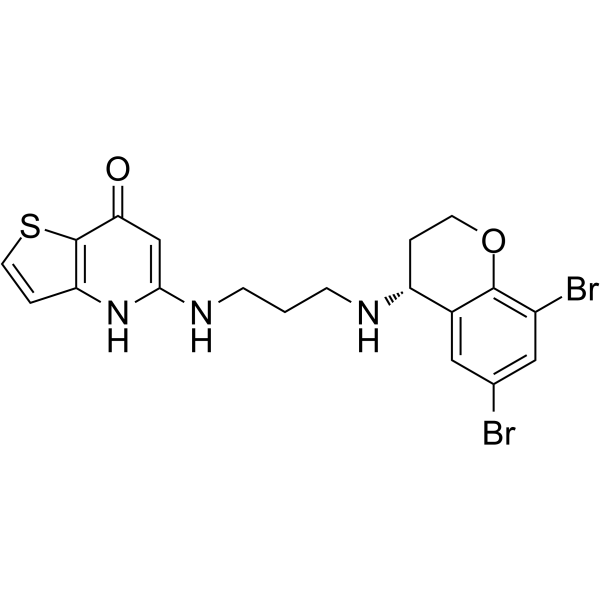
CRS3123 (REP-3123) is an orally active antibacterial agent that targets methionyl-tRNA synthetase (MetRS). CRS3123 competitively displaces methionine from the active site of MetRS, preventing tRNA charging and protein synthesis, and exhibits greater selectivity for C. difficile MetRS than for human MetRS and Gram-negative bacterial MetRS. CRS3123 can be used in research on Clostridioides difficile infection and vancomycin-resistant enterococcal infection .
loading...
    loading...
1
1 Cited Publications
Cat. No.: HY-115440
CAS No.: 1013915-99-5
Purity:  99.18%
Synonyms: REP-3123 dihydrochloride
Target:  

Antibiotic Bacterial

Research Areas:  

Infection

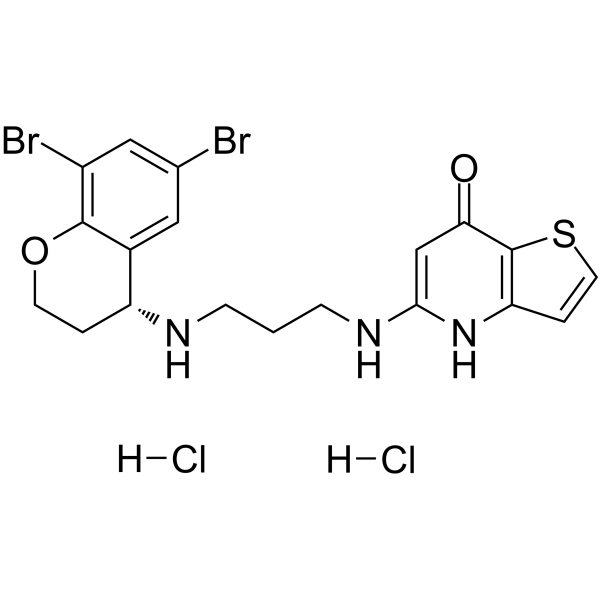
CRS3123 dihydrochloride (REP-3123 dihydrochloride) is an orally active antibacterial agent that targets methionyl-tRNA synthetase (MetRS). CRS3123 dihydrochloride competitively displaces methionine from the active site of MetRS, preventing tRNA charging and protein synthesis, and exhibits greater selectivity for C. difficile MetRS than for human MetRS and Gram-negative bacterial MetRS. CRS3123 dihydrochloride can be used in research on Clostridioides difficile infection and vancomycin-resistant enterococcal infection .
loading...
    loading...
1
1 Cited Publications
Cat. No.: HY-148041
CAS No.: 85573-18-8
Purity:  ≥98.0%
Target:  

ATP Synthase

Research Areas:  

Others

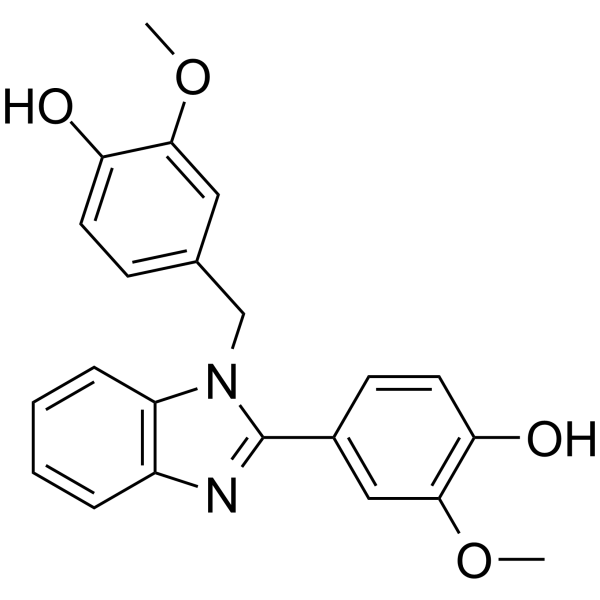
ATPase-IN-2 is an ATPase inhibitor with an IC50 value of 0.9 μM. ATPase-IN-2 inhibits C. difficile toxin B (TcdB) glycohydrolase activity with an AC50 value of 30.91 μM. ATPase-IN-2 can be used for the research of ATP-related .
loading...
    loading...
Cat. No.: HY-B0975
CAS No.: 132-98-9
Synonyms: Phenoxymethylpenicillin potassium salt
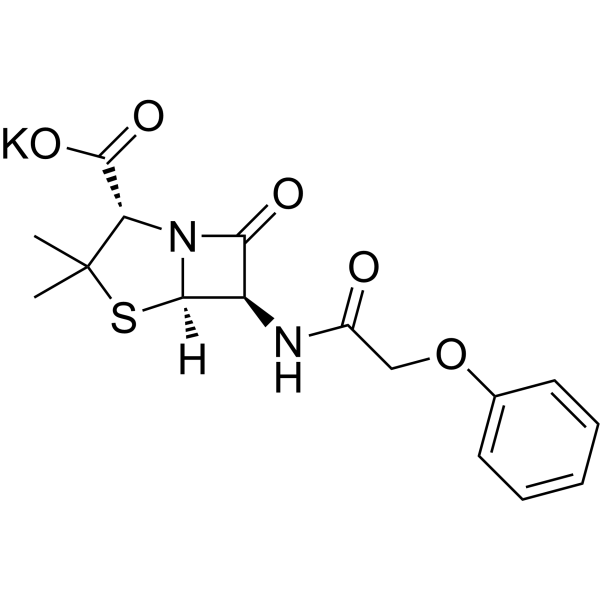
Penicillin V Potassium (Phenoxymethylpenicillin potassium salt) is an orally active antibiotic. Penicillin V Potassium inhibits the growth of Streptococci, C. difficile and S. aureus. Penicillin V Potassium can be used for the research of otitis, sinusitis, pharyngitis and tonsillitis .
loading...
    loading...
Cat. No.: HY-B0975A
CAS No.: 87-08-1
Synonyms: Phenoxymethylpenicillin
Target:  

Antibiotic Bacterial

Research Areas:  

Infection

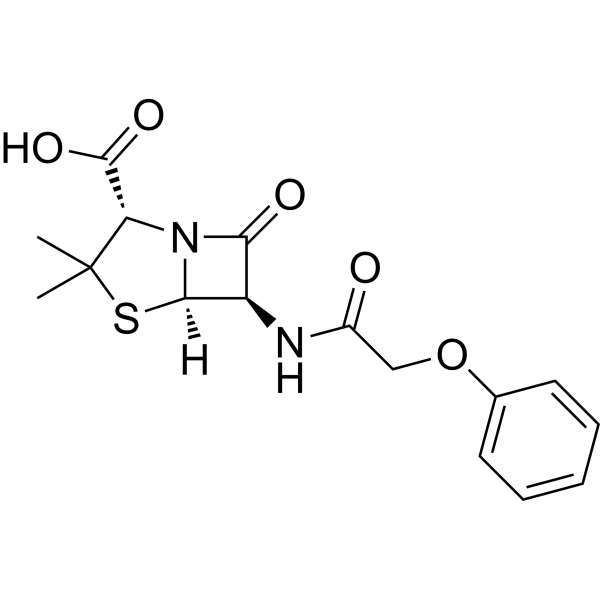
Penicillin V (Phenoxymethylpenicillin) is a potent and orally active antibiotic. Penicillin V shows antibacterial activity for Streptococci, Clostridium difficile and staphylococcus aureus. Penicillin V has the potential for the research of otitis, sinusitis, pharyngitis and tonsillitis .
loading...
    loading...
Cat. No.: HY-107830
CAS No.: 1448-36-8
Purity:  99.81%
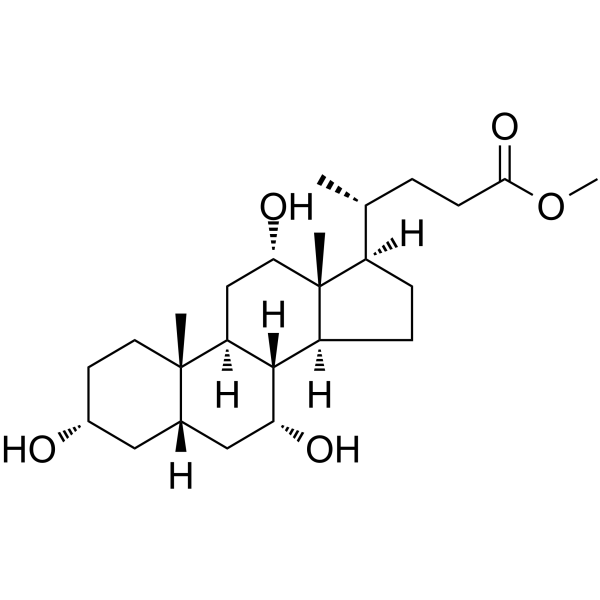
Methyl cholate is a bile acid analog and a specific inhibitor of TcdB toxin from Clostridioides difficile. Methyl cholate exerts a stronger selective inhibitory effect on TcdB than on TcdA. Methyl cholate induces conformational stabilization by binding to a unique site of TcdB, thereby blocking the binding of the toxin to host receptors and its self-processing process. Methyl cholate effectively protects human fibroblasts from TcdB-induced cytopathic effects. Methyl cholate exhibits dose-dependent anti-hepatic fibrosis activity in both cellular and zebrafish models, and significantly reduces the expression levels of α-SMA and COL-I. Methyl cholate is suitable for in-depth research in the fields of Clostridioides difficile infection and hepatic fibrosis .
loading...
    loading...
Cat. No.: HY-100436
CAS No.: 1025097-10-2
Purity:  98.76%
Synonyms: ACT-179811
Target:  

Bacterial Antibiotic

Research Areas:  

Infection

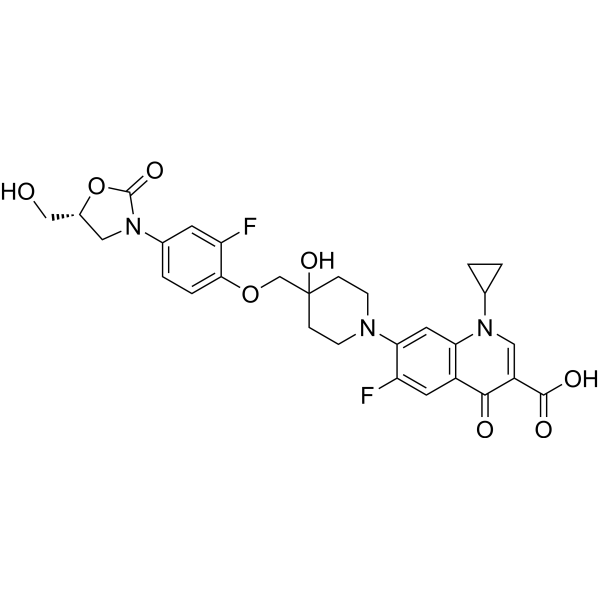
Cadazolid (ACT-179811) is a new oxazolidinone antibiotic with potent activity against Clostridium difficile.
loading...
    loading...
Cat. No.: HY-B1143
CAS No.: 3684-46-6
Synonyms: Brobenzoxaldine
Target:  

Parasite Fungal Bacterial

Research Areas:  

Infection

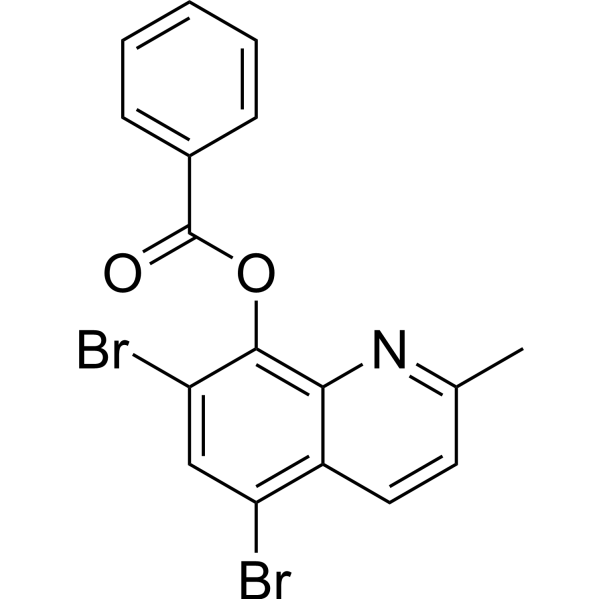
Broxaldine (Brobenzoxaldine) is an antiprotozoal agent. Broxaldine inhibits Clostridium difficile with a MIC value of 4 µM, and has antifungal effects .
loading...
    loading...
Cat. No.: HY-103249
CAS No.: 303957-69-9
Purity:  98.08%
Synonyms: Reutericycline
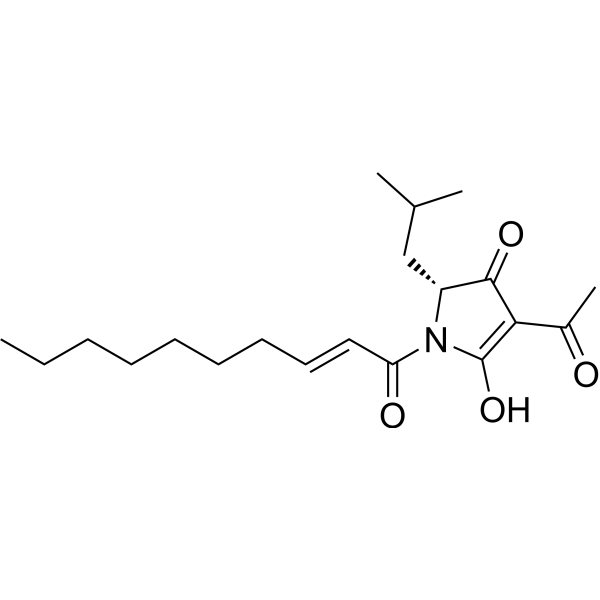
Reutericyclin (Reutericycline) is an orally active antibacterial and anti-obesity agent that selectively inhibits Gram-positive bacteria. By selectively dissipating transmembrane potential, Reutericyclin exerts non-lytic bactericidal or bacteriostatic activity against pathogens such as Clostridium difficile and Staphylococcus aureus, and rapidly kills vegetative cells and spores of Clostridium difficile. Reutericyclin possesses favorable properties including resistance to enzymatic hydrolysis, iron-chelating function, and poor absorption by colonic epithelium. Reutericyclin not only eradicates staphylococcal biofilms and inhibits drug-resistant strains, but also counteracts Risperidone (HY-11018)-induced weight gain by inducing changes in gut microbiota composition and restoring energy utilization efficiency. Reutericyclin can be used in research related to Clostridium difficile infection, Risperidone-induced weight gain, and staphylococcal superficial skin infections .
loading...
    loading...
Cat. No.: HY-17580S
CAS No.: 2143934-06-7
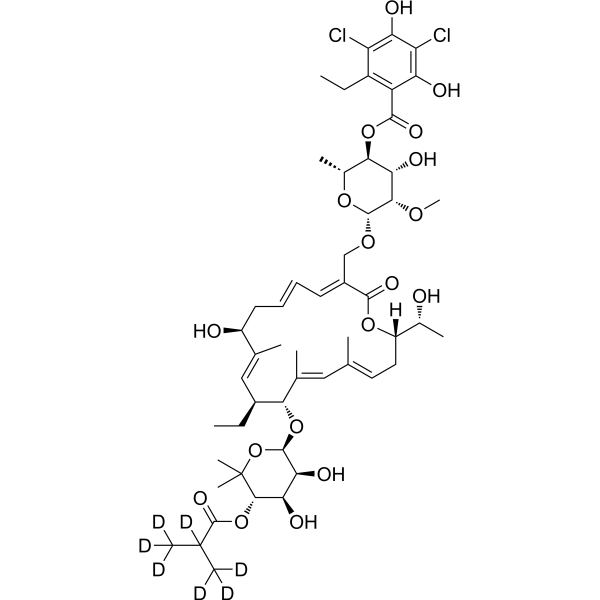
Fidaxomicin-d7 (OPT-80-D7) is the deuterium labeled Fidaxomicin. Fidaxomicin (OPT-80), a macrocyclic RNA polymerase inhibitor, has a narrow spectrum of activity. Fidaxomicin selectively eradicates pathogenic Clostridium difficile with minimal disruption to the multiple species of bacteria that make up the normal, healthy intestinal flora .
loading...
    loading...
Cat. No.: HY-105099
CAS No.: 129791-92-0
Purity:  99.64%
Synonyms: KRM-1648; ABI-1648
Rifalazil (KRM-1648; ABI-1648), a rifamycin derivative, inhibits the bacterial DNA-dependent RNA polymerase and kills bacterial cells by blocking off the β-subunit in RNA polymerase . Rifalazil (KRM-1648; ABI-1648) is an antibiotic, exhibits high potency against mycobacteria, gram-positive bacteria, Helicobacter pylori, C. pneumoniae and C. trachomatis with MIC values from 0.00025 to 0.0025 μg/ml . Rifalazil (KRM-1648; ABI-1648) has the potential for the treatment of Chlamydia infection, Clostridium difficile associated diarrhea (CDAD), and tuberculosis (TB) .
loading...
    loading...
Cat. No.: HY-P99277
CAS No.: 1245634-25-6
Synonyms: Anti-C. difficile Toxin A Recombinant Antibody

Target:  

Inhibitory Antibodies

Research Areas:  

Infection

Actoxumab (Anti-C. difficile Toxin A Recombinant Antibody) is a antitoxin antibody against C. difficile toxin A by neutralizing TcdA. Actoxumab prevents both the damage to the gut wall and the inflammatory response, which are associated with C. difficile. Actoxumab has synergy effect with Bezlotoxumab (HY-P9929) targeting TcdB .
loading...
    loading...

