
117 Results for "

electron transport

" in MedChemExpress (MCE) Product Catalog:
Products (117)

117 Results for "electron transport" in MCE Product Catalog:

  • Categories Recommended:
    More
215
215 Publications Verification
Cat. No.: HY-B1756
CAS No.: 83-79-4
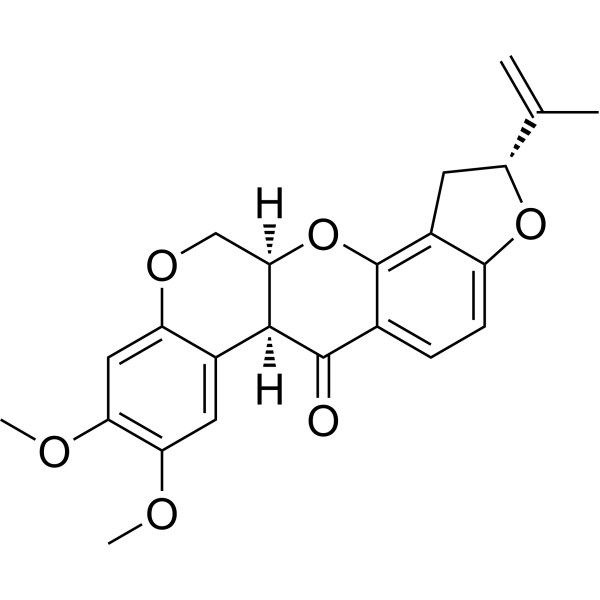
Rotenone is a mitochondrial electron transport chain complex I inhibitor. Rotenone induces apoptosis through enhancing mitochondrial reactive oxygen species production.
loading...
    loading...
127
127 Cited Publications
Cat. No.: HY-N6782
CAS No.: 1404-19-9
Oligomycin, an antifungal antibiotic, is an inhibitor of H +-ATP-synthase. Oligomycin blocks oxidative phosphorylation and the electron transport chain. Oligomycin inhibits HIF-1alpha expression in hypoxic tumor cells .
loading...
    loading...
17
17 Cited Publications
Cat. No.: HY-N0111
CAS No.: 303-98-0
Synonyms: CoQ10; Ubiquinone-10; Ubidecarenone
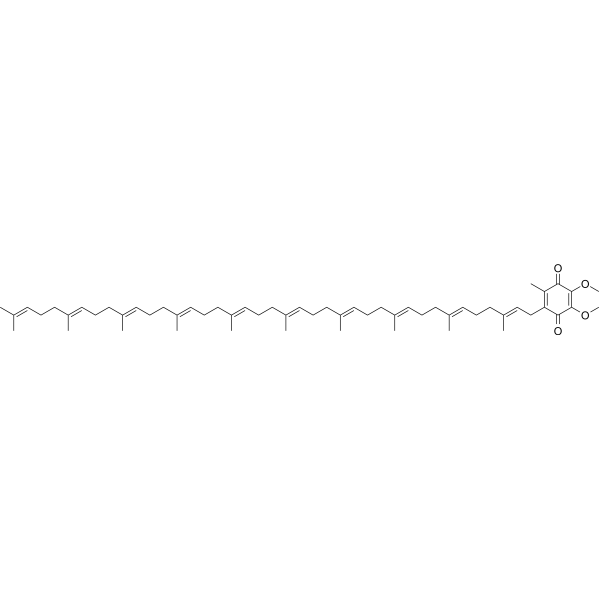
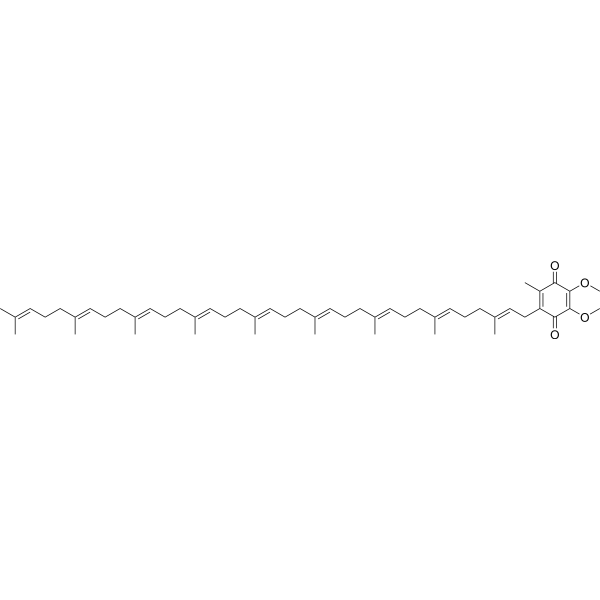
Coenzyme Q10 is an essential cofactor of the electron transport chain and a potent antioxidant agent.
loading...
    loading...
8
8 Cited Publications
Cat. No.: HY-D0937
CAS No.: 65162-13-2
Synonyms: 1-Methoxy PMS; 1-Methoxyphenazine methosulfate
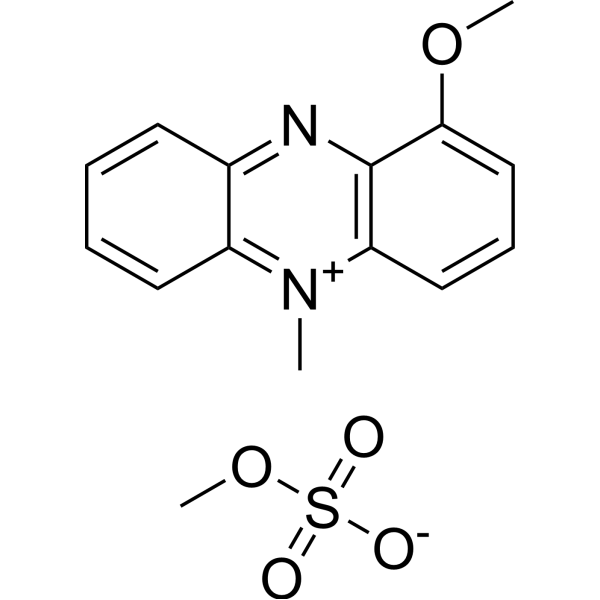
Methoxy-PMS (1-Methoxy PMS), an active oxygen formation inducer, is stable electron-transport mediator between NAD(P)H and tetrazolium dyes .
loading...
    loading...
8
8 Cited Publications
Cat. No.: HY-145597
CAS No.: 1369452-53-8
Purity:  99.40%
Target:  

GLUT Disulfidptosis

Research Areas:  

Metabolic Disease Cancer

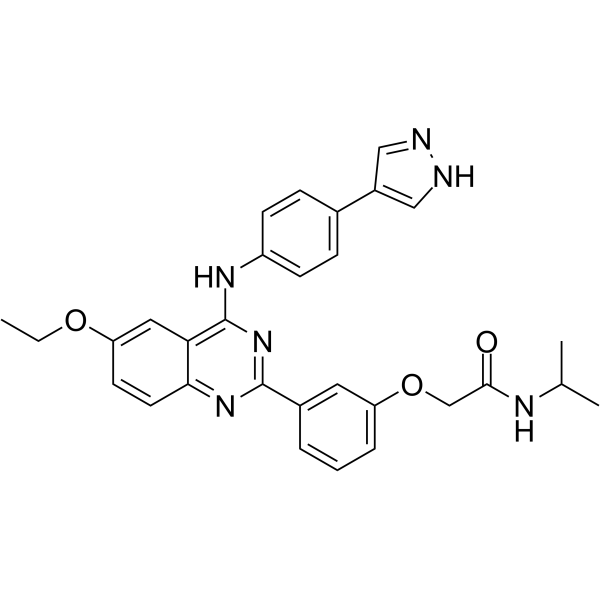
KL-11743 is a potent, orally active, and glucose-competitive inhibitor of the class I glucose transporters, with IC50s of 115, 137, 90, and 68 nM for GLUT1, GLUT2, GLUT3, and GLUT4, respectively. KL-11743 specifically blocks glucose metabolism. KL-11743 can synergize with electron transport inhibitors to induce cell death. In addition, KL-11743 can induce the formation of disulfide bonds in actin cytoskeletal proteins, leading to the occurrence of cellular disulfidptosis .
loading...
    loading...
6
6 Cited Publications
Cat. No.: HY-114936
CAS No.: 2738-64-9
Purity:  ≥99.0%
Synonyms: AR-054
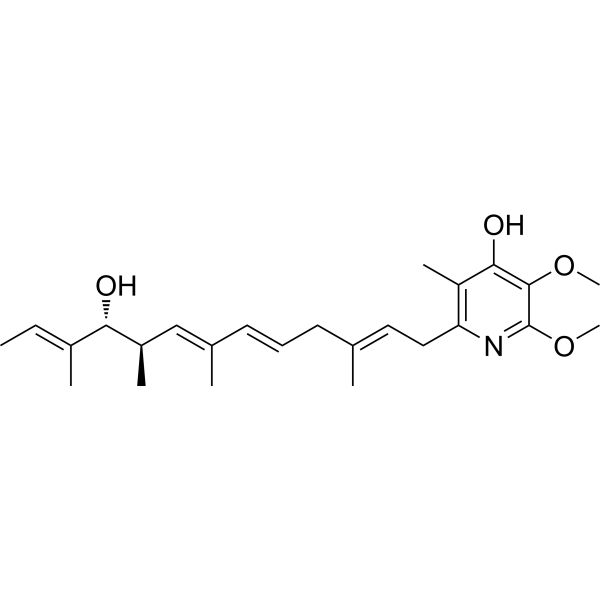
Piericidin A (AR-054) is a natural mitochondrial NADH-ubiquinone oxidoreductase (complex I) inhibitor. Piericidin A is a potent neurotoxin and inhibits mitochondrial respiration by disrupting the electron transport system through its action on NADH-ubiquinone reductase. Piericidin A is also a potential quorum-sensing inhibitor that suppresses the expression of the virulence genes of Erwinia carotovora subsp. atroseptica (Eca). Piericidin A is an ADC cytotoxin and has anti-bacterial, anticancer, insecticidal activity .
loading...
    loading...
4
4 Cited Publications
Cat. No.: HY-N12257
CAS No.: 27220-57-1
Antimycin A2 is a selective inhibitor of the cytochrome b-c1 complex in the mitochondrial electron transport chain. Antimycin A2 disrupts mitochondrial membrane potential and produces reactive oxygen species (ROS) by inhibiting electron transfer between cytochrome b and c. Antimycin A2 has bactericidal and piscicidal activity, as well as tumor cell growth inhibitory effects, and can induce S-phase cell cycle arrest and apoptosis in HeLa cells. Antimycin A2 is suitable for research of cervical cancer and fisheries management. Antimycin A2 can be naturally isolated from the fermentation products of Streptomyces sp. strains .
loading...
    loading...
3
3 Cited Publications
Cat. No.: HY-125857
CAS No.: 9007-43-6
Purity:  99.9%
Cytochrome C is a multi-functional enzyme involving in life and death decisions of the cell. Cytochrome C is essential in mitochondrial electron transport and intrinsic type II apoptosis .
loading...
    loading...
3
3 Cited Publications
Cat. No.: HY-N0354
CAS No.: 84-65-1
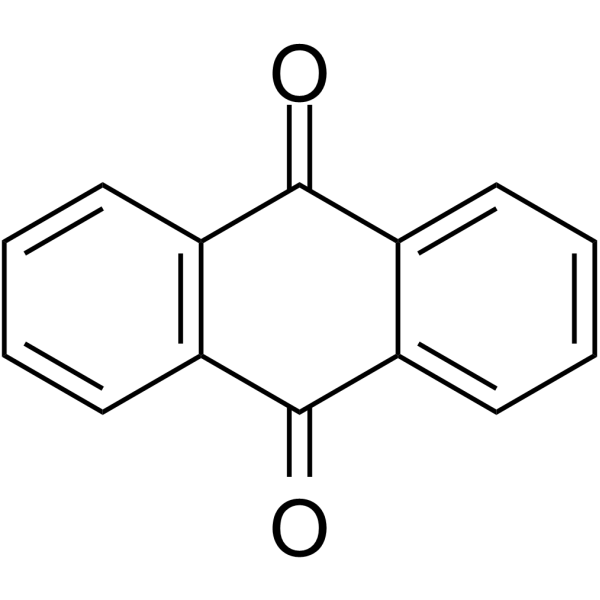
Anthraquinone is used as a precursor for dye formation and agrochemicals, existing in different organisms, such as bacteria, fungi, plants, and some animals. Anthraquinone has biological activities: anticancer, antiinflammatory, diuretic, antiarthritic, antifungal, antibacterial, antimalarial and antioxidant. Anthraquinone also plays an important role in the primary metabolism of plants by acting on the electron transport chain through the inhibition of energy transfer in the photosynthetic process. Anthraquinone can intercalates into DNA and inhibits the topoisomerase II (topo II) enzyme, resulting in cell death via Apoptosis .
loading...
    loading...
2
2 Cited Publications
Cat. No.: HY-130055
CAS No.: 341-88-8
Purity:  99.19%
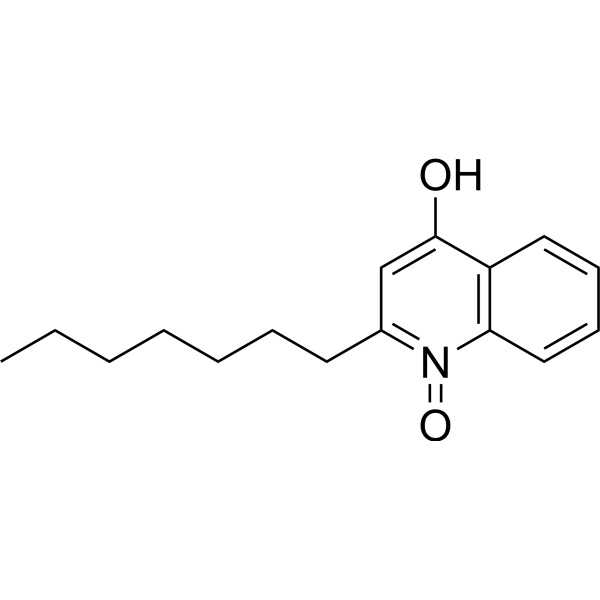
HQNO, secreted by P. aeruginosa, is a potent electron transport chain inhibitor with a Kd of 64 nM for complex III . HQNO is a potent inhibitor of mitochondrial NDH-2 in many species .
loading...
    loading...
2
2 Cited Publications
Cat. No.: HY-B1756R
CAS No.: 83-79-4
Rotenone (Standard) is the analytical standard of Rotenone. This product is intended for research and analytical applications. Rotenone is a mitochondrial electron transport chain complex I inhibitor. Rotenone induces apoptosis through enhancing mitochondrial reactive oxygen species production.
loading...
    loading...
2
2 Cited Publications
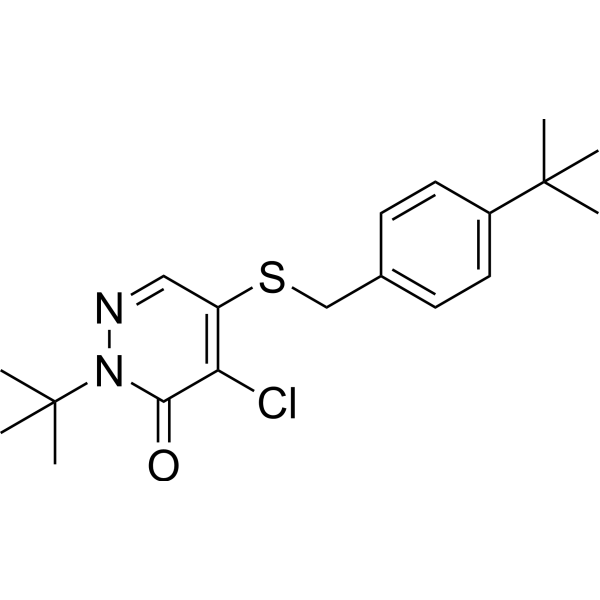
Cat. No.: HY-B0817
CAS No.: 96489-71-3
Research Areas:  

Infection

Pyridaben is a mitochondrial electron transport inhibitor (METI) acaricide that promotes the formation of damaging oxygen and nitrogen radicals. Pyridaben selectively inhibits complex I (NADH dehydrogenase) with an IC50 value of 2.4 nM (assay sites: rat liver and bovine heart mitochondria). Pyridaben also significantly inhibits rat mitochondrial mtNOS function .
loading...
    loading...
1
1 Cited Publications
Cat. No.: HY-136406
CAS No.: 11076-19-0
Purity:  99.39%
Target:  

ATP Synthase

Research Areas:  

Infection Cancer

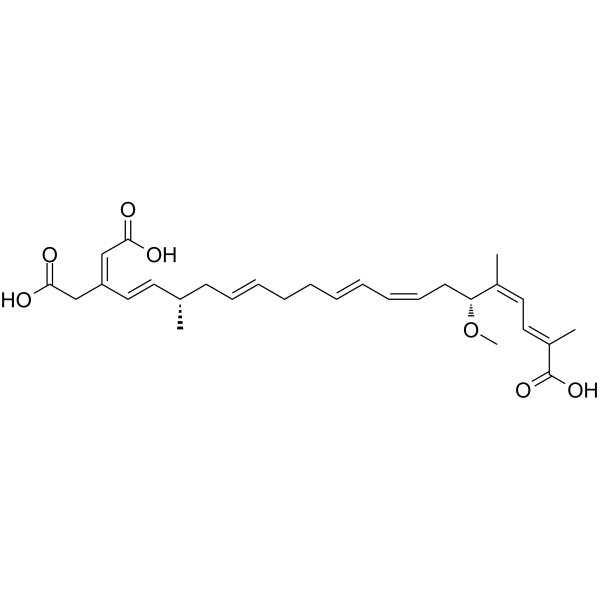
Bongkrekic acid is a mitochondrial toxin secreted by the bacteria Pseudomonas cocovenenans . Bongkrekic acid specific ligand for mitochondrial adenine nucleotide translocase (ANT) rather than the electron transport chain. Bongkrekic acid has to cross the mitochondrial inner membrane to produce its inhibitory effect on ADP/ATP transport .
loading...
    loading...
1
1 Cited Publications
Cat. No.: HY-101415
CAS No.: 303-97-9
Purity:  ≥98.0%
Synonyms: Ubiquinone Q9; CoQ9; Ubiquinone 9
Coenzyme Q9 (Ubiquinone Q9), the major form of ubiquinone in rodents, is an amphipathic molecular component of the electron transport chain that functions as an endogenous antioxidant. Coenzyme Q9 attenuates the diabetes-induced decreases in antioxidant defense mechanisms. Coenzyme Q9 improves left ventricular performance and reduces myocardial infarct size and cardiomyocyte apoptosis .
loading...
    loading...
1
1 Cited Publications
Cat. No.: HY-N6715
CAS No.: 610-88-8
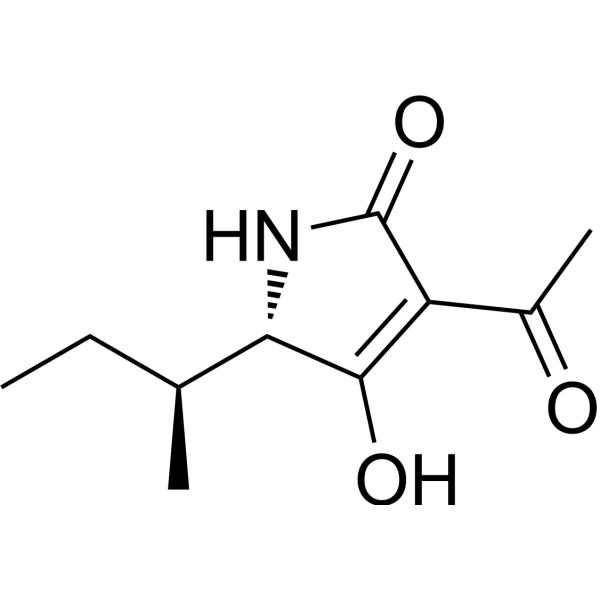
Tenuazonic acid is a nonhost-selective mycotoxin belonging to the tetramic acids family. Tenuazonic acid inhibits protein biosynthesis on ribosomes by suppressing the release of new protein. Tenuazonic acid is acutely toxic, and oral LD50 is set between 81-186 mg/kg in rats and mice. Tenuazonic acid blocks electron transport beyond the primary quinone receptor (QA) by interacting with the D1 protein and is a photosystem II (PSII) inhibitor. In addition, Tenuazonic acid has antiviral effects on measles virus, enterovirus, respiratory virus and so on. Tenuazonic acid has an inhibitory effect on skin cancer .
loading...
    loading...
1
1 Cited Publications
Cat. No.: HY-129115
CAS No.: 897613-29-5
Research Areas:  

Inflammation/Immunology

S1QEL1.1 is a cell-permeable selective site IQ electron leak inhibitor and mitochondrial complex I site IQ superoxide/hydrogen peroxide production inhibitor (IC50 of 70.3 nM for IQr; IC50 of 64.0 nM for IQf), exerting cytoprotective effects by inhibiting site IQ-dependent ROS production during reverse and forward electron transport without affecting oxidative phosphorylation and normal electron transport. S1QEL1.1 can be used for research on ischemia-reperfusion injury .
loading...
    loading...
1
1 Cited Publications
Cat. No.: HY-B1847
CAS No.: 5915-41-3
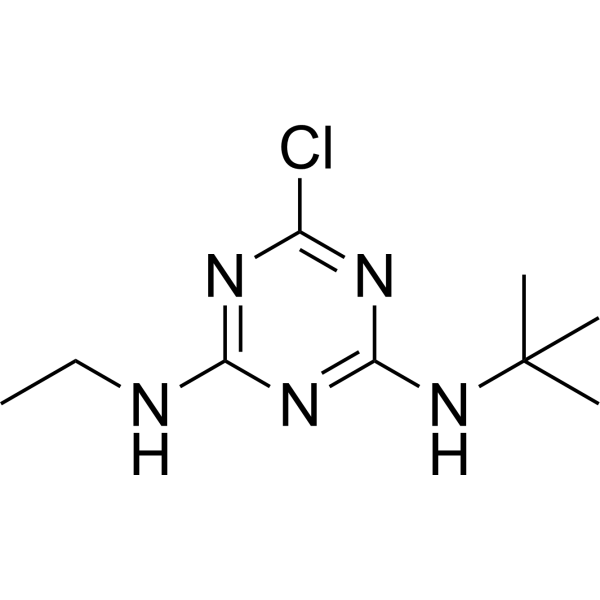
Terbuthylazine is an inhibitor of acetolactate syntase (ALS), is a selective herbicide. Terbuthylazine blocks electron transport in photosystem II via interaction with the D1-protein .
loading...
    loading...
1
1 Cited Publications
Cat. No.: HY-W020246
CAS No.: 97-74-5
Synonyms: TMTM
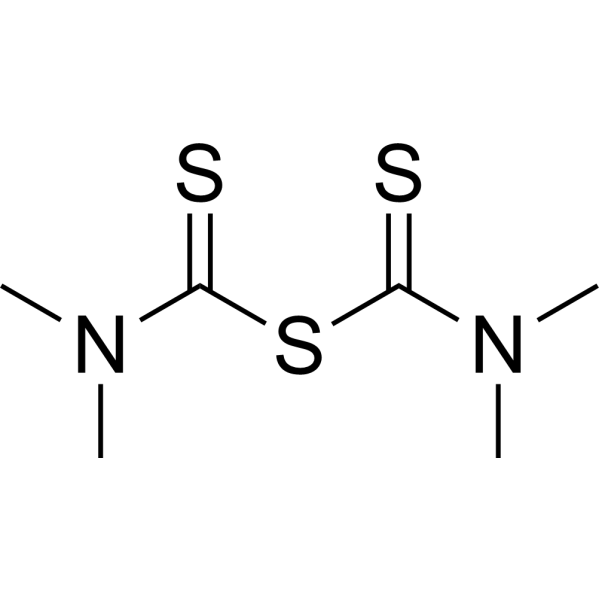
Tetramethylthiuram monosulfide (TMTM) is an orally active microsomal monooxygenases inhibitor. Tetramethylthiuram monosulfide is used as an accelerator and activator in the processing of natural rubber and butyl rubber. Tetramethylthiuram monosulfide reduces palmitic acid incorporation into microsomal phospholipids, disrupts microsomal membrane integrity, and impairs electron transport during oxygenation. Tetramethylthiuram monosulfide can be used for the research of fungal infection, bacterial infection and allergic contact dermatitis .
loading...
    loading...
1
1 Cited Publications
Cat. No.: HY-113232
CAS No.: 33008-07-0
Purity:  99.90%
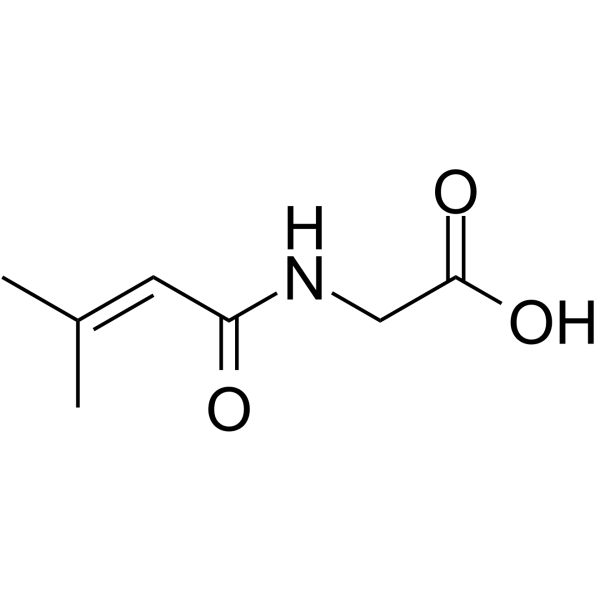
3-Methylcrotonylglycine is an organic acid conjugate associated with leucine catabolism that inhibits respiratory chain complex II-III, mitochondrial creatine kinase, and synaptic membrane Na +, K +-ATPase. 3-Methylcrotonylglycine increases reactive oxygen species levels to mediate oxidative damage, while inhibiting mitochondrial electron transport, reducing tricarboxylic acid cycle flux, and interfering with intracellular energy transport and neuronal ion homeostasis. 3-Methylcrotonylglycine is a neurotoxic metabolite that accumulates in the metabolic pathway of 3-methylcrotonyl-CoA carboxylase deficiency. 3-Methylcrotonylglycine can be used in studies related to 3-methylcrotonyl-CoA carboxylase deficiency .
loading...
    loading...
1
1 Cited Publications
Cat. No.: HY-136406S
Purity:  ≥98.0%
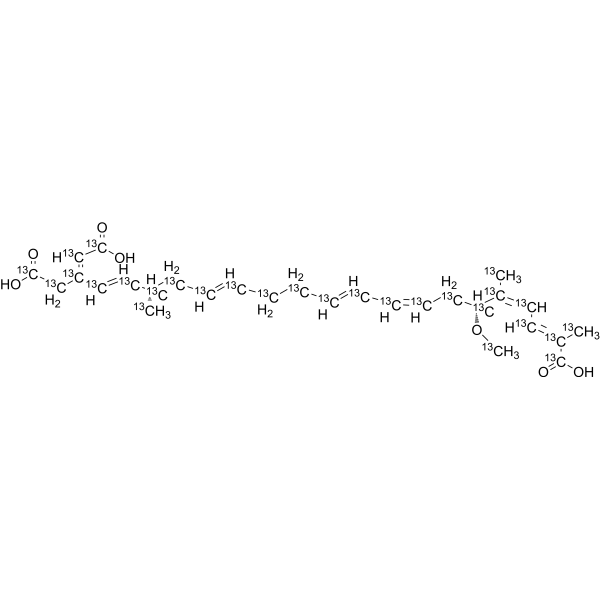
Bongkrekic acid- 13C28 is the 13C labeled Bongkrekic acid (HY-136406). Bongkrekic acid is a mitochondrial toxin secreted by the bacteria Pseudomonas cocovenenans. Bongkrekic acid specific ligand for mitochondrial adenine nucleotide translocase (ANT) rather than the electron transport chain. Bongkrekic acid has to cross the mitochondrial inner membrane to produce its inhibitory effect on ADP/ATP transport .
loading...
    loading...

