60 Results for "

fat tissues

" in MedChemExpress (MCE) Product Catalog:
Products (60)

60 Results for "fat tissues" in MCE Product Catalog:

18
18 Publications Verification
Cat. No.: HY-N0378
CAS No.: 69-65-8
Synonyms: Mannitol; Mannite
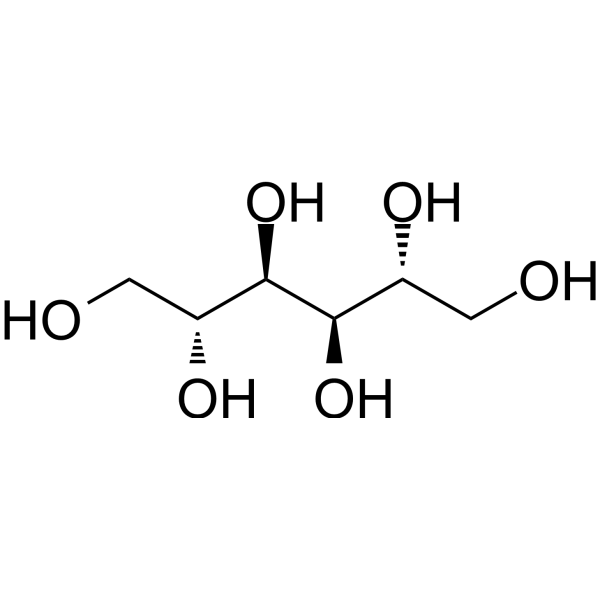
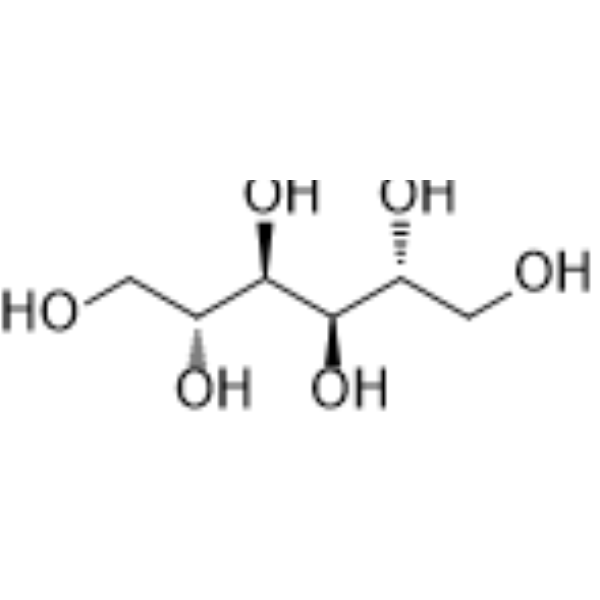
D-Mannitol (Mannitol) is an oral, resistant sugar widely used in the food and pharmaceutical industries to promote the absorption and retention of calcium and magnesium through cecal fermentation, while acting as a osmotic diuretic to reduce tissue edema. D-Mannitol can enhance brown fat formation, improve insulin effect, reduce blood sugar levels, And through the start the β3-adrenergic receptor (β3-AR), PGC1α and PKA induced by means of white fat cells into brown fat cells . D-Mannitol is commonly used to maintain osmotic pressure between the plant cytoplasm and the culture medium and protect cells when the cell wall is weakened or even removed .
loading...
    loading...
17
17 Cited Publications
Cat. No.: HY-123986
CAS No.: 68003-38-3
Purity:  99.95%
Research Areas:  

Inflammation/Immunology Cancer

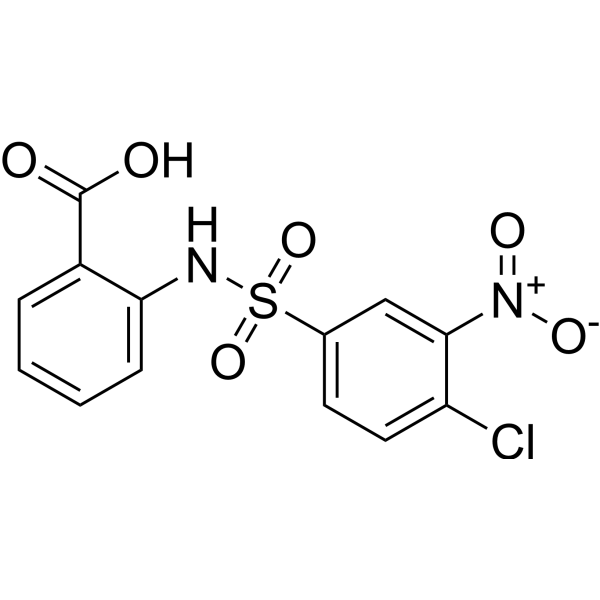
CTPI-2 is a third-generation mitochondrial citrate carrier SLC25A1 inhibitor with a KD of 3.5 μM. CTPI-2 inhibits glycolysis, PPARγ, and its downstream target the glucose transporter GLUT4. CTPI-2 halts salient alterations of NASH reverting steatosis, preventing the evolution to steatohepatitis, reducing inflammatory macrophage infiltration in the liver and adipose tissue, and starkly mitigating obesity induced by a high-fat diet. Antitumor activity .
loading...
    loading...
12
12 Cited Publications
Cat. No.: HY-D1168
CAS No.: 1320-06-5
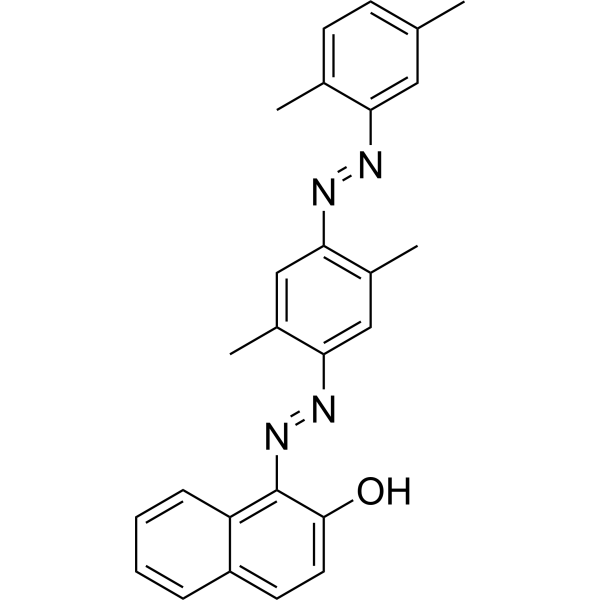
Oil Red O is a fat-soluble diazol dye, with a maximum absorption at 518 nm. Oil Red O stains neutral lipids and cholesteryl esters but not biological membranes. Oil Red O can be used for detecting and quantifying hepatic steatosis in mouse liver biopsies. Oil Red O staining efficiently helps to visualize the radical changes that occur in tissues as metabolic disease occurs and progresses .
loading...
    loading...
7
7 Cited Publications
Cat. No.: HY-B0234
CAS No.: 53-16-7
Synonyms: E1; Oestrone
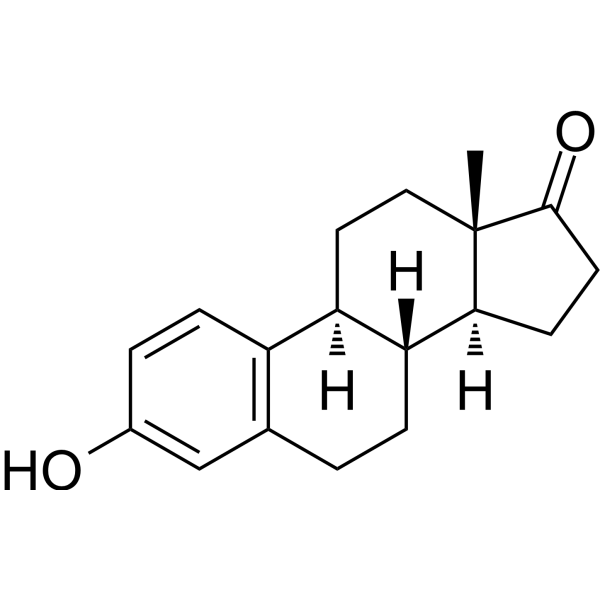
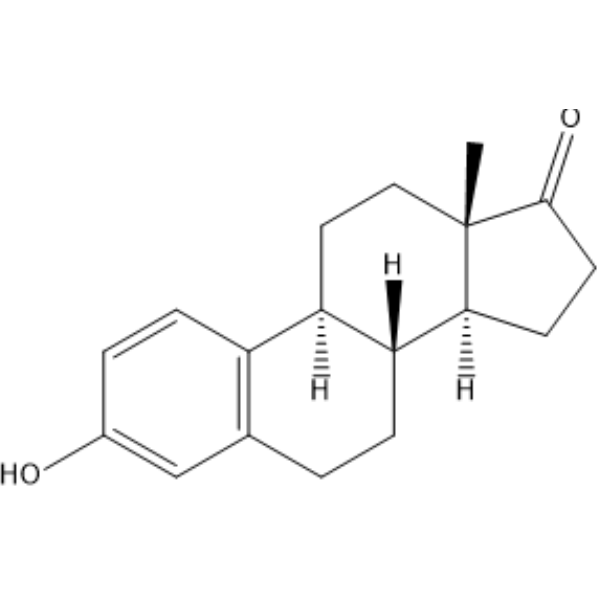
Estrone (E1) is a natural estrogenic hormone. Estrone is the main representative of the endogenous estrogens and is produced by several tissues, especially adipose tissue. Estrone is the result of the process of aromatization of androstenedione that occurs in fat cells .
loading...
    loading...
1
1 Cited Publications
Cat. No.: HY-B0234R
CAS No.: 53-16-7
Synonyms: E1(Standard); Oestrone (Standard)
Estrone (Standard) is the analytical standard of Estrone. This product is intended for research and analytical applications. Estrone (E1) is a natural estrogenic hormone. Estrone is the main representative of the endogenous estrogens and is produced by several tissues, especially adipose tissue. Estrone is the result of the process of aromatization of androstenedione that occurs in fat cells .
loading...
    loading...
1
1 Cited Publications
Cat. No.: HY-N0468
CAS No.: 63279-13-0
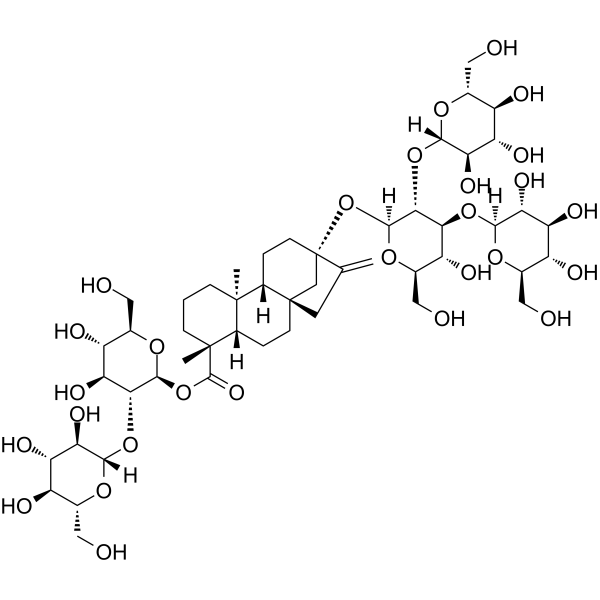
Rebaudioside D is an orally active sweetener that targets and activates FXR, modulates Acetyl-CoA Carboxylase, and inhibits 3-hydroxy-3-methylglutaryl-CoA reductase. Rebaudioside D regulates bile acid homeostasis and lipid metabolism, reduces the synthesis rates of fatty acids and cholesterol, and exerts multiple effects including anti-adipogenesis, hepatoprotection, anti-steatosis, gut microbiota modulation, enhancement of secondary bile acid metabolism, anti-endotoxin activity, regulation of bile acid transport, and inhibition of bile acid efflux. Rebaudioside D also reduces body weight gain, visceral fat accumulation, hepatic triglyceride and cholesterol accumulation, hepatic lipid peroxidation, and decreases the circulating level of lipopolysaccharide-binding protein. Rebaudioside D additionally enhances the secondary bile acid metabolic pathway of intestinal bacteria, upregulates the gene expression of ileal organic solute transporter α, and downregulates the gene expression of hepatic bile salt export pump. Rebaudioside D does not affect glucose homeostasis, alter total caloric intake or fecal energy excretion, induce weight gain, exacerbate obesity, promote hepatic steatosis, impair brown adipose tissue function, nor change skeletal muscle metabolism-related proteins. Rebaudioside D can be used in diet-induced obesity and obesity-related research .
loading...
    loading...
1
1 Cited Publications
Cat. No.: HY-116538
CAS No.: 2420-56-6
Purity:  99.10%
Synonyms: trans-10,cis-12 CLA2
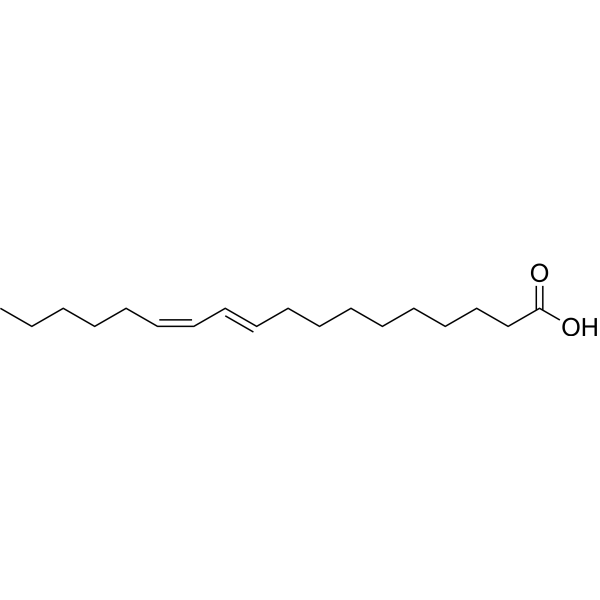
(10E,12Z)-Octadeca-10,12-dienoic acid (trans-10,cis-12 CLA2) is an orally active PPARα activator and inhibits adipocyte differentiation. (10E,12Z)-Octadeca-10,12-dienoic acid and its downstream metabolites have various antioxidant and antitumor activities. (10E,12Z)-Octadeca-10,12-dienoic acid can induce proinflammatory cytokines and chemokines, which would lead to decreased adipogenesis and insulin resistance in adipose tissue. (10E,12Z)-Octadeca-10,12-dienoic acid can affect many aspects of milk fat synthesis. (10E,12Z)-Octadeca-10,12-dienoic acid reduces expression of lipogenic enzymes and inhibits the desaturation of fatty acids. (10E,12Z)-Octadeca-10,12-dienoic acid can reduce lipoprotein lipase (LPL) activity in cultured 3T3-L1 adipocytes and enhance triacylglycerol release from these cells. (10E,12Z)-Octadeca-10,12-dienoic acid decreases the expression of hepatic stearoyl-CoA desatyrase mRNA in mice. (10E,12Z)-Octadeca-10,12-dienoic acid is associated with changes in mucosal NF-κB and Cyclin D1 protein levels in mice .
loading...
    loading...
1
1 Cited Publications
Cat. No.: HY-172241
CAS No.: 1436920-57-8
Synonyms: RZL-012; Utenpanium chloride
Research Areas:  

Metabolic Disease

Tapencarium (RZL-012; Utenpanium chloride) is an injectable fat volume-reducing agent. Tapencarium irreversibly impairs cell membrane integrity, increases membrane permeability, induces elevated cytoplasmic calcium, alters mitochondrial membrane potential, and triggers necrosis. Tapencarium induces fat necrosis, inflammatory responses and fibrous tissue formation at the injection site. Tapencarium can be used in research related to submental fat excess and Dercum's disease .
loading...
    loading...
Cat. No.: HY-W018026
CAS No.: 32462-30-9
Synonyms: L-p-Hydroxyphenylglycine; 4-Hydroxy-L-phenylglycine; UK 25842
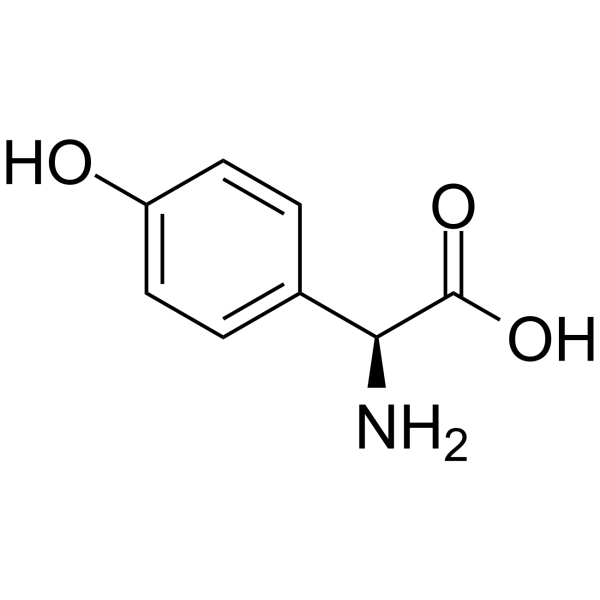
Oxfenicine (L-p-Hydroxyphenylglycine) is an orally active carnitine palmitoyltransferase-1 inhibitor. Oxfenicine inhibits the oxidation of fatty acids in the heart, protecting cardiac tissue from necrotic damage during ischemia, and also has an inhibitory effect on cardiac tissue apoptosis. In addition, Oxfenicine promotes lipolysis in a high-fat diet rat model. Oxfenicine can be used in the study of cardiovascular and metabolic diseases .
loading...
    loading...
Cat. No.: HY-W015650
CAS No.: 19005-93-7
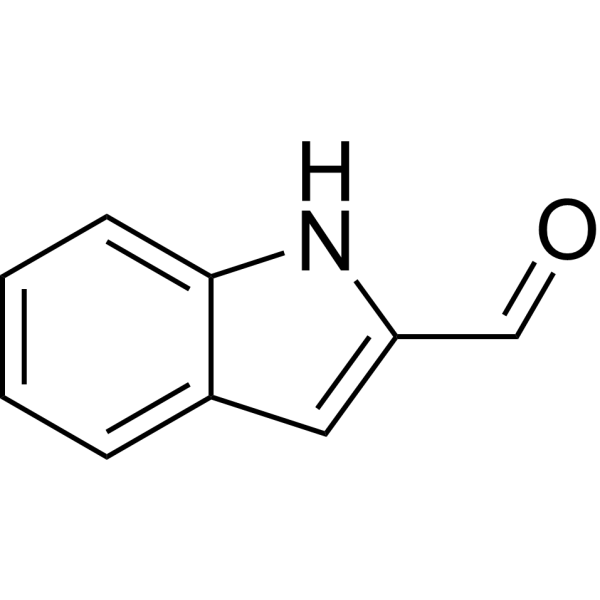
Indole-2-carbaldehyde is an indole derivative that can be used to reduce or remove localized fat deposits and/or tighten loose skin and soft tissues. Indole-2-carbaldehyde can be isolated from the fermentation broth of the coral symbiotic actinomycete Pseudonocardia sp. SCSIO 11457 and is used in cosmetic applications or pharmaceutical production .
loading...
    loading...
Cat. No.: HY-N0378R
CAS No.: 69-65-8
Synonyms: Mannitol(Standard); Mannite (Standard)
D-Mannitol (Standard) is the analytical standard of D-Mannitol (HY-N0378). This product is intended for research and analytical applications. D-Mannitol (Mannitol) is an oral, resistant sugar widely used in the food and pharmaceutical industries to promote the absorption and retention of calcium and magnesium through cecal fermentation, while acting as a osmotic diuretic to reduce tissue edema. D-Mannitol can enhance brown fat formation, improve insulin effect, reduce blood sugar levels, And through the start the β3-adrenergic receptor (β3-AR), PGC1α and PKA induced by means of white fat cells into brown fat cells . D-Mannitol is commonly used to maintain osmotic pressure between the plant cytoplasm and the culture medium and protect cells when the cell wall is weakened or even removed .
loading...
    loading...
Cat. No.: HY-133971
CAS No.: 1250-95-9
Purity:  98.40%
Synonyms: 5α,6α-Epoxycholesterol
Target:  

Liposome

Research Areas:  

Others

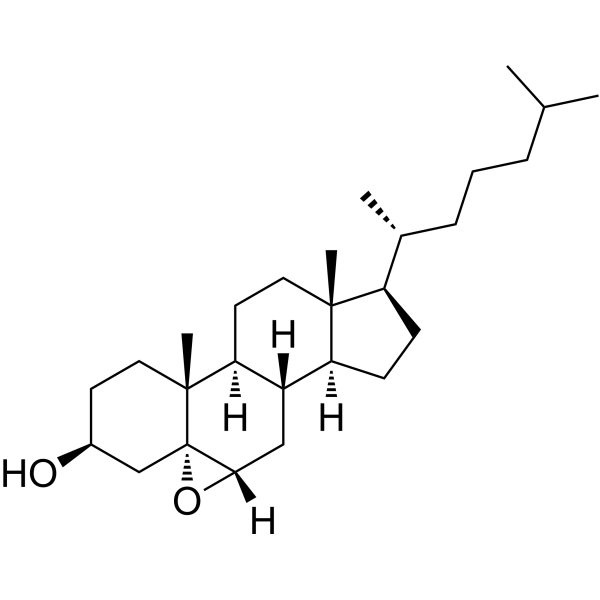
Cholesterol-5α,6α-epoxide is an epoxide derivative of cholesterol formed by the enzymatic oxidation of cholesterol in the liver and other tissues. Cholesterol-5α,6α-epoxide has unique chemical properties that make it an important intermediate in the biosynthesis of bile acids, which play a key role in the digestion and absorption of dietary fats. It also has a potential physiological role in regulating cholesterol metabolism and transport, although its biological function is not fully understood.
loading...
    loading...
Cat. No.: HY-W012974
CAS No.: 144-90-1
Synonyms: β-Aminoisobutyric acid; BAIBA
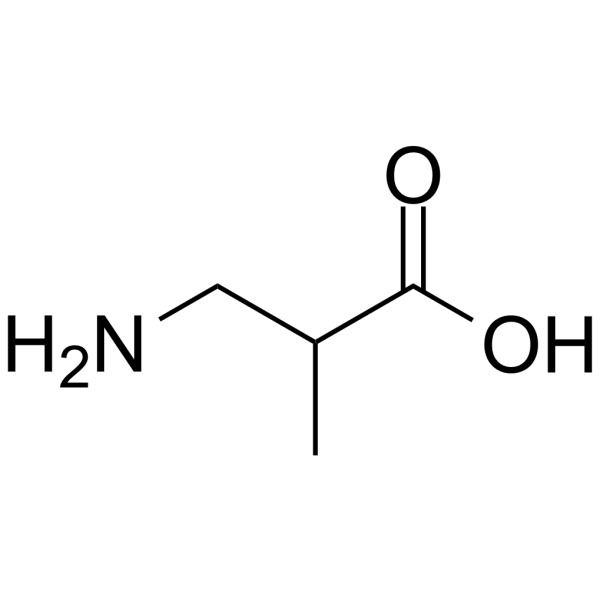
3-Aminoisobutyric acid (β-Aminoisobutyric acid) has anti-inflammatory and antioxidant effects. 3-Aminoisobutyric acid increases the expression of brown adipocyte-specific genes in white adipose tissue and fatty acid β-oxidation in hepatocytes. 3-Aminoisobutyric acid attenuates insulin resistance and inflammation induced by palmitate or a high fat diet via an AMPK-PPARδ-dependent pathway in mice. 3-Aminoisobutyric acid is a catabolic metabolite of thymine and valine in skeletal muscle .
loading...
    loading...
Cat. No.: HY-N3686
CAS No.: 488-82-4
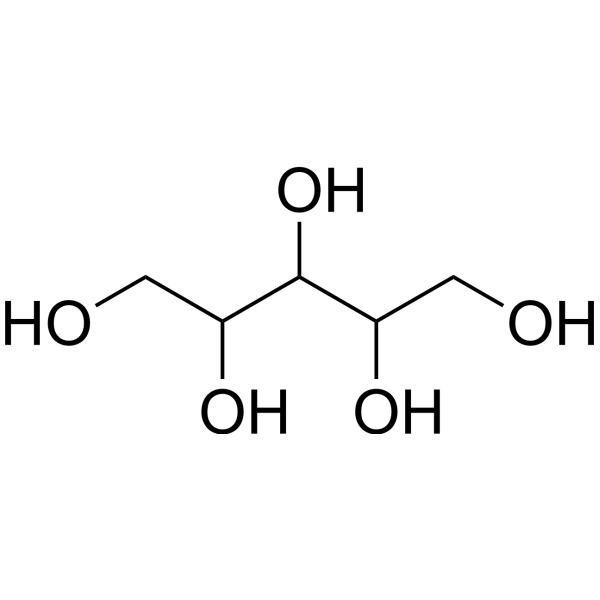
D-Arabitol is an orally active D-enantiomer of arabitol. D-Arabitol modulates the composition of gut microbiota, increases short-chain fatty acids, and promotes AMPK-PGC-1α-related browning of white adipose tissue. D-Arabitol improves weight gain, fat accumulation, insulin resistance, lipid deposition and inflammatory responses. D-Arabitol serves as the sole carbon/energy source for Bacillus methanolicus MGA3, a strain that can co-utilize it with mannitol. D-Arabitol is applicable to obesity-related research .
loading...
    loading...
Cat. No.: HY-P5225
CAS No.: 1400634-44-7
Target:  

PGC-1α

Research Areas:  

Others

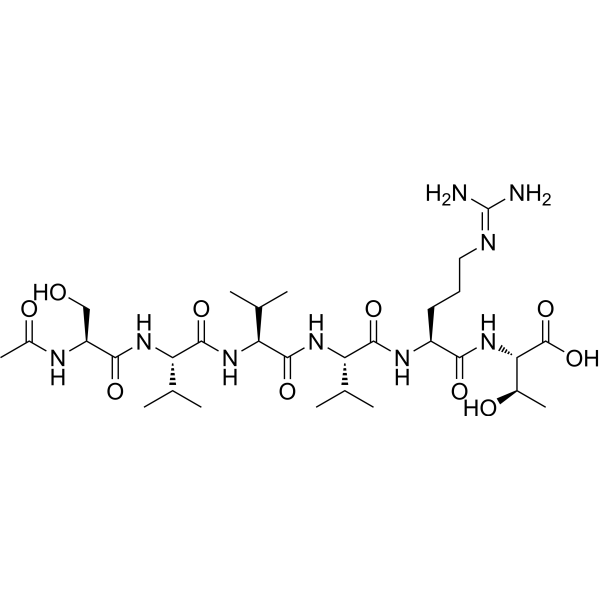
Acetyl hexapeptide-38 is a tissue repair promoter that targets fibroblasts in the dermis of the skin. It works by promoting collagen synthesis in the dermis and thickening of subcutaneous fat. Acetyl hexapeptide-38 can activate the skin repair mechanism, increase the collagen content in the dermis, improve the skin tissue structure, and has the activity of promoting local tissue repair. Acetyl hexapeptide-38 can be used in the field of cosmetic medicine to repair congenital soft tissue defects, reduce tear grooves and nasolabial folds, eliminate postoperative scars, and conduct micro-plastic surgery of skin tissue .
loading...
    loading...
Cat. No.: HY-B0234S2
CAS No.: 53866-34-5
Synonyms: E1-d4; Oestrone-d4
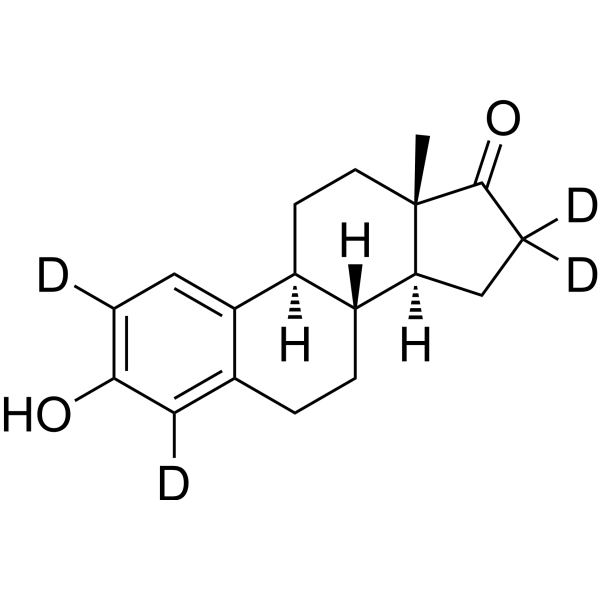
Estrone-d4 is the deuterium labeled Estrone. Estrone (E1) is a natural estrogenic hormone. Estrone is the main representative of the endogenous estrogens and is produced by several tissues, especially adipose tissue. Estrone is the result of the process of aromatization of androstenedione that occurs in fat cells .
loading...
    loading...
Cat. No.: HY-W341625
CAS No.: 474943-80-1
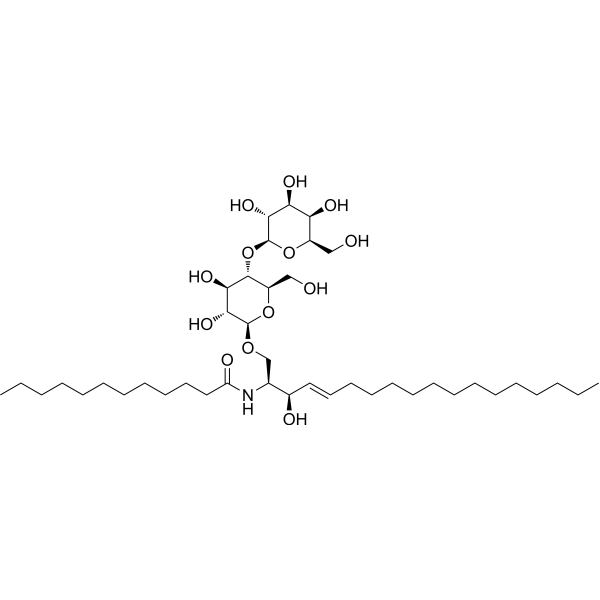
Trihexosylceramide (d18:1/12:0) is a glycosphingolipid and mood-related compound. Trihexosylceramide (d18:1/12:0) is characterized by elevated serum levels in Mus musculus fed a high-fat diet, and its levels are positively correlated with mood Z-scores. Accumulation of Trihexosylceramide (d18:1/12:0) in tissues is considered the etiology of angiokeratoma corporis diffusum. Trihexosylceramide (d18:1/12:0) can be used in studies related to high-fat diet-induced mood disorders .\n


loading...
    loading...
Cat. No.: HY-B1421
CAS No.: 90274-24-1
Synonyms: LY031537
Ractopamine hydrochloride (LY031537) is a potent and orally active β-adrenergic receptor (βAR) agonist with Kd value of ~25 nM for pig β1AR and β2AR. Ractopamine hydrochloride also is a mTAAR1 agonist with an EC50 of 16 μM. Ractopamine hydrochloride promotes muscle mass development, limits fat deposition, reduces feed consumption, increases total cellular protein synthesis, and improves growth rate and feed efficiency in finishing swine. Ractopamine hydrochloride can be used for researching to increase lean tissue growth and improve production efficiency in pigs .
loading...
    loading...
Cat. No.: HY-W012846
CAS No.: 2418-52-2
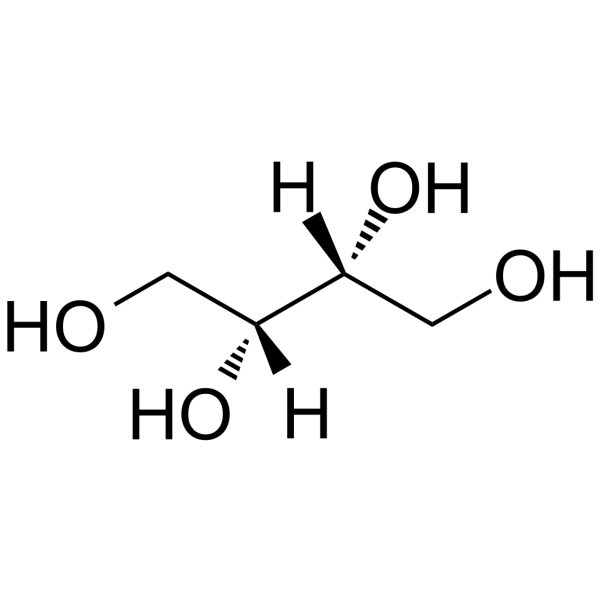
D-Threitol is a naturally occurring four-carbon sugar alcohol and an α-glucosidase (α‑glucosidase) inhibitor with an IC50 of 49 mM against yeast α-glucosidase, and it is orally active. D-Threitol modulates gut microbiota composition, increases microbial diversity, enriches beneficial bacterial genera, and restores fecal short-chain fatty acid levels. D-Threitol reduces body weight gain and fat accumulation, improves glucose tolerance and insulin sensitivity, and alleviates liver, kidney, and pancreatic tissue damage. D-Threitol inhibits hepatic accumulation of ceramides and diacylglycerols. D-Threitol preserves glomerular morphology and islet structure in diabetes models. D-Threitol is also a low-calorie sweetener. D-Threitol serves as a cryoprotective polyol that stabilizes protein structure at low temperatures. D-Threitol is used in research on type 2 diabetes and as an antifreeze agent for the Alaskan beetle .
loading...
    loading...
Cat. No.: HY-W012865
CAS No.: 80-69-3
Tartronic acid, a dicarboxylic acid derive, is an inhibitor of the transformation of carbohydrates into fat under fat-deficient diet conditions. Tartronic acid promotes 3T3-L1 adipocyte differentiation by increasing the protein expression of FABP-4, PPARγ and SREBP-1. Tartronic acid promotes de novo lipogenesis and inhibits CPT-1β by upregulating acetyl-CoA and malonyl-CoA. Tartronic acid promotes weight gain and induces adipocyte hypertrophy in epididymal white adipose tissue and lipid accumulation in the livers of high-fat diet induced obese mice. Tartronic acid can be used for lipid metabolic disease research .
loading...
    loading...

