
81 Results for "

fibroblast proliferation

" in MedChemExpress (MCE) Product Catalog:
Products (81)

81 Results for "fibroblast proliferation" in MCE Product Catalog:

  • Categories Recommended:
    More
13
13 Publications Verification
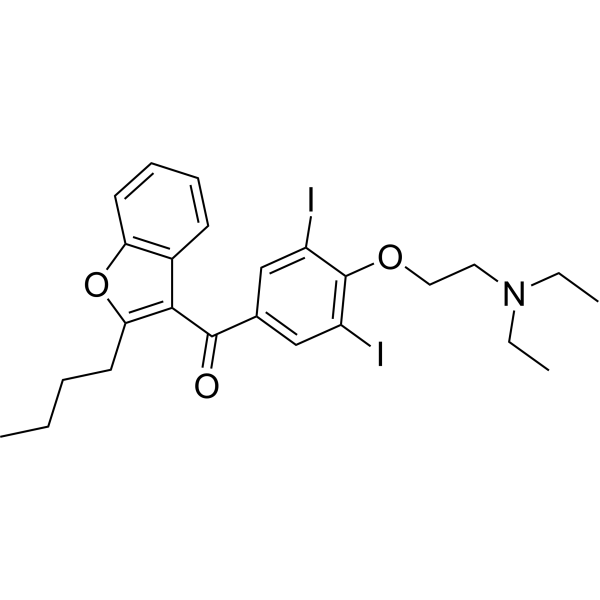
Cat. No.: HY-14187
CAS No.: 1951-25-3
Purity:  98.32%
Amiodarone, a benzofuran-based Class III antiarrhythmic agent, inhibits WT outward ionic current (IhERG) tails with an IC50 of ∼45 nM . Amiodarone induces cell proliferation and myofibroblast differentiation via ERK1/2 and p38 MAPK signaling in fibroblasts . Amiodarone can be used in the research of both supraventricular and ventricular arrhythmias .
loading...
    loading...
13
13 Publications Verification
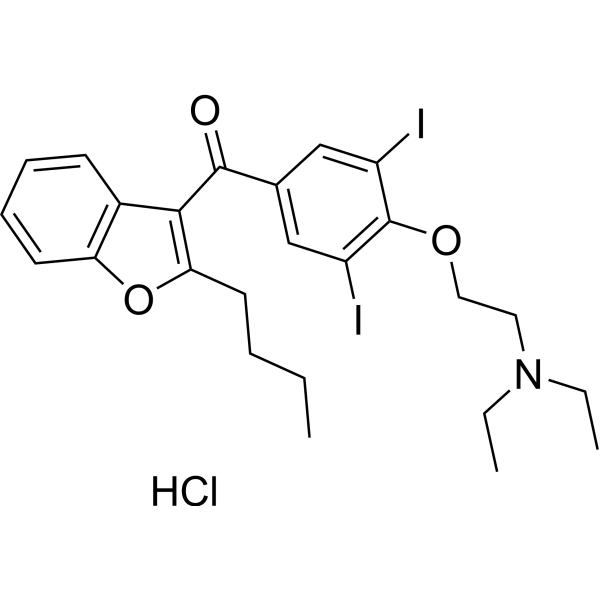
Cat. No.: HY-14188
CAS No.: 19774-82-4
Purity:  99.86%
Amiodarone hydrochloride, a benzofuran-based Class III antiarrhythmic agent, inhibits WT outward ionic current (IhERG) tails with an IC50 of ∼45 nM . Amiodarone hydrochloride induces cell proliferation and myofibroblast differentiation via ERK1/2 and p38 MAPK signaling in fibroblasts . Amiodarone hydrochloride can be used in the research of both supraventricular and ventricular arrhythmias .
loading...
    loading...
11
11 Cited Publications
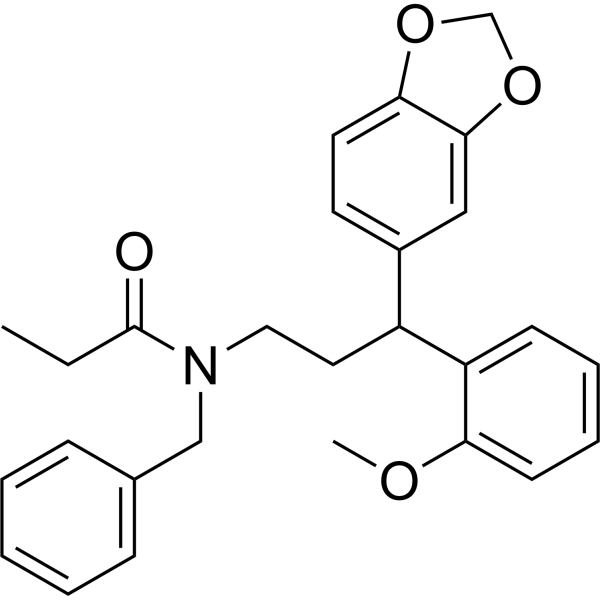
Cat. No.: HY-129241
CAS No.: 330834-54-3
Purity:  99.33%
AGX51 is a pan-Id (inhibitors of DNA-binding/differentiation proteins) antagonist that disrupts ID-E protein interactions, thereby triggering ubiquitin-mediated proteasomal degradation of ID1, ID2, ID3 and ID4. AGX51 induces ROS production, G0/G1 cell cycle arrest, non-apoptotic cell death, and regulates EMT-related proteins. AGX51 reduces the proliferation, migration and myofibroblast differentiation of lung fibroblasts, alleviates pulmonary fibrosis, inhibits cancer cell viability and tumor growth, impairs neovascularization, and shows no obvious toxicity in mice. AGX51 can be used in research related to idiopathic pulmonary fibrosis, triple-negative breast cancer, breast cancer, pancreatic ductal adenocarcinoma, colorectal tumors, wet age-related macular degeneration and retinopathy of prematurity .
loading...
    loading...
7
7 Cited Publications
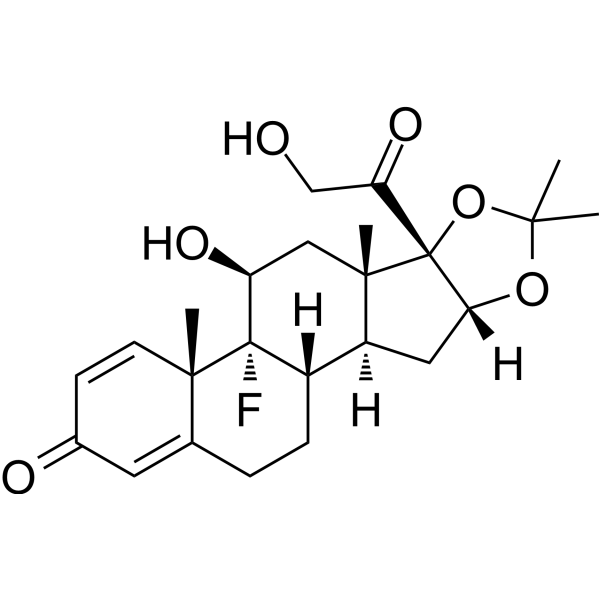
Cat. No.: HY-B0636
CAS No.: 76-25-5
Triamcinolone acetonide inhibits basic fibroblast growth factor (bFGF) induced proliferation of retinal endothelial cells. Triamcinolone acetonide reduces chondrocyte viability and leads to cartilage destruction. Triamcinolone acetonide activates macrophage with anti-inflammatory characteristics. Triamcinolone acetonide can be used in the study of diseases such as atopic dermatitis .
loading...
    loading...
1
1 Cited Publications
Cat. No.: HY-N2368
CAS No.: 499-04-7
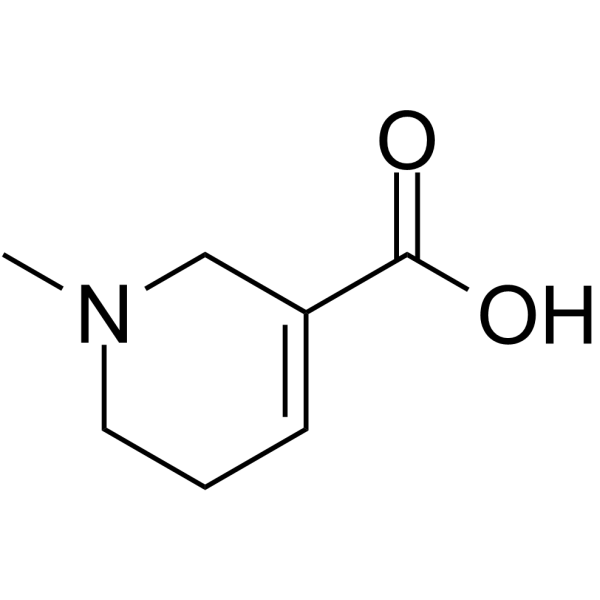
Arecaidine is a GABA transport system inhibitor. Arecaidine inhibits the proliferation of oral mucosal fibroblasts, increases the secretion of IL-6, TGF-β and TNF-α in cells, downregulates the expression of PPAR-γ and PCK1 in cells, and upregulates the expression of TGF-β1 . Arecaidine inhibits the uptake of γ-aminobutyric acid and β-alanine by the central nervous system of cats . Arecaidine inhibits hPAT1-mediated L-[ 3H]proline uptake in cells. Arecaidine can be used in research related to neurological diseases .
loading...
    loading...
1
1 Cited Publications
Cat. No.: HY-A0169A
CAS No.: 79416-27-6
Research Areas:  

Cancer

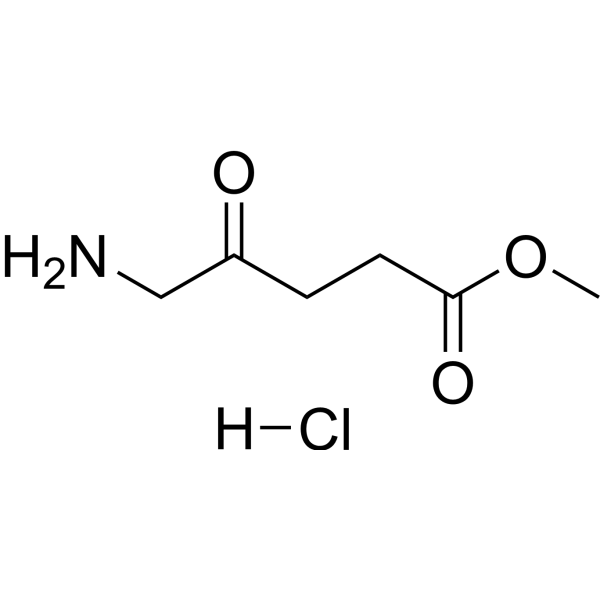
Methyl aminolevulinate hydrochloride is a sensitizer used in photodynamic therapy (PDT). Methyl aminolevulinate hydrochloride penetrates the skin and induces the production of photoactive porphyrins including protoporphyrin IX in cells; upon exposure to appropriate light, it generates ROS, which triggers cellular oxidation and cell death. Methyl aminolevulinate hydrochloride acts as a photo-damage reversing agent through epidermal reconstruction, cytokine-mediated activation of dermal fibroblasts, elastin breakdown, new collagen formation, and compression of dilated capillaries. Methyl aminolevulinate hydrochloride reduces the expression of the proliferation marker Ki-67 and the early skin carcinogenesis marker TP53. Methyl aminolevulinate hydrochloride delays the onset of ultraviolet-induced skin tumors and reduces tumor burden in hairless mice. Methyl aminolevulinate hydrochloride is applicable to research related to actinic keratosis and basal cell carcinoma .
loading...
    loading...
1
1 Cited Publications
Cat. No.: HY-130257
CAS No.: 2509359-75-3
Purity:  99.31%
Target:  

PROTACs APC Apoptosis

Research Areas:  

Cardiovascular Disease Cancer

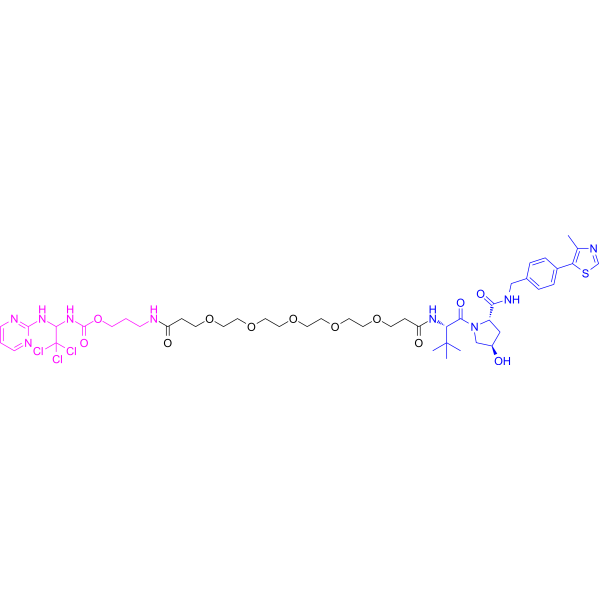
CP5V is a Cdc20 PROTAC degrader with a DC50 of 1.6 μM and a Kd value of 12.4 μM. CP5V couples Cdc20 with the VHL/VBC complex, triggering its ubiquitination and proteasomal degradation, thereby reducing the protein levels of Cdc20 and securin. CP5V induces mitotic arrest, inhibits cell proliferation, resensitizes Paclitaxel-resistant breast cancer cells, and suppresses breast tumor progression in xenograft models. CP5V inhibits excessive proliferation and induces apoptosis in pulmonary arterial hypertension smooth muscle cells and fibroblasts. CP5V can be used in studies related to breast cancer and pulmonary arterial hypertension .
loading...
    loading...
1
1 Cited Publications
Cat. No.: HY-N0899
CAS No.: 11088-09-8
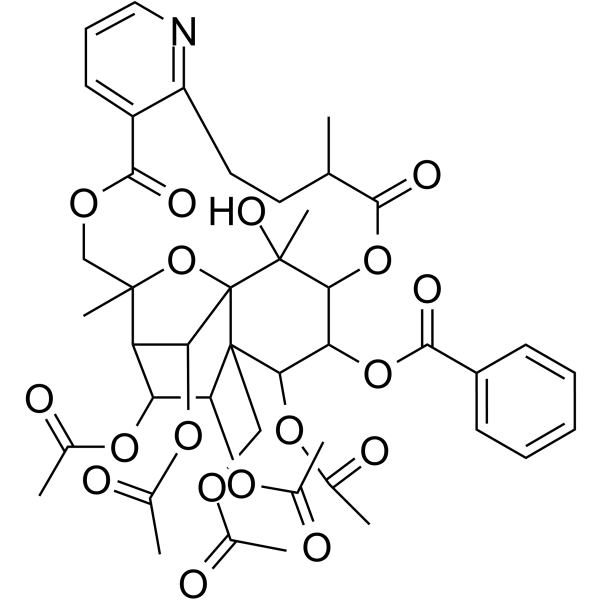
Wilforine is an orally active JAK-STAT pathway inhibitor with immunomodulatory effects and the ability to inhibit osteoclast fusion. Wilforine disrupts lipid raft integrity, reprograms cholesterol and glycosphingolipid metabolic pathways, regulates NF-κB and the complement system, and modulates the expression of various interleukins. Wilforine also inhibits the Wnt11/β-catenin signaling pathway and suppresses the proliferation of fibroblast-like synoviocytes. Wilforine can serve as a quality and pharmacokinetic marker for Tripterygium glycoside tablets, and can be applied to research on related diseases such as rheumatoid arthritis, inflammatory osteolysis, and SAPHO syndrome .
loading...
    loading...
1
1 Cited Publications
Cat. No.: HY-N2368A
CAS No.: 6018-28-6
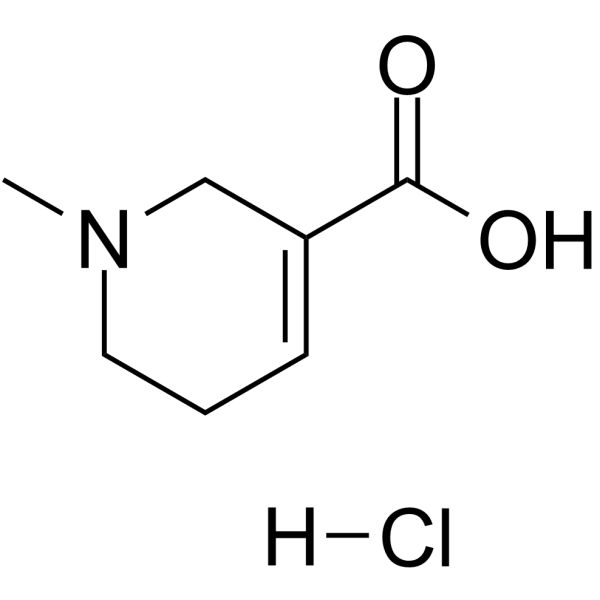
Arecaidine hydrochloride is a GABA transport system inhibitor. Arecaidine hydrochloride inhibits the proliferation of oral mucosal fibroblasts, increases the secretion of IL-6, TGF-β and TNF-α in cells, downregulates the expression of PPAR-γ and PCK1 in cells, and upregulates the expression of TGF-β1 . Arecaidine hydrochloride inhibits the uptake of γ-aminobutyric acid and β-alanine by the central nervous system of cats . Arecaidine hydrochloride inhibits hPAT1-mediated L-[ 3H]proline uptake in cells. Arecaidine hydrochloride can be used in research related to neurological diseases .
loading...
    loading...
1
1 Cited Publications
Cat. No.: HY-N2368B
CAS No.: 6013-57-6
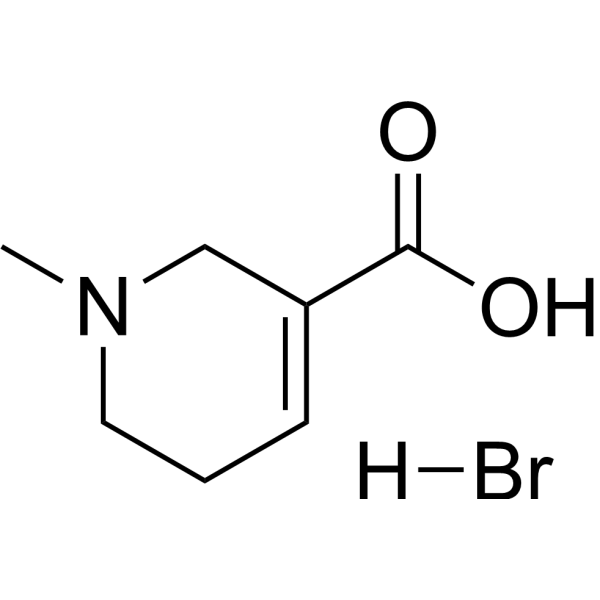
Arecaidine hydrobromide is a GABA transport system inhibitor. Arecaidine hydrobromide inhibits the proliferation of oral mucosal fibroblasts, increases the secretion of IL-6, TGF-β and TNF-α in cells, downregulates the expression of PPAR-γ and PCK1 in cells, and upregulates the expression of TGF-β1 . Arecaidine hydrobromide inhibits the uptake of γ-aminobutyric acid and β-alanine by the central nervous system of cats . Arecaidine hydrobromide inhibits hPAT1-mediated L-[ 3H]proline uptake in cells. Arecaidine hydrobromide can be used in research related to neurological diseases .
loading...
    loading...
Cat. No.: HY-N4089
CAS No.: 7431-83-6
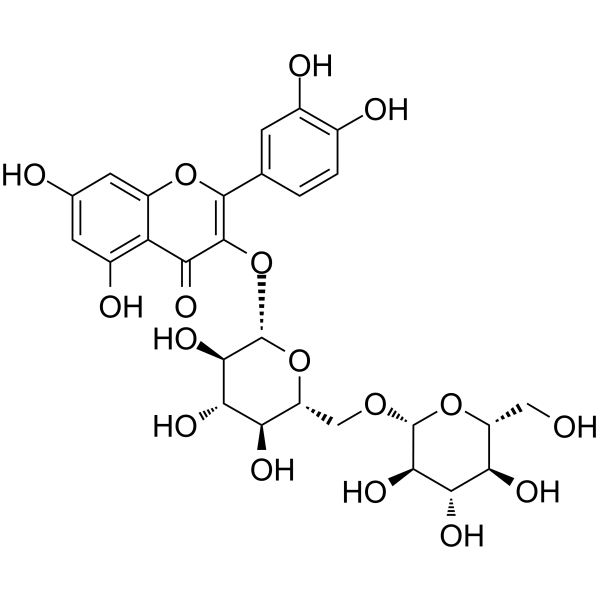
Quercetin 3-gentiobioside is a flavonoid found in Artemisia iwayomogi. Quercetin 3-gentiobioside inhibits aromatase with an Ki of 46.77 nM. Quercetin 3-gentiobioside inhibits aldose reductase (AR) and the formation of advanced glycation end products (AGEs), with IC50 values of 10.60 μM and 109.46 μM, respectively. Quercetin 3-gentiobioside inhibits proliferation of cancer cells and fibroblast-like synoviocytes. Quercetin 3-gentiobioside can be used for the research of cancer, such as lung carcinoma .
loading...
    loading...
Cat. No.: HY-NP175
CAS No.: 9064-67-9
Collagen (bovine skin) is a three-dimensional cell culture matrix and morphoregulator extracted from bovine skin, which binds to integrins (such as α1β1, α2β1, α11β1) and discoidin domain receptors (DDR1 and DDR2). Collagen (bovine skin) can be reconstituted into a three-dimensional fibrous network to mimic the in vivo tissue environment. It can not only be modified through cross-linking or concentration adjustment, but also interact with fibronectin to enhance matrix-associated cellular activities. Collagen (bovine skin) mediates the proliferation, aggregation, durotactic migration and differentiation of fibroblasts, regulates the synthesis, remodeling and contraction of extracellular matrix, and modulates the expression, activation of MMP as well as cell apoptosis, etc. Collagen (bovine skin) can be used in studies related to the mechanisms of cancer occurrence and development .
loading...
    loading...
Cat. No.: HY-P5557
CAS No.: 1429184-62-2
Target:  

Bacterial Necroptosis

Research Areas:  

Infection Inflammation/Immunology

TP4 (Nile tilapia piscidin) is an orally active amphipathic α-helical cationic antimicrobial peptide. TP4 (Nile tilapia piscidin) exerts broad-spectrum bactericidal activity against Gram-positive and Gram-negative bacteria by disrupting cell membrane structures, and also exhibits certain hemolytic activity. TP4 (Nile tilapia piscidin) regulates the innate immune system and enhances the expression of lysozymes, cytokines and antioxidant enzymes to resist bacterial infection. TP4 (Nile tilapia piscidin) also stimulates the proliferation of keratinocytes and fibroblasts, and significantly promotes the healing of wounds infected with MRSA. TP4 (Nile tilapia piscidin) can be used in research related to bacterial infection, peritonitis, wound healing and other fields .
loading...
    loading...
Cat. No.: HY-W010253
CAS No.: 538-32-9
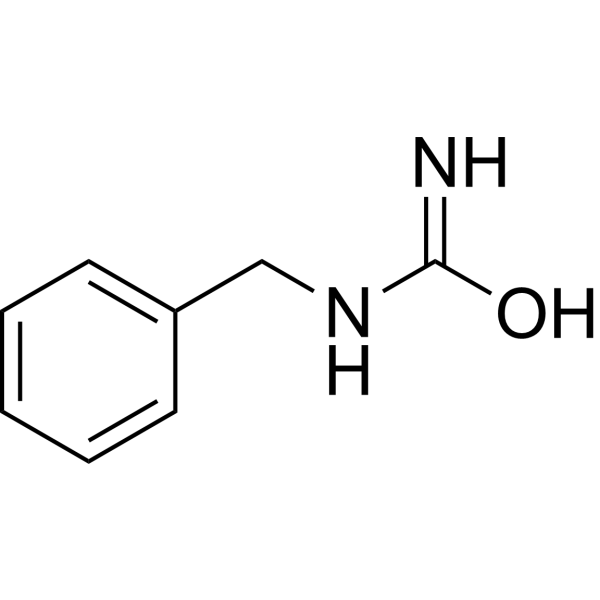
Benzylurea is an anti-inflammatory agent. Benzylurea inhibits LPS (HY-D1056)-induced upregulation of MTCH2 expression and regulates pathways associated with mitochondrial function, inflammation and cell survival. Benzylurea alleviates LPS-induced proliferation inhibition and apoptosis of periodontal ligament fibroblasts, as well as the release of proinflammatory cytokines. Benzylurea can be used in studies related to periodontitis .
loading...
    loading...
Cat. No.: HY-134258
CAS No.: 446306-43-0
Purity:  98.76%
Target:  

HOXA

Research Areas:  

Cardiovascular Disease Cancer

MEISi-1 is a small-molecule inhibitor targeting the homeodomain of the MEIS1 protein. MEISi-1 significantly inhibits the activity of luciferase reporter genes containing MEIS binding sites (TGACAG), and induces the self-renewal of a key type of mouse and human hematopoietic stem cells (HSC) both in vitro and in vivo. MEISi-1 promotes cardiomyocyte proliferation and cytokinesis, reduces cardiac fibroblast proliferation, and upregulates the expression of cardiomyocyte-specific genes. MEISi-1 can be used in research on hematological diseases, cardiac regeneration and cancer .
loading...
    loading...
Cat. No.: HY-P3136
CAS No.: 25849-90-5
Synonyms: TRV120055
Research Areas:  

Cardiovascular Disease

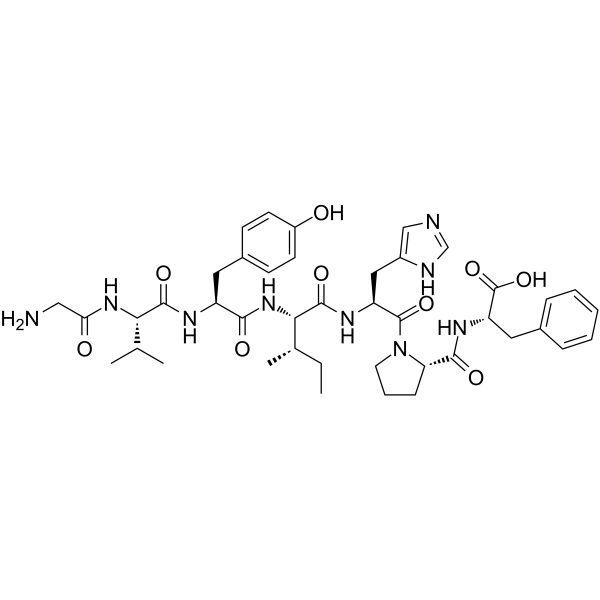
TRV055 (TRV120055) is a G protein-biased agonist of angiotensin II type 1 receptors (AT1Rs). TRV120055 induces fibroblast proliferation, overexpression of collagen I and α-SMA, and stress fibre formation in human cardiac fibroblasts. TRV055 activates AT1 receptor/Gαq-mediated signaling pathways, upregulates TGF-β1 and p-ERK1/2. TRV055 induces collagen secretion in adult rat myofibroblasts at a level comparable to Ang II. TRV055 can be used to study the role of G protein-biased signaling of AT1Rs in regulating fibrotic responses [1]
loading...
    loading...
Cat. No.: HY-77278
CAS No.: 39932-44-0
Research Areas:  

Others

25-Hydroxytachysterol3 is the metabolite of Vitamin D3 (HY-15398). 25-Hydroxytachysterol3 inhibits the proliferation of epidermal keratinocytes and dermal fibroblasts, stimulates the expression of differentiation- and antioxidant-related genes in keratinocytes. 25-Hydroxytachysterol3 activates vitamin D receptor (VDR) and aryl hydrocarbon receptor (AhR), liver X receptor α/β (LXR α/β) and peroxisome proliferator-activated receptor γ (PPARγ), stimulates the expression of CYP24A1 .
loading...
    loading...
Cat. No.: HY-21075
CAS No.: 488-93-7
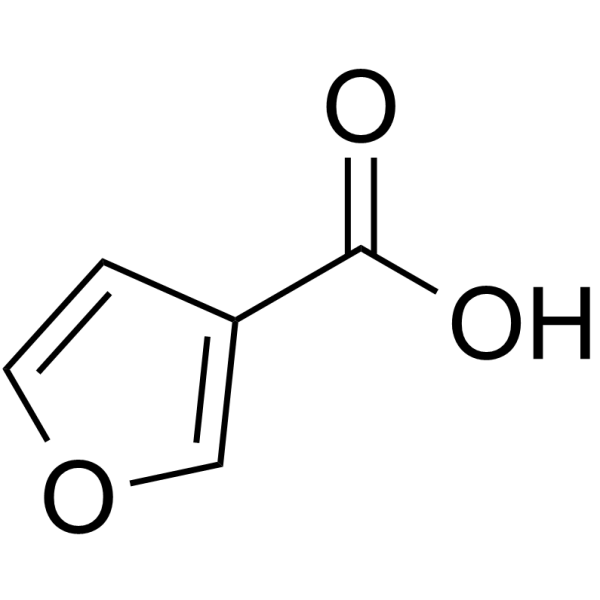
3-Furanoic acid is an active unit, and its derivatives have a wide range of anti-inflammatory activities. 3-Furanoic acid-related derivatives can target inflammation-related signaling pathways and inhibit the proliferation of synovial fibroblasts to exert immunomodulatory effects .
loading...
    loading...
Cat. No.: HY-P3136A
Synonyms: TRV120055 hydrochloride
Target:  

Angiotensin Receptor

Research Areas:  

Cardiovascular Disease

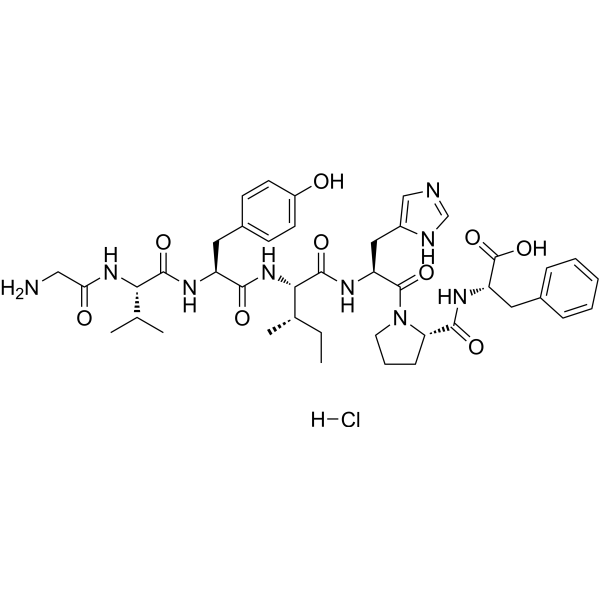
TRV055 (TRV120055) hydrochloride is a G protein-biased agonist of angiotensin II type 1 receptors (AT1Rs). TRV055 hydrochloride induces fibroblast proliferation, overexpression of collagen I and α-SMA, and stress fibre formation in human cardiac fibroblasts. RV055 hydrochloride activates AT1 receptor/Gαq-mediated signaling pathways, upregulates TGF-β1 and p-ERK1/2. RV055 hydrochloride induces collagen secretion in adult rat myofibroblasts at a level comparable to Ang II. RV055 hydrochloride can be used to study the role of G protein-biased signaling of AT1Rs in regulating fibrotic responses [1]
loading...
    loading...
Cat. No.: HY-W134423B
CAS No.: 9002-18-0
Agar, meets USP testing specifications is a high-quality selective growth support and substrate for non-adherent cells. Agar, meets USP testing specifications effectively supports the growth, colony formation and metachromatic matrix production of chondrocytes, and also facilitates the isolation and differentiation of pure chondrocyte strains by restricting the proliferation of fibroblast-like cells. Chondrocytes grown in Agar, meets USP testing specifications can be successfully transferred to a liquid suspension culture system, where they continue to proliferate while retaining the characteristics exhibited during growth in agar .
loading...
    loading...

