5 Results for "

filarial

" in MedChemExpress (MCE) Product Catalog:
Products (5)

5 Results for "filarial" in MCE Product Catalog:

Cat. No.: HY-111757
CAS No.: 1809266-03-2
Target:  

Parasite

Research Areas:  

Infection

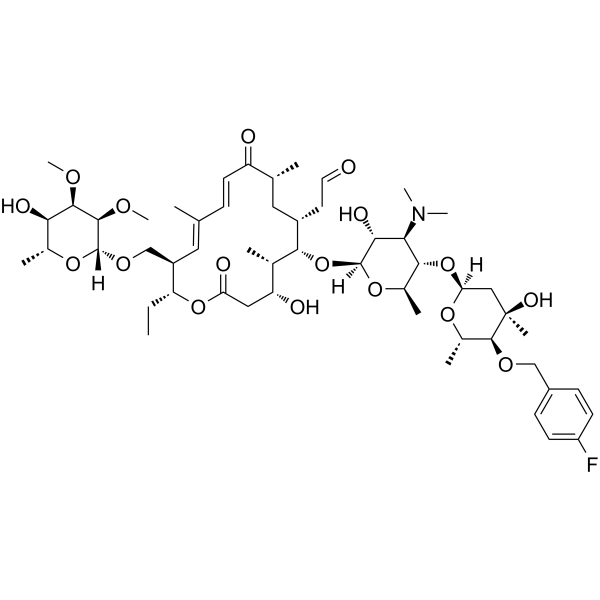
ABBV-4083 is an analog of Tylosin A that has potent anti-Wolbachia and anti-filarial activity .
loading...
    loading...
Cat. No.: HY-N4044
CAS No.: 41137-86-4
Synonyms: (5S)-Hirsutanonol
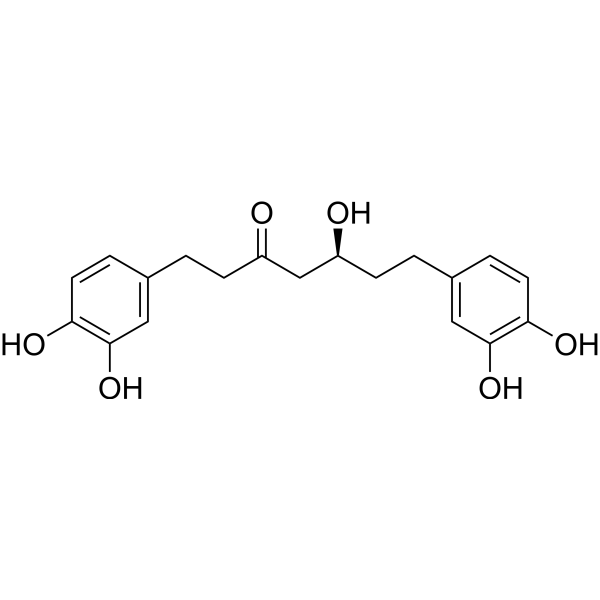
Hirsutanonol ((5S)-Hirsutanonol) is a diarylheptanoid that can be isolated from the bark of Alnus hirsute var. sibirica. Hirsutanonol inhibits cyclooxygenase-2 (COX-2) expression. Hirsutanonol has anti-filarial with an IC50 value of 44.11 μg/mL for microfilariae .
loading...
    loading...
Cat. No.: HY-187424
GPCR antagonist-1 is an orally active G protein-coupled receptor (GPCR) antagonist as well as an insecticide. GPCR antagonist-1 induces intestinal microvillus destruction, reduces microfilarial secretion, increases the proportion of malformed embryos, inhibits nematode motility and L3-stage molting, and exerts L4-stage larvicidal activity. GPCR antagonist-1 can be used for the research of filarial infections .
loading...
    loading...
Cat. No.: HY-N21895
CAS No.: 96789-48-9
(Z)-Corallopyronin A is an isomer of Corallopyronin A (HY-N11622). Corallopyronin A is a polyketide natural product derived from myxobacteria and acts as a bacterial RNA polymerase (RNAP) inhibitor with antibacterial activity. Corallopyronin A binds to the switch region of RNA polymerase and allosterically blocks the transcription initiation process. Corallopyronin A exhibits in vitro antibacterial activity against Staphylococcus aureus, coagulase-negative staphylococci, Neisseria gonorrhoeae, and the filarial endosymbiont Wolbachia. (Z)-Corallopyronin A can be used for research related to bacterial infections .
loading...
    loading...
Cat. No.: HY-187528
Target:  

Parasite

Research Areas:  

Infection

GPCR antagonist-2 is a GPCR antagonist with macrofilaricidal activity. GPCR antagonist-2 shows inhibitory effects on Brugia pahangi adult females and males (IC50 = 3.9 μM and 2.8 μM, respectively) and Onchocerca ochengi adult females and males (IC50 = 0.35 μM and 1.7 μM, respectively). GPCR antagonist-2 reduces B. pahangi worm burden and affects female fecundity and embryogenesis, downregulates GPCR expression in surviving adult female worms and can be used for the study of filarial infections, including onchocerciasis (river blindness) .
loading...
    loading...

