252 Results for "

final stadium larvae

" in MedChemExpress (MCE) Product Catalog:
Products (252)

252 Results for "final stadium larvae" in MCE Product Catalog:

24
24 Publications Verification
Cat. No.: HY-B1247
CAS No.: 553-12-8
Synonyms: PPIX
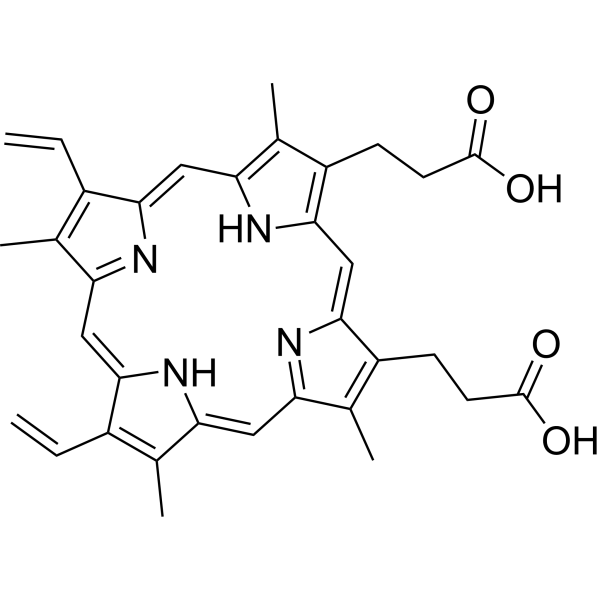
Protoporphyrin IX is a final intermediate in the heme biosynthetic pathway, which acts as a radiation sensitizer enhancing ROS generation even in a hypoxic state and inducing DNA damage. Protoporphyrin IX also acts as a photo sensitizer undergoing photobleaching that occurs through direct degradation by light irradiation. Protoporphyrin IX is formed and accumulated following 5-aminolevulinic acid (5-ALA) (HY-W000450) administration in the tumor cells of rats. Protoporphyrin IX causes selective improvement of basal cell carcinoma when activated red fluorescence of a peak wavelength at 405 nm. Protoporphyrin IX is promising for research of sonodynamic and photodynamic agents for a wide range of cancers, such as bladder cancer and nodular basal cell carcinoma .
loading...
    loading...
24
24 Publications Verification
Cat. No.: HY-B1247A
CAS No.: 50865-01-5
Synonyms: PPIX disodium
Target:  

Endogenous Metabolite

Research Areas:  

Cancer

Protoporphyrin IX disodium is a final intermediate in the heme biosynthetic pathway, which acts as a radiation sensitizer enhancing ROS generation even in a hypoxic state and inducing DNA damage. Protoporphyrin IX disodium also acts as a photo sensitizer undergoing photobleaching that occurs through direct degradation by light irradiation. Protoporphyrin IX disodium is formed and accumulated following 5-aminolevulinic acid (5-ALA) (HY-W000450) administration in the tumor cells of rats. Protoporphyrin IX disodium causes selective improvement of basal cell carcinoma when activated red fluorescence of a peak wavelength at 405 nm. Protoporphyrin IX disodium is promising for research of sonodynamic and photodynamic agents for a wide range of cancers, such as bladder cancer and nodular basal cell carcinoma .
loading...
    loading...
7
7 Cited Publications
Cat. No.: HY-10016
CAS No.: 870843-42-8
Purity:  97.08%
Target:  

γ-secretase

Research Areas:  

Neurological Disease

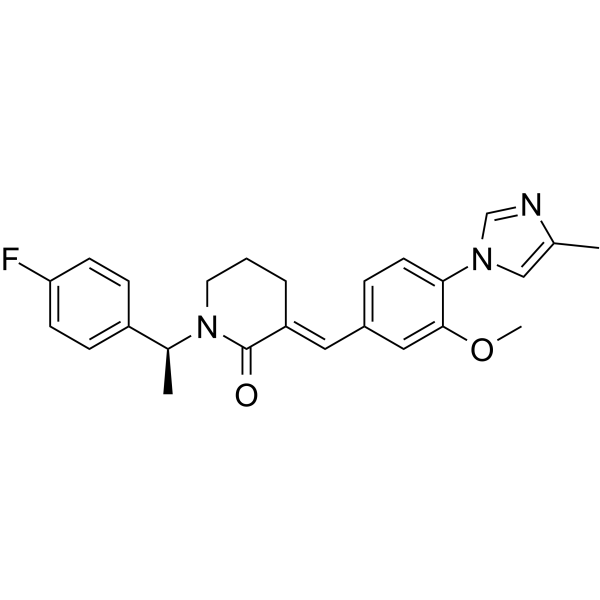
E 2012 is a potent gamma (γ) secretase modulator without affecting Notch processing. E 2012 inhibits 3β-hydroxysterol Δ24-reductase (DHCR24) at the final step in the cholesterol biosynthesis. E 2012 aims at Alzheimer's disease by reduction of amyloid β-42, and induces cataract following repeated doses in the rat .
loading...
    loading...
5
5 Cited Publications
Cat. No.: HY-W011727
CAS No.: 853645-22-4
Synonyms: Pyridoxal phosphate hydrate
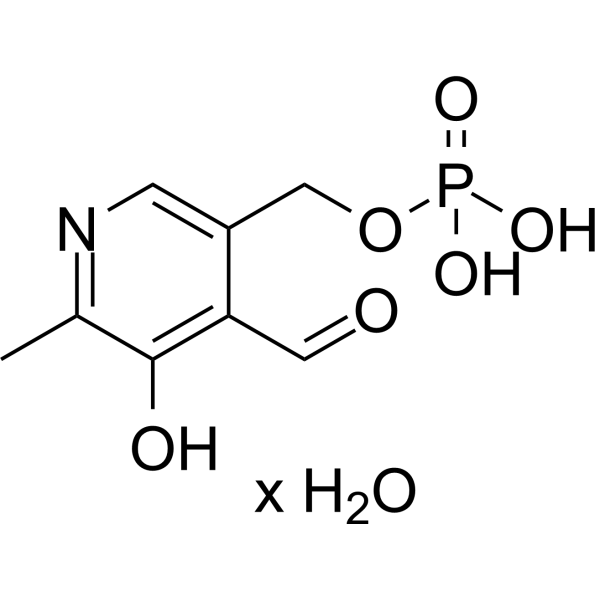
Pyridoxal 5'-phosphate hydrate, the active form of vitamin B6, is an essential cofactor for multiple enzymes, including aromatic l-amino acid decarboxylase that catalyzes the final stage in the production of the neurotransmitters dopamine and serotonin. Pyridoxal 5'-phosphate hydrate is the most important coenzyme variant in the process of vitamin B6 intracellular phosphorylation and is interconvertible with other variants, including pyridoxine 5′‐phosphate (PNP) and pyridoxamine 5′-phosphate (PMP) .
loading...
    loading...
5
5 Cited Publications
Cat. No.: HY-W011727A
CAS No.: 41468-25-1
Synonyms: Pyridoxal phosphate monohydrate
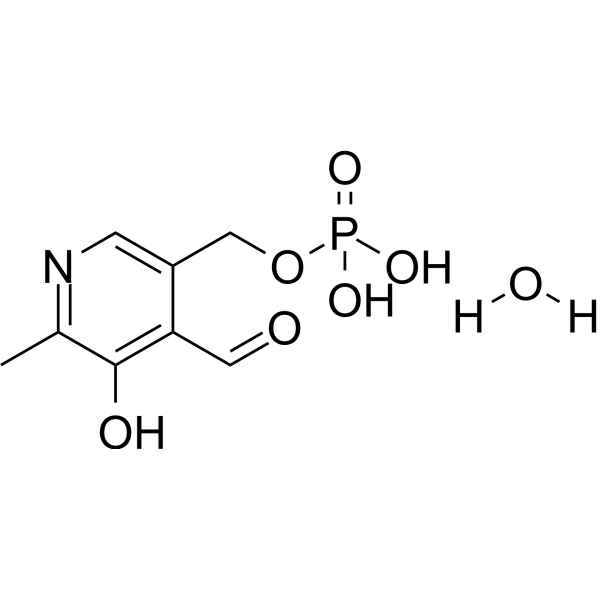
Pyridoxal 5'-phosphate monohydrate, the active form of vitamin B6, is an essential cofactor for multiple enzymes, including aromatic l-amino acid decarboxylase that catalyzes the final stage in the production of the neurotransmitters dopamine and serotonin. Pyridoxal 5'-phosphate monohydrate is the most important coenzyme variant in the process of vitamin B6 intracellular phosphorylation and is interconvertible with other variants, including pyridoxine 5′‐phosphate (PNP) and pyridoxamine 5′‐phosphate (PMP) .
loading...
    loading...
5
5 Cited Publications
Cat. No.: HY-N2434
CAS No.: 36752-54-2
[10]-Shogaol is an orally active antioxidant. [10]-Shogaol can be extracted from ginger (Zingiber officinale). [10]-Shogaol1 inhibits COX-2 with an IC50 value of 7.5 μM. [10]-Shogaol inhibits the production of proinflammatory cytokines (IL-1β, IL-6). [10]-Shogaol inhibits NF-κB phosphorylation. [10]-Shogaol has anti-inflammatory effects. [10]-Shogaol has anticancer effects against Docetaxel (HY-B0011)-resistant prostate cancer. [10]-Shogaol exhibits larvicidal activity against L5 larvae of Angiostrongylus cantonensis .
loading...
    loading...
2
2 Cited Publications
Cat. No.: HY-I0508
CAS No.: 88-99-3
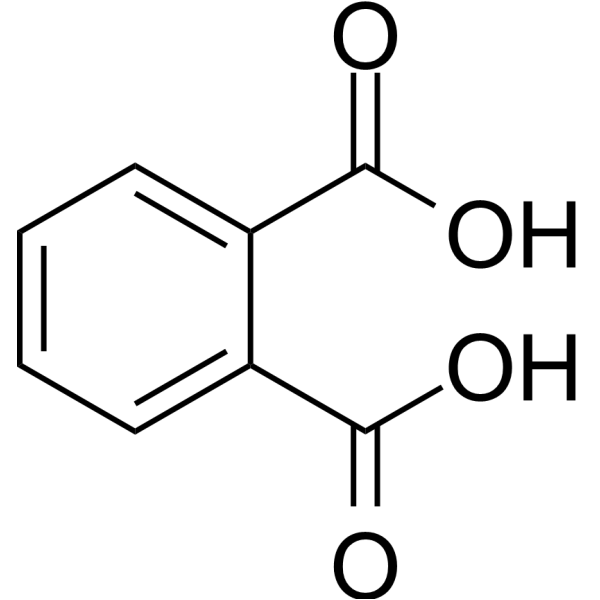
Phthalic acid is the final common metabolite of phthalic acid esters (PAEs). Phthalic acid can be used for the synthesis of synthetic agents, such as isophthalic acid (IPA), and terephthalic acid (TPA). Phthalic acid has applications in the preparation of phthalate ester plasticizers. Phthalic acid exhibits mutagenic effect and causes genetic damage in mammalian germ cells .
loading...
    loading...
2
2 Cited Publications
Cat. No.: HY-N0842
CAS No.: 174022-42-5
Synonyms: PA-457; MPC-4326; YK FH312
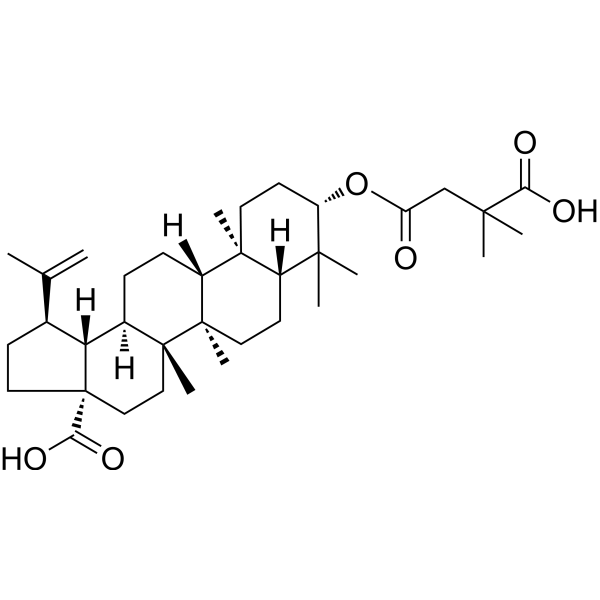
Bevirimat (PA-457, MPC-4326, YK FH312) is an inhibitor of HIV-1 viral particle maturation.Bevirimat specifically inhibits the final rate-limiting step in Gag processing, preventing the release of the mature capsid protein (CA) from its precursor (CA-SP1), resulting in the production of immature non-infectious viral particles. Bevirimat can be used in HIV-1 infection studies .
loading...
    loading...
2
2 Cited Publications
Cat. No.: HY-A0087
CAS No.: 6197-30-4
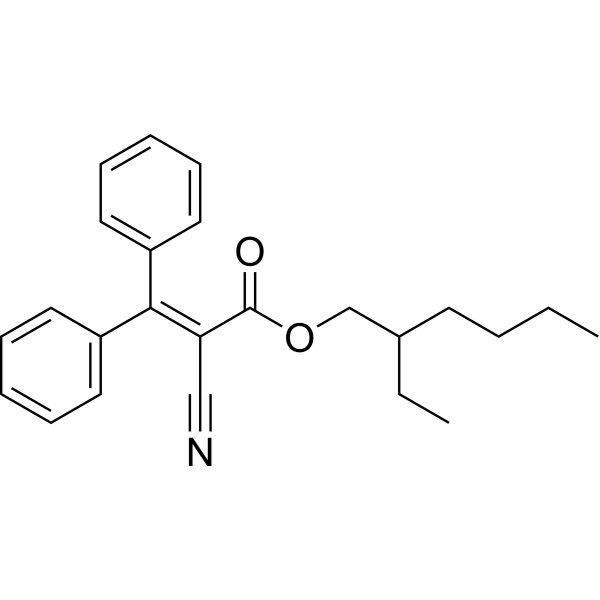
Octocrylene is an organic ultraviolet (UV) filter that absorbs mainly UVB radiation and shorter UVA wavelengths. Octocrylene acts as a partial agonist of PPARγ, which alters the gene transcription profile of lipid metabolism enzymes. In addition, Octocrylene is cytotoxic and genotoxic to human skin fibroblasts and mediates the biosynthesis of estrogens such as estriol in zebrafish larvae, while affecting antioxidant pathways including glutathione transferase and peroxisomes .
loading...
    loading...
1
1 Cited Publications
Cat. No.: HY-N0336
CAS No.: 551-08-6
Synonyms: Butylidenephthalide
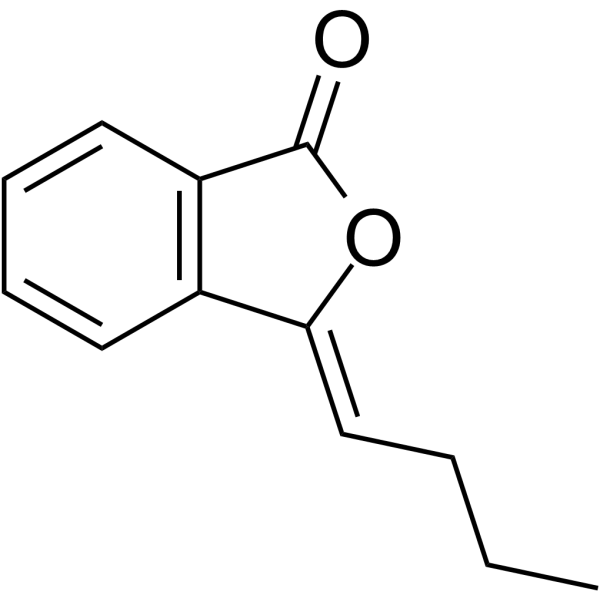
3-Butylidenephthalide (Butylidenephthalide) is a phthalic anhydride derivative identified in Ligusticum chuanxiong Hort, and has larvicidal activity (LC50 of 1.56 mg/g for Spodoptera litura larvae) .
loading...
    loading...
1
1 Cited Publications
Cat. No.: HY-N0894
CAS No.: 36062-07-4
Synonyms: Hexahydrobisdemethoxycurcumin
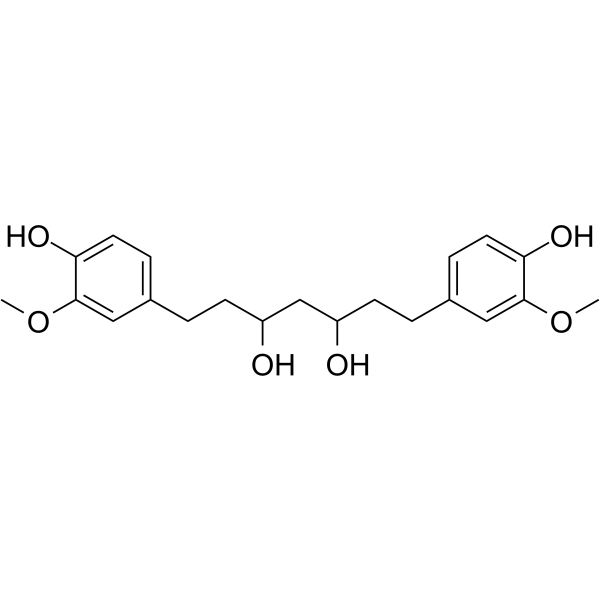
Octahydrocurcumin (Hexahydrobisdemethoxycurcumin) is an orally active anticancer and anti-inflammatory agent, and is the final hydrogenated metabolite of Curcumin (HY-N0005) in vivo. Octahydrocurcumin exerts its anti-tumor and anti-inflammatory effects by inducing the mitochondrial apoptosis pathway and inhibiting the TAK1-NF-κB-COX-2 pathway, respectively .
loading...
    loading...
1
1 Cited Publications
Cat. No.: HY-100540B
CAS No.: 1394285-50-7
Purity:  99.53%
Synonyms: GCA-2
Research Areas:  

Infection

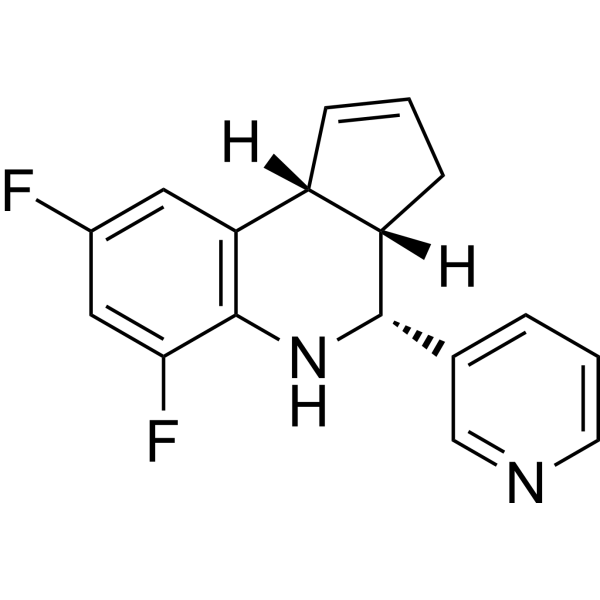
Golgicide A-2 (GCA-2), a Golgicide A (GCA) derivative, is the most active enantiomer of GCA. Golgicide A-2 displays high selectivity and efficiency in killing An. stephensi larvae and can be used for the research of dengue virus related diseases .
loading...
    loading...
1
1 Cited Publications
Cat. No.: HY-137899
CAS No.: 3633-59-8
Purity:  96.00%
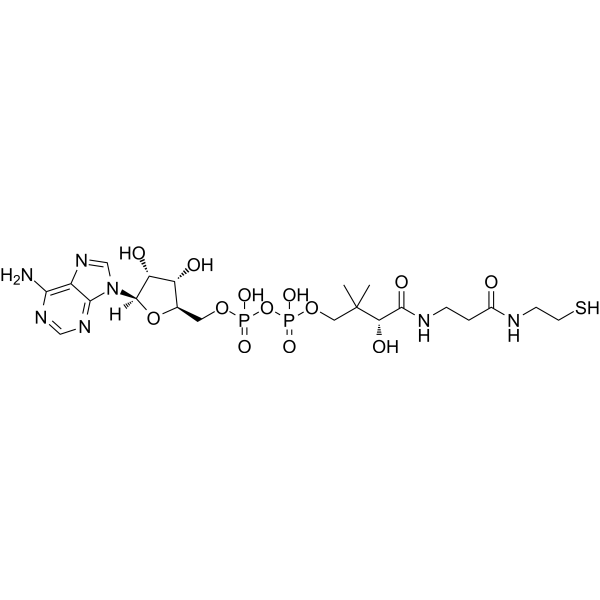
Dephospho-CoA is a key intermediate in the biosynthesis of coenzyme A (CoA), which is catalyzed to form CoA by GTP-dependent Dephospho-CoA kinase (DPCK). Dephospho-CoA completes the final synthetic step of CoA via phosphorylation and participates in energy metabolism and cellular signal transduction. Dephospho-CoA can be used in studies involving cancer (e.g., regulation of cell proliferation) and metabolic diseases (e.g., mitochondrial dysfunction) .
loading...
    loading...
1
1 Cited Publications
Cat. No.: HY-114899
CAS No.: 35575-96-3
Purity:  96.46%
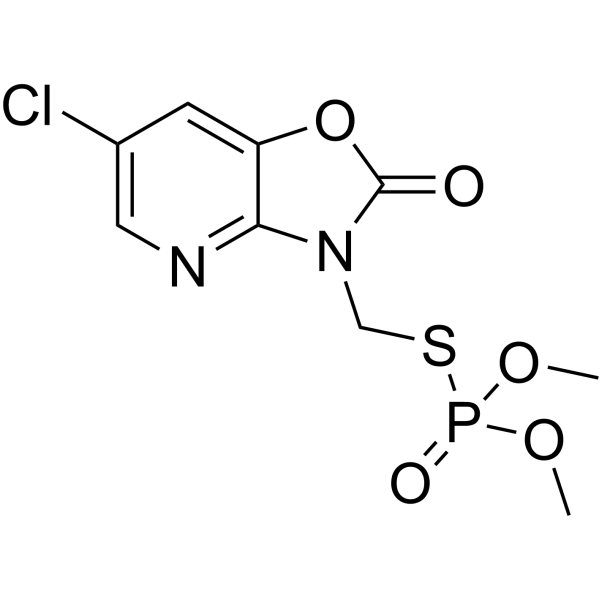
Azamethiphos is an acetylcholinesterase inhibitor and insecticide. Azamethiphos covalently binds to acetylcholinesterase via phosphorylation, inhibits its activity, causes acetylcholine to accumulate in cholinergic synapses, triggers uncontrolled excitation of cholinergic sites, induces paralysis and leads to death. Azamethiphos can be used as a bath insecticide in salmonid aquaculture to control sea lice infestations, and it exerts acute toxicity to European lobster larvae, including mortality and movement disorders .
loading...
    loading...
1
1 Cited Publications
Cat. No.: HY-B1953
CAS No.: 111988-49-9
Research Areas:  

Infection

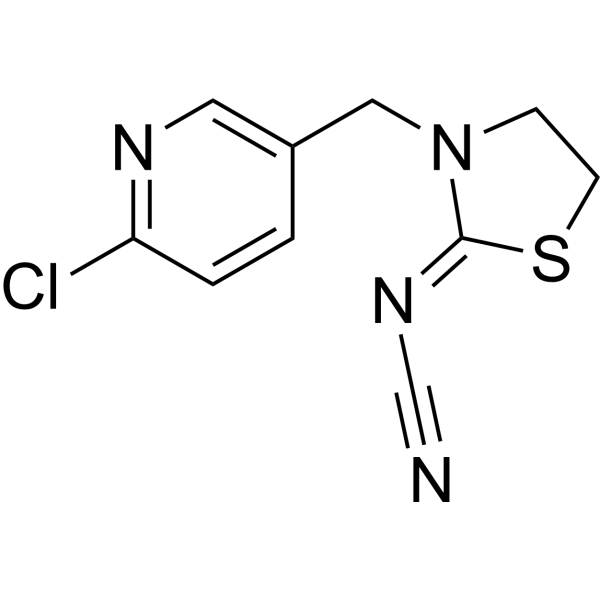
Thiacloprid is an orally active neurotoxic insecticide and also a nAChR agonist. Thiacloprid reduces the viability of healthy cells, depletes reduced glutathione, and increases MDA levels, thereby inducing cytotoxicity and oxidative stress damage. In practical applications, Thiacloprid has lower acute toxicity to honeybees than other compounds of the same class such as Imidacloprid (HY-B0838), but it still significantly impairs the learning and memory function, immune capacity and survival status of honeybees. Thiacloprid induces intestinal microbial dysbiosis and reduces survival rate in middle-aged honeybees, increases the risk of premature collapse in bumblebee colonies, and significantly decreases the final colony weight and reproductive output. Thiacloprid is used in broad-spectrum agricultural pest control, often alone or in combination with Deltamethrin (HY-B1971), and meets the pest management needs of various crops including potatoes, cabbages, various fruits and vegetables, and nuts .
loading...
    loading...
1
1 Cited Publications
Cat. No.: HY-W011927S
CAS No.: 2483831-28-1
Synonyms: Bisphenol S (4,4'-Sulfonyldiphenol)-d8
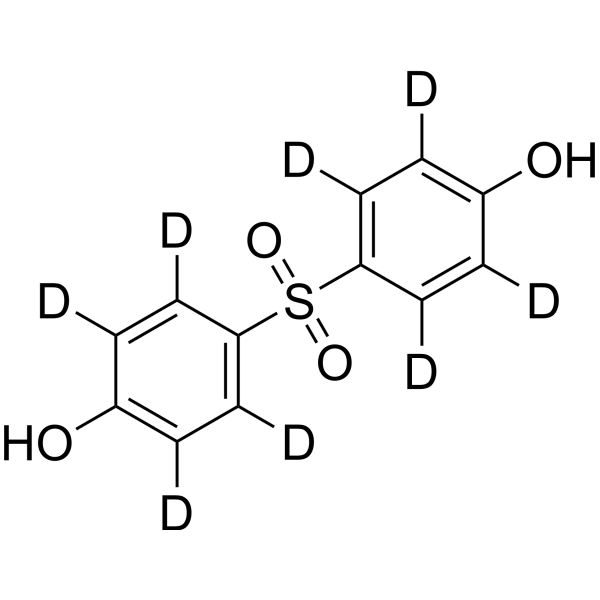
4,4'-Sulfonyldiphenol-d8 (Bisphenol S (4,4'-Sulfonyldiphenol)-d8) is the deuterium labeled 4,4'-Sulfonyldiphenol (HY-W011927).4,4'-Sulfonyldiphenol (Bisphenol S; Bis(4-hydroxyphenyl) sulfone), a substitute for Bisphenol A (HY-18260), is widely used in industrial and consumer products. 4,4'-Sulfonyldiphenol is an estrogen receptor (ER) agonist and can competitively bind to thyroid hormone receptors (TR) with IC50 values for TRα and TRβ are 2650 μM and 2294 μM respectively, thereby affecting breast development and reducing the expression of androgen receptor (AR) in fetal testes. 4,4'-Sulfonyldiphenol promotes the progression of glioblastoma by upregulating the EZH2 mediated PI3K/AKT/mTOR pathway. Under chronic exposure, 4,4'-Sulfonyldiphenol can cause significant lipid deposition and dyslipidemia in the mouse liver by upregulating JunB and Atf3, and has a role in causing obesity at low doses. 4,4'-Sulfonyldiphenol induces intestinal inflammation by altering the intestinal microbiome. 4,4'-Sulfonyldiphenol accelerates the progression of atherosclerosis in zebrafish embryo larvae.
loading...
    loading...
Cat. No.: HY-113472
CAS No.: 769-49-3
Purity:  99.6%
Target:  

Drug Metabolite

Research Areas:  

Others

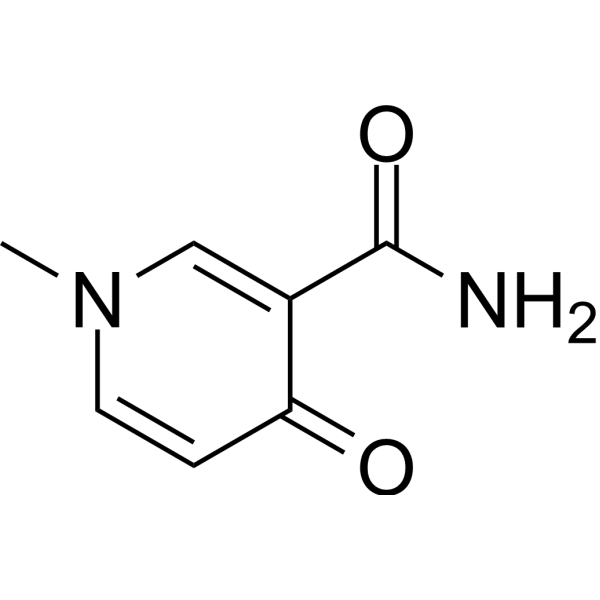
N-Methyl-4-pyridone-3-carboxamide (compound 4PY) is a final product of nicotinamide adenine dinucleotide (NAD) degradation .
loading...
    loading...
Cat. No.: HY-W017423
CAS No.: 6485-40-1
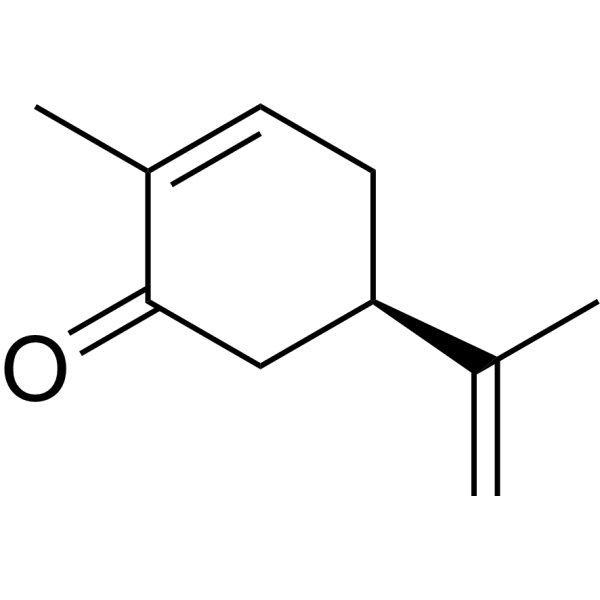
(-)-Carvone is an insect neurotoxin and a irreversible acetylcholinesterase (AChE) inhibitor. (-)-Carvone can be used as a bird repellent, inhibits larval growth, decreases pupatation rate, and increases mortality of larvae .
loading...
    loading...
Cat. No.: HY-164322
CAS No.: 2375110-88-4
Target:  

Insecticide

Research Areas:  

Others

Cyproflanilide is a meta-diamide insecticide. Cyproflanilide exhibits potent insecticidal activity against third Chilo suppressalis and Spodoptera frugiperda larvae. Cyproflanilide can be used for the research of insect pests .
loading...
    loading...
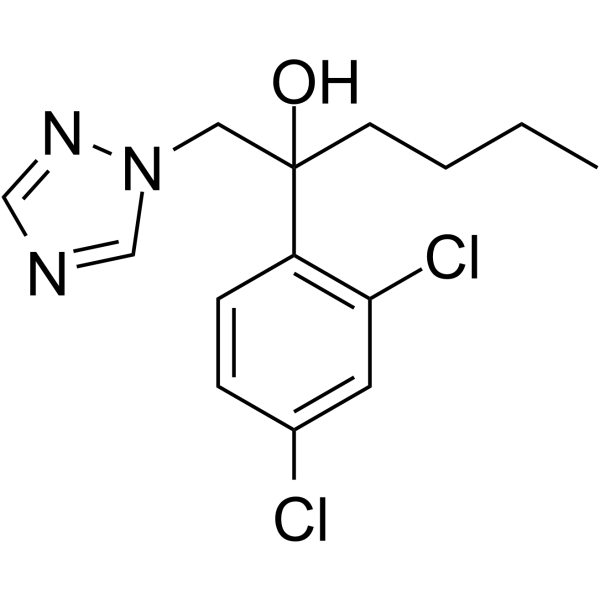
Cat. No.: HY-A0278
CAS No.: 79983-71-4
Synonyms: (-)-Hexaconazol
Hexaconazole is a demethylation enzyme inhibitor and a synthetic fungicide that targets many fungi, especially ascomycetes and basidiomycetes, and it can enhance the activity of SOD and peroxidase. Hexaconazole causes endocrine disorders in zebrafish larvae .
loading...
    loading...

