
45 Results for "

foot

" in MedChemExpress (MCE) Product Catalog:
Products (45)

45 Results for "foot" in MCE Product Catalog:

12
12 Publications Verification
Cat. No.: HY-15273
CAS No.: 1255580-76-7
Purity:  99.48%
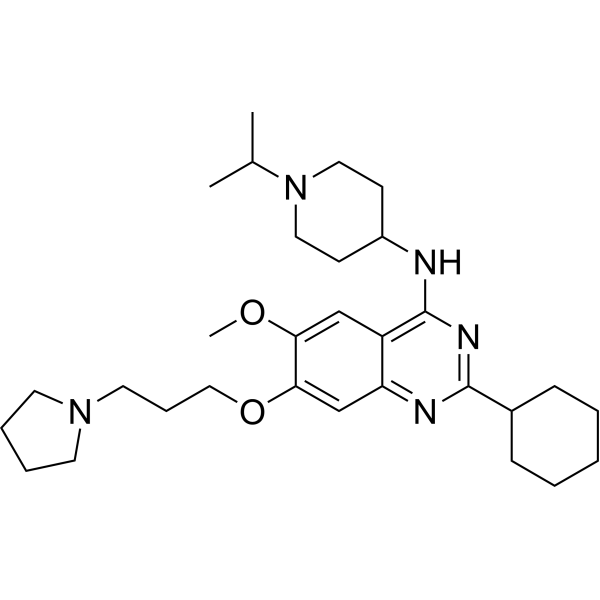
UNC0638, a chemical probe, selectively inhibits G9a and GLP histone methyltransferases with IC50 of 15 nM and 19 nM, respectively. UNC0638 inhibits TNBC cell invasion and migration in vitro. UNC0638 is also an inhibitor of EHMT1/2 and induces fetal hemoglobin (HbF) expression in human erythroid progenitor cell culture. In addition, UNC0638 has anti-FMDV (foot-and-mouth disease virus) and anti-VSV (vesicular stomatitis virus) activities, with excellent potency and selectivity against multiple epigenetic and non-epigenetic targets .
loading...
    loading...
9
9 Cited Publications
Cat. No.: HY-108749
CAS No.: 8001-25-0
Synonyms: Cropure OL
Olive oil (Cropure OL) is an oleaginous compound found in the fruit of the Olea europaea tree . Olive oil contains many phenolic components and exerts antioxidant activity. Olive oil exhibits hydroxyl radical scavenging, platelet aggregation inhibition and xanthine oxidase inhibitory activity. Olive oil can promote wound healing and relieve inflammation. Olive oil can be used for the research of inflammation, cancer, metabolic and cardiovascular disease, such as diabetic foot ulcers and inflammatory bowel disease .
loading...
    loading...
3
3 Cited Publications
Cat. No.: HY-B1392
CAS No.: 81161-17-3
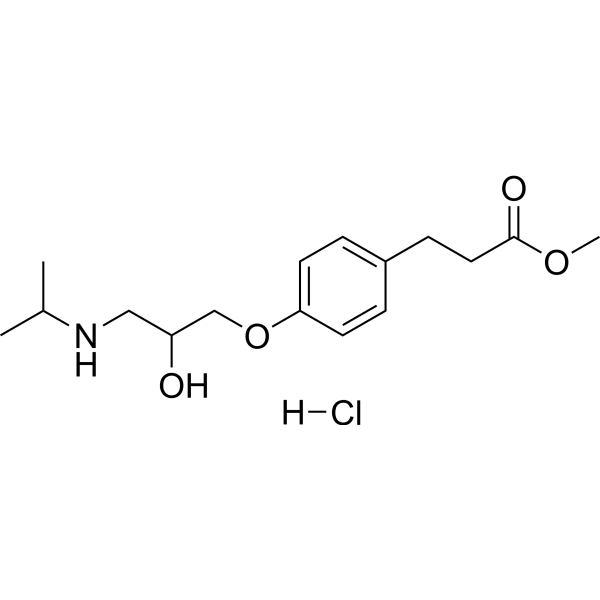
Esmolol hydrochloride is an ultra-short-acting cardioselective β1-adrenergic blocker. Esmolol hydrochloride exerts its antiarrhythmic effect by activating Neurokinin 1 Receptor. Esmolol hydrochloride attenuates post resuscitation myocardial dysfunction. Esmolol hydrochloride improves diabetic wound healing by inhibiting aldose reductase and the production of advanced glycation end products and promoting fibroblast migration. Esmolol hydrochloride can be used to study cardiac diseases such as arrhythmias and diabetic foot ulcers .
loading...
    loading...
2
2 Cited Publications
Cat. No.: HY-19767
CAS No.: 1629249-33-7
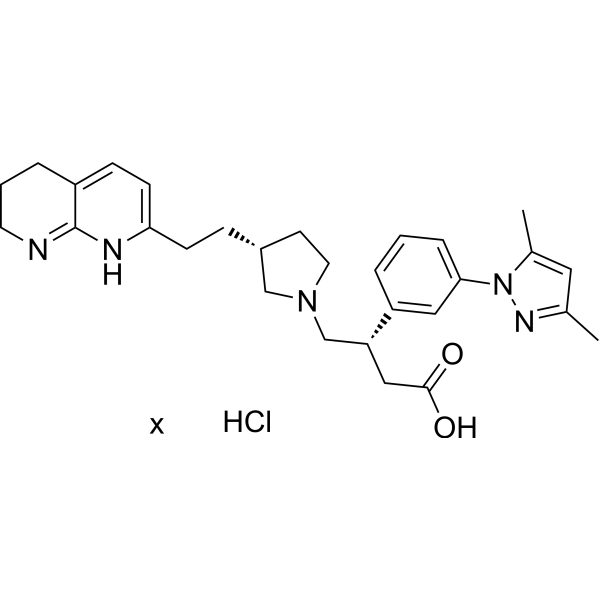
GSK 3008348 is a small molecule antagonist of integrin αvβ6 with IC50 values for αvβ6, αvβ1, αvβ3, αvβ5, and αvβ8 are 1.50, 2.83, 12.53, 4.00, and 2.26 nM, respectively. GSK 3008348 can target the αvβ6 integrin, inhibit TGF-β activation, and thereby alleviate the fibrotic process. GSK 3008348 prevents the binding of the foot-and-mouth disease virus (FMDV) to the αvβ6 integrin receptor on the surface of host cells, thereby inhibiting the entry of the virus. GSK 3008348 can be used for research on pulmonary fibrosis and various types of cancer .
loading...
    loading...
2
2 Cited Publications
Cat. No.: HY-N0924
CAS No.: 4312-32-7
Synonyms: Tetrahydrocoptisine
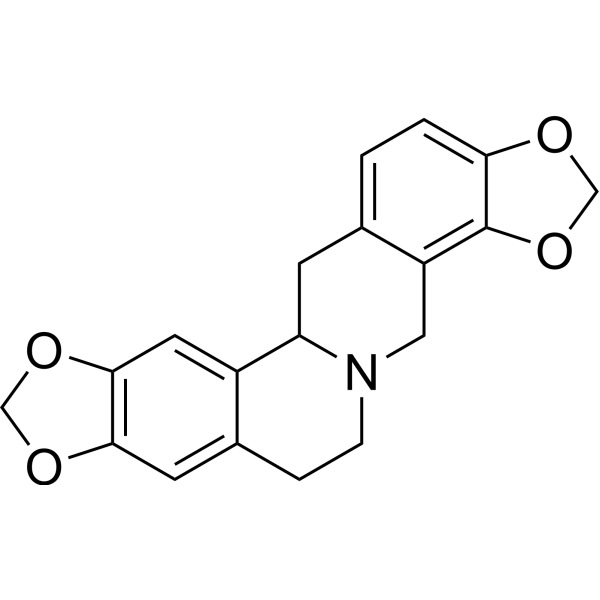
(±)-Stylopine (Tetrahydrocoptisine) is an alkaloid compound. (±)-Stylopine can be isolated from the tubers of the plant Corydalis. (±)-Stylopine inhibits TNF-α, IL-6, and NO production, and attenuates phosphorylation of p38 MAPK, ERK1/2. (±)-Stylopine inhibits NF-κB expression. (±)-Stylopine exhibits anti-inflammatory activity. (±)-Stylopine has protective effects against foot edema, gastric ulcers, anxiety, depression, and acute lung injury .
loading...
    loading...
2
2 Cited Publications
Cat. No.: HY-19767A
CAS No.: 1629249-40-6
GSK 3008348 hydrochloride is a small molecule antagonist of integrin αvβ6 with IC50 values for αvβ6, αvβ1, αvβ3, αvβ5, and αvβ8 are 1.50, 2.83, 12.53, 4.00, and 2.26 nM, respectively. GSK 3008348 hydrochloride can target the αvβ6 integrin, inhibit TGF-β activation, and thereby alleviate the fibrotic process. GSK 3008348 hydrochloride prevents the binding of the foot-and-mouth disease virus (FMDV) to the αvβ6 integrin receptor on the surface of host cells, thereby inhibiting the entry of the virus. GSK 3008348 hydrochloride can be used for research on pulmonary fibrosis and various types of cancer .
loading...
    loading...
1
1 Cited Publications
Cat. No.: HY-N0306
CAS No.: 36284-77-2
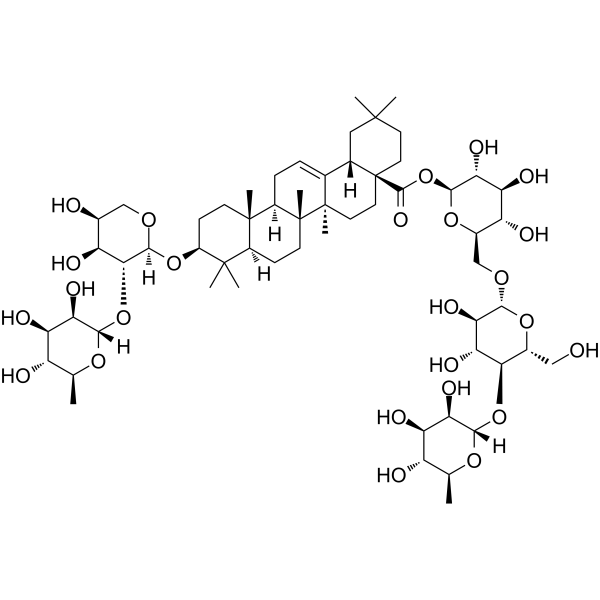
Hederasaponin B is an orally active oleanane-type triterpenoid saponin and antiviral agent. Hederasaponin B is isolated from the leaves of Acanthopanax senticosus, Hedera nepalensis var. sinensis, and the rhizomes of Souliea vaginata. Hederasaponin B inhibits the expression of the viral capsid protein VP2 and attenuates virus-induced cytopathic effects. Hederasaponin B exhibits activity against Enterovirus 71 subtypes C3 and C4a. Hederasaponin B shows no hepatoprotective effect against CCl4-induced hepatocyte injury. Hederasaponin B is used in research on hand, foot, and mouth disease .
loading...
    loading...
1
1 Cited Publications
Cat. No.: HY-N0857
CAS No.: 79233-15-1
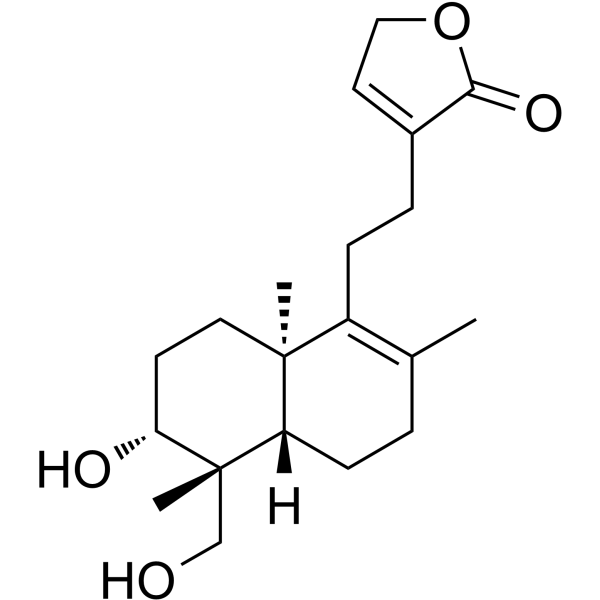
Deoxyandrographolide is an orally active lactone found in the Andrographis paniculata Nees. Deoxyandrographolide shows a KD of 38.4 μM of HDAC1. Deoxyandrographolide enhances GLUT4 plasma membrane translocation, activates PI3K and AMPK-dependent signaling pathways, suppresses fasting blood glucose, serum insulin, triglycerides, and LDL-cholesterol levels. Deoxyandrographolide enhances HDAC1 expression via inhibited ubiquitination degradation, represses H3K4me3, improves chromosome stability, and restrains aging biomarkers p16, p21, γH2A.X, p53 and ROS production. Deoxyandrographolide interacts with Foot-and-Mouth Disease Virus 3Cpro active site, inhibits protease and IFN-antagonist activity, derepresses ISG expression, and inhibits viral replication. Deoxyandrographolide can be used for the researches of type 2 diabetes mellitus, vascular senescence and virus infection .
loading...
    loading...
1
1 Cited Publications
Cat. No.: HY-N0620
CAS No.: 102841-43-0
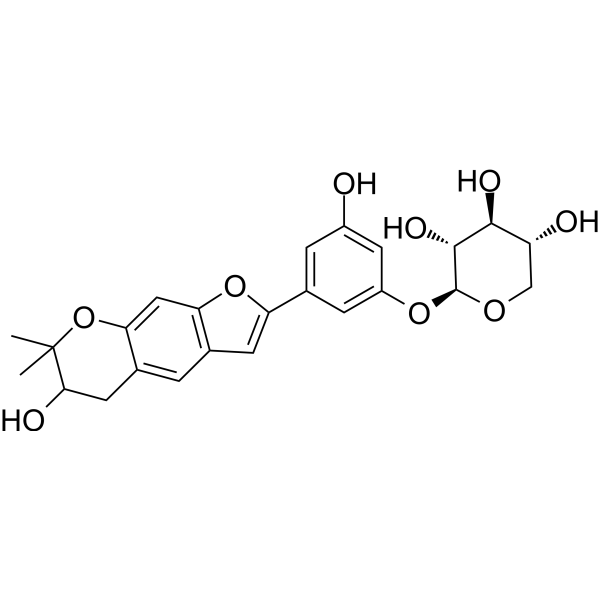
Mulberroside C is one of the main bioactive components in white mulberry (Morus alba L.). Mulberroside C exhibits antiplatelet, antiviral and neutrophil-regulating activities, and binds to EV-A71 VP1 with a Kd value of 1.289 nM. Mulberroside C reduces the phosphorylation level of ERK, promotes the phosphorylation of IP3RI at the Ser 1756 site, and decreases calcium influx and calcium mobilization. Mulberroside C inhibits the expression of P-selectin (P-selectin). Mulberroside C upregulates the cyclic nucleotide signaling pathway in human platelets. Mulberroside C binds to IL-23R, upregulates the expression of G-CSF, GM-CSF and RASGRP1, and activates the RAS/ERK signaling pathway. Mulberroside C promotes neutrophil maturation, accelerates the recovery of leukopenia, and enhances the antibacterial activity of neutrophils. Mulberroside C inhibits the replication of hepatitis C virus in replicon cells. Mulberroside C prevents the uncoating and genome release of EV-A71, and inhibits the synthesis of viral proteins and RNA. Mulberroside C can be used in studies related to thrombosis-mediated cardiovascular diseases, chemotherapy- and radiotherapy-induced leukopenia, hepatitis C virus infection, and hand, foot and mouth disease .
loading...
    loading...
Cat. No.: HY-W015464
CAS No.: 16284-60-9
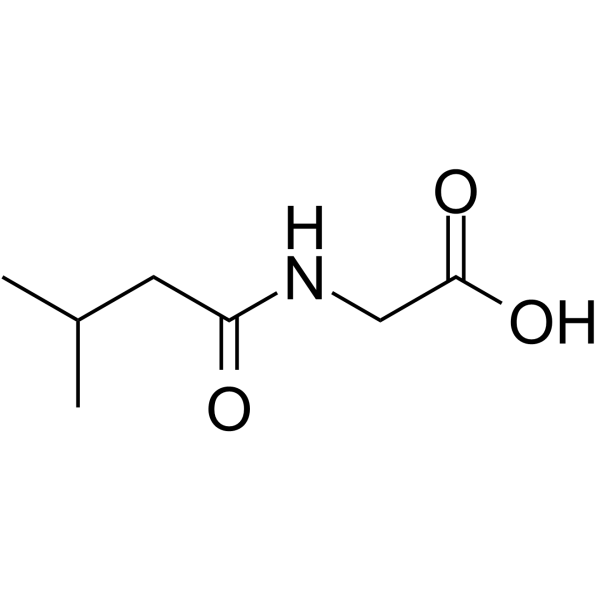
N-Isovaleroylglycine is a peptidylglycine α-amidating monooxygenase (PAM) inhibitor with a Ki value of 2.0 mM against human hsPAM. N-Isovaleroylglycine undergoes oxidative cleavage by purified rat PAM to produce fatty acid amide and glyoxylic acid. N-Isovaleroylglycine exerts competitive inhibition by binding to hsPAM, blocking the amidation of dansyl-Tyr-Val-Gly. N-Isovaleroylglycine exhibits lowered urinary abundance in MRSA-infected mice, which qualifies it as a non-invasive biomarker. N-Isovaleroylglycine can be used in studies related to Staphylococcus aureus pneumonia and diabetic foot .
loading...
    loading...
Cat. No.: HY-108295
CAS No.: 69542-93-4
Purity:  ≥98.0%
Synonyms: CXB-722
Target:  

GABA Receptor

Research Areas:  

Neurological Disease

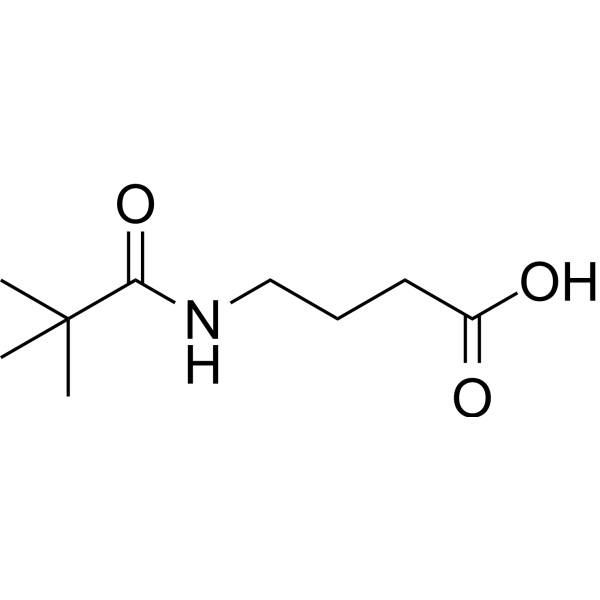
Pivagabine (CXB 722) is a hydrophobic 4-aminobutyric acid derivative with neuromodulatory activity. Pivagabine penetrates the blood-brain barrier in rats. Pivagabine antagonizes the effects of foot shock on both GABAA receptor function and corticotropin-releasing factor (CRF) concentrations in rat brain .
loading...
    loading...
Cat. No.: HY-W145481A
CAS No.: 11078-30-1
Synonyms: Carob galactomannan
D-Galacto-D-mannan (Carob galactomannan) is an orally active Dectin-2 agonist. D-Galacto-D-mannan exerts antioxidant activity against hydroxyl radical generation. D-Galacto-D-mannan activates Dectin-2 to trigger downstream signaling pathways, promote the expression of immunoregulatory molecules, coordinate innate and adaptive immune responses, and inhibit excessive inflammatory responses by upregulating the expression of Sirtuin 1. When used as a vaccine adjuvant, D-Galacto-D-mannan induces cellular and humoral immune responses, promotes IFNγ secretion, increases antibody levels and virus neutralization titers, and elevates the levels of immunoglobulin G and A. D-Galacto-D-mannan can serve as an adjuvant for foot-and-mouth disease vaccines, enhance the vaccine-mediated ability of hosts to defend against viral infection in mice, and reduce local side effects at the inoculation site in pigs. D-Galacto-D-mannan can be used in the research of inflammatory and immune diseases, such as foot-and-mouth disease .
loading...
    loading...
Cat. No.: HY-124373A
CAS No.: 2252493-33-5
Target:  

MMP

Research Areas:  

Metabolic Disease

(R)-ND-336 is a potent and selective MMP-9 inhibitor with a Ki of 19 nM. (R)-ND-336 inhibits MMP-2 (Ki=127 nM) and MMP-14 (Ki=119 nM). (R)-ND-336 has the potential for diabetic foot ulcers (DFUs) research .
loading...
    loading...
Cat. No.: HY-18759
CAS No.: 948842-66-8
Target:  

p38 MAPK TNF Receptor

Research Areas:  

Inflammation/Immunology

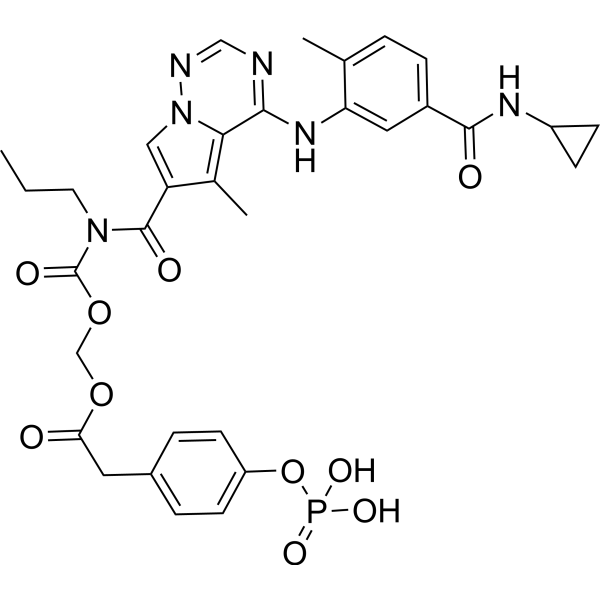
BMS-751324 is a p38α MAPK inhibitor. BMS-751324 equips a precursor of carbamyl-methyl linkage, containing esters and phosphate functional groups derived from hydroxyphenylacetic acid (HPA). BMS-751324 effectively inhibits foot swelling and LPS-induced TNFα production in an arthritic rat model .
loading...
    loading...
Cat. No.: HY-109130
CAS No.: 1799809-36-1
Synonyms: BAY 1193397
Target:  

Adrenergic Receptor

Research Areas:  

Metabolic Disease

Fadaltran (BAY 1193397) is an orally active α2C-adrenoreceptor antagonist. Fadaltran can be used for the study of diabetic foot ulcers .
loading...
    loading...
Cat. No.: HY-161352
CAS No.: 1429218-68-7
Target:  

Virus Protease

Research Areas:  

Infection

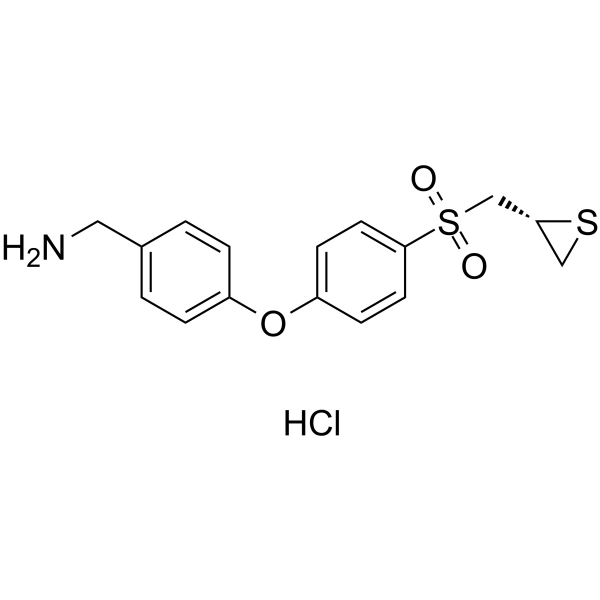
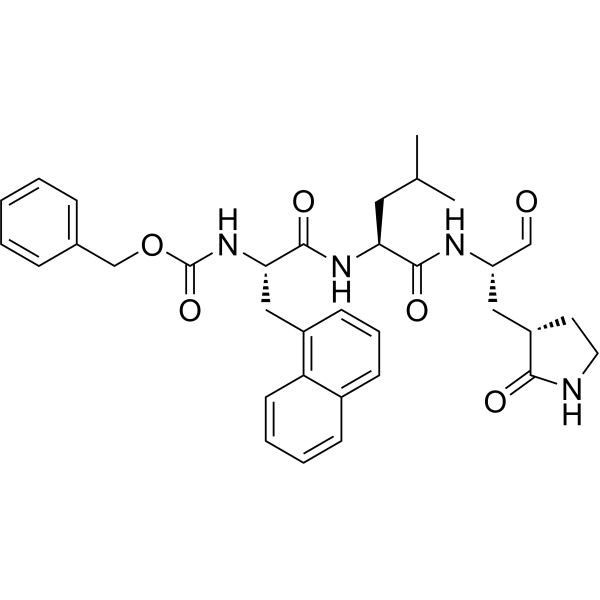
NPI52 (Compound E1) is a foot-and-mouth disease virus 3C protease (FMDV 3Cpro) inhibitor, with IC50 values of 0.05 and 0.11 µM in FRET and cell-based assay, respectively .
loading...
    loading...
Cat. No.: HY-129448
CAS No.: 825643-56-9
Target:  

Neurokinin Receptor

Research Areas:  

Neurological Disease

RO4583298 is a potent, orally active dual antagonist of NK1 (human and gerbil)/NK3 (human, cynomolgus monkey, gerbil and guinea-pig). RO4583298 inhibits senktide-induced potentiation of spontaneous activity of dopaminergic neurons. RO4583298 can block gerbil foot tapping response and inhibits mouse tail whips .
loading...
    loading...
Cat. No.: HY-B1392A
CAS No.: 81147-92-4
Esmolol is an ultra-short-acting cardioselective β1-adrenergic blocker. Esmolol exerts its antiarrhythmic effect by activating Neurokinin 1 Receptor. Esmolol attenuates post resuscitation myocardial dysfunction. Esmolol improves diabetic wound healing by inhibiting aldose reductase and the production of advanced glycation end products and promoting fibroblast migration. Esmolol can be used to study cardiac diseases such as arrhythmias and diabetic foot ulcers .
loading...
    loading...
Cat. No.: HY-163512
Research Areas:  

Inflammation/Immunology

Anti-inflammatory agent 79 (compound 17q) is an isoquinolinone derivative-based HIF-1 inhibitor (IC50: 0.55 μM), which can effectively block HIF-1 signals and increase HIF- Degradation of 1α. Anti-inflammatory agent 79 inhibits synovial invasion and migration and inhibits angiogenesis. Anti-inflammatory agent 79 also effectively reduced foot swelling and arthritis in a mouse inflammation model, and down-regulated the levels of inflammatory factors and blood vessel proliferation in the body .
loading...
    loading...
Cat. No.: HY-174814
CAS No.: 827034-42-4
Target:  

Enterovirus

Research Areas:  

Infection

Jun15716 is an Enterovirus (EVs) 2C protein (EVs 2C) inhibitor with Kis of 15.9, 44.2 and 17.8 μM for EV-D68, EV-A71 and CVB3, respectively. Jun15716 has a potent antiviral activity against EV-D68 US/MO/14-18947 and CVB3 Nancy cells (EC50s of 1.0 and 0.7 μM, respectively). Jun15716 can be used for viral infections research, such as meningitis, hand, foot and mouth disease (HFMD) and viral myocarditis .
loading...
    loading...

