33 Results for "

glucose utilization

" in MedChemExpress (MCE) Product Catalog:
Products (33)

33 Results for "glucose utilization" in MCE Product Catalog:
7
7 Cited Publications
Cat. No.: HY-16307
CAS No.: 261365-11-1
Target:  

FBPase

Research Areas:  

Metabolic Disease Cancer

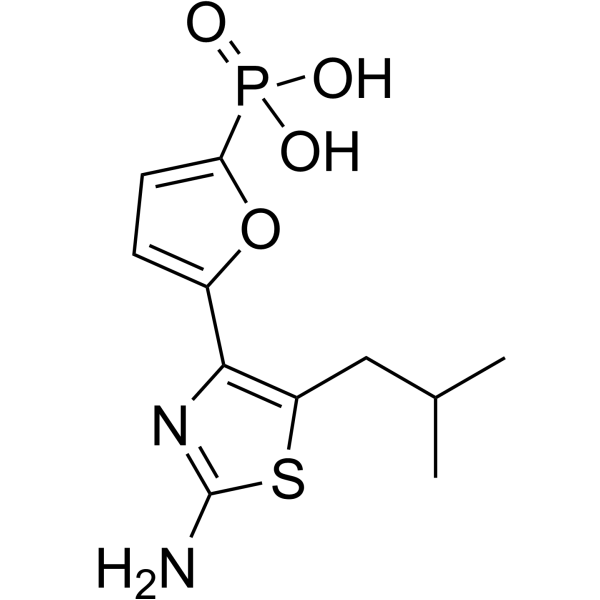
MB05032 is a fructose-1,6-bisphosphatase (FBP1/FBPase) inhibitor with an IC50 value of 16 nM. MB05032 blocks FBP1-mediated glycolysis inhibition in NK cells, restores NK cell glucose uptake, lactate production, degranulation, perforin production, and cytotoxicity against gastric cancer cells. MB05032 elevates ATP/ADP ratios, increases glucose utilization, and enhances insulin secretion in pancreatic β-cells. MB05032 increases neutrophil adhesion, phagocytosis, and mRNA abundance of HKII, ITGA9, CD36 in subclinically hypocalcemic dairy cows. MB05032 inhibits gluconeogenesis in hepatocytes, acts as the active metabolite of prodrug Managlinat dialanetil (MB06322) (HY-14955). MB05032 can be used for the research of gastric cancer, type 2 diabetes, subclinical hypocalcemia, and insulin resistance .
loading...
    loading...
5
5 Cited Publications
Cat. No.: HY-P2149
CAS No.: 11028-71-0
Concanavalin A can be coupled to agarose to form Concanavalin A (agarose) (HY-P2149A). Concanavalin A (ConA) is a selective, competitive binding agent that targets specific carbohydrate structures containing glucose and mannose; it acts as a mitogen and exhibits varying degrees of cytotoxicity, hepatotoxicity, and teratogenicity. Concanavalin A is also utilized for in vivo blood glucose monitoring in the context of diabetes .
loading...
    loading...
3
3 Cited Publications
Cat. No.: HY-153040
CAS No.: 1325721-55-8
Purity:  99.67%
Synonyms: Bach1-IN-1
Research Areas:  

Metabolic Disease

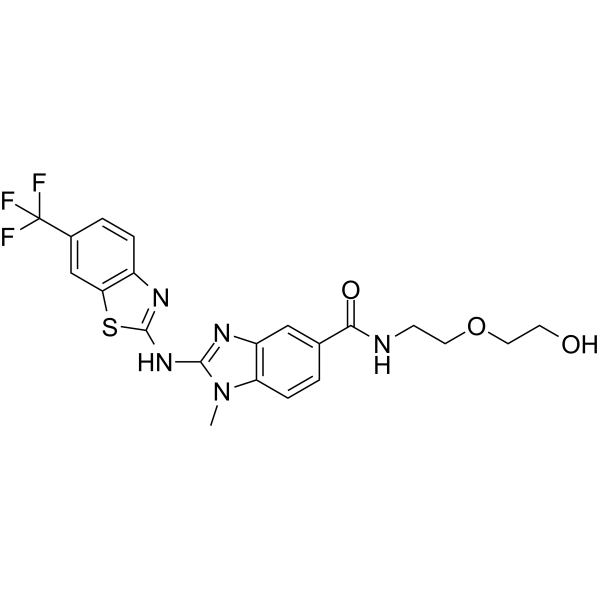
HPPE (compound 236) is an orally active, potential Bach1 inhibitor. Bach1 is a transcription factor of the cap'n'collar type alkaline region leucine zipper factor family (CNC-bZip) that regulates mitochondrial metabolism and reduces glucose utilization. HPPE can be used for research in psoriasis, multiple sclerosis, and COPD .
loading...
    loading...
1
1 Cited Publications
Cat. No.: HY-B0488
CAS No.: 60200-06-8
Synonyms: L631529; MK401
Target:  

Parasite

Research Areas:  

Infection

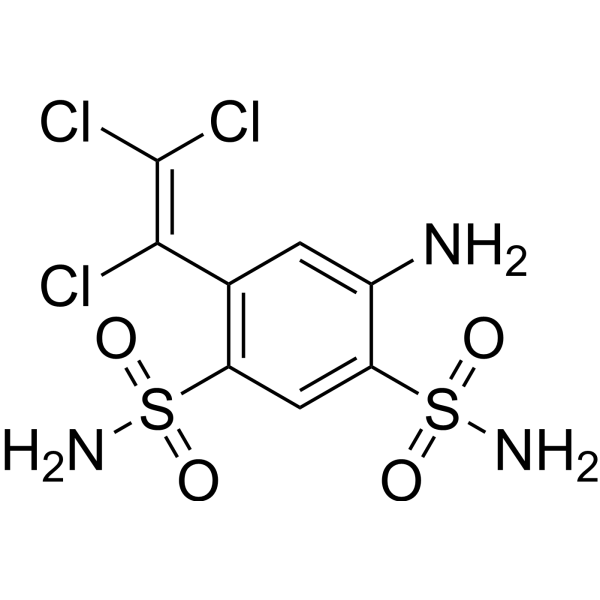
Clorsulon (L631529; MK401) is an orally active flukicidal agent. Clorsulon inhibits glycolysis, the primary energy production pathway in flukes. Clorsulon is also a competitive inhibitor of 3-phosphoglycolate and ATP, inhibiting glucose utilization and acetate and propionate formation by mature Fasciola hepatica in vitro. Clorsulon can be used in studies of liver fluke (Fasciola hepatica and Fasciola gigantica) infection in calves and sheep .
loading...
    loading...
1
1 Cited Publications
Cat. No.: HY-Y1091
CAS No.: 923-27-3
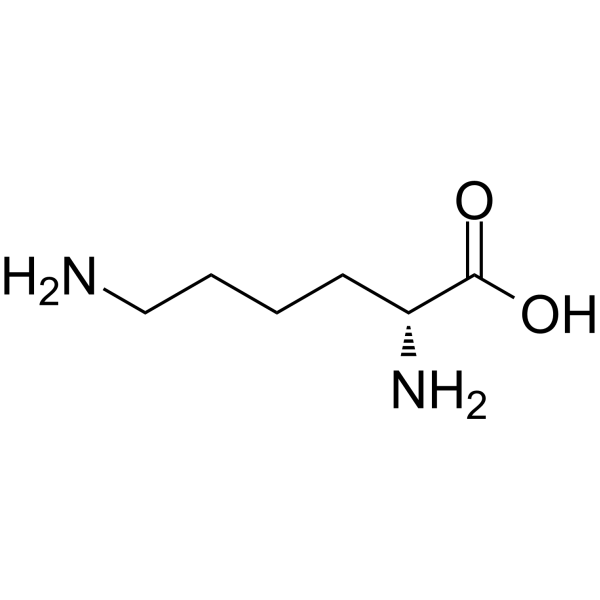
D-Lysine is the D-enantiomer of L-Lysine (HY-N0469). D-Lysine is metabolically inert and not utilized for protein synthesis by mammalian ribosomes. D-Lysine blocks renal uptake of 111In/ 90Y-Octreotide (HY-P0036)-based probes without inhibiting uptake by tumor/receptor tissues, and thus acts as a renoprotective agent in diagnostic imaging and peptide receptor radionuclide therapy (PRRT). D-Lysine specifically inhibits the early steps of non-enzymatic glycation by competing with glucose via its free amino group, theoretically, it can serve as a glycation competitor that "does not interfere with protein synthesis" under chronic hyperglycemia in diabetes. D-Lysine can be used in research related to cancer and diabetes .
loading...
    loading...
1
1 Cited Publications
Cat. No.: HY-Y1804
CAS No.: 7274-88-6
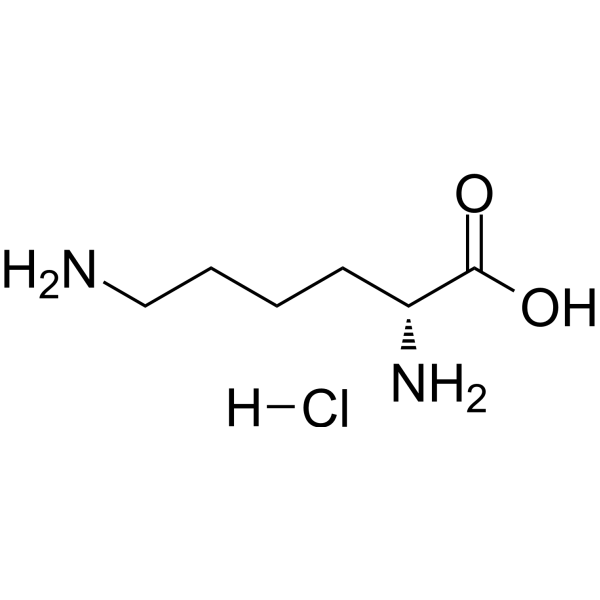
D-Lysine monohydrochloride is the D-enantiomer of L-Lysine (HY-N0469). D-Lysine monohydrochloride is metabolically inert and not utilized for protein synthesis by mammalian ribosomes. D-Lysine monohydrochloride blocks renal uptake of 111In/ 90Y-Octreotide (HY-P0036)-based probes without inhibiting uptake by tumor/receptor tissues, and thus acts as a renoprotective agent in diagnostic imaging and peptide receptor radionuclide therapy (PRRT). D-Lysine monohydrochloride specifically inhibits the early steps of non-enzymatic glycation by competing with glucose via its free amino group, theoretically, it can serve as a glycation competitor that "does not interfere with protein synthesis" under chronic hyperglycemia in diabetes. D-Lysine monohydrochloride can be used in research related to cancer and diabetes .
loading...
    loading...
Cat. No.: HY-U00462
CAS No.: 3615-44-9
Category:  

500 - Internal Server Error | MedChemExpress

Oops!

Sorry, Something went wrong on our server.
Our team has been notified and is working to fix the issue.