102 Results for "

hematologic malignancy cells

" in MedChemExpress (MCE) Product Catalog:
Products (102)

102 Results for "hematologic malignancy cells" in MCE Product Catalog:

74
74 Publications Verification
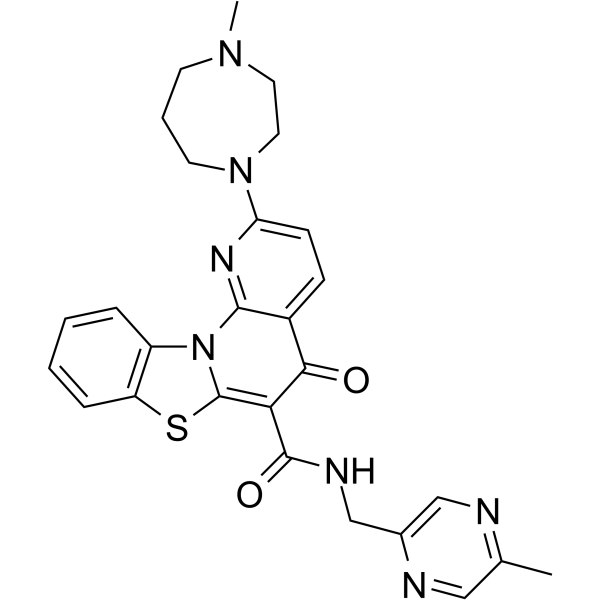
Cat. No.: HY-13323
CAS No.: 1138549-36-6
Purity:  99.49%
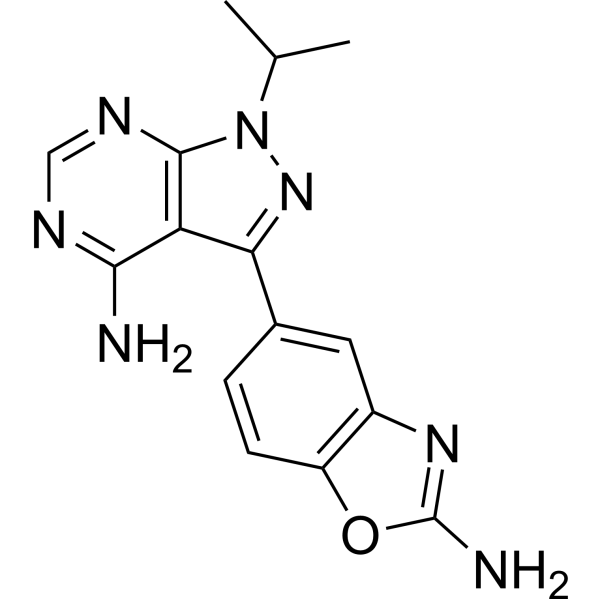
CX-5461 is a selective, orally active RNA polymerase I inhibitor. CX-5461 disrupts the formation of the SL1-rDNA complex, thereby blocking the transcription initiation of ribosomal RNA without altering the activity of RNA polymerase II, DNA replication, or protein translation processes. CX-5461 upregulates the expression of p21, MDM2, Sestrin1/2, and phosphorylated AMPKα, and reduces the level of phosphorylated Akt. CX-5461 induces G2/G2/M cell cycle arrest, Autophagy, Apoptosis, and cellular senescence, and activates CHK1, CHK2, and RPA. CX-5461 can be used in research related to osteosarcoma, cervical cancer, hematologic malignancies, high-grade serous ovarian cancer, and solid tumors .
loading...
    loading...
74
74 Publications Verification
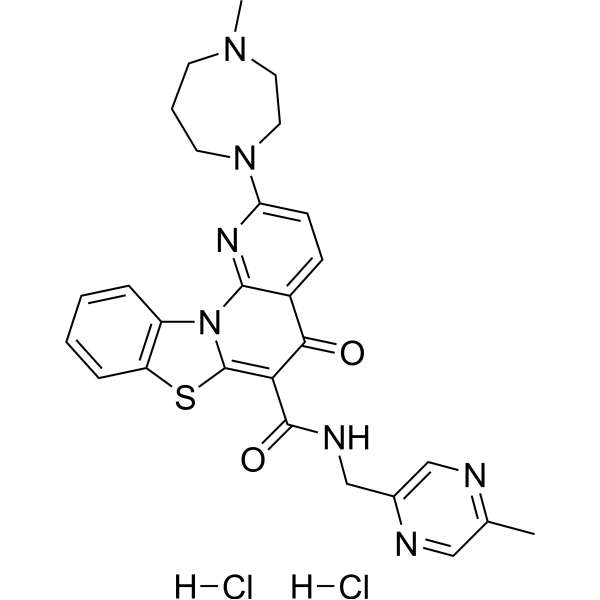
Cat. No.: HY-13323A
Purity:  99.41%
CX-5461 dihydrochloride is a selective, orally active RNA polymerase I inhibitor. CX-5461 dihydrochloride disrupts the formation of the SL1-rDNA complex, thereby blocking the transcription initiation of ribosomal RNA without altering the activity of RNA polymerase II, DNA replication, or protein translation processes. CX-5461 dihydrochloride upregulates the expression of p21, MDM2, Sestrin1/2, and phosphorylated AMPKα, and reduces the level of phosphorylated Akt. CX-5461 dihydrochloride induces G2/G2/M cell cycle arrest, Autophagy, Apoptosis, and cellular senescence, and activates CHK1, CHK2, and RPA. CX-5461 dihydrochloride can be used in research related to osteosarcoma, cervical cancer, hematologic malignancies, high-grade serous ovarian cancer, and solid tumors .
loading...
    loading...
64
64 Cited Publications
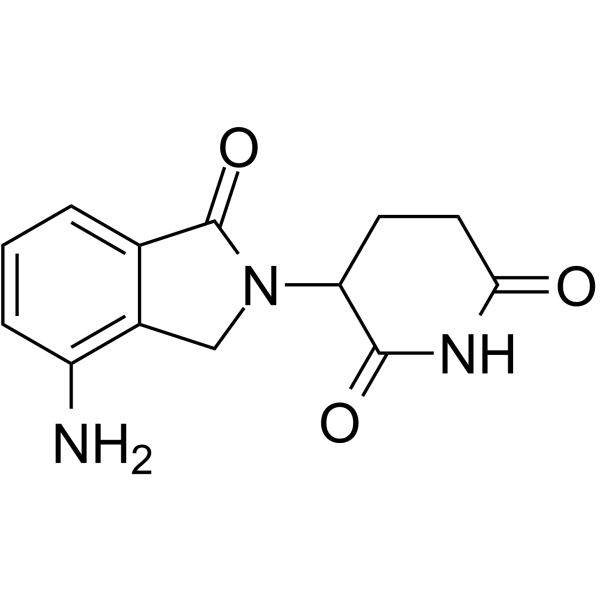
Cat. No.: HY-A0003
CAS No.: 191732-72-6
Synonyms: CC-5013
Lenalidomide (CC-5013) is an orally active immunomodulatory agent that binds CRBN as a molecular glue to alter substrate specificity, inducing ubiquitination and proteasome-dependent degradation of IKZF1, IKZF3 and CK1α. Lenalidomide induces apoptosis by degrading IKZF1/3, and activates p53 by degrading CK1α. Lenalidomide promotes IL-2 release and effector functions of CD8 + T/NK cells, while inhibiting TNF-α secretion and M1-type pyroptosis. Lenalidomide can be used in research related to hematological malignancies, acute liver failure and acute kidney injury .
loading...
    loading...
64
64 Cited Publications
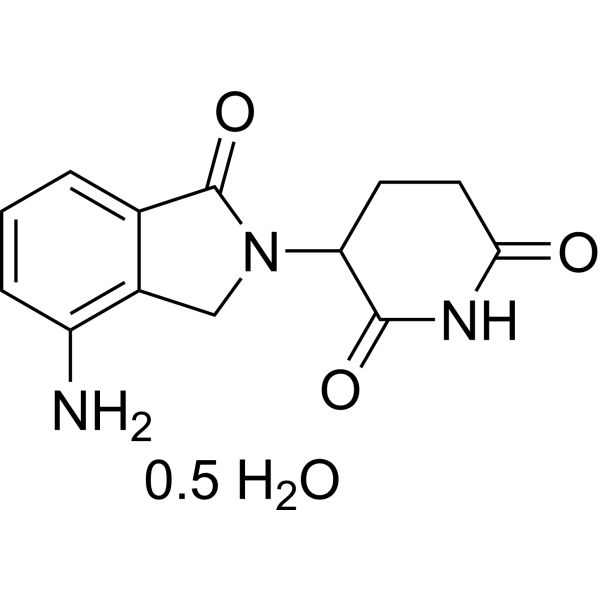
Cat. No.: HY-A0003B
CAS No.: 847871-99-2
Synonyms: CC-5013 hemihydrate
Lenalidomide hemihydrate (CC-5013 hemihydrate) is an orally active immunomodulatory agent that binds CRBN as a molecular glue to alter substrate specificity, inducing ubiquitination and proteasome-dependent degradation of IKZF1, IKZF3 and CK1α. Lenalidomide hemihydrate induces apoptosis by degrading IKZF1/3, and activates p53 by degrading CK1α. Lenalidomide hemihydrate promotes IL-2 release and effector functions of CD8 + T/NK cells, while inhibiting TNF-α secretion and M1-type pyroptosis. Lenalidomide hemihydrate can be used in research related to hematological malignancies, acute liver failure and acute kidney injury .
loading...
    loading...
59
59 Cited Publications
Cat. No.: HY-13328
CAS No.: 1224844-38-5
Purity:  99.63%
Synonyms: INK-128; MLN0128; TAK-228
Sapanisertib (INK-128; MLN0128; TAK-228) is an orally active dual mTORC1/mTORC2 inhibitor. Sapanisertib directly and simultaneously inhibits mTORC1/2 activity through competitive binding with ATP, thereby comprehensively blocking downstream processes such as protein and lipid synthesis and cytoskeletal reorganization, consequently suppressing tumor cell proliferation and promoting apoptosis. Sapanisertib is applicable to research on melanoma, ovarian cancer, pulmonary fibrosis, and hematological malignancies .
loading...
    loading...
19
19 Cited Publications
Cat. No.: HY-13650
CAS No.: 165668-41-7
Purity:  99.80%
Synonyms: E 7070
Research Areas:  

Cancer

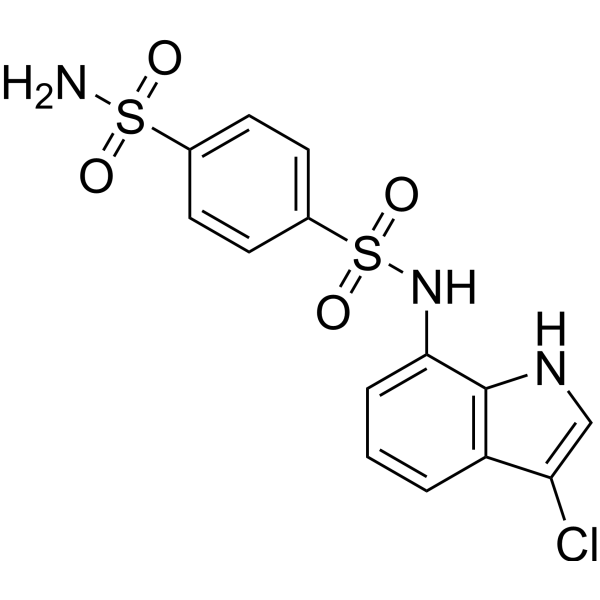
Indisulam (E 7070) is a carbonic anhydrase inhibitor and RBM39 molecular glue degrader, with Ki values of 31, 15, and 24 nM against human carbonic anhydrase I, II, and IX, respectively, and a Ki value of 65 nM against bovine carbonic anhydrase IV. Indisulam promotes the recruitment of RBM39 to the CUL4-DCAF15 E3 ubiquitin ligase complex, triggering polyubiquitination and proteasomal degradation of RBM39. Indisulam induces aberrant pre-mRNA splicing, G1 cell cycle arrest, and cell death in cancer cells. As an anticancer agent, Indisulam drives tumor regression and growth inhibition in xenograft models. Indisulam can be used in research related to solid tumors, hematologic and lymphoid malignancies, colorectal cancer, and non-small cell lung cancer .
loading...
    loading...
10
10 Cited Publications
Cat. No.: HY-128586
CAS No.: 1848959-10-3
Purity:  99.52%
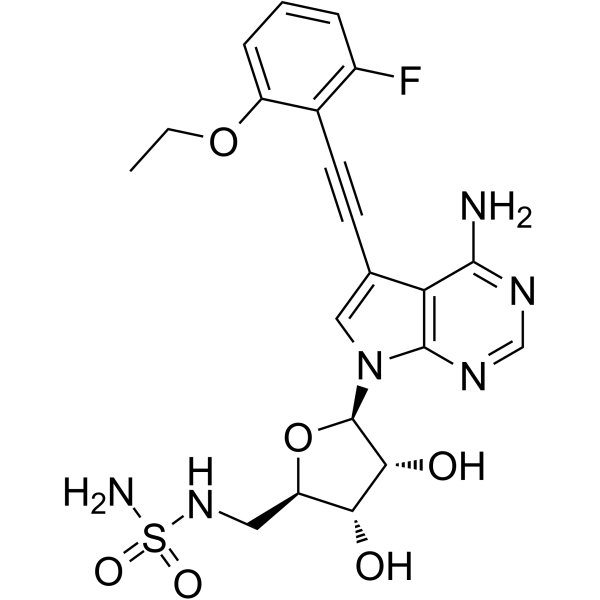
TAS4464 is a long-acting, highly selective covalent inhibitor targeting NEDD8-activating enzyme (NAE) (IC50=0.955 nM), and also inhibits CAII with an IC50 of 0.73 μM, which is less potent than MLN4924 (HY-70062). The IC50 values of TAS4464 against other E1 enzymes UAE and SAE are 449 nM and 1280 nM, respectively. TAS4464 targets NEDD8 in an ATP-dependent manner to inhibit NAE, blocks the neddylation pathway, causes accumulation of CRL ubiquitin ligase substrates (such as CDT1, p27, phosphorylated IκBα), and further induces tumor cell apoptosis. TAS4464 exhibits antiproliferative and cytotoxic effects, and has broad-spectrum antitumor activity against various hematologic and solid tumor cell lines as well as patient-derived tumor cells. TAS4464 has a wide selcetive window, without obvious toxicity. TAS4464 can be used in the research of hematologic malignancies (leukemia, lymphoma, multiple myeloma, etc.) and solid tumors (small cell lung cancer, colorectal cancer, sarcoma, endometrial cancer, ovarian cancer, etc.) .
loading...
    loading...
10
10 Cited Publications
Cat. No.: HY-128586A
CAS No.: 1848959-11-4
Purity:  98.91%
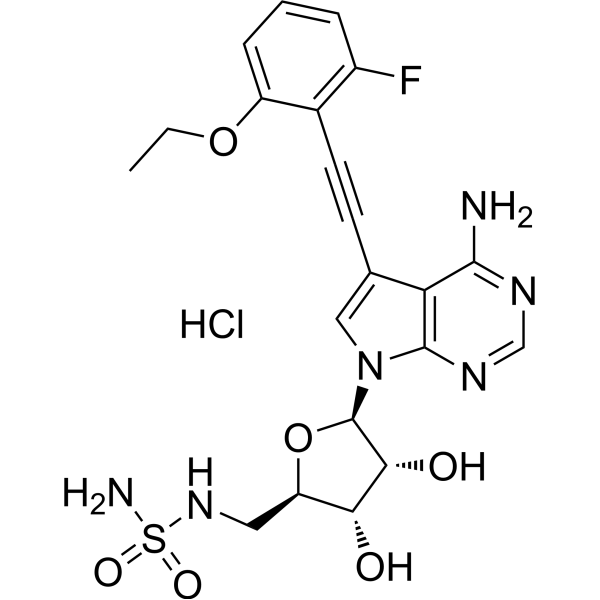
TAS4464 hydrochloride is a long-acting, highly selective covalent inhibitor targeting NEDD8-activating enzyme (NAE) (IC50=0.955 nM), and also inhibits CAII with an IC50 of 0.73 μM, which is less potent than MLN4924 (HY-70062). The IC50 values of TAS4464 hydrochloride against other E1 enzymes UAE and SAE are 449 nM and 1280 nM, respectively. TAS4464 hydrochloride targets NEDD8 in an ATP-dependent manner to inhibit NAE, blocks the neddylation pathway, causes accumulation of CRL ubiquitin ligase substrates (such as CDT1, p27, phosphorylated IκBα), and further induces tumor cell apoptosis. TAS4464 hydrochloride exhibits antiproliferative and cytotoxic effects, and has broad-spectrum antitumor activity against various hematologic and solid tumor cell lines as well as patient-derived tumor cells. TAS4464 hydrochloride has a wide therapeutic window, without obvious toxicity. TAS4464 hydrochloride can be used in the research of hematologic malignancies (leukemia, lymphoma, multiple myeloma, etc.) and solid tumors (small cell lung cancer, colorectal cancer, sarcoma, endometrial cancer, ovarian cancer, etc.) .
loading...
    loading...
8
8 Cited Publications
Cat. No.: HY-15771
CAS No.: 1351636-18-4
Purity:  99.71%
Synonyms: ONO-4059; GS-4059
Target:  

Btk Apoptosis

Research Areas:  

Inflammation/Immunology Cancer

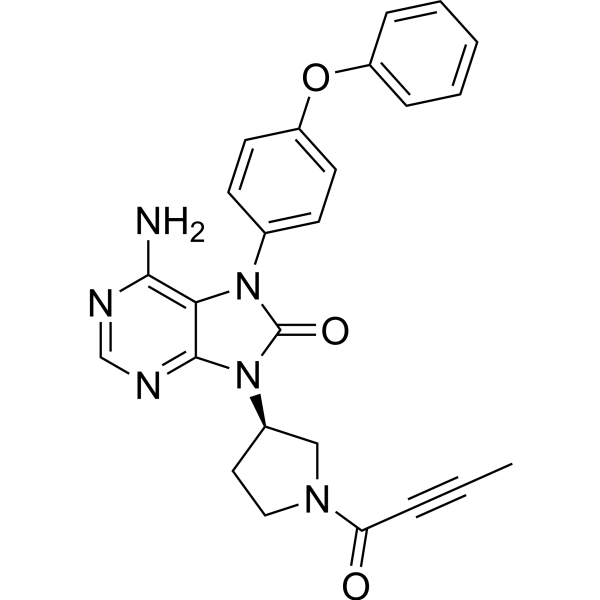
Tirabrutinib (ONO-4059) is an orally active Bruton’s Tyrosine Kinase (BTK) inhibitor (can cross the blood-brain barrier (BBB)), with an IC50 of 6.8 nM. Tirabrutinib irreversibly and covalently binds to BTK and inhibits aberrant B cell receptor signaling. Tirabrutinib can be used in studies of autoimmune diseases and hematological malignancies .
loading...
    loading...
8
8 Cited Publications
Cat. No.: HY-15771A
CAS No.: 1439901-97-9
Purity:  99.66%
Synonyms: ONO-4059 hydrochloride; GS-4059 hydrochloride
Target:  

Btk Apoptosis

Research Areas:  

Inflammation/Immunology Cancer

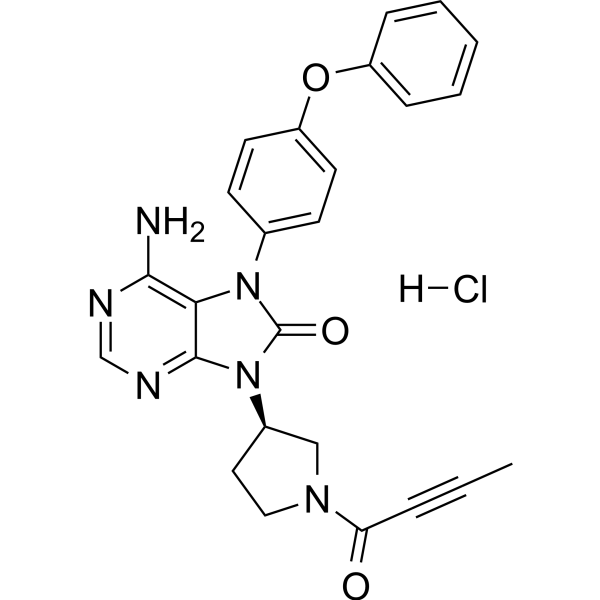
Tirabrutinib (ONO-4059) hydrochloride is an orally active Bruton’s Tyrosine Kinase (BTK) inhibitor (can cross the blood-brain barrier (BBB)), with an IC50 of 6.8 nM. Tirabrutinib hydrochloride irreversibly and covalently binds to BTK and inhibits aberrant B cell receptor signaling. Tirabrutinib hydrochloride can be used in studies of autoimmune diseases and hematological malignancies .
loading...
    loading...
3
3 Cited Publications
Cat. No.: HY-10406
CAS No.: 309913-83-5
Purity:  98.68%
Synonyms: SCIO-469
Talmapimod (SCIO-469) is an orally active and selective inhibitor of p38α MAPK with an IC50 of 9 nM. Talmapimod inhibits the secretion of inflammatory factors (such as TNFα, IL-1β, IL-6, and VEGF) by suppressing the p38α MAPK pathway, and it also inhibits angiogenesis and osteoclast activation. Talmapimod inhibits the growth of multiple myeloma cells and induces apoptosis. Talmapimod can be used to study various hematological malignancies (such as multiple myeloma, myelodysplastic syndrome) .
loading...
    loading...
2
2 Cited Publications
Cat. No.: HY-136241
CAS No.: 1800487-55-1
Purity:  99.87%
Target:  

NAMPT Caspase

Research Areas:  

Cancer

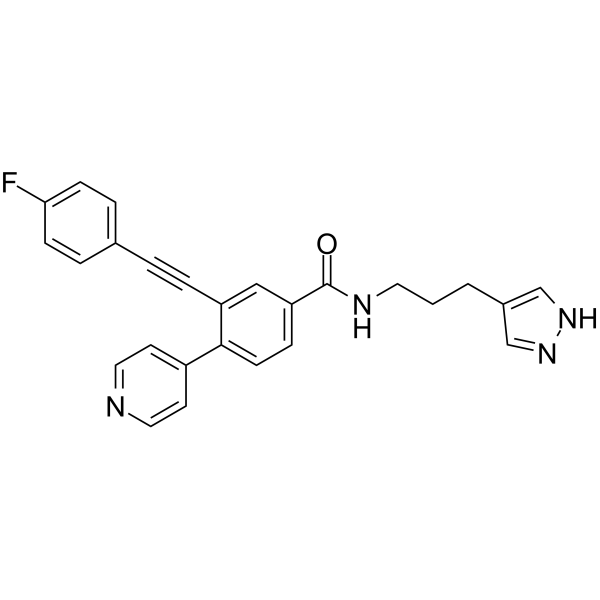
OT-82 is a potent, selective and orally active inhibitor of NAMPT. OT-82 is selectively toxic to cells of hematopoietic origin and?induces cell death in a NAD + dependent manner. OT-82 is a promising antineoplastic agent for the study of hematological malignancies .
loading...
    loading...
2
2 Cited Publications
Cat. No.: HY-129179
CAS No.: 2180923-05-9
Purity:  99.28%
Synonyms: APG-2575; Bcl-2/Bcl-xl inhibitor 1
Target:  

Bcl-2 Family Apoptosis

Research Areas:  

Cancer

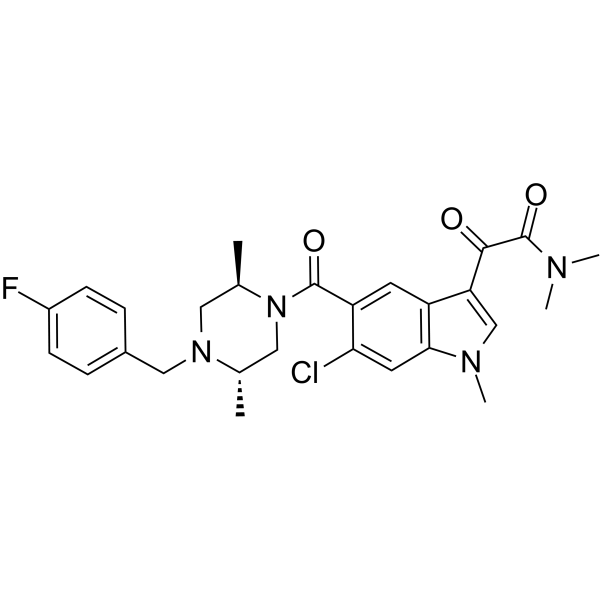
Lisaftoclax is an orally active, selective BCL-2 inhibitor with a Ki of < 0.1 nM against human BCL-2. Lisaftoclax selectively binds to BCL-2, disrupts the BCL-2:BIM complex, and antagonizes the antiapoptotic function of BCL-2. Lisaftoclax induces BAX/BAK-dependent, caspase-mediated apoptosis, upregulates the pro-death proteins BIM and Noxa, and downregulates mitochondrial respiratory function and ATP production. Lisaftoclax can be used in the research of hematological malignancies including chronic lymphocytic leukemia, multiple myeloma, and diffuse large B-cell lymphoma .
loading...
    loading...
2
2 Cited Publications
Cat. No.: HY-103019B
CAS No.: 1610408-96-2
Purity:  99.85%
Synonyms: (R)-Enitociclib; (-)-BAY-1251152; (-)-VIP152
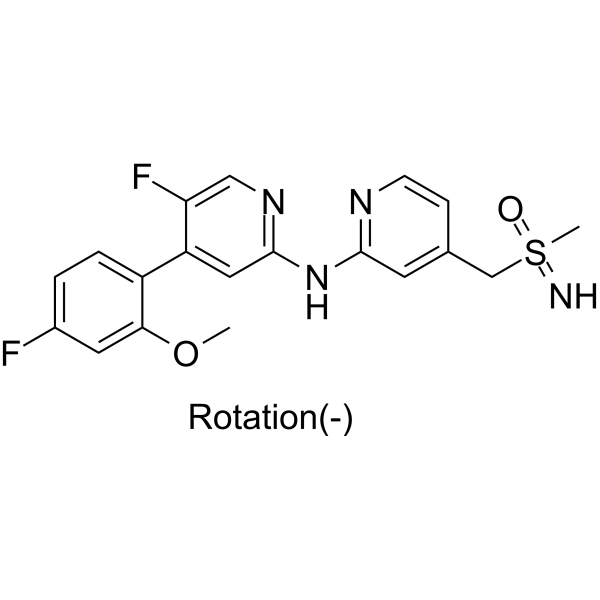
(-)-Enitociclib ((R)-Enitociclib) is an enantiomer of Enitociclib (HY-103019E) with an optical rotation of (-). Enitociclib is a selective CDK9 inhibitor and apoptosis inducer. Enitociclib inhibits CDK9 activity and reduces the phosphorylation of Ser2 in the carboxyl-terminal domain (CTD) of RNA polymerase Pol II, thereby downregulating the transcription of key oncogenes such as MYC and MCL1. Enitociclib has anti-proliferative activity targeting MYC + lymphoma and multiple myeloma (MM) cells, and has synergistic effects with Bortezomib (HY-10227) and Lenalidomide (HY-A0003), and can be used in the research of hematological malignancies .
loading...
    loading...
1
1 Cited Publications
Cat. No.: HY-P9976A
CAS No.: 1461640-62-9

Target:  

CD38 Apoptosis

Research Areas:  

Cancer

Isatuximab (anti-CD38) is a monoclonal antibody that targets the transmembrane receptor and extracellular enzyme CD38, a protein highly expressed in hematological malignancies, including multiple myeloma. Isatuximab (anti-CD38) exhibits anti-tumor activity through multiple biological mechanisms, including antibody-dependent cell-mediated cytotoxicity, complement-dependent cytotoxicity, antibody-dependent cell phagocytosis, and non-crosslinking direct induction of apoptosis. Isatuximab (anti-CD38) also directly inhibits the extracellular enzyme activity of CD38, which is related to many cellular functions .
loading...
    loading...
1
1 Cited Publications
Cat. No.: HY-114414
CAS No.: 2271413-06-8
Purity:  99.01%
Target:  

HDAC mTOR Apoptosis

Research Areas:  

Cancer

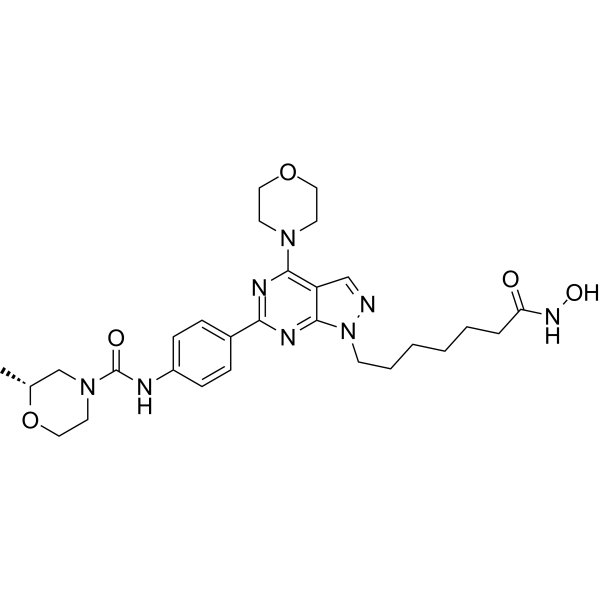
HDACs/mTOR Inhibitor 1 is a dual HDACs and mTOR inhibitor, with IC50s of 0.19 nM, 1.8 nM, 1.2 nM for HDAC1, HDAC6, mTOR, respectively. HDACs/mTOR Inhibitor 1 stimulates cell cycle arrest in G0/G1 phase and induces tumor cell apoptosis with low toxicity in vivo. HDACs/mTOR Inhibitor 1 can be used in the research of hematologic malignancies .
loading...
    loading...
1
1 Cited Publications
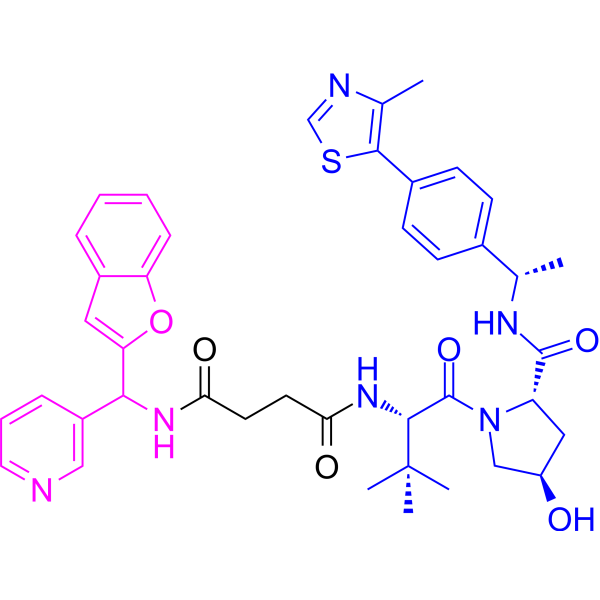
Cat. No.: HY-147025
CAS No.: 2347517-69-3
Purity:  99.06%
(S,R,S)-AHPC-C2-amide-benzofuranylmethyl-pyridine is a dual-targeting PROTAC molecule. (S,R,S)-AHPC-C2-amide-benzofuranylmethyl-pyridine not only targets the ubiquitination and degradation of Smad3, but also elevates the protein level of HIF-α, thereby exerting multi-pathway anti-fibrotic and renoprotective effects. (S,R,S)-AHPC-C2-amide-benzofuranylmethyl-pyridine can be used in a wide range of tumor studies including cancers with KRAS inhibitor resistance, covering pancreatic ductal adenocarcinoma, acute myeloid leukemia, and various soft tissue sarcomas (such as fibrosarcoma, liposarcoma, chondrosarcoma, etc.). (S,R,S)-AHPC-C2-amide-benzofuranylmethyl-pyridine can also be applied to research related to various solid tumors and hematological malignancies, involving multiple cancer types such as colon cancer, breast cancer, ovarian cancer, non-small cell lung cancer, glioblastoma, and melanoma .
loading...
    loading...
Cat. No.: HY-156730
CAS No.: 2502186-79-8
Purity:  96.17%
Target:  

Molecular Glues STAT

Research Areas:  

Cancer

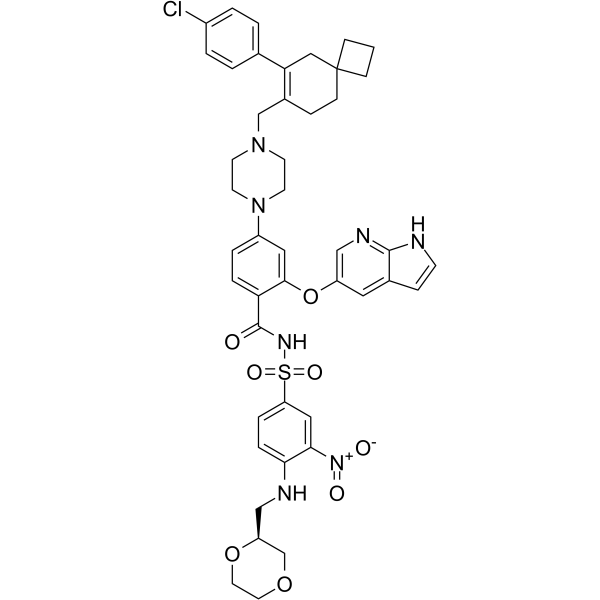
KT-333 is a molecular glues that degrades STAT3 protein. KT-333 mediates the selective degradation of STAT3 through the ubiquitin-proteasome system by binding to STAT3 protein and E3 ubiquitin ligase von Hippel-Lindau protein (VHL). KT-333 has strong selectivity for STAT3 protein degradation and good antitumor activity. KT-333 can be used in the study of hematologic malignancies such as large granular lymphocytic leukemia (LGL-L), peripheral T-cell lymphoma (PTCL), and cutaneous T-cell lymphoma (CTCL) .
loading...
    loading...
Cat. No.: HY-150105
CAS No.: 2448172-22-1
Purity:  98.72%
Synonyms: BMF-219; Menin-MLL inhibitor 21
Icovamenib (BMF-219) is a selective, orally active, irreversible Menin inhibitor. Icovamenib forms a stable and irreversible covalent bond with Menin. Icovamenib promotes selective and controlled proliferation of beta cells and improvement of beta cell function in ex vivo human islet cultures. Icovamenib enhances glycemic control in animal diabetic models. Icovamenib induces a dose-dependent enhancement in insulin secretion potentiated by the GLP-1 RA. Icovamenib can be used for the study of multiple hematologic malignancies, solid tumors, and diabetes mellitus, such as diffuse large B-cell lymphoma (DLBCL), multiple myeloma (MM) and chronic lymphocytic leukemia and type 2 diabetes .
loading...
    loading...
Cat. No.: HY-149672
CAS No.: 2287186-66-5
Purity:  99.78%
Target:  

Bcl-2 Family Apoptosis

Research Areas:  

Cancer

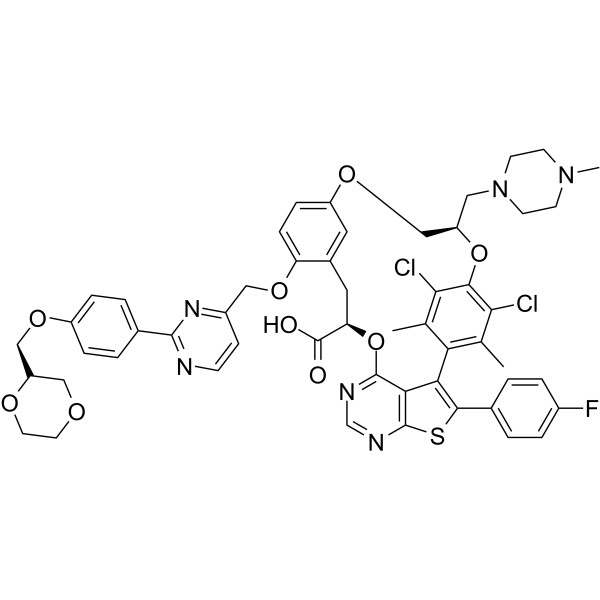
ABBV-467 is a selective MCL-1 inhibitor (Ki: <0.01 nM). ABBV-467 induces apoptosis. ABBV-467 induces cancer cell death and inhibits tumor growth in models of hematological malignancies, such as multiple myeloma .
loading...
    loading...

