33 Results for "

hepatic uptake

" in MedChemExpress (MCE) Product Catalog:
Products (33)

33 Results for "hepatic uptake" in MCE Product Catalog:

183
183 Publications Verification
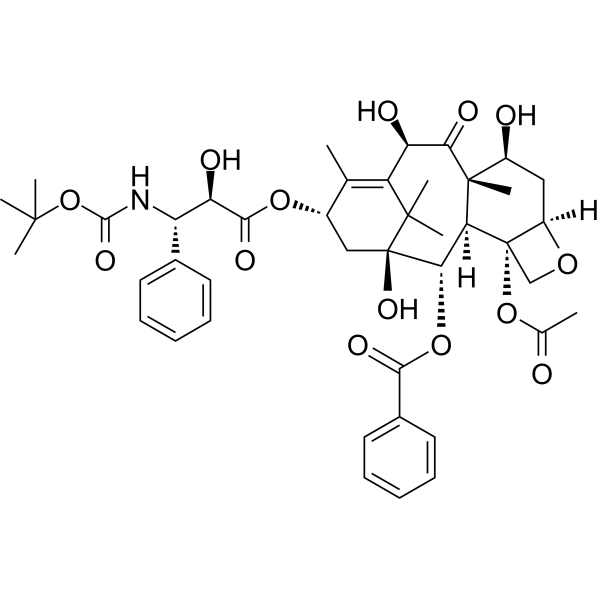
Cat. No.: HY-B0011
CAS No.: 114977-28-5
Synonyms: RP-56976
Docetaxel (RP-56976) is an orally active tubulin stabilizer with antitumor activity. Docetaxel is a P-glycoprotein substrate and is metabolized by CYP3A to inactive products. Docetaxel binds tubulin, promotes tubulin polymerization, and inhibits microtubule depolymerization. Docetaxel induces aberrant mitosis followed by necrotic-like cell death at low concentrations, and induces G2/M mitotic arrest and drives apoptosis at high concentrations. Docetaxel induces renal injury/renal alterations, sex-dependent granule toxicity/uptake, low cardiac delivery, and decreased hepatic SOD/increased catalase/hepatotoxicity. Docetaxel can be used in cancer-related research .
loading...
    loading...
183
183 Publications Verification
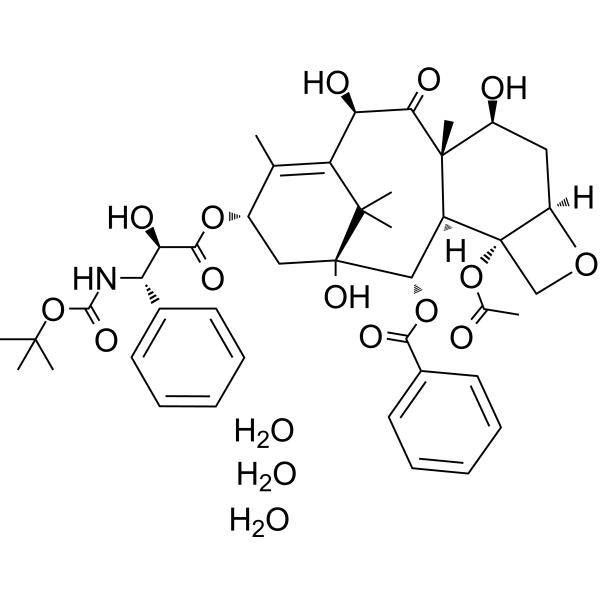
Cat. No.: HY-B0011A
CAS No.: 148408-66-6
Synonyms: RP-56976 Trihydrate
Docetaxel Trihydrate (RP-56976 Trihydrate) is an orally active tubulin stabilizer with antitumor activity. Docetaxel Trihydrate is a P-glycoprotein substrate and is metabolized by CYP3A to inactive products. Docetaxel Trihydrate binds tubulin, promotes tubulin polymerization, and inhibits microtubule depolymerization. Docetaxel Trihydrate induces aberrant mitosis followed by necrotic-like cell death at low concentrations, and induces G2/M mitotic arrest and drives apoptosis at high concentrations. Docetaxel Trihydrate induces renal injury/renal alterations, sex-dependent granule toxicity/uptake, low cardiac delivery, and decreased hepatic SOD/increased catalase/hepatotoxicity. Docetaxel Trihydrate can be used in cancer-related research .
loading...
    loading...
4
4 Cited Publications
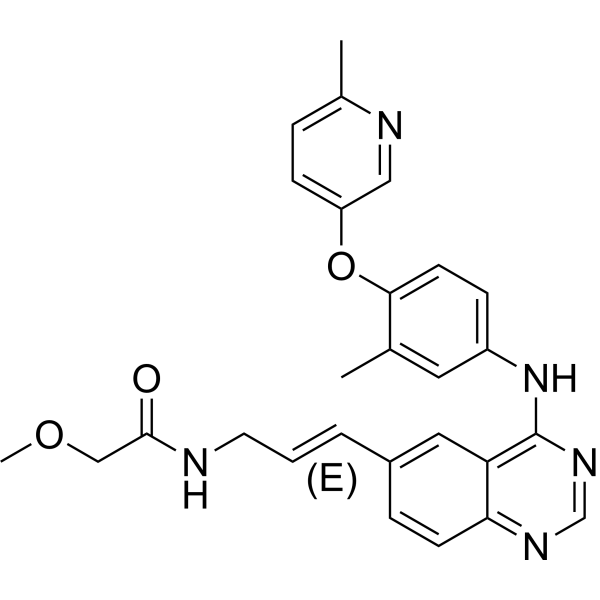
Cat. No.: HY-14674
CAS No.: 383432-38-0
Purity:  98.72%
Research Areas:  

Infection Cancer

CP-724714 is an orally active and selective HER2 tyrosine kinase inhibitor with an IC50 of 10 nM. CP-724714 inhibits HER2 receptor autophosphorylation and blocks the downstream Ras-Raf-Mek-Erk signaling pathway, thereby inducing cell cycle arrest and apoptosis in tumor cells. CP-724714 exhibits antiviral activity and inhibits various porcine diarrheal coronaviruses, including SADS-CoV (IC50 of 0.91 μM). CP-724714 is an inhibitor of the hepatic transport receptors OATP1B1/MDR1/BSEP, and can enter hepatocytes via active uptake and trigger the accumulation of drugs and bile acids within hepatocytes. CP-724714 can be used in research related to HER2-overexpressing breast cancer and porcine diarrheal coronavirus infection .
loading...
    loading...
3
3 Cited Publications
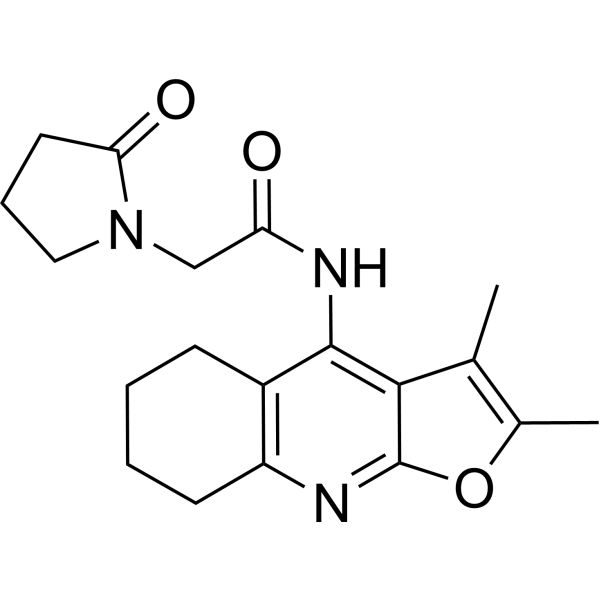
Cat. No.: HY-17553
CAS No.: 135463-81-9
Synonyms: MKC-231
Target:  

iGluR

Research Areas:  

Neurological Disease

Coluracetam (MKC-231) is an orally taken choline uptake enhancer. Coluracetam can improve the reduced acetylcholine levels in the hippocampus of rats and mice, enhancing learning difficulties, memory deficits, and cognitive impairments. Coluracetam induces a lower degree of hepatic venous hyperglycemia .
loading...
    loading...
2
2 Cited Publications
Cat. No.: HY-N2118
CAS No.: 521-32-4
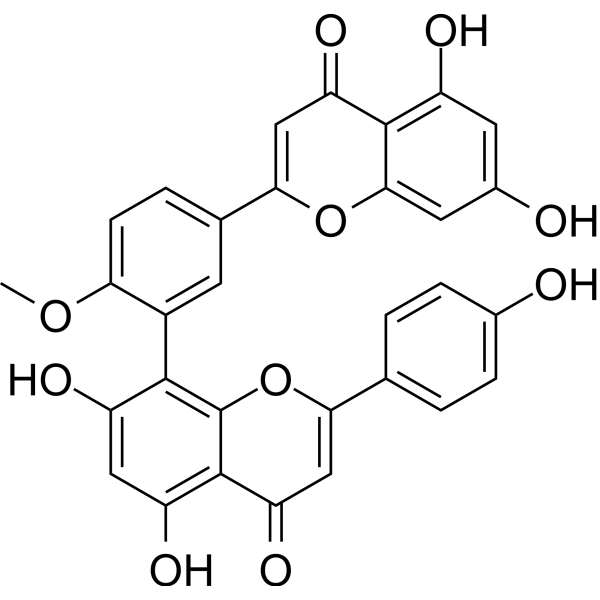
Bilobetin, an active component of Ginkgo biloba, can reduce blood lipids and improve the effects of insulin. Bilobetin ameliorated insulin resistance, increased the hepatic uptake and oxidation of lipids, reduced very-low-density lipoprotein triglyceride secretion and blood triglyceride levels, enhanced the expression and activity of enzymes involved in β-oxidation and attenuated the accumulation of triglycerides and their metabolites in tissues. Bilobetin also increased the phosphorylation, nuclear translocation and activity of PPARα accompanied by elevated cAMP level and PKA activity .
loading...
    loading...
1
1 Cited Publications
Cat. No.: HY-N2421
CAS No.: 523-92-2
Synonyms: 5-O-Methyl-myo-inositol
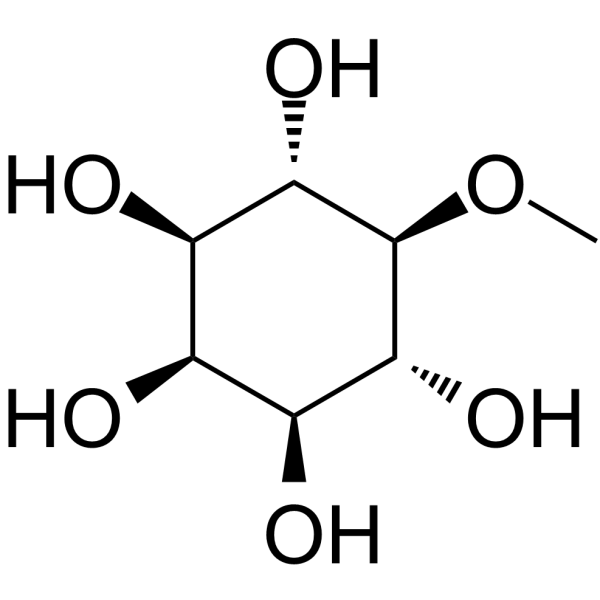
Sequoyitol (5-O-Methyl-myo-inositol) is an orally active hypoglycemic agent and antioxidant. Sequoyitol can be isolated from herbaceous plants. Sequoyitol downregulates the expression of NF-κB and TGF-β1, reduces ROS production and malondialdehyde levels, and enhances total antioxidant capacity. Sequoyitol activates the insulin signaling pathway, including the phosphorylation of IR, IRS1 and Akt. Sequoyitol increases serum insulin levels, inhibits hepatic glucose production, and promotes cellular glucose uptake. Sequoyitol antagonizes TNFα-induced inhibition of the insulin signaling pathway, and decreases blood urea nitrogen and serum creatinine levels. Sequoyitol elicits potential peaks in the chemosensors of adult and larval Atrophaneura alcinous, and acts as an oviposition stimulant for female Atrophaneura alcinous. Sequoyitol can be used in research related to type 2 diabetes, insulin resistance, hyperglycemia, impaired glucose tolerance and diabetic nephropathy .
loading...
    loading...
Cat. No.: HY-W614269
CAS No.: 306776-79-4
Research Areas:  

Cancer

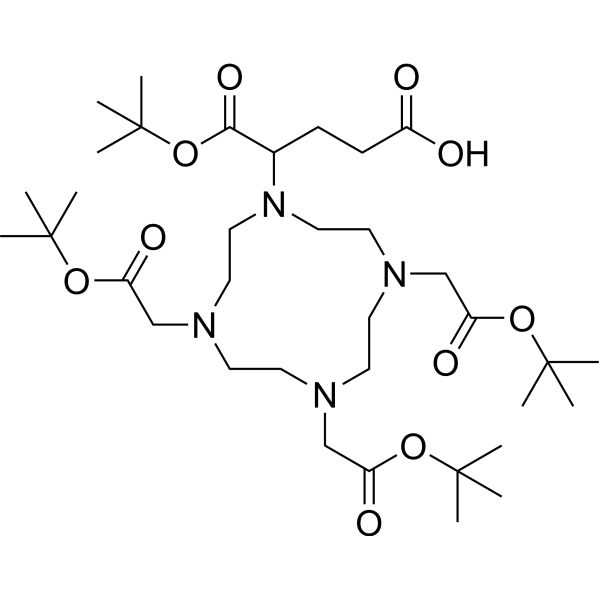
DOTA-GA(tBu)4 stabilizes the attachment of radiometals to ligands. DOTA-GA(tBu)4 improves the biodistribution of radiolabeled second-generation Affibody molecules by increasing their net negative charge and reducing hepatic uptake, leading to enhanced tumor-to-blood and tumor-to-liver ratios. DOTA-GA(tBu)4 targets HER2>-expressing breast and gastrointestinal cancer .
loading...
    loading...
Cat. No.: HY-101354
CAS No.: 2133832-83-2
Purity:  98.76%
Synonyms: PF-00932239
Target:  

PCSK9 Ras MEK ERK NF-κB LDLR

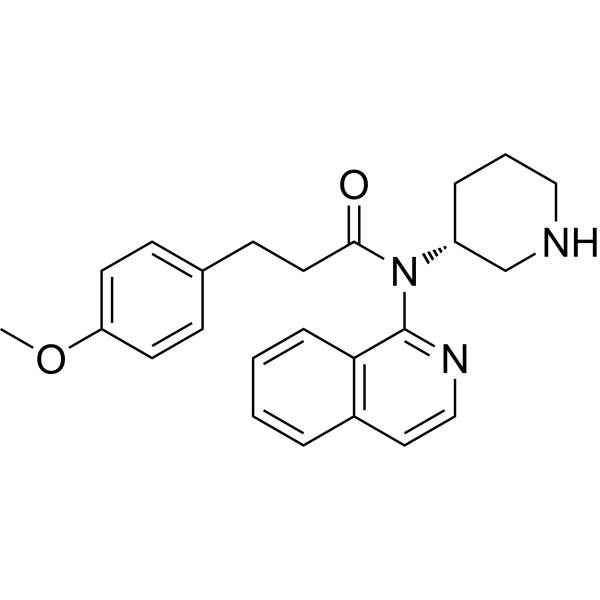
R-IMPP (PF-00932239) is a PCSK9 translation inhibitor and a selective 80S ribosome binder. R-IMPP inhibits the KRAS/MEK/ERK signaling cascade. R-IMPP reduces LPS-induced nuclear translocation of NFkB P65. R-IMPP increases LDL-R levels in cells, promotes LDL-C uptake, and does not alter the secretion of transferrin or albumin. R-IMPP inhibits the growth of colorectal cancer (CRC) cells, organoids and xenografts carrying APC/KRAS mutations, as well as the number and burden of spontaneous mouse tumors. R-IMPP can be used in research related to colorectal cancer with APC/KRAS mutations, hepatic ischemia-reperfusion injury and hypercholesterolemia .
loading...
    loading...
Cat. No.: HY-162562
CAS No.: 930017-01-9
Target:  

PCSK9

E28362 is an orally active lipid-lowering agent and a selective PCSK9 antagonist. E28362 blocks the interaction between PCSK9 and LDLR, and induces PCSK9 degradation via the ubiquitin-proteasome pathway. E28362 significantly increases the levels of cell surface and total LDLR proteins, enhances low-density lipoprotein uptake, thereby effectively reducing plasma lipids, hepatic cholesterol and triglyceride levels. E28362 shows no obvious cytotoxicity at high concentrations, and significantly attenuates atherosclerotic lesions in animal models. E28362 is an important molecule in research of hyperlipidemia and atherosclerosis .
loading...
    loading...
Cat. No.: HY-B0011S
CAS No.: 940867-25-4
Synonyms: RP-56976-d9
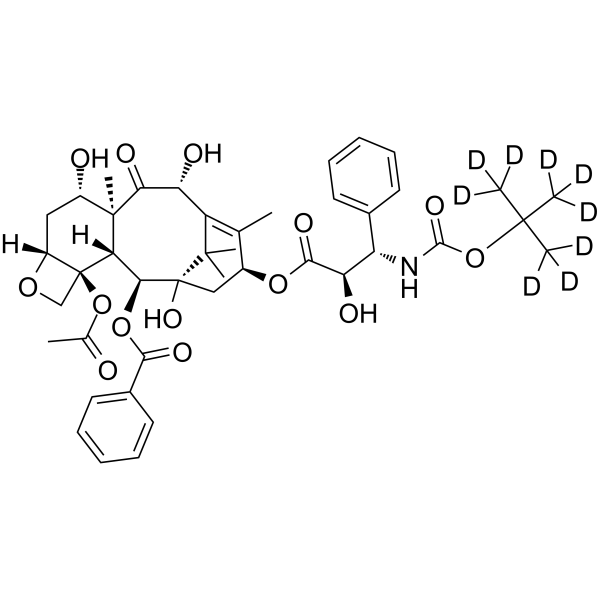
Docetaxel-d9 (RP-56976-d9) is the deuterated-labeled Docetaxel (HY-B0011). Docetaxel (RP-56976) is an orally active tubulin stabilizer with antitumor activity. Docetaxel is a P-glycoprotein substrate and is metabolized by CYP3A to inactive products. Docetaxel binds tubulin, promotes tubulin polymerization, and inhibits microtubule depolymerization. Docetaxel induces aberrant mitosis followed by necrotic-like cell death at low concentrations, and induces G2/M mitotic arrest and drives apoptosis at high concentrations. Docetaxel induces renal injury/renal alterations, sex-dependent granule toxicity/uptake, low cardiac delivery, and decreased hepatic SOD/increased catalase/hepatotoxicity. Docetaxel can be used in cancer-related research .
loading...
    loading...
Cat. No.: HY-106181
CAS No.: 185428-18-6
Purity:  98.59%
Synonyms: R-106056
Target:  

PPAR

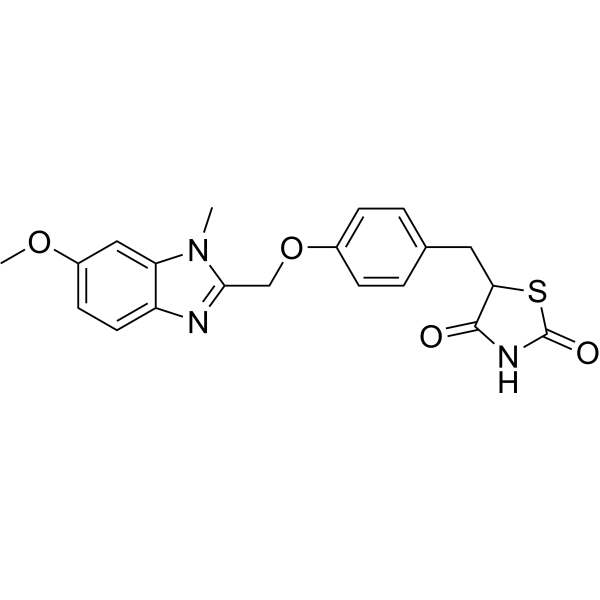
Rivoglitazone (R-106056) is an orally active, selective PPARγ agonist with an EC50 of 0.22 μM for hPPARγ. Rivoglitazone regulates fatty acid storage and uptake, glucose homeostasis, and cardiac glucose/fatty acid metabolism. Rivoglitazone reduces levels of hyperglycemia, hyperinsulinemia, and hypertriglyceridemia, decreases hepatic glucose production, and accelerates plasma triglyceride clearance. Rivoglitazone induces a reduction in glycated hemoglobin A1C, while causing peripheral edema and weight gain. Rivoglitazone can be used in research related to type 2 diabetes .
loading...
    loading...
Cat. No.: HY-19882
CAS No.: 941285-15-0
Research Areas:  

Infection

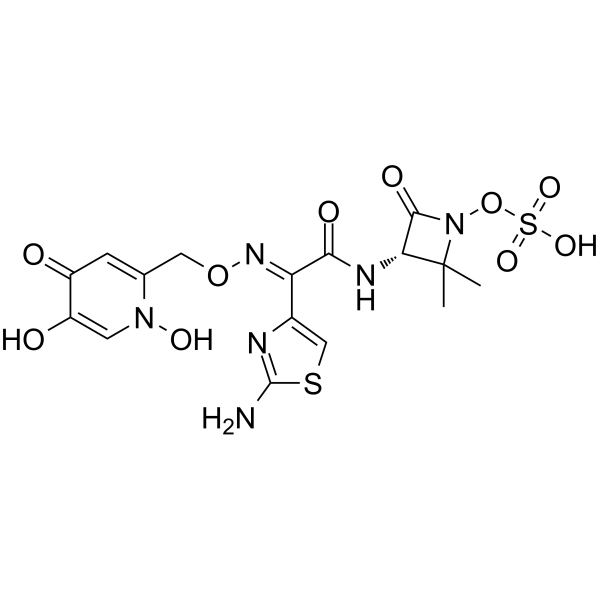
BAL-30072 is a siderophore-bearing monocyclic β-lactam antibiotic with antibacterial activity. BAL-30072 inhibits penicillin-binding proteins 1a, 1b, and 3, thereby disrupting bacterial cell wall synthesis. BAL-30072 inhibits mitochondrial electron transport chain complex II and complex III, while also inhibiting glycolysis and mitochondrial fatty acid β-oxidation. BAL-30072 induces mitochondrial ROS production, cellular ATP depletion, reduces mitochondrial membrane potential, and triggers hepatocyte apoptosis via caspase-3/7 activation. BAL-30072 is a substrate of the hepatic uptake transporters OAT1 and OAT3. BAL-30072 can be used in research related to bacterial infections .
loading...
    loading...
Cat. No.: HY-B0011R
CAS No.: 114977-28-5
Synonyms: RP-56976 (Standard)
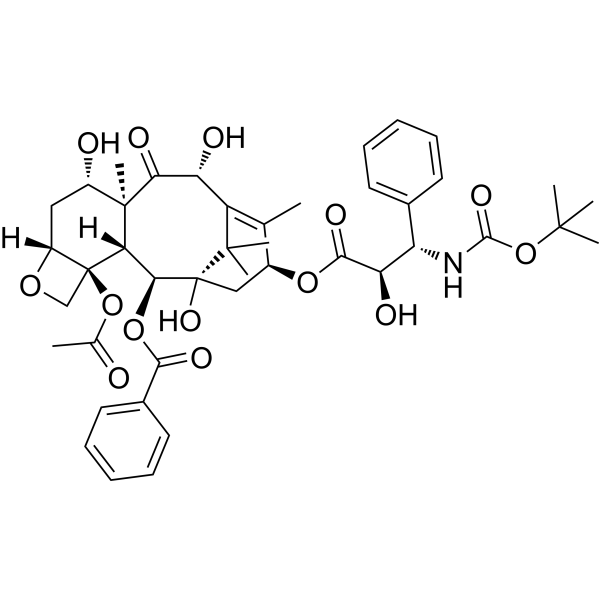
Docetaxel (Standard) (RP-56976 (Standard)) is the analytical standard of Docetaxel (HY-B0011). This product is intended for research and analytical applications. Docetaxel (RP-56976) is an orally active tubulin stabilizer with antitumor activity. Docetaxel is a P-glycoprotein substrate and is metabolized by CYP3A to inactive products. Docetaxel binds tubulin, promotes tubulin polymerization, and inhibits microtubule depolymerization. Docetaxel induces aberrant mitosis followed by necrotic-like cell death at low concentrations, and induces G2/M mitotic arrest and drives apoptosis at high concentrations. Docetaxel induces renal injury/renal alterations, sex-dependent granule toxicity/uptake, low cardiac delivery, and decreased hepatic SOD/increased catalase/hepatotoxicity. Docetaxel can be used in cancer-related research .
loading...
    loading...
Cat. No.: HY-128828
CAS No.: 265989-46-6
Purity:  98.01%
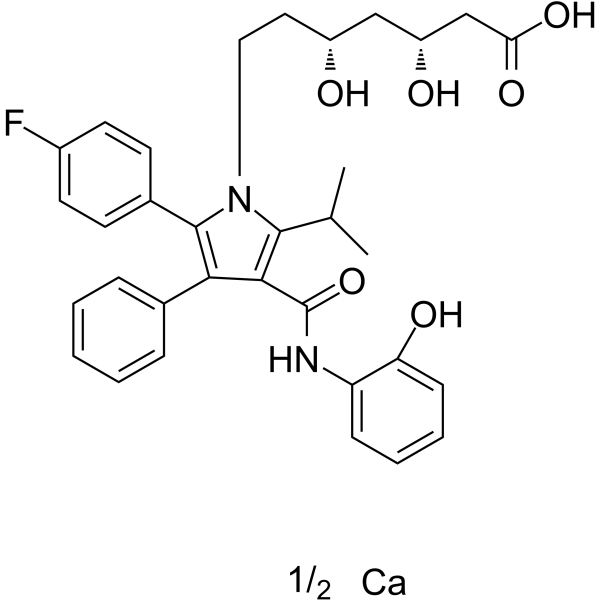
2-Hydroxy atorvastatin calcium salt is an orally active OATP1B1 substrate and inhibitor of 3-hydroxy-3-methylglutaryl-coenzyme A reductase (3-hydroxy-3-methylglutaryl-coenzyme A reductase). 2-Hydroxy atorvastatin calcium salt enters cells via OATP1B1-mediated cellular uptake and inhibits de novo hepatic cholesterol synthesis. As an active metabolite of Atorvastatin (HY-B0589), 2-Hydroxy atorvastatin calcium salt contributes to the inhibitory activity against plasma HMG-CoA reductase. 2-Hydroxy atorvastatin calcium salt can be biotransformed into an inactive lactone form, which can be hydrolyzed back to its active acid form chemically or enzymatically. 2-Hydroxy atorvastatin (calcium salt) can be used in the research of hypercholesterolemia .
loading...
    loading...
Cat. No.: HY-139040
CAS No.: 2921-20-2
Purity:  ≥98.0%
Target:  

PPAR

Research Areas:  

Metabolic Disease

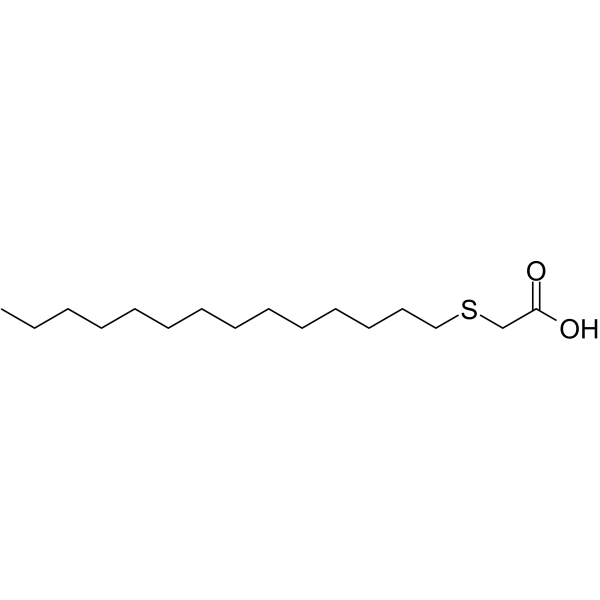
2-Tetradecylthio acetic acid is a pan-peroxisome proliferator activated receptor (pan-PPAR) activator. 2-Tetradecylthio acetic acid induces hypolipidemia. 2-Tetradecylthio acetic acid reduces plasma lipids and enhances hepatic fatty acid oxidation in rodents. 2-Tetradecylthio acetic acid increases the expression of genes involved in fatty acid uptake, activation, accumulation, and oxidation .
loading...
    loading...
Cat. No.: HY-B2119
CAS No.: 41945-48-6
Synonyms: Tauroglycocholic acid sodium salt
Research Areas:  

Metabolic Disease

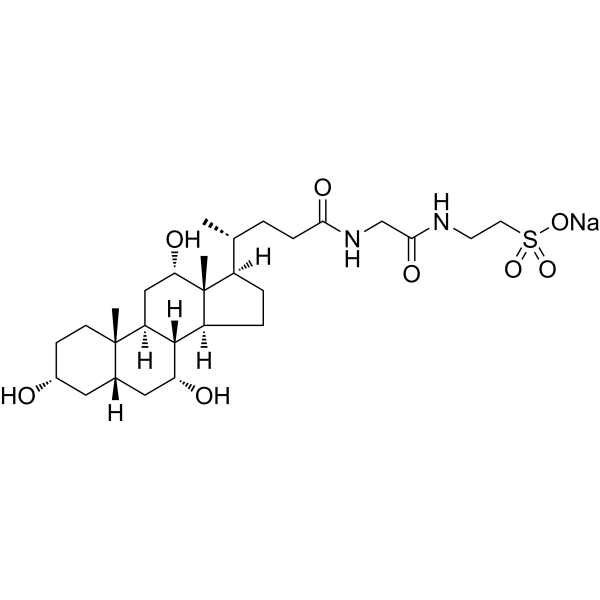
Sodium tauroglycocholate (Tauroglycocholic acid sodium salt) is a multifunctional surfactant and penetration enhancer that can serve as a cholegraphic contrast agent. In organic solvents, Sodium tauroglycocholate embeds and stabilizes invertase by forming reverse micelles, and prolongs its active lifespan. In terms of transdermal absorption, Sodium tauroglycocholate effectively regulates the flux of aminophylline through snake slough by binding to keratin filaments, disrupting keratinocytes and altering lipid components of the stratum corneum. It exhibits rapid penetration characteristics without lag time at a concentration of 100 μg/mL. Sodium tauroglycocholate does not interfere with the hepatic uptake of Gd-EOB-DTPA by the bile acid transport system in rat hepatocytes .
loading...
    loading...
Cat. No.: HY-P4827
CAS No.: 521986-14-1
Target:  

PTHR

Research Areas:  

Metabolic Disease

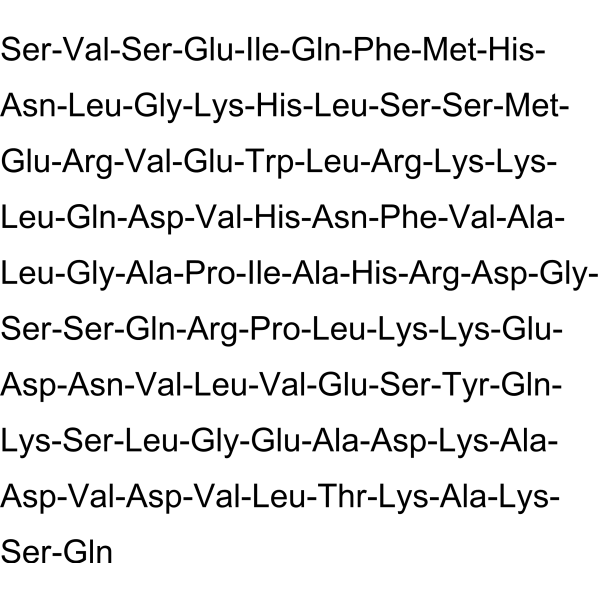
pTH (1-84) dog is a biologically active full-length canine parathyroid hormone, as well as an agonist of PTHR. pTH (1-84) dog can be detected by the "intact" PTH (W-PTH) assay, thus effectively distinguishing inactive C-terminal fragments. In terms of metabolic regulation, it rapidly and persistently stimulates hepatic glucose release, hepatic alanine uptake, and alanine-based gluconeogenesis in conscious fasted dogs, and causes a secondary increase in circulating canine insulin levels due to enhanced glucose release. However, high doses of pTH (1-84) (dog) may induce adverse reactions such as hypercalcemia in dogs. Based on the above characteristics, this hormone can be widely used in studies related to canine hyperadrenocorticism (HAC) .
loading...
    loading...
Cat. No.: HY-W653942
Synonyms: RP-56976-d5
Docetaxel-d5 (RP-56976-d5) is the deuterated-labeled Docetaxel (HY-B0011). Docetaxel (RP-56976) is an orally active tubulin stabilizer with antitumor activity. Docetaxel is a P-glycoprotein substrate and is metabolized by CYP3A to inactive products. Docetaxel binds tubulin, promotes tubulin polymerization, and inhibits microtubule depolymerization. Docetaxel induces aberrant mitosis followed by necrotic-like cell death at low concentrations, and induces G2/M mitotic arrest and drives apoptosis at high concentrations. Docetaxel induces renal injury/renal alterations, sex-dependent granule toxicity/uptake, low cardiac delivery, and decreased hepatic SOD/increased catalase/hepatotoxicity. Docetaxel can be used in cancer-related research .
loading...
    loading...
Cat. No.: HY-177297
CAS No.: 1067877-83-1
Synonyms: NVP-LCZ960
Target:  

Glucokinase

Research Areas:  

Metabolic Disease

LCZ960 is an orally active glucokinase (GK) activator. LCZ960 stimulates GK activity in hepatocytes in vitro and stimulates glucose uptake in vivo through hepatic GK activation. LCZ960 lowers blood glucose in mice with diet-induced obesity (DIO). LCZ960 maintains normoglycemia and improves glucose tolerance in DIO mice and rats. LCZ960 stimulates glycogen synthase flux and increases hepatic glycogen turnover in rats. LCZ960 induces increased hepatic glycogen recycling. LCZ960 can be used to study high-fat diet-induced obesity and type 2 diabetes .
loading...
    loading...
Cat. No.: HY-136855
CAS No.: 652968-37-1
Purity:  95.00%
MitoPBN is a AMPK/SIRT3/PGC-1α axis modulator, reactive oxygen species scavenger and mitochondrial function enhancer. MitoPBN increases the phosphorylation level of AMPK, restores SIRT3 expression and reverses the down-regulation of PGC-1α, thereby promoting mitochondrial biogenesis. MitoPBN regulates glucose metabolism, reduces blood glucose by inhibiting hepatic gluconeogenesis and increasing hepatic glucose uptake, while scavenging mitochondrial superoxide anion/hydrogen peroxide, maintaining membrane potential and increasing ATP production. MitoPBN also reduces cell apoptosis, improves sperm motility, survival rate and membrane integrity, but may induce reductive stress in cryopreserved sperm at high concentrations. MitoPBN is widely applicable to research related to diabetes and type 2 diabetes .
loading...
    loading...

