123 Results for "

hydrogen interactions

" in MedChemExpress (MCE) Product Catalog:
Products (123)

123 Results for "hydrogen interactions" in MCE Product Catalog:

4
4 Cited Publications
Cat. No.: HY-107207
CAS No.: 32602-81-6
Purity:  99.68%
Synonyms: Kaempferol 3-O-neohesperidoside
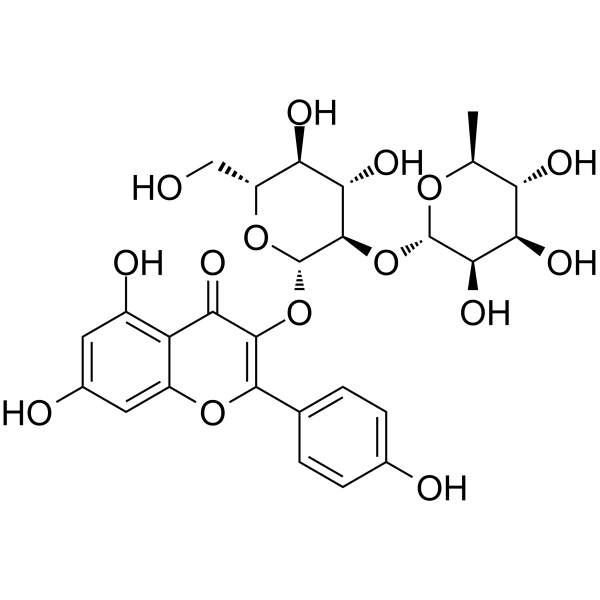
Kaempferol 3-neohesperidoside (Kaempferol 3-O-neohesperidoside) is a flavonoid. Kaempferol 3-neohesperidoside mimics insulin action via the PI3K/PKC pathway, significantly promoting glucose uptake and increasing muscle glycogen content in rat soleus muscles. Kaempferol 3-neohesperidoside also exhibits anti-glycation activity. Kaempferol 3-neohesperidoside binds to albumin through hydrogen bonding and hydrophobic interactions, and inhibits the formation of advanced glycation end products. Kaempferol 3-neohesperidoside can be used in studies of diabetes and its related complications .
loading...
    loading...
4
4 Cited Publications
Cat. No.: HY-18071A
CAS No.: 1422252-46-7
Research Areas:  

Cardiovascular Disease

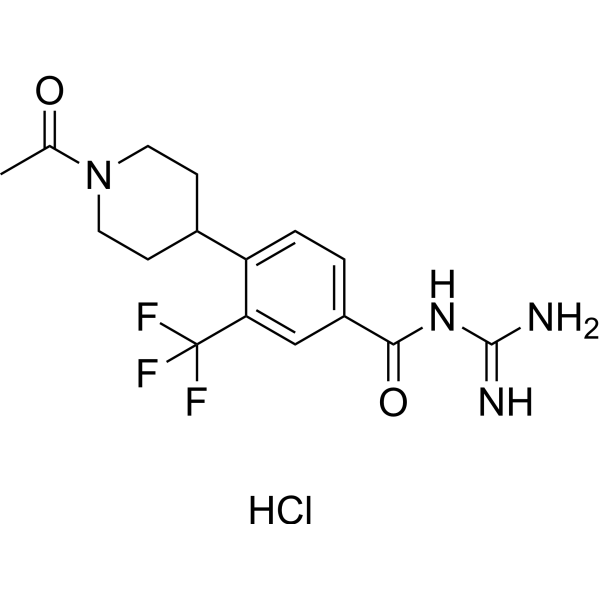
BI-9627 hydrochloride is a potent sodium-hydrogen exchanger isoform 1 (NHE1) inhibitor (IC50 = 6 and 31 nM in intracellular pH recovery (pHi) and human platelet swelling assays). BI-9627 hydrochloride displays >30-fold selectivity against NHE2 and with no measurable inhibitory activity against the NHE3 isoform. BI-9627 hydrochloride decreases autophagy in HTR-8/SVneo cells. BI-9627 hydrochloride can significantly reduce the pHi of human sperm and partially reverse the effect of DMA. BI-9627 hydrochloride prolongs Ca 2+ recovery time in KO hiPSC-CMs. BI-9627 hydrochloride shows low DDI (agent-agent interaction) potential, excellent pharmacokinetics in rat and dog, and remarkably potent activity in the isolated heart model of ischemia-reperfusion injury .
loading...
    loading...
4
4 Cited Publications
Cat. No.: HY-18071
CAS No.: 1204329-34-9
Research Areas:  

Cardiovascular Disease

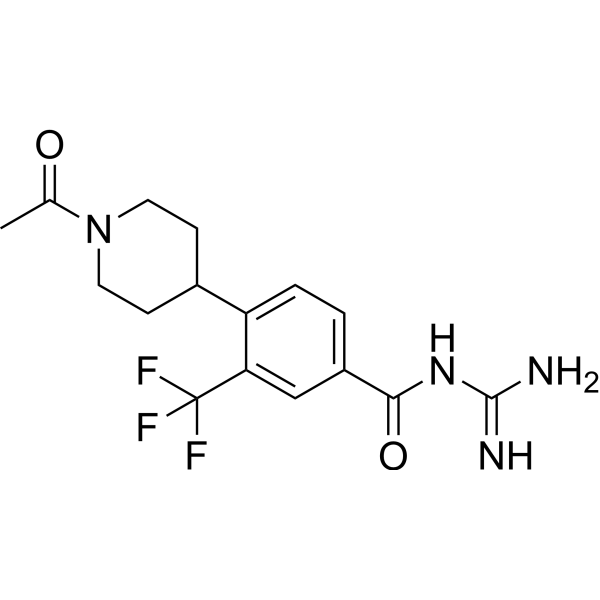
BI-9627, a chemical probe, is a potent sodium-hydrogen exchanger isoform 1 (NHE1) inhibitor (IC50 = 6 and 31 nM in intracellular pH recovery (pHi) and human platelet swelling assays). BI-9627 displays >30-fold selectivity against NHE2 and with no measurable inhibitory activity against the NHE3 isoform. BI-9627 decreases autophagy in HTR-8/SVneo cells. BI-9627 can significantly reduce the pHi of human sperm and partially reverse the effect of DMA. BI-9627 prolongs Ca 2+ recovery time in KO hiPSC-CMs. BI-9627 shows low DDI (agent-agent interaction) potential, excellent pharmacokinetics in rat and dog, and remarkably potent activity in the isolated heart model of ischemia-reperfusion injury .
loading...
    loading...
1
1 Cited Publications
Cat. No.: HY-151108
CAS No.: 461424-21-5
Purity:  99.74%
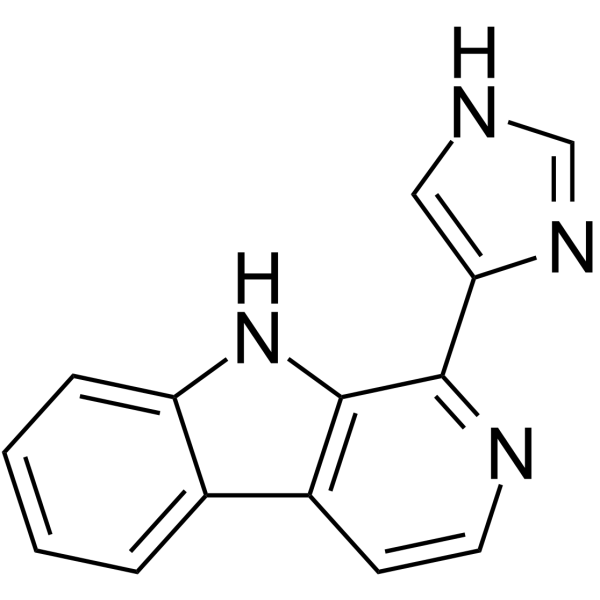
IDO1/TDO-IN-4 is a potent IDO1/TDO dual inhibitor, with IC50 values of 3.53 μM (IDO1) and 1.15 μM (TDO). IDO1/TDO-IN-4 forms hydrogen bond with IDO1, and π−π stacking interaction with TDO. IDO1/TDO-IN-4 can be used in the research of depression, and depression-induced infectious, metabolic, and autoimmune disorders .
loading...
    loading...
1
1 Cited Publications
Cat. No.: HY-N2204
CAS No.: 6980-25-2
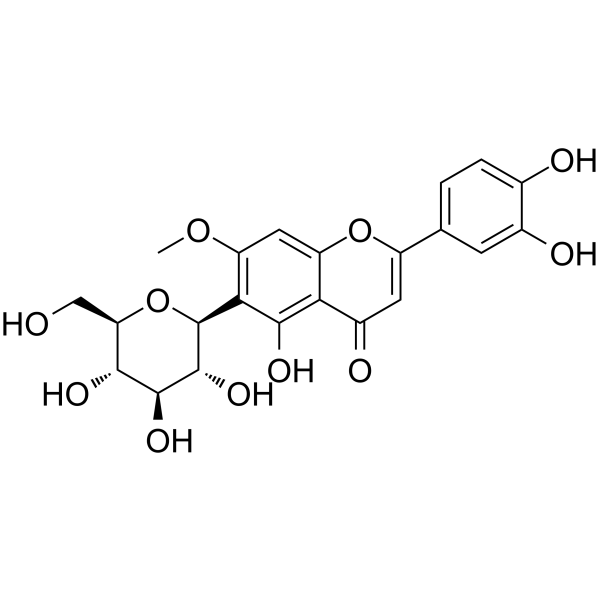
Swertiajaponin is a tyrosinase inhibitor, forms multiple hydrogen bonds and hydrophobic interactions with the binding pocket of tyrosinase, with an IC50 of 43.47 μM. Swertiajaponin also inhibits oxidative stress-mediated MAPK/MITF signaling, leading to decrease in tyrosinase protein level. Swertiajaponin suppresses melanin accumulation and exhibits strong anti-oxidative activity .
loading...
    loading...
1
1 Cited Publications
Cat. No.: HY-D1633A
CAS No.: 206443-06-3
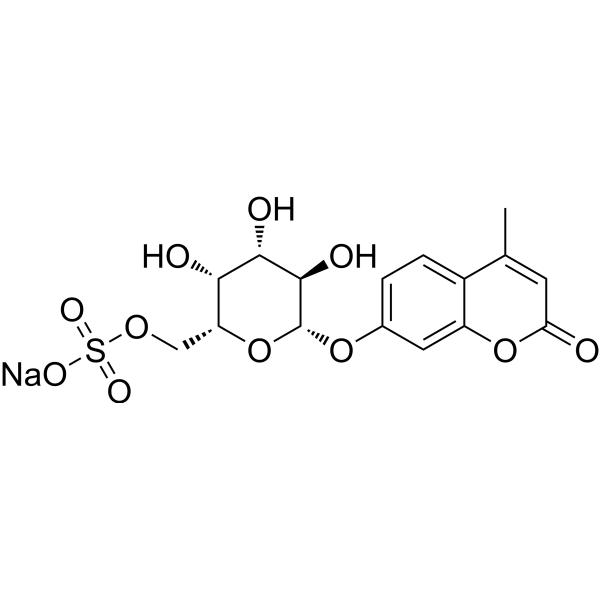
4-Methylumbelliferyl-β-D-galactopyranoside 6-sulfate sodium is a fluorescent dye. 4-Methylumbelliferyl-β-D-galactopyranoside 6-sulfate sodium undergoes desulphation by galactose-6-sulphate sulphatase to form 4-methylumbelliferyl-β-D-galactopyranoside, which is cleaved by β-galactosidase to release fluorescent 4-methylumbelliferone. 4-Methylumbelliferyl-β-D-galactopyranoside 6-sulfate sodium interacts with N-acetylgalactosamine-6-sulfate sulfatase (GALNS) via hydrogen bonds, electrostatic interactions, and steric interactions. 4-Methylumbelliferyl-β-D-galactopyranoside 6-sulfate sodium serves as a substrate in assays measuring galactose-6-sulphate sulphatase and GALNS activity. 4-Methylumbelliferyl-β-D-galactopyranoside 6-sulfate sodium can be used for the research of Morquio disease type A (mucopolysaccharidosis IV A) .
loading...
    loading...
1
1 Cited Publications
Cat. No.: HY-N6845
CAS No.: 19275-46-8
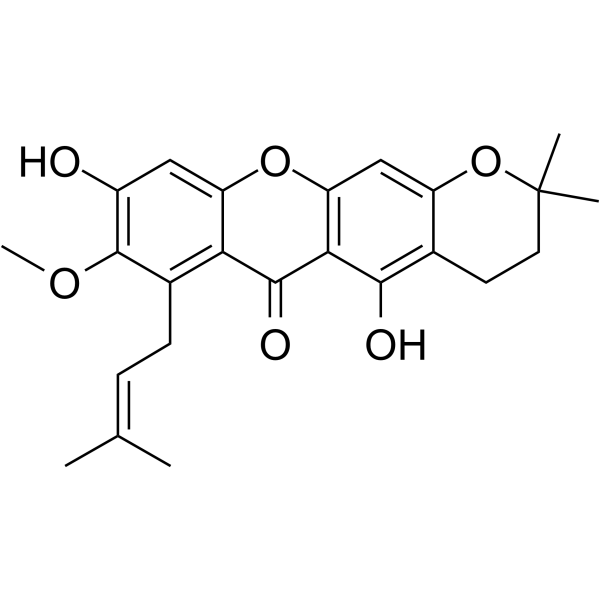
3-Isomangostin is a flavonoid compound that acts as an inhibitor of MTH1 and acetylcholinesterase, with an IC50 of 52 nM against MTH1 and IC50 values of 5.75 μM and 12.96 μM against AChE and BChE, respectively. 3-Isomangostin also inhibits human aldose reductase and CDK4/Cyclin D1 with IC50 values of 3.48 μM and 15.6 μM, respectively. 3-Isomangostin inhibits polyol pathway flux, competes with 8-oxo-dGTP for binding to the MTH1 active site through hydrogen bonding and hydrophobic xanthone interactions, blocks cell cycle progression, reduces cancer cell viability, and exhibits growth inhibitory effects against both normal and penicillin-resistant Staphylococcus aureus. 3-Isomangostin is used in research on Alzheimer's disease, diabetic complications, Staphylococcus aureus infections, and colon cancer .
loading...
    loading...
1
1 Cited Publications
Cat. No.: HY-W039897
CAS No.: 617-04-9
Synonyms: α-Methyl-D-mannoside
Target:  

Bacterial

Research Areas:  

Infection

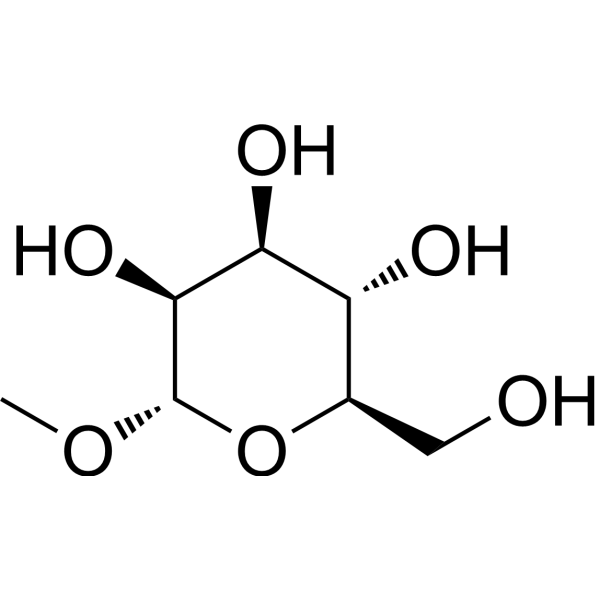
Methyl α-D-mannopyranoside (α-Methyl-D-mannoside) is a methyl glycoside derivative and conformational stabilizer of α-D-mannopyranose. The glycosidic bond conformation of Methyl α-D-mannopyranoside is significantly affected by the environment. In aqueous solution, Methyl α-D-mannopyranoside stabilizes into a trans conformation via intermolecular hydrogen bonds; in the gas phase, however, steric interactions drive Methyl α-D-mannopyranoside to prefer a clockwise gauche conformation. Methyl α-D-mannopyranoside also serves as a major component of secondary cell wall polymers in some bacteria and an active precursor site for virus-targeted glycoproteins. Methyl α-D-mannopyranoside acts as an acceptor substrate for alternansucrase, mediating the transfer of D-glucopyranosyl groups to generate a variety of glycosylated oligosaccharide products, with methyl α-D-glucopyranosyl-(1→6)-α-D-mannopyranoside as the main component. Methyl α-D-mannopyranoside is applicable to studies on bacterial pathogenic mechanisms associated with mannose-specific fimbrial lectins .
loading...
    loading...
Cat. No.: HY-121930
CAS No.: 58336-35-9
Purity:  99.63%
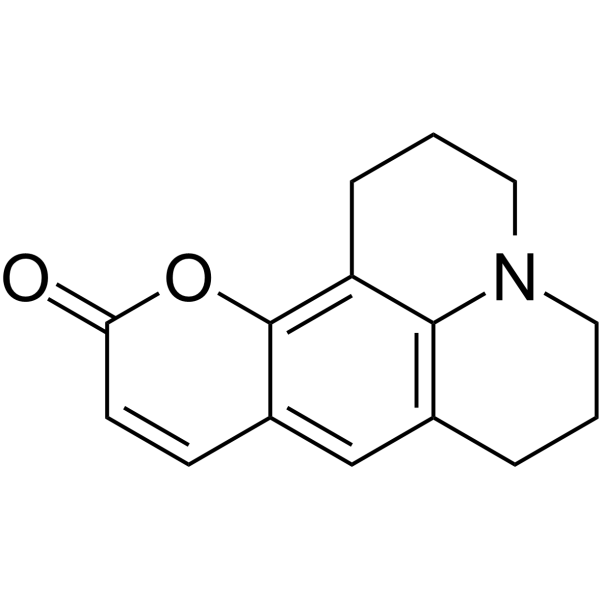
Coumarin 6H, a Coumarin (HY-N0709) derivative, is a laser dye. The fluorescence emission of Coumarin 6H can be enhanced by hydrogen bonding interactions .
loading...
    loading...
Cat. No.: HY-W094710
CAS No.: 126-96-5
Synonyms: Sodium hydrogen diacetate
Research Areas:  

Infection

Sodium diacetate (Sodium hydrogen diacetate) is a multifunctional biochemical reagent with antibacterial (bacteria) and antifungal (fungi) activities. Sodium diacetate exerts its antimicrobial effect mainly by effectively penetrating the cell walls of microorganisms and interfering with enzyme interactions. Sodium diacetate inhibits the growth and survival of fungi such as Botrytis cinerea, as well as bacteria such as Listeria and Escherichia coli. Sodium diacetate inhibits the growth of endothelial cells. Sodium diacetate can be used in the synthesis of food preservatives, flavoring agents and pH control additives .
loading...
    loading...
Cat. No.: HY-154970A
Purity:  99.40%
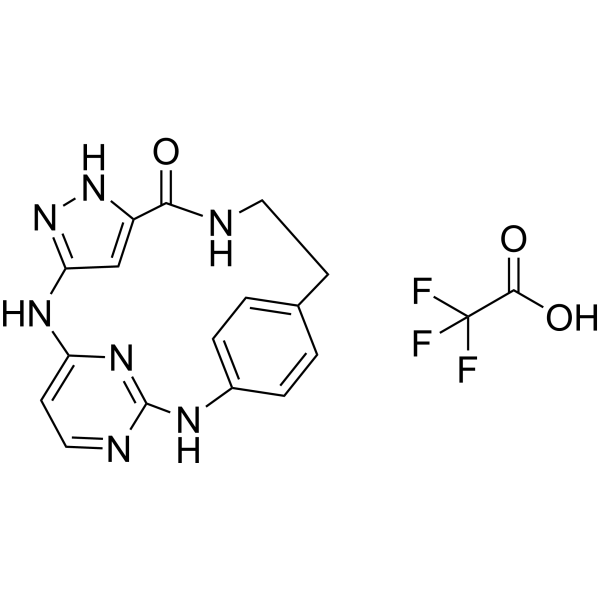
BMPR2-IN-1 TFA is a selective BMPR2 inhibitor with a human BMPR2 IC50 of 506 nM and a Kd of 83.5 nM. BMPR2-IN-1 TFA functions as an ATP mimetic, forming hydrogen bonds with the BMPR2 kinase domain backbone and hydrophobic interactions with specific residues, and demonstrates high selectivity for BMPR2 over other kinases.BMPR2-IN-1 TFA can be used for the researches of cancer, pulmonary arterial hypertension and Alzheimer’s disease .
loading...
    loading...
Cat. No.: HY-157521
CAS No.: 3055162-52-9
Target:  

Acyltransferase

AANAT-IN-1 is an arylalkylamine N-acetyltransferase (AANAT) inhibitor with a sheep AANAT IC50 of 9.9 μM. AANAT-IN-1 binds to the active site of sheep AANAT, interacting with amino acid residues via hydrogen bonds, hydrophobic interactions, ionic interactions, and water bridges, inhibiting the enzyme's catalytic activity. AANAT-IN-1 can be used for the researches of circadian rhythm-associated neuropsychiatric conditions, seasonal affective disorder, and other diseases associated with abnormally elevated melatonin levels .
loading...
    loading...
Cat. No.: HY-177063
CAS No.: 296790-70-0
Target:  

Interleukin Related

Research Areas:  

Infection Inflammation/Immunology

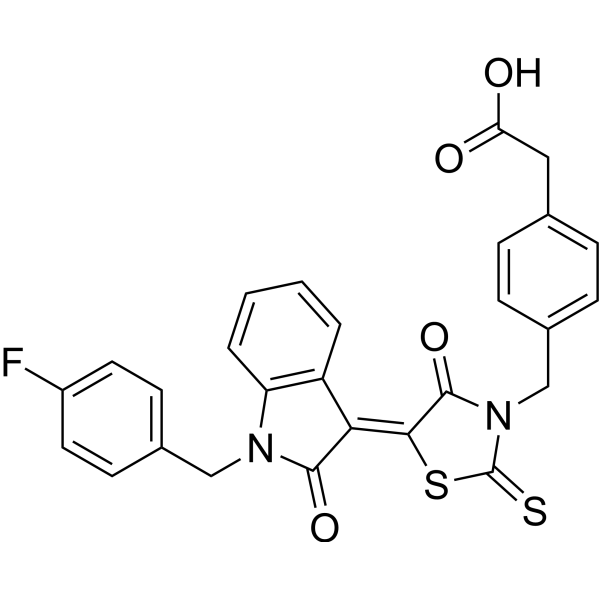
IL-6-IN-2 is an interleukin-6 (IL-6) inhibitor. IL-6-IN-2 binds to IL-6 at Lys66, Phe74, Gln175, Ser176, and Arg179 via π-π, π-alkyl, hydrogen bond, and hydrophobic interactions to block IL-6/IL-6R heterocomplex formation. IL-6-IN-2 exhibits low gastrointestinal absorption rate. IL-6-IN-2 can be used for the research of cytokine release syndrome, covid-19 .
loading...
    loading...
Cat. No.: HY-N1341
CAS No.: 54835-70-0
Research Areas:  

Infection

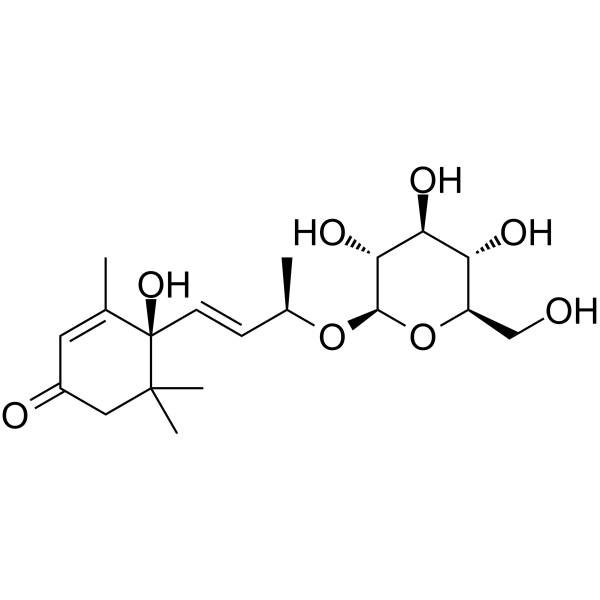
Roseoside is an inhibitor of DNA gyrase and HAV 3C protease, and also inhibits HCV NS5A/B replicase in human systems with an IC50 of 20 μM. Roseoside binds to the active site of enzymes and stabilizes the interaction by forming hydrogen bonds with key amino acid residues. Roseoside inhibits the growth of Gram-positive bacteria, Gram-negative bacteria, and Candida albicans, and interferes with HCV RNA replication in vitro by inhibiting HCV NS5A/B replicase (IC50=20 μM). Roseoside shows no cytotoxicity and serves as a research tool for studies related to bacterial infections, candidiasis, HAV and HCV .
loading...
    loading...
Cat. No.: HY-N1915
CAS No.: 2478-35-5
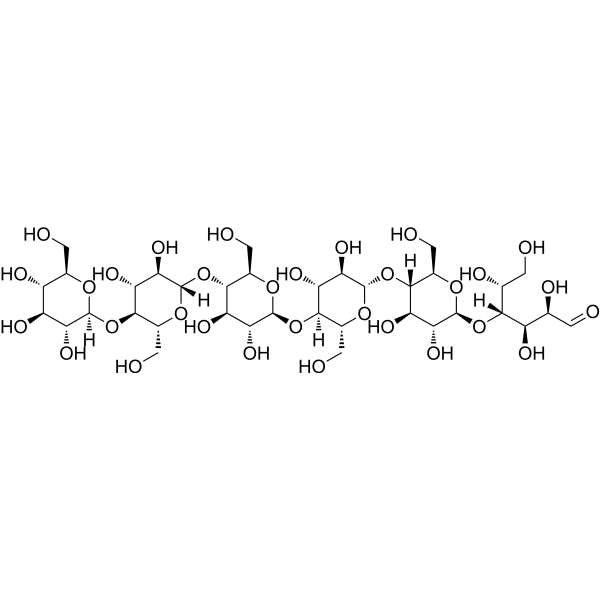
Cellohexaose is a YKL-40 carbohydrate-binding ligand that occupies the primary carbohydrate-binding cleft through carbohydrate-π stacking and hydrogen-bonding interactions, and can serve as a bioinert spacer for hybrid glyco-nanolayers, modulating the surface density of bioactive shell hexaose to enhance TLR2-mediated responses. Cellohexaose is used in research on chronic inflammatory diseases and cancer .
loading...
    loading...
Cat. No.: HY-W004078
CAS No.: 696-60-6
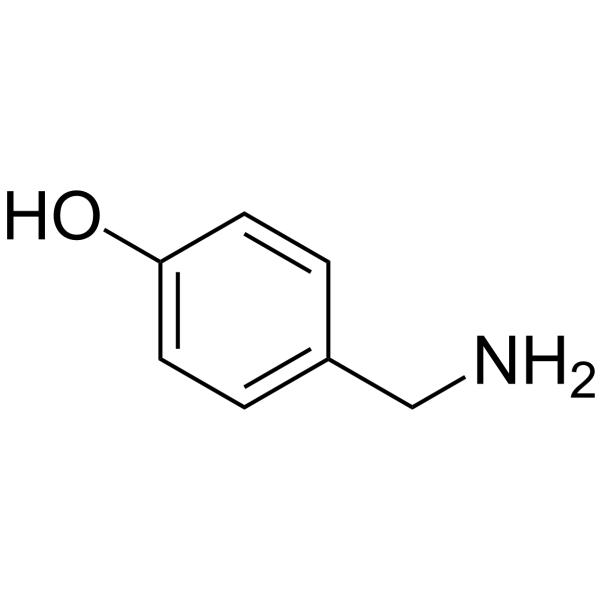
4-Hydroxybenzylamine is a dimerizer and precursor. 4-Hydroxybenzylamine forms cyclic dimers stabilized by O-H/N hydrogen bonds and π-stacking interactions in solution. 4-Hydroxybenzylamine undergoes condensation with formaldehyde to form a 12-atom azacyclophane, facilitated by pre-organization into cyclic dimeric templates .
loading...
    loading...
Cat. No.: HY-W013396
CAS No.: 619-58-9
Research Areas:  

Others

4-Iodobenzoic acid is a 4-iodobenzoic acid that crystallizes as a dimer in the monoclinic space group P21/n, with a phase transition center temperature of 230.77 K, and exhibits intermolecular iodine-iodine van der Waals interactions. 4-Iodobenzoic acid can be used in studies of hydrogen bonding, crystal packing and solid-state phase transitions .
loading...
    loading...
Cat. No.: HY-N3057
CAS No.: 18956-15-5
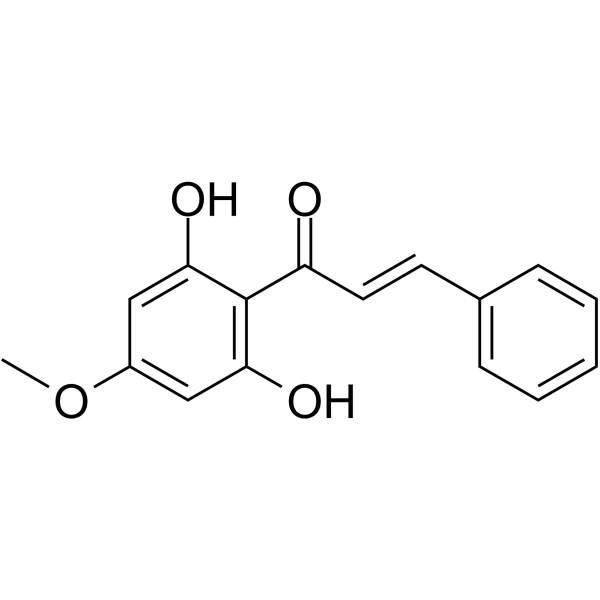
Pinostrobin chalcone is a chalcone found in Boesenbergia rotunda and Alpinia mutica. Pinostrobin chalcone exhibits cytotoxicity against various cancer cells. Pinostrobin chalcone is predicted to bind to the JAK active site, forming a hydrogen bond with Asn859 and hydrophobic interactions with aromatic residues. Pinostrobin chalcone can be used in research related to breast cancer, colon cancer, cervical cancer, and epidermoid carcinoma .
loading...
    loading...
Cat. No.: HY-W009641
CAS No.: 24463-15-8
Synonyms: PyM; 1-HMP
Research Areas:  

Others

1-Pyrenemethanol is an organic compound that can be used to prepare graphene films with excellent thermal conductivity, flexibility and mechanical properties. 1-Pyrenemethanol binds to graphene oxide sheets through hydrogen bonds and π-π interactions to form GO-PyM films, increasing the dispersion and stability of the material .
loading...
    loading...
Cat. No.: HY-175453
CAS No.: 3050683-03-6
Target:  

Molecular Glues

Research Areas:  

Cancer

MRT-23227 is a CRBN-recruiting molecular glue degrader targeting VAV1. MRT-23227 binds to the tryptophan triad pocket of CRBN, forms a ternary complex with the SH3c domain of VAV1, and induces proteasomal degradation of VAV1 through hydrogen-bond interactions between CRBN residues and the RT loop and side chains of VAV1. MRT-23227 can be used in the research of T-cell leukemia and lymphoma .
loading...
    loading...

