286 Results for "

infection models

" in MedChemExpress (MCE) Product Catalog:
Products (286)

286 Results for "infection models" in MCE Product Catalog:

15
15 Cited Publications
Cat. No.: HY-15136
CAS No.: 193275-84-2
Purity:  99.60%
Synonyms: Sch66336
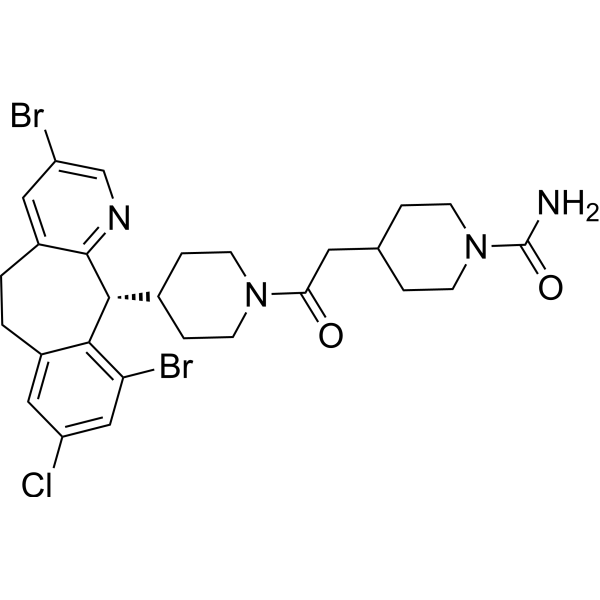
Lonafarnib (Sch66336) is an orally active, blood-brain barrier penetrant farnesyltransferase (FPTase) inhibitor. Lonafarnib increases the phosphorylation levels of Akt, CaMKII and CREB, upregulates BDNF expression in the hippocampus, elevates the content of α7nAChR on cell membranes, and blocks the isoprenylation of H-Ras. Lonafarnib repairs synapses and reverses spatial memory deficits in Aβ1-42 model mice. Lonafarnib inhibits RSV fusion and replication, and alleviates virus-induced lung injury. Lonafarnib activates the lysosomal and autophagic pathways, and reduces the phosphorylation and aggregation of tau. Lonafarnib acts synergistically with Sorafenib (HY-10201) to promote apoptosis, and inhibits the proliferation and invasion of melanoma cells. Lonafarnib inhibits the farnesylation of progerin, repairs nuclear membrane defects, and activates the cGAS-STING-STAT1 signaling pathway. Lonafarnib can be used in research related to diseases including Alzheimer's disease, viral infections, melanoma, and progeria .
loading...
    loading...
12
12 Cited Publications
Cat. No.: HY-16911
CAS No.: 620175-39-5
Synonyms: API-1252; Debio 1452
Target:  

Bacterial Antibiotic

Research Areas:  

Infection

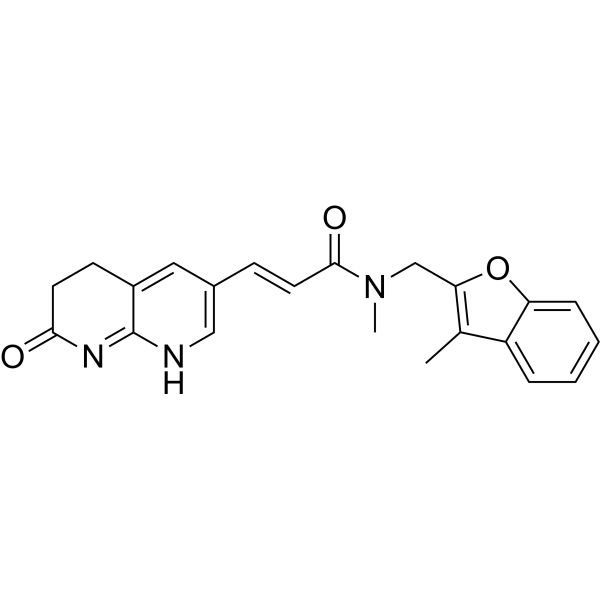
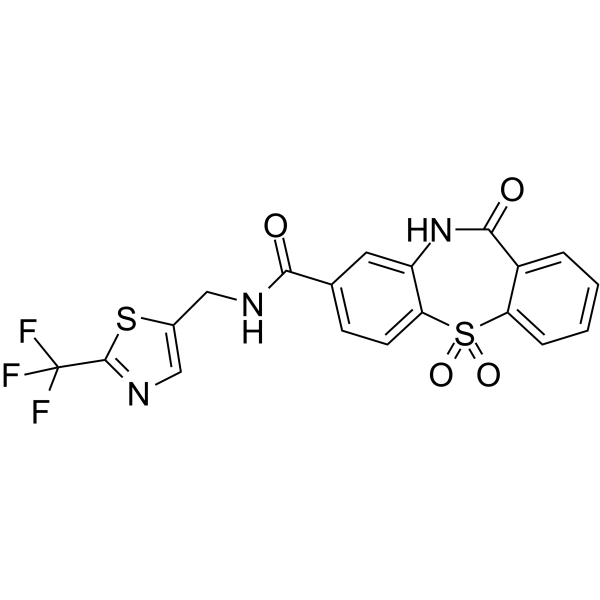
AFN-1252 is an orally active and selective inhibitor of FabI, an essential enzyme in fatty acid biosynthesis in Staphylococcus spp. AFN-1252 exhibits exquisite and highly selective activity against Staphylococcus spp. AFN-1252 exhibits typical MIC90 values of ⩽0.015 μg/ml against diverse clinical isolates of S. aureus. AFN-1252 is efficacious in a mouse model of septicemia providing 100% protection from an otherwise lethal peritoneal infection of S. aureus Smith .
loading...
    loading...
10
10 Cited Publications
Cat. No.: HY-N0570
CAS No.: 10597-60-1
Synonyms: DOPET; 3,4-Dihydroxyphenethyl alcohol; 3-Hydroxytyrosol
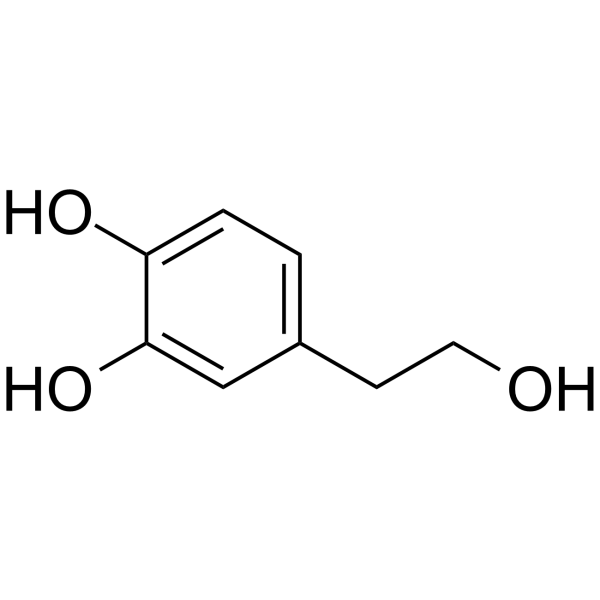
Hydroxytyrosol (DOPET; 3,4-Dihydroxyphenethyl alcohol) is an orally active, blood-brain barrier-permeable multi-active compound with multiple effects including antibacterial, antioxidant, anti-platelet aggregation, and neuroprotective activities. Hydroxytyrosol not only inhibits the growth of Vibrio by increasing bacterial membrane permeability, but also interacts with DNA and mediates supercoiled DNA relaxation. Meanwhile, Hydroxytyrosol effectively reduces thrombosis and inhibits lipid oxidation by inhibiting COX activity and promoting vascular nitric oxide production. In terms of neuroprotection, Hydroxytyrosol significantly alleviates neuronal apoptosis and inflammatory responses by up-regulating the expression level of ERβ, thereby improving cognitive function in Alzheimer's disease models. Hydroxytyrosol has been widely used in scientific research related to Vibrio infection, arterial thrombosis, Alzheimer's disease and other related fields .
loading...
    loading...
8
8 Cited Publications
Cat. No.: HY-115364
CAS No.: 14255-87-9
Purity:  99.87%
Synonyms: SKF 29044
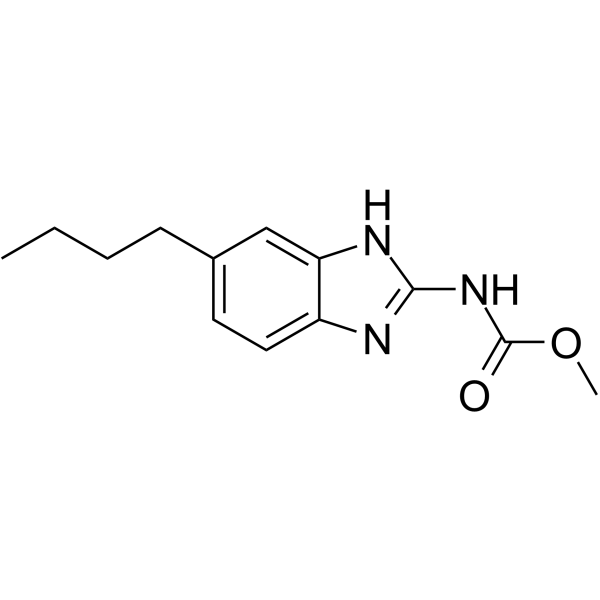
Parbendazole (SKF‑29044) is an orally active benzimidazole carbamate compound with multiple biological activities. Parbendazole binds to free tubulin and inhibits microtubule polymerization; it also activates the JNK/c‑Jun signaling axis and upregulates the expression of the downstream axonal repulsion factor Sema3A. Parbendazole upregulates KAL-1 mRNA expression, reduces nerve growth factor levels, and promotes the terminal differentiation of normal human epidermal keratinocytes. Parbendazole induces apoptosis in differentiated acute myeloid leukemia monocytes and exerts antileukemic activity in a mouse xenograft model of acute myeloid leukemia. Parbendazole exhibits broad-spectrum anthelmintic activity against various animal nematodes. Parbendazole is used in research related to acute myeloid leukemia and parasitic infections .
loading...
    loading...
7
7 Cited Publications
Cat. No.: HY-15303
CAS No.: 348086-71-5
Purity:  99.94%
Synonyms: AIC316; BAY 57-1293
Target:  

DNA/RNA Synthesis HSV

Research Areas:  

Infection

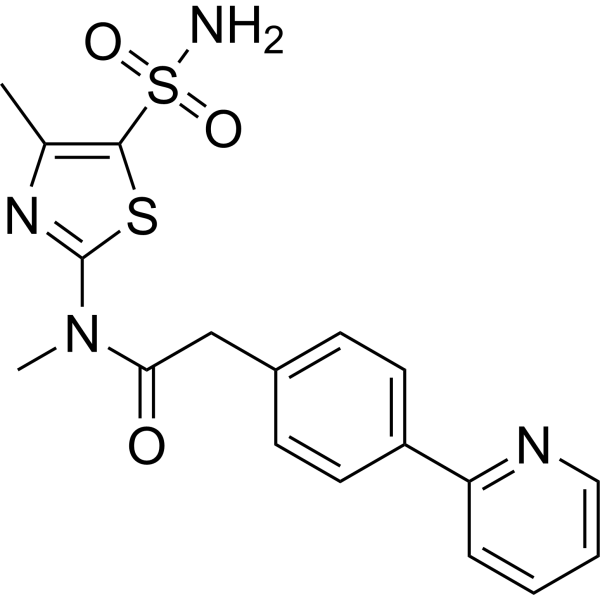
Pritelivir (AIC316), an inhibitor of the viral helicase-primase complex, exhibits antiviral activity in vitro and in animal models of herpes simplex virus (HSV) infection. Pritelivir is active against herpes simplex virus types 1 and 2 (HSV-1 and HSV-2) with the IC50 of 0.02 μM against HSV1-2 .
loading...
    loading...
7
7 Cited Publications
Cat. No.: HY-15303A
CAS No.: 1428333-96-3
Purity:  99.51%
Synonyms: AIC316 mesylate; BAY 57-1293 mesylate
Target:  

DNA/RNA Synthesis HSV

Research Areas:  

Infection

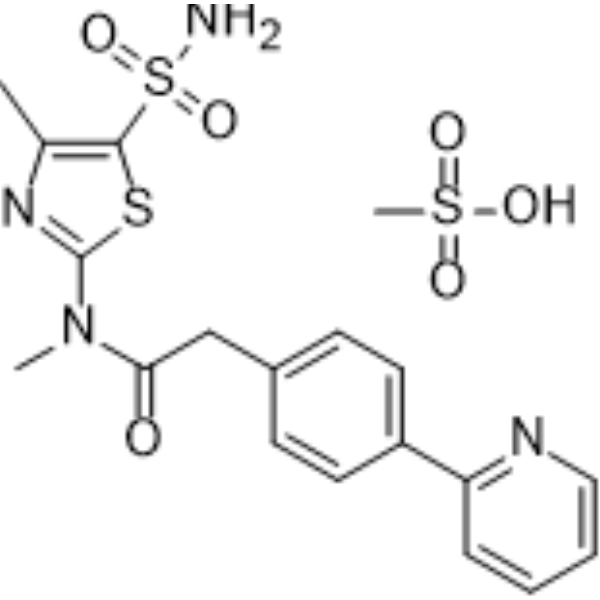
Pritelivir mesylate (BAY 57-1293 mesylate), an inhibitor of the viral helicase-primase complex, exhibits antiviral activity in vitro and in animal models of herpes simplex virus (HSV) infection. Pritelivir mesylate is active against herpes simplex virus types 1 and 2 (HSV-1 and HSV-2) with the IC50 of 0.02 μM against HSV1-2 .
loading...
    loading...
7
7 Cited Publications
Cat. No.: HY-15303B
CAS No.: 1428321-10-1
Purity:  99.51%
Synonyms: AIC316 mesylate hydrate; BAY 57-1293 mesylate hydrate
Target:  

DNA/RNA Synthesis HSV

Research Areas:  

Infection

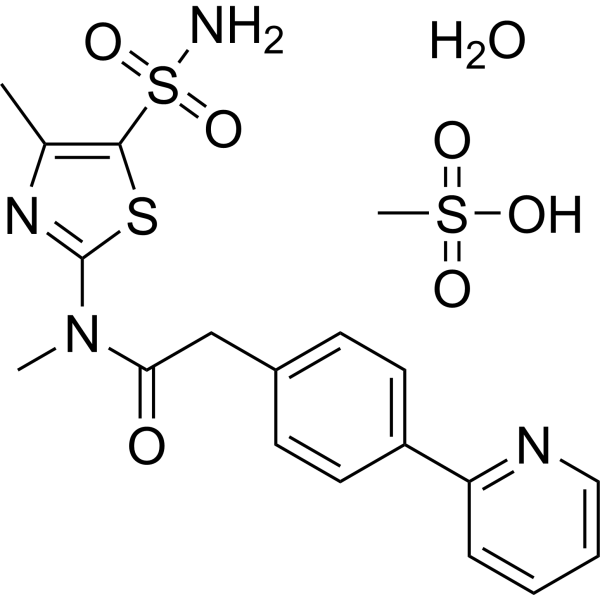
Pritelivir mesylate hydrate (BAY 57-1293 mesylate hydrate), an inhibitor of the viral helicase-primase complex, exhibits antiviral activity in vitro and in animal models of herpes simplex virus (HSV) infection. Pritelivir mesylate hydrate is active against herpes simplex virus types 1 and 2 (HSV-1 and HSV-2) with the IC50 of 0.02 μM against HSV1-2 .
loading...
    loading...
6
6 Cited Publications
Cat. No.: HY-17035
CAS No.: 117704-25-3
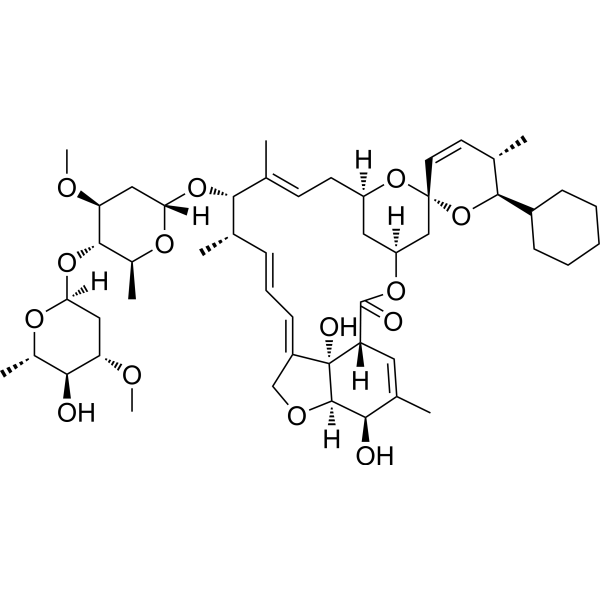
Doramectin is a derivative of Ivermectin (HY-15310). Doramectin is a potent antiparasitic antibiotic. Doramectin is an active compound against S.mansoni in an NMRI mouse infection model .
loading...
    loading...
6
6 Cited Publications
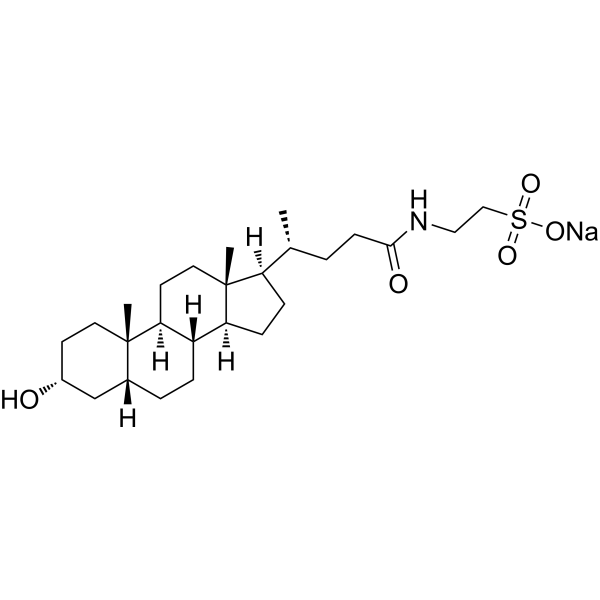
Cat. No.: HY-113308
CAS No.: 516-90-5
Purity:  98.06%
Taurolithocholic acid is an orally active bile acid and antiviral agent. Taurolithocholic acid upregulates FADS2 by activating the TGR5-PI3K/AKT-SREBP2 signaling axis, inhibits SFTSV-induced ferroptosis (Ferroptosis), viral replication and viral entry of HBV/HDV, while reducing the release of IL-1β, lipid ROS and LDH. While exerting antiviral protective effects, Taurolithocholic acid also stimulates the recycling of hepatocellular membrane transporters, impairs canalicular bile acid secretion function, and induces hepatocyte cholestasis, apoptosis and acute hepatocellular injury. Taurolithocholic acid serves as an experimental model compound for hepatocellular cholestasis. At concentrations ≤200 μM, Taurolithocholic acid shows no cytotoxicity and does not activate the interferon pathway. Taurolithocholic acid not only protects mice from lethal SFTSV infection but also is suitable for studies related to severe fever with thrombocytopenia syndrome and cholestasis .
loading...
    loading...
6
6 Cited Publications
Cat. No.: HY-113308A
CAS No.: 6042-32-6
Purity:  99.81%
Taurolithocholic acid sodium salt is an orally active bile acid and antiviral agent. Taurolithocholic acid sodium salt upregulates FADS2 by activating the TGR5-PI3K/AKT-SREBP2 signaling axis, inhibits SFTSV-induced ferroptosis, viral replication and viral entry of HBV/HDV, while reducing the release of IL-1β, lipid ROS and LDH. While exerting antiviral protective effects, Taurolithocholic acid sodium salt also stimulates the recycling of hepatocellular membrane transporters, impairs canalicular bile acid secretion function, and induces hepatocyte cholestasis, apoptosis and acute hepatocellular injury. Taurolithocholic acid sodium salt serves as an experimental model compound for hepatocellular cholestasis. At concentrations ≤200 μM, Taurolithocholic acid sodium salt shows no cytotoxicity and does not activate the interferon pathway. Taurolithocholic acid sodium salt not only protects mice from lethal SFTSV infection but also is suitable for studies related to severe fever with thrombocytopenia syndrome and cholestasis .
loading...
    loading...
4
4 Cited Publications
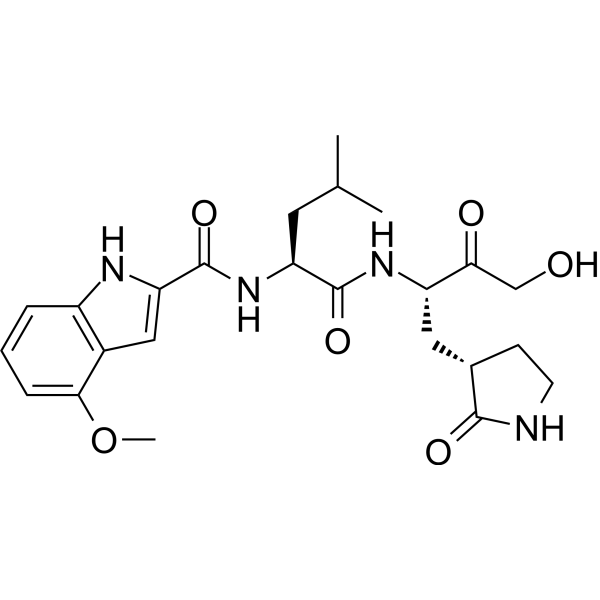
Cat. No.: HY-137048
CAS No.: 870153-29-0
Purity:  99.31%
Target:  

SARS-CoV HIV HCV

Research Areas:  

Infection

PF-00835231 is a CoV-2 cysteine 3C-like protease (3CL pro) inhibitor, with IC50s of 0.27 nM and 4 nM for SARS CoV-2 and SARS CoV-1 3CL pro, respectively. PF-00835231 is developed for the research of anti-SARS-CoV-2/COVID-19. PF-00835231 can inhibit cell infections and also suppress infections in animal models .
loading...
    loading...
3
3 Cited Publications
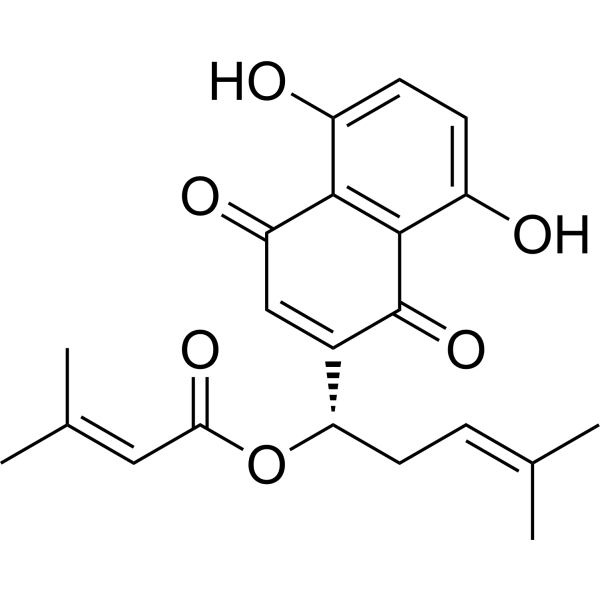
Cat. No.: HY-N5112A
CAS No.: 34539-65-6
Synonyms: Arnebin 1
β,β-Dimethylacrylalkannin (Arnebin 1) is an orally active FGFR1 inhibitor (IC50=2.5 μM) and the main active component of Lithospermum erythrorhizon. β,β-Dimethylacrylalkannin blocks downstream signaling by binding to the ATP pocket of FGFR1, and regulates the CDK1/Cdc25C pathway and ROS-JNK axis, thereby inducing G2/M phase arrest, necrosis and apoptosis in cancer cells, and inhibiting tumor proliferation. β,β-Dimethylacrylalkannin also acts as a colistin adjuvant to disrupt the cell membrane of Gram-negative bacteria. β,β-Dimethylacrylalkannin exhibits significant tumor-inhibitory effects with no obvious toxicity in PDX models, but chronic exposure to high doses may alter the relative lung/liver weights of rats, while acute exposure to high doses causes responses such as reduced motor activity. β,β-Dimethylacrylalkannin finds wide application in studies related to hepatocellular carcinoma, colorectal cancer, colistin-resistant bacterial infections, hepatitis and psoriasis .
loading...
    loading...
2
2 Cited Publications
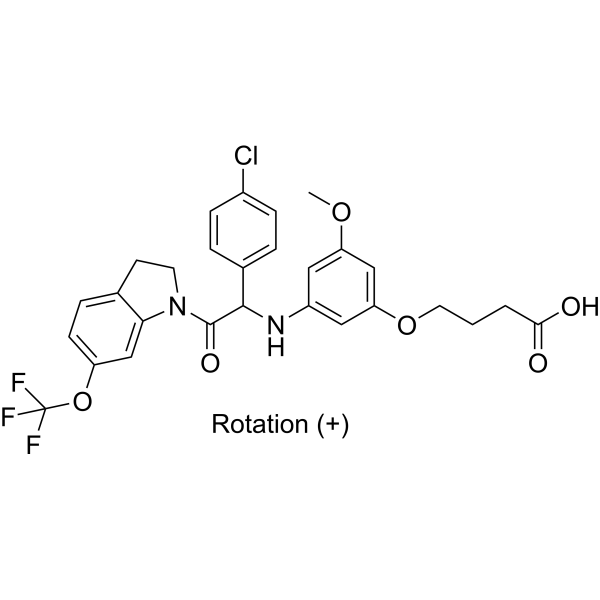
Cat. No.: HY-139602
CAS No.: 2135640-93-4
Purity:  98.46%
Research Areas:  

Infection

(+)-JNJ-A07 is a highly potent, orally active pan-serotype dengue virus inhibitor targeting the NS3-NS4B interaction. (+)-JNJ-A07 exerts nanomolar to picomolar activity against a panel of 21 clinical isolates. (+)-JNJ-A07 has a favourable pharmacokinetic profile that results in outstanding efficacy against dengue virus infection in mouse infection models .
loading...
    loading...
2
2 Cited Publications
Cat. No.: HY-109195
CAS No.: 2090064-66-5
Purity:  99.73%
Synonyms: ABI-H0731
Target:  

HBV

Research Areas:  

Infection Inflammation/Immunology

Vebicorvir (ABI-H0731) is a first-generation hepatitis B virus (HBV) core protein inhibitor. Vebicorvir (ABI-H0731) suppresses covalently closed circular DNA (cccDNA) formation in two de novo infection models with EC50s from 1.84 μM to 7.3 μM .
loading...
    loading...
2
2 Cited Publications
Cat. No.: HY-B0027
CAS No.: 133868-46-9
Target:  

Antibiotic Bacterial

Research Areas:  

Infection Metabolic Disease

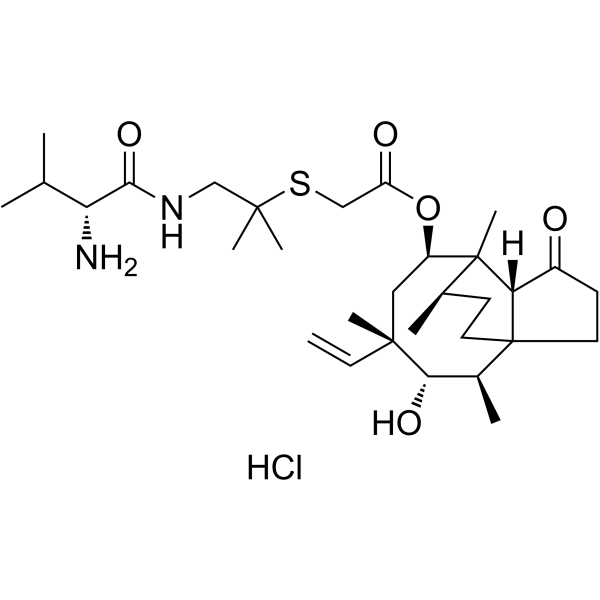
Valnemulin hydrochloride is an orally effective truncated pleurotin antibiotic that inhibits protein synthesis in bacteria by binding to peptidyl transferase in the 50s ribosome subunit. Valnemulin hydrochloride effectively eliminates Mycobacterium bovis in the lungs in an experimental bovine model of Mycoplasma bovis infection. Valnemulin hydrochloride can reduce the mortality of epidemic rabbit enteropathy and has no adverse effect on the growth performance of rabbits .
loading...
    loading...
2
2 Cited Publications
Cat. No.: HY-19655
CAS No.: 205110-48-1
Synonyms: ABT-773; Abbott-195773; A-195773
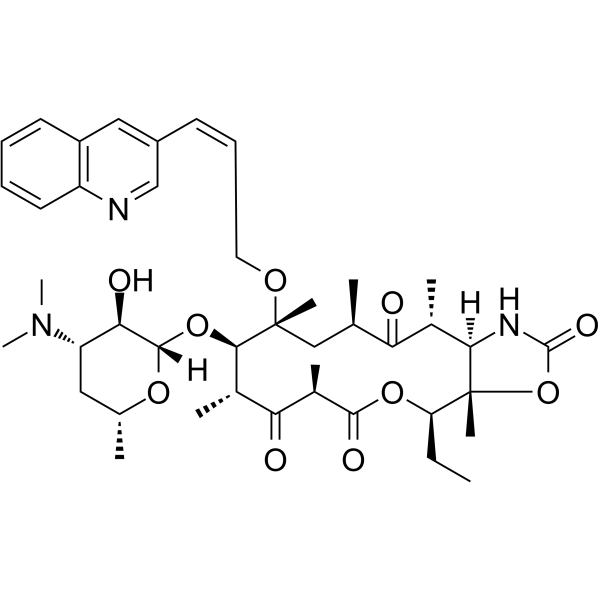
Cethromycin (ABT-773; Abbott-195773) is an orally effective ketolide antibiotic with broad-spectrum antibacterial activity. Cethromycin binds to domains II/V of the 23S rRNA of the 50S subunit, inhibiting bacterial protein synthesis. Cethromycin can accumulate in lung tissue, alveolar macrophages, epithelial lining fluid, and human polymorphonuclear leukocytes. Cethromycin exhibits potent in vitro activity against a variety of respiratory pathogens, including Mycoplasma pneumoniae. Cethromycin exhibits significant intracellular and pulmonary enrichment and anti-inflammatory effects against mycoplasma pneumonia in mouse models, improving airway obstruction and airway hyperresponsiveness. Cethromycin disrupts the apicoplast and reduces liver-stage parasite burden during the liver stage of Plasmodium berghei. Cethromycin can be used in research related to pneumonia, Staphylococcus aureus infection, gonorrhea, and malaria .
loading...
    loading...
2
2 Cited Publications
Cat. No.: HY-N0113
CAS No.: 539-15-1
Synonyms: Ordenina; Peyocactine
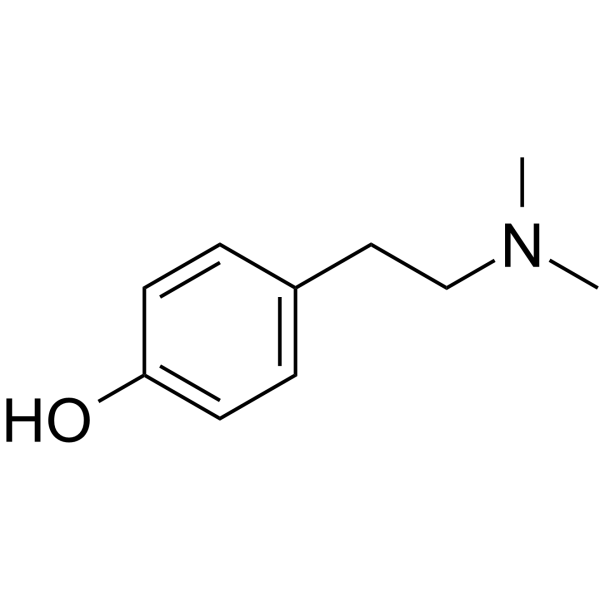
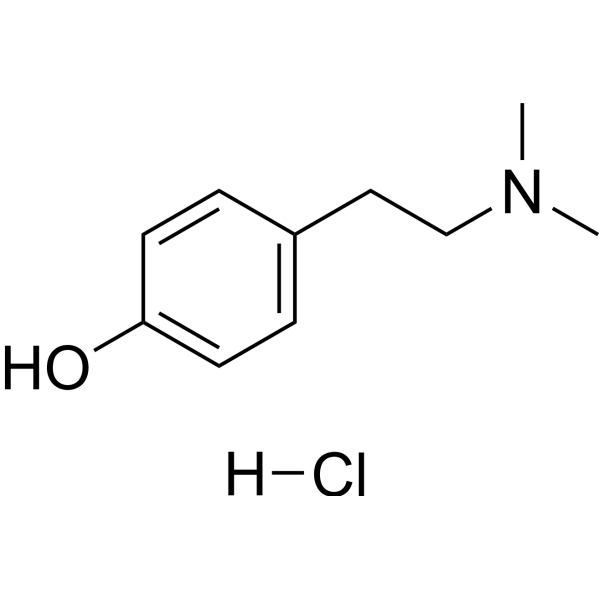
Hordenine (Ordenina; Peyocactine) is a multifunctional alkaloid with oral activity and blood-brain barrier penetration. Hordenine inhibits LPS-induced phosphorylation of p38, JNK, ERK1/2, p65, IκB, and AKT, prevents p65 nuclear translocation, and suppresses inflammatory cytokines and mediators. Hordenine promotes M2 macrophage polarization, restores blood-milk barrier integrity, alleviates oxidative stress by reducing ROS and MDA, and attenuates LPS-induced lung injury and pulmonary edema. Hordenine inhibits cAMP production, CREB phosphorylation, and MITF expression, thereby suppressing melanin synthesis in melanocytes and reconstructed epidermis. Hordenine activates the Wnt/β-catenin signaling pathway, promotes dermal papilla cell proliferation and hair shaft elongation, and accelerates hair regeneration. Hordenine activates DRD2, acts as a D3R partial agonist, α2A-AR full agonist, and 5-HT2A-R antagonist, and inhibits SERT and DAT. Hordenine inhibits α-synuclein accumulation and ameliorates motor deficits in Parkinson's disease models. Hordenine limits alcohol intake, reduces relapse drinking behavior, and modulates alcohol-induced conditioned place preference. Hordenine can be used for research on mastitis, skin pigmentation, acute lung injury, foodborne diseases, hair loss, Parkinson's disease, bacterial infections, and alcohol use disorder .
loading...
    loading...
2
2 Cited Publications
Cat. No.: HY-N0113B
CAS No.: 6027-23-2
Synonyms: Ordenina hydrochloride; Peyocactine hydrochloride
Hordenine hydrochloride (Ordenina hydrochloride; Peyocactine hydrochloride) is a multifunctional alkaloid with oral activity and blood-brain barrier penetration. Hordenine hydrochloride inhibits LPS-induced phosphorylation of p38, JNK, ERK1/2, p65, IκB, and AKT, prevents p65 nuclear translocation, and suppresses inflammatory cytokines and mediators. Hordenine hydrochloride promotes M2 macrophage polarization, restores blood-milk barrier integrity, alleviates oxidative stress by reducing ROS and MDA, and attenuates LPS-induced lung injury and pulmonary edema. Hordenine hydrochloride inhibits cAMP production, CREB phosphorylation, and MITF expression, thereby suppressing melanin synthesis in melanocytes and reconstructed epidermis. Hordenine hydrochloride activates the Wnt/β-catenin signaling pathway, promotes dermal papilla cell proliferation and hair shaft elongation, and accelerates hair regeneration. Hordenine hydrochloride activates DRD2, acts as a D3R partial agonist, α2A-AR full agonist, and 5-HT2A-R antagonist, and inhibits SERT and DAT. Hordenine hydrochloride inhibits α-synuclein accumulation and ameliorates motor deficits in Parkinson's disease models. Hordenine hydrochloride limits alcohol intake, reduces relapse drinking behavior, and modulates alcohol-induced conditioned place preference. Hordenine hydrochloride can be used for research on mastitis, skin pigmentation, acute lung injury, foodborne diseases, hair loss, Parkinson's disease, bacterial infections, and alcohol use disorder .
loading...
    loading...
1
1 Cited Publications
Cat. No.: HY-P99604
CAS No.: 2420563-99-9
Synonyms: AZD-1061; COV2-2130

Target:  

SARS-CoV

Research Areas:  

Infection

Cilgavimab (AZD-1061; COV2-2130) is a human SARS-CoV-2-neutralizing monoclonal antibody, can compose monoclonal-antibody combination AZD7442 with Tixagevimab (HY-P99556). Cilgavimab shows protective action on mouse models of SARS-CoV-2 infection .
loading...
    loading...
1
1 Cited Publications
Cat. No.: HY-P2460
CAS No.: 172485-26-6
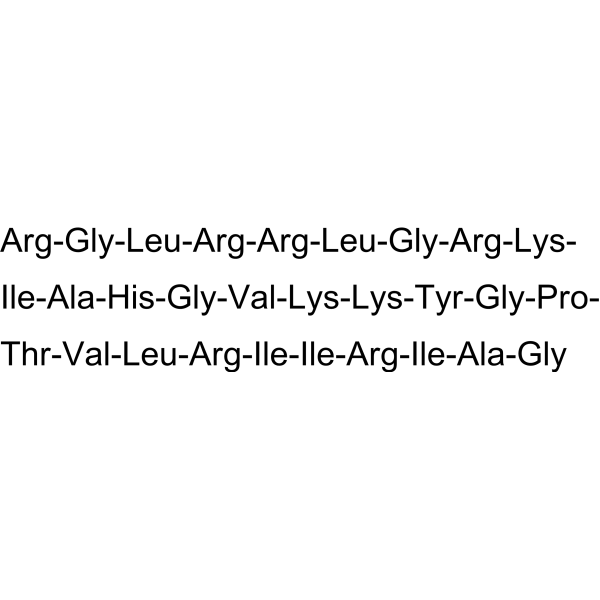
SMAP‑29 is a cathelicidin antimicrobial peptide with LPS‑binding and anti‑inflammatory properties. SMAP‑29 exerts broad‑spectrum antimicrobial activity against bacteria, fungi and multidrug‑resistant isolates. SMAP‑29 kills pathogens by permeabilizing bacterial membranes, inducing depolarization and cell lysis, and also inhibits inflammatory cytokines while reducing lethality in septic shock and pneumonia models. SMAP-29 can be used for research on bacterial infections, drug-resistant infections, septic shock .
loading...
    loading...

