
160 Results for "

intracellular binding

" in MedChemExpress (MCE) Product Catalog:
Products (160)

160 Results for "intracellular binding" in MCE Product Catalog:

37
37 Publications Verification
Cat. No.: HY-D1913
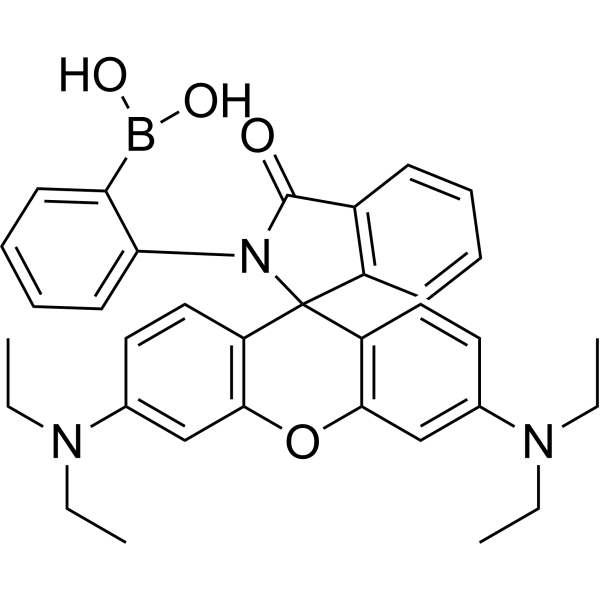
Fe2Orange is a Fe 2+ selective probe with an excitation wavelength of 543 nm and an emission wavelength of 580 nm. Fe2Orange emits fluorescence after binding to intracellular Fe 2+, thereby achieving specific labeling of Fe 2+. Fe2Orange is used to detect the content and distribution of Fe 2+ in cells .
loading...
    loading...
23
23 Cited Publications
Cat. No.: HY-101140
CAS No.: 1799974-70-1
Purity:  98.67%
Research Areas:  

Inflammation/Immunology

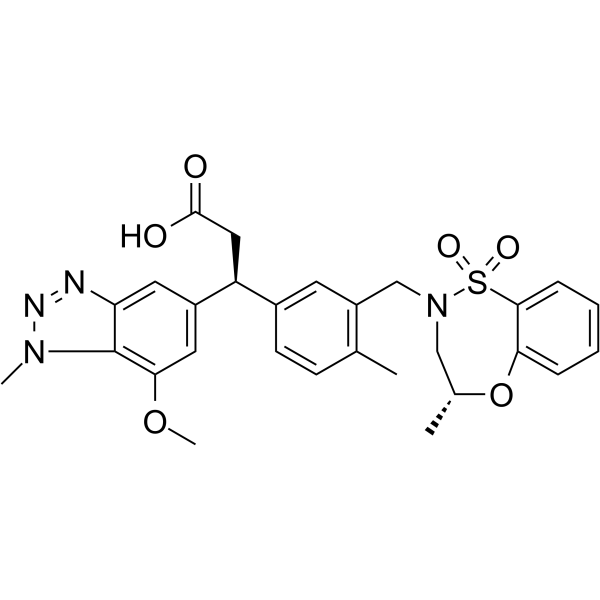
KI696 is a selective KEAP1/NRF2 protein-protein interaction inhibitor with a human Kd value of 1.3 nM. KI696 acts by competitively occupying the NRF2-binding pocket of the KEAP1 Kelch domain. KI696 blocks KEAP1-mediated ubiquitination and degradation of NRF2, promotes the translocation of NRF2 to the nucleus, activates the expression of downstream antioxidant genes, increases intracellular glutathione levels, and alleviates oxidative stress-induced cell damage and inflammatory cell infiltration in the lungs. KI696 reduces ozone-induced pulmonary oxidative damage and inflammatory cell accumulation in rats, and upregulates pulmonary antioxidant genes. KI696 can be used in research related to chronic obstructive pulmonary disease, oxidative stress and inflammation .
loading...
    loading...
17
17 Cited Publications
Cat. No.: HY-P1119
CAS No.: 878557-55-2
Research Areas:  

Neurological Disease

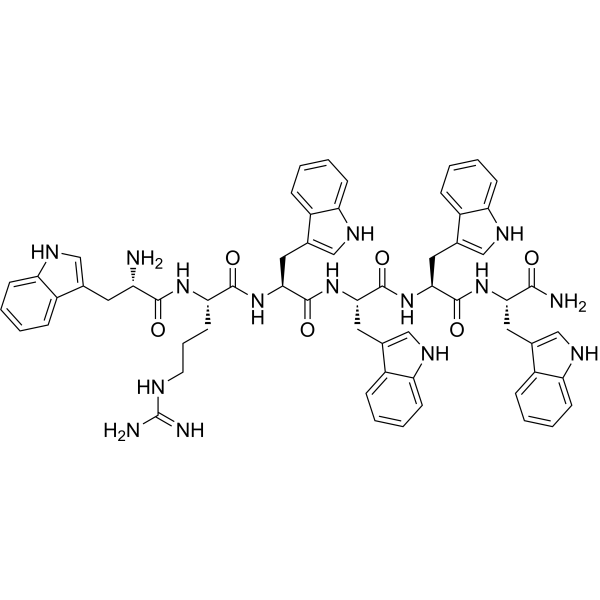
WRW4, a specific formyl peptide receptor-like 1 (FPRL1) antagonist, inhibits WKYMVm binding to FPRL1 with an IC50 of 0.23 μM. WRW4 specifically inhibits the increase in intracellular calcium by the FPRL1 agonists MMK-1, amyloid beta42 (Abeta42) peptide, and F peptide .
loading...
    loading...
13
13 Cited Publications
Cat. No.: HY-U00451
CAS No.: 1847485-97-5
ATP-Red 1 is a multisite-binding switchable fluorescent probe, and can selectively and rapidly responds to intracellular concentrations of ATP in living cells (Ex/Em = 510/590 nm).
loading...
    loading...
11
11 Cited Publications
Cat. No.: HY-D0056
CAS No.: 150206-05-6
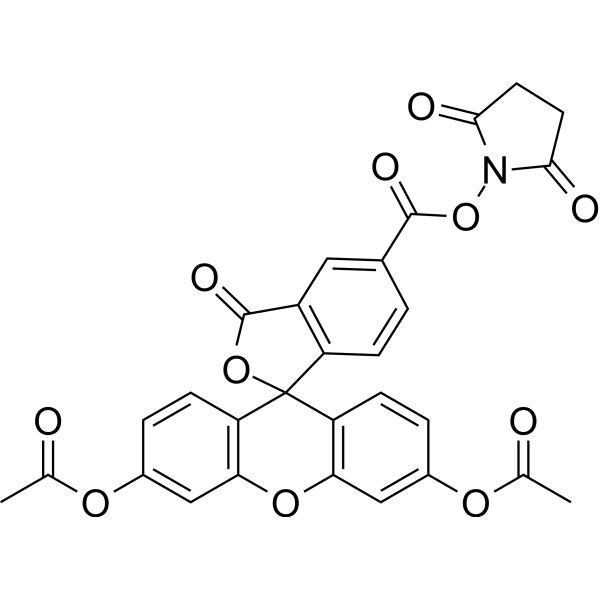
5-Carboxyfluorescein diacetate N-succinimidyl ester is a cell permeable dye (Ex=492 nm, Em=517 nm). 5-Carboxyfluorescein diacetate N-succinimidyl ester can label cells by covalently binding to intracellular molecules. 5-Carboxyfluorescein diacetate N-succinimidyl ester is used to track lymphocyte migration and proliferation .
loading...
    loading...
10
10 Cited Publications
Cat. No.: HY-124697
CAS No.: 100874-08-6
Purity:  99.98%
Target:  

TGF-β Receptor

Research Areas:  

Cancer

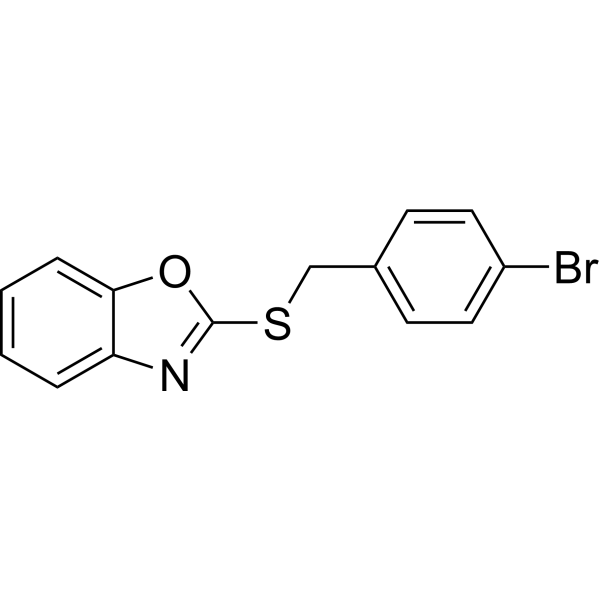
BMP signaling agonist sb4 is a potent benzoxazole bone morphogenetic protein 4 (BMP4) signaling agonist with a EC50 value of 74 nM, activates BMP signaling by stabilizing intracellular p-SMAD-1/5/9. BMP signaling agonist sb4 activates BMP4 target genes (inhibitors of DNA binding,?Id1?and?Id3) canonical BMP signaling .
loading...
    loading...
6
6 Cited Publications
Cat. No.: HY-16992A
CAS No.: 405098-33-1
W-54011 is a potent and orally active non-peptide C5a receptor antagonist. W-54011 inhibits the binding of 125I-labeled C5a to human neutrophils with a Ki value of 2.2 nM. W-54011 also inhibits C5a-induced intracellular Ca 2+ mobilization, chemotaxis, and generation of ROS in human neutrophils with IC50s of 3.1 nM, 2.7 nM, and 1.6 nM, respectively .
loading...
    loading...
5
5 Cited Publications
Cat. No.: HY-N2593
CAS No.: 32507-66-7
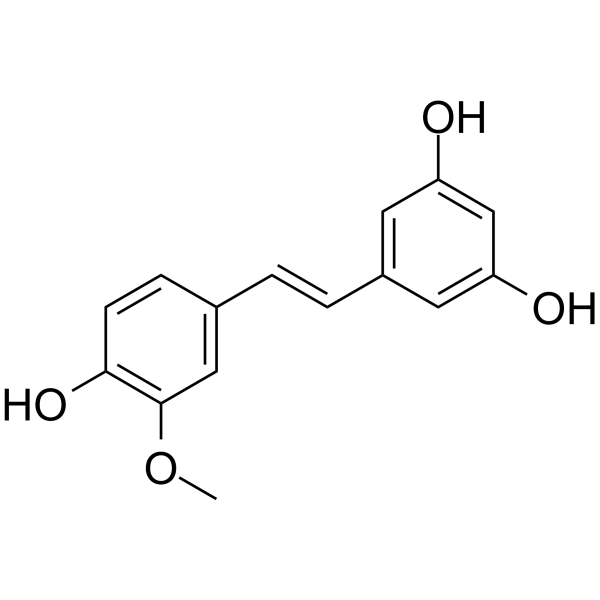
Isorhapontigenin is an orally active dietary polyphenol. Isorhapontigenin acts as a potent antioxidant that reduces the production of reactive oxygen species (ROS). Isorhapontigenin promotes the binding of JUN to the AP-1 site on the SESN2 promoter, induces SESN2 transcription, triggers MAPK8-dependent JUN activation, and upregulates the expression of PPAR-α, PGC-1α and CPT-1A to facilitate fatty acid oxidation. Isorhapontigenin induces autophagy, apoptosis and preadipocyte differentiation; it inhibits tumor growth, cell invasion, NF-κB transcriptional activity, the PI3K/Akt signaling pathway, STAT1 phosphorylation and MMP-2 expression. Isorhapontigenin alleviates oxidative stress, inflammatory cytokine release and triglyceride accumulation; it increases intracellular ATP levels and promotes Nrf2 nuclear translocation. Isorhapontigenin improves insulin sensitivity in adipose tissue and glucose tolerance, and reduces postprandial blood glucose, insulin and free fatty acid levels. Isorhapontigenin is applicable to research on bladder cancer, liver injury, chronic obstructive pulmonary disease, acute lung injury and type 2 diabetes .
loading...
    loading...
2
2 Cited Publications
Cat. No.: HY-124416
CAS No.: 850330-18-6
Purity:  99.80%
Target:  

CCR

ML604086 is a selective CCR8 inhibitor, inhibiting CCL1 binding to CCR8 on circulating T-cells. ML604086 inhibits CCL1 mediated chemotaxis and increases in intracellular Ca 2+ concentrations .
loading...
    loading...
2
2 Cited Publications
Cat. No.: HY-119437
CAS No.: 1481401-71-1
Purity:  99.75%
Target:  

Estrogen Receptor/ERR

Research Areas:  

Cancer

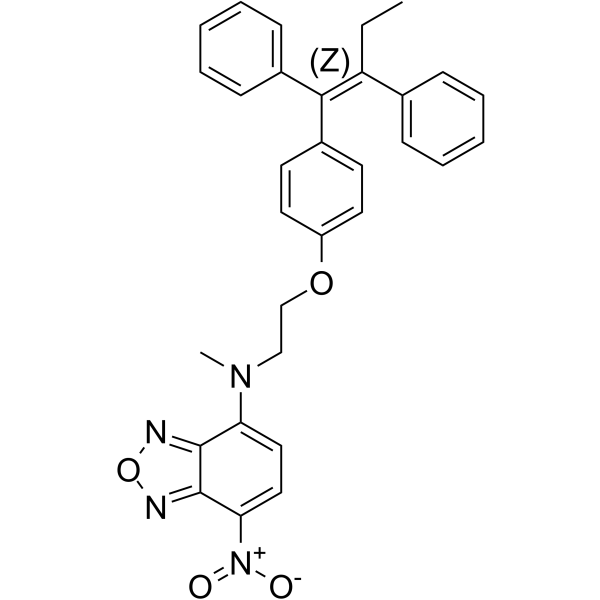
FLTX1 is a fluorescent Tamoxifen derivative that can specifically label intracellular Tamoxifen-binding sites (estrogen receptors) under permeabilized and non-permeabilized conditions. FLTX1 exhibits the potent antiestrogenic properties of Tamoxifen in breast cancer cells. FLTX1 is devoid of the estrogenic agonistic effect on the uterus .
loading...
    loading...
2
2 Cited Publications
Cat. No.: HY-116553
CAS No.: 1680196-54-6
Purity:  98.62%
Target:  

Wnt β-catenin

Research Areas:  

Cancer

FzM1 is a negative allosteric modulator (NAM) of Frizzled receptor FZD4. FzM1 reduces WNT5A-dependent WNT responsive element (WRE) activity (log EC50inh=?6.2). FzM1 binds to an allosteric binding site located in intracellular loop 3 (ICL3) of FZD4 and alters the conformation of the receptor, ultimately inhibiting the WNT/β-catenin cascade .
loading...
    loading...
1
1 Cited Publications
Cat. No.: HY-145899
CAS No.: 942425-34-5
Purity:  99.92%
Target:  

PKC

Research Areas:  

Cancer

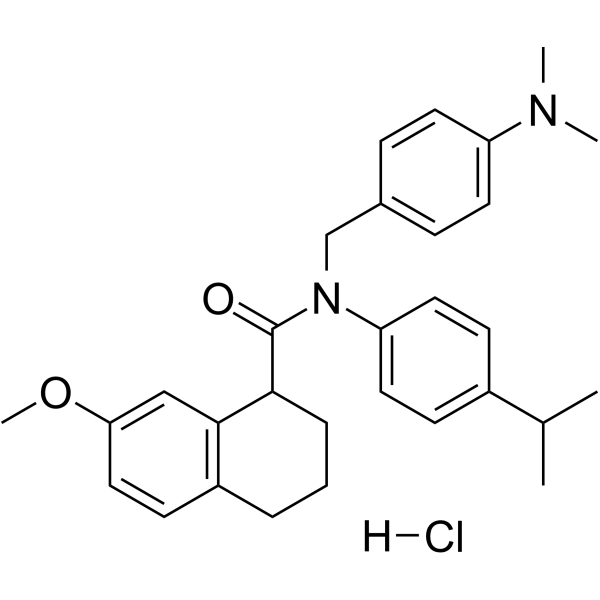
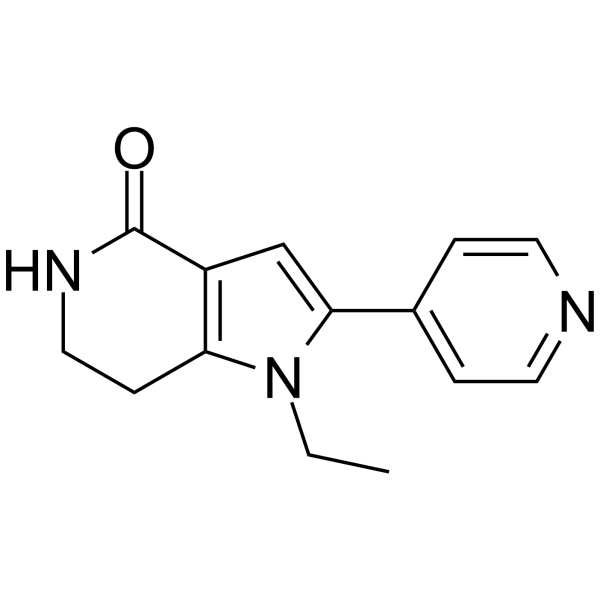
PKN1/2-IN-1 is a potent cell permeabilizer and selective PKN1/2 inhibitor with IC50 values of 16 nM and 210 nM for PKN1 and PKN2, respectively, and Ki values of 8 nM and 108 nM, respectively. PKN1/2-IN-1 exhibits strong intracellular PKN2 binding capacity in NanoBRET assays (IC50 = 2.1 μM). PKN1/2-IN-1 can be used to study physiological processes such as tumor cell migration .
loading...
    loading...
1
1 Cited Publications
Cat. No.: HY-D1423
CAS No.: 68654-25-1
Target:  

Fluorescent Dye

Research Areas:  

Others

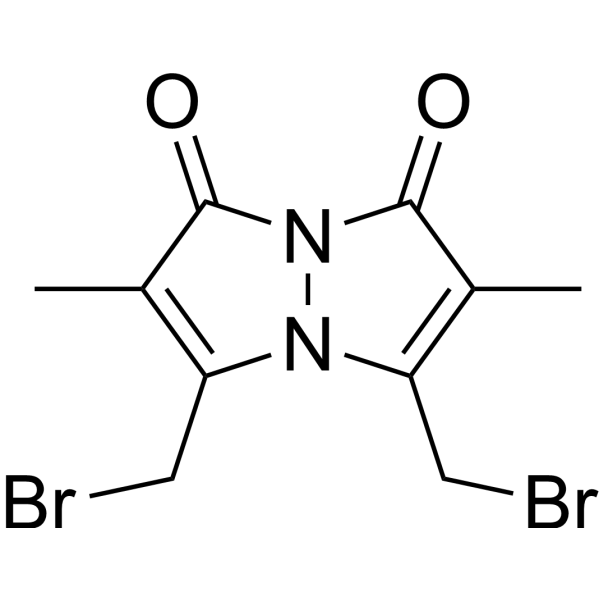
Dibromobimane is a Fluorescent dye and probe that can be used for the detection of intracellular reduced glutathione and the analysis of spatial proximity of closely adjacent cysteine thiol groups. Dibromobimane activates fluorescence through binding to thiol groups; its excitation/emission wavelengths are Ex/Em = 393/477 nm for glutathione detection, and Ex/Em = 385/477 nm for cysteine thiol cross-linking. Dibromobimane uses two equivalent bromomethyl groups to cross-link cysteine thiolates with a distance ranging from 3-6 Å. Dibromobimane can be applied to 96-well microplate-based high-throughput assays for labeling intracellular glutathione, and its fluorescence signal is normalized against nuclear staining results to eliminate the impact of cell density .
loading...
    loading...
1
1 Cited Publications
Cat. No.: HY-148978
CAS No.: 321883-23-2
Purity:  99.62%
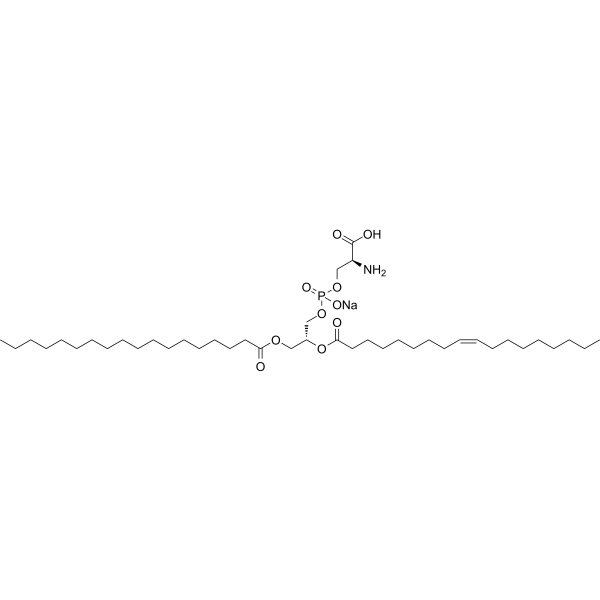
18:0,18:1 PS sodium is the dominant phosphatidylserine subtype in cells, exosomes and HIV particles. It is abundant in the brain and is essential for maintaining membrane structure, lipid raft organization and intracellular trafficking. 18:0,18:1 PS sodium mediates interleaflet membrane coupling through cholesterol-dependent interactions with very long-chain sphingolipids, and can induce the clustering of glycosylphosphatidylinositol-anchored proteins. In addition, clusters formed by the binding of 18:0,18:1 PS sodium to cholesterol not only facilitate the proper distribution of cholesterol in lipid bilayers, but also effectively protect cholesterol from oxidative damage .
loading...
    loading...
1
1 Cited Publications
Cat. No.: HY-148978A
CAS No.: 124262-93-7
Research Areas:  

Metabolic Disease

18:0,18:1 PS is the dominant phosphatidylserine subtype in cells, exosomes and HIV particles. It is abundant in the brain and is essential for maintaining membrane structure, lipid raft organization and intracellular trafficking. 18:0,18:1 PS mediates interleaflet membrane coupling through cholesterol-dependent interactions with very long-chain sphingolipids, and can induce the clustering of glycosylphosphatidylinositol-anchored proteins. In addition, clusters formed by the binding of 18:0,18:1 PS to cholesterol not only facilitate the proper distribution of cholesterol in lipid bilayers, but also effectively protect cholesterol from oxidative damage .
loading...
    loading...
1
1 Cited Publications
Cat. No.: HY-156395
CAS No.: 3044099-90-0
Purity:  98.05%
Target:  

E1/E2/E3 Enzyme

Research Areas:  

Others

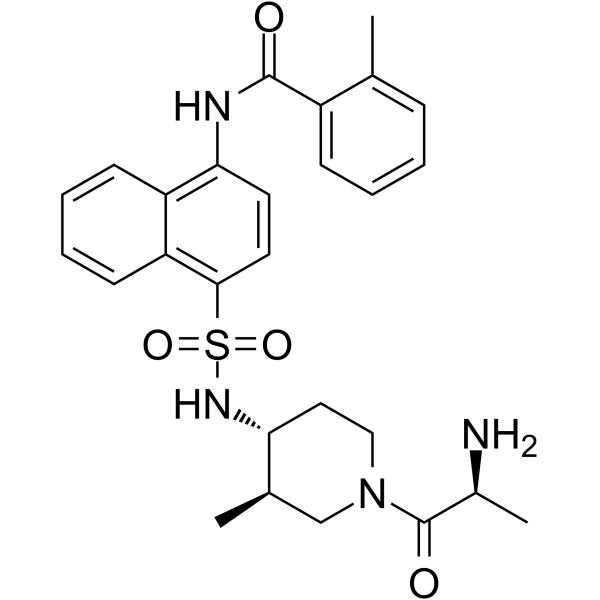
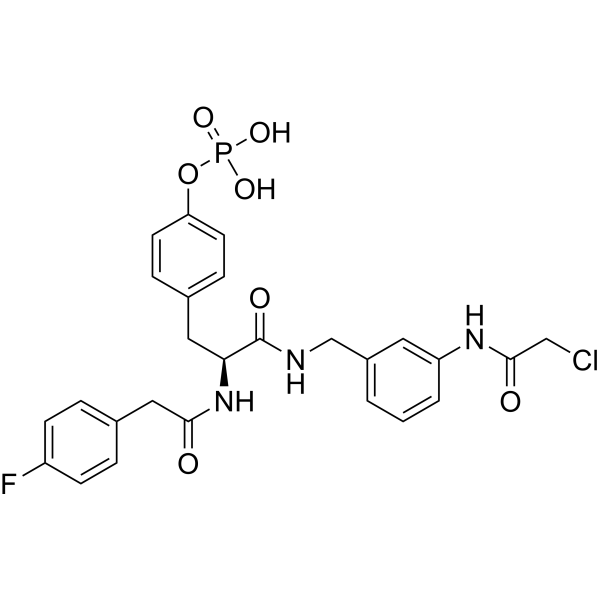
MN551 is a covalent modulator of SOCS2 and CISH, with selectivity for SOCS2 and CISH over SOCS4. MN551 covalently modifies Cys111 in the SH2 domain of SOCS2 and Cys144 in the EF loop of the CISH SH2 domain, while only minimally modifying Cys471 in the BG loop of the SOCS6 SH2 domain. MN551 increases the thermal stability of the recombinant SOCS2-ElonginB-ElonginC complex and competitively blocks the binding of SOCS2 to its substrate; when delivered via the prodrug MN714, it blocks the intracellular recruitment of substrates by SOCS2. MN551 can serve as a chemical probe for investigating the biological functions of SOCS2 and its CRL5 complex, and also act as an E3 ligase-binding module in proteolysis-targeting chimeras (PROTACs) .
loading...
    loading...
1
1 Cited Publications
Cat. No.: HY-W795960
CAS No.: 108340-81-4
D-myo-inositol 1,4,5-trisphosphate sodium salt is a widely distributed intracellular second messenger. D-myo-inositol 1,4,5-trisphosphate sodium salt acts as a potent agonist of the Ins (1,4,5) P3 receptor with an EC50 of 0.12 μM and inhibits bovine PLC-δ1, with an IC50 of 5.4 μM for binding and an IC50 of 12.4 μM for hydrolysis. D-myo-inositol 1,4,5-trisphosphate sodium saltis metabolized into Ins (1,4) P2 and Ins (1,3,4,5) P4. D-myo-inositol 1,4,5-trisphosphate sodium salt mediates various cellular processes, including growth, development, fertilization, secretion, contraction and neuromodulation. D-myo-inositol 1,4,5-trisphosphate sodium salt inhibits PIP2 hydrolysis and Ca 2+-ATPase activity. D-myo-inositol 1,4,5-trisphosphate sodium salt is used for cardiac preconditioning, exerts cardioprotective effects and mimics ischemic preconditioning. D-myo-inositol 1,4,5-trisphosphate sodium salt is applied in studies related to intracellular calcium and phosphoinositol signaling pathways .
loading...
    loading...
1
1 Cited Publications
Cat. No.: HY-132182
CAS No.: 383418-30-2
Purity:  99.4%
Research Areas:  

Neurological Disease Cancer

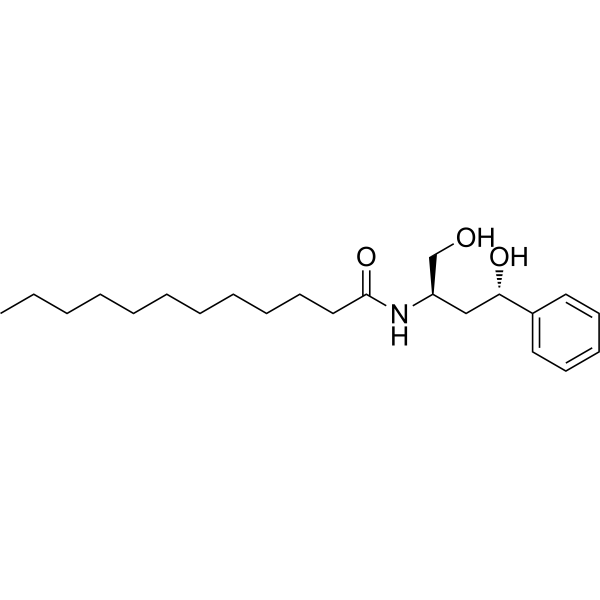
HPA-12 is a blood-brain barrier-permeable small-molecule inhibitor of ceramide transfer protein (CERT) with four stereoisomers (the (1R,3R)-stereoisomer exhibits the highest activity). HPA-12 blocks the transport of ceramide from the endoplasmic reticulum to the Golgi apparatus by binding to the START domain of CERT, leading to intracellular ceramide accumulation and inhibition of sphingomyelin (SM) synthesis. HPA-12 induces endoplasmic reticulum stress via the GRP78/ATF6/CHOP axis and activates mitochondrial autophagy, thereby inhibiting cell growth and inducing apoptosis. In in vivo experiments, HPA-12 significantly reduces the leukemia burden and splenomegaly in mouse models of acute myeloid leukemia (AML) and prolongs survival. HPA-12 is applicable for the research of lipid metabolism in acute myeloid leukemia and Alzheimer's disease .
loading...
    loading...
1
1 Cited Publications
Cat. No.: HY-125254
CAS No.: 2313525-90-3
Purity:  99.72%
Target:  

HRASLS Phospholipase

Research Areas:  

Metabolic Disease Cancer

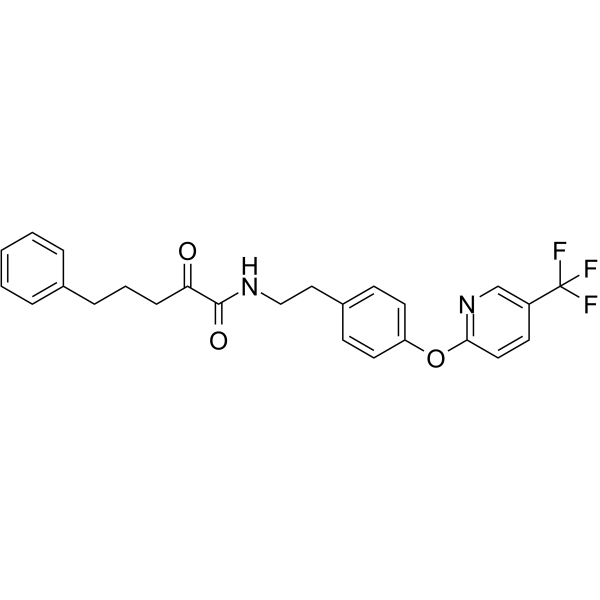
LEI110 is a pan-inhibitor of the HRASLS family and an inhibitor of AP-2α, with a Ki of 20 nM against PLA2G16. LEI110 exhibits inhibitory activity against PLA2G16, HRASLS2, RARRES3 and iNAT, with pIC50 values of 7.0, 6.8, 6.8 and 7.6, respectively. LEI110 binds to the active site of PLA2G16, reduces intracellular arachidonic acid levels, and attenuates oleic acid-induced lipolysis. LEI110 stabilizes AP-2α, impairs its DNA-binding ability, inhibits the transcription of DNA damage repair genes, induces the accumulation of oxidative DNA damage, suppresses cell proliferation and clonogenicity, and sensitizes HCC cells to DNA-damaging agents. LEI110 can be used in research related to obesity, fatty liver disease, the common cold and hepatocellular carcinoma .
loading...
    loading...
1
1 Cited Publications
Cat. No.: HY-118830
CAS No.: 59894-07-4
Purity:  99.90%
Synonyms: DK-PGD2; 15-Oxo-13,14-dihydro-PGD2; 13,14-Dihydro-15-keto-PGD2
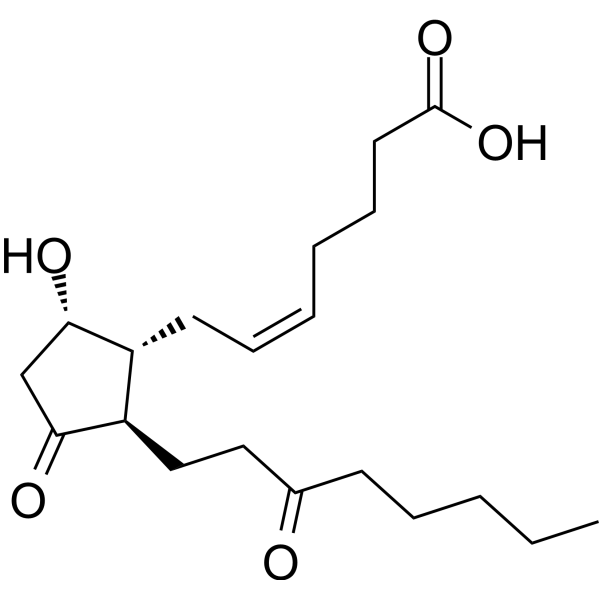
13,14-Dihydro-15-keto prostaglandin D2 (DK-PGD2; 15-Oxo-13,14-dihydro-PGD2; 13,14-Dihydro-15-keto-PGD2) is a metabolite of Prostaglandin D2 (HY-101988) and acts as a CRTH2 agonist. 13,14-Dihydro-15-keto-prostaglandin D2 exhibits binding activity to CRTH2, induces cellular calcium signaling flux, and mediates eosinophilia in vivo. 13,14-Dihydro-15-keto-prostaglandin D2 activates the CRTH2 receptor, triggering Gi-dependent intracellular calcium mobilization and promoting the migration and recruitment of leukocytes from bone marrow to peripheral blood in vivo. 13,14-Dihydro-15-keto prostaglandin D2 is used in research on inflammation-related diseases, such as bronchial asthma .
loading...
    loading...

