546 Results for "

left ventricular mass

" in MedChemExpress (MCE) Product Catalog:
Products (546)

546 Results for "left ventricular mass" in MCE Product Catalog:

72
72 Publications Verification
Cat. No.: HY-13443
CAS No.: 141758-74-9
Purity:  99.95%
Synonyms: Exenatide
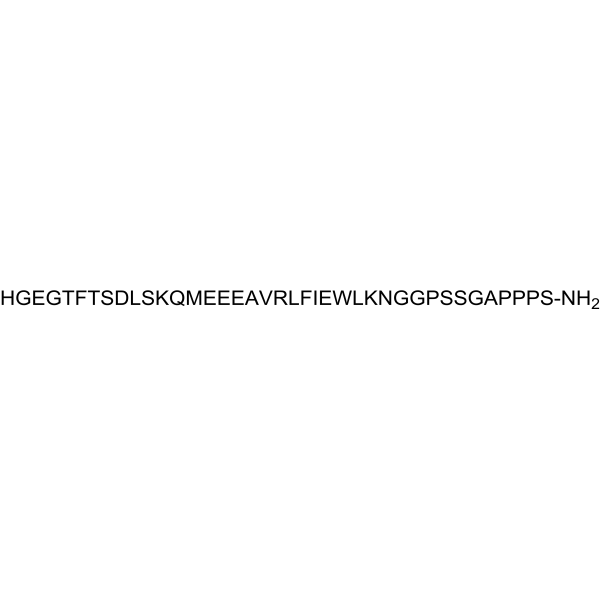
Exendin‑4 (Exenatide) is an orally active, blood-brain barrier-permeable glucagon-like peptide-1 receptor (GLP‑1 receptor) agonist that resists degradation mediated by dipeptidyl peptidase IV. Exendin‑4 mediates multiple glucose-regulating effects, including stimulation of glucose-dependent insulin secretion, inhibition of glucagon production, increase in β-cell mass, delay of gastric emptying, reduction of food intake, improvement of peripheral insulin sensitivity, and restoration of normal islet structure. Exendin‑4 inhibits oxidative stress, alleviates inflammatory responses, and reduces neuronal apoptosis. Exendin‑4 reduces the aggregation level of mutant huntingtin, improves motor function, prolongs survival time, and regulates the expression levels of leptin and ghrelin. Exendin‑4 can be used in research related to type 2 diabetes, acute ischemic stroke, and Huntington's disease .
loading...
    loading...
72
72 Publications Verification
Cat. No.: HY-13443A
CAS No.: 914454-01-6
Purity:  99.91%
Synonyms: Exenatide acetate
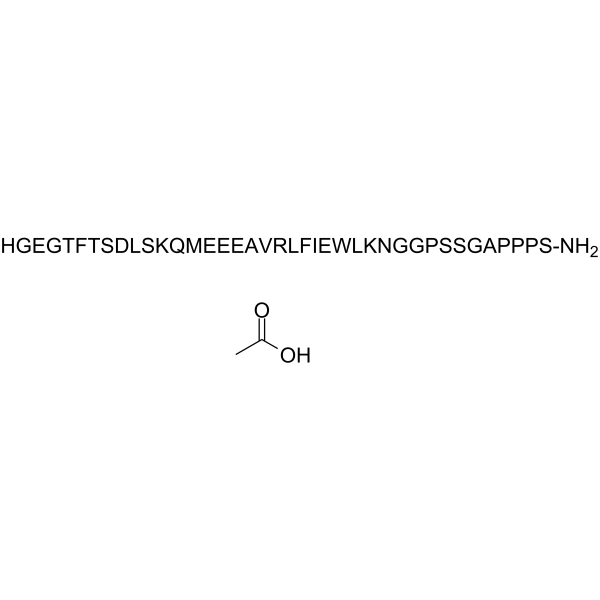
Exendin-4 acetate (Exenatide acetate) is an orally active, blood-brain barrier-permeable glucagon-like peptide-1 receptor (GLP‑1 receptor) agonist that resists degradation mediated by dipeptidyl peptidase IV. Exendin-4 acetate mediates multiple glucose-regulating effects, including stimulation of glucose-dependent insulin secretion, inhibition of glucagon production, increase in β-cell mass, delay of gastric emptying, reduction of food intake, improvement of peripheral insulin sensitivity, and restoration of normal islet structure. Exendin-4 acetate inhibits oxidative stress, alleviates inflammatory responses, and reduces neuronal apoptosis. Exendin-4 acetate reduces the aggregation level of mutant huntingtin, improves motor function, prolongs survival time, and regulates the expression levels of leptin and ghrelin. Exendin-4 acetate can be used in research related to type 2 diabetes, acute ischemic stroke, and Huntington's disease .
loading...
    loading...
65
65 Cited Publications
Cat. No.: HY-112654
CAS No.: 2183470-12-2
Purity:  99.83%
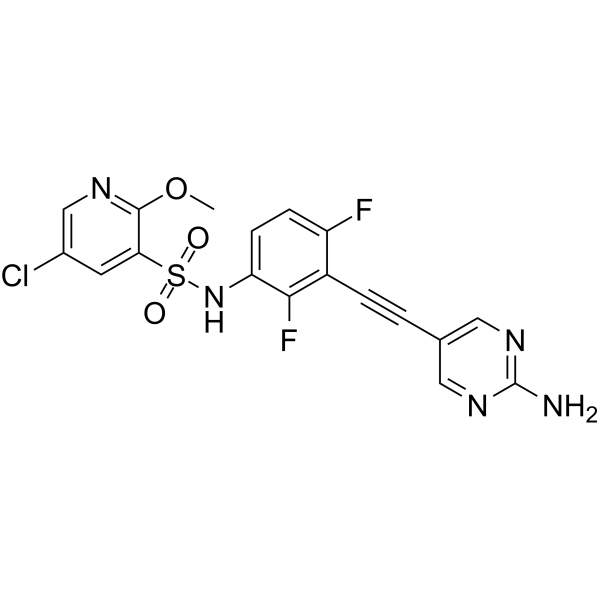
GCN2iB is an ATP-competitive, selective GCN2 inhibitor with an IC50 of 2.4 nM. GCN2iB inhibits the activation of the GCN2 pathway and upregulates GPX4. GCN2iB enhances the anticancer effect of ASNase against acute lymphoblastic leukemia. GCN2iB increases left ventricular ejection fraction, while reducing fasting blood glucose and myocardial fibrosis. GCN2iB can be used in research related to acute lymphoblastic leukemia, acute myeloid leukemia and diabetic cardiomyopathy .
loading...
    loading...
38
38 Cited Publications
Cat. No.: HY-112288
CAS No.: 432001-19-9
Purity:  99.90%
Synonyms: TTI-101
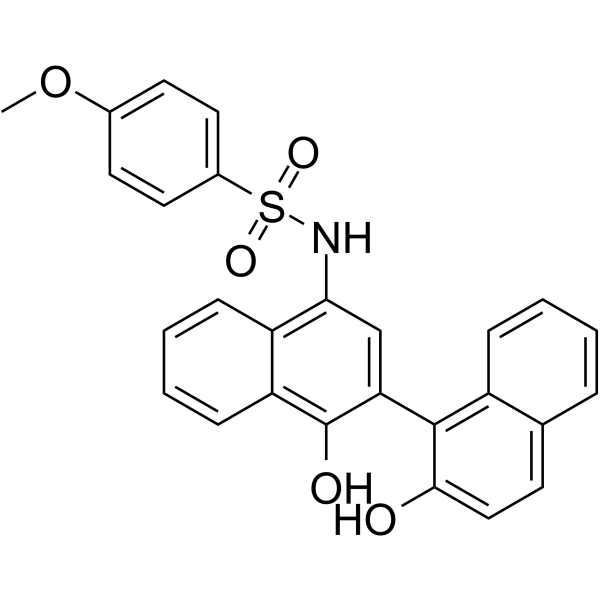
C188-9 (TTI-101) is a STAT3 inhibitor with a Kd value of 4.7 nM. C188-9 targets the SH2 domain of STAT3, blocks the processes of STAT3 ligand binding, receptor recruitment, homodimerization and phosphorylation, and regulates STAT3-mediated genes associated with tumorigenesis and radioresistance. C188-9 regulates STAT1-mediated genes related to radioresistance and reduces the activation level of STAT1. C188-9 downregulates the expression of DNMT1, enhances DAC-induced demethylation and re-expression of RASSF1A, and simultaneously potentiates the anti-tumor effect of DAC on pancreatic cancer cells. C188-9 inhibits both anchorage-dependent and anchorage-independent growth of cancer cells, induces Apoptosis, blocks the growth of tumor xenografts, and suppresses muscle atrophy. C188-9 maintains muscle mass, increases body weight and improves grip strength in tumor-bearing mice. C188-9 can be used in research related to head and neck squamous cell carcinoma, pancreatic cancer, sepsis-related skeletal muscle wasting, non-small cell lung cancer, acute myeloid leukemia and cancer cachexia .
loading...
    loading...
36
36 Cited Publications
Cat. No.: HY-N0088
CAS No.: 498-02-2
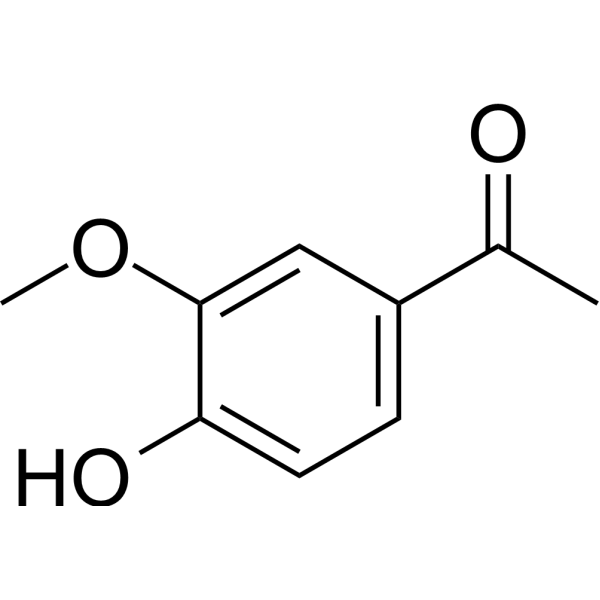
Synonyms: Acetovanillone
Apocynin is a selective NADPH-oxidase inhibitor with an IC50 of 10 μM . Apocynin improves acute lung inflammation in Carrageenan (HY-125474)-induced pleurisy mice model . Apocynin can also be used for cancer research . Apocynin reverses the aging process in mesenchymal stem cells to promote osteogenesis and increases bone mass .
loading...
    loading...
27
27 Cited Publications
Cat. No.: HY-13207
CAS No.: 960374-59-8
Purity:  99.72%
Synonyms: PR-957
Target:  

Proteasome Bacterial HIV

Research Areas:  

Infection Inflammation/Immunology

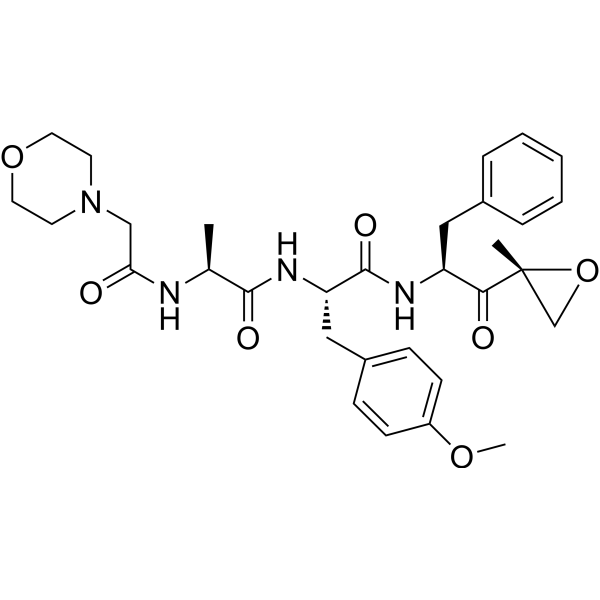
ONX-0914 (PR-957) is a selective inhibitor of low-molecular mass polypeptide-7 (LMP7), the chymotrypsin-like subunit of the immunoproteasome. ONX-0914 blocks cytokine production and attenuates progression of experimental arthritis. ONX-0914 is a noncompetitive irreversible inhibitor of the mycobacterial proteasome (Ki=5.2 μM). ONX-0914 reactivates latent HIV-1 through p-TEFb activation mediated by HSF-1 .
loading...
    loading...
27
27 Cited Publications
Cat. No.: HY-13207A
Purity:  98.01%
Synonyms: PR-957 TFA
Target:  

Proteasome Bacterial HIV

Research Areas:  

Infection Inflammation/Immunology

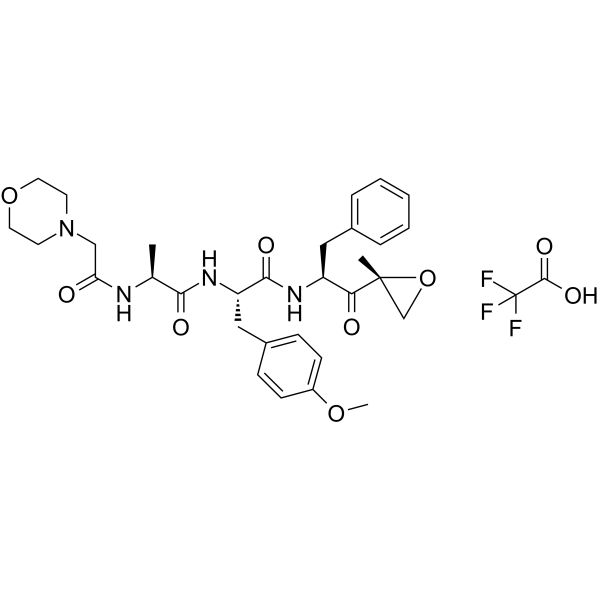
ONX-0914 (PR-957) TFA is a selective inhibitor of low-molecular mass polypeptide-7 (LMP7), the chymotrypsin-like subunit of the immunoproteasome. ONX-0914 TFA blocks cytokine production and attenuates progression of experimental arthritis. ONX-0914 TFA is a noncompetitive irreversible inhibitor of the mycobacterial proteasome (Ki=5.2 μM). ONX-0914 TFA reactivates latent HIV-1 through p-TEFb activation mediated by HSF-1 .
loading...
    loading...
23
23 Cited Publications
Cat. No.: HY-B0185
CAS No.: 137-58-6
Synonyms: Lignocaine
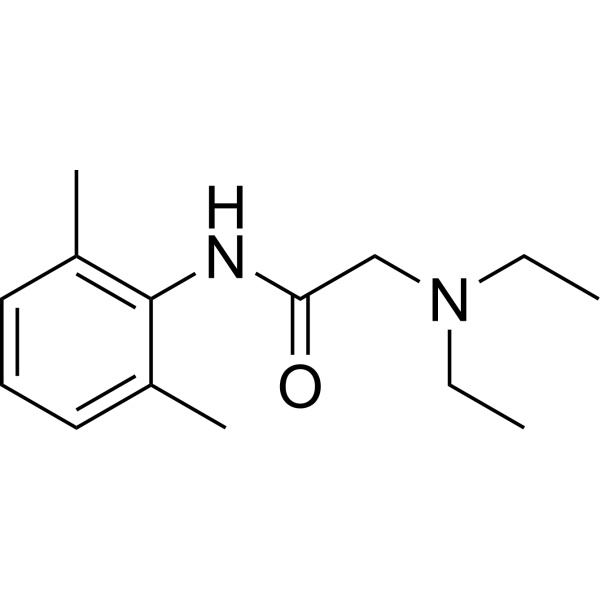
Lidocaine (Lignocaine) inhibits sodium channels involving complex voltage and using dependence . Lidocaine decreases growth, migration and invasion of gastric carcinoma cells via up-regulating miR-145 expression and further inactivation of MEK/ERK and NF-κB signaling pathways. Lidocaine is an amide derivative and has potential for the research of ventricular arrhythmia .
loading...
    loading...
23
23 Cited Publications
Cat. No.: HY-B0185B
CAS No.: 6108-05-0
Synonyms: Lignocaine hydrochloride hydrate
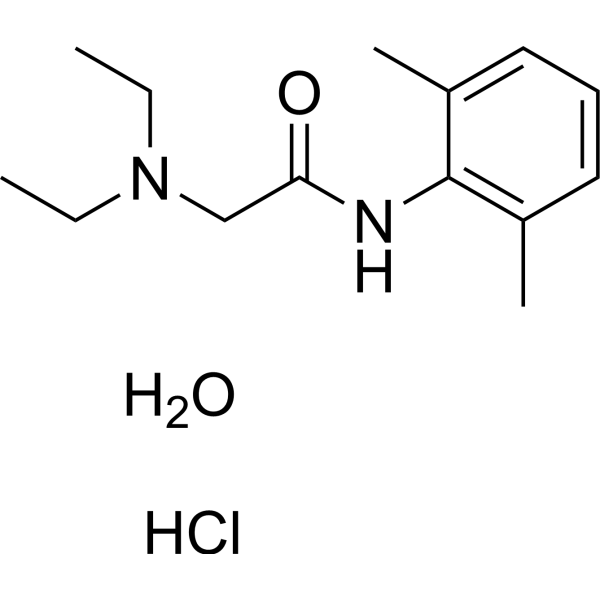
Lidocaine (Lignocaine) hydrochloride hydrate inhibits sodium channels involving complex voltage and using dependence. Lidocaine hydrochloride hydrate decreases growth, migration and invasion of gastric carcinoma cells via up-regulating miR-145 expression and further inactivation of MEK/ERK and NF-κB signaling pathways. Lidocaine hydrochloride hydrate is an amide derivative and has potential for the research of ventricular arrhythmia .
loading...
    loading...
23
23 Cited Publications
Cat. No.: HY-B0185A
CAS No.: 73-78-9
Synonyms: Lignocaine hydrochloride
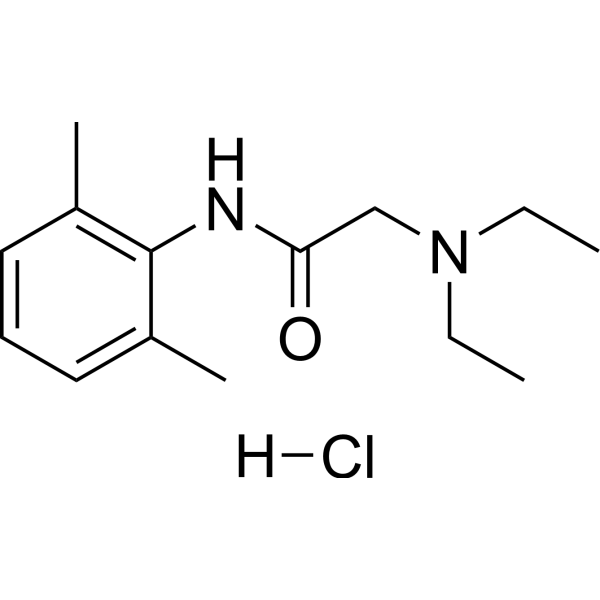
Lidocaine hydrochloride (Lignocaine hydrochloride) inhibits sodium channels involving complex voltage and using dependence . Lidocaine hydrochloride decreases growth, migration and invasion of gastric carcinoma cells via up-regulating miR-145 expression and further inactivation of MEK/ERK and NF-κB signaling pathways. Lidocaine hydrochloride is an amide derivative and a agent to treat ventricular arrhythmia and an effective tumor-inhibitor .
loading...
    loading...
21
21 Cited Publications
Cat. No.: HY-17498
CAS No.: 29122-68-7
Synonyms: (RS)-Atenolol
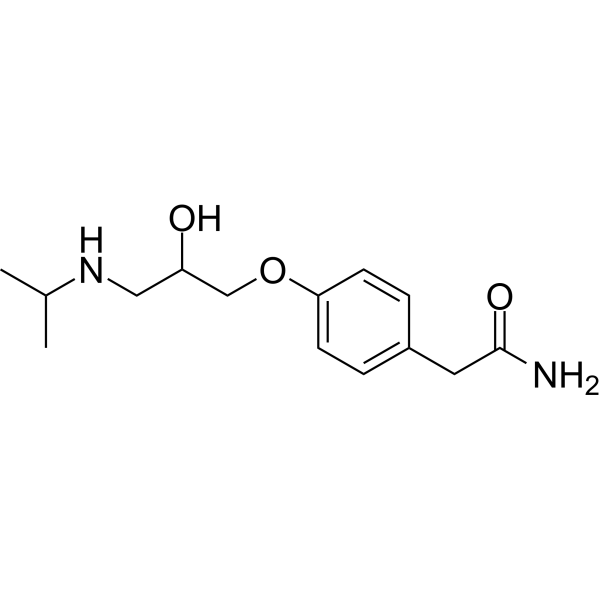
Atenolol ((RS)-Atenolol) is a cardioselective β1-adrenergic receptor blocker, with a Ki of 697 nM at β1-adrenoceptor in guine pig left ventricle membrane. Atenolol can be used for the research of hypertension and angina pectoris .
loading...
    loading...
14
14 Cited Publications
Cat. No.: HY-18347A
CAS No.: 168626-94-6
Synonyms: YM 087
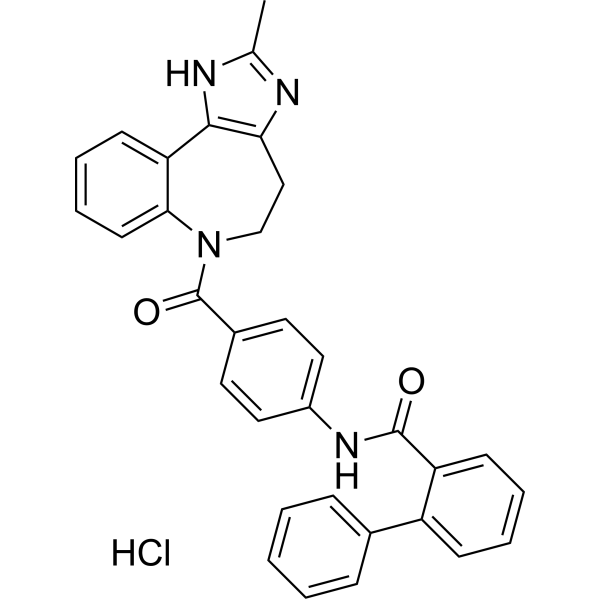
Conivaptan hydrochloride (YM 087) is an orally active dual vasopressin V1a/V2 receptor antagonist with Ki values of 0.48 nM and 3.04 nM for vasopressin V1a receptor and V2 receptor, respectively. Conivaptan hydrochloride competitively and reversibly blocks vasopressin-mediated antidiuresis, vasoconstriction, and cellular hypertrophy, while inhibiting CYP3A4. Conivaptan hydrochloride inhibits vasopressin-induced intracellular calcium, cAMP, and mitogen-activated kinase activation in vascular smooth muscle cells and cardiomyocytes. Conivaptan hydrochloride induces water diuresis while improving hemodynamics in heart failure models, reducing left ventricular end-diastolic pressure, vascular resistance, and organ weight. Conivaptan hydrochloride is used for research on hyponatremia and congestive heart failure .
loading...
    loading...
14
14 Cited Publications
Cat. No.: HY-B0331
CAS No.: 75847-73-3
Synonyms: MK-421
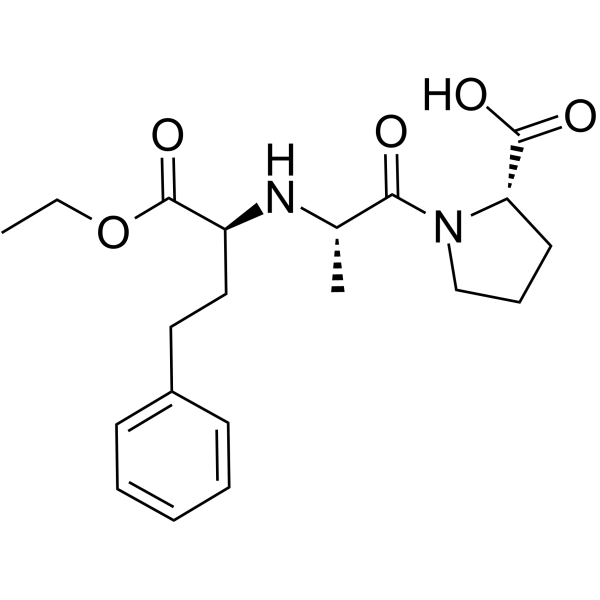
Enalapril (MK-421) is an orally active angiotensin-converting enzyme inhibitor. Enalapril blocks the conversion of angiotensin I to angiotensin II, regulates the renin-angiotensin system, reduces preload and afterload, and decreases plasma angiotensin II levels. Enalapril inhibits apoptosis, reduces nitric oxide metabolite levels, stabilizes endothelial cells, enhances endothelial antioxidant defense, scavenges reactive oxygen species (ROS), and alleviates neuronal damage. Enalapril attenuates glutathione depletion, protein/lipid oxidation, tissue damage, and type III collagen immunolabeling in organs of diabetic rats. Enalapril reduces systolic blood pressure and urinary albumin excretion, and delays the progression of diabetic cardiac/renal injury. Enalapril is used in research related to asymptomatic left ventricular dysfunction, congestive heart failure, Alzheimer's disease, diabetes mellitus, acute myocardial infarction, atrial fibrillation, hypertension, cerebral ischemia, chronic heart failure, and single-ventricle physiology .
loading...
    loading...
14
14 Cited Publications
Cat. No.: HY-B0331A
CAS No.: 76095-16-4
Synonyms: MK-421 maleate
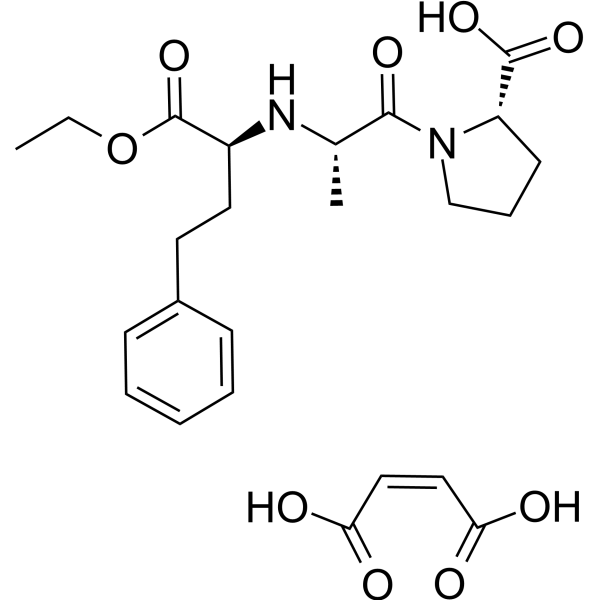
Enalapril maleate (MK-421 maleate) is an orally active angiotensin-converting enzyme inhibitor. Enalapril maleate blocks the conversion of angiotensin I to angiotensin II, regulates the renin-angiotensin system, reduces preload and afterload, and decreases plasma angiotensin II levels. Enalapril maleate inhibits apoptosis, reduces nitric oxide metabolite levels, stabilizes endothelial cells, enhances endothelial antioxidant defense, scavenges reactive oxygen species (ROS), and alleviates neuronal damage. Enalapril maleate attenuates glutathione depletion, protein/lipid oxidation, tissue damage, and type III collagen immunolabeling in organs of diabetic rats. Enalapril maleate reduces systolic blood pressure and urinary albumin excretion, and delays the progression of diabetic cardiac/renal injury. Enalapril maleate is used in research related to asymptomatic left ventricular dysfunction, congestive heart failure, Alzheimer's disease, diabetes mellitus, acute myocardial infarction, atrial fibrillation, hypertension, cerebral ischemia, chronic heart failure, and single-ventricle physiology .
loading...
    loading...
14
14 Cited Publications
Cat. No.: HY-107641
CAS No.: 28166-41-8
Purity:  99.92%
Synonyms: α-Cyano-4-hydroxycinnamate
Research Areas:  

Metabolic Disease

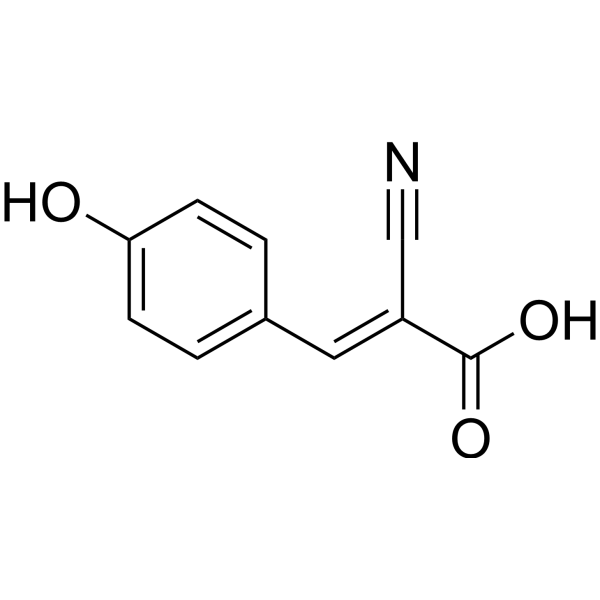
α-Cyano-4-hydroxycinnamic acid (α-Cyano-4-hydroxycinnamate) is a potent and non-competitive inhibitor of monocarboxylate transporters (MCTs). α-Cyano-4-hydroxycinnamic acid inhibits mitochondrial pyruvate transporter with a Ki of 6.3 μM. α-Cyano-4-hydroxycinnamic acid is used as a matrix to facilitate peptide ionization in matrix-assisted laser desorption/ionization time-of-flight (MALDI-TOF) mass spectrometry applications .
loading...
    loading...
13
13 Cited Publications
Cat. No.: HY-14187
CAS No.: 1951-25-3
Purity:  98.32%
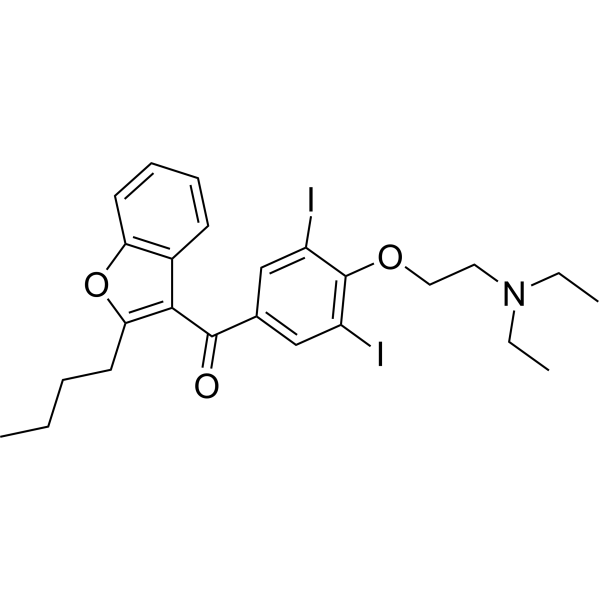
Amiodarone, a benzofuran-based Class III antiarrhythmic agent, inhibits WT outward ionic current (IhERG) tails with an IC50 of ∼45 nM . Amiodarone induces cell proliferation and myofibroblast differentiation via ERK1/2 and p38 MAPK signaling in fibroblasts . Amiodarone can be used in the research of both supraventricular and ventricular arrhythmias .
loading...
    loading...
13
13 Cited Publications
Cat. No.: HY-14188
CAS No.: 19774-82-4
Purity:  99.86%
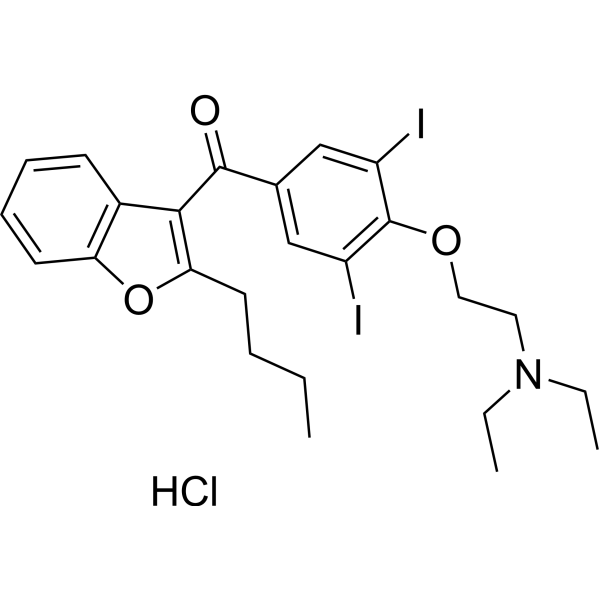
Amiodarone hydrochloride, a benzofuran-based Class III antiarrhythmic agent, inhibits WT outward ionic current (IhERG) tails with an IC50 of ∼45 nM . Amiodarone hydrochloride induces cell proliferation and myofibroblast differentiation via ERK1/2 and p38 MAPK signaling in fibroblasts . Amiodarone hydrochloride can be used in the research of both supraventricular and ventricular arrhythmias .
loading...
    loading...
10
10 Cited Publications
Cat. No.: HY-P7120
Purity:  ≥ 95%, as determined by reducing SDS-PAGE.
Synonyms: TGFB3; Transforming Growth Factor, Beta 3; Prev. ARVD1; Transforming Growth Factor Beta; Prev. ARVD; TGF-Beta3; Transforming Growth Factor Beta-3 Proprotein; LDS5; Prepro-Transforming Growth Factor Beta-3; RNHF; Arrhythmogenic Right ventricular Dysplasia
Species:  
Human
Source:  
HEK293
loading...
    loading...
9
9 Cited Publications
Cat. No.: HY-12593
CAS No.: 1262618-39-2
Purity:  99.55%
Target:  

Sodium Channel

Research Areas:  

Cardiovascular Disease

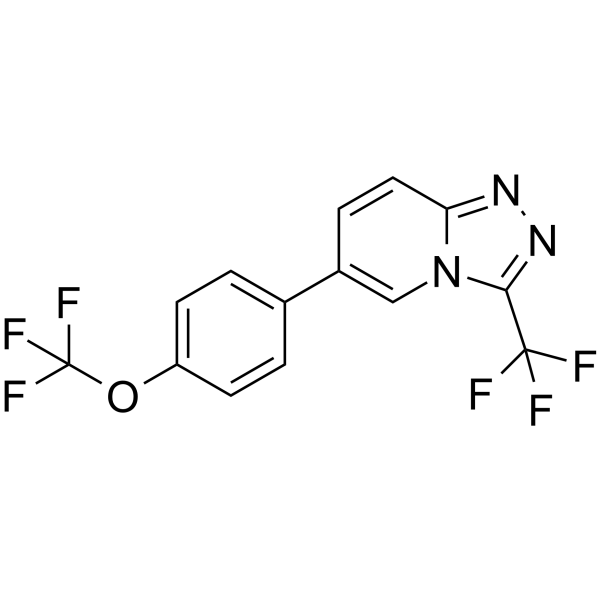
GS967 (GS-458967) is a potent, and selective inhibitor of cardiac late sodium current (late INa ) with IC50 values of 0.13 and 0.21 μM for ventricular myocytes and isolated hearts, respectively.
loading...
    loading...
9
9 Cited Publications
Cat. No.: HY-117275
CAS No.: 644-62-2
Purity:  99.66%
Synonyms: Meclofenamate
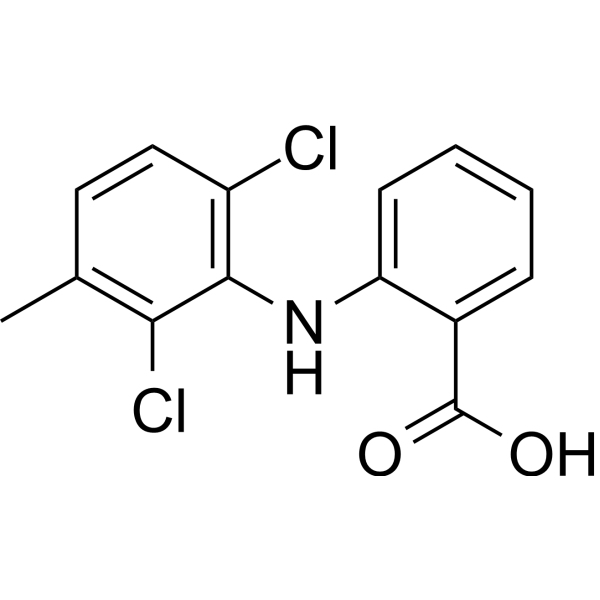
Meclofenamic acid (Meclofenamate) is a non-steroidal anti-inflammatory agent. Meclofenamic acid is a highly selective FTO (fat mass and obesity-associated) enzyme inhibitor. Meclofenamic acid competes with FTO binding for the m(6)A-containing nucleic acid. Meclofenamic acid is a non-selective gap-junction blocker. Meclofenamic acid inhibits hKv2.1 and hKv1.1, with IC50 values of 56.0 and 155.9 μM, respectively .
loading...
    loading...

