160 Results for "

ligand-binding

" in MedChemExpress (MCE) Product Catalog:
Products (160)

160 Results for "ligand-binding" in MCE Product Catalog:
57
57 Publications Verification
Cat. No.: HY-13956
CAS No.: 111025-46-8
Purity:  99.89%
Synonyms: U 72107
Target:  

PPAR Ferroptosis

Research Areas:  

Metabolic Disease Cancer

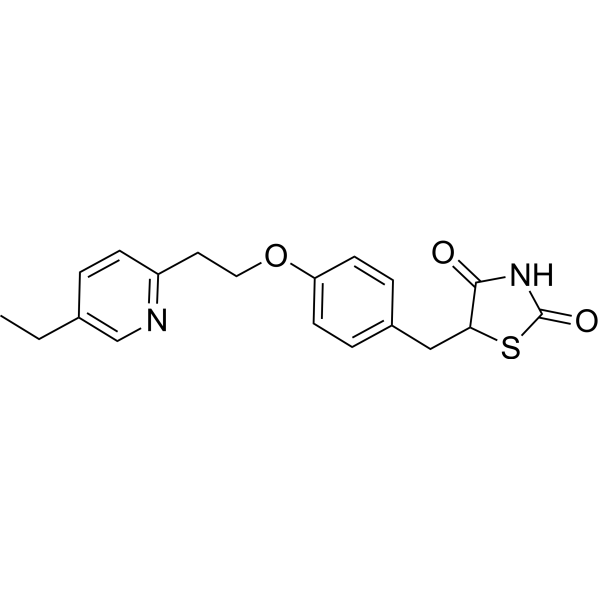
Pioglitazone (U 72107) is an orally active and selective PPARγ (peroxisome proliferator-activated receptor) agonist with high affinity binding to the PPARγ ligand-binding domain with EC50 of 0.93 and 0.99 μM for human and mouse PPARγ, respectively. Pioglitazone can be used in diabetes research .
loading...
    loading...
38
38 Cited Publications
Cat. No.: HY-112288
CAS No.: 432001-19-9
Purity:  99.90%
Synonyms: TTI-101
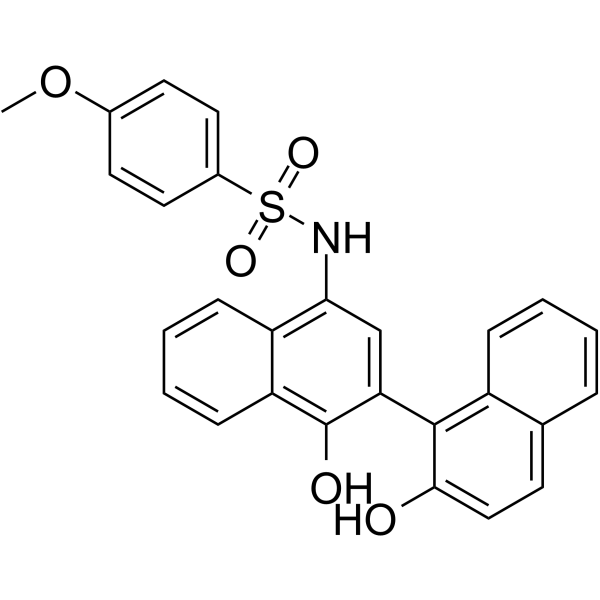
C188-9 (TTI-101) is a STAT3 inhibitor with a Kd value of 4.7 nM. C188-9 targets the SH2 domain of STAT3, blocks the processes of STAT3 ligand binding, receptor recruitment, homodimerization and phosphorylation, and regulates STAT3-mediated genes associated with tumorigenesis and radioresistance. C188-9 regulates STAT1-mediated genes related to radioresistance and reduces the activation level of STAT1. C188-9 downregulates the expression of DNMT1, enhances DAC-induced demethylation and re-expression of RASSF1A, and simultaneously potentiates the anti-tumor effect of DAC on pancreatic cancer cells. C188-9 inhibits both anchorage-dependent and anchorage-independent growth of cancer cells, induces Apoptosis, blocks the growth of tumor xenografts, and suppresses muscle atrophy. C188-9 maintains muscle mass, increases body weight and improves grip strength in tumor-bearing mice. C188-9 can be used in research related to head and neck squamous cell carcinoma, pancreatic cancer, sepsis-related skeletal muscle wasting, non-small cell lung cancer, acute myeloid leukemia and cancer cachexia .
loading...
    loading...
16
16 Cited Publications
Cat. No.: HY-14422
CAS No.: 1246525-60-9
Purity:  99.75%
Target:  

ROR

Research Areas:  

Cancer

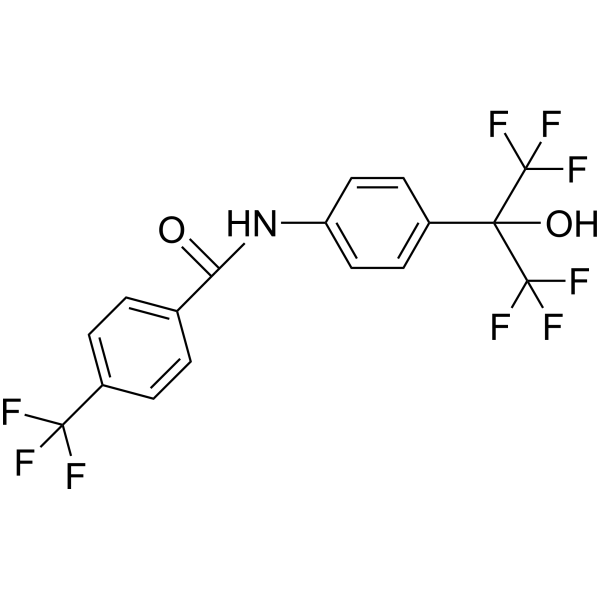
SR1078 is a selective agonist of retinoic acid receptor-related orphan receptor α/γ (RORα/RORγ). SR1078 directly binds to the ligand binding domain of RORα and RORγ and increases the transcriptional activity of these receptors, leading to stimulation of RORα/γ target gene transcription .
loading...
    loading...
12
12 Cited Publications
Cat. No.: HY-B1322
CAS No.: 6398-98-7
Synonyms: Amodiaquin dihydrochloride dihydrate
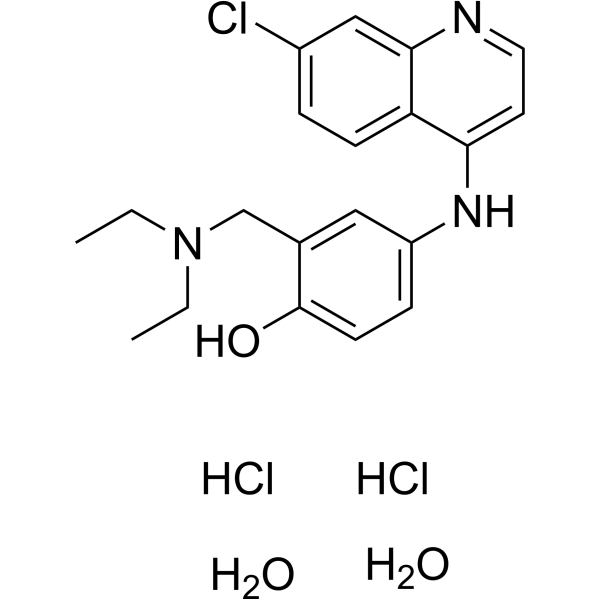
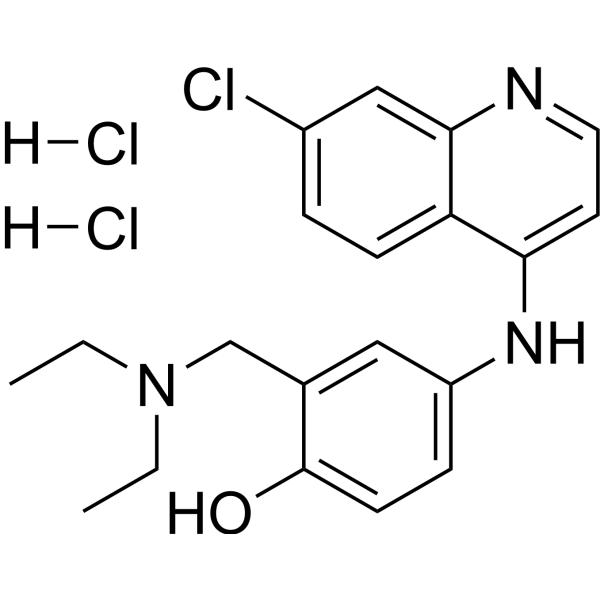
Amodiaquine dihydrochloride dihydrate (Amodiaquin dihydrochloride dihydrate), a 4-aminoquinoline class of antimalarial agent, is a potent and orally active histamine N-methyltransferase inhibitor. Amodiaquine dihydrochloride dihydrate is also a Nurr1 agonist and specifically binds to Nurr1-LBD (ligand binding domain) with an EC50 of ~20 μM. Anti-inflammatory effect .
loading...
    loading...
12
12 Cited Publications
Cat. No.: HY-B1322A
CAS No.: 86-42-0
Synonyms: Amodiaquin
Amodiaquine (Amodiaquin), a 4-aminoquinoline class of antimalarial agent, is a potent and orally active histamine N-methyltransferase inhibitor. Amodiaquine is also a Nurr1 agonist and specifically binds to Nurr1-LBD (ligand binding domain) with an EC50 of ~20 μM. Anti-inflammatory effect .
loading...
    loading...
12
12 Cited Publications
Cat. No.: HY-B1322B
CAS No.: 69-44-3
Synonyms: Amodiaquin dihydrochloride
Amodiaquine dihydrochloride (Amodiaquin dihydrochloride), a 4-aminoquinoline class of antimalarial agent, is a potent and orally active histamine N-methyltransferase inhibitor with a Ki of 18.6 nM. Amodiaquine dihydrochloride is also a Nurr1 agonist and specifically binds to Nurr1-LBD (ligand binding domain) with an EC50 of ~20 μM. Anti-inflammatory effect .
loading...
    loading...
7
7 Cited Publications
Cat. No.: HY-N0010
CAS No.: 27741-01-1
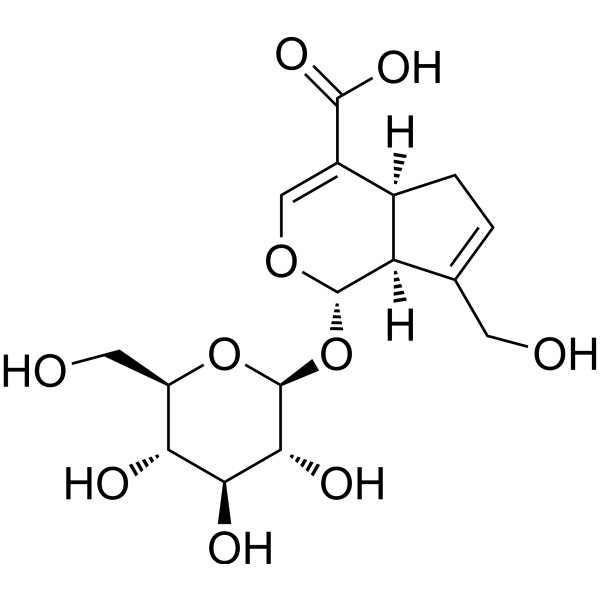
Geniposidic acid is an orally active FXR modulator and SIRT6 activator. Geniposidic acid binds to the Ser332 and His447 sites on the FXR ligand-binding domain, thereby driving nuclear translocation, coactivator recruitment, and transcription of downstream bile acid and cholesterol metabolism-related genes. Geniposidic acid improves metabolic dysfunction-related fatty liver disease by activating the SIRT6 signaling pathway. Geniposidic acid inhibits inflammation and modulates gut microbiota to alleviate colitis. Geniposidic acid can be used in research on drug-induced liver injury, inflammatory bowel disease, metabolic dysfunction-related fatty liver disease, and metabolic dysfunction-related steatohepatitis .
loading...
    loading...
7
7 Cited Publications
Cat. No.: HY-18102
CAS No.: 1215085-92-9
Target:  

Androgen Receptor

Research Areas:  

Neurological Disease

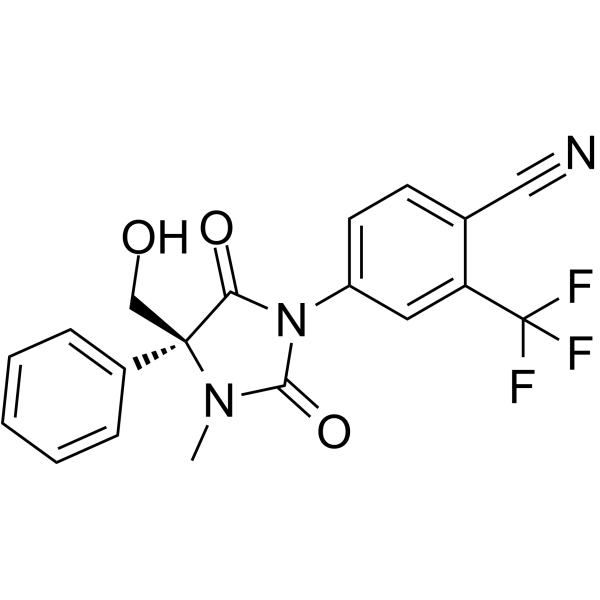
GLPG0492 is an orally active, non-steroidal selective androgen receptor modulator. GLPG0492 exerts functional transactivation by binding to the ligand-binding domain of the receptor, exhibiting preferential partial agonist activity in muscle and bone tissues with low activity in reproductive tissues. GLPG0492 effectively counteracts muscle atrophy-related pathways, significantly enhances muscle strength, maintains motor ability, reduces fibrosis and improves electrophysiological parameters. GLPG0492 prevents immobilization-induced muscle atrophy and regulates muscle mass homeostasis, serving as a valuable tool compound for studies on Duchenne muscular dystrophy, muscle loss and various types of disuse musculoskeletal atrophy .
loading...
    loading...
5
5 Cited Publications
Cat. No.: HY-113329
CAS No.: 543-18-0
Purity:  ≥98.0%
Synonyms: Taurocyamine
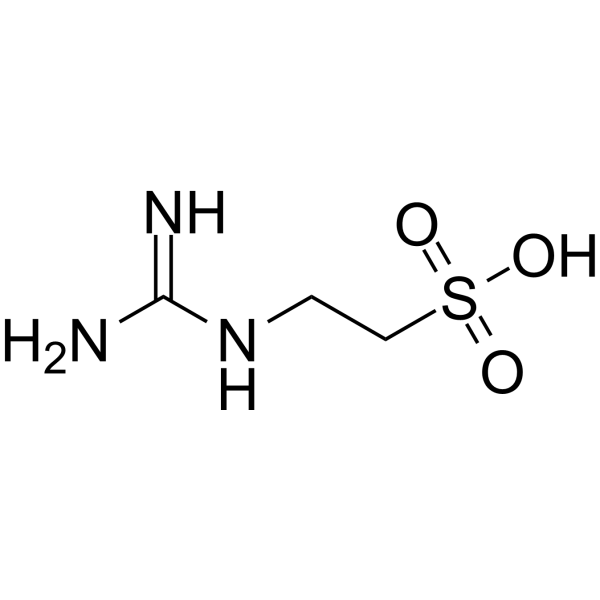
Guanidinoethyl sulfonate (Taurocyamine) is an orally available, blood-brain permeable competitive inhibitor of taurine transporters and a competitive antagonist of glycine receptors (GlyR) (IC50=565 μM). Guanidinoethyl sulfonate has both weak agonist and antagonist effects on GABAA receptors. Guanidinoethyl sulfonate inhibits taurine transmembrane transport and competitively binds to the GlyR ligand binding domain, thereby blocking glycine-mediated chloride influx, and may regulate brain pH to exert neuroprotective effects. Guanidinoethyl sulfonate can be used for neuroprotection studies of ischemic brain injury .
loading...
    loading...
4
4 Cited Publications
Cat. No.: HY-N2025
CAS No.: 57396-78-8
Category:  

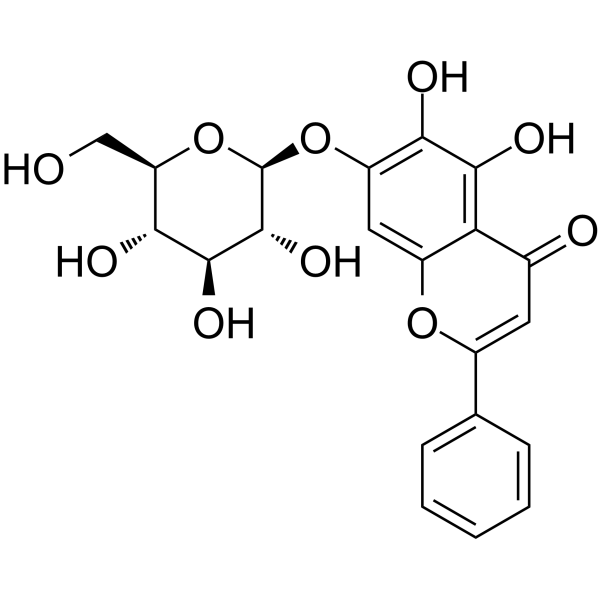
Flavonoids Flavones Metabolic Disease Plants Bignoniaceae Extract 500 - Internal Server Error | MedChemExpress

Oops!

Sorry, Something went wrong on our server.
Our team has been notified and is working to fix the issue.