83 Results for "

light activated

" in MedChemExpress (MCE) Product Catalog:
Products (83)

83 Results for "light activated" in MCE Product Catalog:
25
25 Publications Verification
Cat. No.: HY-15417
CAS No.: 110448-33-4
Purity:  99.60%
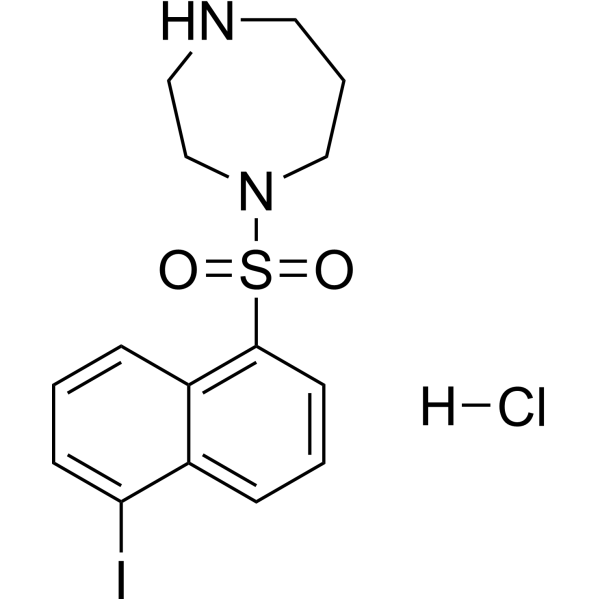
ML-7 hydrochloride is a selective and highly specific myosin light chain kinase (MLCK) inhibitor that acts as a trabecular meshwork (TM) relaxant. ML-7 hydrochloride enhances Quinocetone (HY-123581)-induced phosphorylation of ERK, p38 MAPK and JNK, attenuates Akt activation, and promotes apoptosis of hepatocellular carcinoma cells. ML-7 hydrochloride reduces Th2 cytokine secretion by inhibiting MLCK, while alleviating smooth muscle hyperplasia and collagen deposition . As a non-antibiotic adjuvant, ML-7 hydrochloride restores the sensitivity of drug-resistant bacteria to Tigecycline (HY-B0117) . ML-7 hydrochloride can be used in research related to glaucoma, hepatocellular carcinoma, asthma, and Klebsiella pneumoniae infection .
loading...
    loading...
24
24 Cited Publications
Cat. No.: HY-B1247
CAS No.: 553-12-8
Synonyms: PPIX
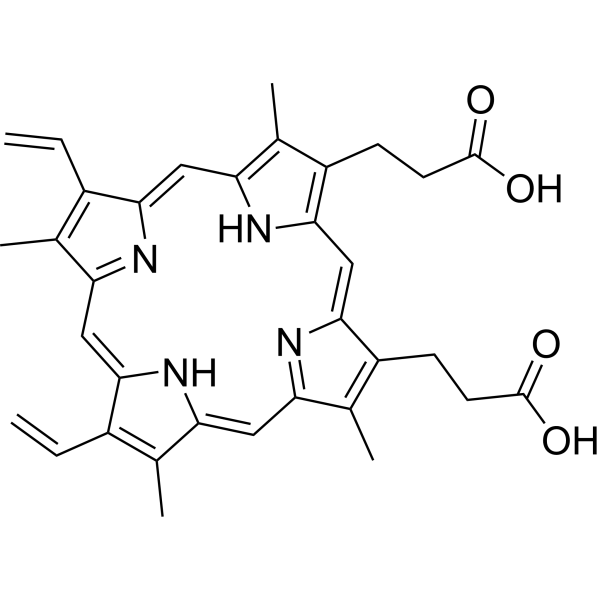
Protoporphyrin IX is a final intermediate in the heme biosynthetic pathway, which acts as a radiation sensitizer enhancing ROS generation even in a hypoxic state and inducing DNA damage. Protoporphyrin IX also acts as a photo sensitizer undergoing photobleaching that occurs through direct degradation by light irradiation. Protoporphyrin IX is formed and accumulated following 5-aminolevulinic acid (5-ALA) (HY-W000450) administration in the tumor cells of rats. Protoporphyrin IX causes selective improvement of basal cell carcinoma when activated red fluorescence of a peak wavelength at 405 nm. Protoporphyrin IX is promising for research of sonodynamic and photodynamic agents for a wide range of cancers, such as bladder cancer and nodular basal cell carcinoma .
loading...
    loading...
24
24 Cited Publications
Cat. No.: HY-B1247A
CAS No.: 50865-01-5
Synonyms: PPIX disodium
Target:  

Endogenous Metabolite

Research Areas:  

Cancer

Protoporphyrin IX disodium is a final intermediate in the heme biosynthetic pathway, which acts as a radiation sensitizer enhancing ROS generation even in a hypoxic state and inducing DNA damage. Protoporphyrin IX disodium also acts as a photo sensitizer undergoing photobleaching that occurs through direct degradation by light irradiation. Protoporphyrin IX disodium is formed and accumulated following 5-aminolevulinic acid (5-ALA) (HY-W000450) administration in the tumor cells of rats. Protoporphyrin IX disodium causes selective improvement of basal cell carcinoma when activated red fluorescence of a peak wavelength at 405 nm. Protoporphyrin IX disodium is promising for research of sonodynamic and photodynamic agents for a wide range of cancers, such as bladder cancer and nodular basal cell carcinoma .
loading...
    loading...
22
22 Cited Publications
Cat. No.: HY-N0305
CAS No.: 5451-09-2
Synonyms: 5-ALA hydrochloride; δ-Aminolevulinic acid hydrochloride; 5-Amino-4-oxopentanoic acid hydrochloride
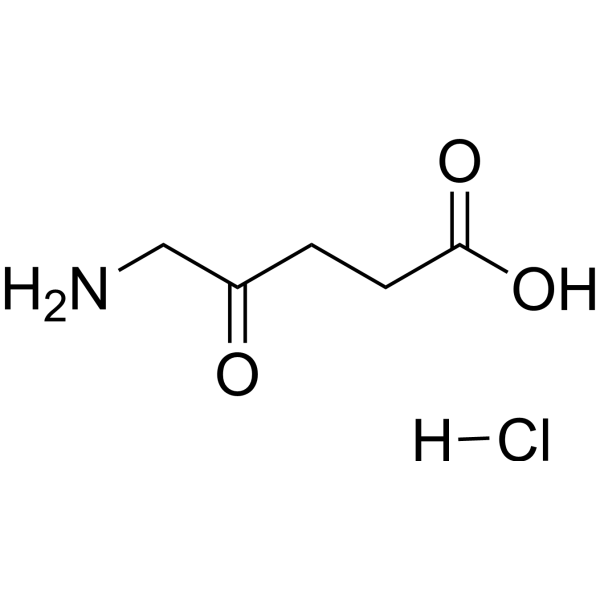
5-Aminolevulinic acid (5-ALA; δ-Aminolevulinic acid; 5-Amino-4-oxopentanoic acid) hydrochloride is an orally active heme precursor. 5-Aminolevulinic acid hydrochloride promotes aerobic energy metabolism and increases ATP levels by enhancing the activity of cytochrome c oxidase. 5-Aminolevulinic acid hydrochloride enhances LPS-induced proinflammatory cytokine production and gene activation, and restores the phagocytic activity and ROS generation capacity of neutrophils. 5-Aminolevulinic acid hydrochloride selectively accumulates protoporphyrin IX in tumor cells; as a photosensitizer and radiosensitizer, it induces ROS burst upon light or X-ray irradiation to inhibit tumor growth. 5-Aminolevulinic acid hydrochloride can be applied to the research of septic shock, melanoma, and cancer radiotherapy .
loading...
    loading...
22
22 Cited Publications
Cat. No.: HY-W000450
CAS No.: 106-60-5
Synonyms: 5-ALA; δ-Aminolevulinic acid; 5-Amino-4-oxopentanoic acid
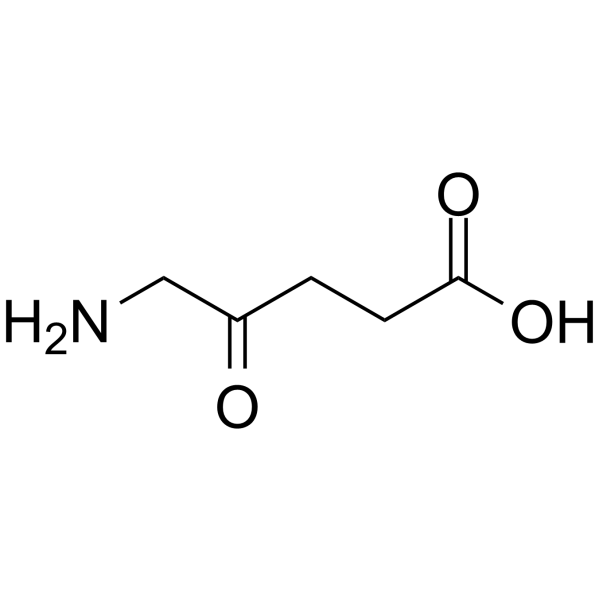
5-Aminolevulinic acid (5-ALA; δ-Aminolevulinic acid; 5-Amino-4-oxopentanoic acid) is an orally active heme precursor. 5-Aminolevulinic acid promotes aerobic energy metabolism and increases ATP levels by enhancing the activity of cytochrome c oxidase. 5-Aminolevulinic acid enhances LPS-induced proinflammatory cytokine production and gene activation, and restores the phagocytic activity and ROS generation capacity of neutrophils. 5-Aminolevulinic acid selectively accumulates protoporphyrin IX in tumor cells; as a photosensitizer and radiosensitizer, it induces ROS burst upon light or X-ray irradiation to inhibit tumor growth. 5-Aminolevulinic acid can be applied to the research of septic shock, melanoma, and cancer radiotherapy .
loading...
    loading...
12
12 Cited Publications
Cat. No.: HY-18676
CAS No.: 2070015-22-2
Research Areas:  

Cancer

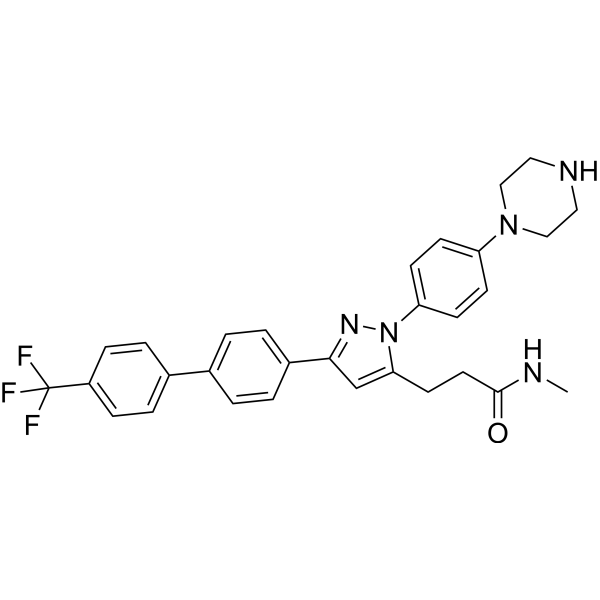
OSU-T315 (ILK-IN-1) is a small Integrin-linked kinase (ILK) inhibitor with an IC50 of 0.6 μM, inhibiting PI3K/AKT signaling by dephosphorylation of AKT-Ser473 and other ILK targets (GSK-3β and myosin light chain) . OSU-T315 abrogates AKT activation by impeding AKT localization in lipid rafts and triggers caspase-dependent apoptosis in an ILK-independent manner . OSU-T315 causes cell death through apoptosis and autophagy .
loading...
    loading...
3
3 Cited Publications
Cat. No.: HY-N6871
CAS No.: 514-10-3
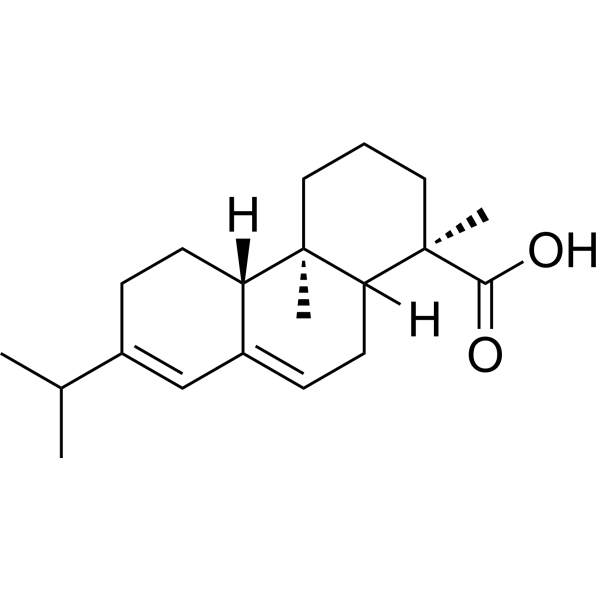
Abietic acid, an orally active diterpene isolated from Colophony, displays significant anti-proliferative, anti-inflammatory, anti-obesity effect, bacteriostatic, cell cycle arresting and pro-apoptotic activities. Abietic acid inhibits lipoxygenase activity for allergy. Abietic acid enhances cell migration and tube formation in HUVECs. Abietic acid induces significant angiogenic potential, which is associated with upregulation of extracellular signal-regulated kinase (ERK) and p38 expression. Abietic acid attenuates sepsis-induced lung injury by inhibiting nuclear factor kappa-light-chain-enhancer of activated B cells (NF-κB) pathway to inhibit M1 macrophage polarization. Abietic acid exhibits a positive effect against liver injury by attenuating inflammation and ferroptosis. Abietic acid shows accelerated wound closure in a mouse model of cutaneous wounds. Abietic acid significantly reduces the proliferation and growth of NSCLC cells by IKKβ inhibition.Additionally, Abietic acid ameliorates psoriasis-like inflammation and modulates gut microbiota in mice. Abietic acid is promising for research in non-small-cell lung cancer (NSCLC), liver injury-related deseases and psoriasis .
loading...
    loading...
1
1 Cited Publications
Cat. No.: HY-107004A
CAS No.: 161262-45-9
Purity:  99.86%
Synonyms: S-59
Research Areas:  

Inflammation/Immunology

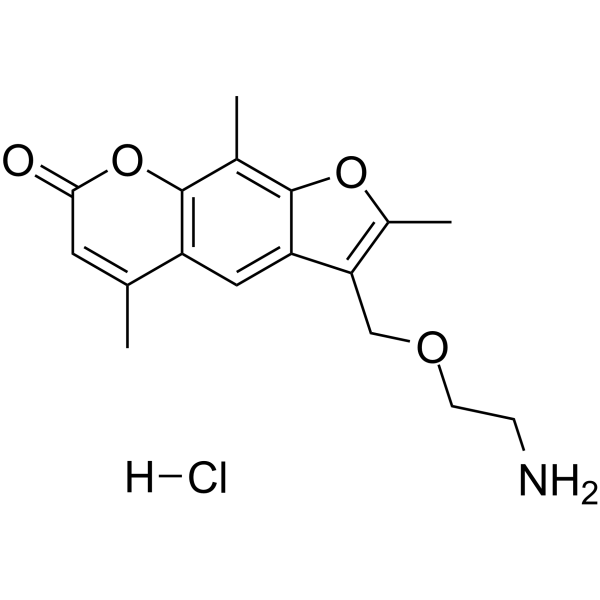
Amotosalen hydrochloride (S-59) is a light-activated, DNA-, RNA-crosslinking psoralen compound, which is used to neutralise pathogens. Light-activated Amotosalen binds and permanently crosslinks DNA, preventing replication and thus stopping proliferation of donor T cells. Amotosalen can be used for the study of blood system pathogen reduction technology and graft-versus-host disease (GVHD) .
loading...
    loading...
1
1 Cited Publications
Cat. No.: HY-12809
CAS No.: 348575-88-2
Purity:  99.81%
Target:  

TRP Channel

Research Areas:  

Neurological Disease

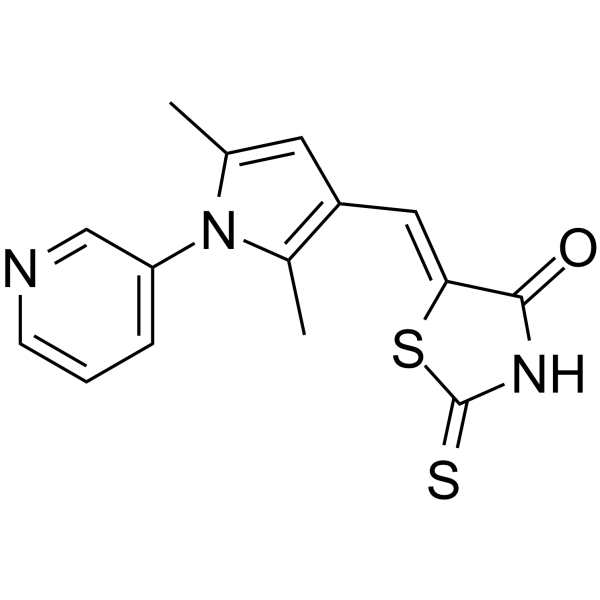
Optovin is a reversible photoactivated TRPA1 ligand that enables light-mediated neuronal excitation. Optovin activates TRPA1 via structure-dependent photochemical reactions with redox-sensitive cysteine residues .
loading...
    loading...
1
1 Cited Publications
Cat. No.: HY-133535
CAS No.: 2093120-32-0
Synonyms: PA-JF646-NHS
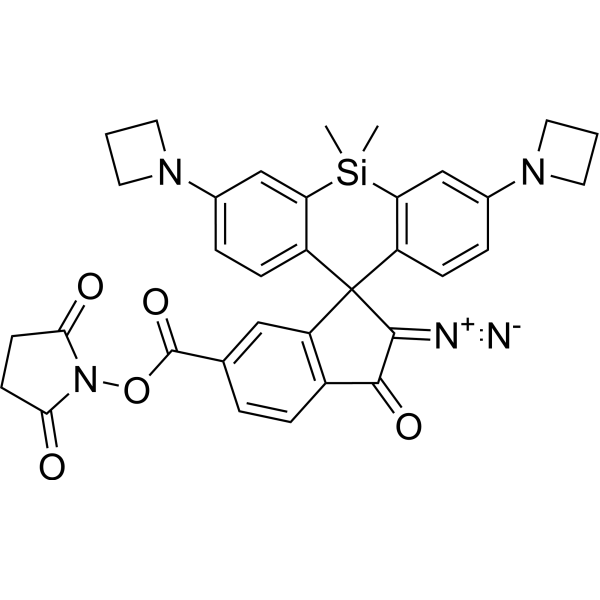
PA Janelia Fluor 646, SE (PA-JF646-NHS) is a photo-activatable fluorescent dye. PA Janelia Fluor 646, SE is a far-red light-excited, 405 nm-activated NHS ester-based dye. Janelia Fluor fluorescent dyes can be chemically conjugated to the specific HaloTag substrate (a chloroalkane ligand) to form a fluorescent ligand, rather than binding directly to the HaloTag protein itself. PA Janelia Fluor 646, SE can achieve extremely low background and single-molecule-level ultra-high-resolution imaging through photo-controlled switching, making it a powerful tool for live cell super-resolution microscopy technology (Ex/Em = 646/664 nm).
loading...
    loading...
1
1 Cited Publications
Cat. No.: HY-114367
CAS No.: 15674-58-5
Purity:  98.83%
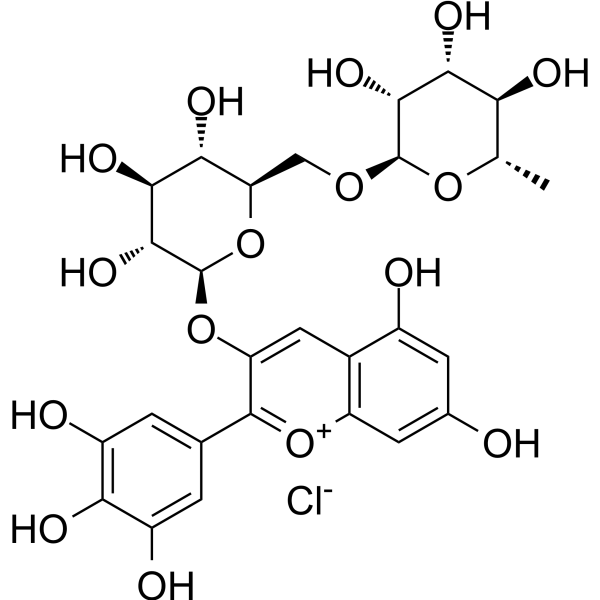
Synonyms: Delphinidin 3-O-rutinoside chloride
Category:  

Anthocyans Flavonoids 500 - Internal Server Error | MedChemExpress

Oops!

Sorry, Something went wrong on our server.
Our team has been notified and is working to fix the issue.