432 Results for "

line

" in MedChemExpress (MCE) Product Catalog:
Products (432)

432 Results for "line" in MCE Product Catalog:

57
57 Publications Verification
Cat. No.: HY-15816A
CAS No.: 1956366-10-1
Purity:  99.89%
Synonyms: BVD-523 hydrochloride; VRT752271 hydrochloride
Target:  

ERK

Research Areas:  

Cancer

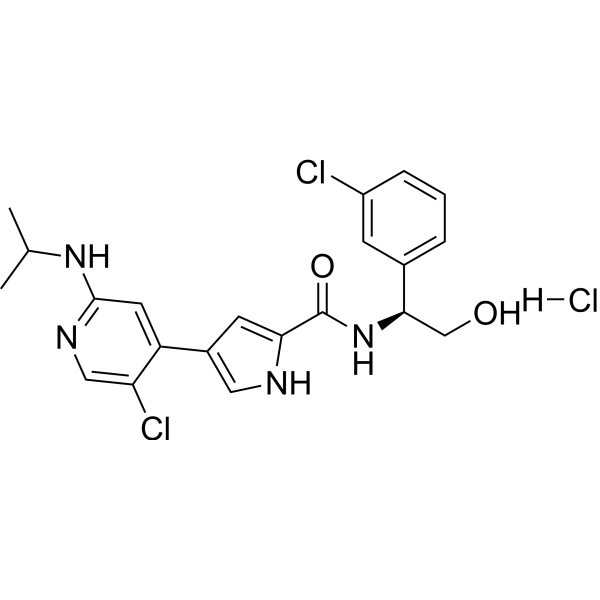
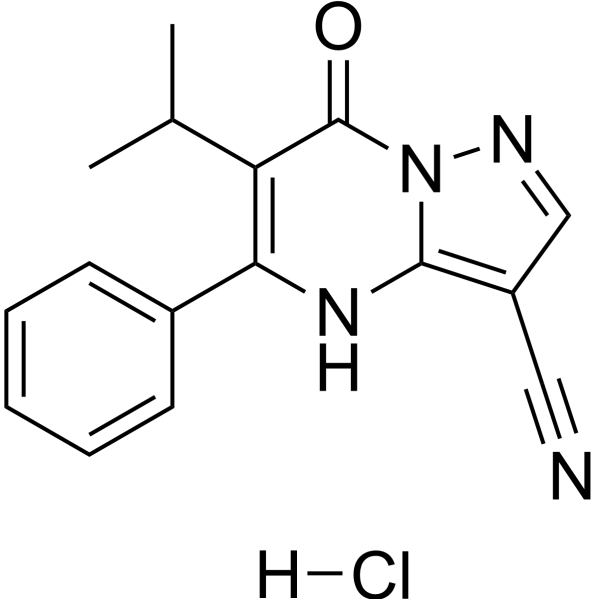
Ulixertinib hydrochloride (BVD-523 hydrochloride) is a potent, orally active, highly selective, ATP-competitive and reversible covalent inhibitor of ERK1/2 kinases, with an IC50 of <0.3 nM against ERK2. Ulixertinib hydrochloride inhibits the phosphorylated ERK2 (pERK) and downstream kinase RSK (pRSK) in an A375 melanoma cell line .
loading...
    loading...
57
57 Publications Verification
Cat. No.: HY-15816
CAS No.: 869886-67-9
Purity:  99.95%
Synonyms: BVD-523; VRT752271
Target:  

ERK

Research Areas:  

Cancer

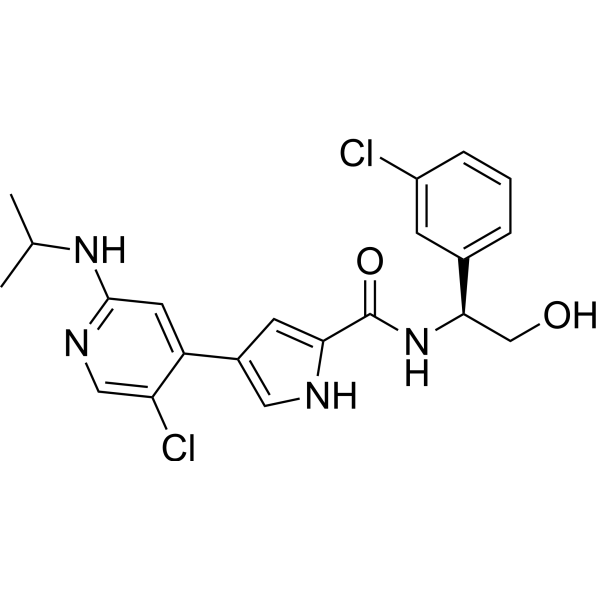
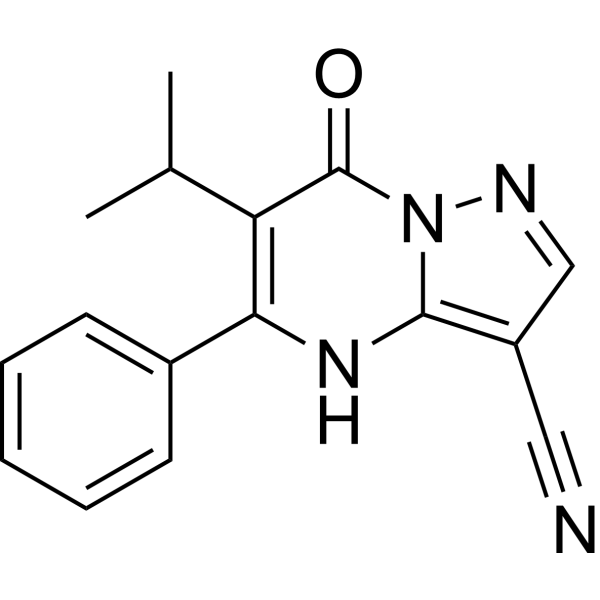
Ulixertinib (BVD-523; VRT752271) is a potent, orally active, highly selective, ATP-competitive and reversible covalent inhibitor of ERK1/2 kinases, with an IC50 of <0.3 nM against ERK2. Ulixertinib (BVD-523; VRT752271) inhibits the phosphorylated ERK2 (pERK) and downstream kinase RSK (pRSK) in an A375 melanoma cell line .
loading...
    loading...
22
22 Cited Publications
Cat. No.: HY-B0633
CAS No.: 9067-32-7
Synonyms: Sodium hyaluronate
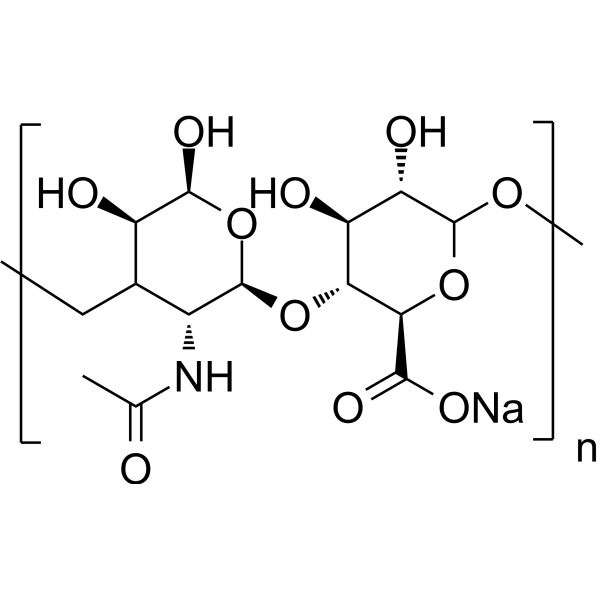
Hyaluronic acid sodium (Sodium hyaluronate) is a biopolymer composed of repeating units of disaccharides with various applications. Hyaluronic acid sodium is a major component of the extracellular matrix (ECM). Hyaluronic acid sodium is synthesized at the plasma membrane. Increased hyaluronic acid sodium levels are associated with tumor cell growth, adhesion, migration, invasion and angiogenesis in digestive cancers. Hyaluronic acid sodium participates in tissue remodeling and rapid cell proliferation in some physiological processes including embryonic morphogenesis and wound-healing. Hyaluronic acid sodium activates the PI3K-Akt signaling. Hyaluronic acid sodium acts as a regulator of cancer-associated lymphangiogenesis. Hyaluronic acid sodium also enhances cell invasion and angiogenesis by promoting proteolytic MMP-9 binding to cell surface or stimulating MMP-9 binding to cell surface. Hyaluronic acid sodium can be used as drug delivery for sodium butyrate to improve the anti-proliferative activity on breast cancer cell line. Hyaluronic acid sodium can be studied in joint diseases, wound healing and cancer .
loading...
    loading...
22
22 Cited Publications
Cat. No.: HY-B0633A
CAS No.: 9004-61-9
Synonyms: Hyaluronan; Hyaluronate
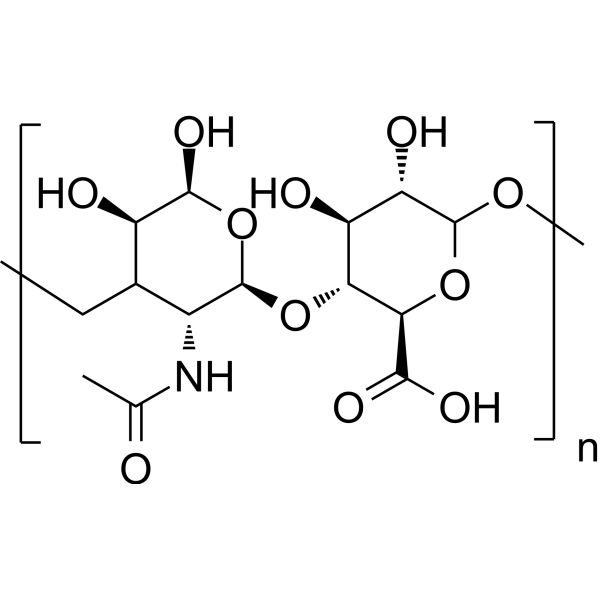
Hyaluronic acid is a biopolymer composed of repeating units of disaccharides with various applications. Hyaluronic acid is a major component of the extracellular matrix (ECM). Hyaluronic acid is synthesized at the plasma membrane. Increased hyaluronic acid levels are associated with tumor cell growth, adhesion, migration, invasion and angiogenesis in digestive cancers. Hyaluronic acid participates in tissue remodeling and rapid cell proliferation in some physiological processes including embryonic morphogenesis and wound-healing. Hyaluronic acid activates the PI3K-Akt signaling. Hyaluronic acid acts as a regulator of cancer-associated lymphangiogenesis. Hyaluronic acid also enhances cell invasion and angiogenesis by promoting proteolytic MMP-9 binding to cell surface or stimulating MMP-9 binding to cell surface. Hyaluronic acid can be used as drug delivery for sodium butyrate to improve the anti-proliferative activity on breast cancer cell line. Hyaluronic acid can be studied in joint diseases, wound healing and cancer .
loading...
    loading...
17
17 Cited Publications
Cat. No.: HY-100421
CAS No.: 1628208-23-0
Purity:  98.31%
Target:  

Histone Demethylase

Research Areas:  

Cancer

CPI-455 is a specific, pan-KDM5 inhibitor with an IC50 of 10 nM for KDM5A. CPI-455 mediates KDM5 inhibition, elevates global levels of H3K4me3, and decreases the number of drug-tolerant persister cancer cells in multiple cancer cell line models treated with standard chemotherapy or targeted agents .
loading...
    loading...
17
17 Cited Publications
Cat. No.: HY-100421A
CAS No.: 2095432-28-1
Target:  

Histone Demethylase

Research Areas:  

Cancer

CPI-455 hydrochloride is a specific, pan-KDM5 inhibitor with an IC50 of 10 nM for KDM5A. CPI-455 hydrochloride mediates KDM5 inhibition, elevates global levels of H3K4me3, and decreases the number of drug-tolerant persister cancer cells in multiple cancer cell line models treated with standard chemotherapy or targeted agents .
loading...
    loading...
17
17 Cited Publications
Cat. No.: HY-N6733
CAS No.: 38966-21-1
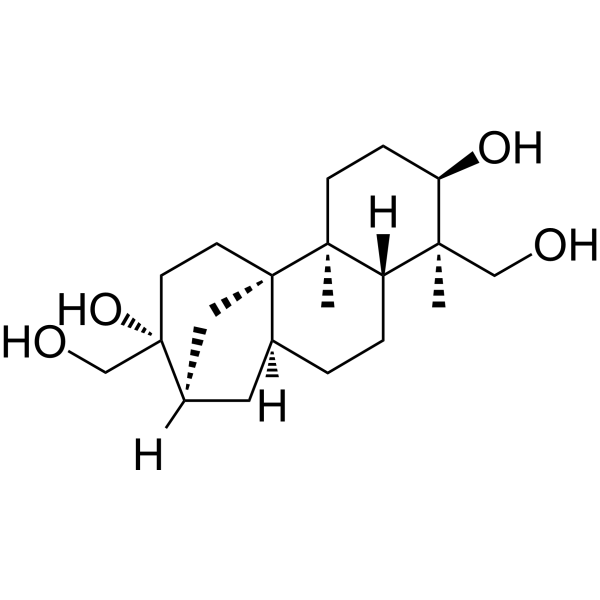
Aphidicolin is an inhibitor of DNA polymerase α and δ, prevents mitotic cell division by interfering DNA polymerase activity. Aphidicolin is an antibiotic produced by mold Cephalosporium aphidicola, inhibits cellular deoxyribonucleic acid synthesis and the growth of herpes simplex virus. Aphidicolin exhibits anti-orthopoxvirus activity and potentiates apoptosis induced by arabinosyl nucleosides in a human promyelocytic leukemia cell line .
loading...
    loading...
16
16 Cited Publications
Cat. No.: HY-N0083
CAS No.: 473-98-3
Synonyms: Trochol
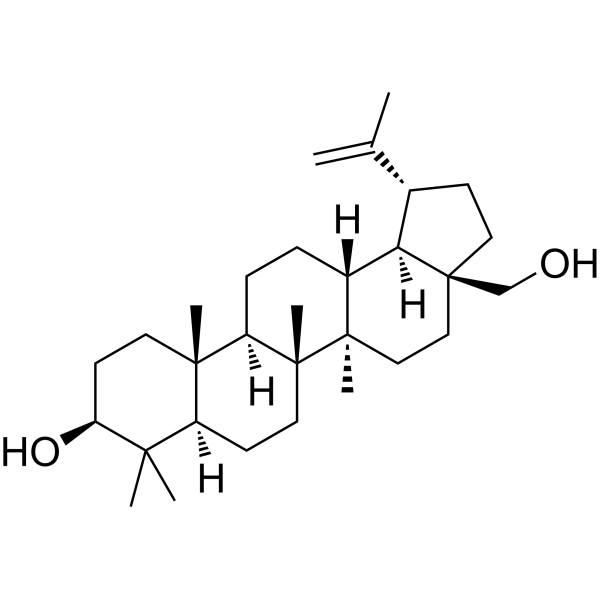
Betulin (Trochol), is a sterol regulatory element-binding protein (SREBP) inhibitor with an IC50 of 14.5 μM in K562 cell line .
loading...
    loading...
16
16 Cited Publications
Cat. No.: HY-15894A
CAS No.: 173326-37-9
Purity:  98.66%
BQ-788 is a potent, selective ETB receptor antagonist with IC50 of 1.2 nM for inhibition of ET-1 binding to human Girardi heart cells, poorly inhibiting the binding to ETA receptors in human neuroblastoma cell line SK-N-MC cells with IC50 of 1300 nM .
loading...
    loading...
16
16 Cited Publications
Cat. No.: HY-15888
CAS No.: 315704-66-6
Purity:  99.76%
Target:  

BMI1 Autophagy

Research Areas:  

Cancer

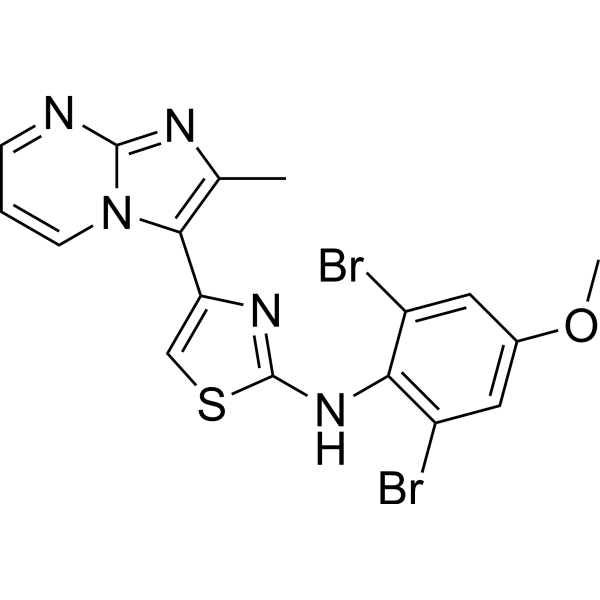
PTC-209 is a specific BMI-1 inhibitor with an IC50 of 0.5 μM in HEK293T cell line. PTC-209 irreversibly impairs colorectal cancer-initiating cells (CICs). PTC-209 shows potent anti-myeloma activity and impairs the tumor microenvironment .
loading...
    loading...
16
16 Cited Publications
Cat. No.: HY-15888A
CAS No.: 1217022-63-3
Purity:  99.44%
Target:  

BMI1 Autophagy

Research Areas:  

Cancer

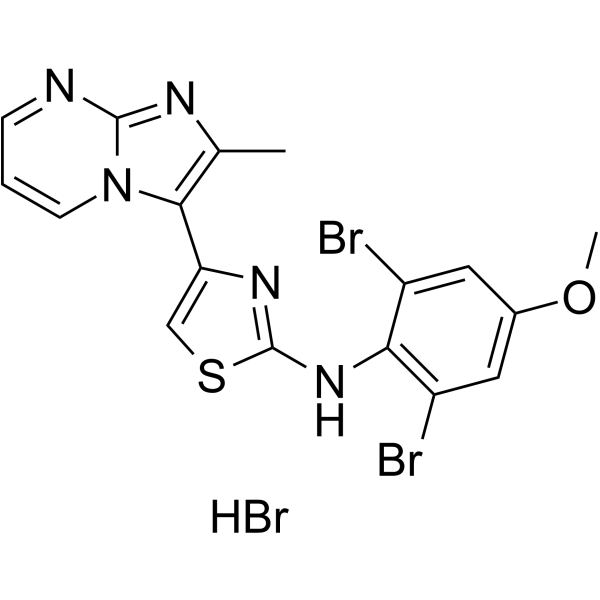
PTC-209 hydrobromide is a specific BMI-1 inhibitor with an IC50 of 0.5 μM in HEK293T cell line. PTC-209 hydrobromide irreversibly impairs colorectal cancer-initiating cells (CICs). PTC-209 hydrobromide shows potent anti-myeloma activity and impairs the tumor microenvironment .
loading...
    loading...
9
9 Cited Publications
Cat. No.: HY-147214
CAS No.: 2648450-42-2
Purity:  99.54%
Target:  

YAP

Research Areas:  

Cancer

GNE-7883 is a pan-TEAD inhibitor that blocks the association of YAP/TAZ with TEAD. GNE-7883 effectively reduces chromatin accessibility at TEAD motifs, inhibits cell proliferation in multiple cell line models, and achieves strong anti-tumor efficacy in vivo. In addition, GNE-7883 effectively overcomes intrinsic and acquired resistance to KRAS (Kirsten rat sarcoma viral oncogene homolog) G12C inhibitors in multiple preclinical models by inhibiting YAP/TAZ activation .
loading...
    loading...
7
7 Cited Publications
Cat. No.: HY-16462
CAS No.: 1263369-28-3
Target:  

CDK

Research Areas:  

Cancer

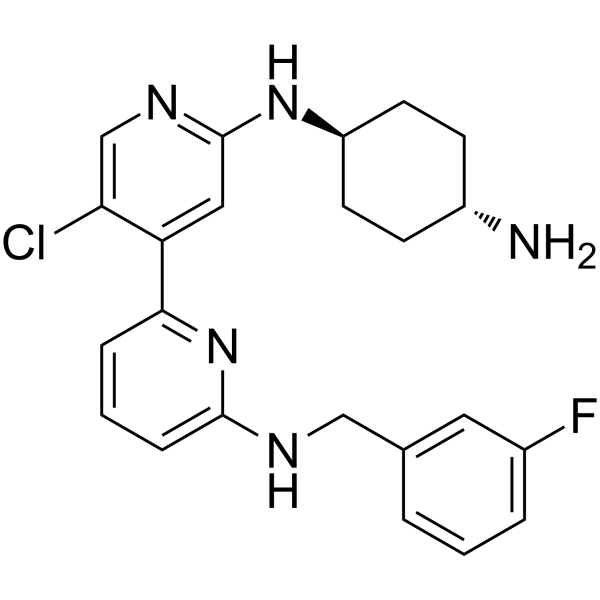
CDK9-IN-2 is a special cyclin-dependent kinase 9 (CDK9) inhibitor, extracted from patent WO/2012131594A1, compound CDKI(8), has an IC50 of 5 nM and 7 nM in H929 multiple myeloma(MM) cell line (72 hours) and A2058 skin cell line (72 hours), respectively.
loading...
    loading...
6
6 Cited Publications
Cat. No.: HY-D0722
CAS No.: 124387-19-5
Synonyms: 5-(6)-Carboxyfluorescein diacetate; CFDA
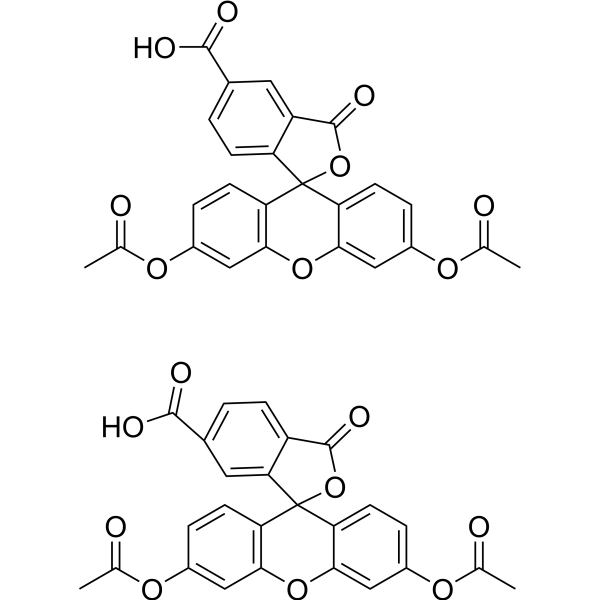
5(6)-CFDA is a common aliphatic luciferin-line organism. CFDA conducts free diffusion into cells, and then it is hydrolyzed into carboxyl fluorescein (CF) by intracellular non-specific lipase. CF containing portion contains an additional negative charge so that it is better retained in cells, compared to fluorescein dyes .
loading...
    loading...
5
5 Cited Publications
Cat. No.: HY-B0276
CAS No.: 536-33-4
Synonyms: 2-Ethylthioisonicotinamide
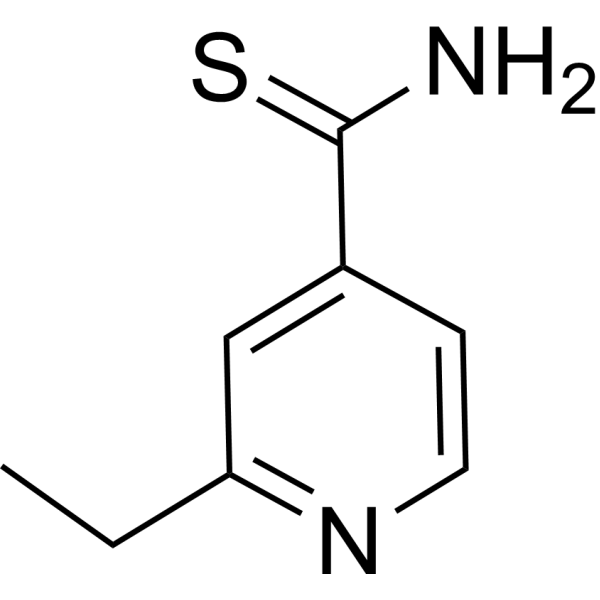
Ethionamide (2-ethylthioisonicotinamide) is a second-line anti-tuberculosis antibiotic with antibacterial effect and oral activity .
loading...
    loading...
5
5 Cited Publications
Cat. No.: HY-P7182
Purity:  ≥ 95%, as determined by reducing SDS-PAGE.
Synonyms: GDNF; ATF2; Glial Cell Derived Neurotrophic Factor; ATF; Astrocyte-Derived Trophic Factor; Glial Cell line Derived Neurotrophic Factor; Glial Cell line-Derived Neurotrophic Factor; Glial Derived Neurotrophic Factor; HFB1-GDNF; HSCR3; ATF1; HGDNF
Species:  
Human
Source:  
E. coli
loading...
    loading...
5
5 Cited Publications
Cat. No.: HY-N4314
CAS No.: 1168-42-9
Synonyms: 4',5,6,7-Tetramethoxyflavone
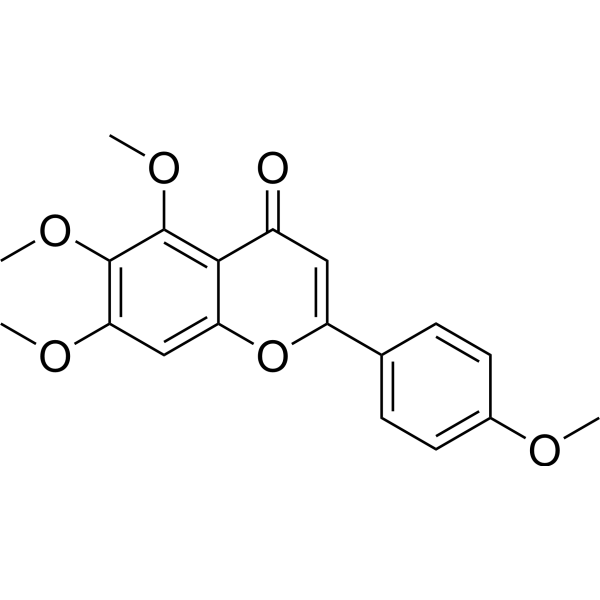
Scutellarein tetramethyl ether (4',5,6,7-Tetramethoxyflavone) is a bioactive compound extracted from Eupatorium odoratum. Scutellarein tetramethyl ether exhibits anti-inflammatory, antibacterial, pro-coagulant, and anti-tumor activities. Scutellarein tetramethyl ether exerts its anti-inflammatory effects by modulating the NF-κB pathway and regulates bacterial resistance through the inhibition of efflux pumps. Additionally, Scutellarein tetramethyl ether accelerates coagulation time via the endogenous coagulation pathway. Studies have shown that Scutellarein tetramethyl ether can effectively inhibit the growth of the liver cancer cell line HepG2 (IC50= 20.08 μg/mL) .
loading...
    loading...
5
5 Cited Publications
Cat. No.: HY-P7226
Purity:  ≥ 95%, as determined by reducing SDS-PAGE.
Synonyms: CXCL10; Small Inducible Cytokine Subfamily B (Cys-X-Cys), Member 10; Prev. SCYB10; Small-Inducible Cytokine B10; Prev. INP10; C-X-C Motif Chemokine 10; IP-10; Protein 10 From Interferon (Gamma)-Induced Cell line; GIP-10; Interferon-Inducible Cytokine IP-1
Species:  
Human
Source:  
E. coli
loading...
    loading...
4
4 Cited Publications
Cat. No.: HY-12855A
CAS No.: 1391426-24-6
Purity:  99.89%
Synonyms: Lys01 trihydrochloride
Target:  

Autophagy

Research Areas:  

Cancer

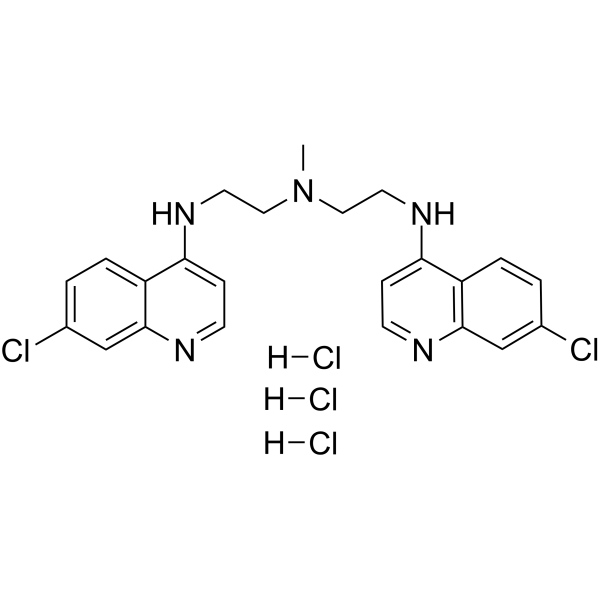
Lys05 (Lys01 trihydrochloride) is a novel lysosomal autophagy inhibitor with IC50 values of 3.6, 3.8, 6 and 7.9 μM for 1205Lu, c8161, LN229 and HT-29 cell line in the MTT assay.
loading...
    loading...
4
4 Cited Publications
Cat. No.: HY-N0448
CAS No.: 23513-15-7
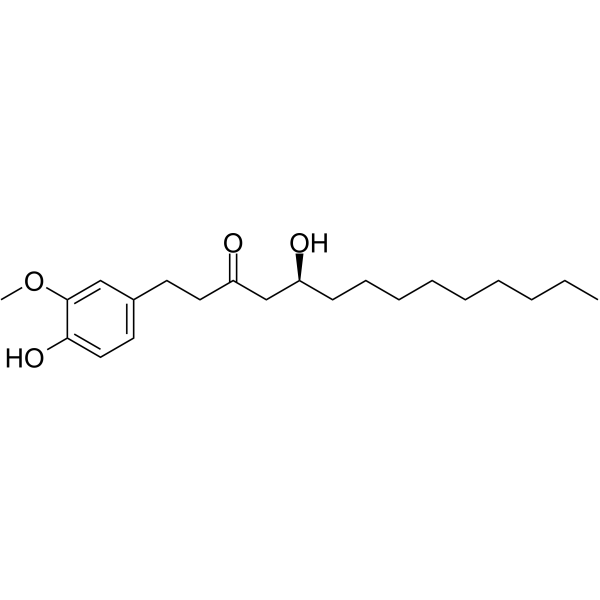
10-Gingerol is an AMPK agonist, which is found in the ginger oleoresin from fresh rhizome with anti-inflammatory, antioxidant and anti-proliferative activities. 10-Gingerol suppresses neointimal hyperplasia and inhibits vascular smooth muscle cell proliferation. 10-Gingerol exhibits substantial scavenging activities with an IC50 value of 10.47 μM against DPPH radical, an IC50 value of 1.68 μM against superoxide radical and an IC50 value of 1.35 μM against hydroxyl radical. 10-Gingerol inhibits the proliferation of MDA-MB-231 tumor cell line with an IC50 of 12.1 μM. 10-Gingerol suppresses the proliferation, migration, invasion, and induced apoptosis through targeting the PI3K/Akt signaling pathway in MDA-MB-231/IR cells. 10-Gingerol can be used in research on various common cancers such as ovarian cancer and colon cancer, as well as colitis and neurodegenerative diseases .
loading...
    loading...

