142 Results for "

liposome component

" in MedChemExpress (MCE) Product Catalog:
Products (142)

142 Results for "liposome component" in MCE Product Catalog:

23
23 Publications Verification
Cat. No.: HY-W040193
CAS No.: 816-94-4
Synonyms: 1,2-Distearoyl-sn-glycero-3-PC; 1,2-Distearoyl-sn-glycero-3-phosphorylcholine
Target:  

Liposome

Research Areas:  

Others

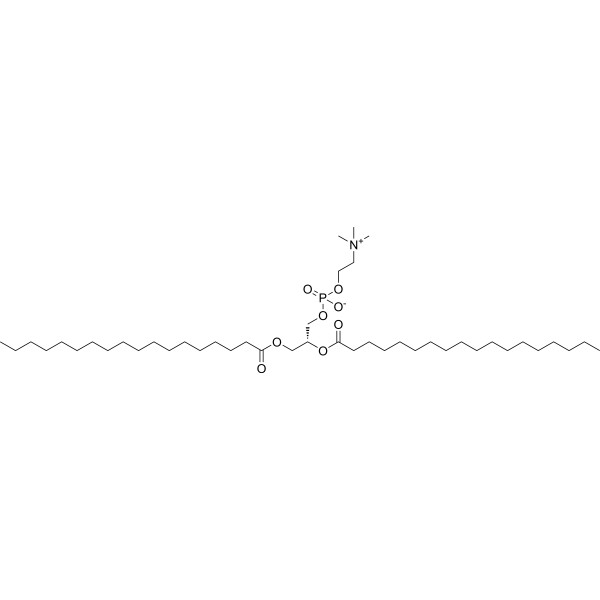
DSPC (1,2-Distearoyl-sn-glycero-3-phosphorylcholine) is a cylindrical-shaped lipid. DSPC is used to synthesize liposomes, and is the lipid component in the lipid nanoparticle (LNP) system .
loading...
    loading...
12
12 Cited Publications
Cat. No.: HY-113424A
CAS No.: 4235-95-4
Purity:  98.11%
Synonyms: DOPC
Category:  

Lipids

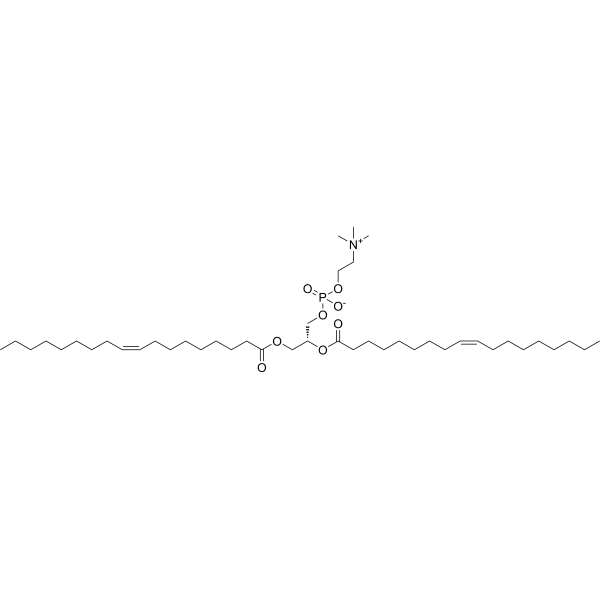
1,2-Dioleoyl-sn-glycero-3-phosphocholine (DOPC) is a phospholipid and is commonly used alone, or with other components, in the generation of micelles, liposomes, and other types of artificial membranes.
loading...
    loading...
11
11 Cited Publications
Cat. No.: HY-109506
CAS No.: 63-89-8
Purity:  99.91%
Synonyms: 129Y83
Category:  

Lipids

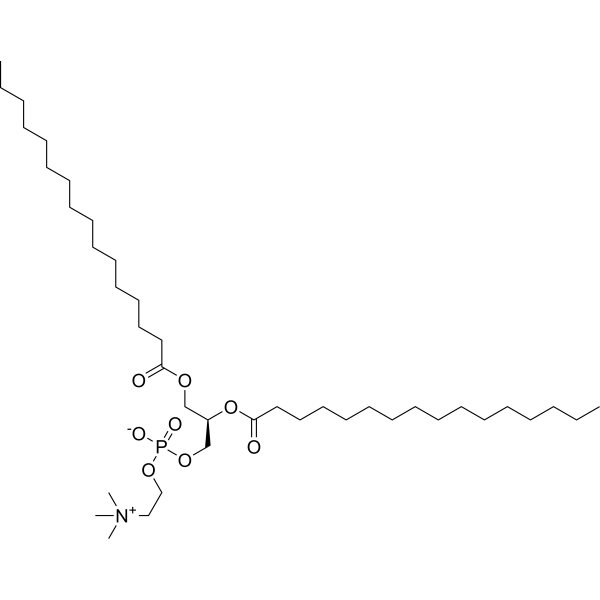
DPPC (129Y83) is a phosphoglyceride that can be used to prepare lipid monolayers, bilayers, and liposomes. DPPC is the main lipid component of pulmonary surfactant. Dppc-liposome can be effectively used as a delivery vector to induce an immune response against GSL antigen in mice .
loading...
    loading...
3
3 Cited Publications
Cat. No.: HY-130462
CAS No.: 26853-31-6
Purity:  99.98%
Synonyms: POPC
Category:  

Lipids

Target:  

Liposome

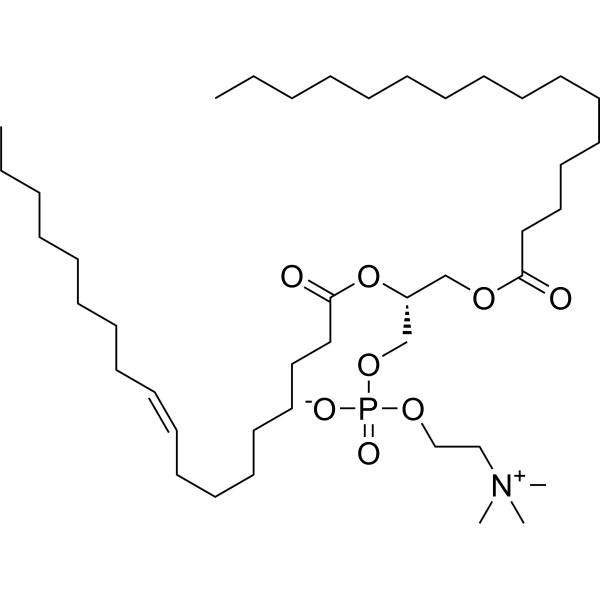
1-Palmitoyl-2-oleoyl-sn-glycero-3-PC (POPC), a phospholipid, is a major component of biological membranes. 1-Palmitoyl-2-oleoyl-sn-glycero-3-PC is used for the preparation of liposomes and studying the properties of lipid bilayers .
loading...
    loading...
3
3 Cited Publications
Cat. No.: HY-130751
CAS No.: 127512-29-2
Purity:  ≥98.0%
Target:  

Liposome

Research Areas:  

Inflammation/Immunology

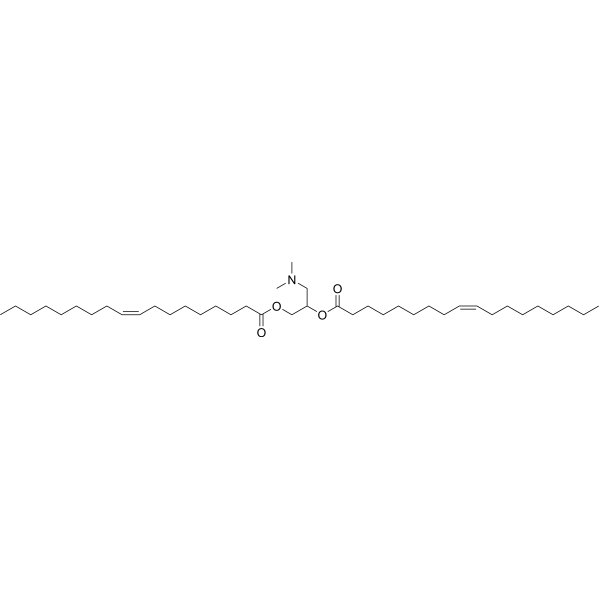
DODAP is a cationic lipid utilized as the lipid component in liposomes (pKa = 5.59 in TNS binding tests). DODAP is employed for encapsulating siRNA and delivering immunostimulated chemotherapeutic agents both in vitro and in vivo. DODAP holds great promise for research in vaccines and inflammation .
loading...
    loading...
1
1 Cited Publications
Cat. No.: HY-139200
CAS No.: 104872-42-6
Purity:  ≥98.0%
Target:  

Liposome

Research Areas:  

Cancer

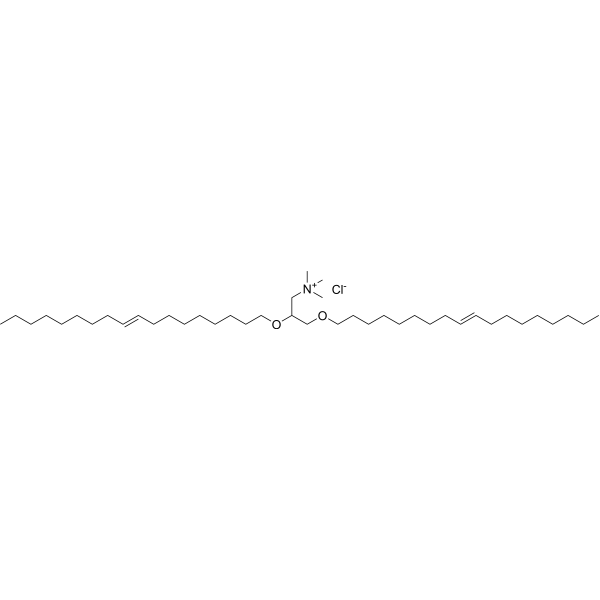
DOTMA is a cationic lipid that has been used as a non-viral vector for gene therapy. DOTMA is used as a component of liposomes to encapsulate siRNA, microRNA, and oligonucleotides and for in vitro gene transfection. DOTMA promotes effective interaction between liposomes and cell membranes by inducing positive charge on the liposomes. DOTMA showed good gene transfection effect both in vitro and in vivo .
loading...
    loading...
1
1 Cited Publications
Cat. No.: HY-157624
CAS No.: 96998-01-5
Purity:  ≥99.0%
Synonyms: 18:0-22:6 PE
Target:  

Liposome

Research Areas:  

Others

1-Stearoyl-2-docosahexaenoyl-sn-glycero-3-phosphoethanolamine (18:0-22:6 PE) is a lipid compound that can be used for liposome preparation. Liposomes are the main component of vesicles with concentric phospholipid bilayer membranes, which can be used to construct drug delivery systems for anti-cancer and anti-infection fields. Highly polar water-soluble loads can be captured in the internal aqueous space of liposomes, while lipophilic loads can be distributed into the lipid bilayer and become part of the lipid bilayer. Especially for the delivery of antisense oligonucleotides, it can overcome the problems of inefficient cellular uptake and rapid loss in the body.
loading...
    loading...
1
1 Cited Publications
Cat. No.: HY-109506S9
CAS No.: 65277-91-0
Purity:  ≥95.0%
Synonyms: 129Y83-13C2
DPPC-13C2 is a deuterated labeled DPPC . DPPC (129Y83) is a phosphoglyceride that can be used to prepare lipid monolayers, bilayers, and liposomes. DPPC is the main lipid component of pulmonary surfactant. Dppc-liposome can be effectively used as a delivery vector to induce an immune response against GSL antigen in mice .
loading...
    loading...
Cat. No.: HY-W440911
Research Areas:  

Cancer

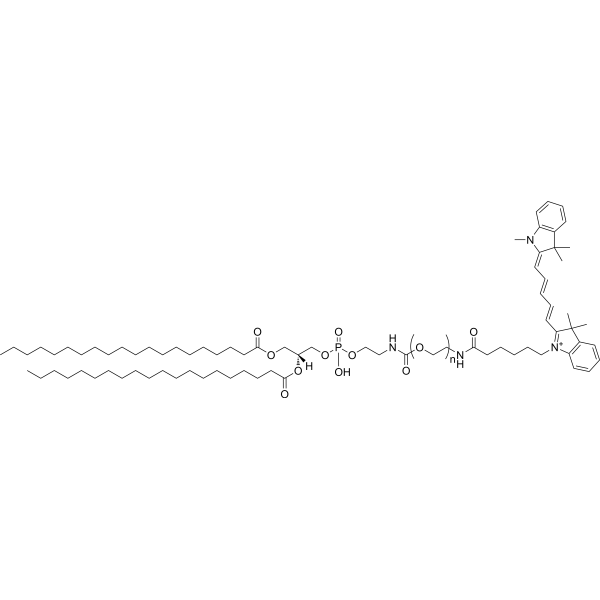
DSPE-PEG2000-Cy5 is a Cy5 (HY-D0821) fluorophore-labeled conjugate of distearoylphosphatidylethanolamine and polyethylene glycol, as well as a liposome component. The Cy5 fluorophore is commonly used for labeling proteins and nucleic acids in imaging, flow cytometry and genomic applications. DSPE-PEG2000-Cy5 supports cell membrane modification, in vivo tumor targeting research and long-term in vivo circulation of its liposomal formulations (Ex/Em=633/670 nm) .
loading...
    loading...
Cat. No.: HY-141629
CAS No.: 6254-89-3
Purity:  ≥99.0%
Synonyms: Sphingomyelin 16:0
Category:  

Lipids

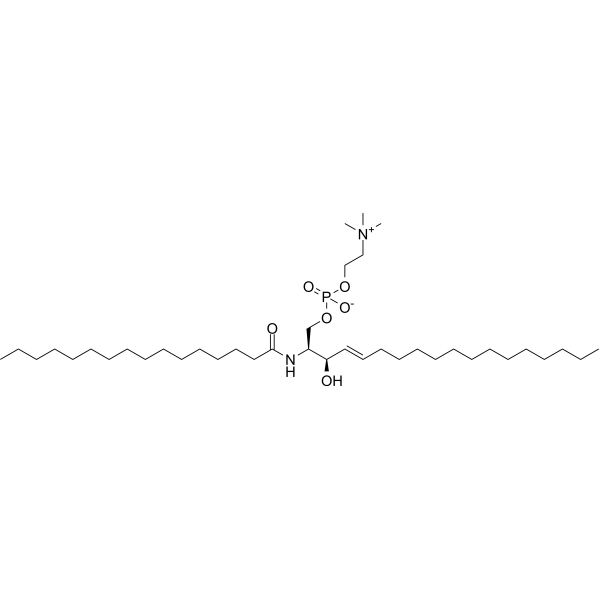
N-palmitoyl-D-sphingomyelin (sphingomyelin 16:0) is a component of LDL-carrying liposomes. N-palmitoyl-D-sphingomyelin can be used in colorectal cancer research .
loading...
    loading...
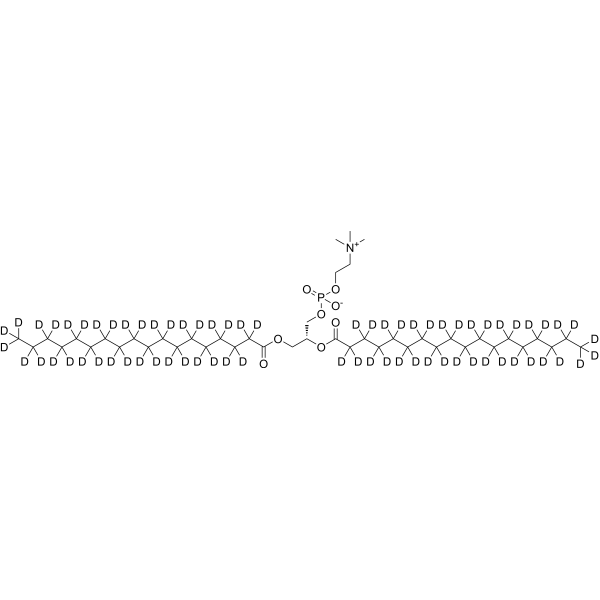
Cat. No.: HY-W040193S
CAS No.: 56952-01-3
Synonyms: 1,2-Distearoyl-sn-glycero-3-PC-d70; 1,2-Distearoyl-sn-glycero-3-phosphorylcholine-d70
DSPC-d70 (1,2-Distearoyl-sn-glycero-3-phosphorylcholine-d70) is the deuterium labeled DSPC (HY-W040193). DSPC is a cylindrical-shaped lipid. 1,2-Distearoyl-sn-glycero-3-phosphorylcholine is used to synthesize liposomes, and is the lipid component in the lipid nanoparticle (LNP) system .
loading...
    loading...
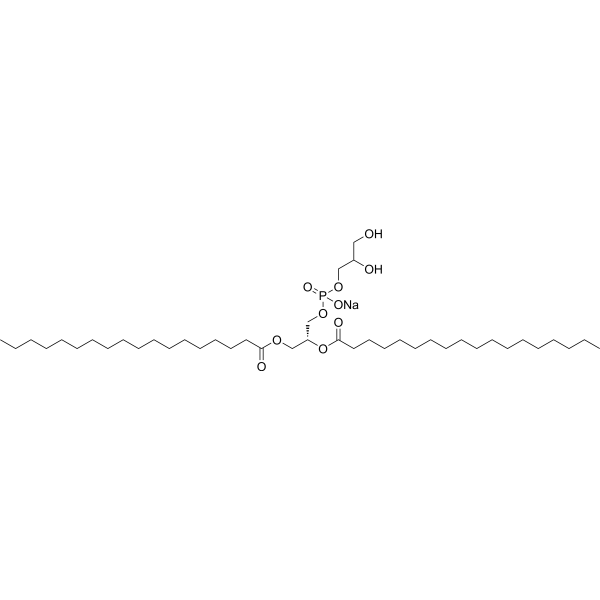
Cat. No.: HY-145742
CAS No.: 200880-42-8
Purity:  ≥98.0%
Synonyms: DSPG sodium
Target:  

Liposome

Research Areas:  

Others

1,2-Distearoyl-sn-Glycero-3-Phosphatidylglycerol (sodium) is the component of liposomes for drug delivery .
loading...
    loading...
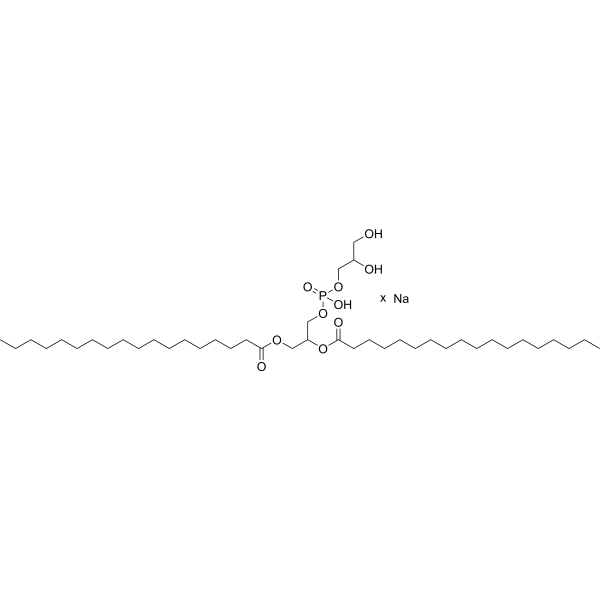
Cat. No.: HY-112307A
CAS No.: 124011-52-5
Purity:  99.97%
Target:  

Liposome

(Rac)-1,2-Distearoyl-sn-Glycero-3-Phosphatidylglycerol (sodium) is an anionic phospholipid, can be studied for drug delivery and the synthesis of liposomes. 1,2-Distearoyl-sn-Glycero-3-Phosphatidylglycerol-containing liposomes can induce Tregs that are specific for the liposomes’ cargo. 1,2-Distearoyl-sn-Glycero-3-Phosphatidylglycerol is taken up by antigen-presenting cells mediated via complement component 1q (C1q) .
loading...
    loading...
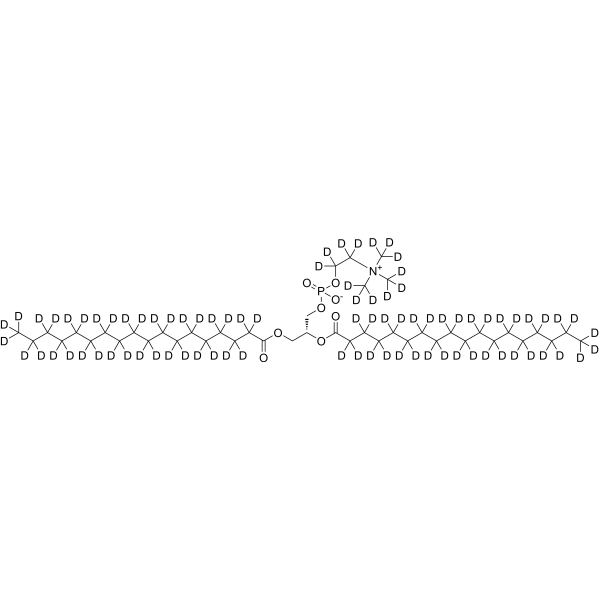
Cat. No.: HY-W040193S3
CAS No.: 326495-40-3
Synonyms: 1,2-Distearoyl-sn-glycero-3-PC-d83; 1,2-Distearoyl-sn-glycero-3-phosphorylcholine-d83
DSPC-d83 (1,2-Distearoyl-sn-glycero-3-phosphorylcholine-d83) is the deuterium labeled DSPC (HY-W040193). DSPC is a cylindrical-shaped lipid. 1,2-Distearoyl-sn-glycero-3-phosphorylcholine is used to synthesize liposomes, and is the lipid component in the lipid nanoparticle (LNP) system .
loading...
    loading...
Cat. No.: HY-115415
CAS No.: 108321-18-2
Purity:  ≥98.0%
Target:  

Liposome

Research Areas:  

Others

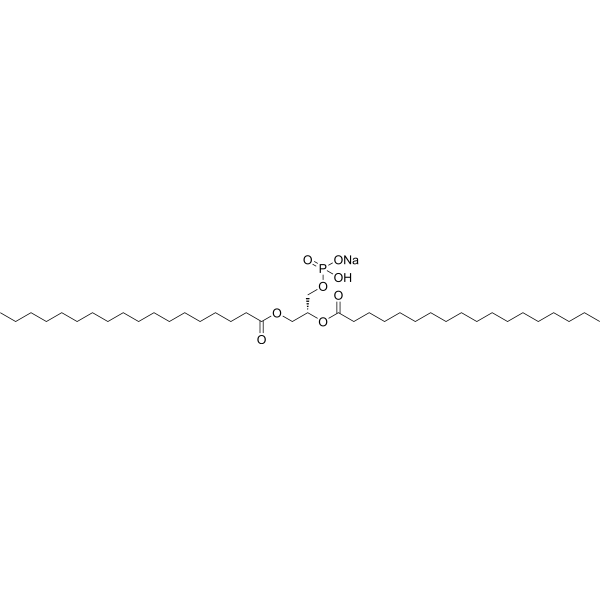
1,2-Distearoyl-sn-glycero-3-phosphate, sodium salt is a phospholipid commonly used as a component of liposome formulations and drug delivery systems. 1,2-Distearoyl-sn-glycero-3-phosphate, sodium salt has unique chemical properties that make it an effective tool for encapsulating drugs and delivering them to specific targets in the body. It acts as a stabilizer and emulsifier, which can improve the solubility and bioavailability of drugs.
loading...
    loading...
Cat. No.: HY-W322225
CAS No.: 59752-57-7
Synonyms: DLPE; 1,2-Dilauroyl-sn-glycero-3-PE
Target:  

Liposome

Research Areas:  

Others

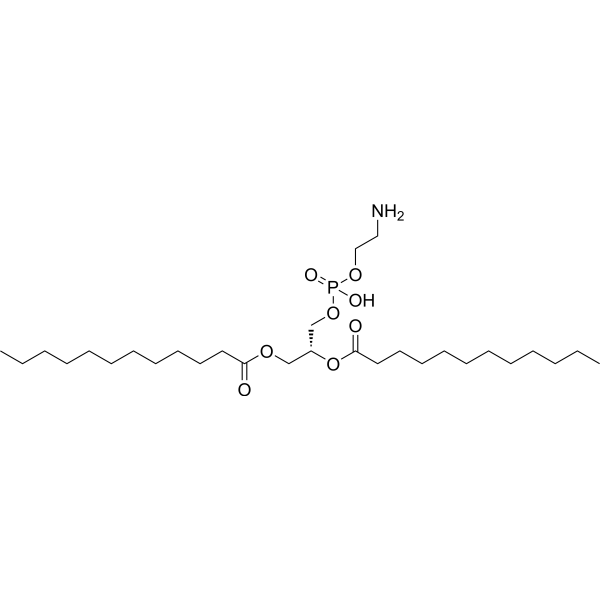
1,2-Dilauroyl-sn-glycero-3-phosphoethanolamine (DLPE; 1,2-Dilauroyl-sn-glycero-3-PE) is an anionic phospholipid. 1,2-Dilauroyl-sn-glycero-3-phosphoethanolamine promotes the endocytosis of liposome-DNA complexes into target cells, and subsequently mediates membrane fusion between liposome carriers and endosomes to deliver DNA into the nucleus. 1,2-Dilauroyl-sn-glycero-3-phosphoethanolamine is a component of anionic artificial viral envelope liposomes, which deliver plasmid DNA to hepatoma cells without serum inhibition. 1,2-Dilauroyl-sn-glycero-3-phosphoethanolamine enables the construction of biocompatible non-viral gene delivery vector systems. 1,2-Dilauroyl-sn-glycero-3-phosphoethanolamine is applicable for liposome synthesis .
loading...
    loading...
Cat. No.: HY-W800805
CAS No.: 2295813-15-7
Target:  

Liposome

Research Areas:  

Cancer

DOPE-Mal is an N-maleimide-derived phosphatidylethanolamine. DOPE-Mal does not interfere with fatty acyl chains or alter lipid bilayer permeability; it increases lipid bilayer order, reduces fluidity, induces conformational changes in phospholipid polar heads and enhances their hydration. DOPE-Mal can be used as a component to prepare maleimide-displaying liposomes, enabling peptide conjugation via maleimide-thiol coupling. DOPE-Mal can be used to prepare Liposomes for delivering Doxorubicin (HY-15142A) to hepatocytes. DOPE-Mal is applicable to research related to hepatocellular carcinoma and lung cancer .
loading...
    loading...
Cat. No.: HY-109506R
CAS No.: 63-89-8
Synonyms: 129Y83 (Standard)
DPPC (Standard) is the analytical standard of DPPC. This product is intended for research and analytical applications. DPPC (129Y83) is a phosphoglyceride that can be used to prepare lipid monolayers, bilayers, and liposomes. DPPC is the main lipid component of pulmonary surfactant. Dppc-liposome can be effectively used as a delivery vector to induce an immune response against GSL antigen in mice .
loading...
    loading...
Cat. No.: HY-155908
CAS No.: 474922-26-4
Synonyms: DSPE-PEG10000-NH2 ammonium
Target:  

Liposome

Research Areas:  

Others

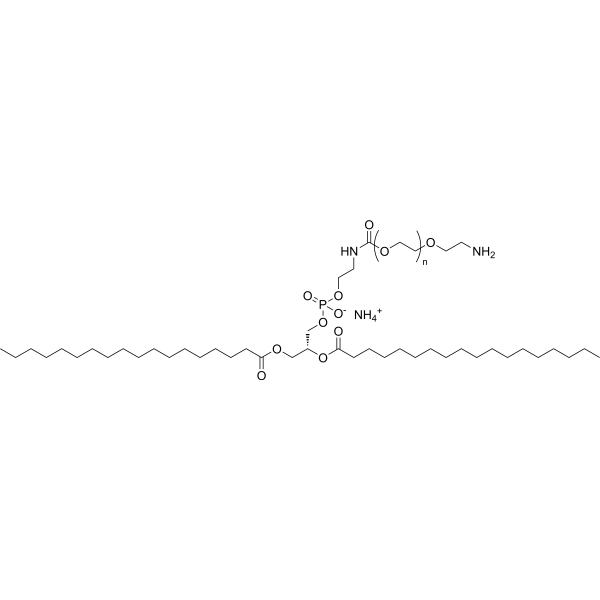
DSPE-PEG10000-Amine ammonium (DSPE-PEG10000-NH2 ammonium) is a PEGylated distearoylphosphatidylethanolamine lipid with a terminal primary amino group. DSPE-PEG10000-Amine ammonium serves as a liposome component, and its surface bears reactive primary amino groups that enable covalent conjugation via the formation of bis-aryl hydrazone bonds .
loading...
    loading...
Cat. No.: HY-130462R
CAS No.: 26853-31-6
Synonyms: POPC (Standard)
1-Palmitoyl-2-oleoyl-sn-glycero-3-PC (Standard) is the analytical standard of 1-Palmitoyl-2-oleoyl-sn-glycero-3-PC. This product is intended for research and analytical applications. 1-Palmitoyl-2-oleoyl-sn-glycero-3-PC (POPC), a phospholipid, is a major component of biological membranes. 1-Palmitoyl-2-oleoyl-sn-glycero-3-PC is used for the preparation of liposomes and studying the properties of lipid bilayers .
loading...
    loading...

