


72 Results for "

lymphoma models

" in MedChemExpress (MCE) Product Catalog:
Products (72)

72 Results for "lymphoma models" in MCE Product Catalog:

11
11 Publications Verification
Cat. No.: HY-131328
CAS No.: 2101700-15-4
Purity:  99.88%
Synonyms: LOXO-305
Target:  

Btk

Research Areas:  

Cancer

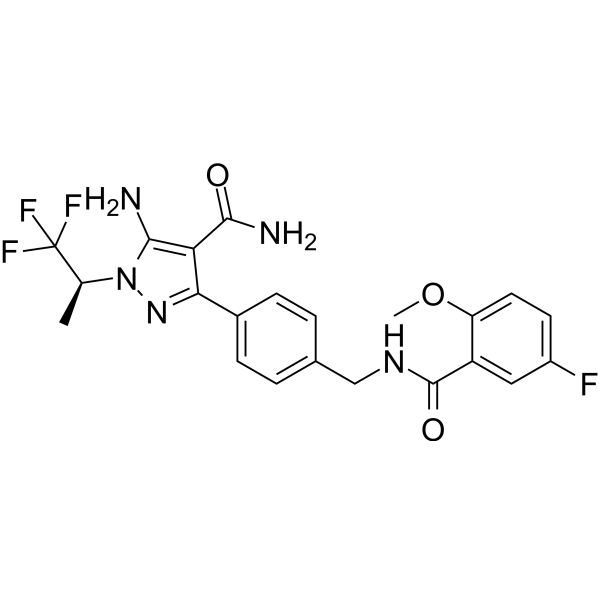
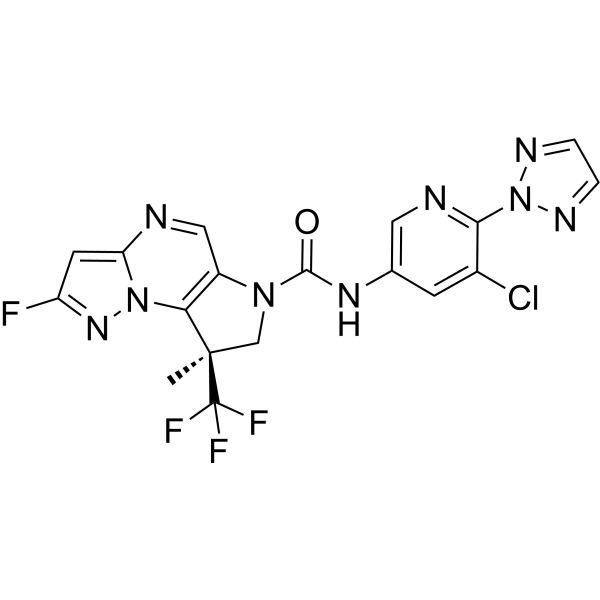
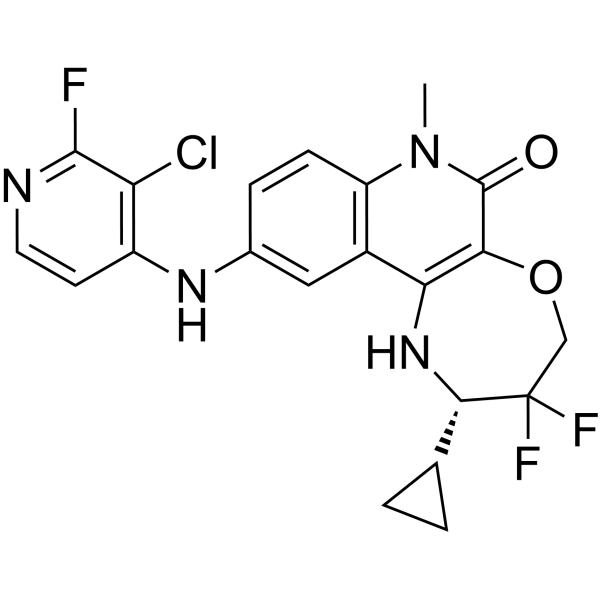
Pirtobrutinib (LOXO-305), a highly selective and non-covalent next generation BTK inhibitor, inhibits diverse BTK C481 substitution mutations. Pirtobrutinib causes regression of BTK-dependent lymphoma tumors in mouse xenograft models. Pirtobrutinib is also more than 300-fold selective for BTK versus 370 other kinases tested and shows no significant inhibition of non-kinase off-targets at 1 μM .
loading...
    loading...
5
5 Cited Publications
Cat. No.: HY-109565
CAS No.: 1799328-86-1
Purity:  99.81%
Synonyms: ASTX660
Target:  

Apoptosis TNF Receptor IAP

Research Areas:  

Cancer

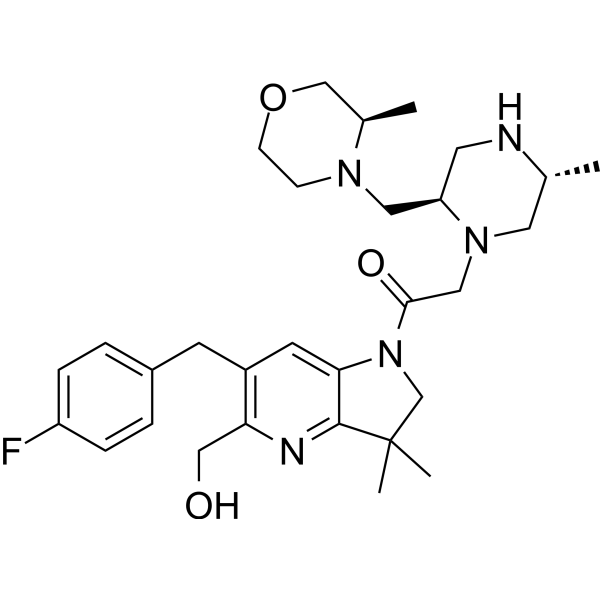
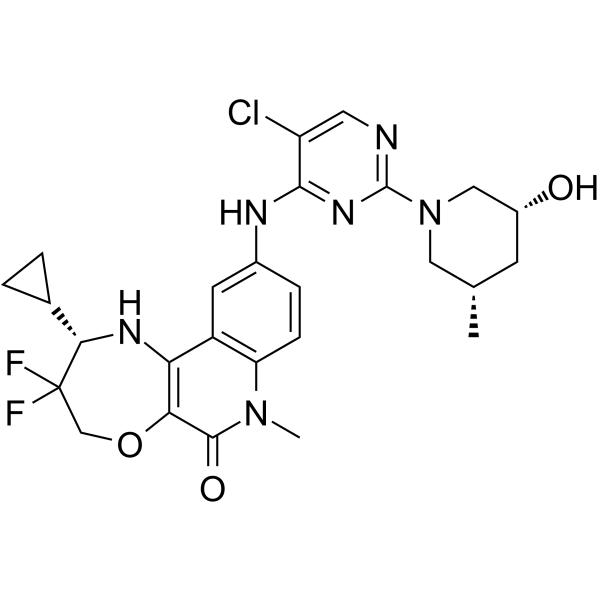
Tolinapant (ASTX660) is an orally active cIAP1/2 and XIAP antagonist, with an IC50 of < 40 nM against XIAP and an IC50 of <12 nM against cIAP1. Tolinapant triggers TNFα-dependent Apoptosis in cancer cells. Tolinapant inhibits tumor growth in mouse xenograft models. Tolinapant can be used in research related to breast cancer, melanoma, lymphoma, multiple myeloma, acute lymphoblastic leukemia and advanced solid tumors .
loading...
    loading...
3
3 Cited Publications
Cat. No.: HY-15163
CAS No.: 1204918-72-8
Synonyms: TG02; SB1317
Target:  

JAK CDK FLT3

Research Areas:  

Cancer

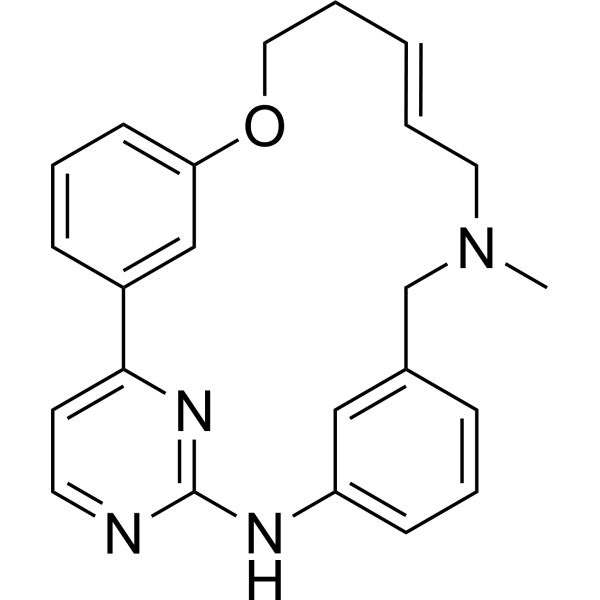
Zotiraciclib (TG02; SB1317) is an orally active JAK2/FLT3/CDK2 inhibitor with IC50 values of 13 nM, 73 nM and 56 nM , respectively. Zotiraciclib inhibits cancer cell proliferation, tumor growth and the activity of CYP2D6. Zotiraciclib exhibits high plasma protein binding rate, Caco-2 permeability and tissue distribution capacity, as well as metabolic stability in human and canine liver microsomes. Zotiraciclib achieves tumor growth inhibition in nude mouse models of colon cancer and lymphoma xenografts. Zotiraciclib can be used for research related to colon cancer, B-cell lymphoma, advanced leukemia, acute leukemia and multiple myeloma .
loading...
    loading...
1
1 Cited Publications
Cat. No.: HY-P99272
CAS No.: 1375830-34-4
Synonyms: BMS 936564; MDX 1338; Anti-Human CXCR4 Recombinant Antibody

Target:  

CXCR

Research Areas:  

Cancer

Ulocuplumab (Anti-Human CXCR4 Recombinant Antibody/BMS-936564/MDX1338) is a fully human IgG4 anti-CXCR4 antibody. Ulocuplumab induces apoptosis and inhibits CXCL12 mediated CXCR4 activation-migration of chronic lymphocytic leukemia (CLL). Ulocuplumab exhibits antitumor activity in established tumors including acute myeloid leukemia (AML), non-Hodgkin lymphoma (NHL), and multiple myeloma xenograft models .
loading...
    loading...
1
1 Cited Publications
Cat. No.: HY-P1181A
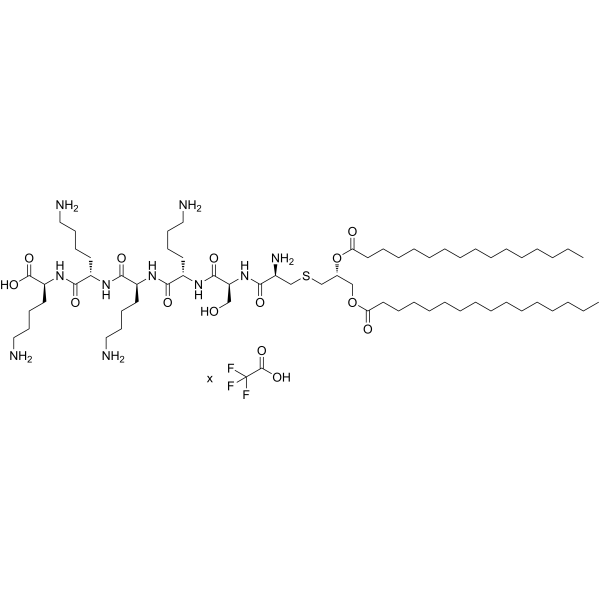
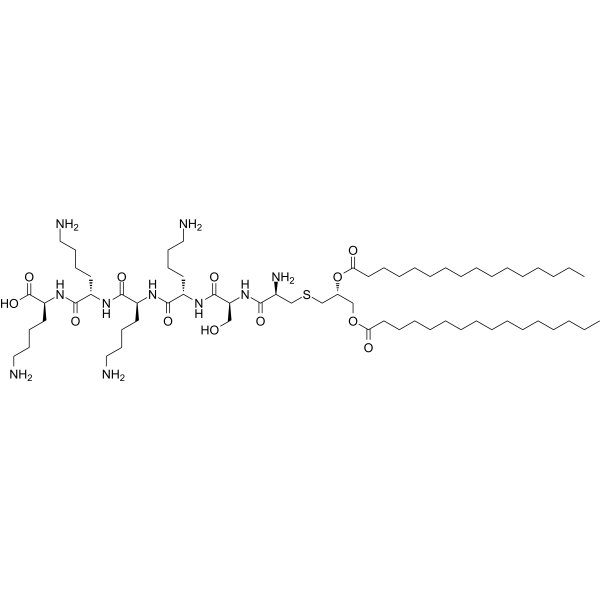
Pam2CSK4 TFA is a TLR2 agonist. Pam2CSK4 TFA induces the expression of iNOS and NO in macrophage cell lines via TBK1 and MyD88 molecules. Pam2CSK4 TFA activates the NF-κB and Bruton's tyrosine kinase signaling pathways in platelets, and promotes platelet-endothelial cell interactions. TLR2 activation triggered by Pam2CSK4 TFA expands myeloid-derived suppressor cells (MDSCs) and suppresses anti-tumor immune responses in the tumor microenvironment. Pam2CSK4 TFA acts as a Th2-polarizing adjuvant in mouse vaccine models against Leishmania major and Brugia malayi. Pam2CSK4 TFA can be used in the research of various diseases, including thromboinflammatory diseases, sepsis, atherosclerosis, heart failure, influenza, lymphoma, melanoma, cutaneous leishmaniasis and lymphatic filariasis .
loading...
    loading...
1
1 Cited Publications
Cat. No.: HY-158421
CAS No.: 63498-32-8
Purity:  99.95%
MS-L6 is a OXPHOS inhibitor and antimalarial agent. MS-L6 inhibits NADH oxidation and electron transport. MS-L6 induces OXPHOS uncoupling, dissipates mitochondrial membrane potential, increases non-ATP-coupled oxygen consumption, and reduces ATP synthesis. MS-L6 triggers the production of ROS. MS-L6 exhibits anti-amoebic activity. MS-L6 exerts antitumor activity in mouse lymphoma xenograft models. MS-L6 can be used in research related to B-cell lymphoma, T-cell lymphoma, and non-Hodgkin B-cell lymphoma .
loading...
    loading...
1
1 Cited Publications
Cat. No.: HY-134261A
Synonyms: 8-Bromoadenosine-5'-O-diphosphoribose disodium
8-Br-ADPR disodium (8-Bromoadenosine-5'-O-diphosphoribose) is a TRPM2 inhibitor and ADPR signaling pathway antagonist. 8-Br-ADPR disodium inhibits glucagon-mediated nuclear calcium signaling and downstream CaMKII/CREB phosphorylation by blocking ADPR-induced TRPM2 activation. 8-Br-ADPR disodium significantly reduces gluconeogenic gene expression and blood glucose levels in diabetic models. 8-Br-ADPR disodium effectively blocks ADPR-mediated calcium signal transduction in NK cells, inhibits immune synapse formation, granzyme B release and cytolytic activity against melanoma cells. 8-Br-ADPR disodium is widely used in studies related to diseases such as diabetes, melanoma and lymphoma .
loading...
    loading...
Cat. No.: HY-12422
CAS No.: 1000023-04-0
Purity:  99.77%
Target:  

CDK

Research Areas:  

Cancer

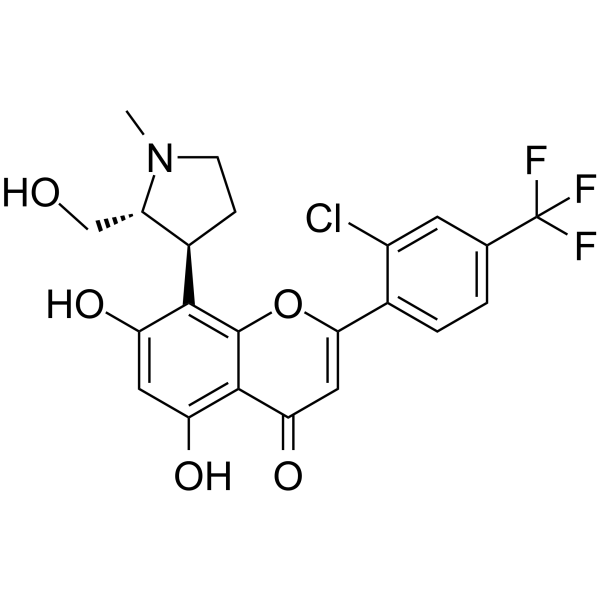
Voruciclib is an orally active and selective CDK inhibitor with Ki values of 0.626 nM-9.1 nM. Voruciclib potently blocks CDK9, the transcriptional regulator of MCL-1. Voruciclib represses expression of MCL-1 in multiple models of diffuse large B-cell lymphoma (DLBCL) .
loading...
    loading...
Cat. No.: HY-150105
CAS No.: 2448172-22-1
Purity:  98.72%
Synonyms: BMF-219; Menin-MLL inhibitor 21
Icovamenib (BMF-219) is a selective, orally active, irreversible Menin inhibitor. Icovamenib forms a stable and irreversible covalent bond with Menin. Icovamenib promotes selective and controlled proliferation of beta cells and improvement of beta cell function in ex vivo human islet cultures. Icovamenib enhances glycemic control in animal diabetic models. Icovamenib induces a dose-dependent enhancement in insulin secretion potentiated by the GLP-1 RA. Icovamenib can be used for the study of multiple hematologic malignancies, solid tumors, and diabetes mellitus, such as diffuse large B-cell lymphoma (DLBCL), multiple myeloma (MM) and chronic lymphocytic leukemia and type 2 diabetes .
loading...
    loading...
Cat. No.: HY-153357
CAS No.: 2416130-57-7
Purity:  98.16%
Target:  

PROTACs Btk c-Myc NF-κB

Research Areas:  

Inflammation/Immunology Cancer

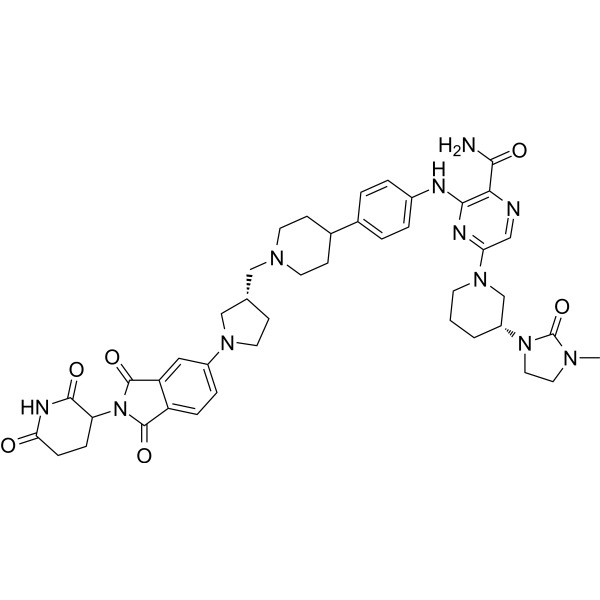
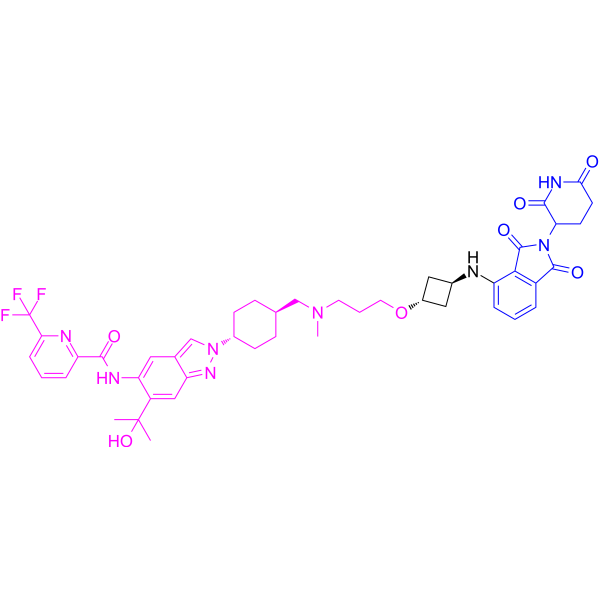
NRX-0492 is an orally active BTK PROTAC degrader, with a binding IC50 of 1.2 nM for both wild-type BTK and BTK T474I, and 2.7 nM for BTK C481S, and exhibits cellular DC50 values of 0.1 nM and 0.2 nM against wild-type BTK and BTK C481S, respectively. NRX-0492 catalyzes the ubiquitination and proteasomal degradation of wild-type and drug-resistant mutant BTK by recruiting the CRBN E3 ubiquitin ligase complex. NRX-0492 inhibits the BCR signaling pathway and its downstream NF-κB/MYC transcriptional program, achieves rapid and sustained degradation in primary CLL cells, and exhibits extremely low cytotoxicity. NRX-0492 degrades BTK, inhibits tumor cell proliferation and activation, and significantly suppresses tumor growth in xenograft models. NRX-0492 can be used in research related to chronic lymphocytic leukemia and diffuse large B-cell lymphoma .
loading...
    loading...
Cat. No.: HY-145729
CAS No.: 1402357-06-5
Purity:  97.96%
Synonyms: AZD9150
Target:  

STAT Apoptosis

Research Areas:  

Cancer

Danvatirsen (AZD9150) is an antisense oligonucleotide targeting STAT3. Danvatirsen reduces the viability and promotes apoptosis of leukemia cell lines. Danvatirsen inhibits the expression of endogenous STAT3 and its downstream target genes, and reduces the proliferation and tumorigenicity of neuroblastoma and lymphoma cells. Danvatirsen inhibited tumor growth in mouse models of neuroblastoma, lymphoma, and non-small cell lung cancer. Danvatirsen achieves STAT3 mRNA and protein depletion in a mouse model of epidermoid carcinoma. Danvatirsen can be used in research related to lymphoma, myelodysplastic syndrome, acute myeloid leukemia, neuroblastoma and non-small cell lung cancer .
loading...
    loading...
Cat. No.: HY-176763
CAS No.: 2376747-46-3
Target:  

Sec61

Research Areas:  

Cancer

KZR-261 is a Sec61 translocase inhibitor. KZR-261 binds directly to the Sec61 channel, thereby inhibiting the biosynthesis of certain Sec61 substrate proteins, including oncogenic factors. KZR-261 activates the endoplasmic reticulum stress response. KZR-261 exhibits broad in vitro anticancer activity. KZR-261 shows antitumor efficacy in mouse models of cancer. KZR-261 can be used for the research of multiple myeloma, colorectal cancer, small cell lung cancer, pancreatic cancer, prostate cancer, non-Hodgkin's lymphoma, and mantle cell lymphoma .
loading...
    loading...
Cat. No.: HY-150109
CAS No.: 2650188-32-0
Purity:  99.45%
Synonyms: Purinostat mesylate
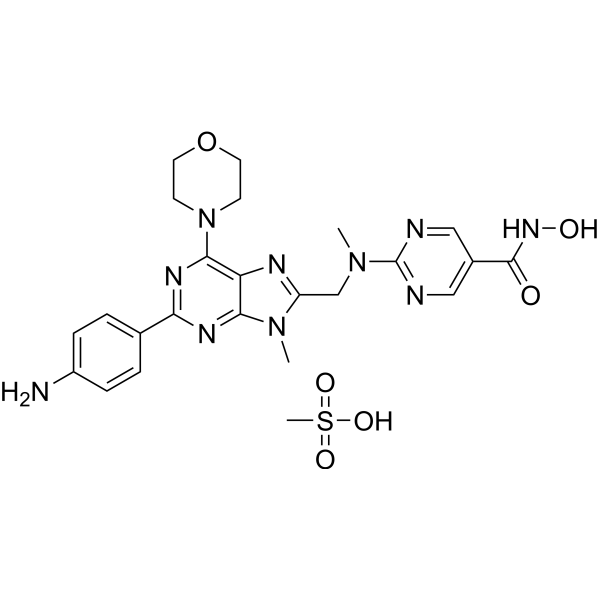
Puzerinostat mesylate (Purinostat mesylate) is a highly selective class I/IIb histone deacetylase (HDAC) inhibitor, with IC50 values of 0.81 nM, 1.4 nM, 1.7 nM, 3.8 nM, 11.5 nM, and 1.1 nM against HDAC1, HDAC2, HDAC3, HDAC8, HDAC6, and HDAC10, respectively. Puzerinostat mesylate enhances glutamine metabolism by upregulating GLS1. Puzerinostat mesylate induces cell Apoptosis and downregulates the expression of BCR-ABL and c-MYC. Puzerinostat mesylate delays the progression of Ph + B-cell acute lymphoblastic leukemia and prolongs the survival of relevant mouse models. Puzerinostat mesylate regulates the immune microenvironment. Puzerinostat mesylate can be used in research related to chronic myeloid leukemia, Philadelphia chromosome-positive B-cell acute lymphoblastic leukemia, relapsed/refractory multiple myeloma, relapsed/refractory lymphoma, diffuse large B-cell lymphoma, and double-expression lymphoma .
loading...
    loading...
Cat. No.: HY-160698
CAS No.: 2661481-41-8
Synonyms: SGR-1505
Target:  

MALT1 Apoptosis

Research Areas:  

Cancer

SGR-1505 is an oral small molecule MALT1 inhibitor with anti-proliferative and antitumor activity.SGR-1505 inhibits MALT1 enzymatic activity to modulate NF-κB pathway gene expression.SGR-1505 induces modulation of cell cycle, DNA damage, and apoptosis-related genes in in vivo tumor samples.SGR-1505 exerts tumorostatic and regressive activity in ABC-DLBCL xenograft models.SGR-1505 can be used for the research of activated B cell-like diffuse large B cell lymphoma, non-Hodgkin B-cell lymphomas, chronic lymphocytic leukemia, and mature B cell neoplasms .
loading...
    loading...
Cat. No.: HY-P1181
CAS No.: 868247-72-7
Pam2CSK4 is a TLR2 agonist. Pam2CSK4 induces the expression of iNOS and NO in macrophage cell lines via TBK1 and MyD88 molecules. Pam2CSK4 activates the NF-κB and Bruton's tyrosine kinase signaling pathways in platelets, and promotes platelet-endothelial cell interactions. TLR2 activation triggered by Pam2CSK4 expands myeloid-derived suppressor cells (MDSCs) and suppresses anti-tumor immune responses in the tumor microenvironment. Pam2CSK4 acts as a Th2-polarizing adjuvant in mouse vaccine models against Leishmania major and Brugia malayi. Pam2CSK4 can be used in the research of various diseases, including thromboinflammatory diseases, sepsis, atherosclerosis, heart failure, influenza, lymphoma, melanoma, cutaneous leishmaniasis and lymphatic filariasis .
loading...
    loading...
Cat. No.: HY-145729A
Purity:  97.96%
Synonyms: AZD9150 sodium
Target:  

STAT Apoptosis

Research Areas:  

Cancer

Danvatirsen sodium (AZD9150 sodium) is an antisense oligonucleotide targeting STAT3. Danvatirsen sodium reduces the viability and promotes apoptosis of leukemia cell lines. Danvatirsen sodium inhibits the expression of endogenous STAT3 and its downstream target genes, and reduces the proliferation and tumorigenicity of neuroblastoma and lymphoma cells. Danvatirsen sodium inhibited tumor growth in mouse models of neuroblastoma, lymphoma, and non-small cell lung cancer. Danvatirsen sodium achieves STAT3 mRNA and protein depletion in a mouse model of epidermoid carcinoma. Danvatirsen sodium can be used in research related to lymphoma, myelodysplastic syndrome, acute myeloid leukemia, neuroblastoma and non-small cell lung cancer .
loading...
    loading...
Cat. No.: HY-153521
CAS No.: 2640647-90-9
Purity:  99.30%
Target:  

BCL6

Research Areas:  

Cancer

CCT374705 is an orally active BCL6 inhibitor (IC50 = 4.8 nM) with potent antiproliferative effects in vitro. CCT374705 effectively inhibits tumor growth in a lymphoma xenograft mouse model .
loading...
    loading...
Cat. No.: HY-146185
CAS No.: 2378853-66-6
Purity:  99.61%
Target:  

Molecular Glues BCL6

Research Areas:  

Cancer

CCT373566 is an orally active BCL6 Molecular glue degrader with a DC50 of 0.7 nM. CCT373566 induces proteasomal degradation of BCL6 by promoting the formation of higher-order BCL6 complexes recognizable by E3 ligases. CCT373566 reduces tumor growth in lymphoma xenograft models. CCT373566 can be used in research related to diffuse large B-cell lymphoma .
loading...
    loading...
Cat. No.: HY-148274
CAS No.: 2573298-13-0
Purity:  98.65%
Target:  

PROTACs IRAK Apoptosis

Research Areas:  

Cancer

KTX-582 is a potent IRAK4 degrader with DC50 values of 4 nM and 5 nM for IRAK4 and Ikaros, respectively. KTX-582 can induce apoptosis in MYD88 MT DLBCL, and is efficient to induce in vivo tumor regressions in lymphoma model .
loading...
    loading...
Cat. No.: HY-P99922
CAS No.: 2173096-82-5

Target:  

LAG-3

Research Areas:  

Cancer

Encelimab is an anti-LAG3 antibody. Encelimab blocks the interaction between LAG-3 and MHC II, and enhances T-cell activation. Encelimab alone or in combination with an anti-PD-1 antibody reduces tumor size in a lymphoma mice model (A20 cell xenograft) .
loading...
    loading...

