53 Results for "

medical application

" in MedChemExpress (MCE) Product Catalog:
Products (53)

53 Results for "medical application" in MCE Product Catalog:

34
34 Publications Verification
Cat. No.: HY-W018746
CAS No.: 139-33-3
Synonyms: Ethylenediaminetetraacetic acid disodium
EDTA disodium salt, also known as ethylenediaminetetraacetic acid disodium, belongs to the chelating agent category, which is formed by chelating a central metal ion with four carboxylate groups and two amine groups. This compound, with its ability to bind and chelate metal ions such as calcium, magnesium and iron, is commonly used in a variety of applications, including industrial, medical and research settings. It is used as a preservative in food and beverage, as a stabilizer in medicine, as a chelating agent in water treatment, and as a reagent in biochemical and biomedical research. In addition, EDTA disodium salt has been studied for potential research effects such as improving heavy metal poisoning and cardiovascular disease.
loading...
    loading...
5
5 Cited Publications
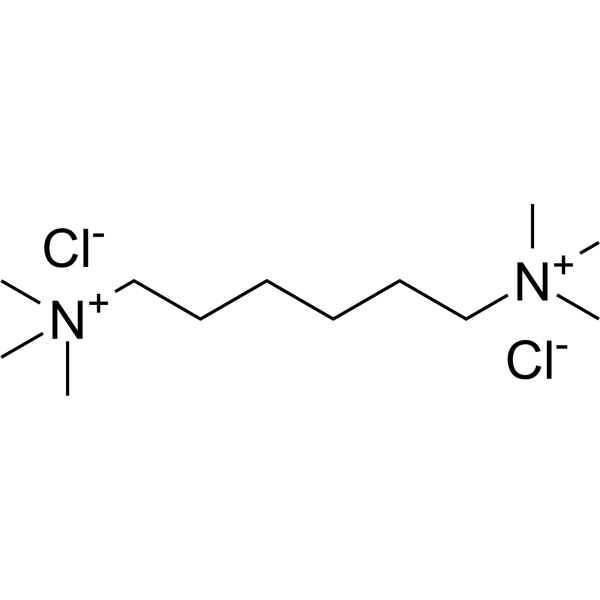
Cat. No.: HY-B1661
CAS No.: 60-25-3
Synonyms: Hexone chloride
Hexamethonium Chloride Dihydrate is a synthetic organic compound commonly used as a ganglion blocking agent, which means it blocks the transmission of nerve impulses between ganglion cells in the autonomic nervous system. Hexamethonium Chloride Dihydrate is used in various medical applications such as lowering blood pressure or inhibiting certain types of neuropathic pain. It works by inhibiting the release of acetylcholine, a neurotransmitter that plays a key role in regulating many bodily functions.
loading...
    loading...
3
3 Cited Publications
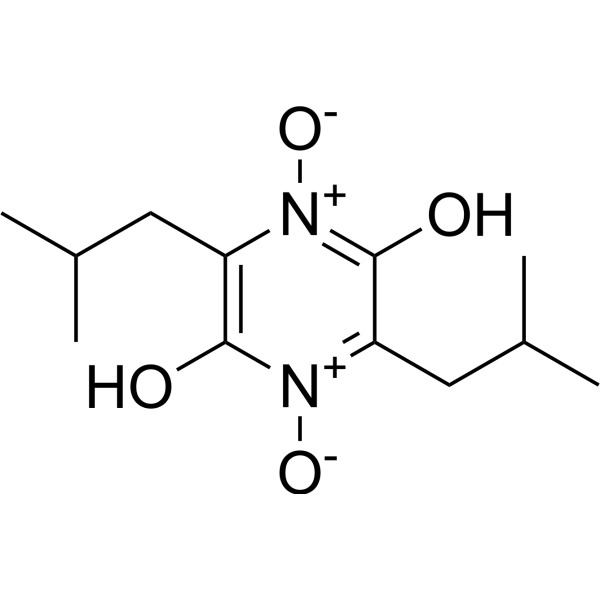
Cat. No.: HY-N10473
CAS No.: 957-86-8
Pulcherriminic acid is a cyclic dipeptide antimicrobial agent with high affinity for Fe 3+, found mainly in Bacillus and yeast. Pulcherriminic acid chelates iron ions through a non-enzymatic reaction to form the extracellular red pigment pulcherrimin, which competes for iron nutrition and thus achieves an antibacterial effect. Pulcherriminic acid has great applications in food, agriculture and medical industries .
loading...
    loading...
1
1 Cited Publications
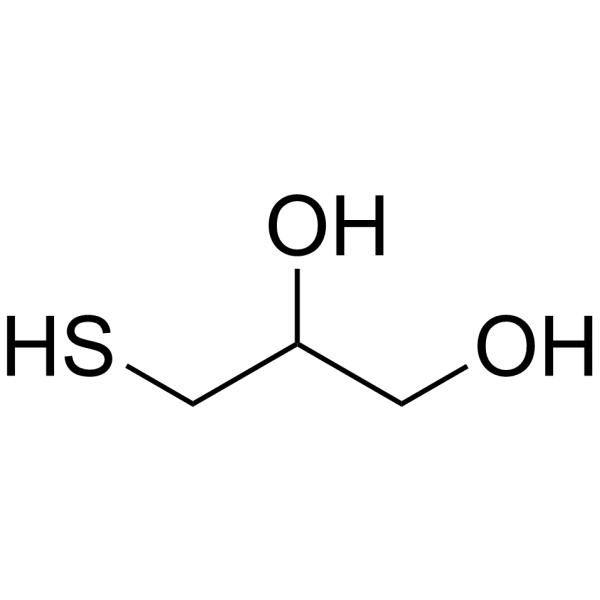
Cat. No.: HY-W010572
CAS No.: 96-27-5
Synonyms: alpha-Thioglycerol
1-Thioglycerol, commonly used as a reducing agent in various biochemical and biophysical applications, especially in protein chemistry and molecular biology, it can protect proteins from oxidation and denaturation, and can reduce disulfide bonds to thiols base, which can then be modified or analyzed. In addition, 1-Thioglycerol has been investigated for potential medical applications, including as an inhibitor of cystic fibrosis, which may help improve the function of lung cells, and has also been studied for Used in the preparation of metal nanoparticles and as a stabilizer for certain pharmaceutical preparations.
loading...
    loading...
1
1 Cited Publications
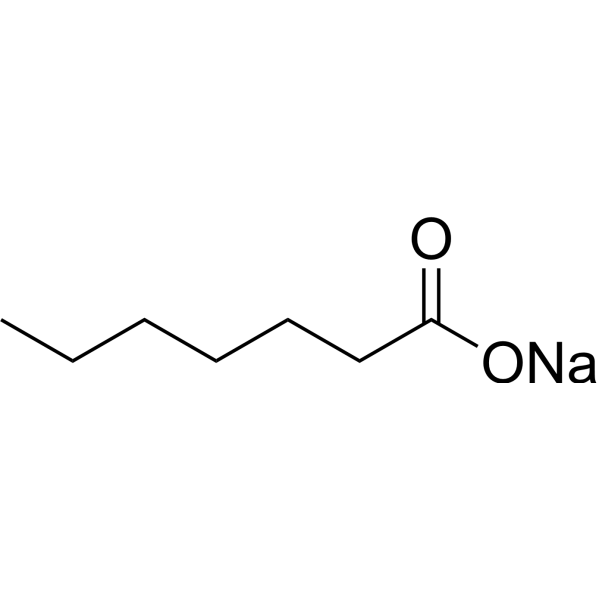
Cat. No.: HY-42935A
CAS No.: 10051-45-3
Synonyms: Enanthate sodium
Heptanoate sodium is an organic sodium salt compound widely used in various industries and laboratories. It can be used as surfactant, emulsifier, lubricant and preservative, etc., and plays an important role in some electronic devices. In addition, Heptanoate sodium is also used in the preparation of certain chemicals and raw materials such as paints, plastics, fragrances, etc. Although the compound has no direct medical application, it plays an important role in chemical research and industrial production.
loading...
    loading...
1
1 Cited Publications
Cat. No.: HY-W250312
CAS No.: 24980-41-4
Polycaprolactone is a biodegradable polyester commonly used in various biomedical and industrial applications. It is a white waxy polymer that can be molded into various shapes and forms. Polycaprolactone has various properties suitable for these applications, including low melting point, high flexibility and slow biodegradation rate. It can be used as a raw material for the production of tissue engineering scaffolds, drug delivery systems, and medical implants. In addition, it is used as a binder in the production of adhesives, coatings and paints.
loading...
    loading...
Cat. No.: HY-Y0308
CAS No.: 7558-79-4
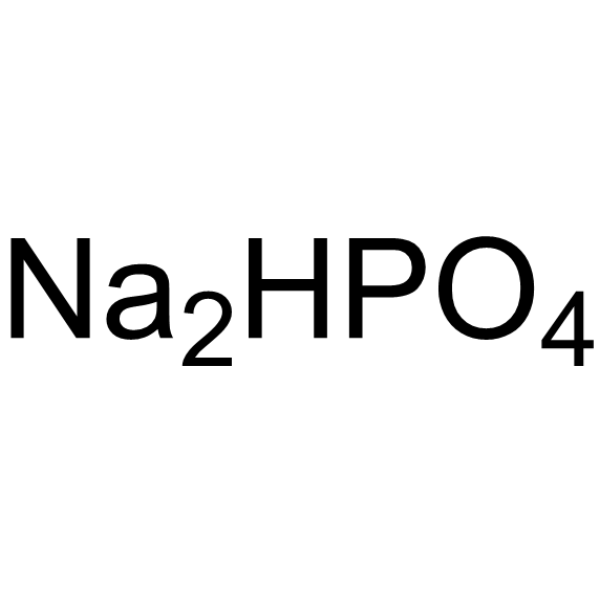
Disodium phosphate is commonly used as a food additive, buffer and laboratory reagent. Disodium phosphate has unique chemical properties that make it an important ingredient in the manufacture of fertilizers, detergents and water treatment products. Additionally, it is used in various medical applications such as osmotic laxatives and electrolyte replacement solutions.
loading...
    loading...
Cat. No.: HY-34717
CAS No.: 429-42-5
Synonyms: Tetra-n-butylammonium tetrafluoroborate
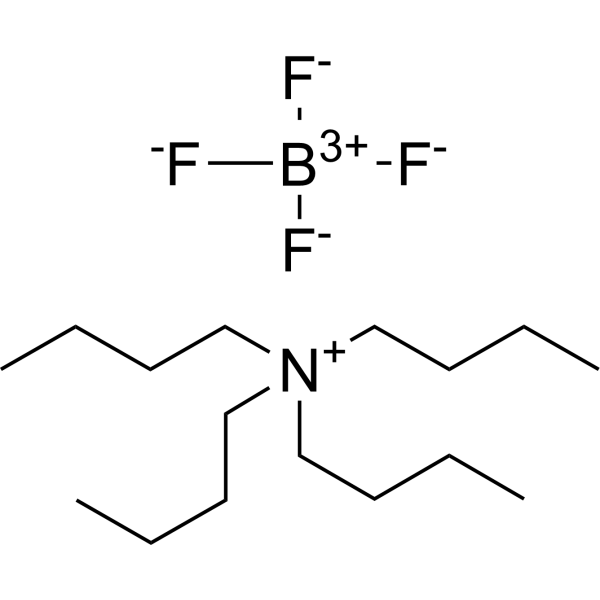
Tetrabutylammonium tetrafluoroborate is an inorganic salt commonly used in organic synthesis reactions and electrochemical applications. It is usually used as a catalyst or reagent, and is widely used in the field of organic synthesis, such as fluorination reaction, olefin addition and cyclization reaction, etc. In addition, it can also be used in electrochemical deposition and electroplating, and plays an important role in some electronic devices. Although it has no direct application in the medical field, it plays an important role in chemical research and industrial production.
loading...
    loading...
Cat. No.: HY-B2210
CAS No.: 660-27-5
Synonyms: DIPA; Diisopropylamine dichloroacetate
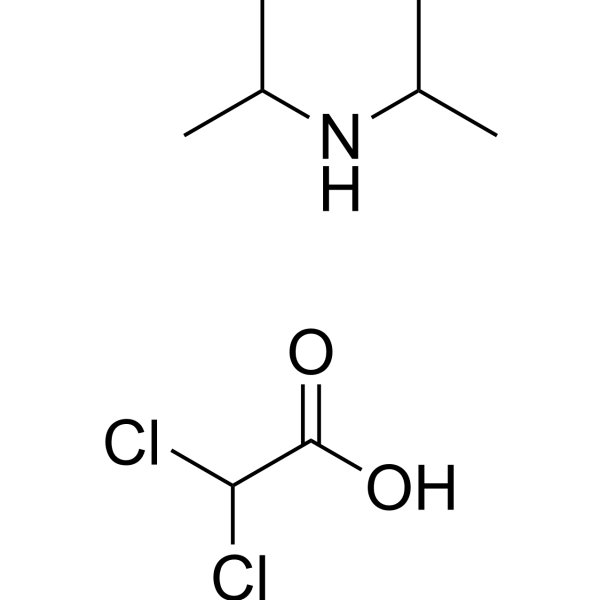
Diisopropylammonium dichloroacetate is an organic compound commonly used as a catalyst and ligand for organic reactions. It can promote various organic chemical reactions, such as olefin addition, carbonylation reaction and asymmetric catalytic reaction, etc. In addition, the compound is also widely used in the research of some medical fields, for example, in the application of anti-tumor therapy.
loading...
    loading...
Cat. No.: HY-B1937
CAS No.: 25155-30-0
Synonyms: Bio-Soft S 101 sodium
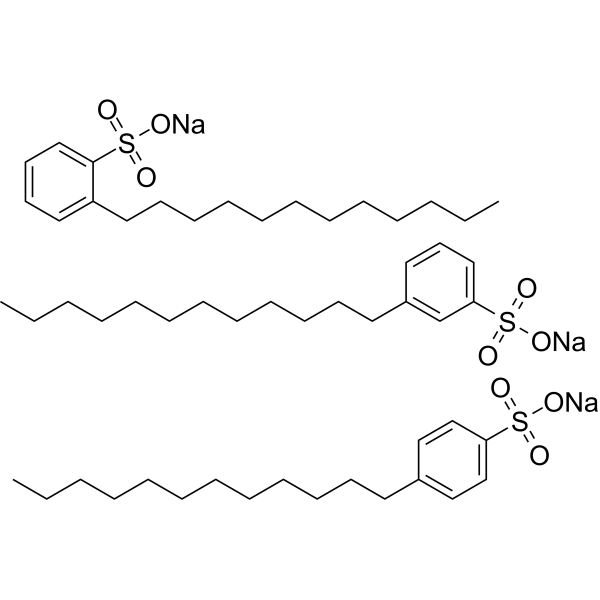
Sodium dodecylbenzenesulfonate (Bio-Soft S 101 sodium) is a nonionic surfactant commonly used in a variety of applications for cleaning and treating industrial equipment. It has good cleaning power and environmental compatibility, and can effectively remove oil, dirt and other forms of contamination. In addition, in textile, paper, leather and other industries, the compound can also be used for fixing and stabilizing dyes and colors. Although the compound has no direct application in the medical field, it plays an important role in industry and laboratory research.
loading...
    loading...
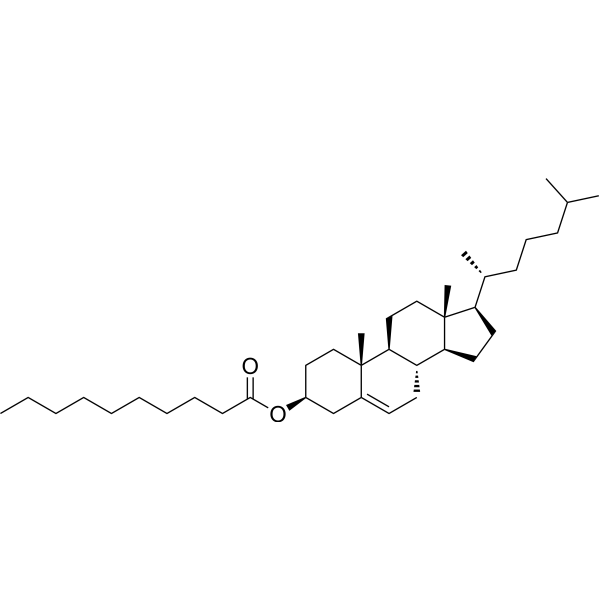
Cat. No.: HY-W127351
CAS No.: 1183-04-6
Target:  

Liposome

Research Areas:  

Others

Cholesterol decanoate is an organic compound belonging to the class of esters. It is formed from the reaction between cholesterol and capric acid. Cholesterol decanoate has several applications in the pharmaceutical industry, particularly as a bioactive compound with potential research potential for improving a range of medical conditions, such as high cholesterol and inflammation-related diseases. Additionally, it has potential applications as a food additive to improve texture and stability.
loading...
    loading...
Cat. No.: HY-D0711R
CAS No.: 3599-32-4
Synonyms: Foxgreen (Standard); IC Green (Standard); Cardiogreen (Standard)
Research Areas:  

Others

Indocyanine green (Standard) is the analytical standard of Indocyanine green. This product is intended for research and analytical applications. Indocyanine green (Foxgreen) is a low toxicic fluorescent agent that has been widely used in medical diagnostics, such as determining cardiac output, hepatic function, and liver blood flow, and for ophthalmic angiography .
loading...
    loading...
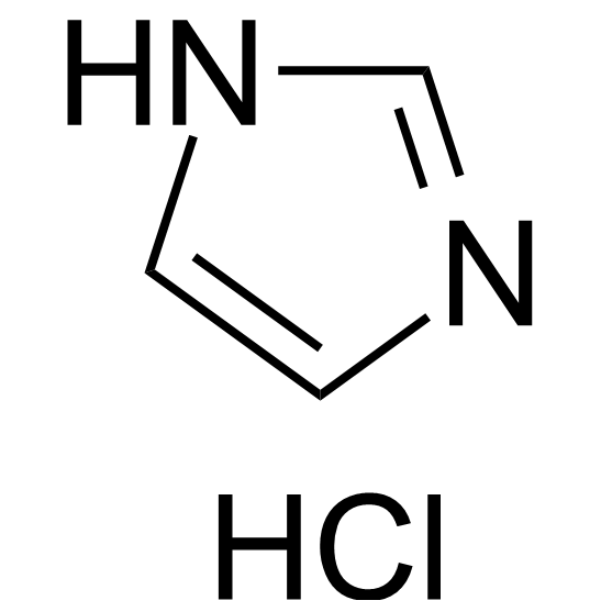
Cat. No.: HY-ER010
CAS No.: 1467-16-9
Synonyms: Imidazole hydrochloride
1H-Imidazole hydrochloride can be used as ligand, buffer and catalyst, etc., and also plays an important role in the process of drug synthesis and extraction of natural products. In addition, the compound is widely used in certain industrial fields, such as in the manufacturing process of plastics, coatings, textiles and electronic materials. Although the compound has no direct medical applications, it plays an important role in chemical research and laboratory studies.
loading...
    loading...
Cat. No.: HY-W093282
CAS No.: 8013-07-8
Synonyms: Soybean oil epoxide
Epoxidized soya bean oil (ESBO) is a vegetable oil-derived organic compound used as a plasticizer and stabilizer in various applications. It is produced by epoxidation of soybean oil, which introduces epoxy groups into the fatty acid chains of the oil. ESBO is a viscous, pale yellow liquid that is soluble in many organic solvents, such as chloroform and ethanol, but insoluble in water. It is commonly used as a plasticizer in polyvinyl chloride (PVC) products, including toys, food packaging materials and medical devices. In addition to its plasticizing properties, ESBO acts as an antioxidant and UV stabilizer, helping to prevent degradation and discoloration of PVC products over time. ESBOs have been investigated for their potential use in biodegradable plastics and as bio-based alternatives to traditional petroleum-derived plasticizers.
loading...
    loading...
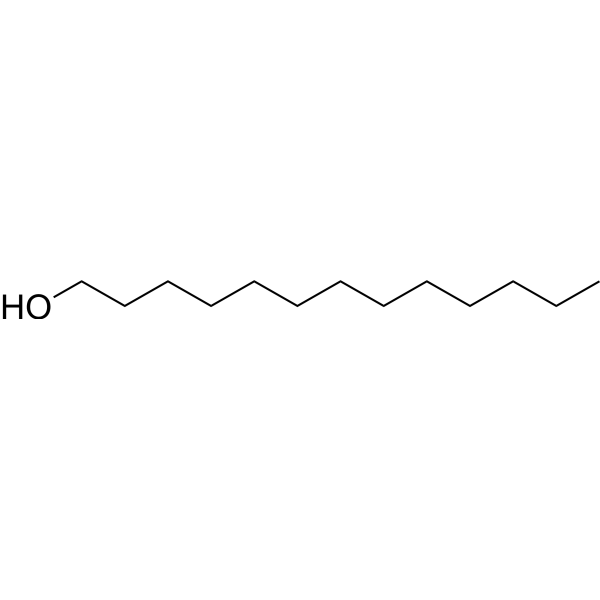
Cat. No.: HY-W004293
CAS No.: 112-70-9
Synonyms: Tridecyl Alcohol
Research Areas:  

Others

1-Tridecanol is an organic compound commonly used as a surfactant, lubricant, and stabilizer, among others. It can be used in some cleaning products, preservatives and plastic additives, and can help enhance their performance and stability. In addition, the compound is used in some industrial fields, for example in the manufacture of products such as cellulose and paints. Although the compound has no direct medical application, it plays an important role in consumer products and industrial production.
loading...
    loading...
Cat. No.: HY-24312
CAS No.: 153130-59-7
AD-mix-α is a mixture of organic compounds, commonly used to distinguish and identify asymmetric carbon atoms in chiral compounds. It consists of compounds containing catalytically active metals and chiral ligands. AD-mix-α is widely used in various organic synthesis reactions, such as hydrogenation, addition, and carbonylation reactions, to increase yield and reduce the formation of side reaction products. Although it has no direct application in the medical field, it plays an important role in the pharmaceutical industry and chemical research.
loading...
    loading...
Cat. No.: HY-N0175R
CAS No.: 485-35-8
Synonyms: Cytisine (Standard); Sophorine (Standard); Baptitoxine (Standard)
Cytisinicline (Standard) is the analytical standard of Cytisinicline. This product is intended for research and analytical applications. Cytisinicline (Cytisine) is an alkaloid. Cytisinicline (Cytisine) is a partial agonist of α4β2 nAChRs , and partial to full agonist at β4 containing receptors and α7 receptors . Has been used medically to help with smoking cessation .
loading...
    loading...
Cat. No.: HY-78211
CAS No.: 4949-44-4
Synonyms: Ethyl Propionylacetate
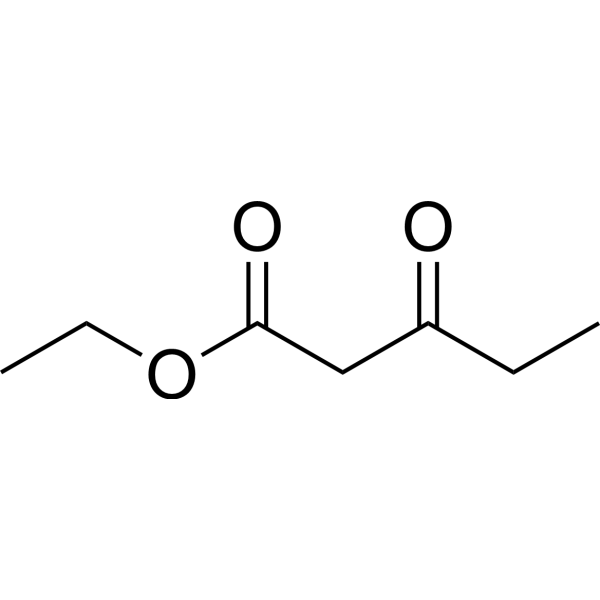
Ethyl 3-oxopentanoate is an organic ester compound commonly used as a reactant or solvent in organic synthesis. It can be used as an important raw material for the preparation of pharmaceuticals, food flavors, spices and other products. In addition, because of its stability and reactivity in certain chemical reactions, it is also widely used in some industrial productions. Although Ethyl 3-oxopentanoate has no direct application in the medical field, it still plays an important role in chemical research and industry.
loading...
    loading...
Cat. No.: HY-W018746R
CAS No.: 139-33-3
Synonyms: Ethylenediaminetetraacetic acid disodium (Standard)
EDTA (disodium) (Standard) is the analytical standard of EDTA (disodium). This product is intended for research and analytical applications. EDTA disodium salt, also known as ethylenediaminetetraacetic acid disodium, belongs to the chelating agent category, which is formed by chelating a central metal ion with four carboxylate groups and two amine groups. This compound, with its ability to bind and chelate metal ions such as calcium, magnesium and iron, is commonly used in a variety of applications, including industrial, medical and research settings. It is used as a preservative in food and beverage, as a stabilizer in medicine, as a chelating agent in water treatment, and as a reagent in biochemical and biomedical research. In addition, EDTA disodium salt has been studied for potential research effects such as improving heavy metal poisoning and cardiovascular disease.
loading...
    loading...
Cat. No.: HY-N0073R
CAS No.: 126-19-2
Synonyms: Parigenin (Standard); Sarsagenin (Standard)
Sarsasapogenin (Standard) is the analytical standard of Sarsasapogenin. This product is intended for research and analytical applications. Sarsasapogenin is a sapogenin from the Chinese medical herb Anemarrhena asphodeloides Bunge, with antidiabetic, anti-oxidative, anticancer and anti-inflamatory activities.
loading...
    loading...

