64 Results for "

mesenteric microcirculation

" in MedChemExpress (MCE) Product Catalog:
Products (64)

64 Results for "mesenteric microcirculation" in MCE Product Catalog:

26
26 Publications Verification
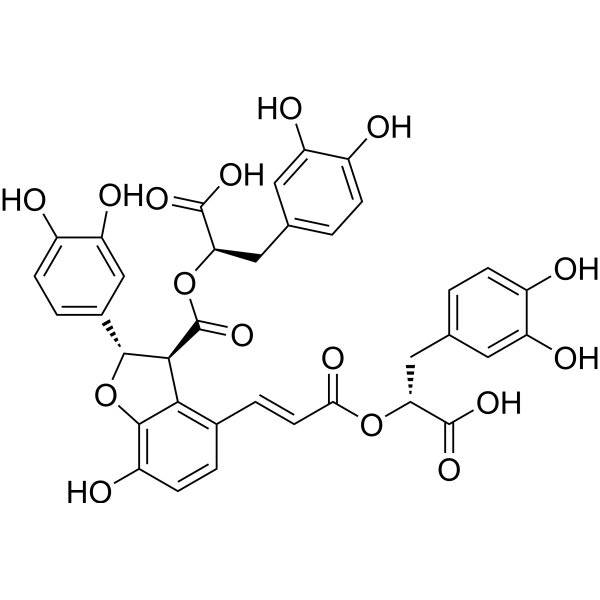
Cat. No.: HY-N1362
CAS No.: 121521-90-2
Synonyms: Lithospermic acid B
Salvianolic acid B is an active ingredient of Salvia miltiorrhiza, which has been widely applied in China for the management of various microcirculation-related disorders, such as cardiovascular disease, cerebrovascular disease, and diabetic vascular complication.
loading...
    loading...
14
14 Cited Publications
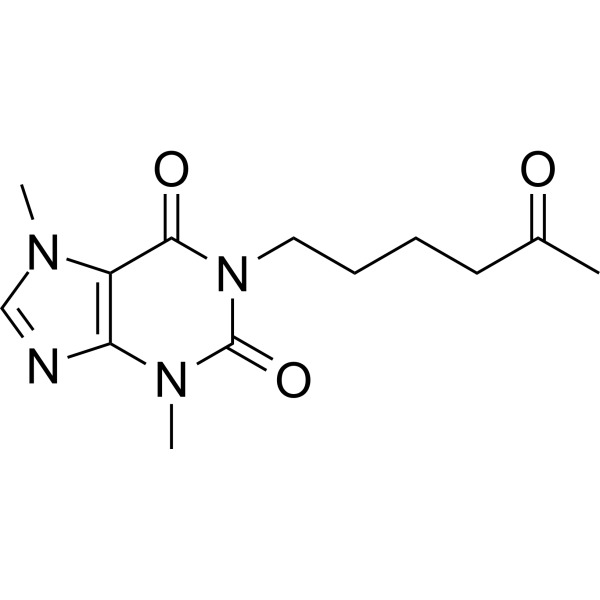
Cat. No.: HY-B0715
CAS No.: 6493-05-6
Synonyms: BL-191; Oxpentifylline
Pentoxifylline (BL-191), a haemorheological agent, is an orally active non-selective phosphodiesterase (PDE) inhibitor, with immune modulation, anti-inflammatory, hemorheological, anti-fibrinolytic and anti-proliferation effects. Pentoxifylline can be used for the research of peripheral vascular disease, cerebrovascular disease and a number of other conditions involving a defective regional microcirculation .
loading...
    loading...
3
3 Cited Publications
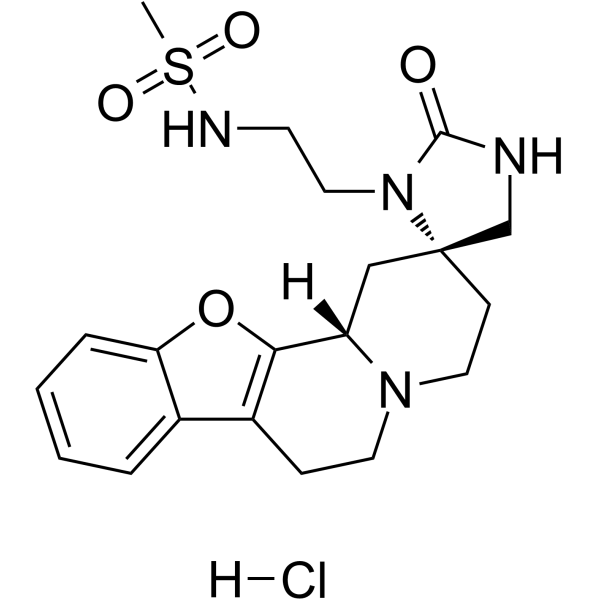
Cat. No.: HY-19057A
CAS No.: 130466-38-5
Synonyms: MK-467 hydrochloride; L-659066 hydrochloride
Target:  

Adrenergic Receptor

Vatinoxan hydrochloride (MK-467 hydrochloride) is a peripherally selective α2-Adrenoceptor antagonist. Vatinoxan hydrochloride blocks peripheral α2-adrenoceptor-mediated vasoconstriction, bradycardia, hyperglycemia, diuresis, lens opacity, and decreased intraocular pressure, delays pupil dilation, and maintains corneal thickness. Vatinoxan hydrochloride, when combined with Medetomidine (HY-17034)/benzodiazepines, reduces respiratory rate and increases pulse rate, cutaneous microcirculation, tissue oxygenation, peripheral heat loss, and cardiac index, while altering gastrointestinal perfusion and mean arterial pressure, without causing death, hypotension, or hypoglycemia, and blocks vasoconstriction of chelonian resistance arteries .
loading...
    loading...
3
3 Cited Publications
Cat. No.: HY-19057
CAS No.: 114914-42-0
Synonyms: MK-467; L-659066
Vatinoxan (MK-467) is a peripherally selective α2-Adrenoceptor antagonist. Vatinoxan blocks peripheral α2-adrenoceptor-mediated vasoconstriction, bradycardia, hyperglycemia, diuresis, lens opacity, and decreased intraocular pressure, delays pupil dilation, and maintains corneal thickness. Vatinoxan, when combined with Medetomidine (HY-17034)/benzodiazepines, reduces respiratory rate and increases pulse rate, cutaneous microcirculation, tissue oxygenation, peripheral heat loss, and cardiac index, while altering gastrointestinal perfusion and mean arterial pressure, without causing death, hypotension, or hypoglycemia, and blocks vasoconstriction of chelonian resistance arteries .
loading...
    loading...
2
2 Cited Publications
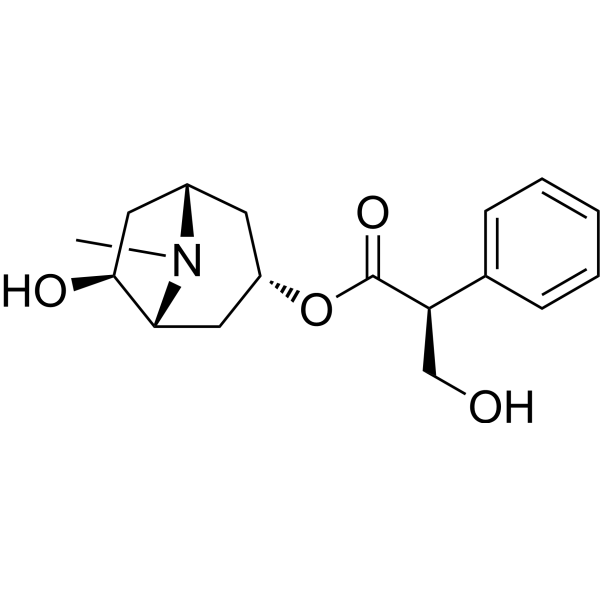
Cat. No.: HY-N0584
CAS No.: 55869-99-3
Synonyms: 6-Hydroxyhyoscyamine
Anisodamine (6-Hydroxyhyoscyamine), a belladonna alkaloid, is a non-subtype-selective muscarinic, and also a nicotinic cholinoceptor antagonist. Anisodamine employs in traditional Chinese medicine for many ailments, mainly to improve the microcirculation in states of shock, and also in organophosphate poisoning .
loading...
    loading...
2
2 Cited Publications
Cat. No.: HY-112234
CAS No.: 17094-01-8
Synonyms: Sepiapterin
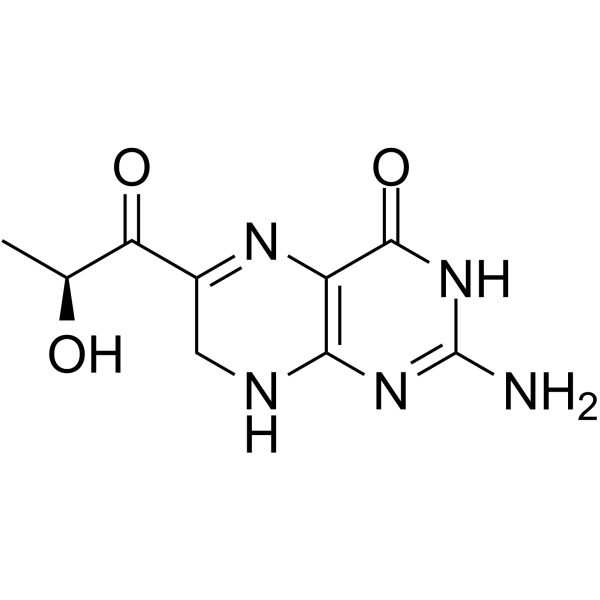
L-Sepiapterin (Sepiapterin), is a phenylalanine hydroxylase activator, is a precursor of the endothelial nitric oxide synthase (eNOS) cofactor tetrahydrobiopterin (BH4). L-Sepiapterin improves endothelial dysfunction in small mesenteric arteries from db/db mice, and induces angiogenesis. L-Sepiapterin inhibits cell proliferation and migration of ovarian cancer cells via down-regulation of p70 S6K-dependent VEGFR-2 expression. L-Sepiapterin can be used for the study of hyperphenylalaninemia .
loading...
    loading...
1
1 Cited Publications
Cat. No.: HY-132184
CAS No.: 87173-80-6
Purity:  ≥99.0%
Synonyms: 5,6-EET; (±)5,6-EpETrE
Research Areas:  

Endocrinology

5,6-Epoxyeicosatrienoic acid (5,6-EET; (±)5,6-EpETrE) is a fully racemic version of the enantiomeric forms biosynthesized from arachidonic acid by cytochrome P450 enzymes. In solution, 5,6-Epoxyeicosatrienoic acid degrades into 5,6-DiHET and 5,6-δ-lactone, which can be converted to 5,6-DiHET and quantified by GC-MS. In neuroendocrine cells, such as the anterior pituitary and pancreatic islets, 5,6-Epoxyeicosatrienoic acid has been implicated in the mobilization of calcium and hormone secretion. 5,6-Epoxyeicosatrienoic acid is an inhibitor of T-type voltage-gated calcium channels (Cav3) that inhibits isoforms Cav3.1, Cav3.2 (IC50=0.54 μM), and Cav3. and decreases nifedipine-resistant phenylephrine-induced vasoconstriction in isolated mouse mesenteric arteries via Cav3.2 blockade when used at a concentration of 3 μM. In addition, it is a substrate of COX-1 and COX-2.
loading...
    loading...
1
1 Cited Publications
Cat. No.: HY-P990001
Anti-Mouse IL-10 Antibody (JES5-2A5) is an anti-mouse IL-10 IgG1 monoclonal antibody. Anti-Mouse IL-10 Antibody (JES5-2A5) restores the anti-tumor activity of IL-6 by blocking the IL-10/SOCS3 axis. Anti-Mouse IL-10 Antibody (JES5-2A5) can reverse microcirculation and cognitive deficits. Anti-Mouse IL-10 Antibody (JES5-2A5) can be used for researches on cancer and metabolic disease such as osteosarcoma and type 1 diabetes mellitus (T1DM) .
loading...
    loading...
1
1 Cited Publications
Cat. No.: HY-111804
CAS No.: 6068-78-6
Purity:  99.33%
Synonyms: DiOHF
Target:  

NO Synthase

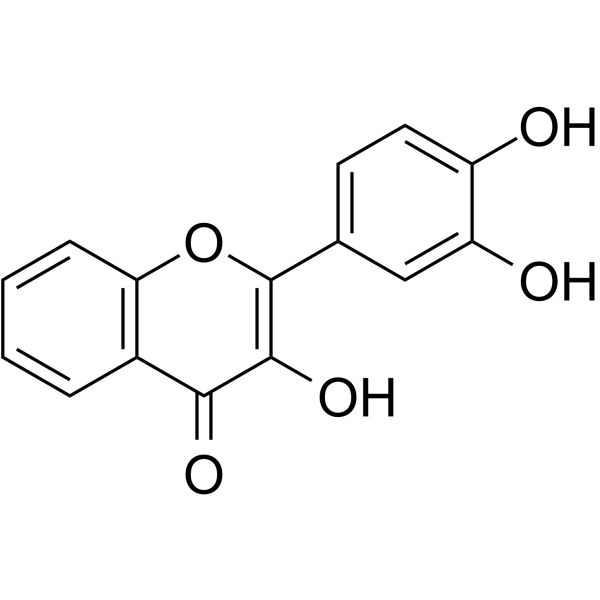
3',4'-Dihydroxyflavonol (DiOHF) is an effective antioxidant, which reduces superoxide and improves nitric oxide (NO) function in diabetic rat mesenteric arteries .
loading...
    loading...
Cat. No.: HY-13569A
CAS No.: 496807-11-5
Purity:  99.88%
Synonyms: TRK-100; ML 1129 sodium
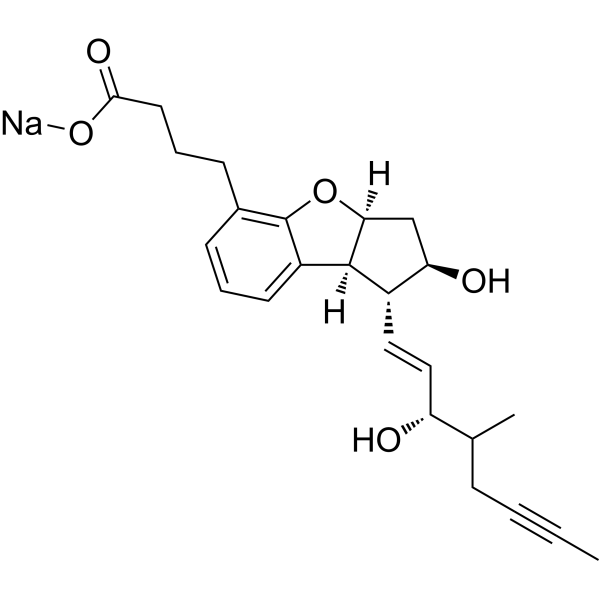
Beraprost sodium (TRK-100), a prostacyclin analog, is a stable and orally active proagent of PGI2. Beraprost sodium (TRK-100) is a potent vasodilator, has the potential for pulmonary arterial hypertension treatment through expanding renal vessels, improving microcirculation . Beraprost sodium (TRK-100) is a click chemistry reagent, it contains an Alkyne group and can undergo copper-catalyzed azide-alkyne cycloaddition (CuAAc) with molecules containing Azide groups.
loading...
    loading...
Cat. No.: HY-B1440
CAS No.: 985-13-7
Ethaverine hydrochloride is a Papaverine derivative and vasodilator. Ethaverine hydrochloride inhibits Phosphodiesterase, Tyrosine hydroxylase, and MAO-B. Ethaverine hydrochloride blocks L-type Ca 2+ channels, reduces intracellular Ca 2+ levels, inhibits platelet adhesion and aggregation, regulates cardiac conduction and heart rate, and increases peripheral and cerebral blood flow. Ethaverine hydrochloride alters cochlear microcirculation, intracochlear Po2, CM potential, and EP in guinea pigs, and induces transient hypotension. Ethaverine hydrochloride is used in the research of peripheral vascular diseases .
loading...
    loading...
Cat. No.: HY-N1362R
CAS No.: 121521-90-2
Synonyms: Lithospermic acid B (Standard)
Salvianolic acid B (Standard) is the analytical standard of Salvianolic acid B. This product is intended for research and analytical applications. Salvianolic acid B is an active ingredient of Salvia miltiorrhiza, which has been widely applied in China for the management of various microcirculation-related disorders, such as cardiovascular disease, cerebrovascular disease, and diabetic vascular complication.
loading...
    loading...
Cat. No.: HY-137273
CAS No.: 74135-10-7
Purity:  ≥98.0%
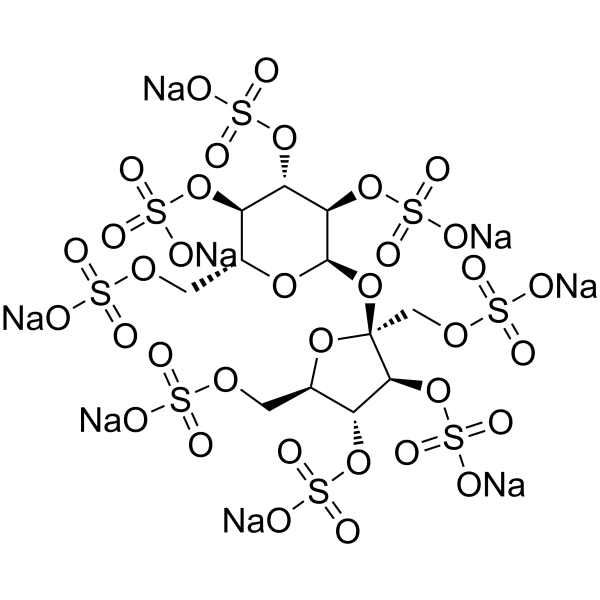
Sucrose octasulfate sodium is a wound healing promoter. Sucrose octasulfate sodium inhibits MMP, promotes angiogenesis and improves microcirculation. Sucrose octasulfate sodium causes mild skin irritation. Sucrose octasulfate sodium can be used to prepare p (MMA-co-AM)/PVA@PSO hydrogels. Sucrose octasulfate sodium is applicable to research related to diabetic wounds .
loading...
    loading...
Cat. No.: HY-B0715S2
CAS No.: 1185995-18-9
Synonyms: BL-191-d5; Oxpentifylline-d5
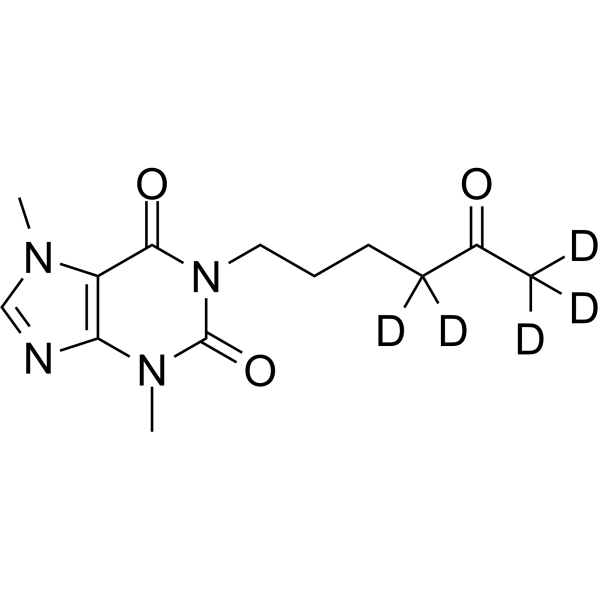
Pentoxifylline-d5 is the deuterium labeled Pentoxifylline. Pentoxifylline (BL-191), a haemorheological agent, is an orally active non-selective phosphodiesterase (PDE) inhibitor, with immune modulation, anti-inflammatory, hemorheological, anti-fibrinolytic and anti-proliferation effects. Pentoxifylline can be used for the research of peripheral vascular disease, cerebrovascular disease and a number of other conditions involving a defective regional microcirculation .
loading...
    loading...
Cat. No.: HY-15378
CAS No.: 178600-17-4
Purity:  99.63%
Synonyms: ZD2079 hydrochloride
Target:  

Adrenergic Receptor

Research Areas:  

Cardiovascular Disease

Talibegron hydrochloride (ZD2079 hydrochloride) is a potent β3-adrenoceptor agonist with a pD2 of 3.72 on phenylephrine-preconstricted rat mesenteric artery. Talibegron hydrochloride has potent vasorelaxant effect .
loading...
    loading...
Cat. No.: HY-P2501
CAS No.: 135702-23-7
Target:  

Amylin Receptor

Research Areas:  

Metabolic Disease

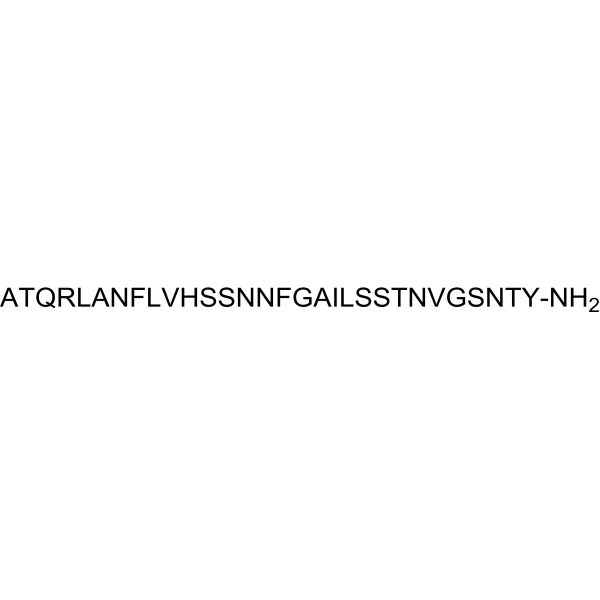
Amylin (8-37), human is a fragment of human Amylin. Amylin (8-37), human has direct vasodilator effects in the isolated mesenteric resistance artery of the rat. Human Amylin is a small hormone secreted by pancreatic β-cells that forms aggregates under insulin deficiency metabolic conditions, and it constitutes a pathological hallmark of type II diabetes mellitus .
loading...
    loading...
Cat. No.: HY-U00134
CAS No.: 2179-37-5
Synonyms: Bencyclane; Benzcyclan
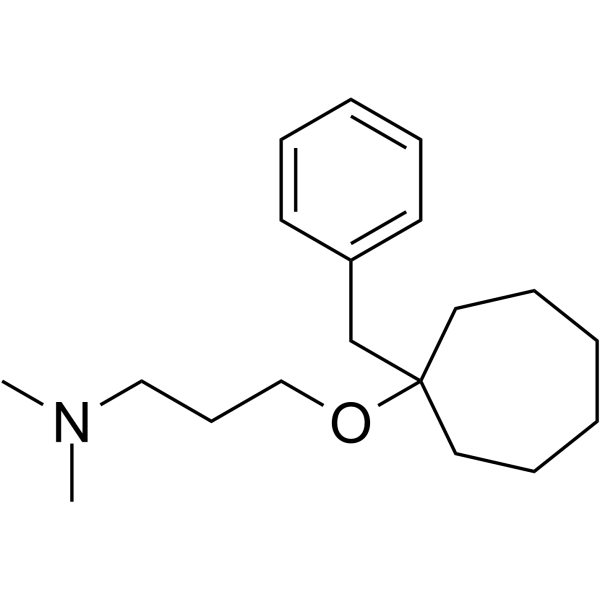
Benzcyclane (Bencyclane; Benzcyclan) is a vasodilator with serotonin receptor antagonism. Benzcyclane exerts atypical serotonin antagonistic effects in rabbit superior mesenteric arteries. Benzcyclane relaxes high K +-induced contractions in rabbit basilar arteries and superior mesenteric arteries, and selectively inhibits sympathetic nerve stimulation-induced contractions in rabbit pulmonary arteries. Benzcyclane exerts non-competitive norepinephrine antagonistic effects in rabbit superior mesenteric arteries, and slightly reduces the maximum contractile response induced by histamine. Benzcyclane relaxes smooth muscles, induces transient hypotension, inhibits thrombosis, and accelerates blood fibrinolytic activity. Benzcyclane increases cerebral glucose content/uptake, enhances hypoxia tolerance in mice, and increases cerebral blood supply in dogs. Benzcyclane is applicable to studies related to cerebral vascular circulation .
loading...
    loading...
Cat. No.: HY-141436
CAS No.: 73264-44-5
Purity:  ≥98.0%
Synonyms: Sucrose octasulfate potassium
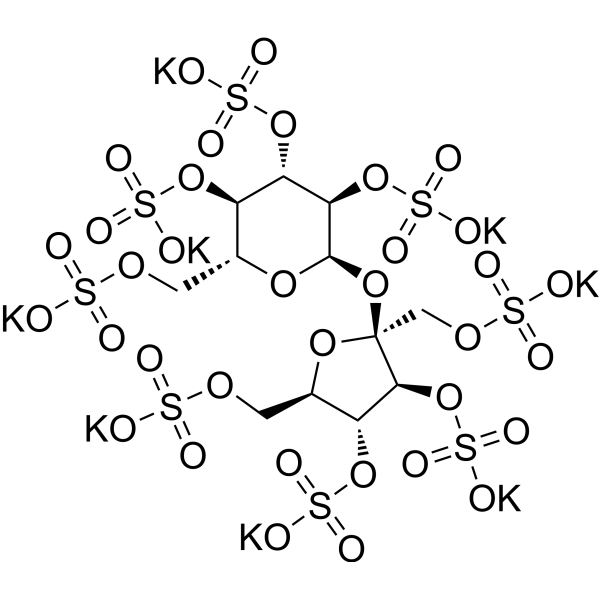
Sucrosofate potassium (Sucrose octasulfate potassium) is a wound healing promoter. Sucrosofate potassium inhibits MMP, promotes angiogenesis and improves microcirculation. Sucrosofate potassium causes mild skin irritation. Sucrosofate potassium can be used to prepare p (MMA-co-AM)/PVA@PSO hydrogels. Sucrosofate potassium is applicable to research related to diabetic wounds .
loading...
    loading...
Cat. No.: HY-179074C
FITC-Polysucrose 70 is FITC-labeled Polysucrose 70 (HY-131960A). Polysucrose 70 is a high molecular weight branched polysaccharide polymer. Polysucrose 70 is a copolymer of sucrose and epichlorohydrin and can be used for cell separation. FITC-Polysucrose 70 is mainly used for permeability and microcirculation studies (Ex/Em = 488/525 nm) .
loading...
    loading...
Cat. No.: HY-B0715S
CAS No.: 1185878-98-1
Synonyms: BL-191-d6; Oxpentifylline-d6
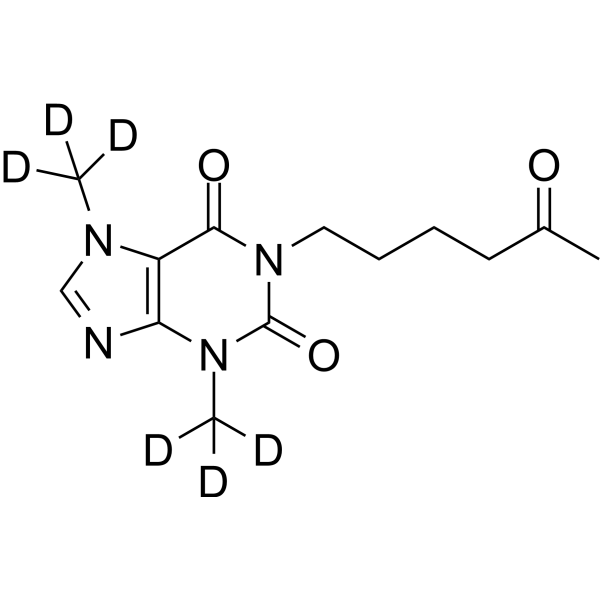
Pentoxifylline-d6 is the deuterium labeled Pentoxifylline. Pentoxifylline (BL-191), a haemorheological agent, is an orally active non-selective phosphodiesterase (PDE) inhibitor, with immune modulation, anti-inflammatory, hemorheological, anti-fibrinolytic and anti-proliferation effects. Pentoxifylline can be used for the research of peripheral vascular disease, cerebrovascular disease and a number of other conditions involving a defective regional microcirculation .
loading...
    loading...

