70 Results for "

microglia activation

" in MedChemExpress (MCE) Product Catalog:
Products (70)

70 Results for "microglia activation" in MCE Product Catalog:
13
13 Publications Verification
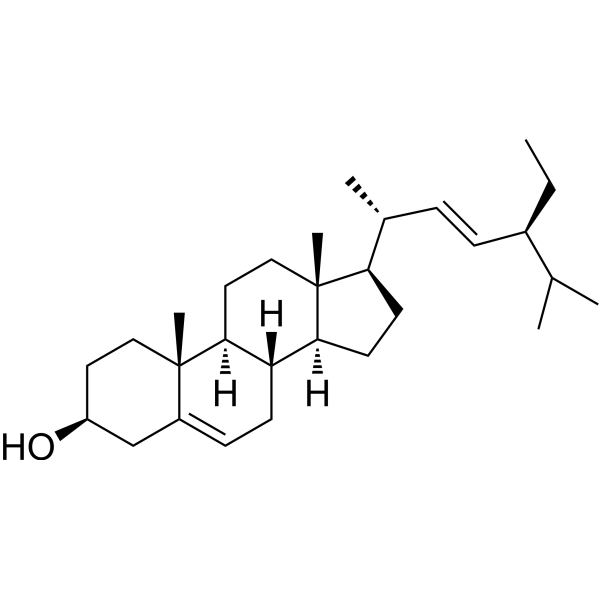
Cat. No.: HY-N0131
CAS No.: 83-48-7
Stigmasterol is an orally acitve, immunomodulatory agent with anti-inflammatory and neuroprotective effect, as well as able to cross the blood-brain barrier. Stigmasterol activates AMPK, which in turn inhibits NF-κB and NLRP3 signaling pathways, reduces microglia-mediated neuroinflammation, and alleviates cognitive impairment and Alzheimer's disease. Stigmasterol regulates M1/M2 polarization of microglia through the TLR4/ NF-κB pathway, thereby reducing neuropathic pain. Stigmasterol can be used for neurodegenerative diseases, inflammatory diseases, and pain management, among others .
loading...
    loading...
11
11 Cited Publications
Cat. No.: HY-B0763
CAS No.: 50847-11-5
Synonyms: KC-404; AV-411; MN-166
Research Areas:  

Inflammation/Immunology Cancer

Ibudilast (KC-404; AV-411; MN-166) is a cyclic AMP phosphodiesterase (PDE) inhibitor. Ibudilast has platelet anti-aggregatory effects. Ibudilast can be used for the research of asthma for its inhibitory effects on tracheal smooth muscle contractility. Ibudilast may be a useful neuroprotective and anti-dementia agent counteracting neurotoxicity in activated microglia .
loading...
    loading...
3
3 Cited Publications
Cat. No.: HY-101860
CAS No.: 1252608-59-5
Purity:  99.87%
Target:  

Interleukin Related

Research Areas:  

Neurological Disease

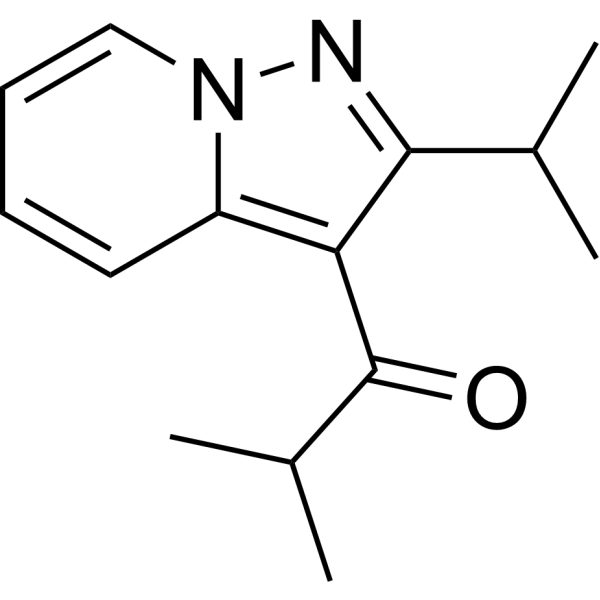
GIBH-130 is an effective inhibitor of neuroinflammation. GIBH-130 significantly suppresses the IL-1β secretion by activated microglia (IC50=3.4 nM).
loading...
    loading...
2
2 Cited Publications
Cat. No.: HY-P1241
CAS No.: 412961-36-5
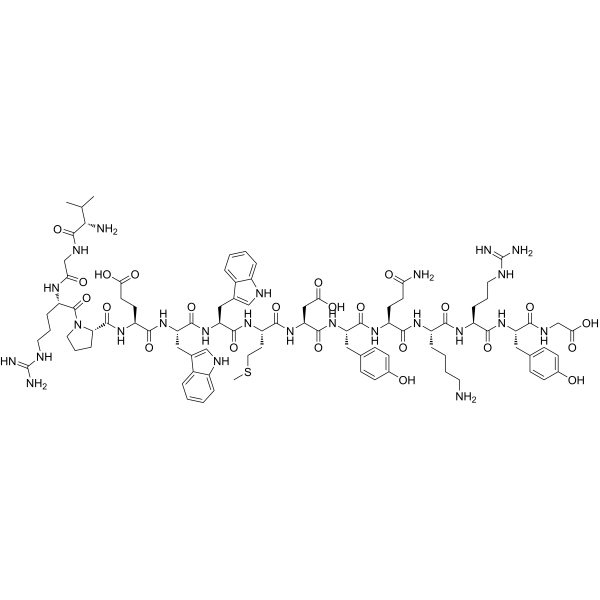
BAM(8-22), a proteolytically cleaved product of proenkephalin A and sensory neuron-specific receptor (SNSR) agonist, is a potent activator of Mas-related G-protein-coupled receptors (Mrgprs), MrgprC11 and hMrgprX1. BAM(8-22) induces scratching in mice in an Mrgpr-dependent manner. In addition, BAM(8-22) has an analgesic effect and can also inhibit the activation of microglia .
loading...
    loading...
2
2 Cited Publications
Cat. No.: HY-107541
CAS No.: 317321-41-8
Purity:  99.68%
Target:  

GPR55

Research Areas:  

Neurological Disease

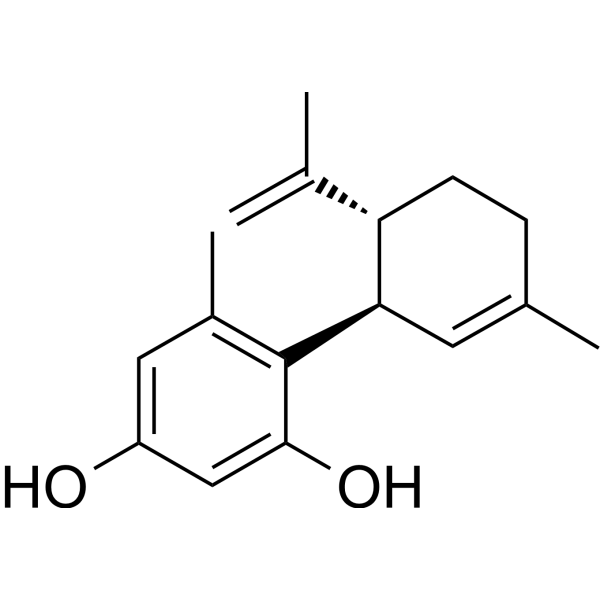
O-1602 is an agonist of GPR55 (G protein-coupled receptor 55). O-1602 reduces the number and activation of hippocampal microglia induced by METH (methamphetamine). O-1602 decreases the expression levels of NLRP3 inflammasome proteins, including NLRP3, ASC and Caspase-1 .
loading...
    loading...
2
2 Cited Publications
Cat. No.: HY-101318
CAS No.: 72786-10-8
Purity:  98.0%
Synonyms: β-FNA hydrochloride
β-Funaltrexamine (β-FNA) hydrochloride is a blood-brain barrier-permeable, selective and irreversible μ-opioid receptor antagonist with immunomodulatory, anti-inflammatory and neuroprotective activities. β-Funaltrexamine hydrochloride inhibits p38 MAPK and TLR4 signaling by blocking μ-opioid receptors, and reduces the transcriptional activities of NF-κB, AP-1, CREB and Stat. Furthermore, β-Funaltrexamine hydrochloride inhibits iNOS activation and pro-inflammatory microglial polarization, converting microglia to an anti-inflammatory phenotype, thereby downregulating neuroinflammation and ameliorating neuronal degeneration. β-Funaltrexamine hydrochloride is widely applicable to research related to stroke, cerebral ischemia/reperfusion injury and neurodegenerative diseases .
loading...
    loading...
1
1 Cited Publications
Cat. No.: HY-B0364A
CAS No.: 536-43-6
Synonyms: Dyclocaine hydrochloride
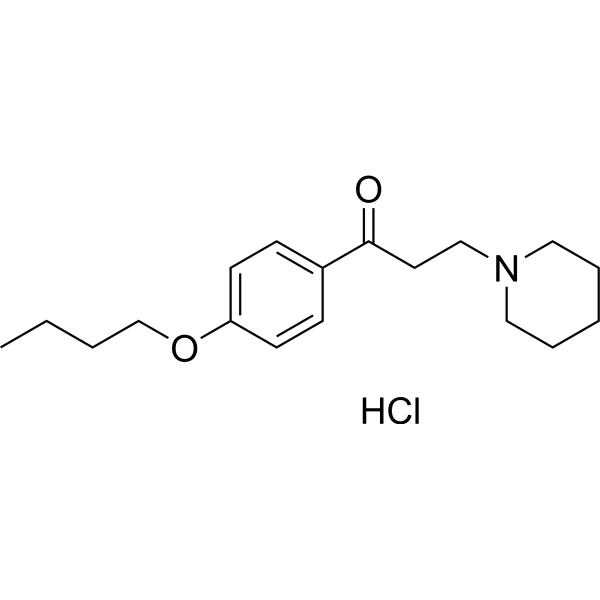
Dyclonine hydrochloride (Dyclocaine hydrochloride) is an orally active, blood-brain barrier-permeable piperidine phenylacetone small molecule commonly used as a local anesthetic. Dyclonine hydrochloride acts as a highly selective allosteric antagonist of TRPV3; it also reversibly inhibits G9a, ALDH2 and ALDH3A1, non-competitively blocks AChE. Dyclonine hydrochloride activates the Nrf2/ARE pathway, relieves the epigenetic silencing of FXN, blocks Aβ42 aggregation, and promotes remyelination and reparative polarization of microglia. Dyclonine hydrochloride alleviates pruritus via TRPV3 inhibition; it is used in studies of neurodegenerative disease models based on its AChE inhibitory, antioxidant and remyelinating effects; it sensitizes drug-resistant tumors through ALDH inhibition, and combined use with protease inhibitors induces more tumor cell apoptosis; it inhibits Candida albicans in vitro. Dyclonine hydrochloride can be used for research on multiple diseases including neurodegenerative diseases, cancer and pruritic dermatitis .
loading...
    loading...
1
1 Cited Publications
Cat. No.: HY-W041892
CAS No.: 617-52-7
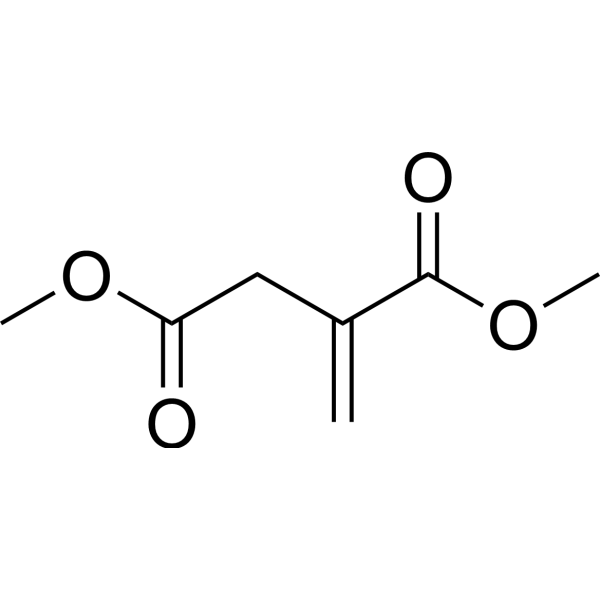
Dimethyl itaconate induces innate immune memory (trained immunity), and exhibits immunomodulatory property. Dimethyl itaconate inhibits the activation of microglia, reduces the neuroinflammation and synaptic structural damage. Dimethyl itaconate regulates the composition of intestinal flora .
loading...
    loading...
1
1 Cited Publications
Cat. No.: HY-121035
CAS No.: 916440-85-2
Purity:  99.20%
Synonyms: 7-Bromoindirubin-3-Oxime
Target:  

CDK GSK-3

Research Areas:  

Neurological Disease

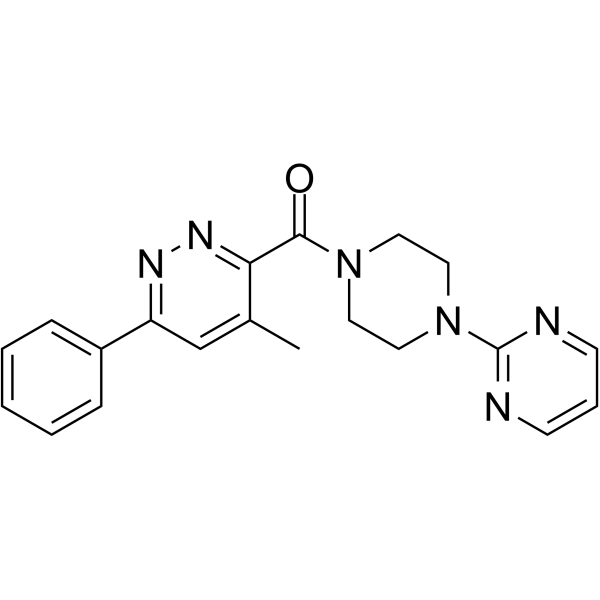
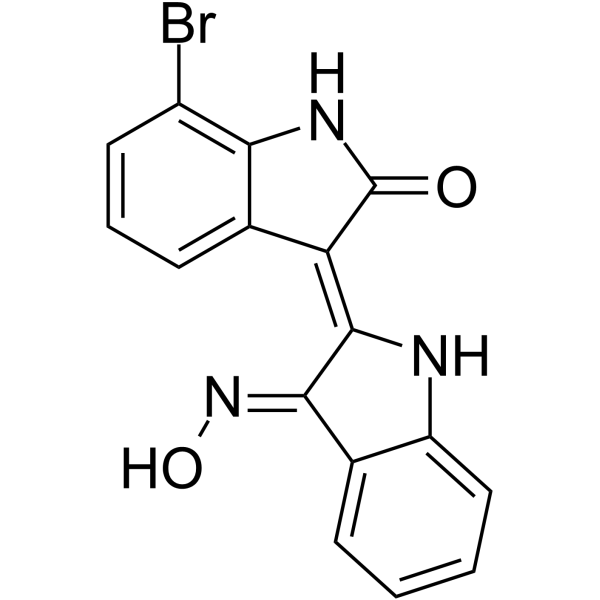
7BIO (7-Bromoindirubin-3-Oxime) is the derivate of indirubin. 7BIO (7-Bromoindirubin-3-Oxime) has inhibitory effects against cyclin-dependent kinase-5 (CDK5) and glycogen synthase kinase-3β (GSK3β). 7BIO (7-Bromoindirubin-3-Oxime) inhibits Aβ oligomer-induced neuroinflammation, synaptic impairments, tau hyper-phosphorylation, activation of astrocytes and microglia, and attenuates Aβ oligomer-induced cognitive impairments in mice [1].
loading...
    loading...
1
1 Cited Publications
Cat. No.: HY-107581
CAS No.: 1268882-43-4
Purity:  99.68%
Target:  

GPR109A MMP

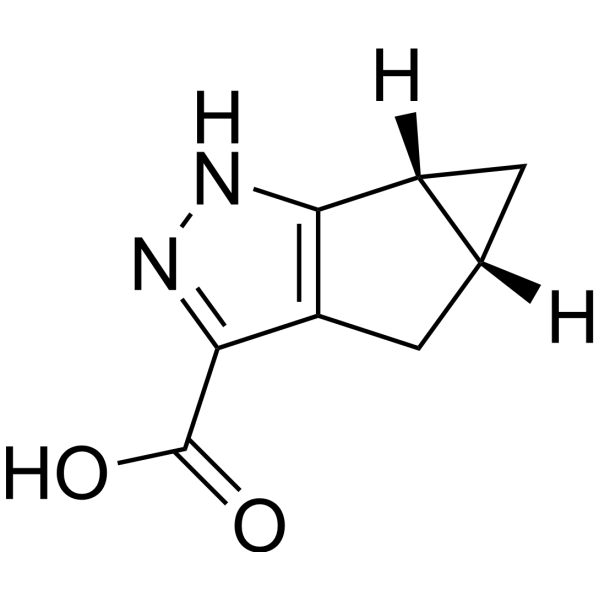
MK-1903 is an orally active full agonist of GPR109a/HCAR2, with an EC50 of 12.9 nM. MK-1903 activates antilipolytic and vasodilatory pathways, reduces plasma free fatty acid levels, and induces skin flushing. MK-1903 stimulates the expression of HCAR2 protein and regulates the inflammatory response of microglia. MK-1903 prevents the enhanced firing activity of spinal nociceptive neurons. MK-1903 triggers the release of MMP-9 and the formation of NET. MK-1903 can be used in the research of dyslipidemia and neuroinflammation-based central nervous system diseases .
loading...
    loading...
1
1 Cited Publications
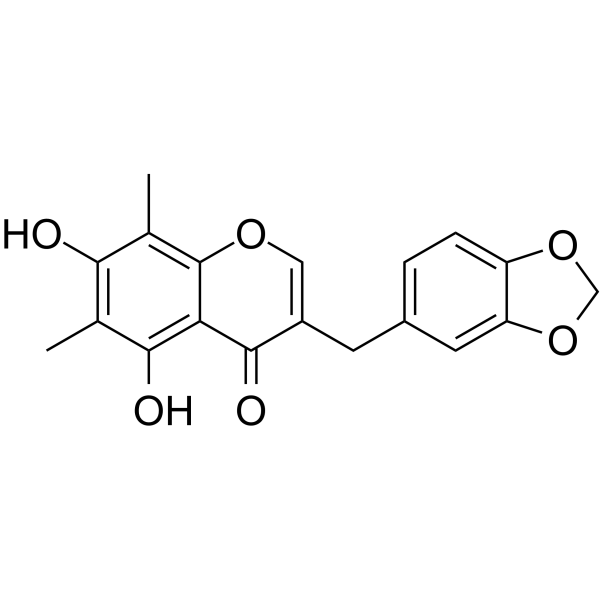
Cat. No.: HY-N2441
CAS No.: 74805-90-6
Category:  

500 - Internal Server Error | MedChemExpress

Oops!

Sorry, Something went wrong on our server.
Our team has been notified and is working to fix the issue.