4 Results for "

monkey liver microsomes

" in MedChemExpress (MCE) Product Catalog:
Products (4)

4 Results for "monkey liver microsomes" in MCE Product Catalog:

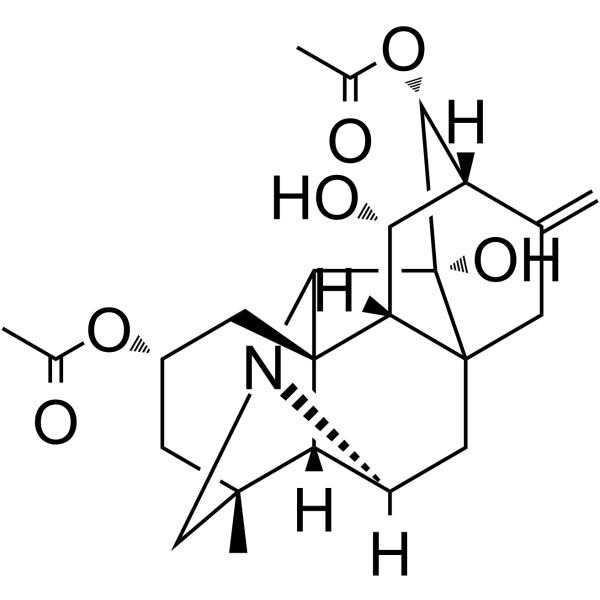
Cat. No.: HY-N1483
CAS No.: 1394-48-5
Guanfu base A is an antiarrhythmic alkaloid isolated from Aconitum coreanum and is a potent noncompetitive CYP2D6 inhibitor, with a Ki of 1.20 μM in human liver microsomes (HLMs) and a Ki of 0.37 μM for the human recombinant form (rCYP2D6). Guanfu base A is also a potent competitive inhibitor of CYP2D in monkey (Ki of 0.38 μM) and dog (Ki of 2.4 μM) microsomes . Guanfu base A also inhibits HERG channel current .
loading...
    loading...
Cat. No.: HY-117428
CAS No.: 1513828-41-5
Target:  

11β-HSD

Research Areas:  

Metabolic Disease

INU-101 is a potent, selective and orally active 11β-hydroxysteroid dehydrogenase (11β-HSD) type 1 inhibitor. INU-101 has highly potent inhibitory activity in mouse, monkey and human 11β-HSD1, derived from liver microsomes. INU-101 can enhance insulin sensitivity and lower the fasting blood glucose level. INU-101 can be used for the research of metabolic disease, such as diabetes .
loading...
    loading...
Cat. No.: HY-U00369
CAS No.: 169474-77-5
Target:  

Acyltransferase

Research Areas:  

Cardiovascular Disease

FCE 28654 is an inhibitor of acylCoA: cholesterol acyltransferase (ACAT), weakly inhibiting ACAT in microsomes from rabbit aorta and intestine, and monkey liver, with IC50s of 2.55, 1.08 and 5.69 μM, respcetively.
loading...
    loading...
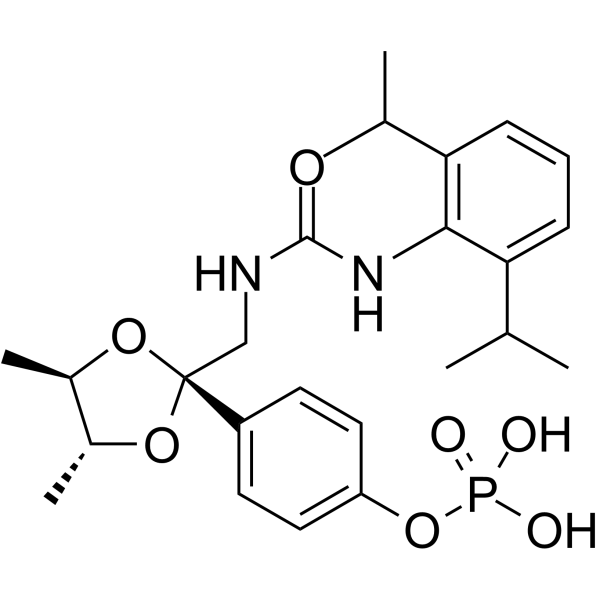
Cat. No.: HY-15042
CAS No.: 578727-68-1
Purity:  99.76%
Target:  

Bradykinin Receptor

Research Areas:  

Metabolic Disease

MK 0686, a potent bradykinin B1 receptor antagonist, demonstrates autoinduction of metabolism in rhesus monkeys after oral administration. It undergoes significant biotransformation primarily via oxidation pathways, leading to the formation of metabolites like M11 and M13 in rhesus liver microsomes. This metabolic induction is mediated by CYP2C75, as evidenced by increased mRNA expression, protein levels, and catalytic activity of this enzyme in hepatocytes and liver microsomes from MK 0686-treated animals. The autoinduction phenomenon suggests that MK 0686 enhances its own metabolism by upregulating CYP2C75, potentially influencing its systemic exposure and pharmacokinetics over time .
loading...
    loading...

