
67 Results for "

neovascularization

" in MedChemExpress (MCE) Product Catalog:
Products (67)

67 Results for "neovascularization" in MCE Product Catalog:

12
12 Publications Verification
Cat. No.: HY-13535
CAS No.: 262438-43-7
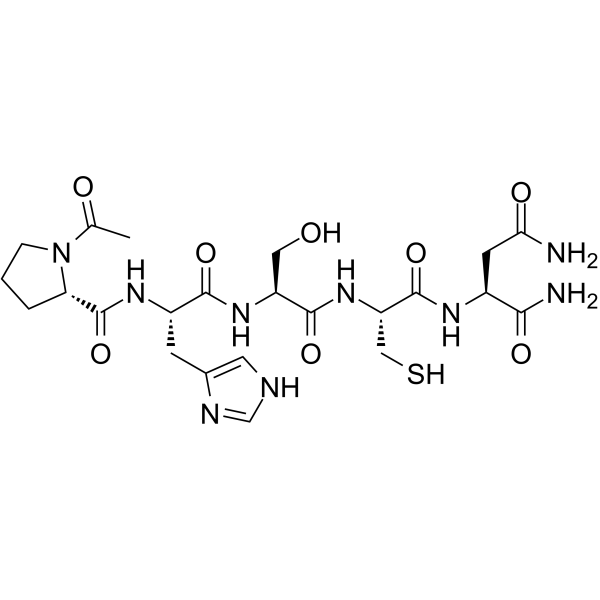
ATN-161 is an antagonist of α5β1 integrin and αvβ3 integrin, as well as an inhibitor of fibrosis, an inhibitor of oxidative stress, a tight junction stabilizer, a mitochondrial integrity protector, an angiogenesis inhibitor and an antiviral agent. ATN-161 inhibits NLRP3, MAPK, and ROS. ATN-161 protects mice from SARS-CoV-2 infection . ATN-161 reduces infarct volume, alleviates edema, decreases immune cell infiltration, reduces the area of choroidal neovascularization lesions, lowers tumor microvessel density and viral load. ATN-161 can be used in research related to ischemic stroke, choroidal neovascularization, breast cancer, coronavirus disease 2019 (COVID-19), and liver metastasis of colorectal cancer .
loading...
    loading...
11
11 Cited Publications
Cat. No.: HY-129241
CAS No.: 330834-54-3
Purity:  99.33%
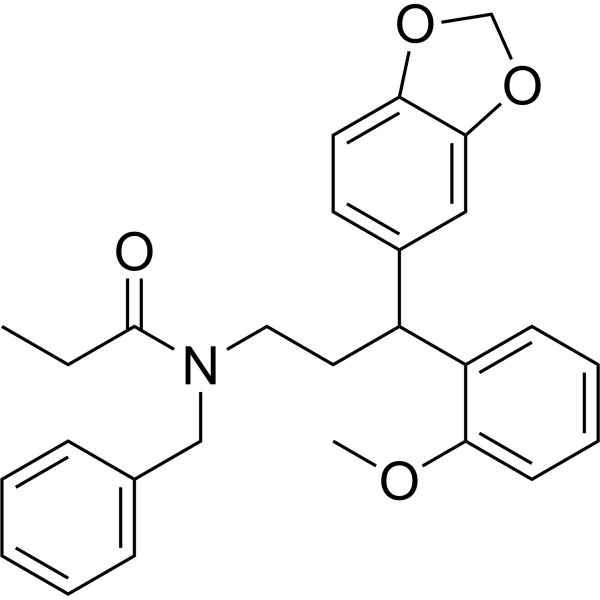
AGX51 is a pan-Id (inhibitors of DNA-binding/differentiation proteins) antagonist that disrupts ID-E protein interactions, thereby triggering ubiquitin-mediated proteasomal degradation of ID1, ID2, ID3 and ID4. AGX51 induces ROS production, G0/G1 cell cycle arrest, non-apoptotic cell death, and regulates EMT-related proteins. AGX51 reduces the proliferation, migration and myofibroblast differentiation of lung fibroblasts, alleviates pulmonary fibrosis, inhibits cancer cell viability and tumor growth, impairs neovascularization, and shows no obvious toxicity in mice. AGX51 can be used in research related to idiopathic pulmonary fibrosis, triple-negative breast cancer, breast cancer, pancreatic ductal adenocarcinoma, colorectal tumors, wet age-related macular degeneration and retinopathy of prematurity .
loading...
    loading...
3
3 Cited Publications
Cat. No.: HY-N2464
CAS No.: 34612-38-9
Synonyms: Amylotetraose; Fujioligo 450; α-1,4-Tetraglucose
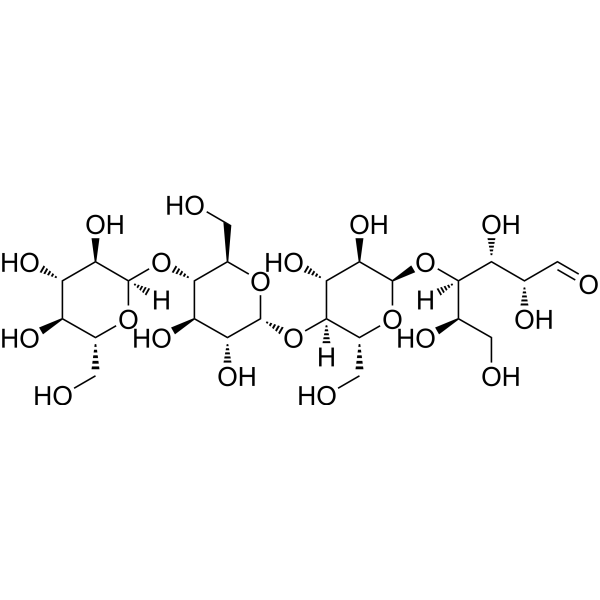
Maltotetraose can serve as a substrate for enzyme-linked assays to measure amylase activity in biological fluids. Maltotetraose has oral active, and reduces TNF-α-induced inflammatory responses by inhibiting NF-κB activity and decreasing ICAM-1 expression. Maltotetraose also inhibits PDGF-induced vascular smooth muscle cell migration and neovascularization. Additionally, Maltotetraose derivatives can function as probes for detecting bacterial infections by targeting the maltodextrin transporter. With good long-term safety, Maltotetraose holds promise for research in atherosclerosis-related diseases .
loading...
    loading...
2
2 Cited Publications
Cat. No.: HY-N1419
CAS No.: 53452-16-7
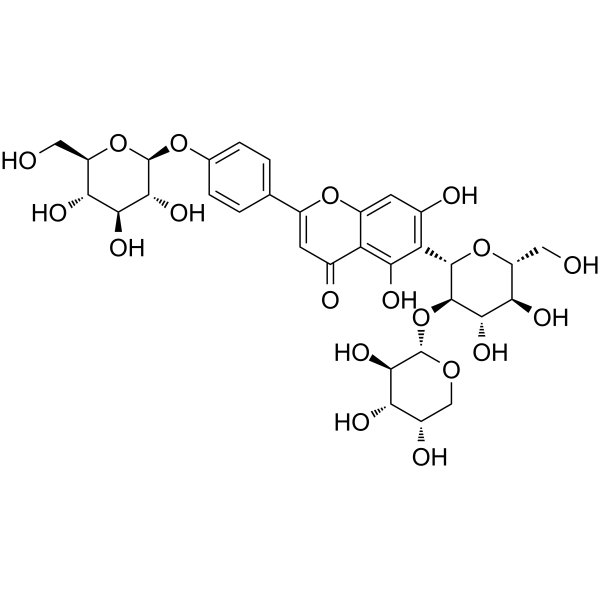
Vaccarin is an orally active flavonoid glycoside with multiple biological functions. Vaccarin promotes neovascularization by activating AKT and ERK. Vaccarin activates the AMPK signaling pathway to improve insulin resistance and steatosis. Vaccarin is a MAPK, NF-κB, and NFAT inhibitor, effectively blocking RANKL-induced osteoclastogenesis .
loading...
    loading...
2
2 Cited Publications
Cat. No.: HY-118530
CAS No.: 65002-17-7
Purity:  98.87%
Synonyms: SA96; Thiobutarit
Target:  

VEGFR

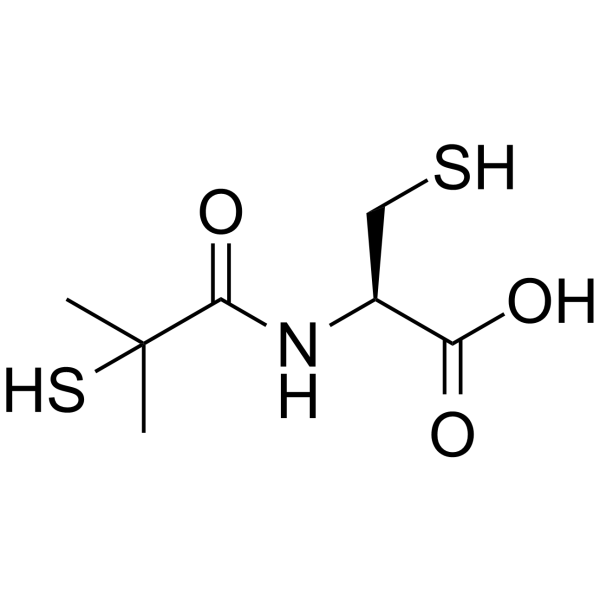
Bucillamine (SA96) is an orally active and potent sulfhydryl donor and antioxidant. Bucillamine is also an antirheumatic agent with antiangiogenic properties. Bucillamine can protect against Ischemia/reperfusion (I/R) injury in high-risk organ transplants. Bucillamine inhibits the production of VEGF. Bucillamine can be used for the research of choroidal neovascularization (CNV) and rheumatoid arthritis (RA) .
loading...
    loading...
1
1 Cited Publications
Cat. No.: HY-N7271
CAS No.: 80-78-4
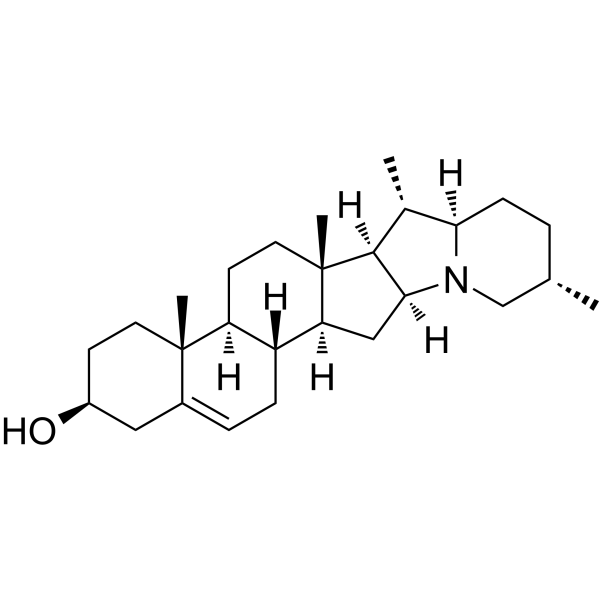
Solanidine is an orally active cholestane alkaloid. Solanidine can be isolated from potato. Solanidine decreases RAD51 and increases γH2AX and p53. Solanidine has anti-tumor effects on LLC tumors and lung cancer. Solanidine promotes breast cancer cell proliferation. Solanidine reduces neovascularization. Solanidine causes abortion in some pregnant mice .
loading...
    loading...
1
1 Cited Publications
Cat. No.: HY-109020
CAS No.: 1229453-99-9
Purity:  99.84%
Synonyms: LHA510
Target:  

VEGFR

Research Areas:  

Cardiovascular Disease

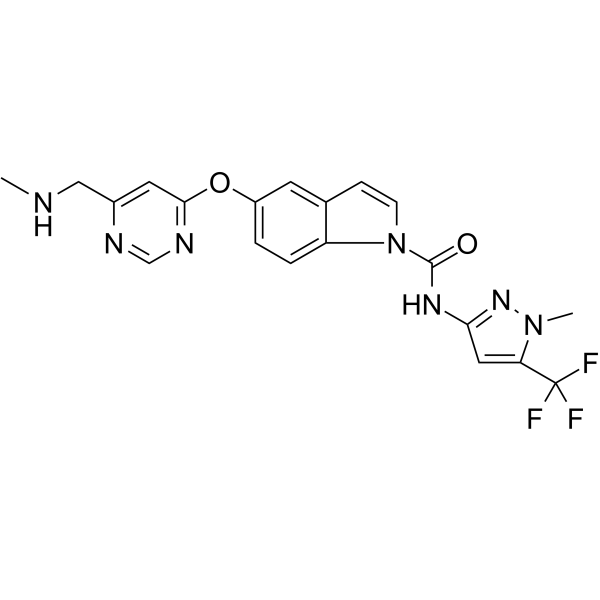
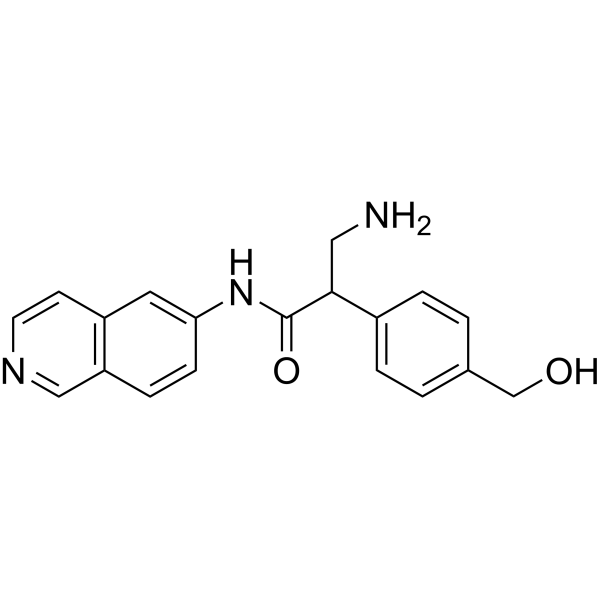
Acrizanib (LHA510) is a small-molecule vascular endothelial growth factor receptor 2 (VEGFR-2, KDR) inhibitor. Acrizanib inhibits the proliferation of BaF3-Tel-KDR cells dependent on VEGFR-2 activity, with an IC50 of 17.4 nM. Acrizanib can be used in research related to choroidal neovascularization and neovascular age-related macular degeneration .
loading...
    loading...
1
1 Cited Publications
Cat. No.: HY-15492
CAS No.: 319460-94-1
Purity:  99.71%
Synonyms: AG-013958
Target:  

VEGFR

Research Areas:  

Cardiovascular Disease

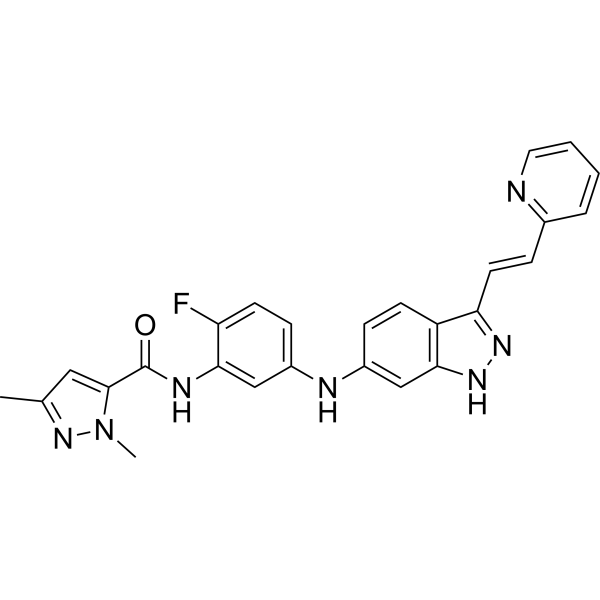
AG-13958 (AG-013958), a potent VEGFR tyrosine kinase inhibitor, is used for treatment of choroidal neovascularization associated with age-related macular degeneration (AMD) .
loading...
    loading...
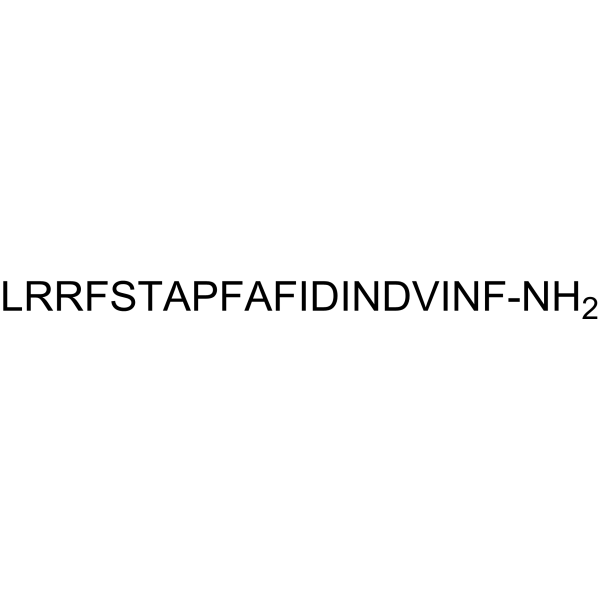
Cat. No.: HY-P3369
CAS No.: 2417491-82-6
Synonyms: AXT-107
Gersizangitide (AXT107) is an anti-angiogenic peptide consisting of 20 amino acids, derived from collagen IV. Gersizangitide is an inhibitor of VEGF-A and VEGF-C and an activator of Tie2. Gersizangitide can block VEGF receptor signaling, inhibit vascular leakage, neovascularization and inflammation. Gersizangitide can be used in the research of diseases related to ocular neovascularization and angiogenesis .
loading...
    loading...
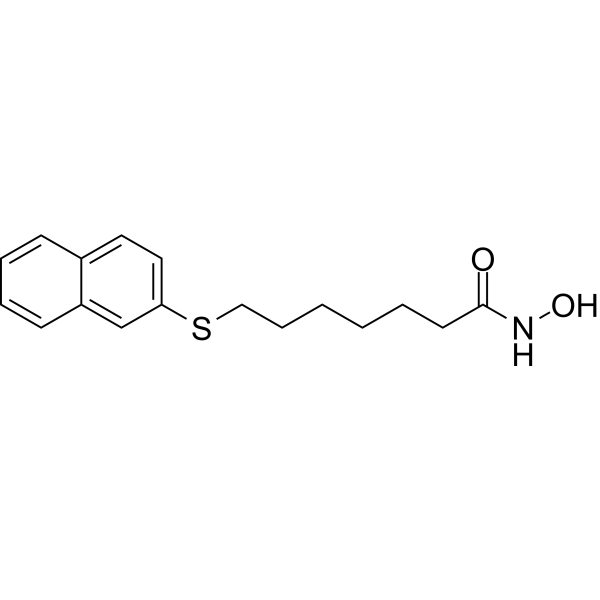
Cat. No.: HY-118672
CAS No.: 926908-04-5
Purity:  99.76%
Research Areas:  

Cancer

HNHA is a potent HDAC inhibitor with an IC50 of 100 nM. HNHA arrests the cell cycle at the G1/S phase via p21 induction. HNHA inhibits tumor growth and tumor neovascularization. HNHA may be a potent anti-cancer agent against breast cancer .
loading...
    loading...
Cat. No.: HY-P3226
CAS No.: 147819-32-7
JB-1, an IGF-I analog, is a selective IGF-I receptor inhibitor that does not interact with IGF-II. JB-1 competes with IGF-I for binding to IGF-1R and blocks receptor autophosphorylation. JB-1 increases the level of sVEGFR-1. JB-1 normalizes retinal abnormalities, including reducing retinal neovascularization. JB-1 is applicable to studies related to oxygen-induced retinopathy .
loading...
    loading...
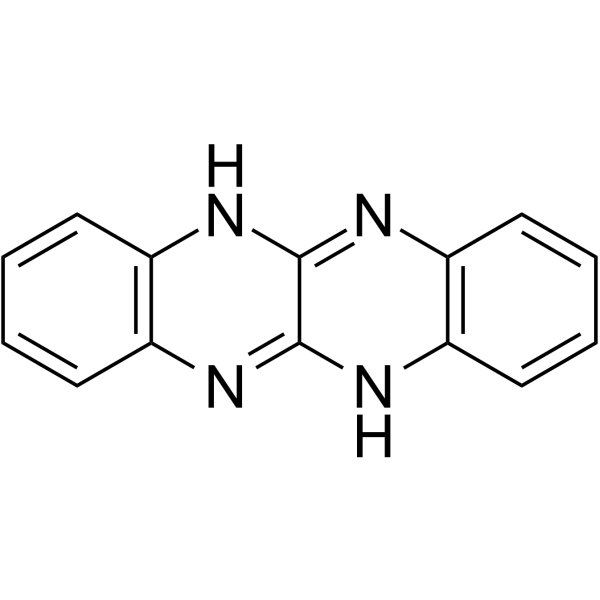
Cat. No.: HY-126195
CAS No.: 531-46-4
Purity:  99.41%
Synonyms: ML-090
Target:  

NADPH Oxidase

Research Areas:  

Neurological Disease

Fluoflavine (ML-090) is a selective NOX1 inhibitor and reactive oxygen species inhibitor. Fluoflavine reduces reactive oxygen species production, NOX1-mediated downstream signaling events, and oxygen-glucose deprivation-induced retinal ganglion cell death. Fluoflavine inhibits NADPH oxidase activity and pathological retinal neovascularization induced by oxygen-induced retinopathy in the retinas of ischemic mice. Fluoflavine can be used in studies related to retinal ischemia-reperfusion injury and proliferative retinopathy .
loading...
    loading...
Cat. No.: HY-P10953
CAS No.: 2868985-56-0
Synonyms: PSP 29-mer, anti-inflammatory peptide
Target:  

ERK STAT

Research Areas:  

Inflammation/Immunology

Fulipiftide (PSP 29-mer) is a short peptide derived from pigment epithelium-derived factor (PEDF). Fulipiftide induces the phosphorylation of ERK2 and STAT3, enriches tendon stem/progenitor cell markers, maintains cell stemness, promotes colony formation and niche expansion, and drives cell infiltration into injured tendons. Fulipiftide promotes the oriented formation of collagen fibers, regulates collagen deposition, and reduces inflammatory cell infiltration and neovascularization. Fulipiftide can be used in studies related to acute tendon injury .
loading...
    loading...
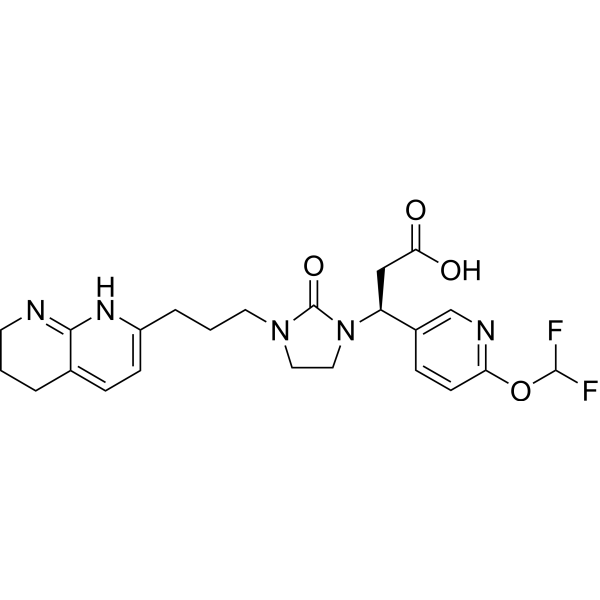
Cat. No.: HY-117133
CAS No.: 1621332-91-9
Synonyms: SF0166
Target:  

Integrin

Research Areas:  

Metabolic Disease

Nesvategrast (SF0166) is a potent and selective αvβ3 antagonist with IC50 values of 0.6 nM, 8 nM, and 13 nM for αvβ3, αvβ6, and αvβ8, respectively. Nesvategrast inhibits cellular adhesion to vitronectin across human, rat, rabbit, and dog cell lines with IC50 values of 7.6 pM to 76 nM. Nesvategrast decreases neovascularization in the oxygen-induced retinopathy mouse model .
loading...
    loading...
Cat. No.: HY-P99830
CAS No.: 1227158-72-6
Synonyms: KH902
Conbercept (KH902) is a recombinant fusion protein composed of VEGFR-1 (second domain) and VEGFR-2 (third and fourth domains) regions fused to human IgG1 Fc. Conbercept is a VEGF inhibitor (IC50 = 8.8 pM) and is a soluble receptor decoy that blocks all isoforms of VEGF-A (Kd = 0.5 pM), VEGF-B (Kd = 8 pM), VEGF-C, and PlGF (Kd = 5 pM). Conbercept has anti-inflammatory effects, can lower the levels of VEGF, TNF-α and IL-6, and reduce the infiltration of inflammatory cells. Conbercept decreases tumor growth in several oncology studies. Conbercept can be used for various eye diseases such as polypoidal choroidal vasculopathy (PCV), diabetic macular edema (DME) and pathologic myopia choroidal neovascularization (pmCNV) .
loading...
    loading...
Cat. No.: HY-P1615
CAS No.: 1006388-38-0
Synonyms: UPARANT
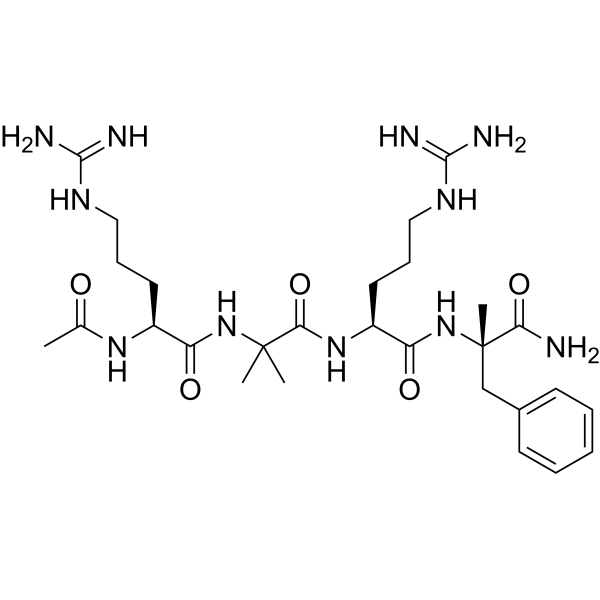
Cenupatide (UPARANT) is a uPAR and FPR antagonist with anti-angiogenic, anti-inflammatory, and vascular barrier regulatory activities, as well as high stability and resistance to enzymatic degradation in blood/plasma. Cenupatide blocks the uPAR-FPR interaction, reduces VEGF-induced phosphorylation levels of AKT, VEGFR-2, STAT3, JNK, p38 MAPK, ERK1/2, and NF-κB p65, and inhibits αvβ3 integrin activation. Cenupatide suppresses endothelial cell migration, invasion, tube formation, and angiogenic signaling pathways, restores tight junctions and blood-retinal barrier integrity, reduces pro-inflammatory marker levels, and inhibits apoptosis. Cenupatide reduces retinal neovascularization, renal fibrosis, and vascular leakage, and restores visual function in preclinical models. Cenupatide is applicable to research related to retinopathy, diabetic complications, ocular diseases, cancer, and inflammatory diseases .
loading...
    loading...
Cat. No.: HY-P4253
CAS No.: 2483-17-2
Synonyms: H-Arg-Gln-OH
Target:  

VEGFR

Research Areas:  

Cardiovascular Disease

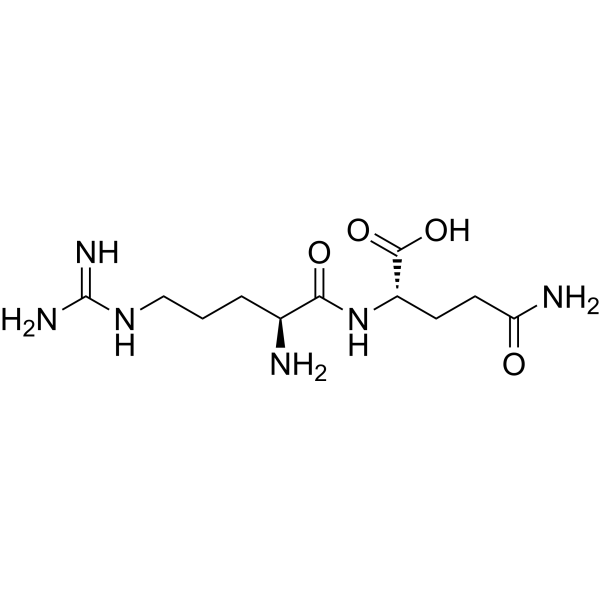
Arginyl-Glutamine is a dipeptide that can decrease VEGF levels and inhibit retinal neovascularization in a mouse model of oxygen-induced retinopathy .
loading...
    loading...
Cat. No.: HY-153484A
CAS No.: 849758-52-7
Research Areas:  

Neurological Disease

Bevasiranib sodium is a siRNA that targets and silences VEGF-A. Bevasiranib sodium activates the RNA-induced silencing complex to degrade VEGF-A mRNA, mediates TLR3-related inhibition of choroidal neovascularization, and triggers RNA interference-mediated gene silencing through endogenous eukaryotic RNAi mechanisms. After intravitreal injection, Bevasiranib sodium distributes to various ocular tissues and resists degradation by intraocular nucleases, reducing choroidal neovascularization area and alleviating vascular leakage. Bevasiranib sodium can be used in research related to macular degeneration .
loading...
    loading...
Cat. No.: HY-125639
CAS No.: 1254032-16-0
Purity:  99.08%
Synonyms: (rac)-AR-13324 M1 metabolite
Target:  

PKC ROCK

Research Areas:  

Cardiovascular Disease

(rac)-AR-13503 ((rac)-AR-13324 M1 metabolite) is the isoform of AR-13503 (HY-12798C). AR-13503 a ROCK/PKC inhibitor, inhibiting angiogenesis and enhancing retinal pigment epithelium (RPE) permeability. AR-13503 also inhibits the formation of aberrant neovascularization (NV) in oxygen-induced retinopathy (OIR) model in mice .
loading...
    loading...
Cat. No.: HY-172423
CAS No.: 3065226-39-0
Synonyms: KO-2806
Research Areas:  

Cancer

Darlifarnib (KO-2806) is an orally active farnesyl transferase inhibitor. Darlifarnib inhibits the mTORC1 signaling pathway, thereby enhancing the anti-angiogenic properties of tyrosine kinase inhibitors. When used in combination with anti-VEGFR tyrosine kinase inhibitors, Darlifarnib promotes renal cell carcinoma tumor regression and inhibits tumor neovascularization. Darlifarnib sensitizes renal cell carcinoma tumors that progress after anti-VEGFR TKI treatment .
loading...
    loading...

