2908 Results for "

nerve terminal preparations

" in MedChemExpress (MCE) Product Catalog:
Products (2908)

2908 Results for "nerve terminal preparations" in MCE Product Catalog:

275
275 Publications Verification
Cat. No.: HY-P0175
CAS No.: 1236188-16-1
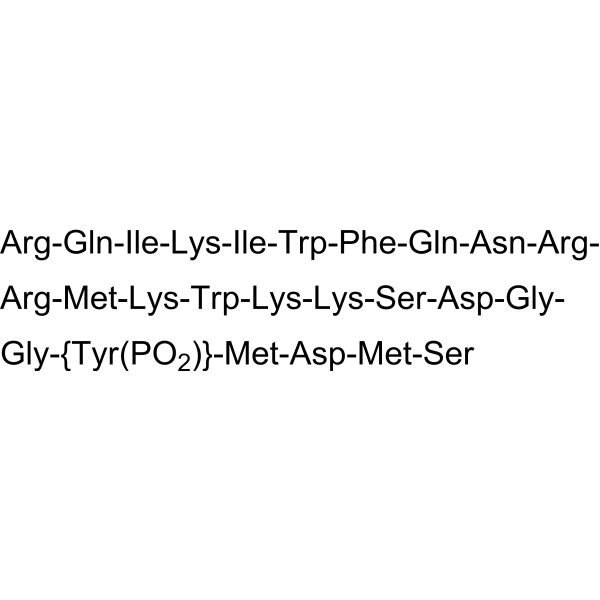
Synonyms: 740YPDGFR; PDGFR 740Y-P
Target:  

PI3K Autophagy

Research Areas:  

Cancer

740 Y-P (740YPDGFR; PDGFR 740Y-P) is a potent and cell-permeable PI3K activator. 740 Y-P readily binds GST fusion proteins containing both the N- and C- terminal SH2 domains of p85 but fails to bind GST alone .
loading...
    loading...
213
213 Cited Publications
Cat. No.: HY-16658
CAS No.: 187389-52-2
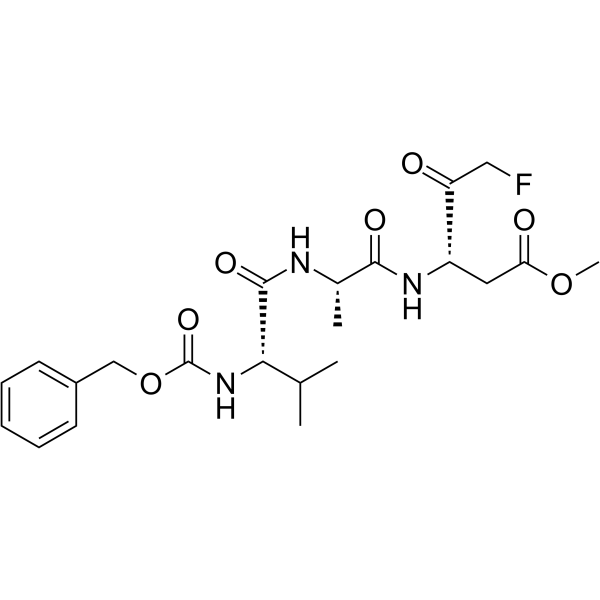
Synonyms: Z-Val-Ala-Asp(OMe)-FMK
Target:  

Caspase

Research Areas:  

Cancer

Z-VAD(OMe)-FMK (Z-Val-Ala-Asp(OMe)-FMK) is a cell-permeable and irreversible pan-caspase inhibitor . Z-VAD(OMe)-FMK is an ubiquitin carboxy-terminal hydrolase L1 (UCHL1) inhibitor. Z-VAD(OMe)-FMK irreversibly modifies UCHL1 by targeting the active site of UCHL1 .
loading...
    loading...
55
55 Cited Publications
Cat. No.: HY-B0573
CAS No.: 318-98-9
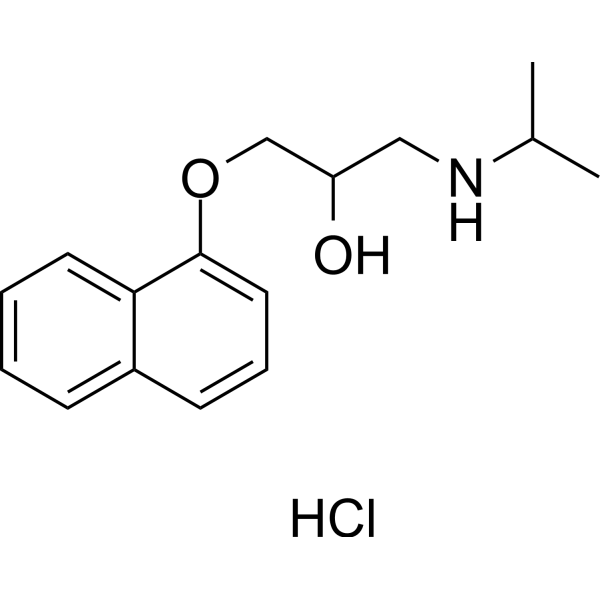
Propranolol hydrochloride is a nonselective and BBB-permeableβ-adrenergic receptor (βAR) antagonist, has high affinity for the β1AR and β2AR with Ki values of 1.8 nM and 0.8 nM, respectively. Propranolol hydrochloride inhibits [ 3H]-DHA binding to rat brain membrane preparation with an IC50 of 12 nM. Propranolol hydrochloride is used for study of hypertension, pheochromocytoma, myocardial infarction, cardiac arrhythmias, angina pectoris, and hypertrophic cardiomyopathy .
loading...
    loading...
55
55 Cited Publications
Cat. No.: HY-B0573B
CAS No.: 525-66-6
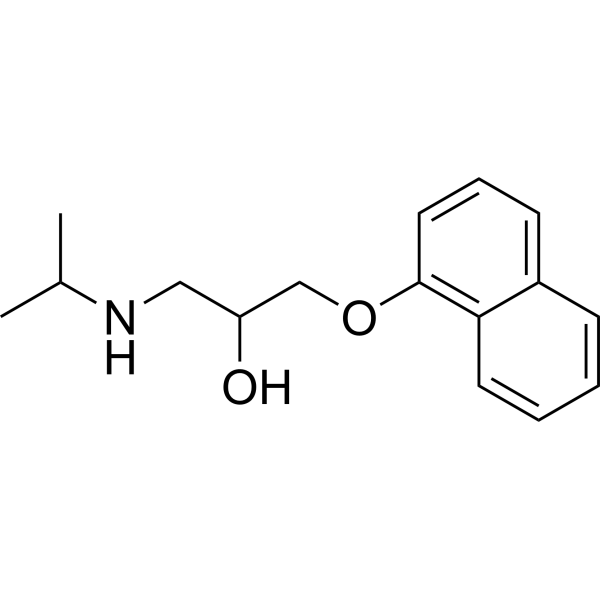
Propranolol is a nonselective and BBB-permeable β-adrenergic receptor (βAR) antagonist, has high affinity for the β1AR and β2AR with Ki values of 1.8 nM and 0.8 nM, respectively . Propranolol inhibits [ 3H]-DHA binding to rat brain membrane preparation with an IC50 of 12 nM . Propranolol is used for the study of hypertension, pheochromocytoma, myocardial infarction, cardiac arrhythmias, angina pectoris, and hypertrophic cardiomyopathy .
loading...
    loading...
54
54 Cited Publications
Cat. No.: HY-N2332A
CAS No.: 351344-10-0
Synonyms: MLA citrate
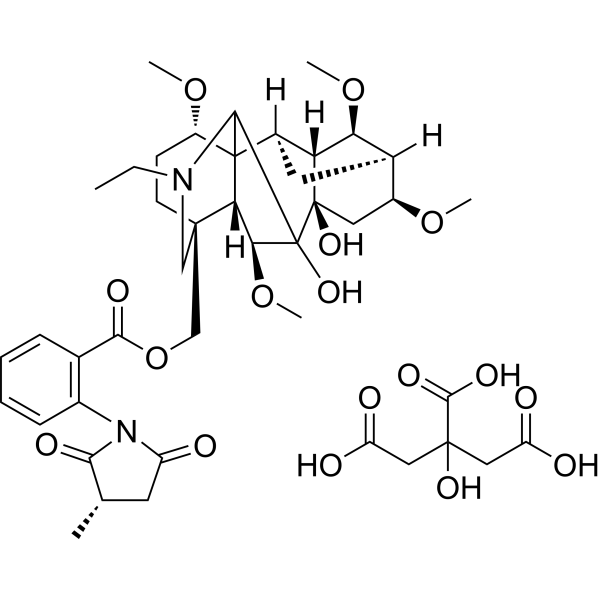
Methyllycaconitine (MLA) citrate is a blood-brain barrier-permeable antagonist of α7 nicotinic acetylcholine receptor (α7nAChR) with an IC50 of 2 nM. Methyllycaconitine citrate inhibits Aβ25-35-induced autophagy by restoring the mTOR pathway, and prevents reactive oxygen species (ROS) production, microglial activation, reduced dopamine uptake, loss of dopaminergic terminals and catecholamine secretion. Methyllycaconitine citrate induces hippocampal glutamate efflux, enhances long-term potentiation, and improves memory acquisition. Methyllycaconitine citrate can be used in research related to Alzheimer's disease, cerebral palsy, Parkinson's disease and schizophrenia .
loading...
    loading...
38
38 Cited Publications
Cat. No.: HY-115604
CAS No.: 1419320-73-2
Purity:  98.42%
Target:  

Apoptosis

Research Areas:  

Cancer

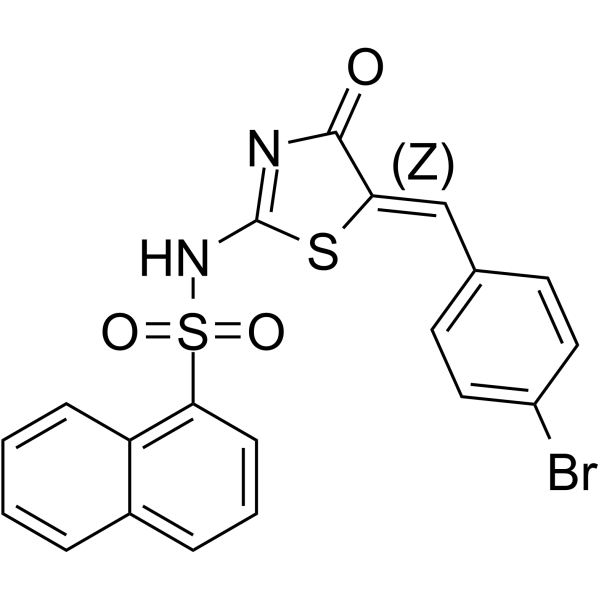
Pitstop 2 is a clathrin inhibitor which inhibits clathrin-mediated endocytosis (CME) by associating with the terminal domain of clathrin. Pitstop 2 has the potential for anti-cancer research .
loading...
    loading...
34
34 Cited Publications
Cat. No.: HY-N0145
CAS No.: 3681-99-0
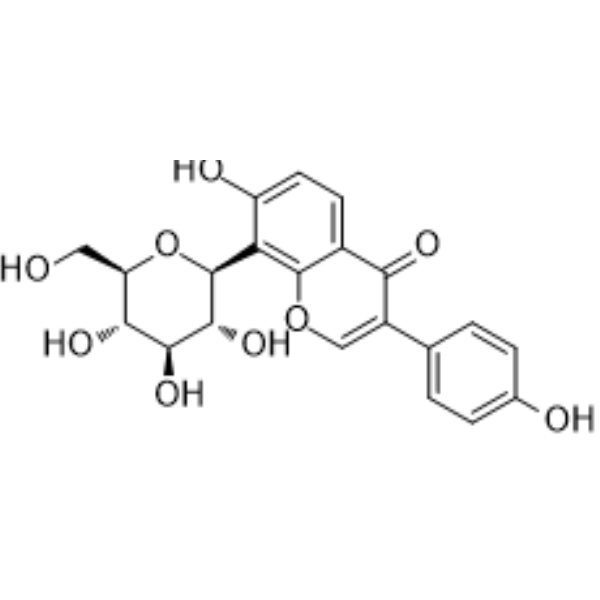
Puerarin is an isoflavone extracted from Pueraria root and is a 5-HT2C receptor antagonist. Puerarin inhibits the dorsal motor nucleus of the vagus (DMV)-vagus nerve pathway, which in turn leads to decreased fat absorption .
loading...
    loading...
28
28 Cited Publications
Cat. No.: HY-10587
CAS No.: 935693-62-2
Purity:  98.44%
Research Areas:  

Cancer

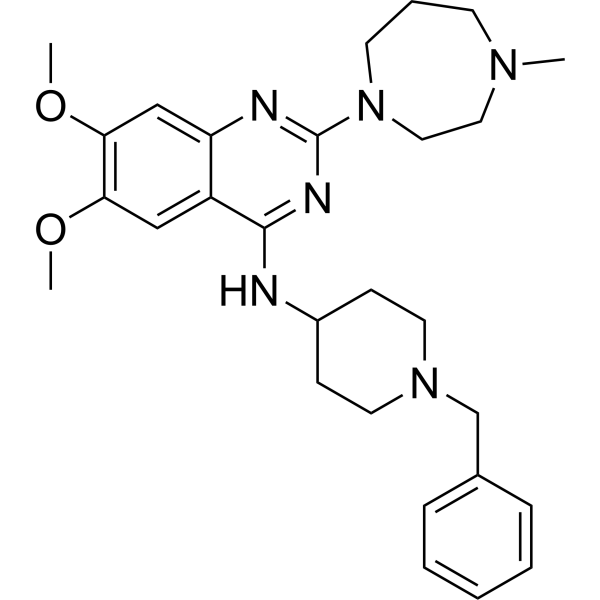
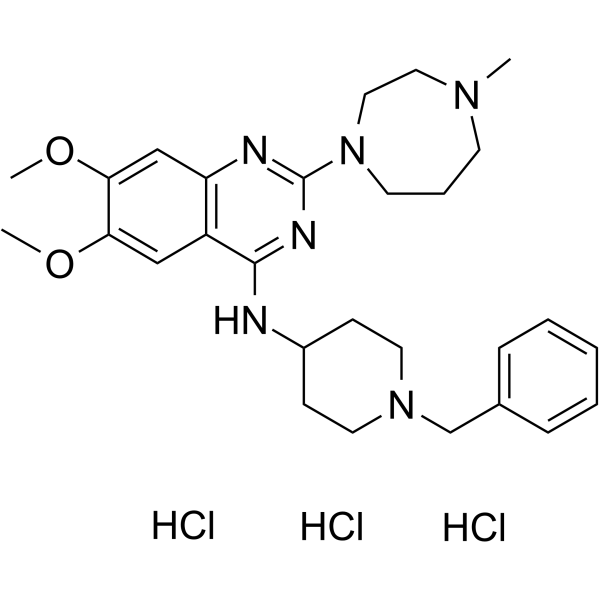
BIX-01294 is a reversible and highly selective G9a and GLP Histone Methyltransferase inhibitor, with IC50s of of 1.7 μM and 0.9 μM, respectively. BIX-01294 inhibits G9a/GLP by competing for binding with the amino acids N-terminal of the substrate lysine residue. BIX-01294, a (1H-1,4-diazepin-1-yl)-quinazolin-4-yl amine derivative, induces necroptosis and autophagy. BIX-01294 has antitumor activity in recurrent tumor cells .
loading...
    loading...
28
28 Cited Publications
Cat. No.: HY-108239
CAS No.: 1392399-03-9
Research Areas:  

Cancer

BIX-01294 trihydrochloride is a reversible and highly selective G9a and GLP Histone Methyltransferase inhibitor, with IC50s of of 1.7 μM and 0.9 μM, respectively. BIX-01294 trihydrochloride inhibits G9a/GLP by competing for binding with the amino acids N-terminal of the substrate lysine residue. BIX-01294 trihydrochloride, a (1H-1,4-diazepin-1-yl)-quinazolin-4-yl amine derivative, induces necroptosis and autophagy. BIX-01294 trihydrochloride has antitumor activity in recurrent tumor cells .
loading...
    loading...
27
27 Cited Publications
Cat. No.: HY-112764
CAS No.: 160743-62-4
Purity:  98.40%
Target:  

Liposome

Research Areas:  

Metabolic Disease

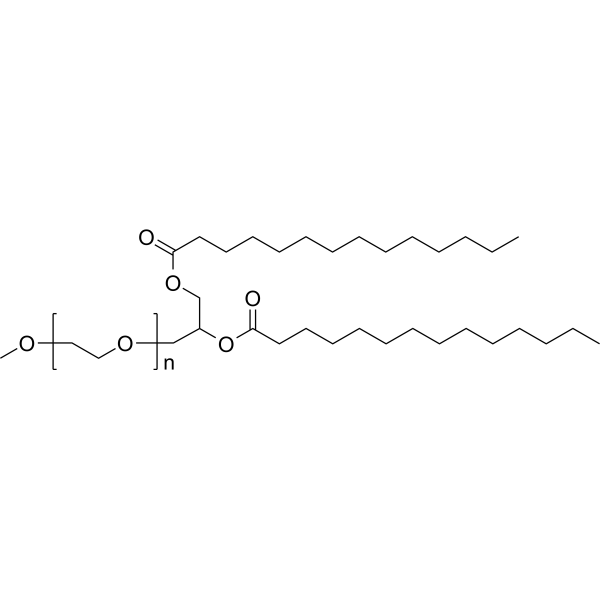
mPEG2000-DMG is used for the preparation of liposome for siRNA delivery with improved transfection efficiency in vitro. mPEG2000-DMG is also used for the lipid nanoparticle for an oral plasmid DNA delivery approach in vivo through a facile surface modification to improve the mucus permeability and delivery efficiency of the nanoparticles .
loading...
    loading...
25
25 Cited Publications
Cat. No.: HY-D0802
CAS No.: 35013-72-0
Synonyms: Biotin N-hydroxysuccinimide ester; NHS-Biotin
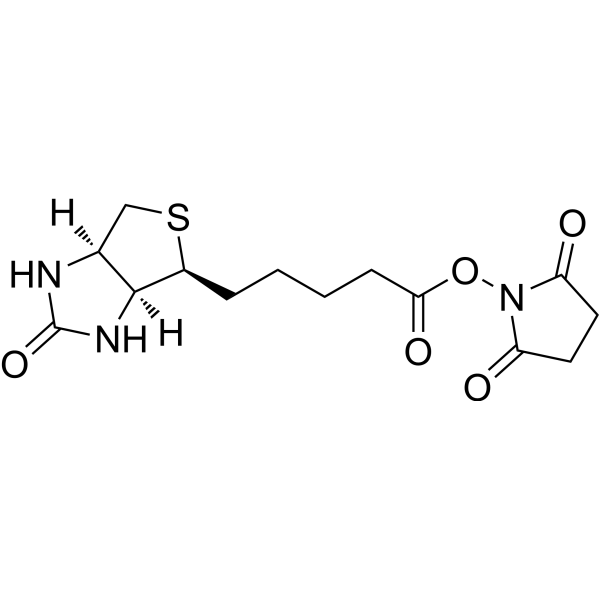
Biotin NHS is an amino reactive biotin reagent used in the preparation of biotinylated surfaces or polypeptides.
loading...
    loading...
21
21 Cited Publications
Cat. No.: HY-18637
CAS No.: 668467-91-2
Research Areas:  

Neurological Disease

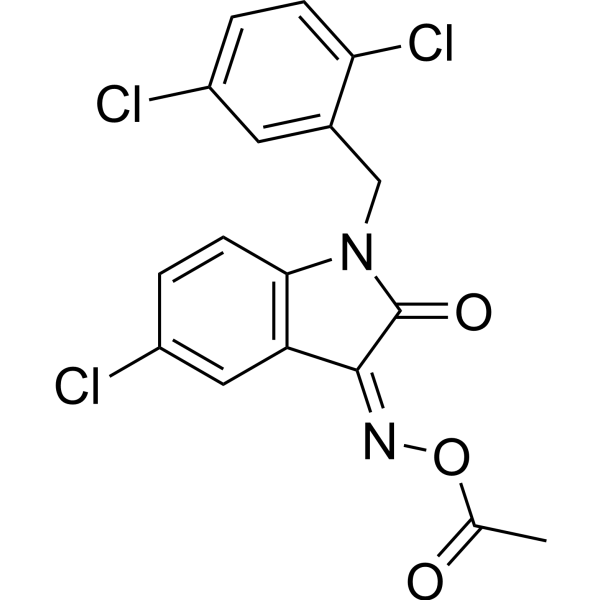
LDN-57444 is a reversible, competitive and site-directed inhibitor of ubiquitin C-terminal hydrolase L1 (UCH-L1), with an IC50 of 0.88 μM and a Ki of 0.40 μM; LDN-57444 also suppresses UCH-L3 activity, with an IC50 of 25 μM.
loading...
    loading...
20
20 Cited Publications
Cat. No.: HY-14608
CAS No.: 56-86-0
Purity:  99.81%
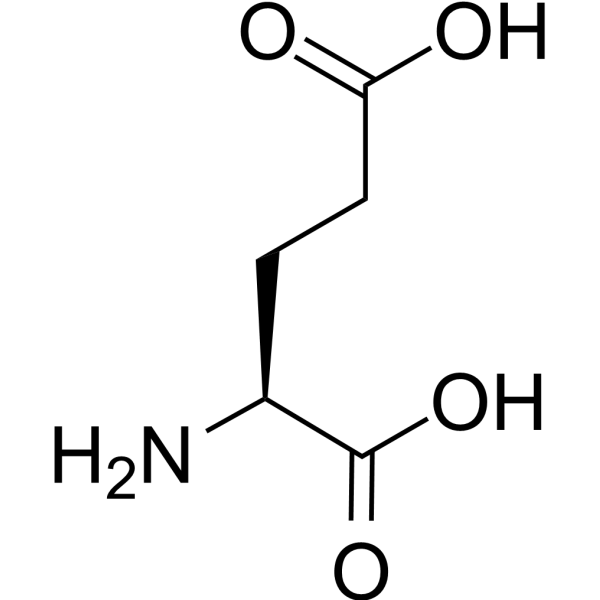
L-Glutamic acid is an excitatory amino acid neurotransmitter that acts as an agonist for all subtypes of glutamate receptors (metabolic rhodophylline, NMDA, and AMPA). L-Glutamic acid has an agonist effect on the release of DA from dopaminergic nerve endings. L-Glutamic acid can be used in the study of neurological diseases. L-Glutamic acid acts at ionotropic and metabotropic glutamate receptors .
loading...
    loading...
19
19 Cited Publications
Cat. No.: HY-N0015
CAS No.: 480-10-4
Synonyms: Astragaline; 3-Glucosylkaempferol; Kaempferol 3-β-D-glucopyranoside
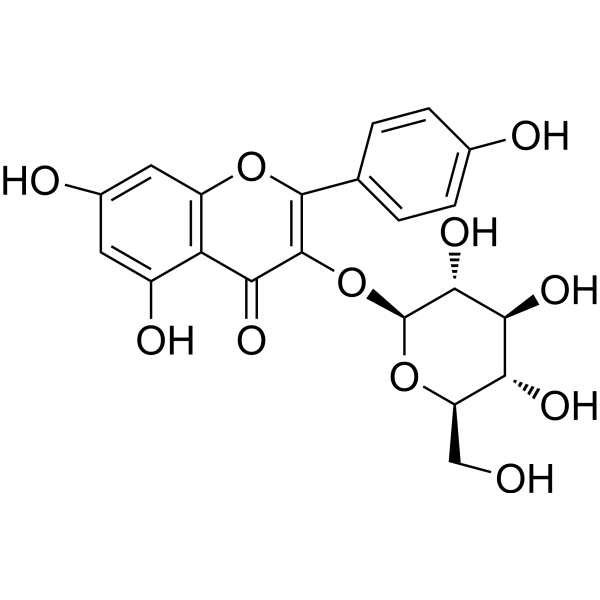
Astragalin (Astragaline) a flavonoid with anti-inflammatory, antioxidant, anticancer, bacteriostatic activity. Astragalin inhibits cancer cells proliferation and migration, induces apoptosis. Astragalin is orally active and provides nerve and heart protection, and resistance against and osteoporosis .
loading...
    loading...
19
19 Cited Publications
Cat. No.: HY-14608A
CAS No.: 142-47-2
Purity:  ≥98.0%
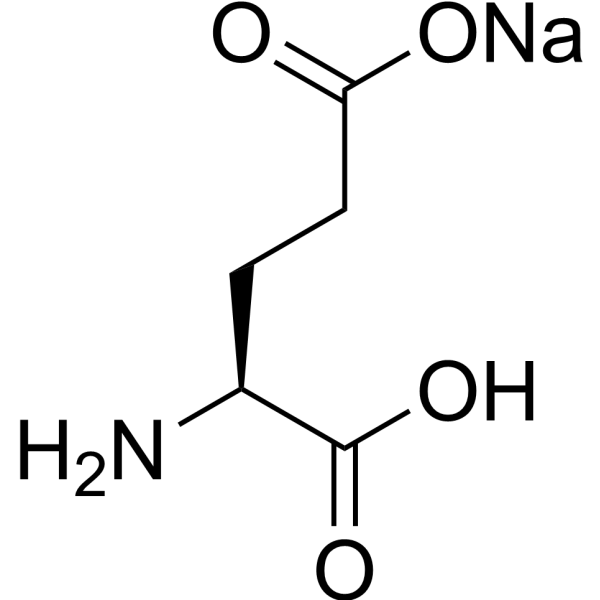
L-Glutamic acid monosodium salt is an excitatory amino acid neurotransmitter that acts as an agonist for all subtypes of glutamate receptors (metabolic rhodophylline, NMDA, and AMPA). L-Glutamic acid monosodium salt has an agonist effect on the release of DA from dopaminergic nerve endings. L-Glutamic acid monosodium salt can be used in the study of neurological diseases. L-Glutamic acid monosodium salt acts at ionotropic and metabotropic glutamate receptors .
loading...
    loading...
17
17 Cited Publications
Cat. No.: HY-W419700
CAS No.: 7558-63-6
L-Glutamic acid ammonium is an excitatory amino acid neurotransmitter that acts as an agonist for all subtypes of glutamate receptors (metabolic rhodophylline, NMDA, and AMPA). L-Glutamic acid ammonium has an agonist effect on the release of DA from dopaminergic nerve endings. L-Glutamic acid can be used in the study of neurological diseases. L-Glutamic acid ammonium acts at ionotropic and?metabotropic glutamate receptors .
loading...
    loading...
14
14 Cited Publications
Cat. No.: HY-34477
CAS No.: 144-48-9
Synonyms: Iodoacetamide
Research Areas:  

Others

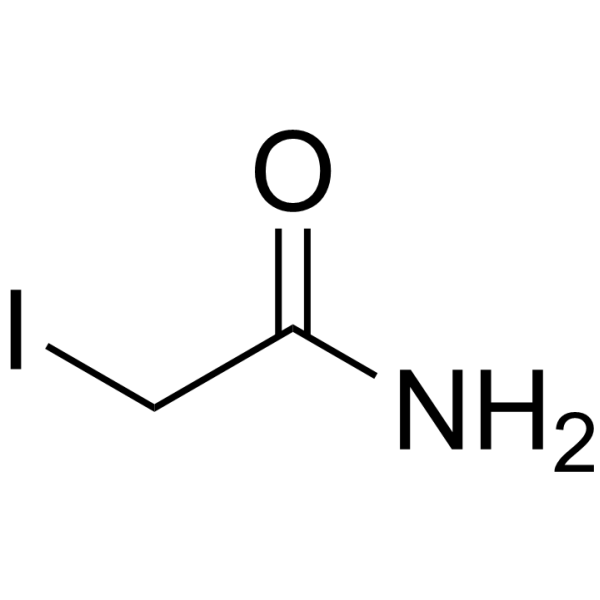
2-Iodoacetamide (Iodoacetamide), an alkylating agent, is a commonly used agent for alkylation of cysteine during sample preparation for proteomics .
loading...
    loading...
12
12 Cited Publications
Cat. No.: HY-18314
CAS No.: 504433-23-2
Target:  

Trk Receptor Apoptosis

Research Areas:  

Neurological Disease Cancer

GW 441756 is a potent and specific nerve growth factor (NGF) receptor tyrosine kinases A (TrkA) inhibitor (IC50=2 nM), which eliminates the BmK NSPK-induced neurite outgrowth .
loading...
    loading...
12
12 Cited Publications
Cat. No.: HY-114855
CAS No.: 34576-94-8
Purity:  99.81%
Target:  

Bcl-2 Family

Research Areas:  

Metabolic Disease

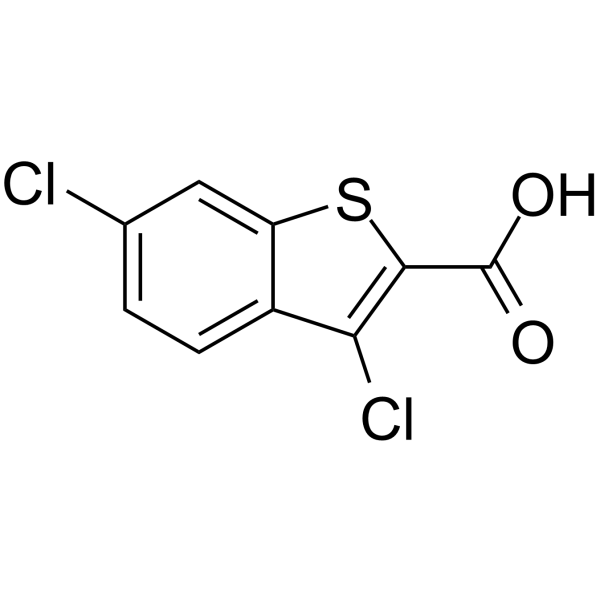
BT2 is a BCKDC kinase (BDK) inhibitor with an IC50 of 3.19 μM. BT2 binding to BDK triggers helix movements in the N-terminal domain, resulting in the dissociation of BDK from the branched-chain α-ketoacid dehydrogenase complex (BCKDC) . BT2 (compound 4) is also a potent and selective Mcl-1 inhibitor with a Ki value of 59 μM .
loading...
    loading...
11
11 Cited Publications
Cat. No.: HY-129832
CAS No.: 908007-17-0
Purity:  99.92%
Synonyms: N-(3-Azidopropyl)biotinamide
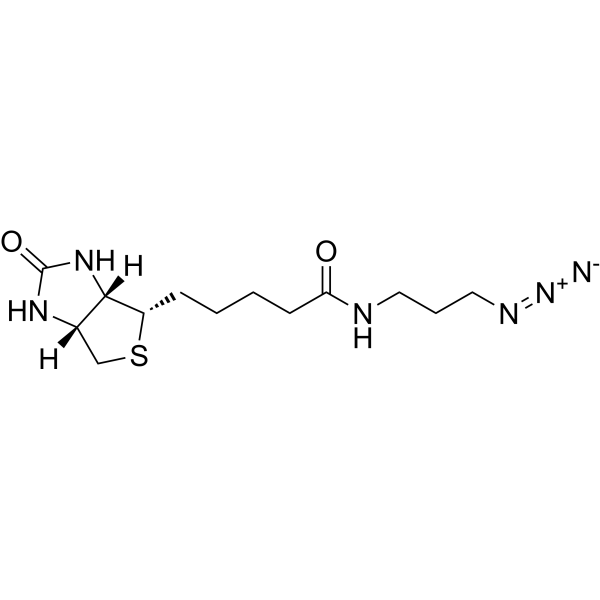
Biotin-azide (N-(3-Azidopropyl)biotinamide) is a form of biotin with a terminal azide group. Biotin-azide can be used to prepare various biotinylated conjugates via Click Chemistry . Biotin-azide is a click chemistry reagent, it contains an Azide group and can undergo copper-catalyzed azide-alkyne cycloaddition reaction (CuAAc) with molecules containing Alkyne groups. It can also undergo strain-promoted alkyne-azide cycloaddition (SPAAC) reactions with molecules containing DBCO or BCN groups.
loading...
    loading...

